Glutathione Supplements For Skin Health
(0 Results)
Glowing, radiant skin may start from within, and many people explore the potential benefits of glutathione supplements for skin health as part of their daily routine. Gluthathione, an antioxidant naturally found in the body, is often chosen by those looking to support their overall wellness journey. Discover a curated selection of glutathione supplements for skin health that could fit seamlessly into your lifestyle and wellness goals.
-

-

-

-
-
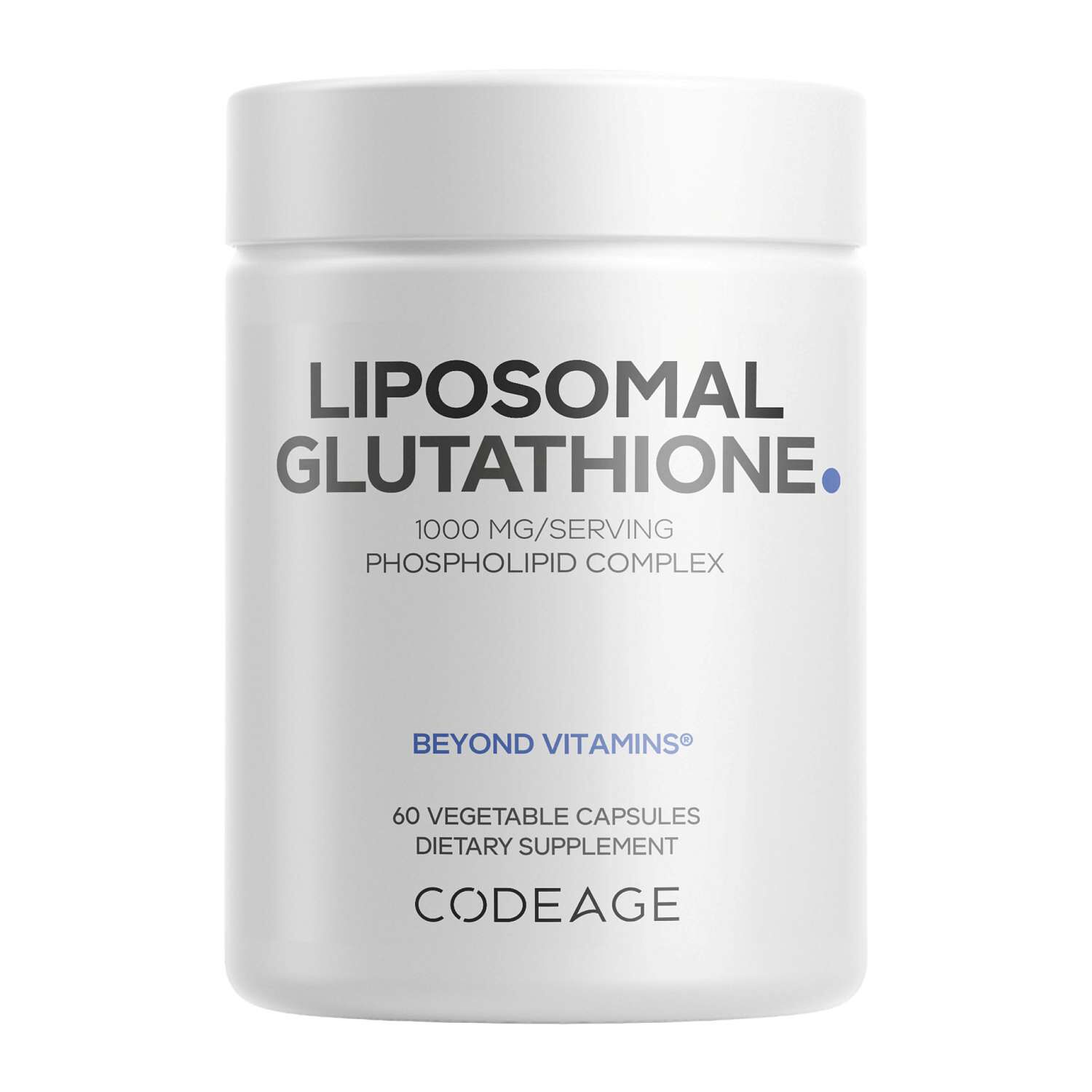
 Codeage$69.99
 -
-
-

-
-
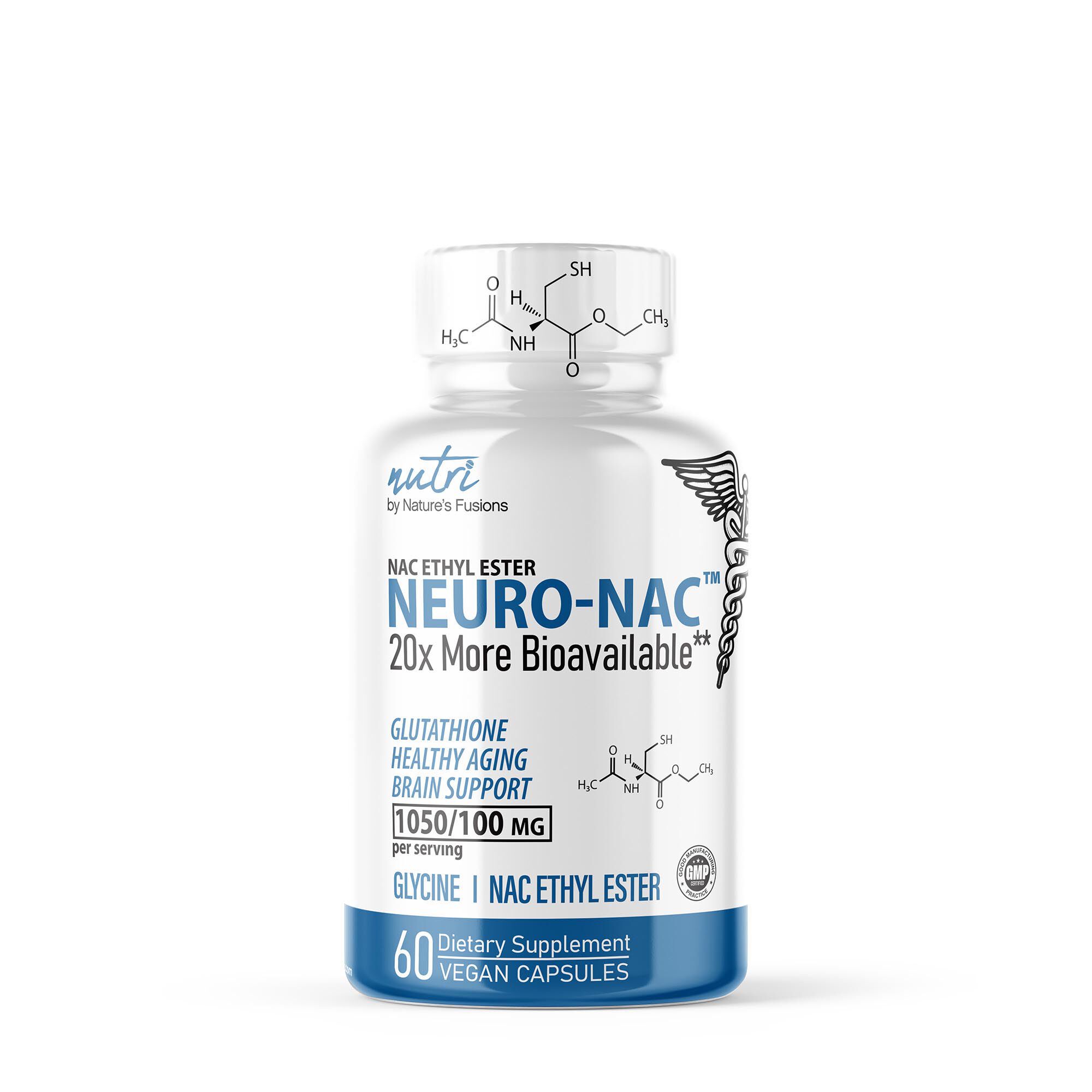
 Nature's Fusions$12.99

Glutathione supplements for skin health are dietary supplements often considered by adults interested in skin appearance and everyday wellness. Glutathione is a naturally occurring compound composed of three amino acids: glutamic acid, cysteine, and glycine. Commonly described as an antioxidant, it appears in oral supplement formulas in several formats, including capsules, tablets, and liquids. Its presence in the body provides background for understanding the ingredient, but that fact alone does not establish what taking a supplement will do for someone’s complexion. Interest in brightness, a more even-looking tone, and a refreshed appearance has brought attention to glutathione, although research on oral supplementation and visible skin changes remains limited and results are mixed. Differences in formulation, serving amount, study length, and participants make broad comparisons difficult. A skin-focused description on a package is not evidence that every person will notice the same outcome, and there is no established timeline for visible results across all formulas. These supplements may appeal to people who already enjoy a consistent personal-care routine and want to explore a nutritional product alongside it. Someone with a bathroom shelf of cleansers and moisturizers, for example, might approach an oral supplement as a separate purchase with its own ingredients, serving information, and storage requirements—not as another topical step. The distinction matters: a swallowed capsule and a cream applied to the skin have different intended uses, even when their packaging features similar appearance-focused language. Glutathione supplements may support general wellness, but expectations about cosmetic changes should remain measured. Product descriptions are most useful when they explain what is in the formula, how the serving is defined, and which format is offered rather than suggesting a particular complexion is assured. For this category, a thoughtful comparison begins with those concrete details and an understanding that interest in an ingredient is different from evidence of a noticeable result.
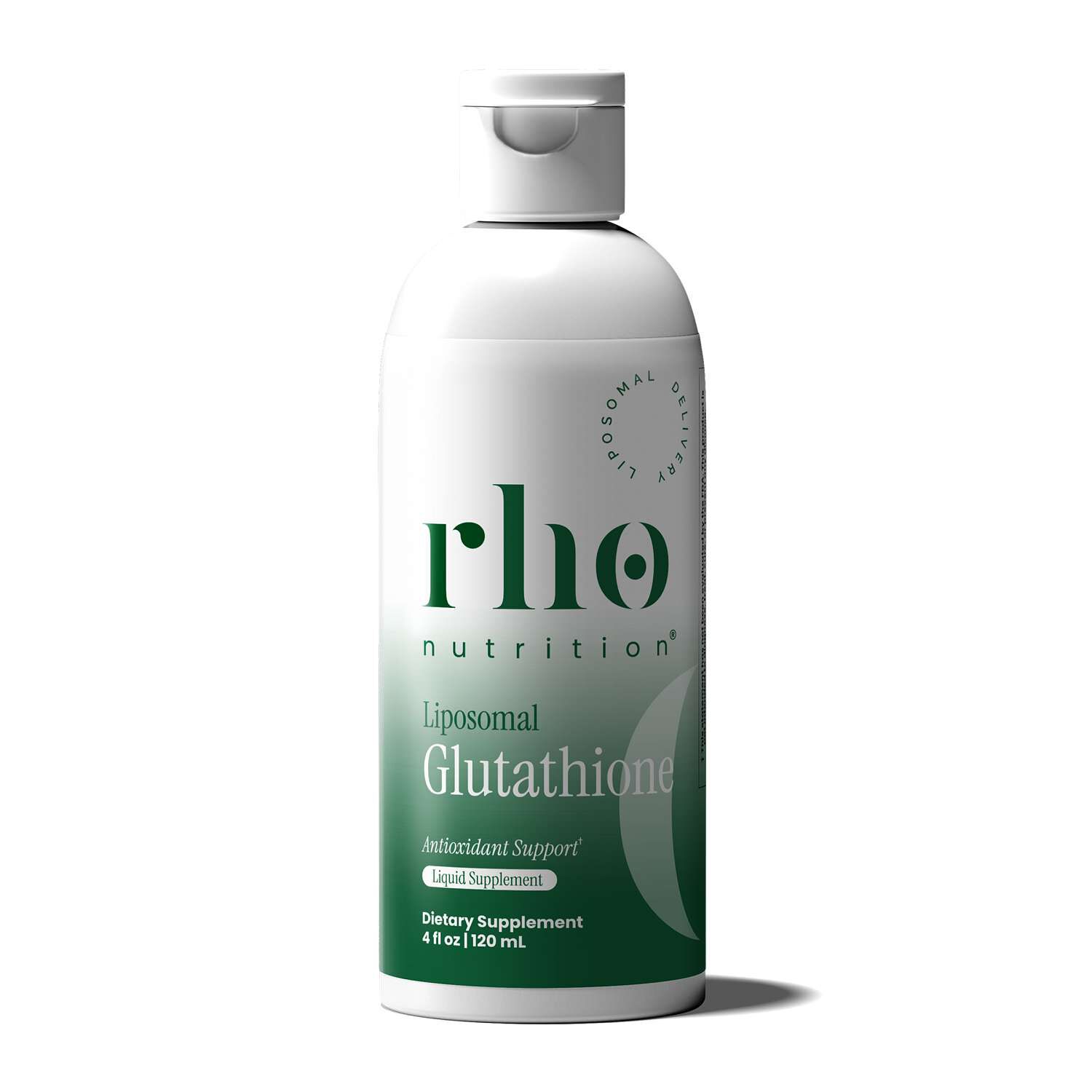
Format is one of the most practical differences among oral glutathione supplements. Capsules offer a contained serving without a liquid to measure, while tablets have their own dimensions, coatings, and serving instructions. A person who dislikes larger pills might pay close attention to capsule size and the number included in a labeled serving. Liquid formulas involve different considerations, such as flavor, the measuring device, and whether the label specifies refrigeration after opening. Sublingual formats are designed for placement under the tongue; their intended use should not be confused with that of ordinary swallowed tablets. Liposomal glutathione describes a formulation using lipid-based carriers, but that description alone does not establish better absorption or more noticeable skin-related results. Reduced glutathione, sometimes identified as GSH, is another term shoppers may encounter. It identifies a form of the ingredient rather than a universal ranking of product quality. Across formats, the Supplement Facts panel gives the serving size and amount of listed dietary ingredients per serving. The amount on the front of a bottle may refer to several capsules or a measured portion of liquid rather than one capsule or one dropperful, so the serving definition matters when comparing labels. The other ingredients section adds useful context about capsule shells, coatings, flavors, sweeteners, and formulation materials. Capsule shells may be gelatin-based or plant-derived, and lipid ingredients may come from different sources. A plant-derived shell does not, by itself, establish that every ingredient meets a particular dietary preference. Allergen statements and any clearly identified ingredient sources can help distinguish formulas without relying on broad marketing language. Some formulas pair glutathione with vitamins or other dietary ingredients, while others center on glutathione alone. More ingredients do not automatically mean a better fit. For someone who already uses several supplements, a straightforward ingredient list can make comparison easier and bring overlapping ingredients into view. Clear labeling is especially valuable when two bottles look similar but contain different serving amounts or supporting ingredients.
Product quality also involves documentation, packaging, and care after purchase. An independent testing mark can provide information about a product’s verification, but the meaning depends on the organization and the testing program. Testing for ingredient identity, labeled amounts, or selected contaminants is different from demonstrating a cosmetic benefit. A statement about testing should make its scope understandable rather than leave shoppers to assume it covers every possible concern. Packaging details deserve similar attention. An intact seal, a legible expiration date, and readable storage directions are practical features of a supplement intended for repeated use. Capsules and tablets should remain in the packaging specified by the manufacturer, and liquids may have additional directions for handling after opening. Moisture, direct light, and exposure to unsuitable storage conditions can affect product quality; the label provides the relevant requirements for each formulation. A countertop beside a steamy shower, for instance, is different from a dry cabinet, just as a bottle left loose in a gym bag is different from one stored in its original container. Bottle size and serving count also influence everyday fit. A larger container may suit someone who prefers fewer packaging changes, while a smaller one may be easier to accommodate in a compact storage space. Adults comparing skin-focused supplements with products suited to an exercise-oriented routine can also explore Glutathione Supplements for Active Lifestyles for another perspective on the category. The same comparison points remain useful across interests: ingredient form, serving size, additional ingredients, dietary preferences, and care requirements. As a personal purchase, an oral glutathione supplement may fit someone who values clear product information and realistic expectations. As a gift, it calls for familiarity with the recipient’s preferences rather than assumptions about their appearance or wellness goals. The most useful distinctions are specific and verifiable, allowing a skin-focused supplement to be considered for what its label actually describes—not for an anticipated transformation.
Best Sellers
-
 Rho Nutrition
 -
 Rho Nutrition
 -
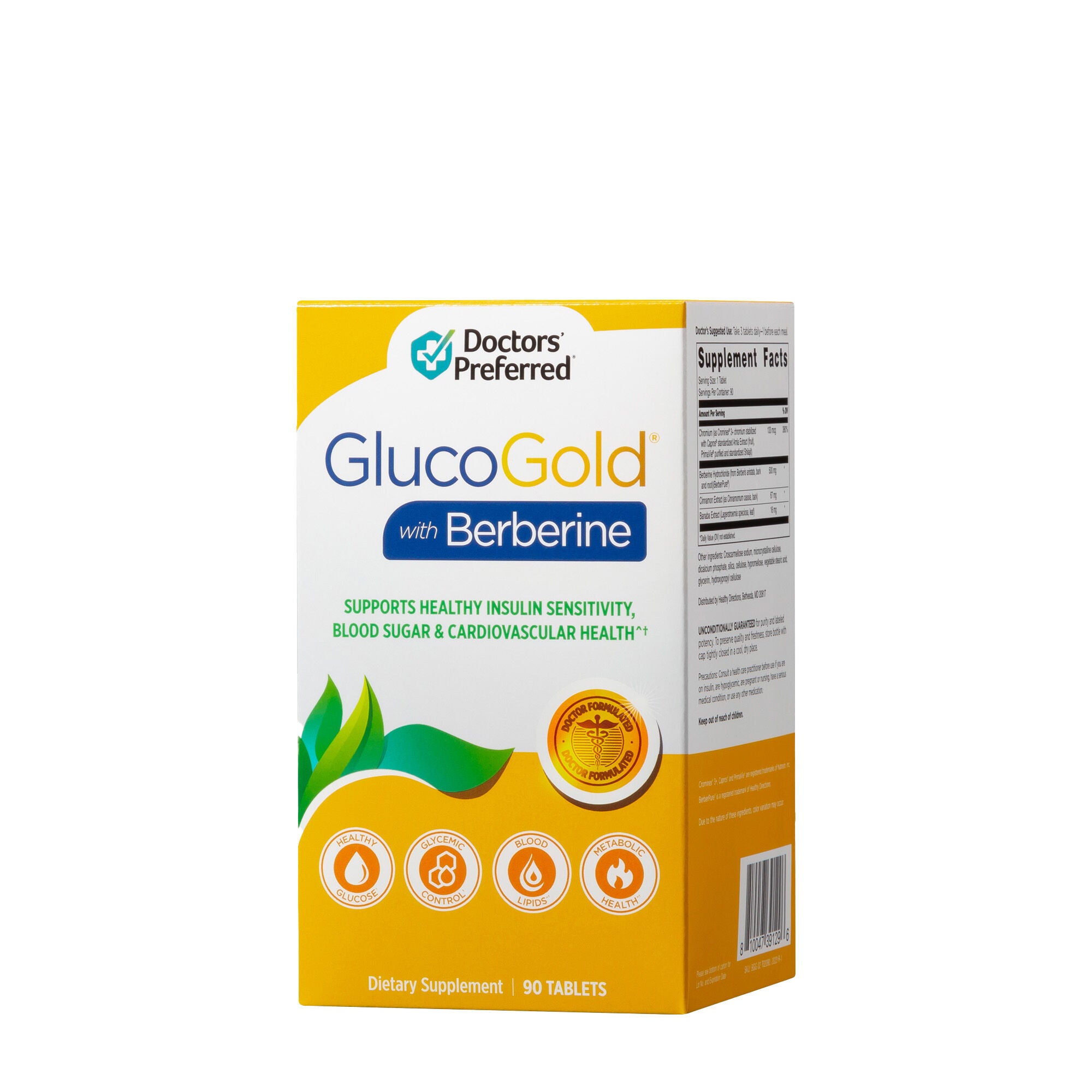 Doctors' Preferred