





Hair Growth And Nourishment Vitamins
(0 Results)
Explore a vibrant array of hair nourishment vitamins that could be the key to unlocking your hair's fullest potential. These specially formulated supplements may support hair health by providing essential nutrients that might promote stronger, shinier locks. Whether you're looking to boost volume, enhance shine, or simply maintain the vitality of your hair, these vitamins could offer the perfect addition to your daily routine. Dive into the possibilities of healthier-looking hair with options designed to suit a variety of needs and lifestyles.
-

-
 $17.99
-
-

-
-
-
-
-

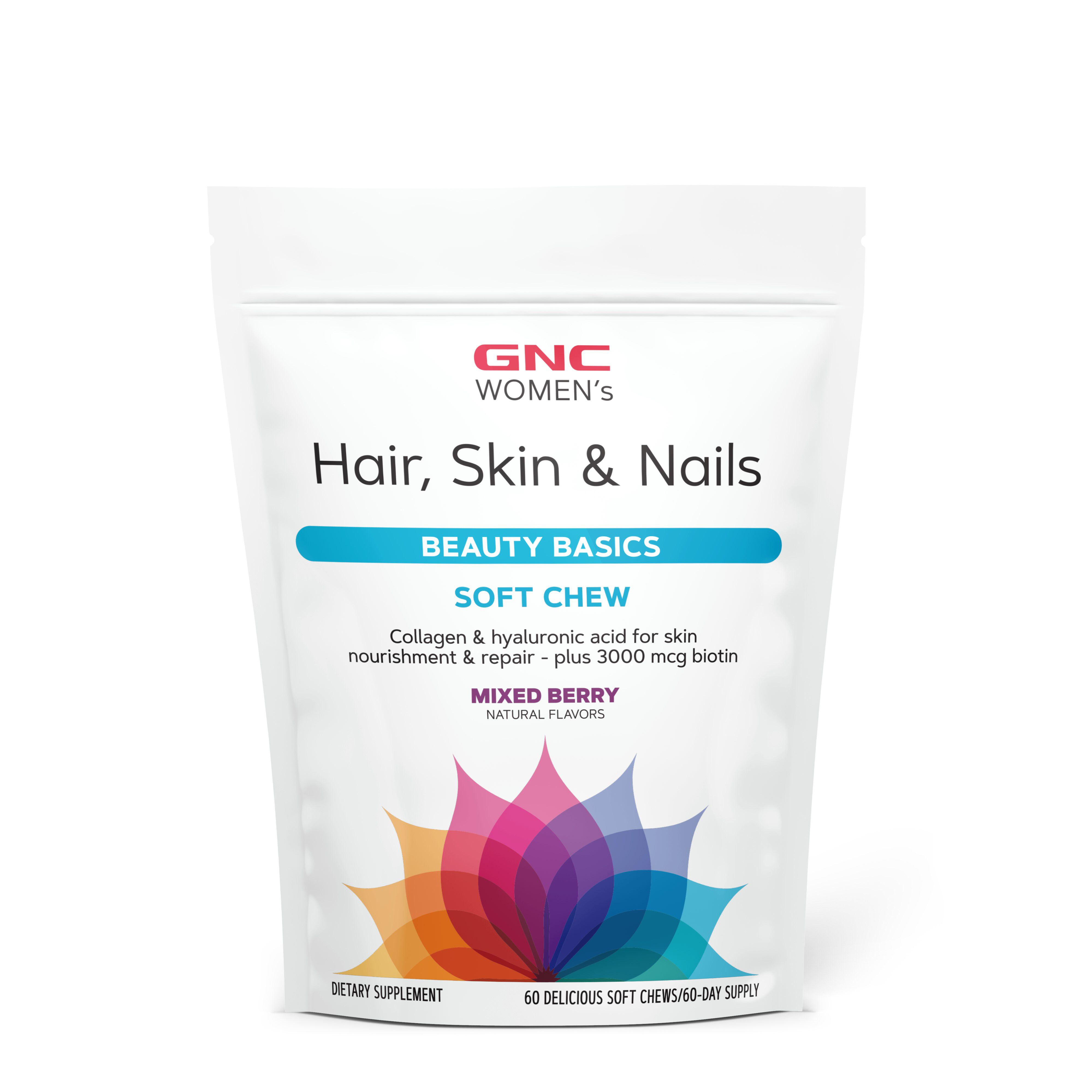
Hair growth and nourishment vitamins are dietary supplements intended to complement everyday nutrition, not replace balanced meals or serve as a shortcut to longer hair. They may support normal hair health when food choices leave gaps in nutrient intake, but additional vitamins may offer little benefit when nutritional needs are already met. A larger serving is not automatically a better match, and taking more than the labeled amount is not a dependable route to visible results. Hair is made largely of keratin, a structural protein, so the conversation about nourishment extends beyond vitamins to adequate protein and an overall varied diet. Meals built around foods such as eggs, beans, fish, nuts, vegetables, and fruit provide a broader nutritional foundation than any single supplement. Hair growth also varies with genetics, age, and other individual factors; nutrition is only one part of that picture. For someone growing out a short cut, maintaining long strands, or thinking more carefully about a personal care routine, a hair-focused supplement may be one consideration among several. It is different from a shampoo, conditioner, or styling treatment: an oral supplement contributes nutrients through the diet rather than coating the hair’s surface. That distinction matters when comparing expectations. A smoother feel after conditioning is not the same thing as a change in new hair growth, and a vitamin cannot establish why hair looks or feels different. Existing strands also reflect everyday handling, including brushing, coloring, and heat styling. Hair-focused nutrition is therefore best understood as a possible addition to an established routine, rather than a replacement for food, gentle handling, or other personal care preferences. New growth takes time, and there is no single schedule for a noticeable difference. Labels describing length, shine, or fullness do not establish how an individual will respond, and no formula can ensure a particular amount of growth.
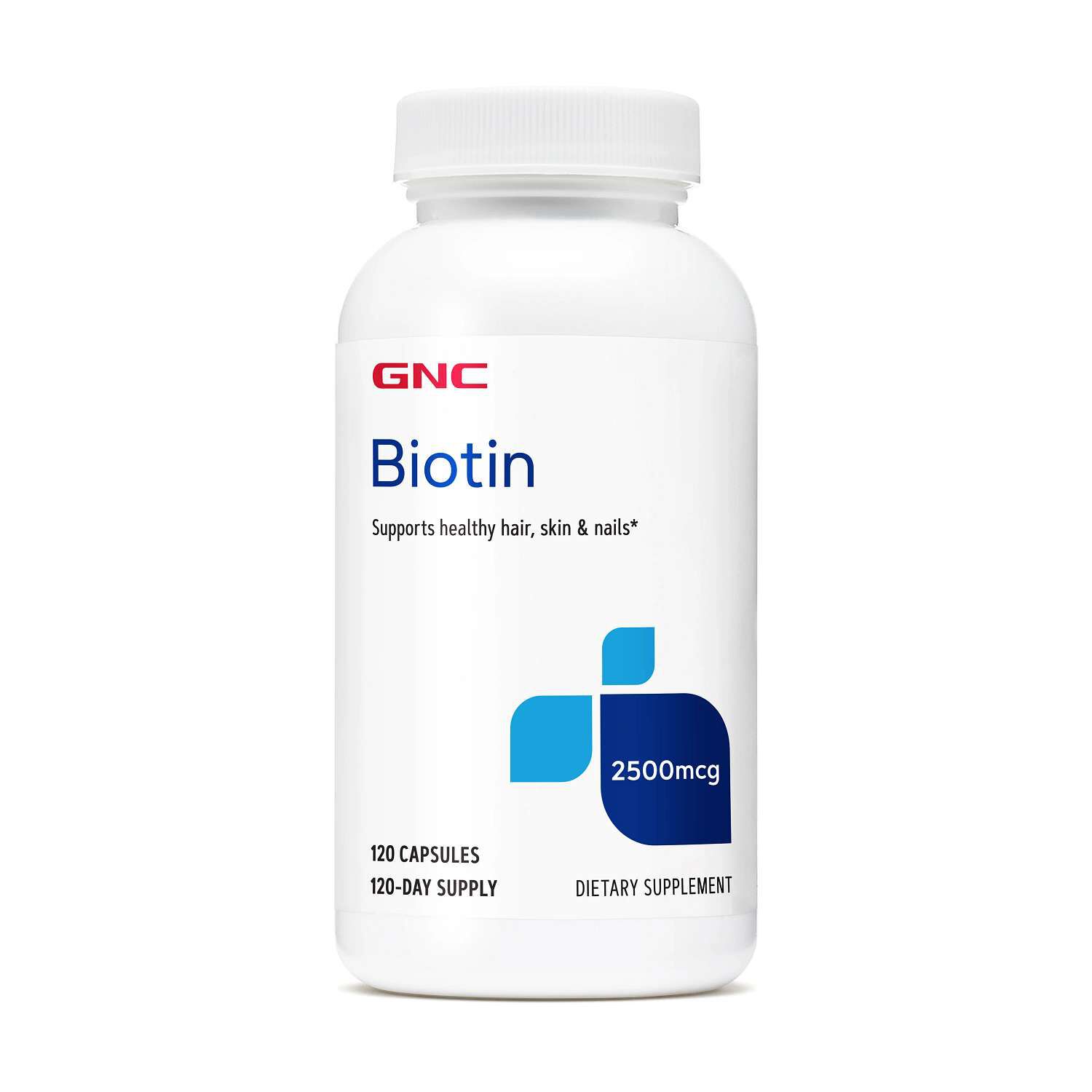
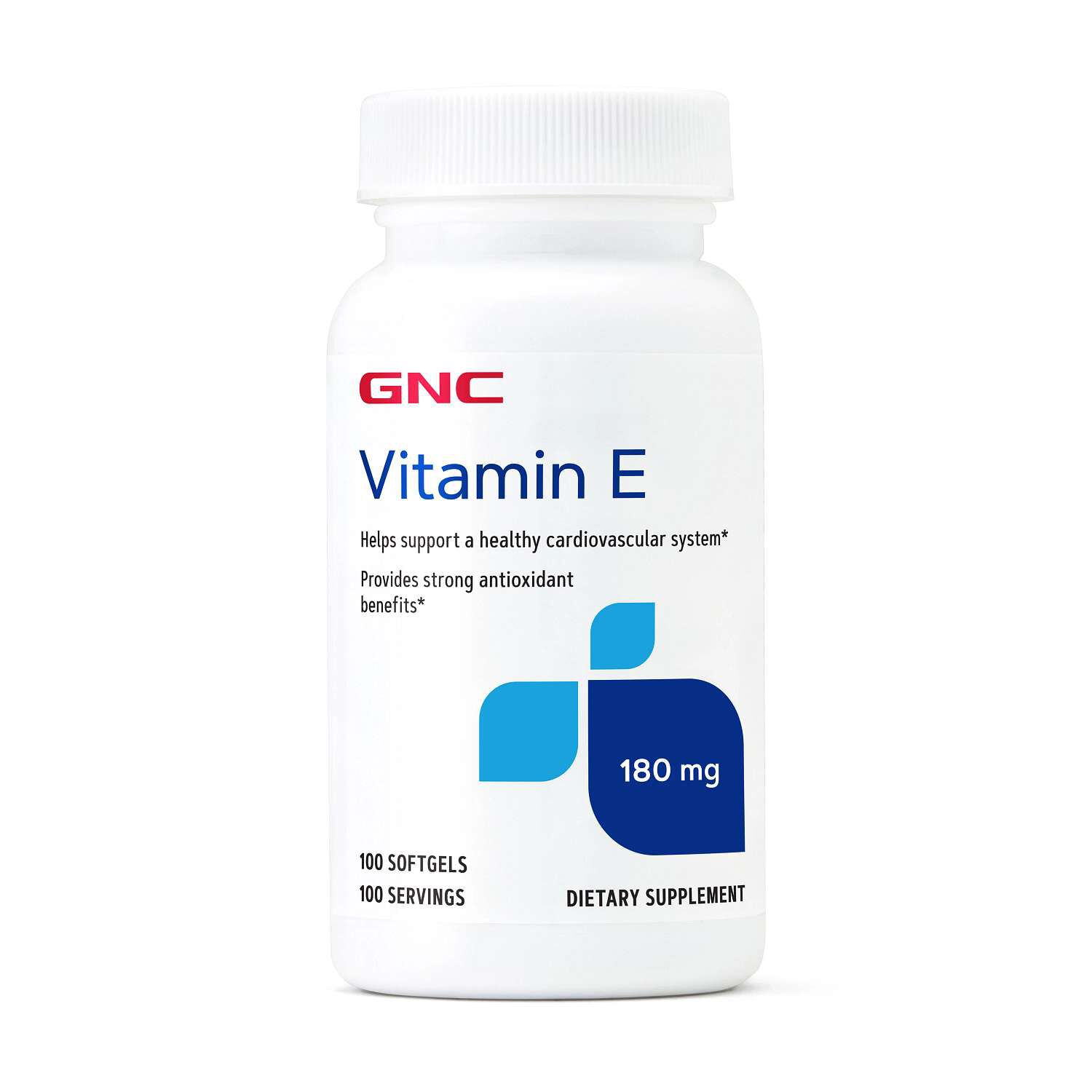
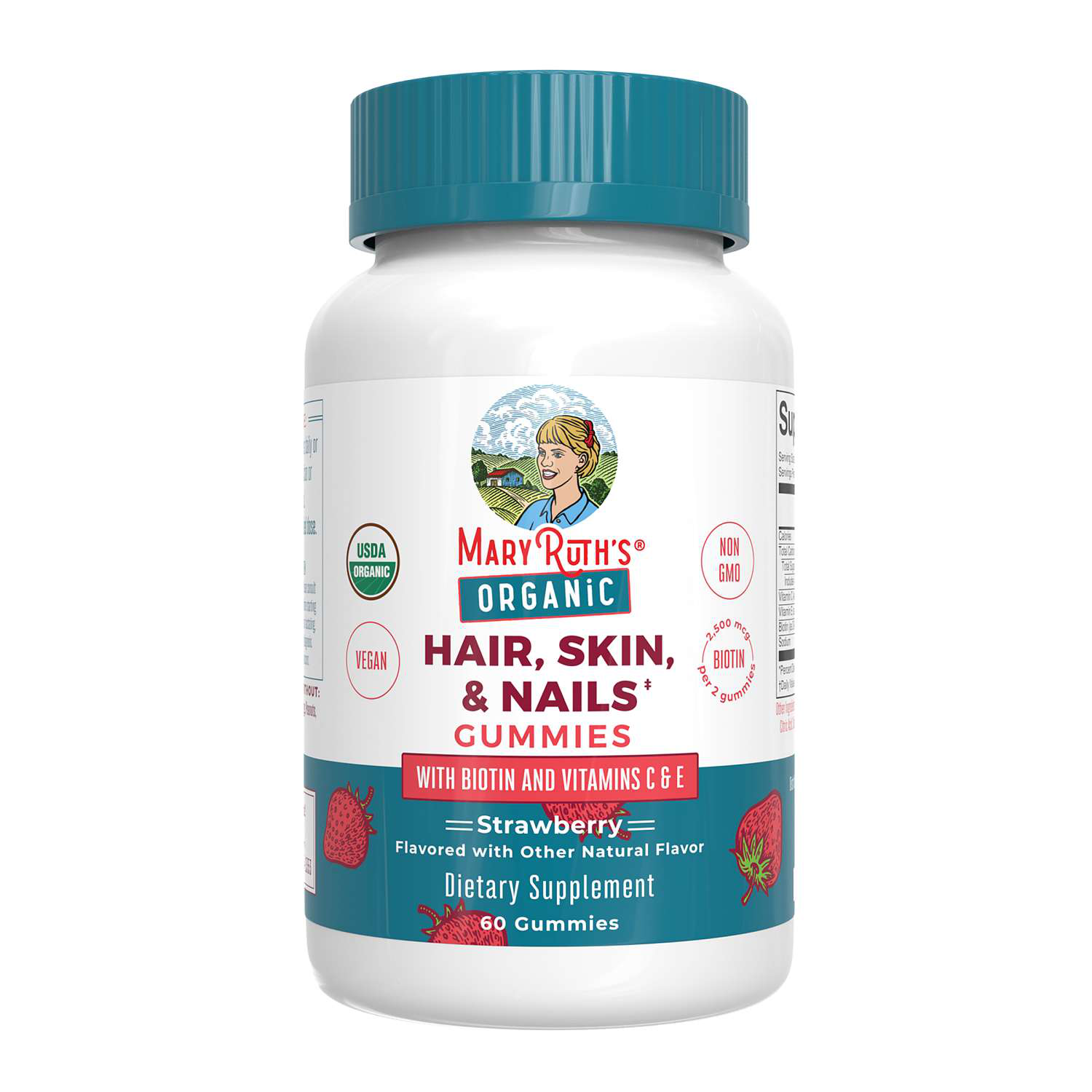
Ingredient lists help distinguish hair growth and nourishment vitamins that otherwise sound similar. Biotin, a B vitamin involved in normal nutrient metabolism, appears in many hair-focused formulas, but its presence alone does not establish that a supplement will produce longer or thicker hair. The amount matters alongside the rest of a person’s dietary intake, and a higher number on the label is not, by itself, evidence of a more suitable formula. Other familiar ingredients include vitamin C, vitamin E, zinc, selenium, and additional B vitamins. Vitamin C may support normal collagen formation, while zinc may contribute to normal protein synthesis. These nutritional roles provide context for their inclusion without establishing a visible hair result. Some formulas also contain collagen peptides, amino acids, or botanical ingredients, making the distinction between a vitamin-only supplement and a broader nutritional blend worth noting. Collagen is a protein ingredient rather than a vitamin, and its source can matter to shoppers with particular dietary preferences. Marine and bovine sources, for example, are different considerations from a plant-based capsule shell; a plant-based shell does not necessarily mean every ingredient inside it is plant-derived. Shoppers comparing Hair And Scalp Vitamins may notice similar ingredient names alongside different amounts, combinations, and serving directions. The Supplement Facts panel gives those comparisons more substance than the wording on the front of a bottle. Amounts are listed per serving, which may involve more than one capsule, tablet, or gummy. The percent Daily Value offers another reference point, although it is not a measure of expected hair growth. A separate multivitamin can contain some of the same nutrients, so overlapping formulas may duplicate intake rather than contribute something different. Clearly stated ingredient amounts, source information, and intended use make it easier to understand what a formula contains without treating a longer ingredient list as inherently better.
Format and everyday practicality also matter when choosing hair nourishment supplements. Capsules, tablets, softgels, gummies, and powders differ in texture, serving size, flavor, and preparation. Someone who prefers an unflavored option may find capsules or tablets more compatible with an existing routine, while another shopper may prefer a chewable format. Gummies can contain sweeteners, added sugars, colors, or gelatin, and their serving size may include several pieces rather than one. Powders require attention to portion measurement and mixing directions, while tablets and capsules vary in size. These are meaningful differences for a product intended for repeated use, even when the featured nutrients look similar. Flavor preferences, dietary patterns, and comfort with a particular format can influence whether a supplement feels practical alongside breakfast or another regular meal. Directions concerning food, timing, and serving size belong to the individual label rather than a general assumption about the category. The same applies to the intended audience: an adult formula is not interchangeable with one labeled for another age group. Ingredient and allergen statements also provide important details that a front label may not capture, especially for shoppers avoiding particular food sources. Care and storage deserve attention as well. Supplement bottles and pouches have their own storage directions, and moisture, light, and an unsecured lid can affect product condition. A bathroom counter beside a steamy shower is a different setting from a dry cabinet, making the labeled storage requirements relevant to where a container belongs. Original packaging keeps the ingredient list, serving directions, and date information together, while secure storage helps keep supplements separate from ordinary snacks. Ultimately, the most useful comparison is not which formula makes the biggest claims, but which has understandable labeling, a suitable format, and an intended use that matches the shopper’s goals. Hair growth and nourishment vitamins may have a place in a nutrition-conscious routine, with realistic expectations and the broader diet remaining part of the picture.
Best Sellers

Related Pages

Top Collections
- Daily Collagen Supplements | Top Brands & Deals | GNC
- Cortisol Supplements
- Top Rated Collagen | Shop Customer Favorites | GNC
- NAD+ Supplement Tablets
- Vitamins For Hair Loss
- Peptide Supplements
- Best Brand of Magnesium Glycinate
- Protein Powders For Muscle Growth Support
- Vitamins That Help Support Weight Gain
- Peptide Supplements for Muscle Growth