Hair Strengthening Products
(0 Results)
Achieve healthier, stronger, and more luscious locks with our selection of hair strengthening products. Whether you're dealing with breakage, thinning, or dullness, we have a range of solutions to help nourish and fortify your hair from root to tip. From vitamins and supplements that promote hair growth to protein-rich treatments that repair damage, our products are designed to support your hair's natural strength and vitality. Say goodbye to weak strands and hello to a head full of resilient, beautiful hair with our top-quality hair strengthening essentials.
-

-

-

-
-
-
-
-

-
-
-

-
-

-

-

-

-
-
 Angry Supplements$14.99
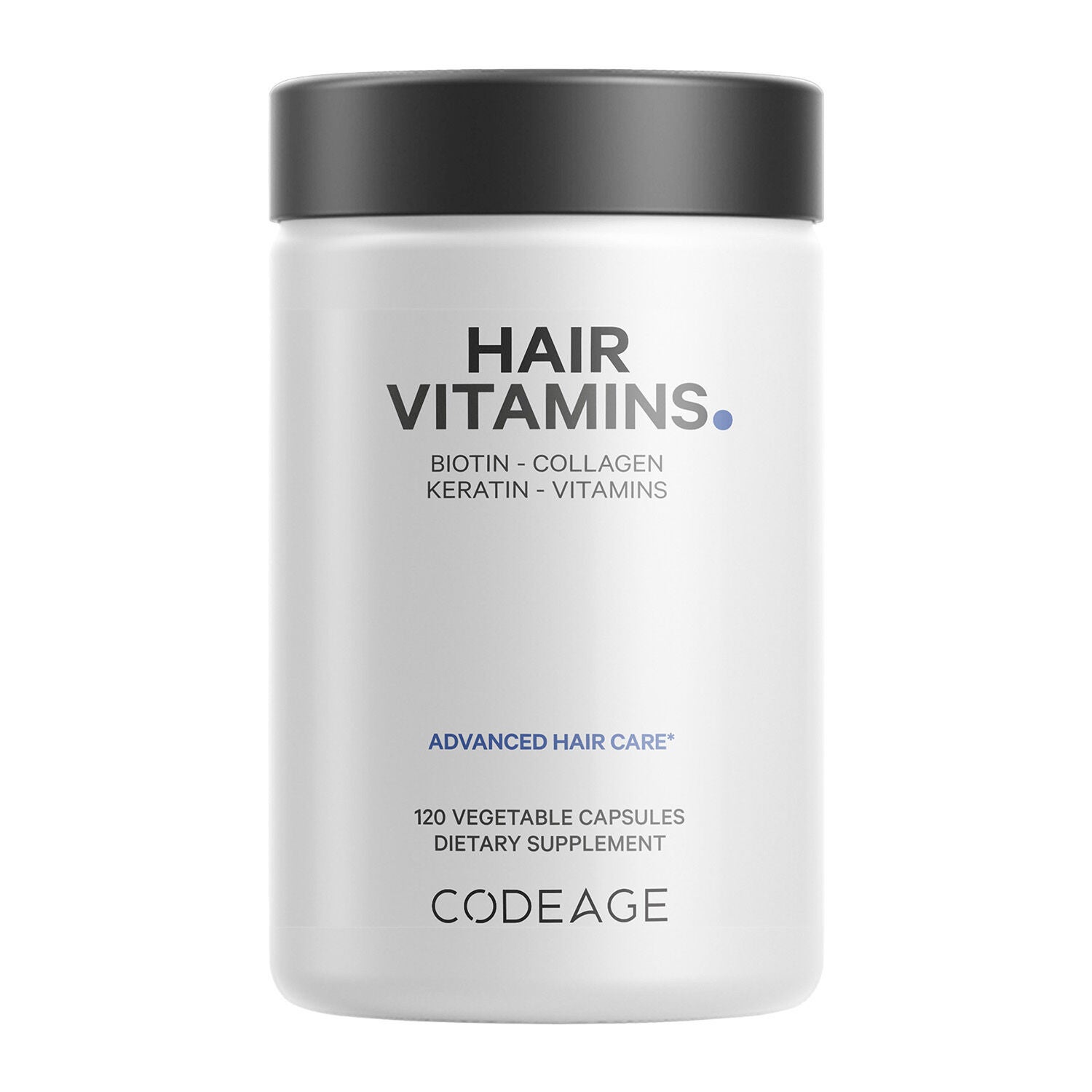

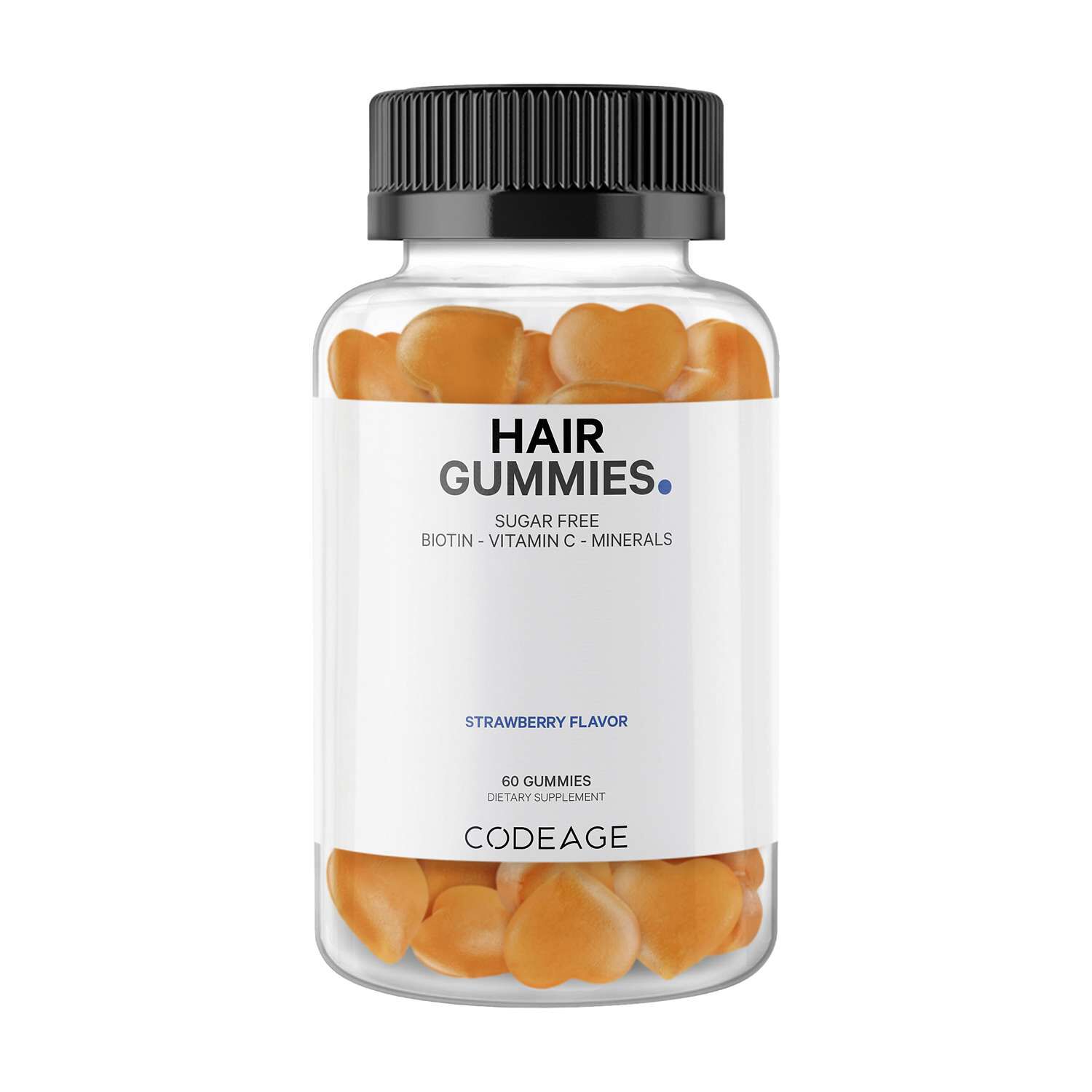
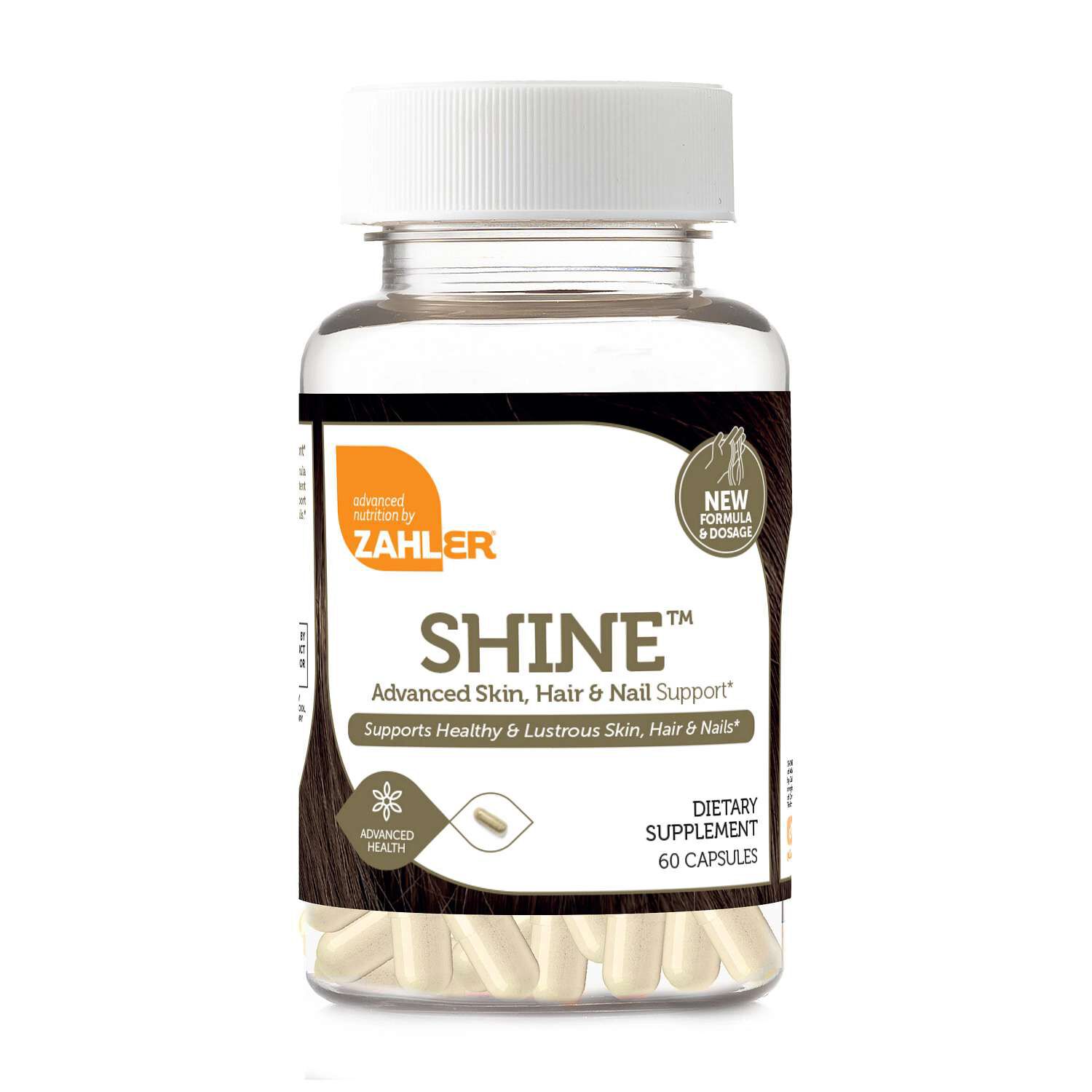
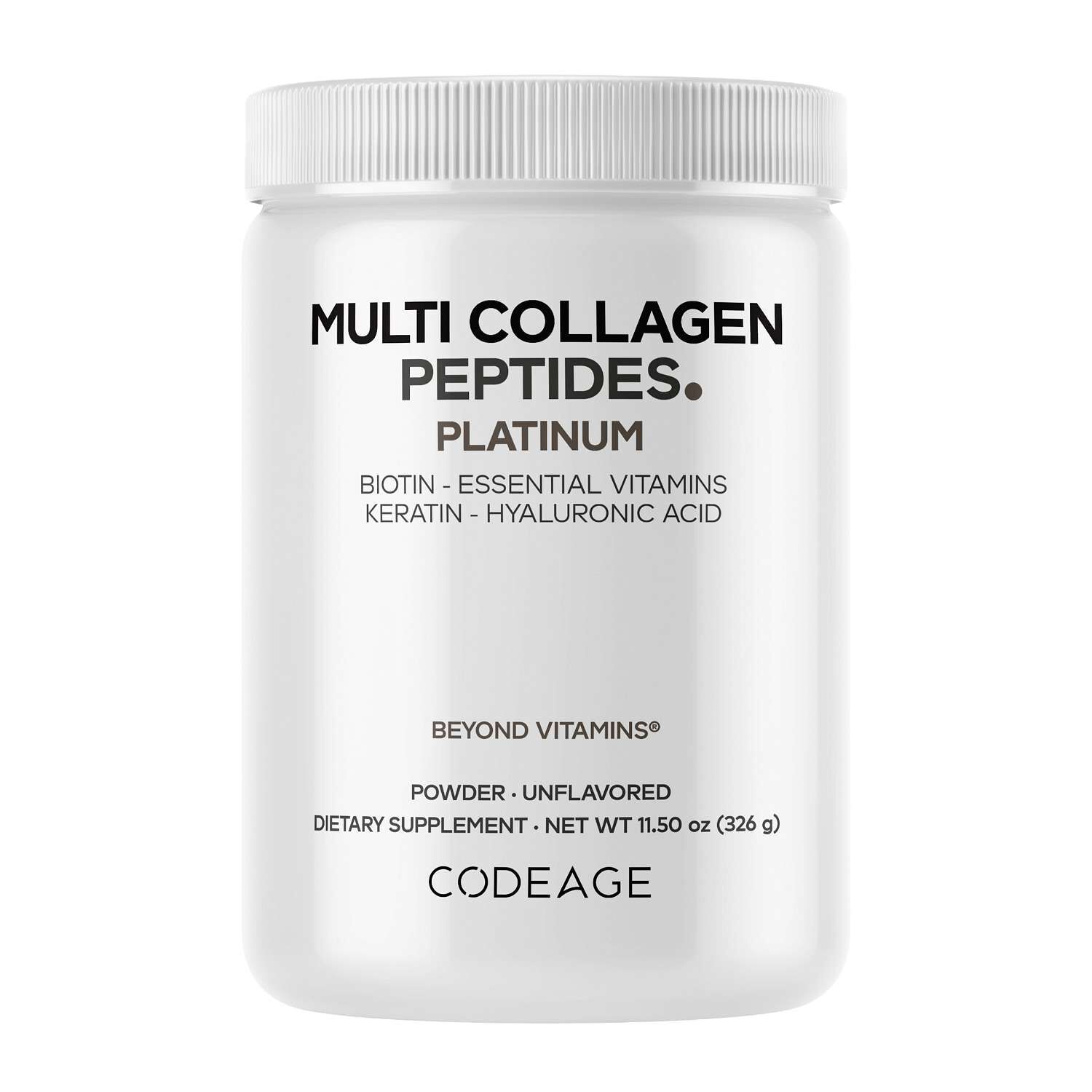
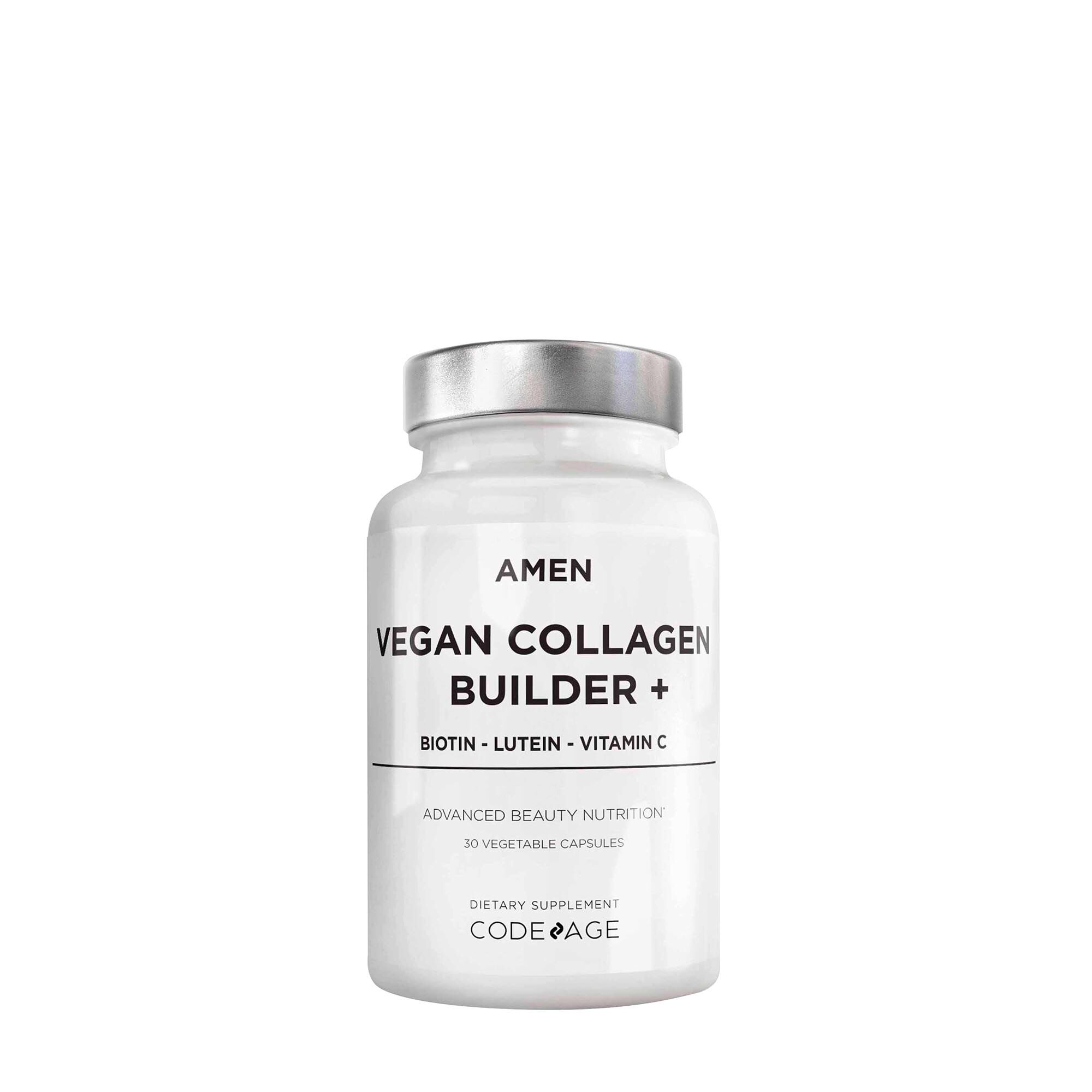
Hair strengthening products encompass topical hair care and nutritional supplements, with different formats suited to different parts of a personal care routine. Shampoos, conditioners, masks, and leave-in treatments are intended for direct application to the hair or scalp, while hair-focused supplements come in formats such as capsules, tablets, powders, and gummies. The distinction matters: a conditioning treatment may make strands feel smoother or more manageable, whereas a supplement belongs to a nutritional routine rather than a styling routine. For shoppers comparing topical formulas, hair texture, strand thickness, and styling habits provide useful context. Fine, straight hair may feel weighed down by a rich mask, while dense curls or coarse strands may feel more manageable with a creamier conditioning formula. Hair that has been lightened, colored, or frequently heat-styled may benefit cosmetically from products intended for processed lengths, particularly when roughness and tangling are the main concerns. Strengthening in this context can describe several intended outcomes, including less breakage during grooming, a softer feel, or a smoother appearance; those outcomes are not interchangeable, and individual results may vary. A product intended for the hair shaft also serves a different purpose from one intended for scalp application. The most relevant comparisons start with the label’s stated use, application area, and directions rather than the word “strengthening” alone. Someone who wears a short, minimally styled cut may prefer a simple wash-and-condition routine, while someone with long curls may place more emphasis on slip during detangling and moisture through the lengths. For hair worn in braids or other gathered styles, application access and residue are additional practical considerations. A narrow applicator, a pump, or a rinse-out format each offers a different handling experience. These everyday details help distinguish products that sound similar on the label but occupy very different places on a bathroom shelf.
Ingredients and texture add another layer to the comparison of hair strengthening products. Topical formulas may contain hydrolyzed proteins, amino acids, conditioning agents, plant oils, or humectants, each within a larger formulation. Hydrolyzed proteins may temporarily improve the feel of porous or rough strands, while conditioning agents may provide slip that makes a comb easier to pass through damp lengths. Plant oils may add softness and shine, although the amount used and the richness of the formula can influence how hair feels afterward. An ingredient name alone does not establish how a finished product will perform. A light spray containing an oil can have a very different texture from a dense mask containing the same oil, and a rinse-out conditioner is intended for a different application pattern than a leave-in cream. For someone whose ponytail feels rough through the ends but whose roots flatten easily, a formula intended for length-focused application may be a more practical fit than a rich all-over treatment. A shopper who blow-dries regularly may also value a leave-in with labeled heat-protection directions; a strengthening description by itself does not establish that intended use. Contact time matters when comparing masks and conditioners, especially for a routine built around a quick morning shower rather than a longer wash day. Some formats call for rinsing after a stated interval, while others are intended to remain on the hair until the next wash. Fragrance, dispensing style, and the feel of the formula on the hands can matter just as much to everyday use. Packaging deserves attention, too: a pump offers a different dispensing experience from a jar, and a tightly closing cap matters when a bottle travels in a gym bag. Following the label’s storage and closure directions is part of product care. A larger container only makes practical sense when its format, labeled use period, and place in the routine fit the person using it.
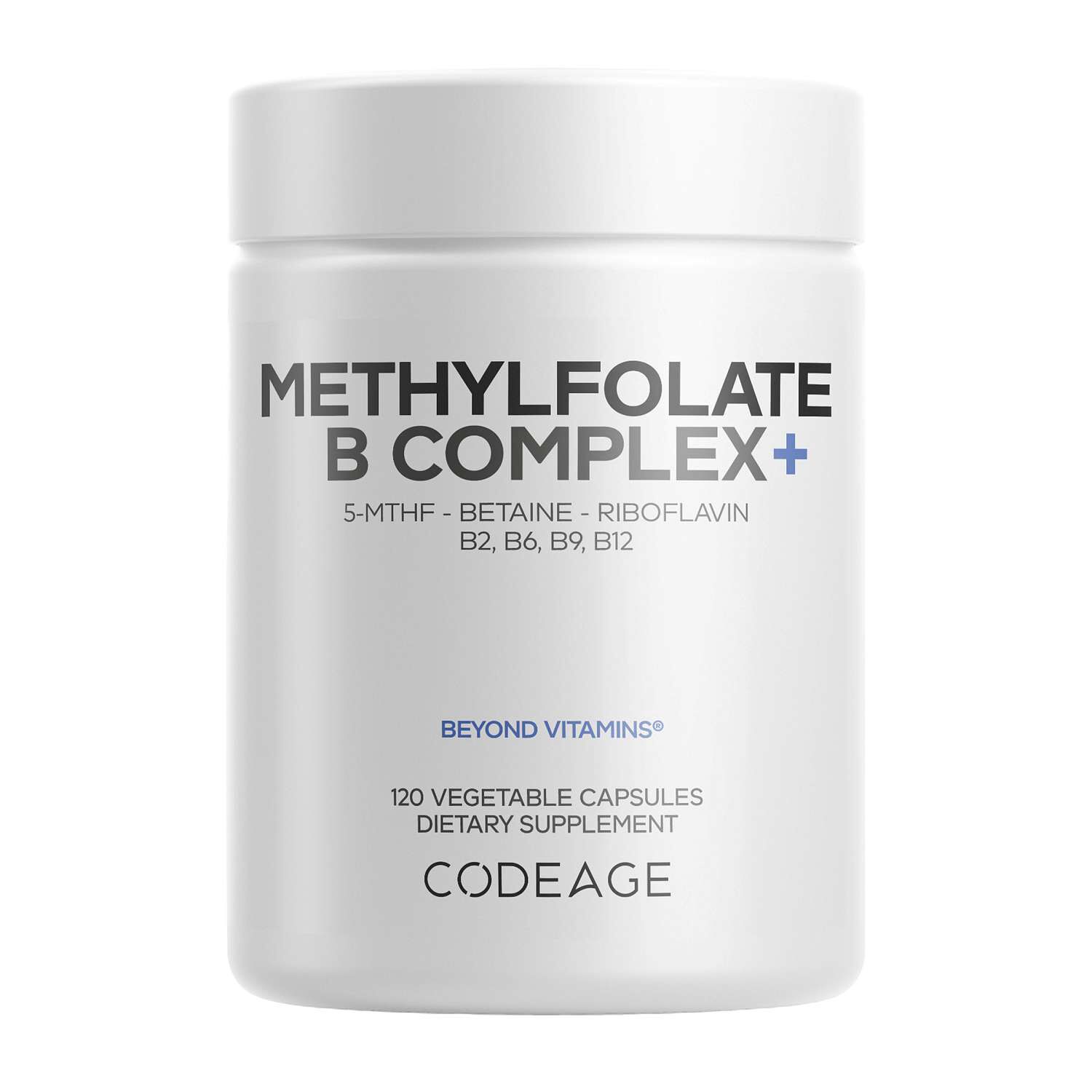
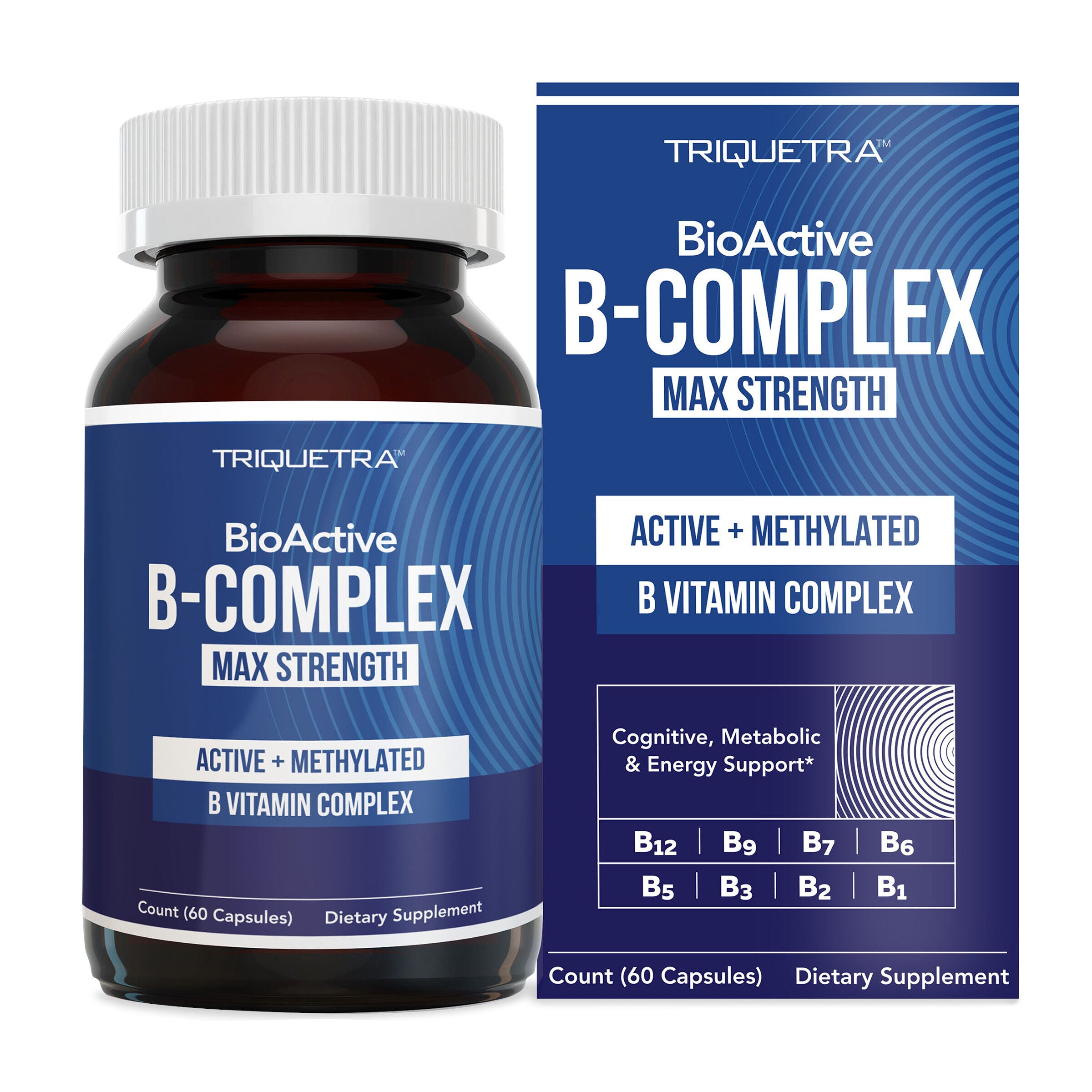
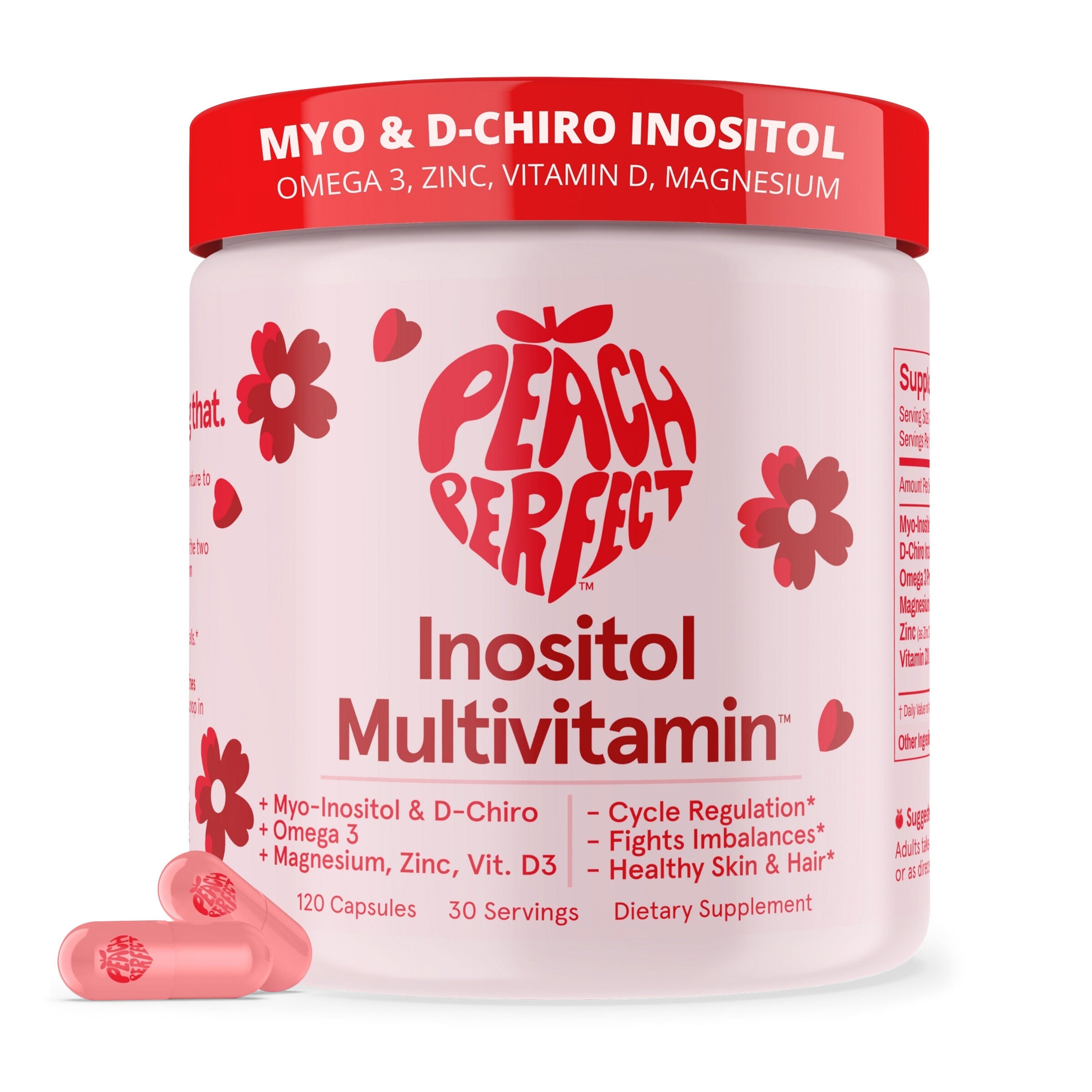
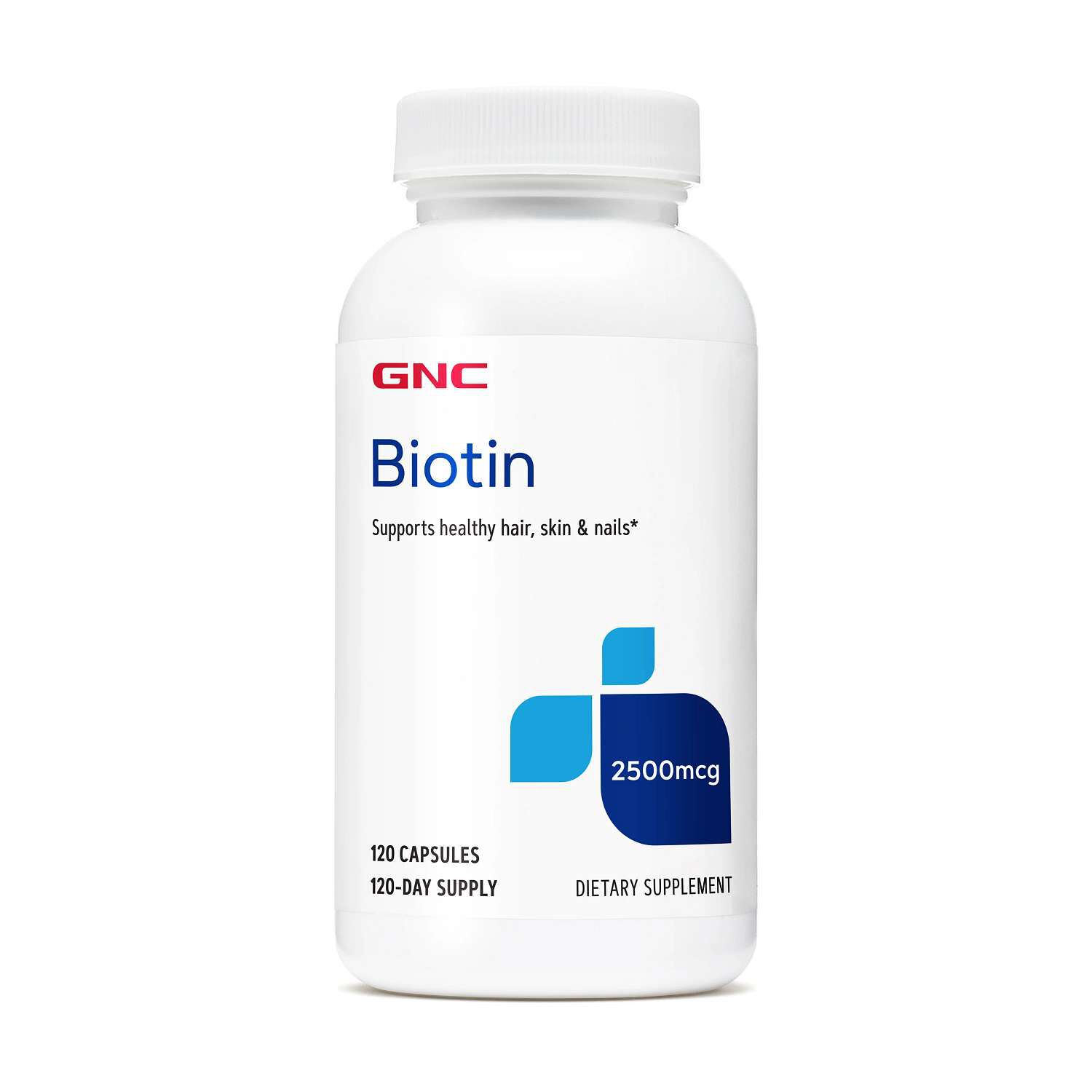
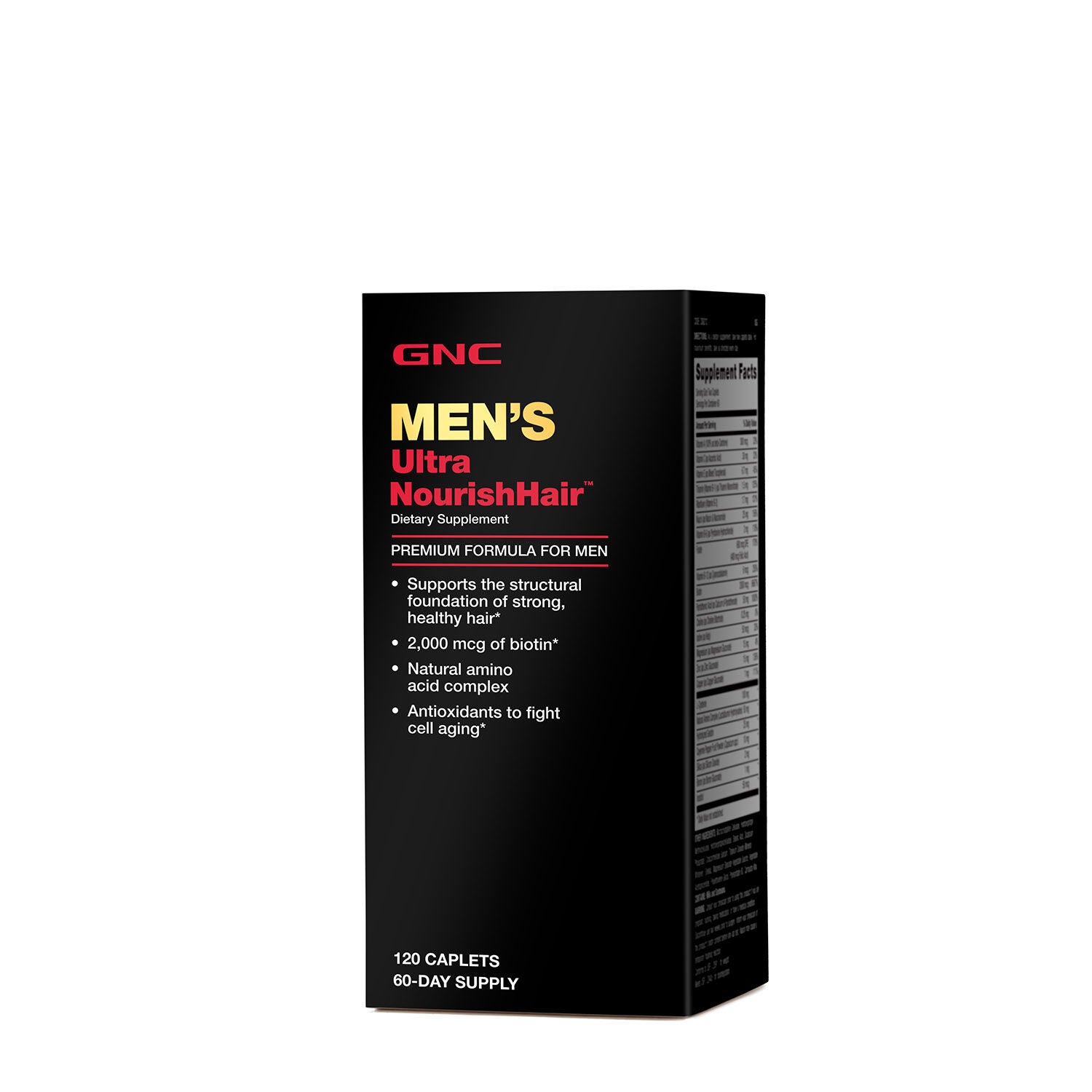
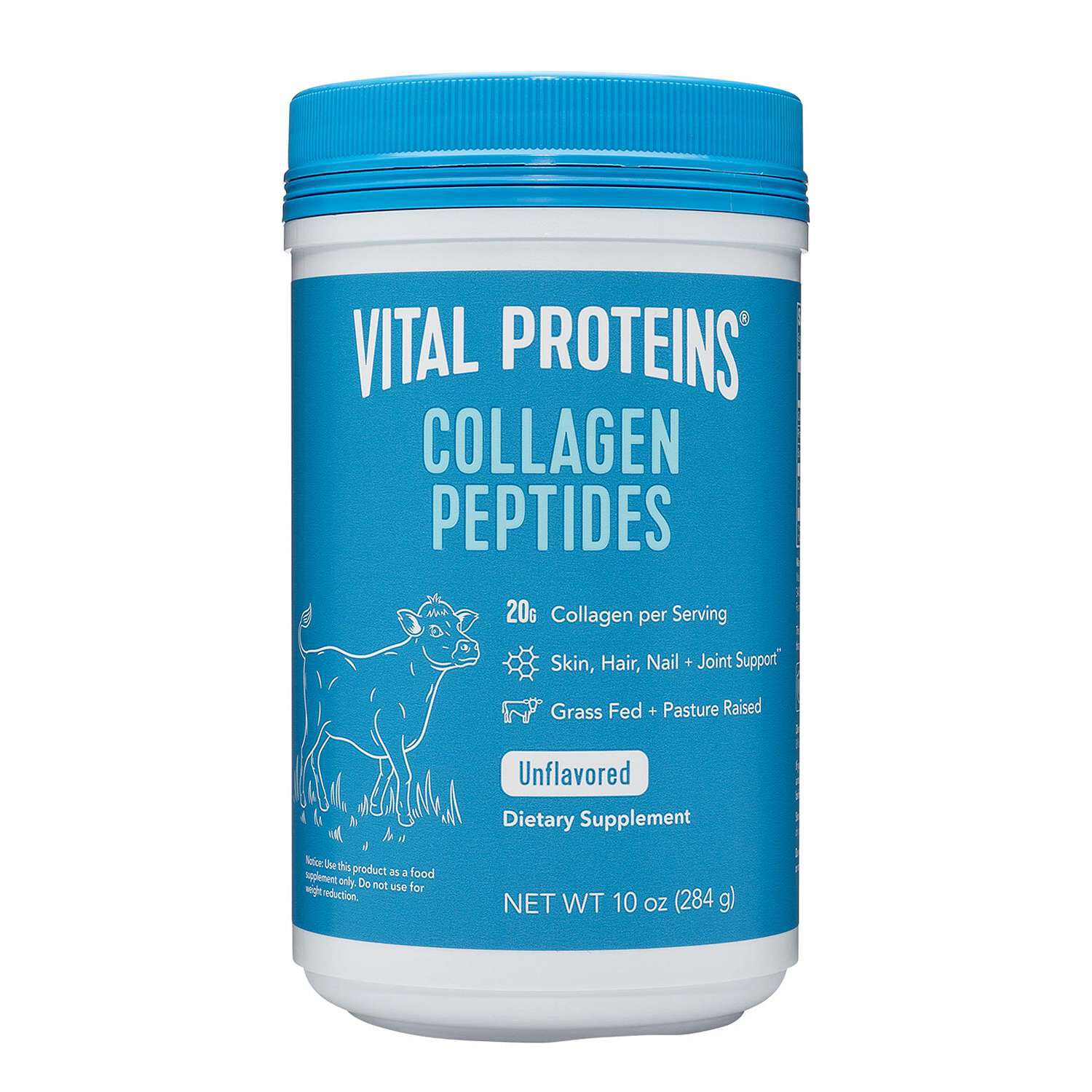
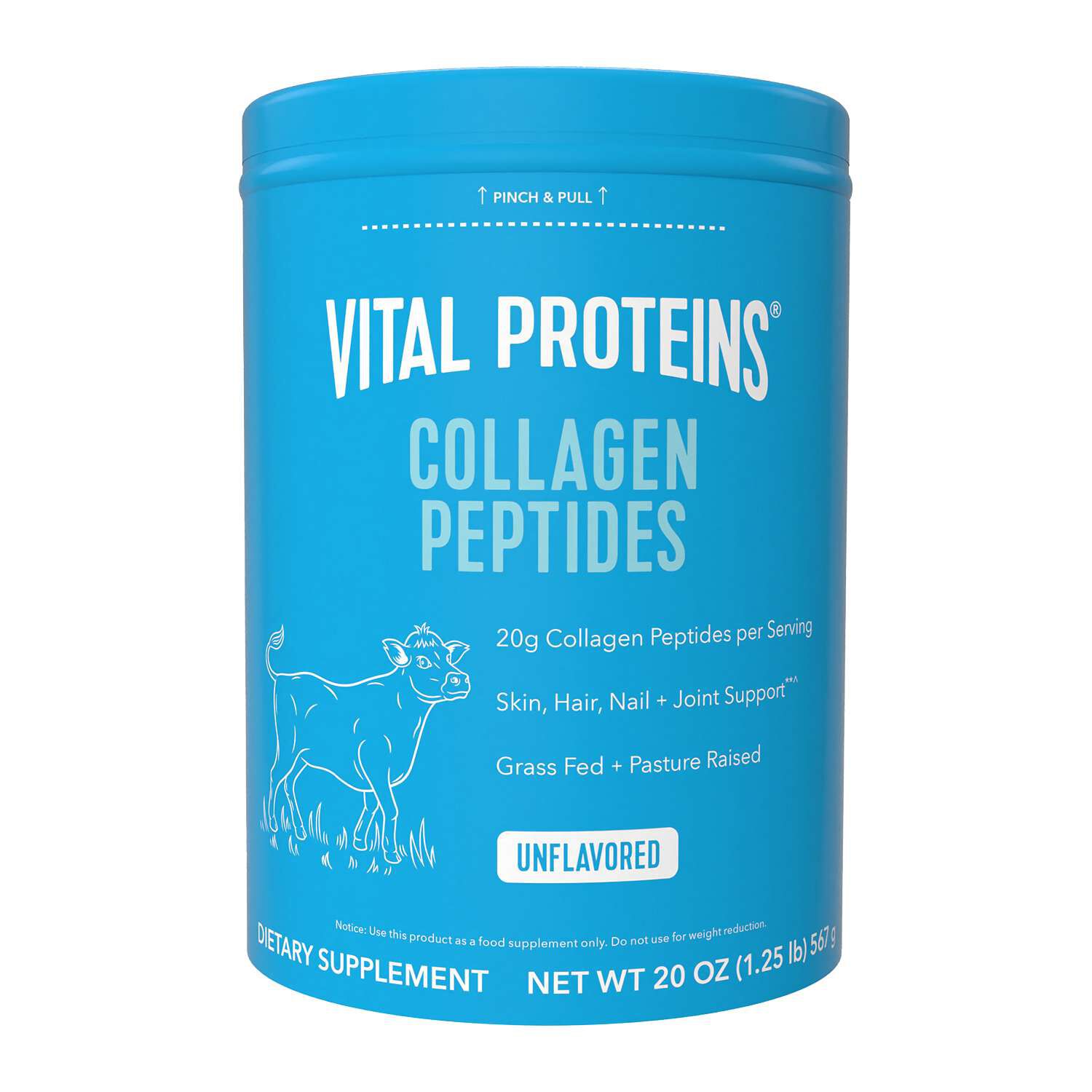
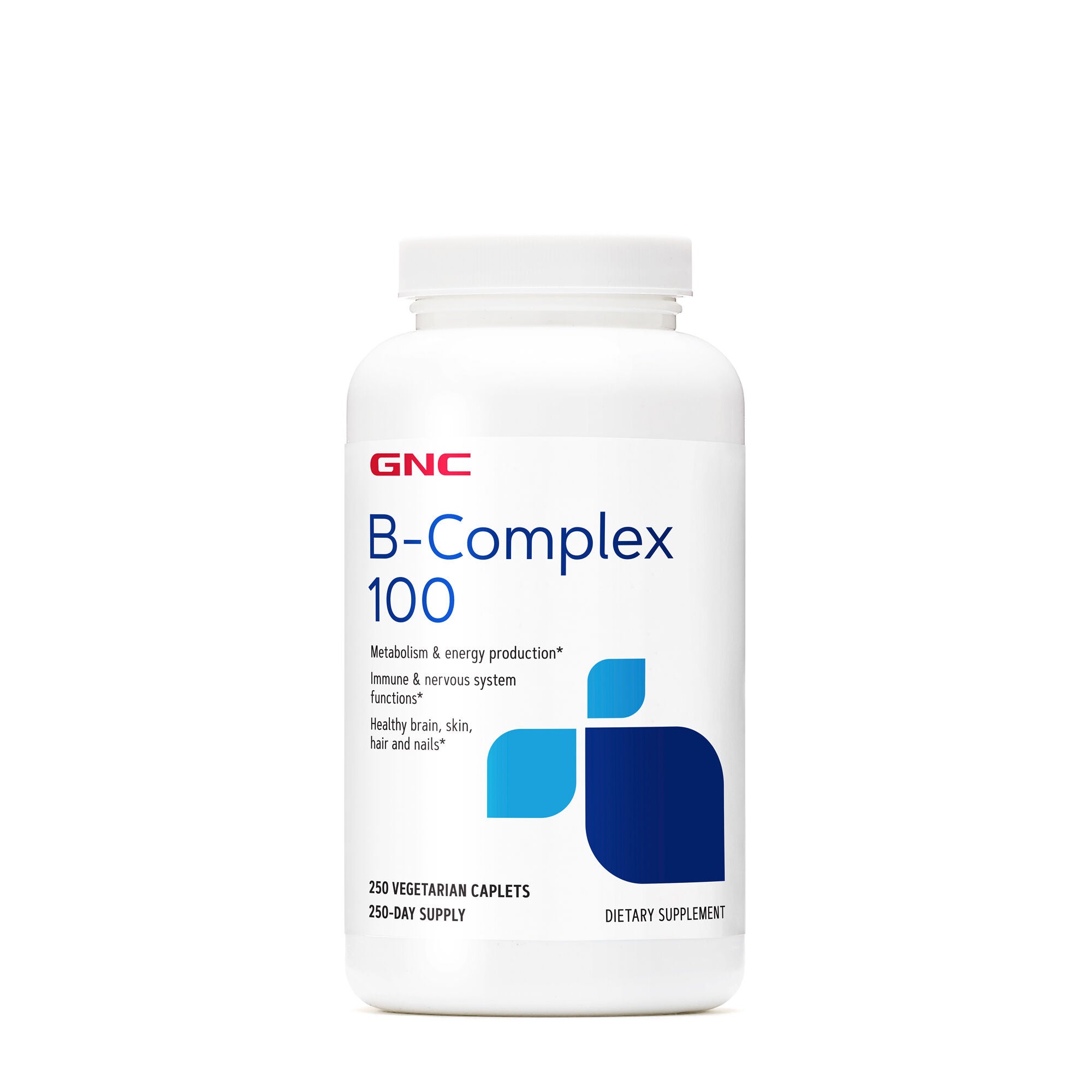
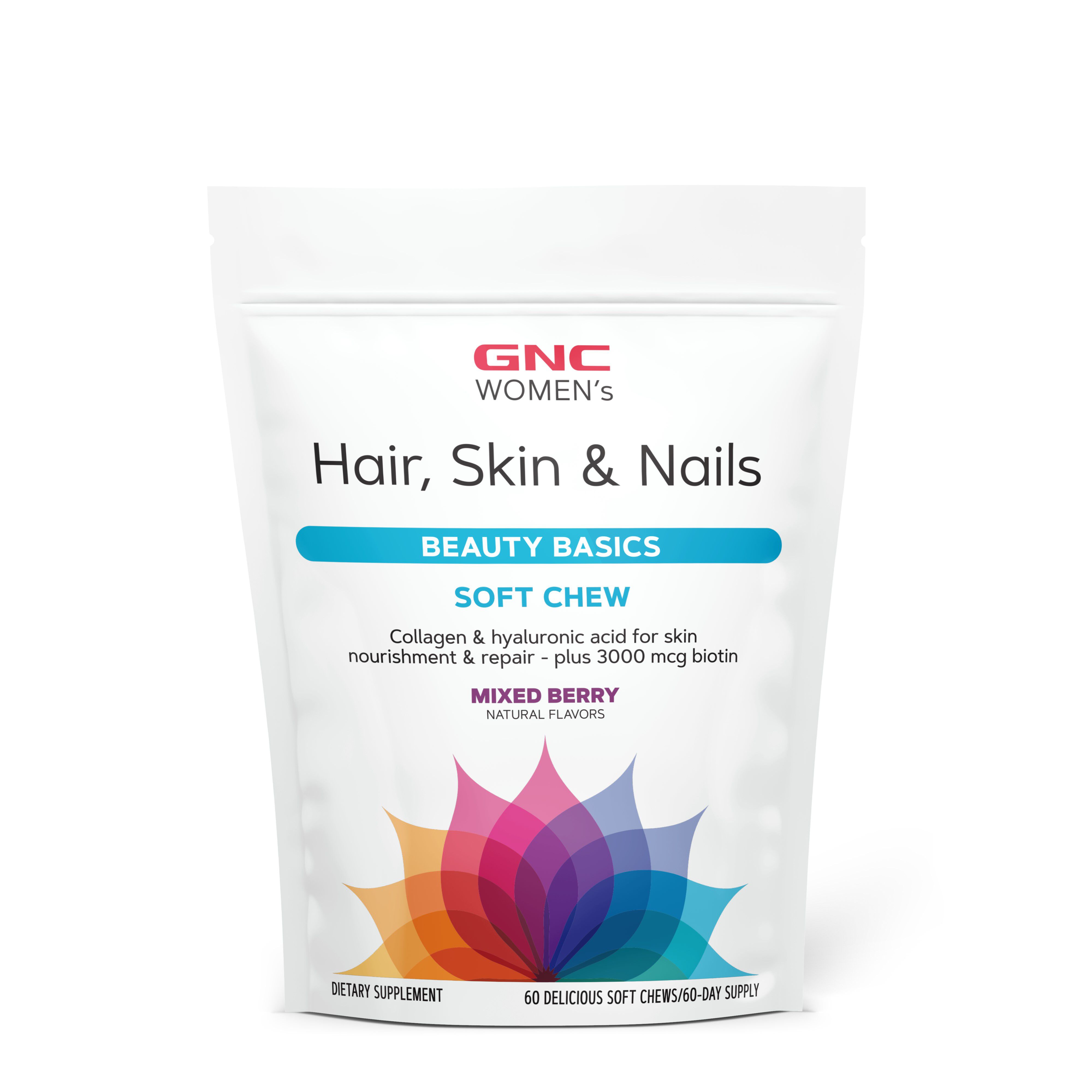
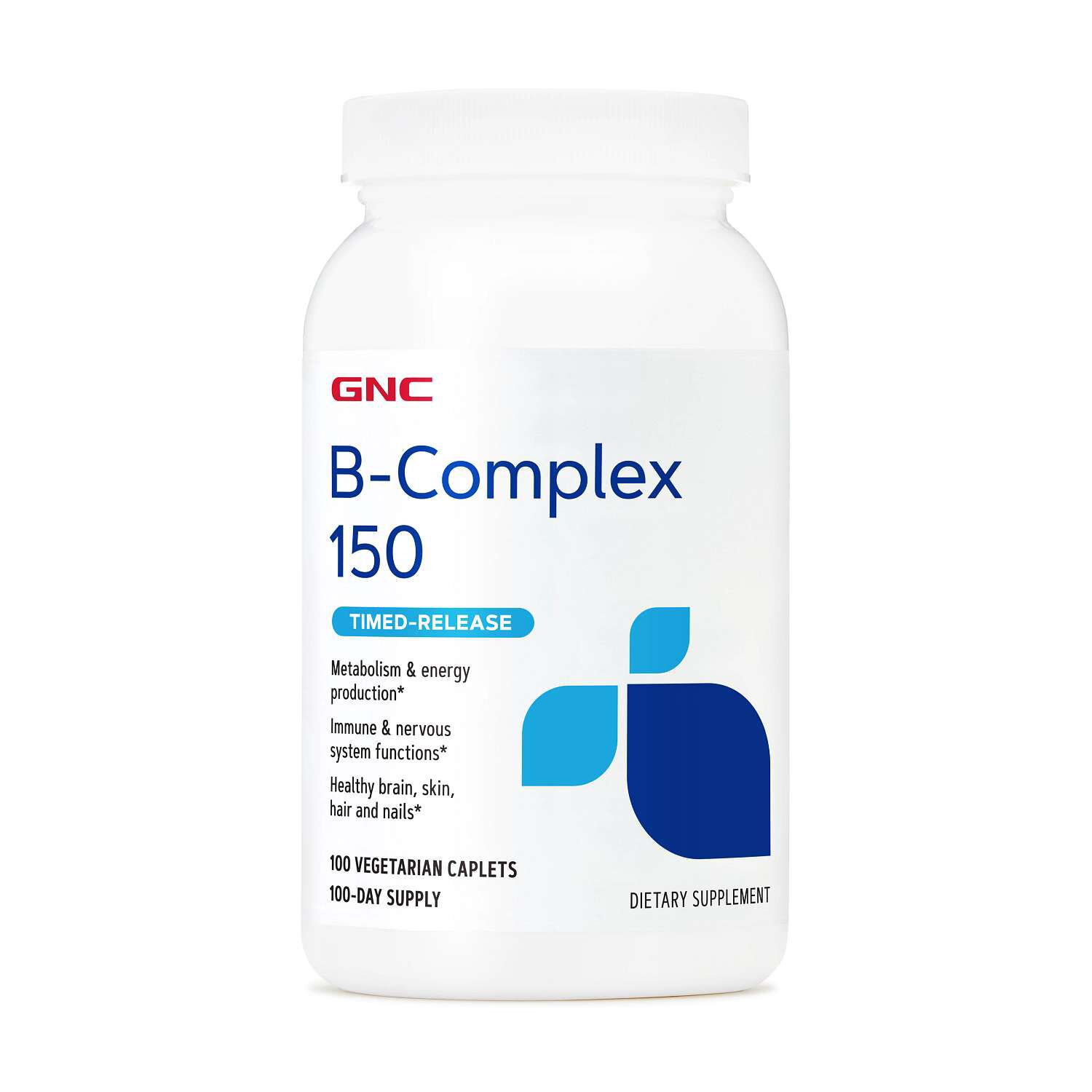
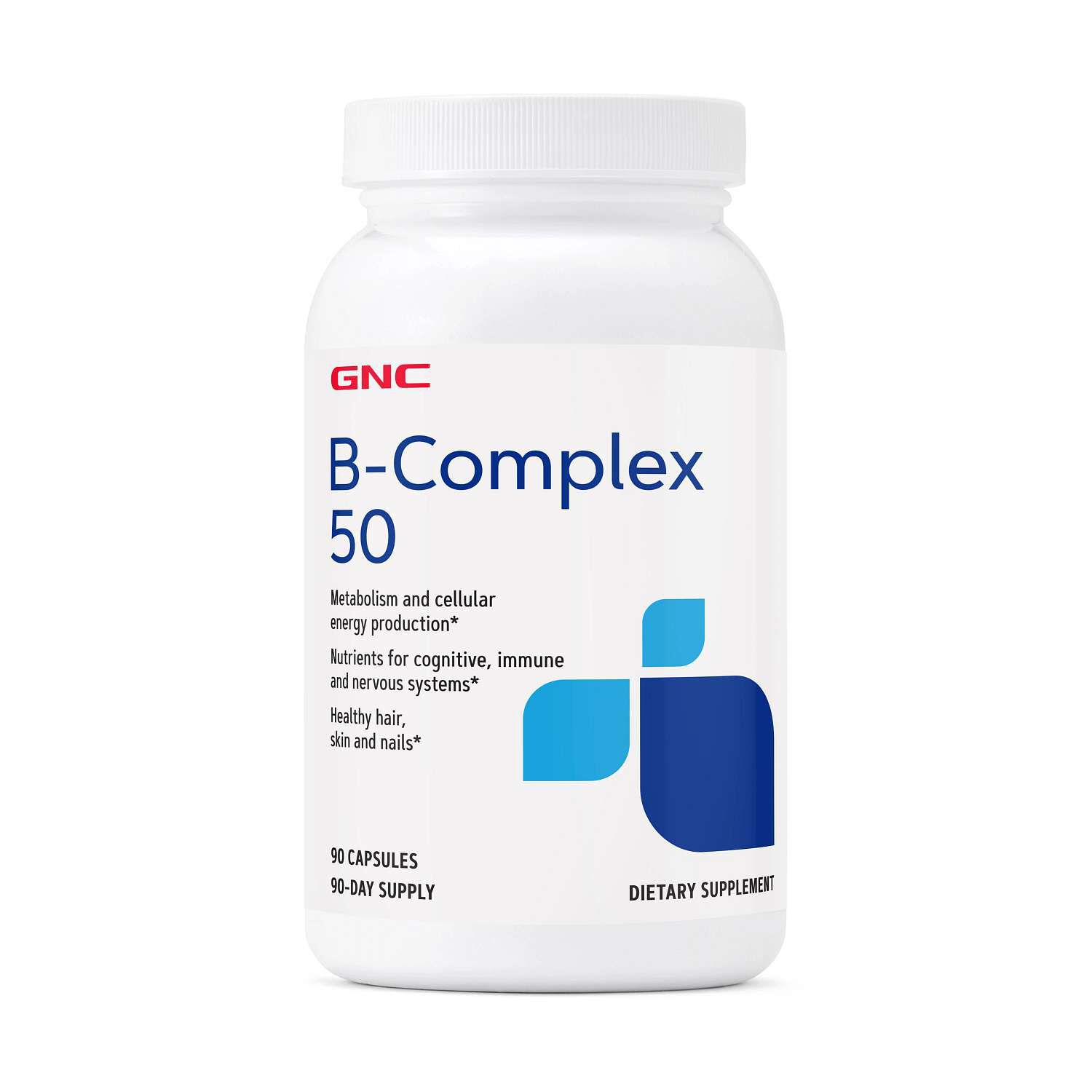
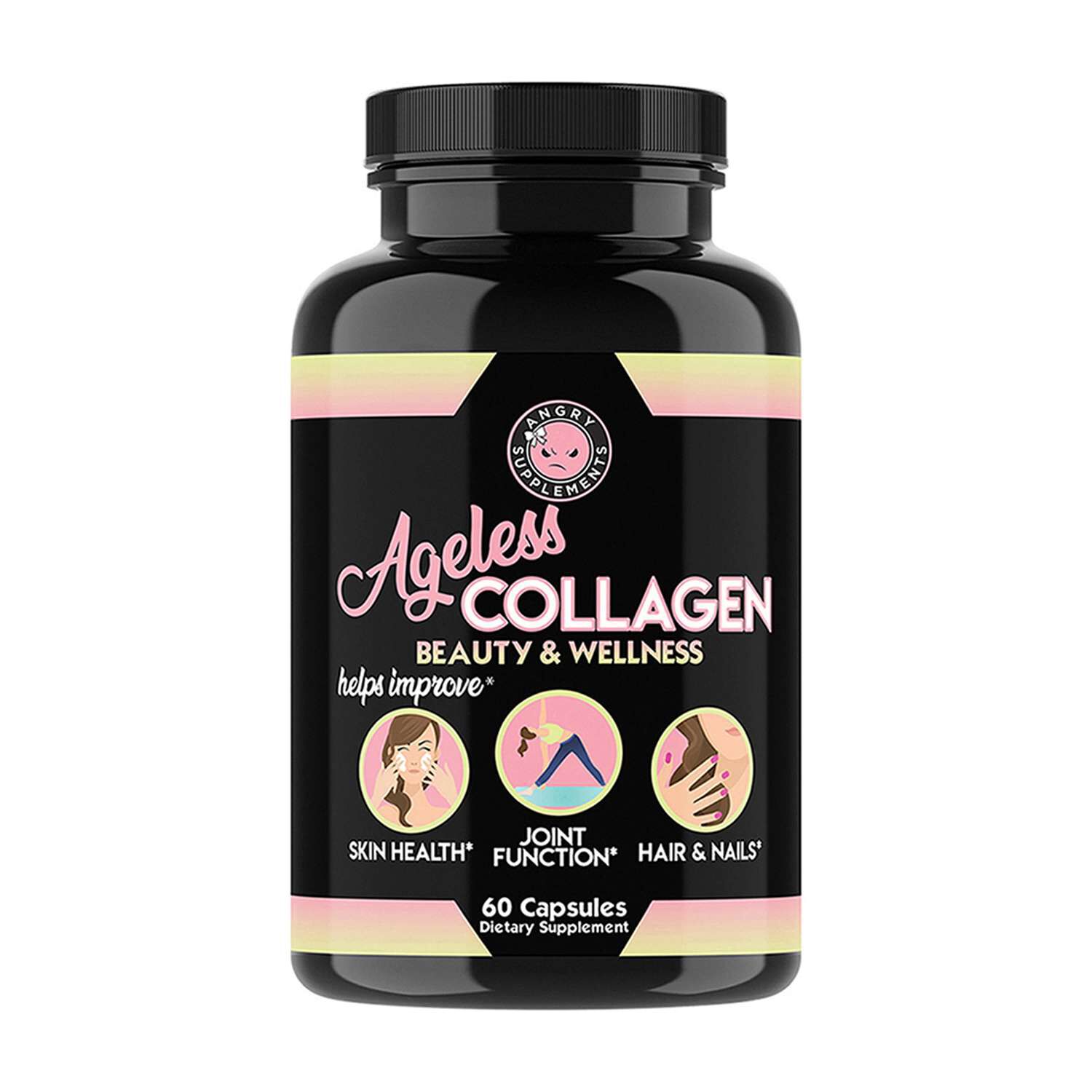
Hair-focused nutritional supplements call for a separate set of comparisons, beginning with the Supplement Facts panel, serving size, and ingredient list. Formulations in this category can include biotin, other vitamins and minerals, collagen, or amino acids, but their combinations and amounts differ. The presence of a familiar ingredient is not, by itself, a reason to expect a particular change in hair appearance. Hair texture and appearance reflect many factors, and a supplement is not equivalent to a conditioner, a mask, or a leave-in treatment. Shoppers exploring Hair Repair Supplements can compare nutritional formats alongside the rest of their routine without treating topical and ingestible products as interchangeable. Capsules and tablets involve a different experience from chewable gummies, and powders introduce considerations such as flavor, mixing directions, and serving measurements. A serving may consist of more than one capsule or gummy, so the number of pieces in a container is not necessarily the number of servings. For powders, the labeled serving measurement provides a more useful comparison than container size alone. Ingredient sources also matter for personal dietary preferences: collagen can come from different animal sources, capsule shells can vary, and gummies may contain gelatin or pectin. Allergen statements, sweeteners, added sugars, and labeled age suitability are other concrete details to review. Comparing a hair-focused formula with an existing multivitamin also makes ingredient overlap easier to identify without assuming that more is better. Storage directions deserve the same attention as format, particularly for a container kept in a bathroom or carried between home and the gym. For a gift, familiar texture, scent, and format preferences are more reliable starting points than assumptions about someone’s hair concerns; ingestible products involve especially personal choices. Across the category, a thoughtful selection centers on intended use, clear labeling, and a manageable routine. The relevant product is not necessarily the richest formula or the one with the longest ingredient list, but one whose characteristics fit the shopper’s hair care habits and personal preferences.