Healthy Drinks For Adults
(0 Results)
Discover a refreshing array of healthy drink options designed specifically for adults to support your wellness goals and active lifestyle. From nutrient-packed protein shakes to invigorating herbal teas, our selection offers a variety of delicious and beneficial beverages to help you stay hydrated and nourished throughout your day. Whether you're looking to boost your energy levels, enhance your workout recovery, or simply enjoy a flavorful and health-conscious drink, we have something for every taste and preference. Explore our collection of adult-friendly beverages to find your new favorite way to quench your thirst while prioritizing your well-being.

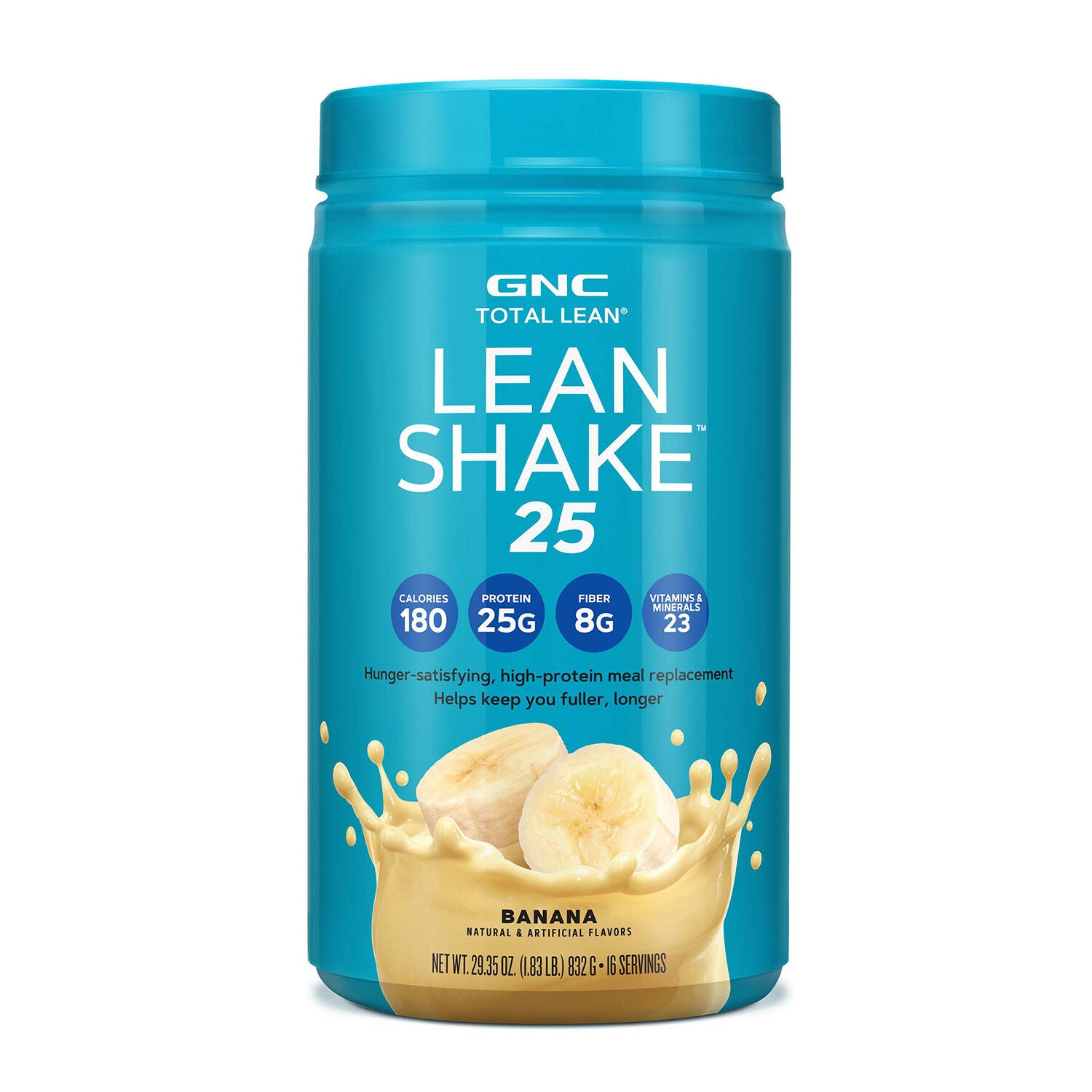
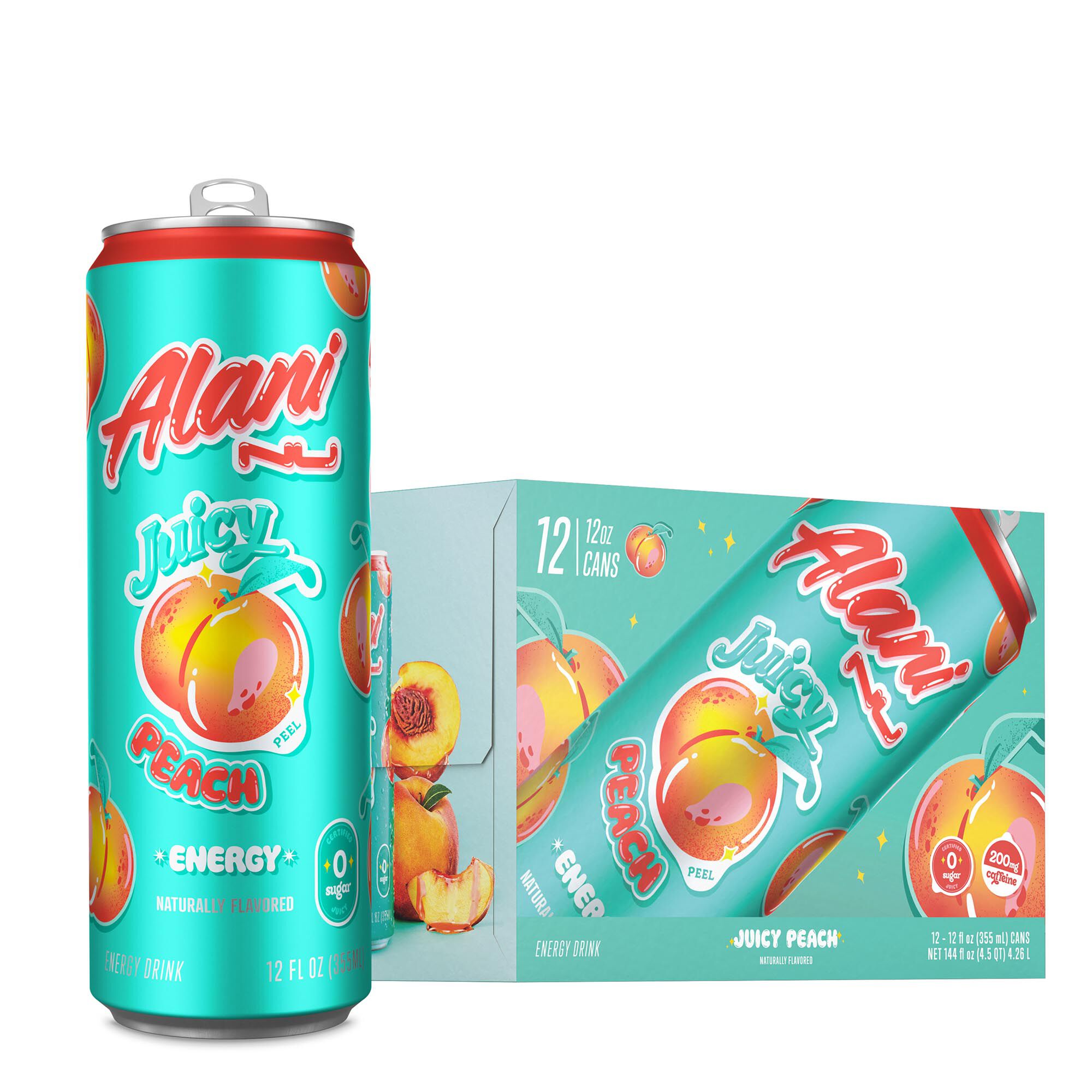

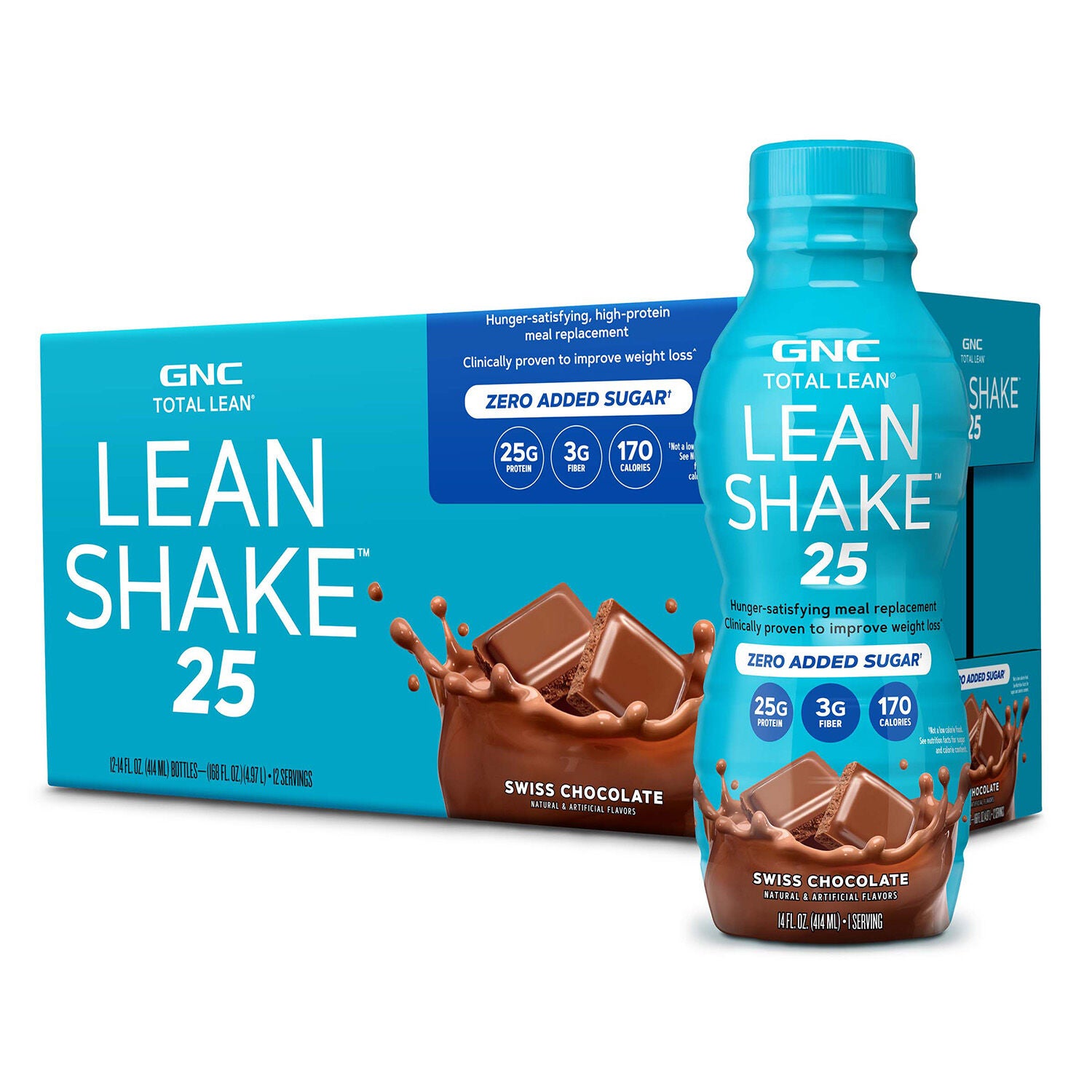
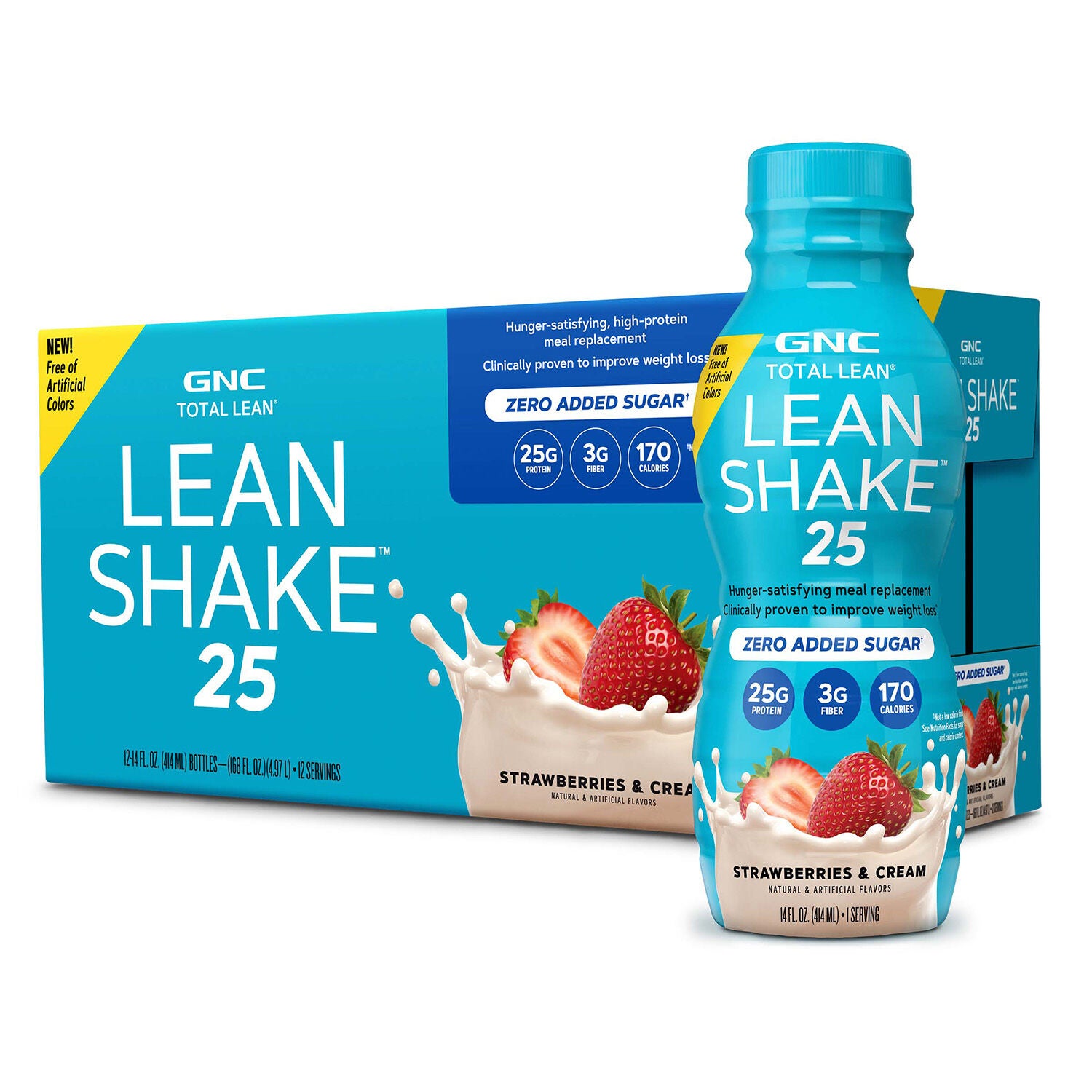
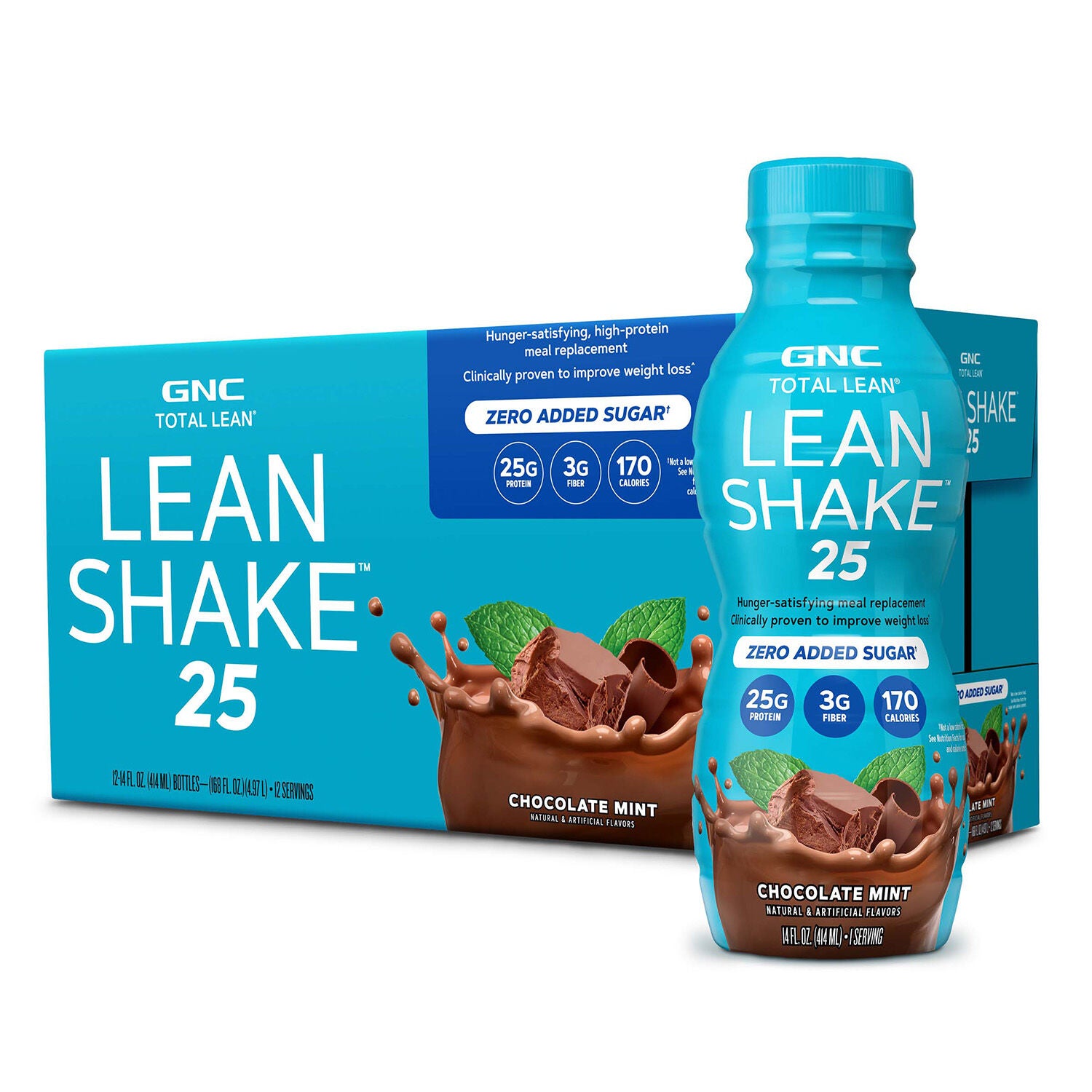
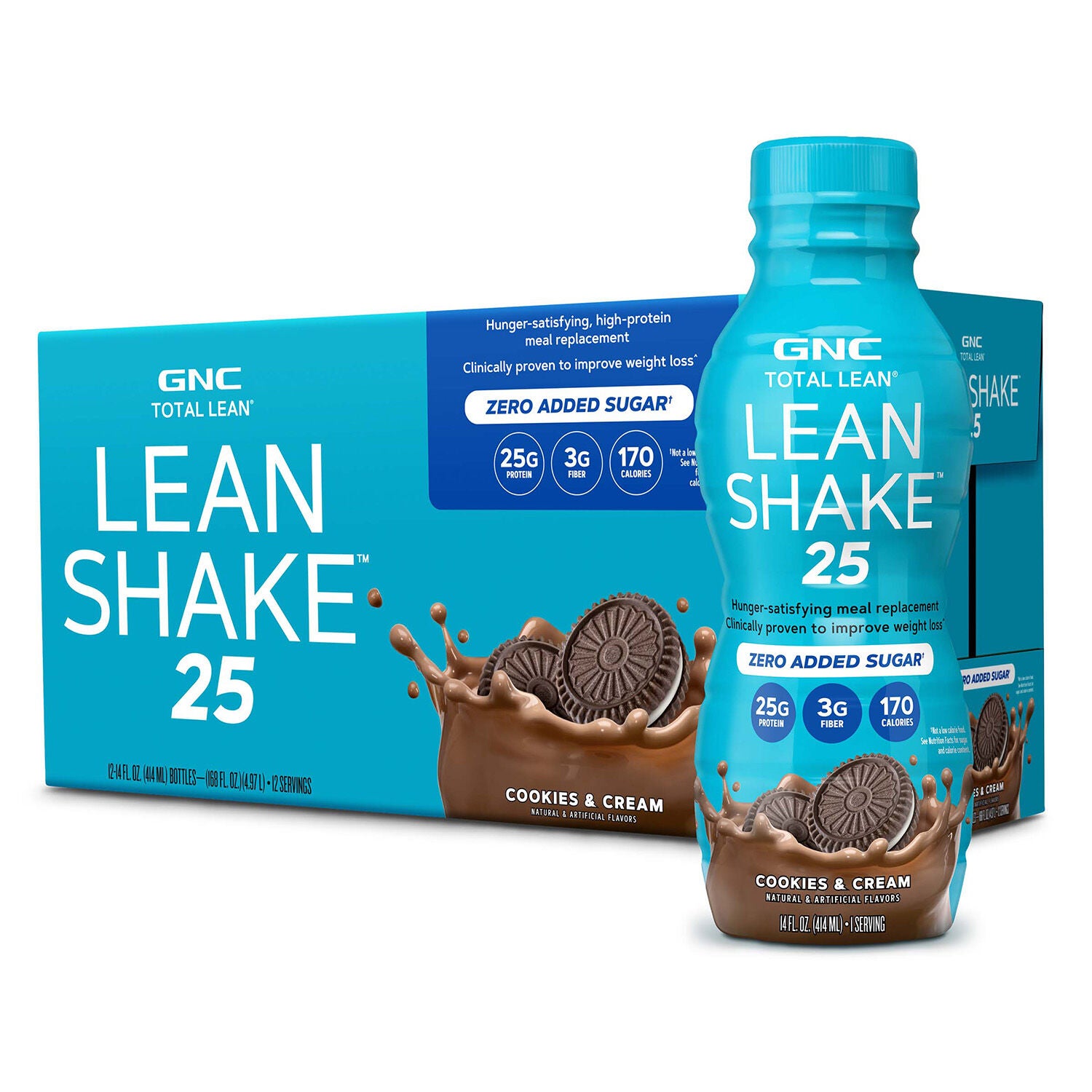
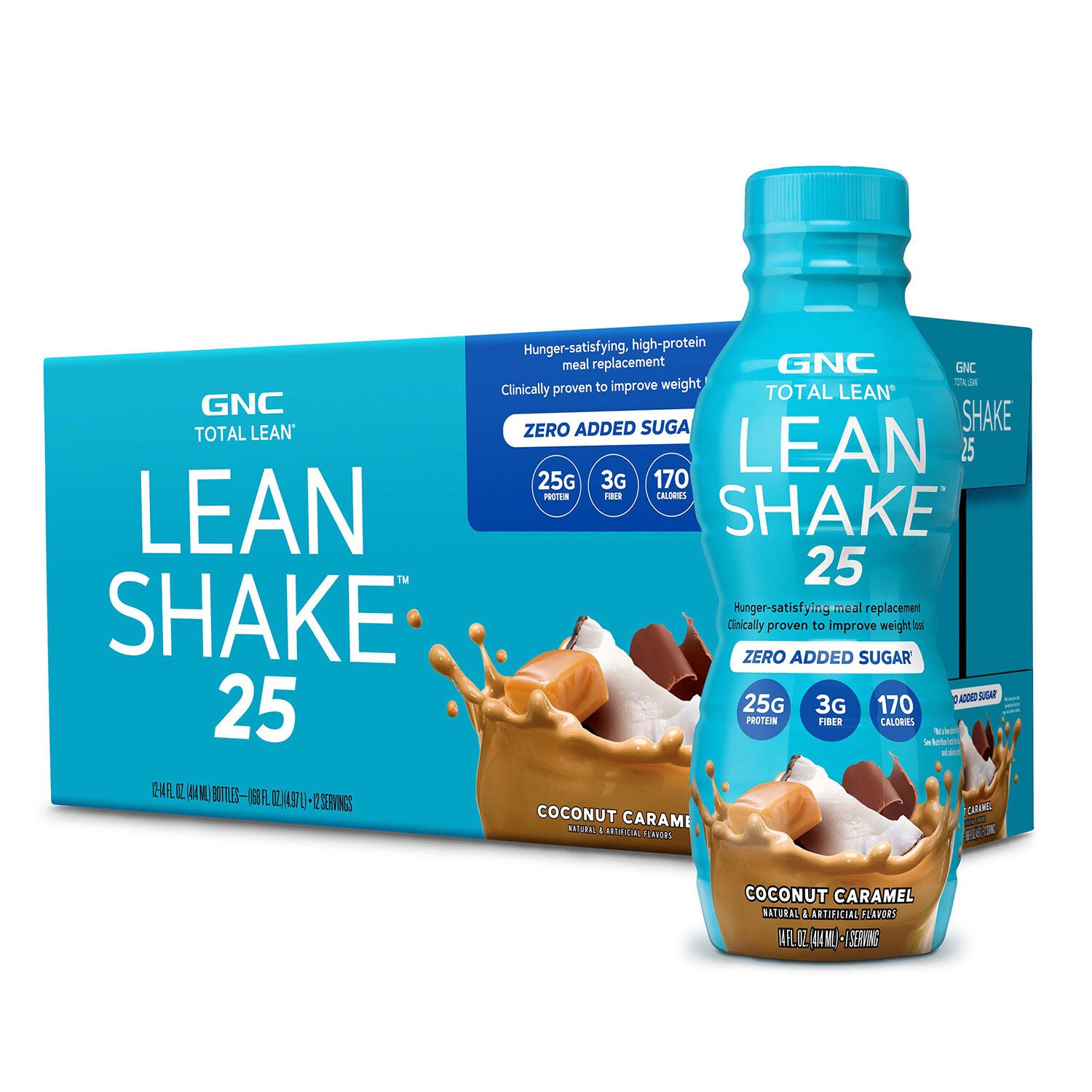


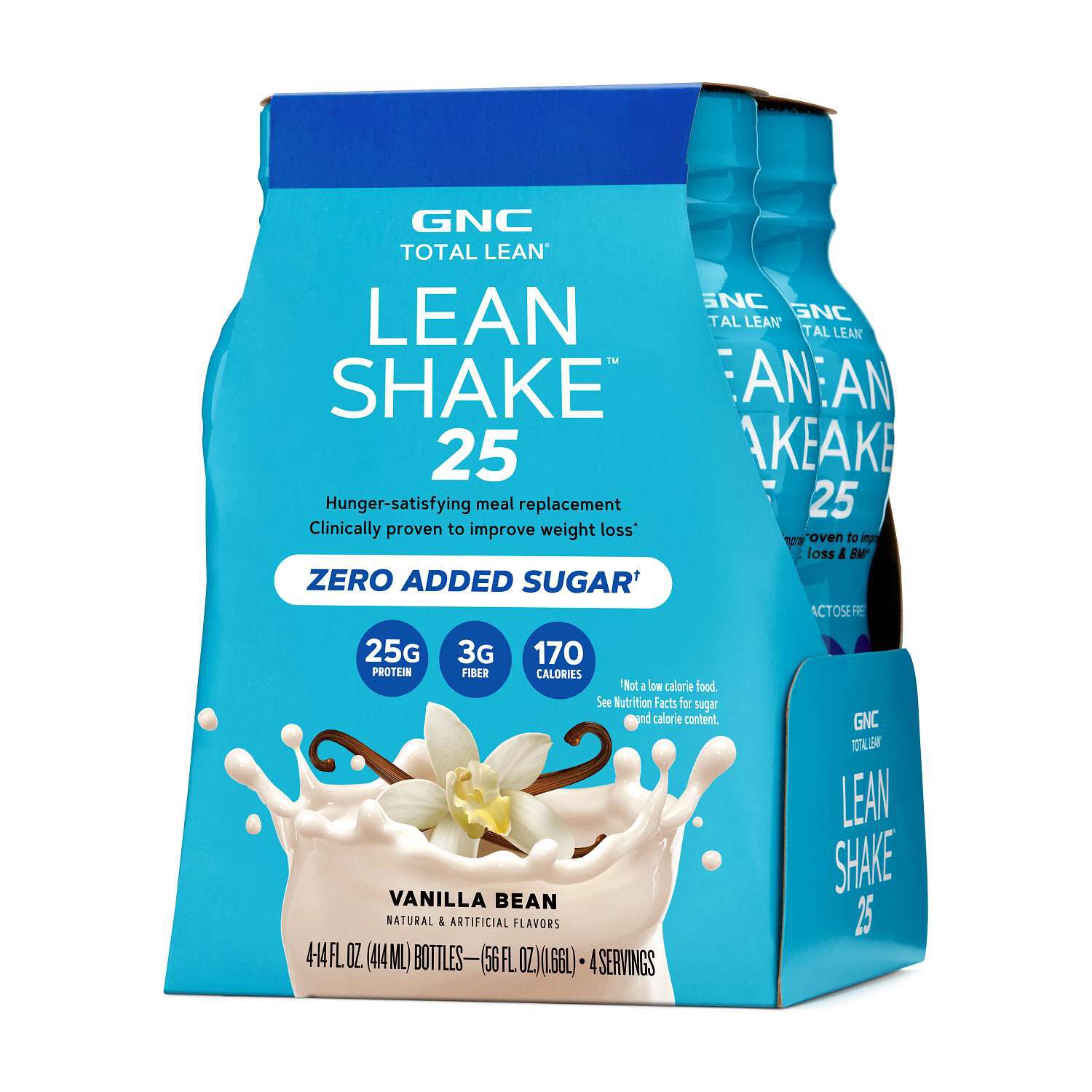
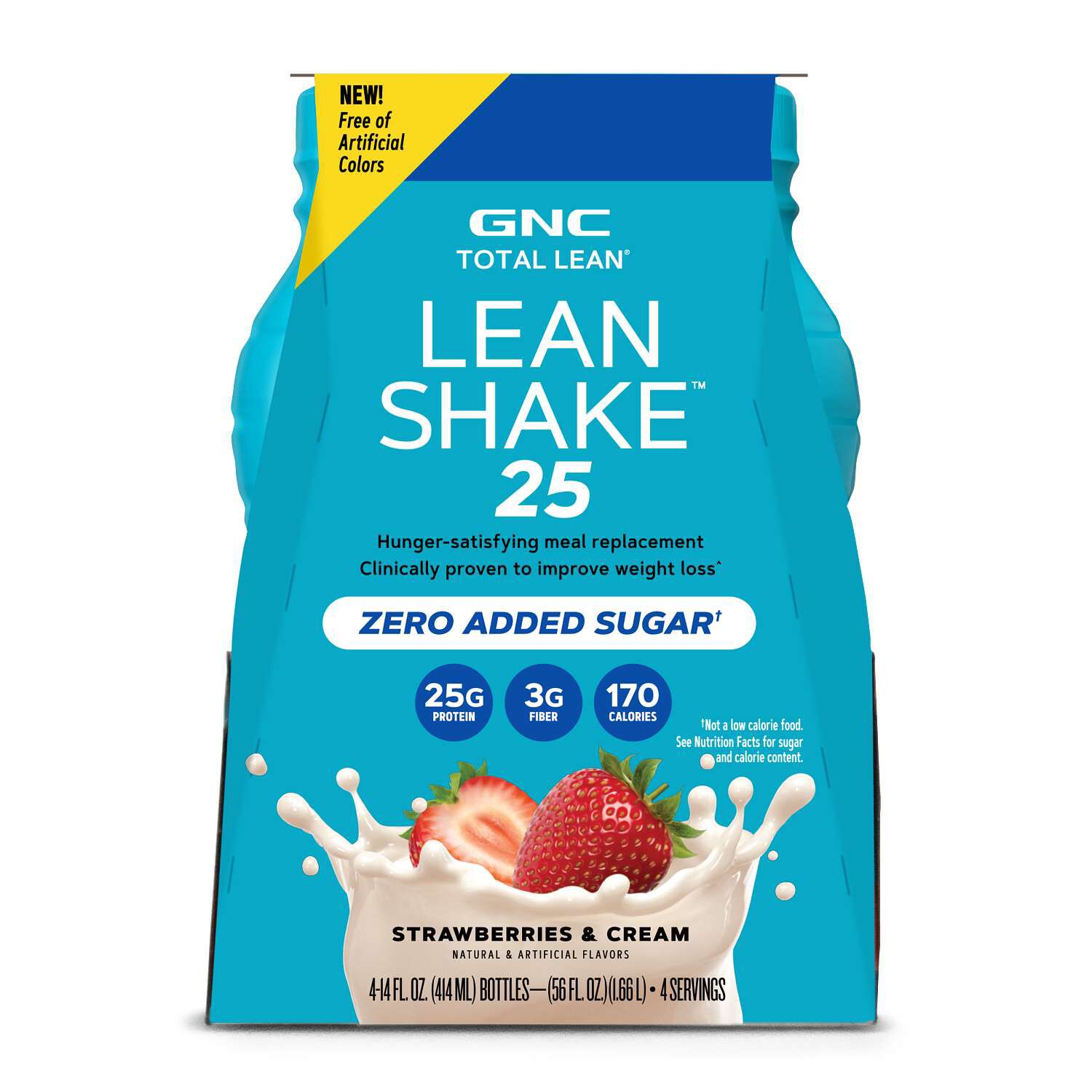
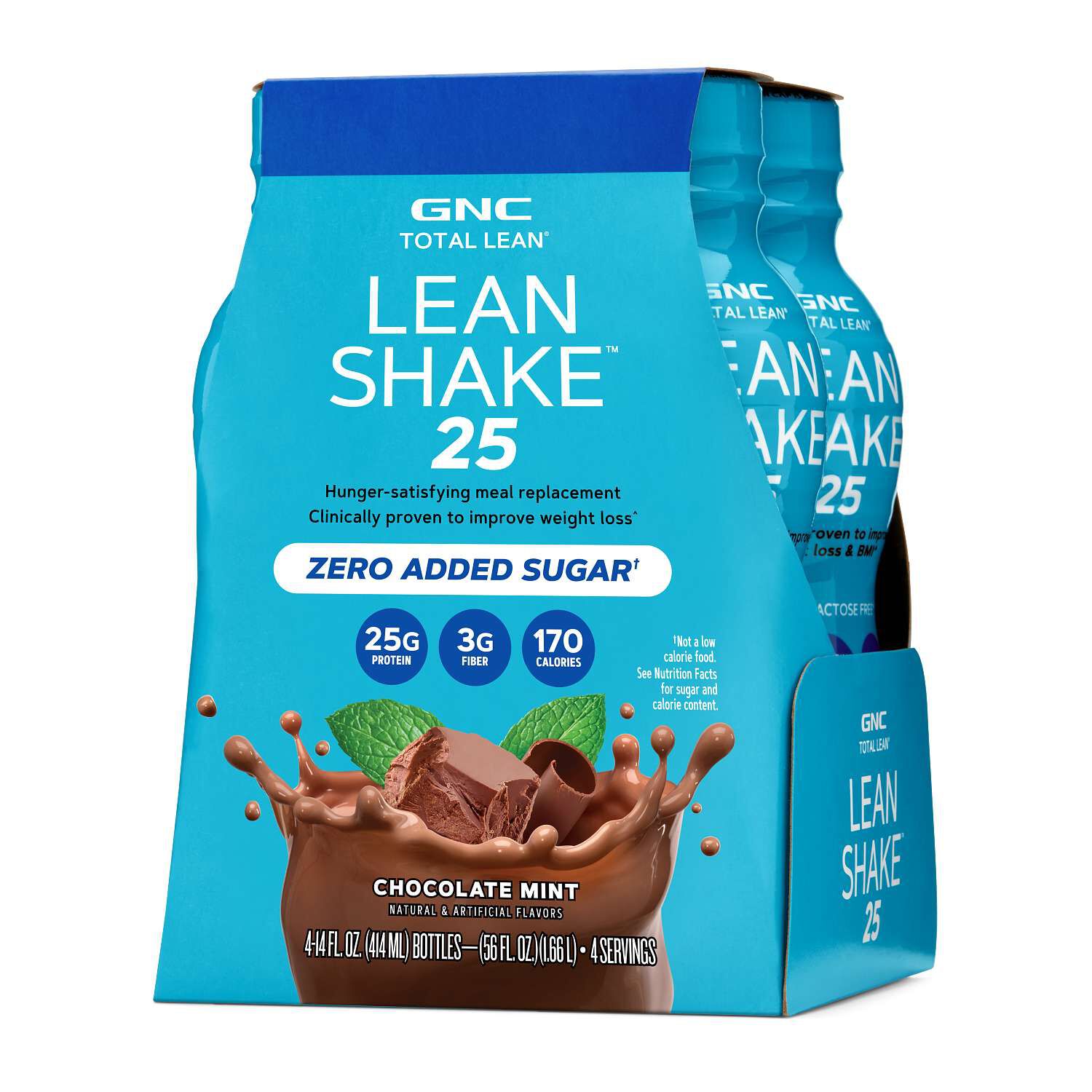
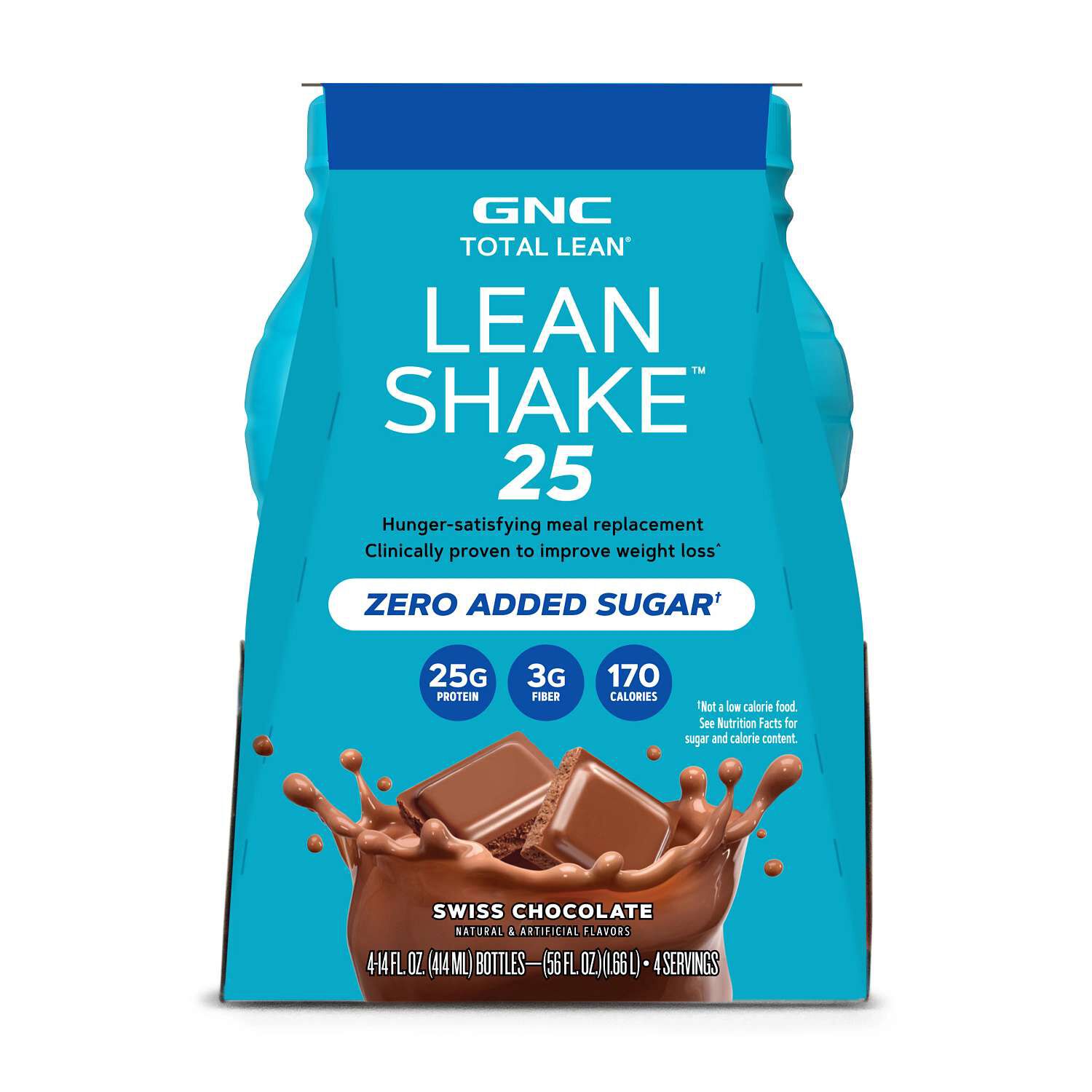
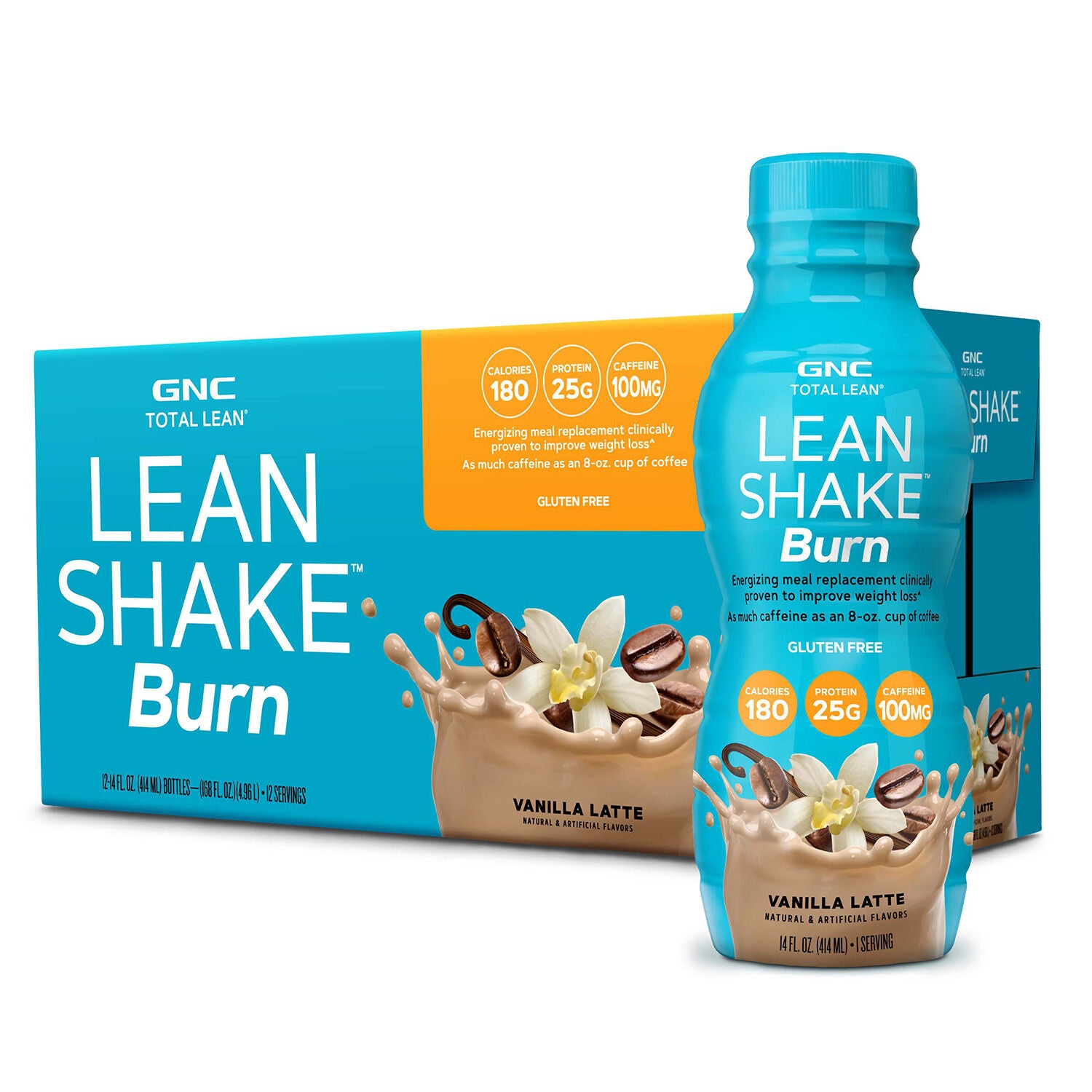
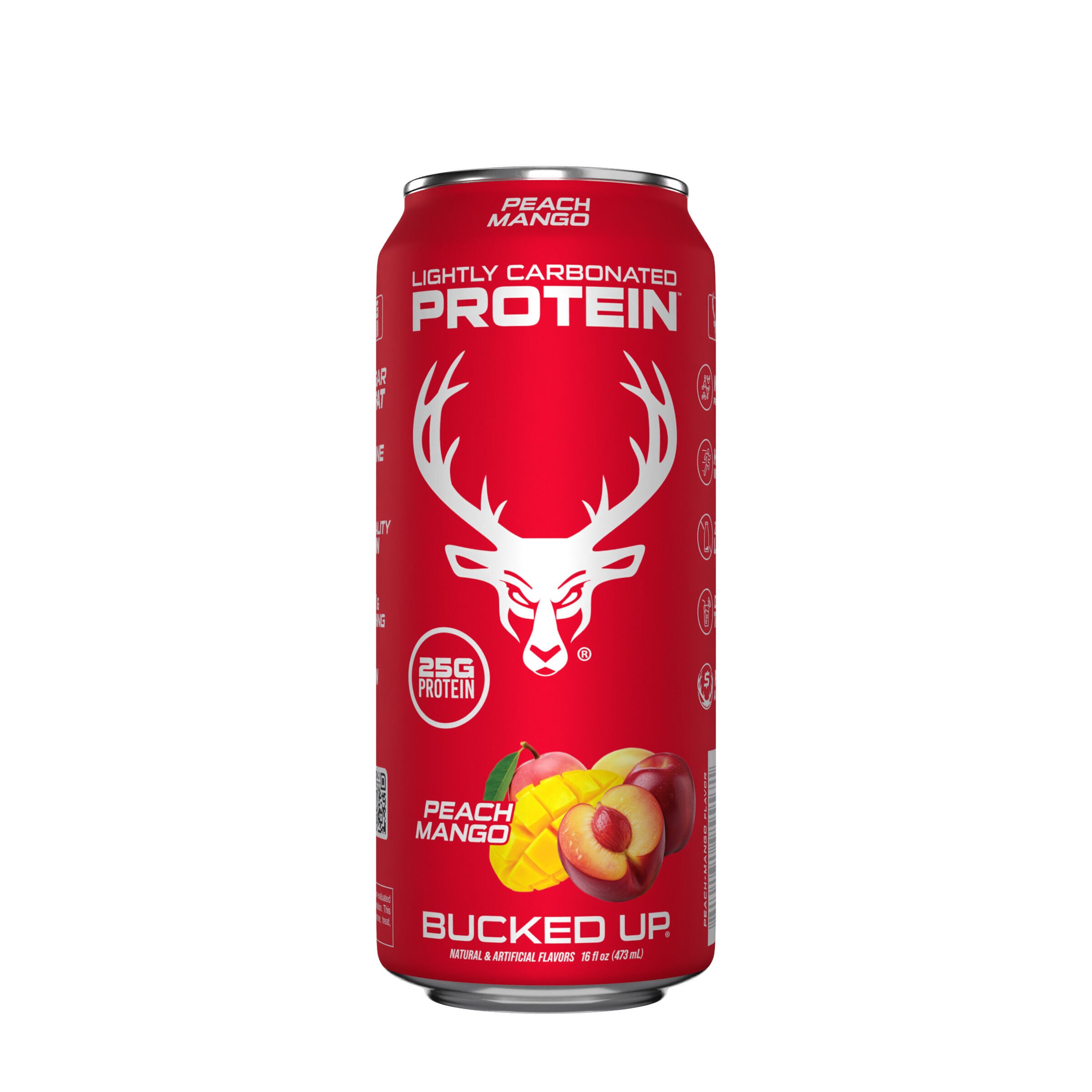


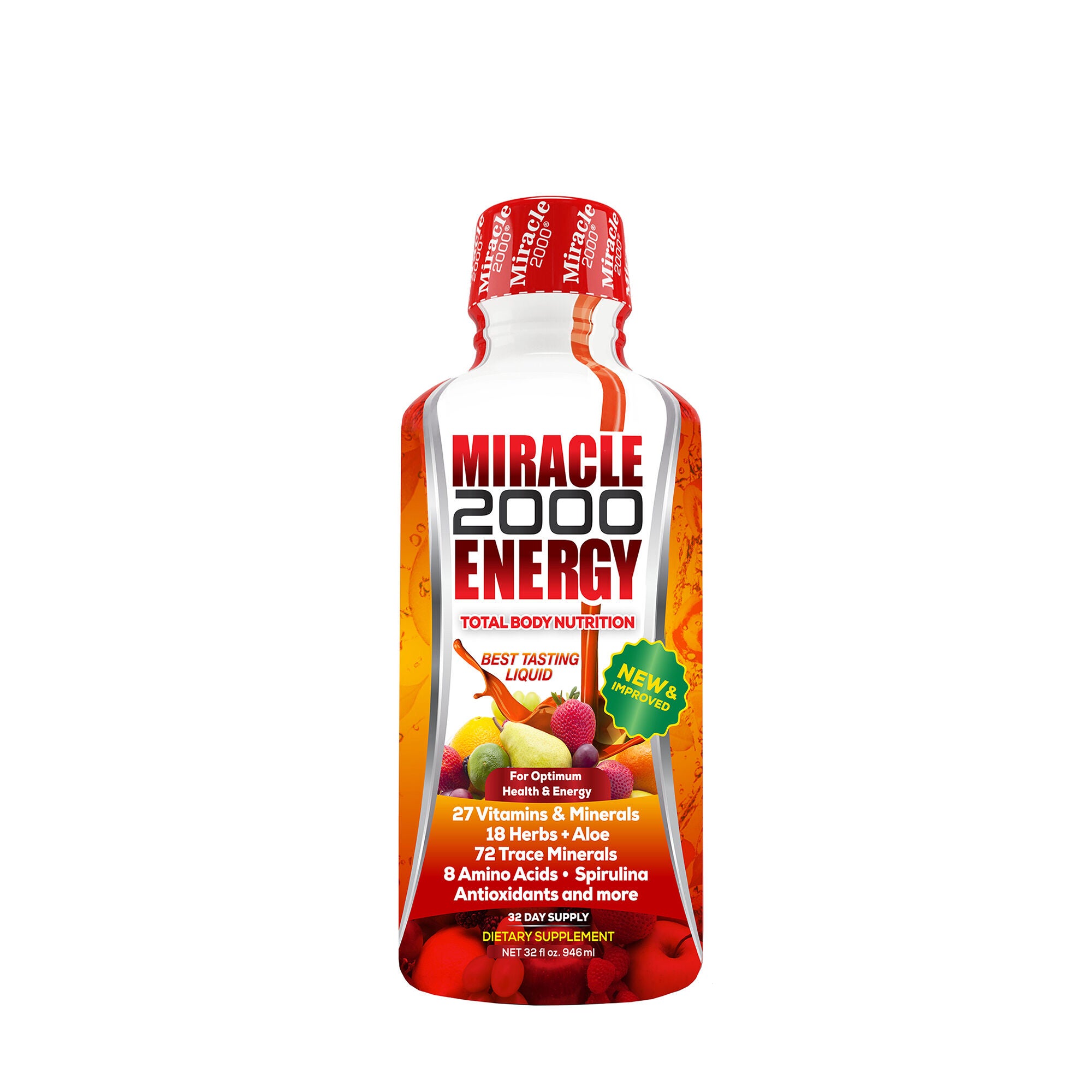
Healthy drinks for adults span a broad mix of everyday beverages, from plain water and unsweetened tea to protein shakes, electrolyte drink mixes, and fruit or vegetable blends. The most useful choice depends on what belongs in the glass: something simple alongside lunch, a creamy shake after a workout, or a lightly flavored drink for an afternoon at the desk. Water is a straightforward starting point because plain varieties contain no sugar or calories, while sparkling water adds bubbles for those who prefer a livelier texture. Unsweetened green or black tea offers a different flavor profile, ranging from grassy and delicate to bold and slightly earthy. Herbal blends bring options such as mint, ginger, or hibiscus, with ingredients and caffeine content varying by blend. Coffee also fits into the wider category, especially when its preparation matches personal preferences for milk, sweetness, and serving size. No single beverage suits every adult or every occasion, and the word “healthy” does not describe the same nutritional priorities for everyone. A drink chosen mainly for hydration may look quite different from one chosen for its protein content. Nutrition Facts panels make those differences easier to compare through serving size, calories, added sugars, protein, and sodium. Checking the amount in the entire bottle matters, too, since a container can hold more than one labeled serving. Flavor is another practical consideration: a beverage with an appealing balance of sweetness, tartness, and texture may be easier to include in a regular routine than one selected only for its ingredient list. During the cooler months, the same preferences might shift from a chilled citrus drink with lunch to a warm mug of unsweetened tea in the afternoon. Temperature changes the experience, but the ingredients, preparation, and portion still provide the clearest picture of what a drink contributes to the day.
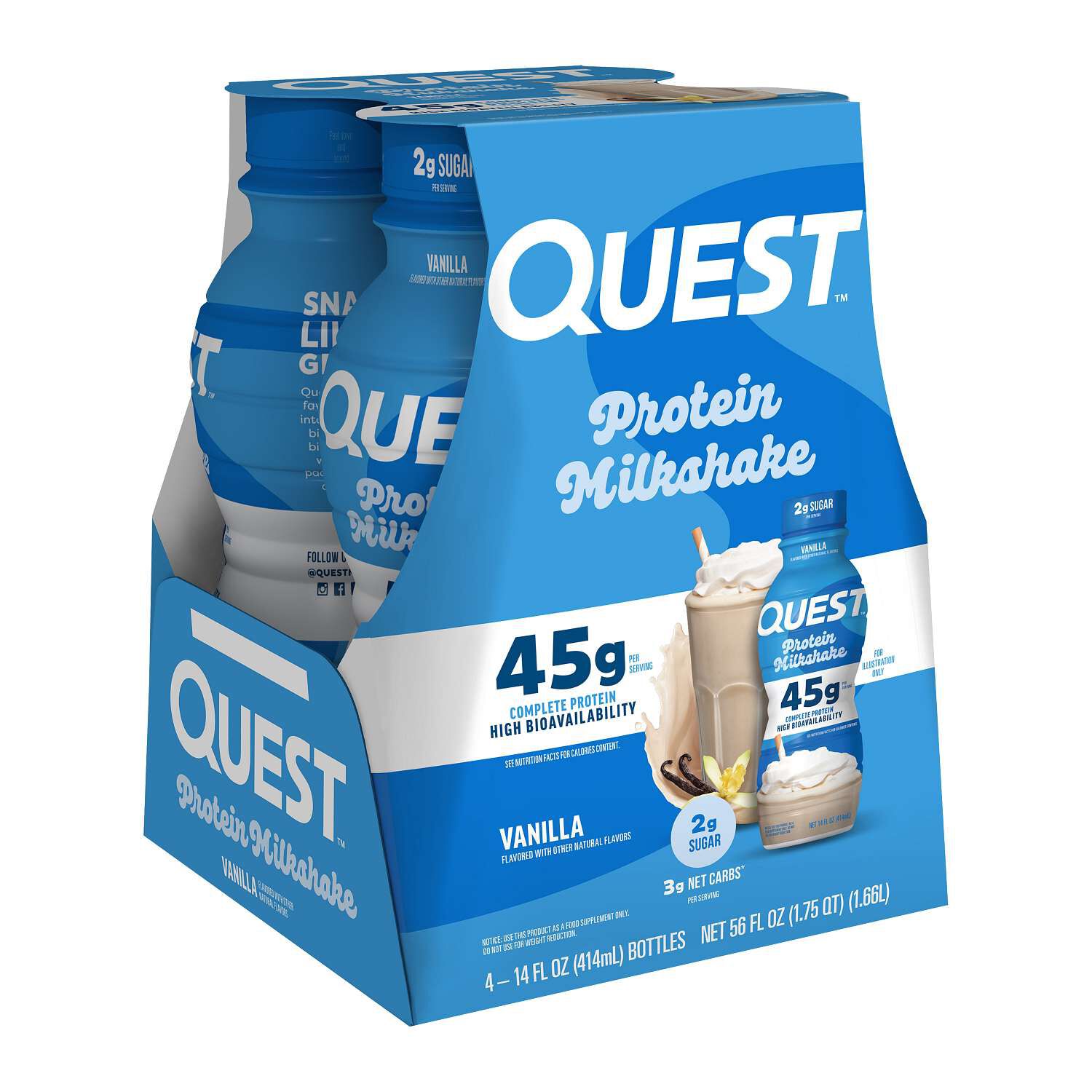
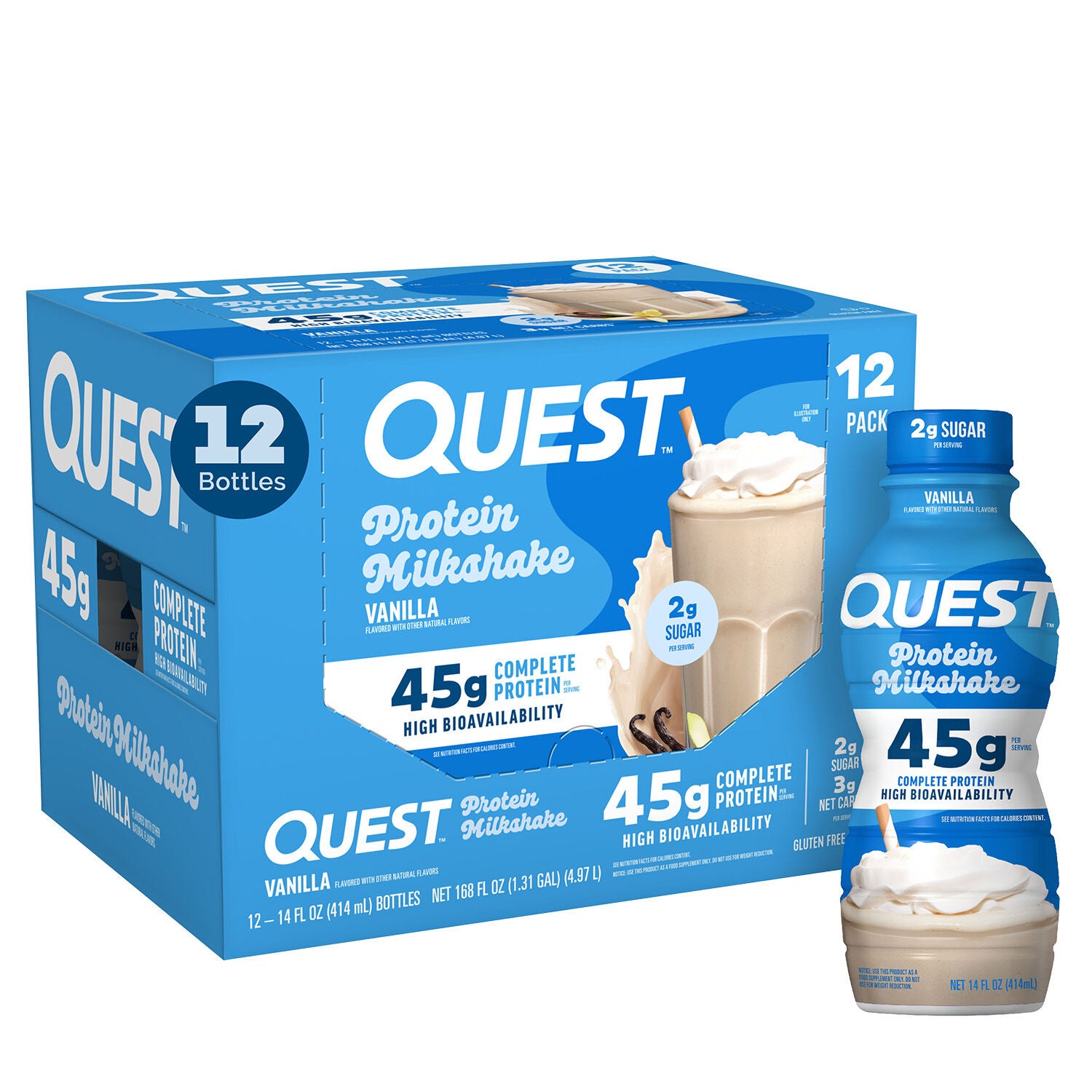
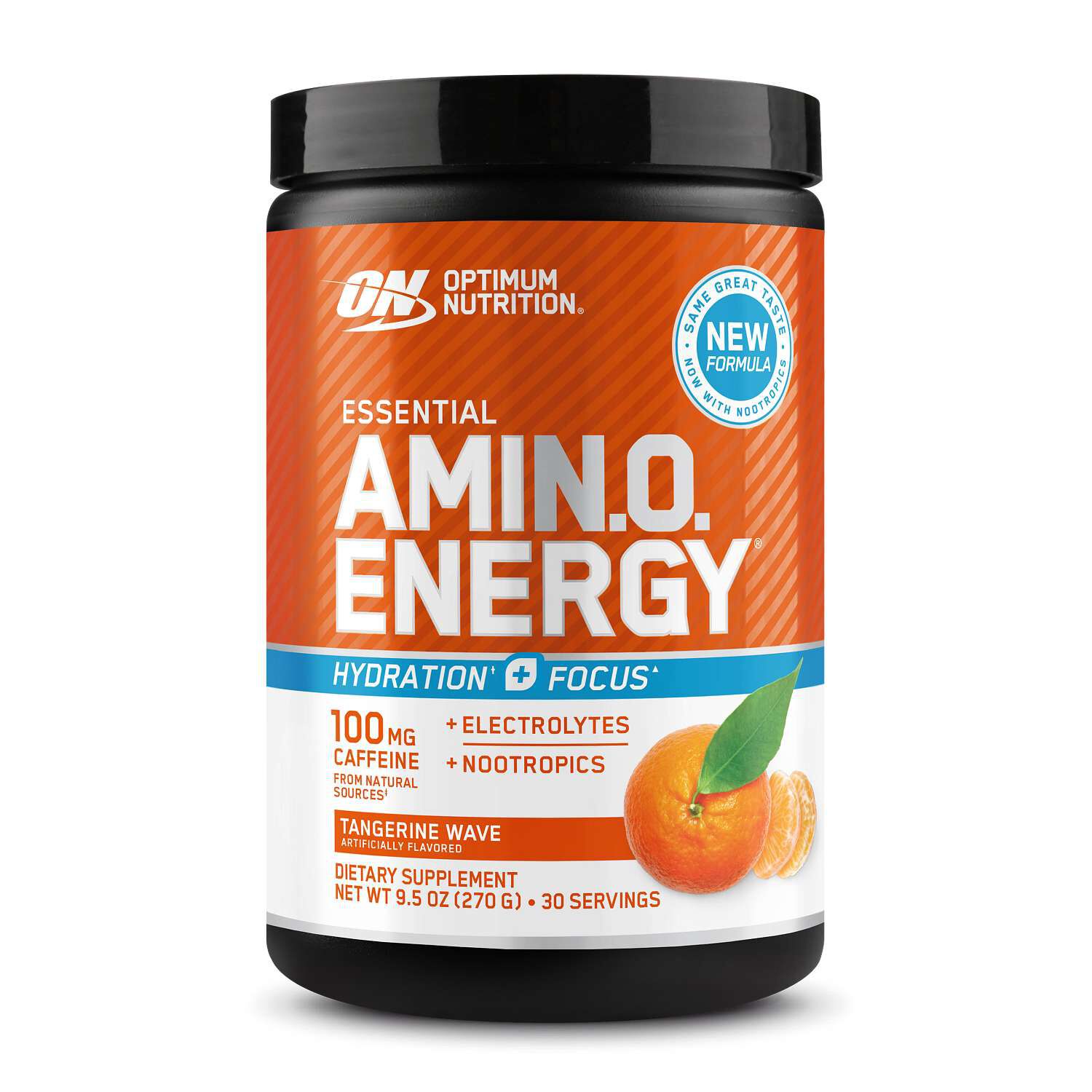
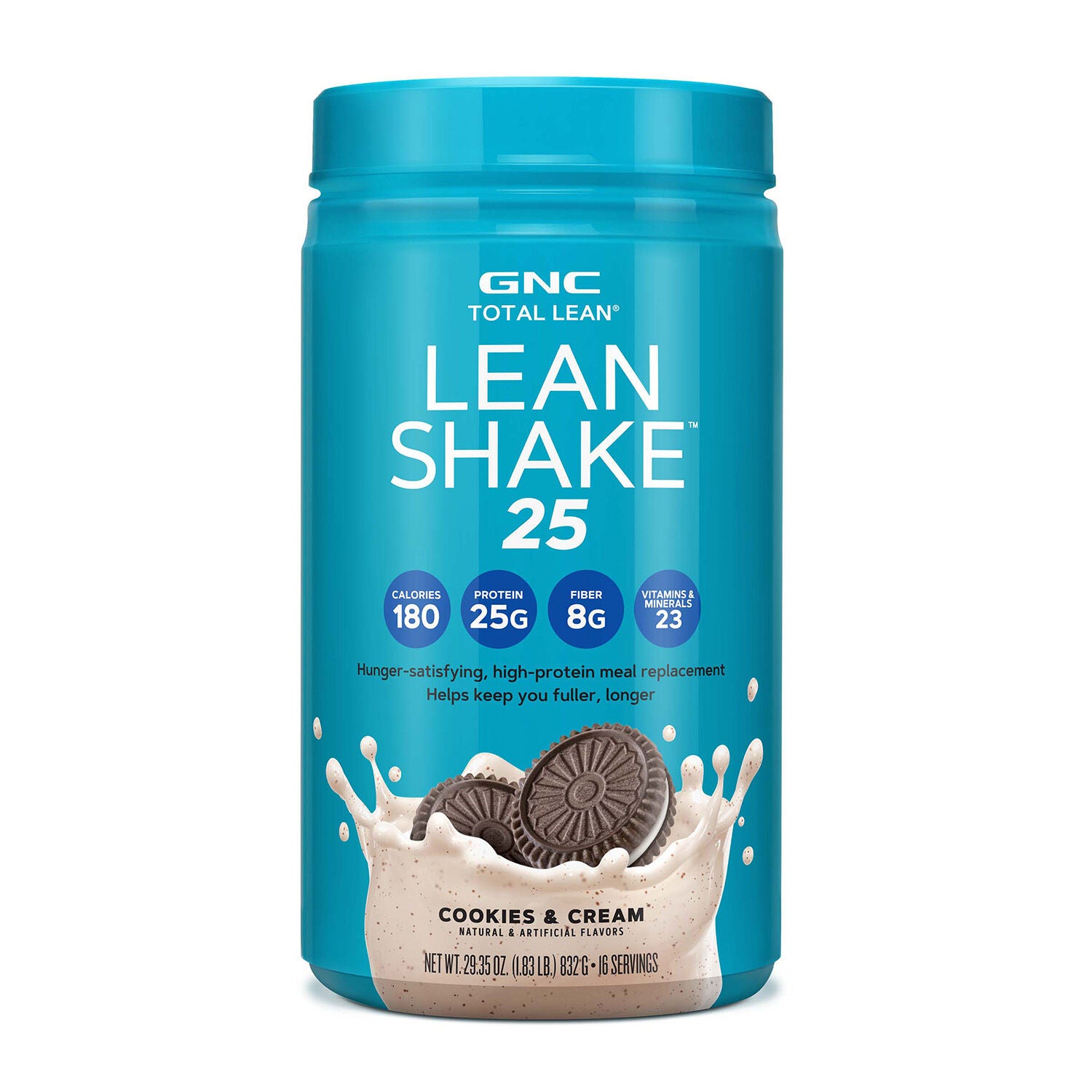
For adults who want a beverage with protein, ready-to-drink shakes and powders offer different approaches to preparation and portability. A sealed shake requires no mixing before opening, making it a practical format for a commuter bag or an office refrigerator, provided its storage directions suit that use. Powder allows the serving to be mixed when needed, with water, milk, or another beverage as directed on the label. The chosen liquid changes the finished drink’s flavor, texture, and nutrient content, so a powder mixed with water is not nutritionally identical to the same powder mixed with milk. Whey, casein, soy, and pea are examples of protein sources, each with its own taste and mixing characteristics. Milk-based ingredients, soy, and other allergens deserve attention when comparing labels, especially when purchasing drinks for a shared household. Protein beverages may help adults add protein to their usual eating pattern, but they are not interchangeable with a varied meal simply because they come in a larger bottle or have a thick texture. Electrolyte beverages belong to another part of the category. These drinks can contain minerals such as sodium and potassium, and they may support hydration around exercise or other occasions involving perspiration. Their formulas differ in carbohydrate content, sweetness, and concentration, making the intended use and mixing directions important. A leisurely afternoon at a desk and an extended outdoor workout are different settings; the same beverage may not fit both equally well. Fruit and vegetable drinks add still more variety, from tart green blends to smooth berry combinations. Juice and smoothies also differ: juice often contains less fiber than a blend made with whole fruit, although recipes vary. Fruit imagery on a label does not describe the full formula, so the ingredient list remains useful for understanding juice concentrates, sweeteners, added fiber, and other components. These details make category comparisons more meaningful than flavor names alone.
Everyday enjoyment also depends on details that are easy to overlook online: whether a drink is still or sparkling, whether its sweetness lingers, and whether its texture is thin, creamy, or slightly pulpy. Kombucha, beverages with added prebiotic fiber, and botanical sparkling drinks offer alternatives for adults who enjoy tangy or more complex flavors. Fermented beverages vary in sugar content and may contain caffeine or small amounts of alcohol, depending on their ingredients and production, so the label matters when either is a consideration. Added fiber is another reason to compare serving information rather than treating every fizzy drink as the same kind of refreshment. For tea, coffee, and caffeinated drink mixes, the stated caffeine amount per serving is a useful distinction between similar-looking choices. An adult selecting a beverage for a quiet evening may prefer a different formula from someone choosing a morning coffee. Packaging and preparation can be just as relevant as the recipe. Resealable bottles suit sipping over time, while individual powder packets take up little room in a gym bag or desk drawer. Larger powder containers require a dry storage spot and careful closure between uses. Shelf-stable beverages and refrigerated drinks have different storage requirements, and directions can change after opening. A reusable shaker should have a secure lid, enough capacity for the specified liquid, and parts that can be washed according to the manufacturer’s directions. Rinsing promptly after a creamy drink and allowing the lid and cup to dry before reassembly are practical care habits. When choosing beverages for a workplace kitchen, a host, or an active friend, familiar flavors and clearly labeled ingredients can make a thoughtful assortment, particularly when dietary preferences are already known. Those who enjoy chilled, fruit-forward options throughout the year can also explore Healthy Drinks for Summer for another selection centered on warm-weather refreshment. Across seasons, healthy drinks for adults are best compared through their ingredients, serving information, flavor, and intended use, with room for both everyday simplicity and a change of pace.