High Protein Banana Powders
(0 Results)
High protein banana powders offer a convenient way to support your nutrition goals while enjoying the naturally sweet taste of bananas. Perfect for smoothies, shakes, and baking recipes, these versatile powders could be an excellent addition to a balanced diet. Whether you're looking to fuel your workout routine or simply seeking a flavorful protein boost, high protein banana powders may fit seamlessly into your daily regimen. Explore options that might help you add variety and nutrition to your favorite foods and beverages.
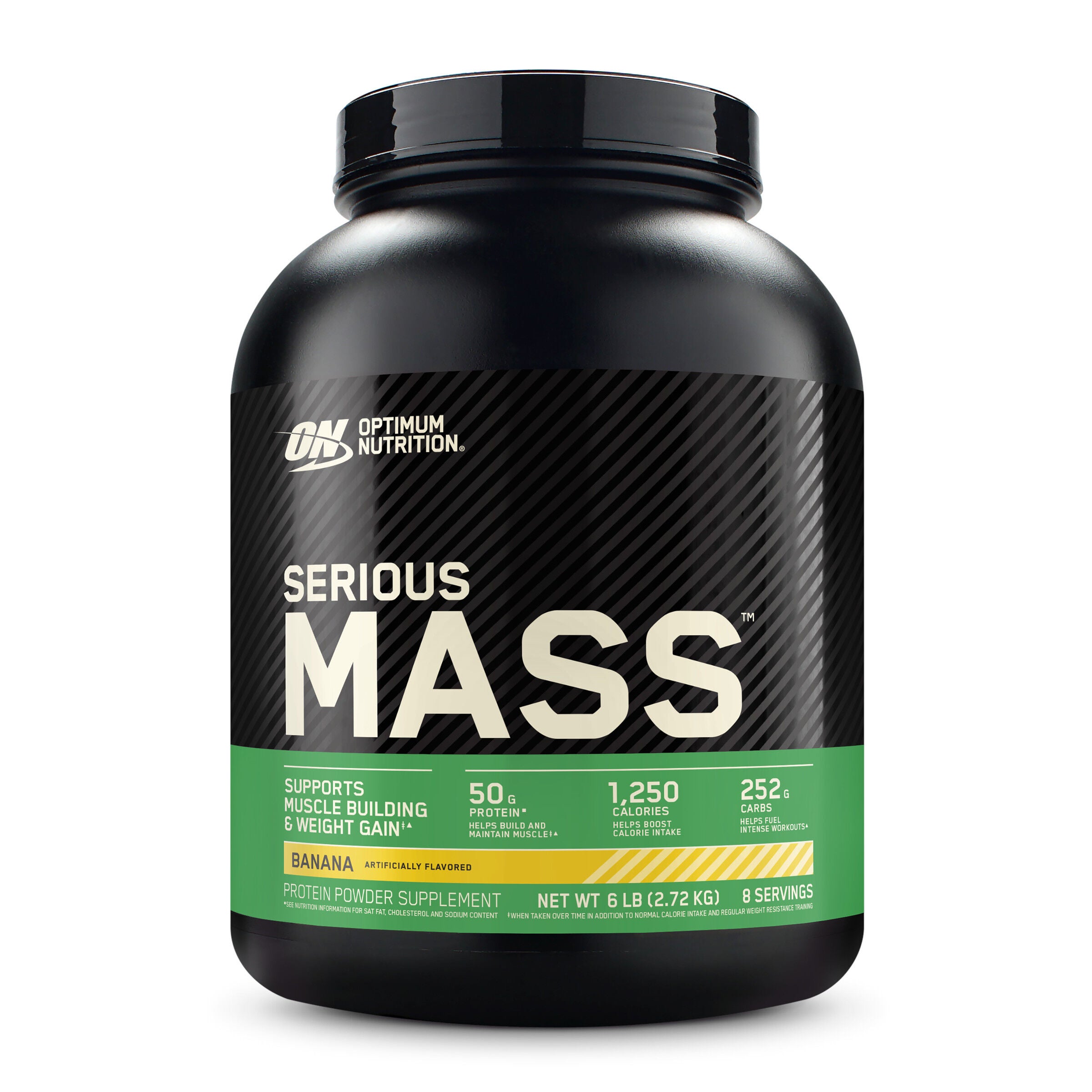
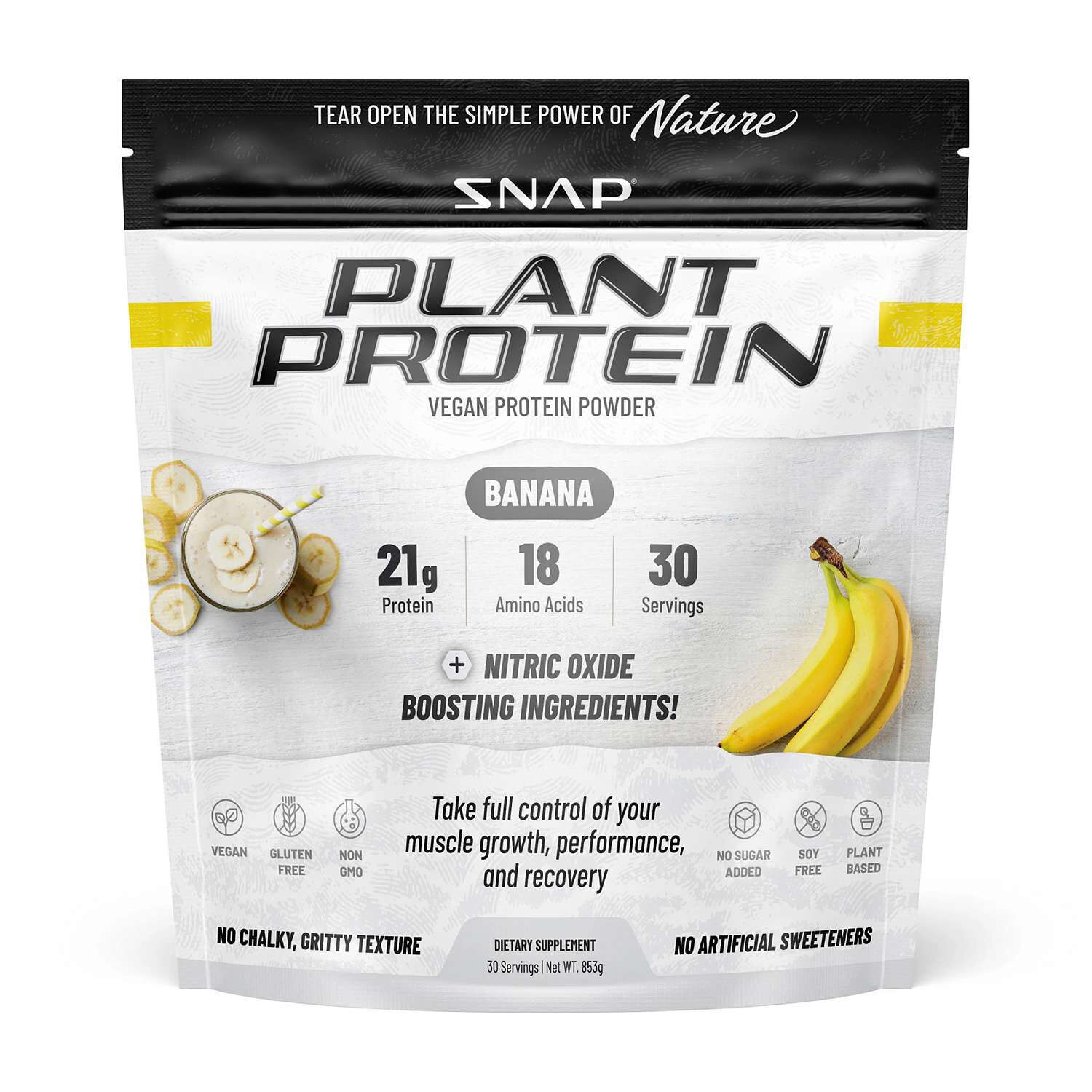
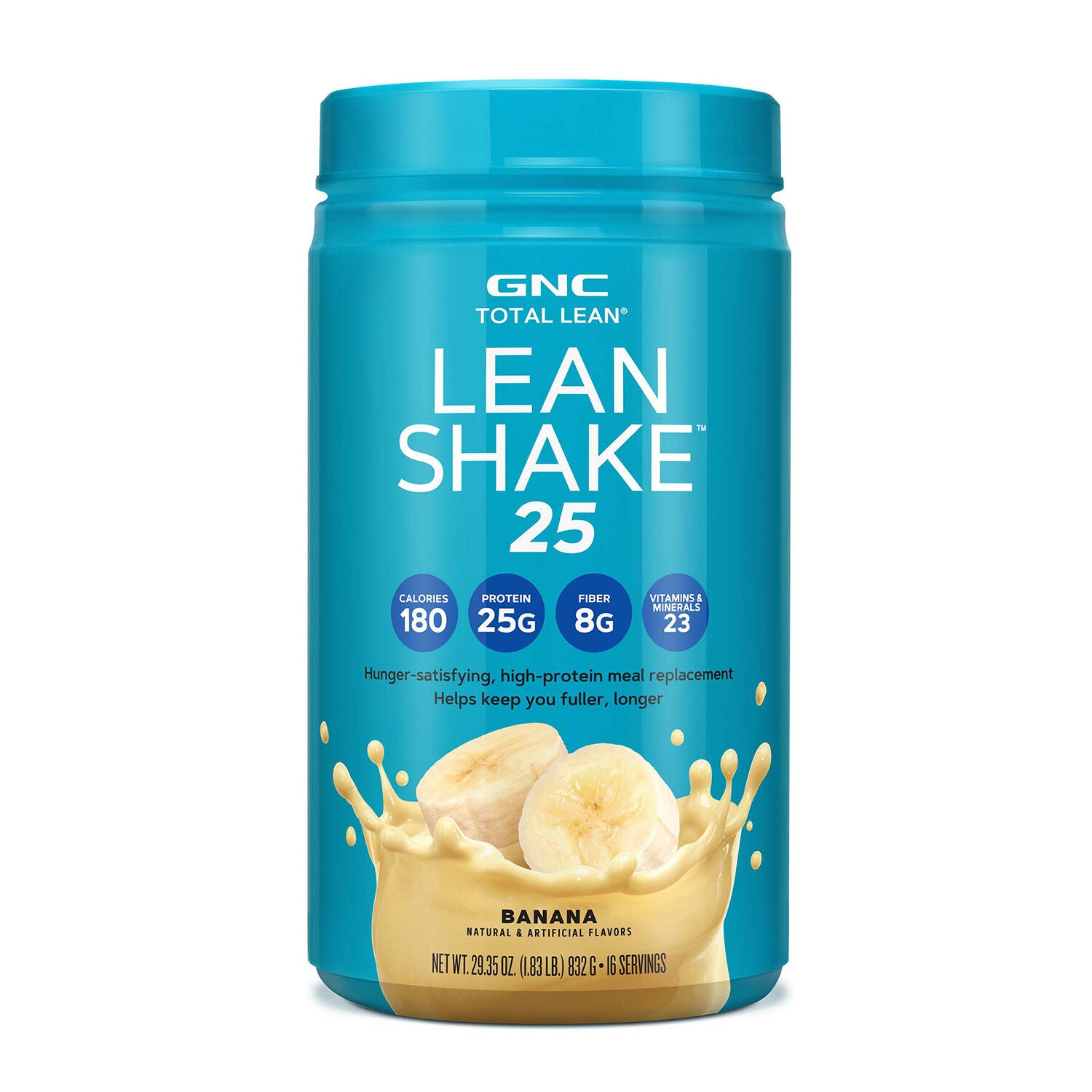
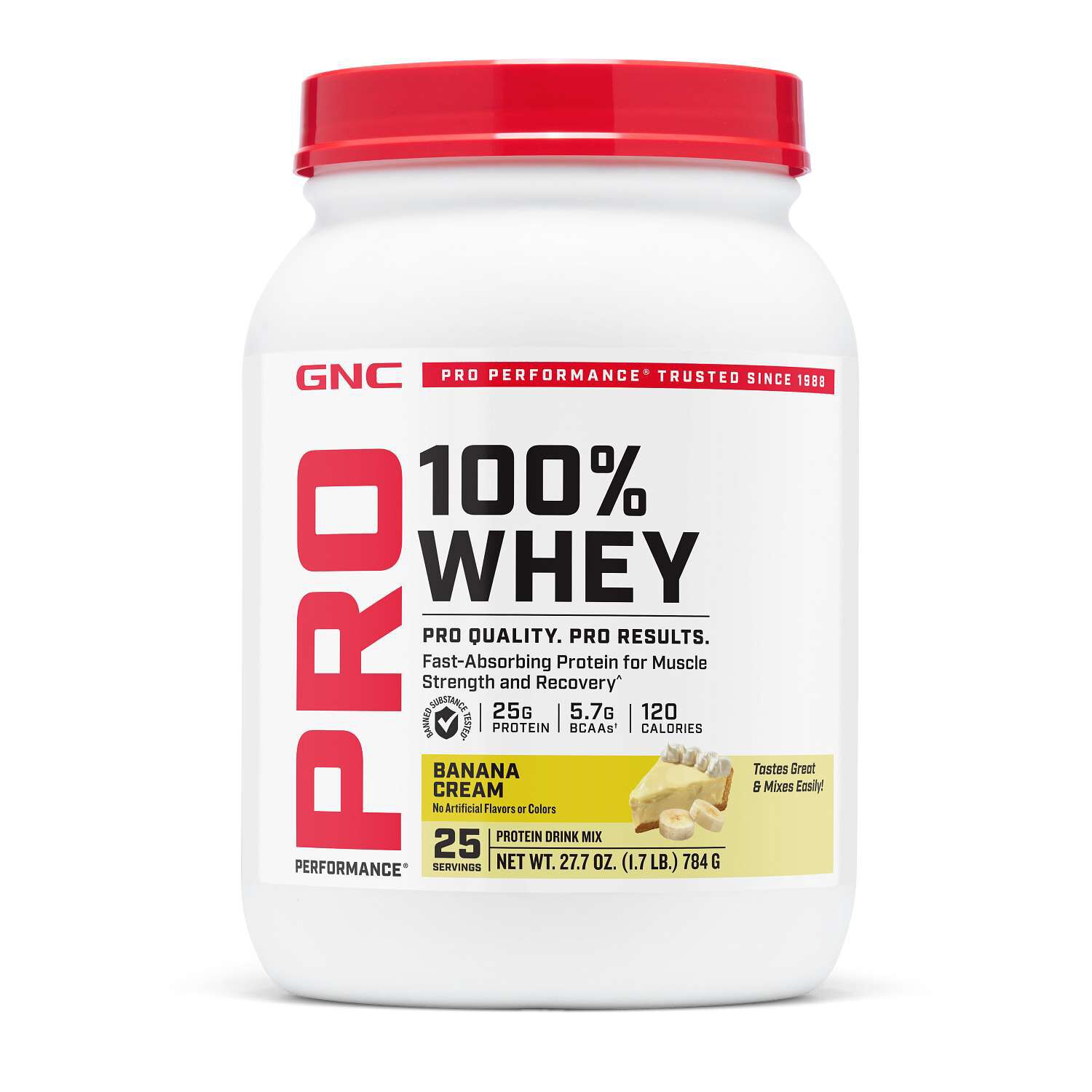
High protein banana powders pair a familiar fruit-inspired flavor with concentrated protein in a scoopable format for shakes, smoothies, and everyday recipes. Depending on the formula, a serving may provide approximately 20 to 32 grams of protein, though the nutrition label is the place to confirm the amount and serving size. Banana flavor does not necessarily mean the powder contains substantial amounts of banana fruit: in many formulas, the protein comes from milk or plant ingredients, while other ingredients create the banana taste. This distinction matters when comparing banana-flavored protein powder with plain banana powder, which is made from the fruit and is not the same type of product. Whey concentrate, whey isolate, casein, and combinations of these proteins are common milk-based options. Plant-based versions may use pea, rice, soy, or a blend of protein sources. The protein source, sweeteners, flavorings, and other ingredients all help distinguish one formula from another, even when their front labels describe similar flavors. Banana cream usually suggests a mellow, dessert-inspired profile with vanilla notes, while a banana bread flavor points toward a baked-dessert character, sometimes with cinnamon or other spices. A straightforward banana flavor leaves more room for ingredients such as cocoa, berries, or peanut butter to shape the finished drink. Texture deserves just as much attention as flavor. Some formulas mix into a relatively light shake, while others have a thicker consistency suited to a spoonable smoothie or a more substantial-tasting drink. Product descriptions and mixing directions offer useful context, but the amount and type of liquid also influence the result. For shoppers comparing high protein banana powders, the most useful starting details are protein per serving, the serving size in grams, the protein source, and the ingredient list. Together, these details offer a clearer picture than flavor names alone, especially when choosing a powder for a familiar breakfast routine or a regular trip to the gym.
The best fit for an everyday routine often comes down to how the powder will be prepared and what else goes into the glass. Someone mixing a shake at an office desk may prefer a formula intended for a shaker bottle, while a home smoothie enthusiast may be more interested in how the banana flavor works alongside oats, yogurt, or nut butter. Follow the package directions for the initial powder-to-liquid ratio, then adjust the liquid in later servings to suit personal preferences. Water keeps the flavor comparison straightforward; milk or a plant-based beverage introduces its own taste, texture, and nutrients. Those additions count toward the finished drink’s nutrition, so the numbers on the powder’s label do not necessarily describe the prepared shake. Banana-flavored protein powder pairs naturally with strawberries for a fruit-forward smoothie, cocoa for a chocolate-banana combination, or a modest spoonful of peanut butter for a richer flavor. Unsweetened ingredients offer room to work with a powder that already tastes sweet. A blender is useful when the recipe includes fruit, oats, or other solid ingredients, while a shaker bottle is a practical choice for powder and liquid alone. Adding liquid before powder may help reduce dry pockets around the bottom of the container. For breakfast beyond a shake, banana protein powder may work in oatmeal, yogurt bowls, pancake batter, or baked recipes developed specifically for protein powder. It is not a direct substitute for flour in every recipe, and changing the amount can alter moisture and texture. Start with a recipe that accounts for the type of protein being used rather than replacing a large portion of flour without other adjustments. Shoppers whose routines favor a drink over recipe preparation can also explore Banana Cream Flavored Protein Shakes for a related take on the same flavor family. Whether the intended use is an afternoon shake or a blended breakfast, preparation style is a practical way to narrow the comparison.
Reading beyond the protein number helps match banana protein powder to household preferences and day-to-day use. Check calories, carbohydrates, sugars, fats, and sodium per serving alongside the ingredient list, without assuming that a larger protein number makes every formula a better match. A serving may call for one scoop or more, and scoop sizes differ, so comparing equal amounts requires attention to the listed gram weight. Protein from whey or casein comes from milk; a banana flavor name does not identify the protein source or establish suitability for a particular eating pattern. For shoppers who avoid animal-derived ingredients, an explicit vegan designation and a review of the ingredients are more useful than the fruit imagery on the package. Anyone choosing around a food allergy should review the allergen statement and any shared-equipment information rather than relying on flavor descriptions. Sweetener preferences matter, too: formulas can differ noticeably in sweetness and aftertaste, which becomes especially apparent in a simple shake made with water. Packaging and storage are another part of practical fit. A container should close securely between uses, and the powder should stay in its original labeled packaging when possible so directions, ingredient information, and date markings remain accessible. Use a clean, dry scoop, keep moisture out of the container, and follow the storage instructions on the label. For a commute or gym visit, a separate dry compartment can keep powder apart from the mixing liquid until preparation. Wash shaker bottles, lids, and mixing pieces after use, paying attention to grooves where residue can collect. As a gift, banana protein powder makes the most sense for someone whose flavor preferences and usual protein source are already known, perhaps paired with a sturdy shaker bottle. For personal use, a good match is equally specific: a flavor that works with favorite ingredients, a formula that suits established preferences, and a preparation method that fits comfortably into an ordinary day.