





Hydration Enhancers
(0 Results)
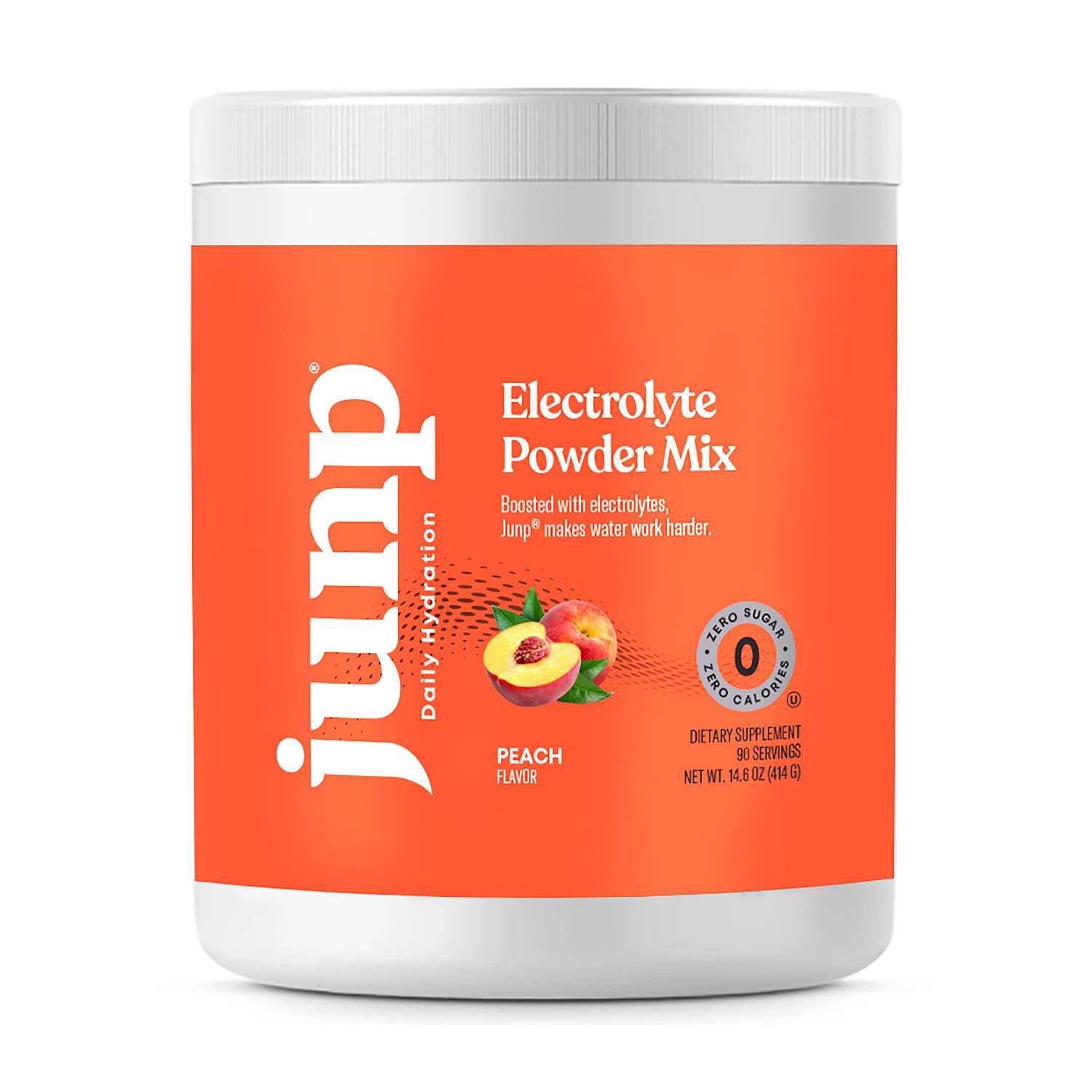
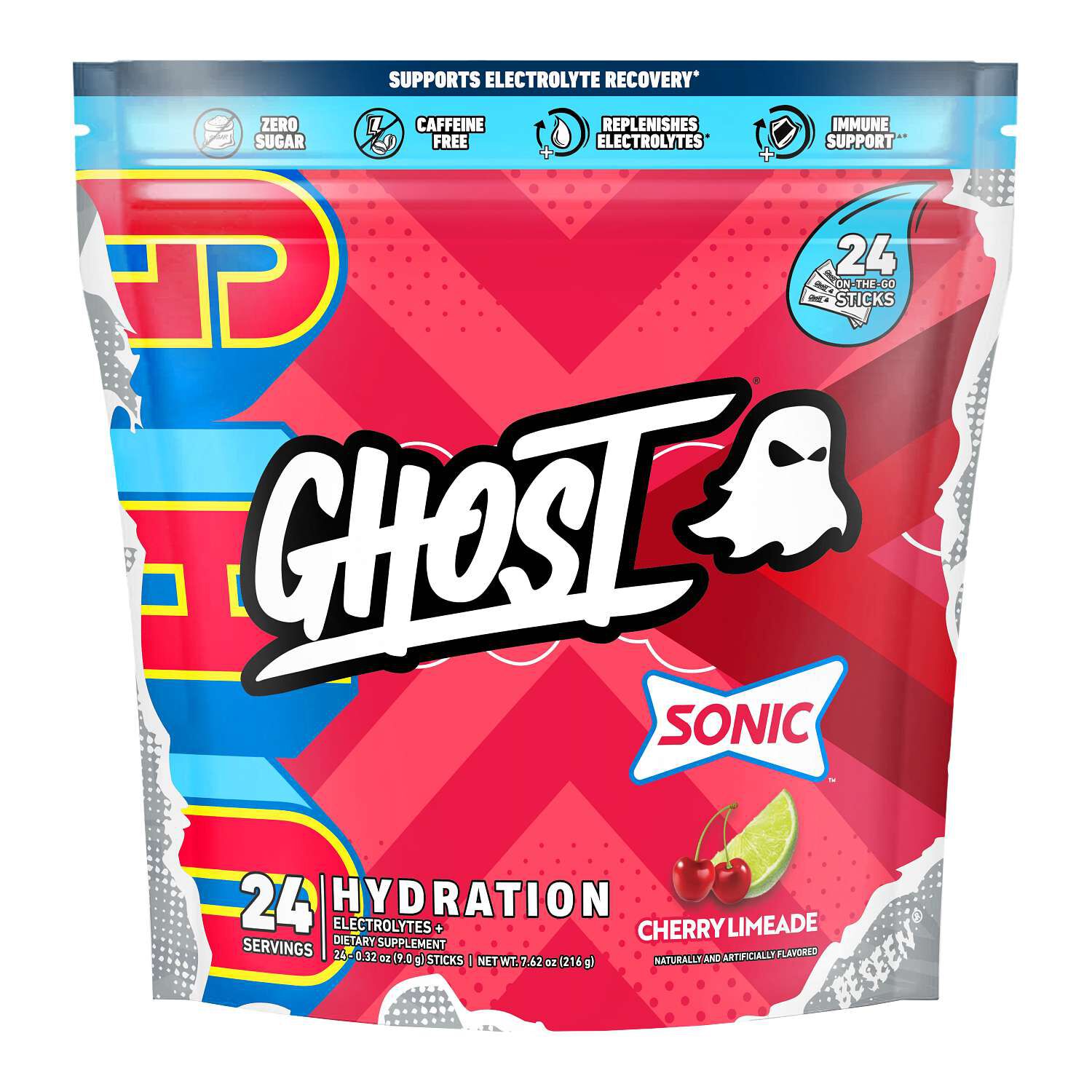
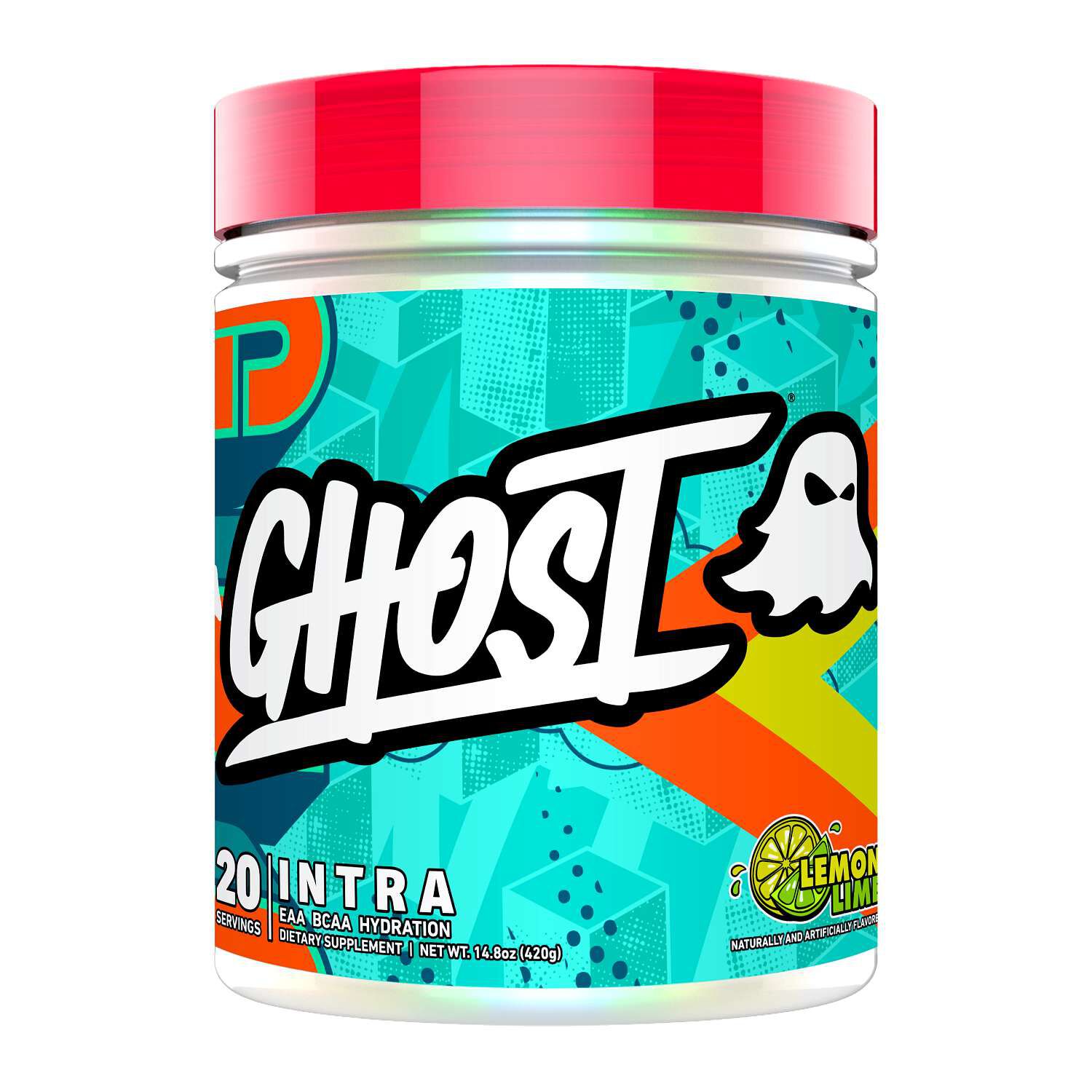
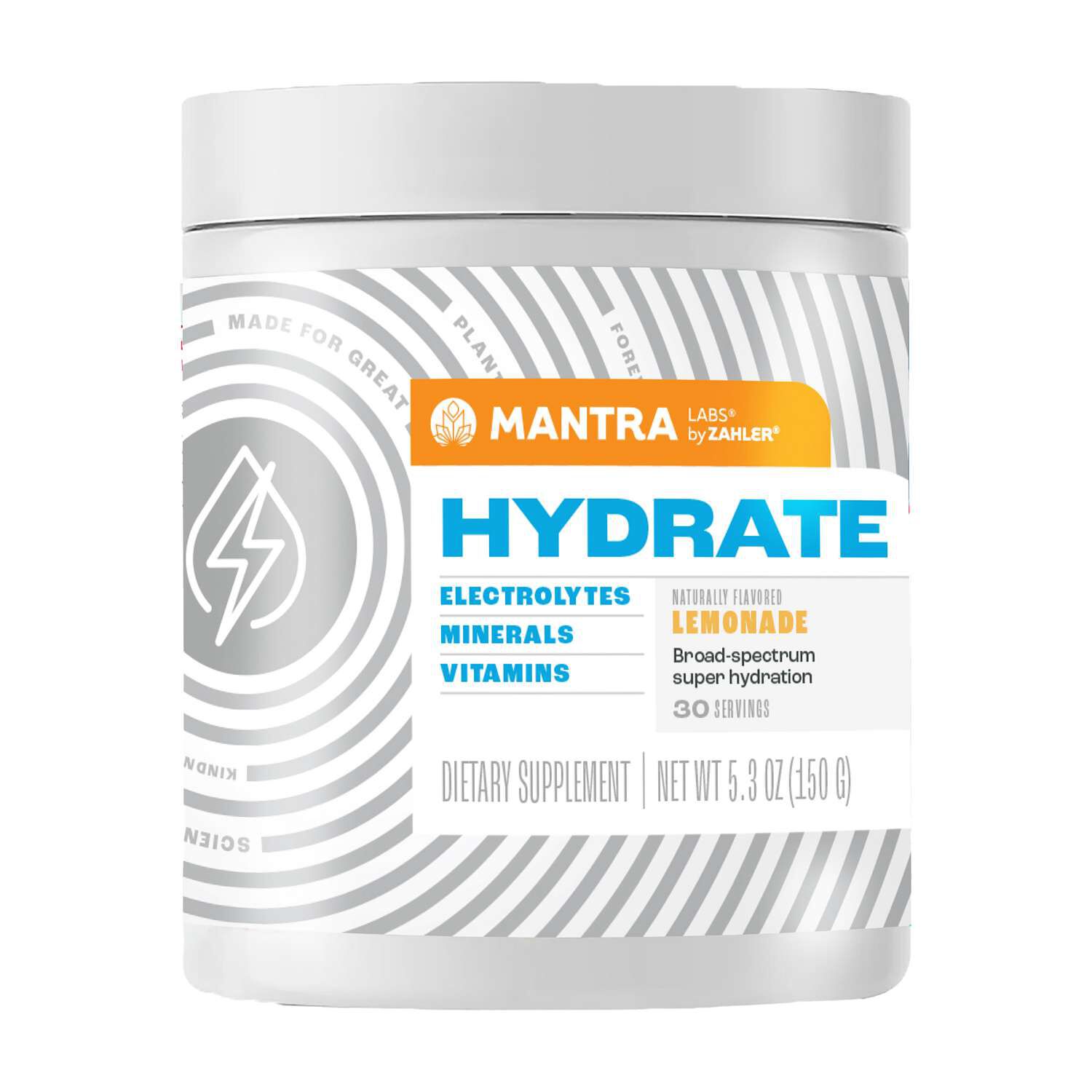
Stay refreshed and replenished with our selection of hydration enhancers designed to keep you at your best. Whether you're hitting a tough workout, running errands, or simply need a pick-me-up throughout your day, these products are formulated to support optimal hydration levels. From electrolyte-packed powders to convenient on-the-go drinks, find everything you need to stay hydrated and feel your best.
-
-

-

-

-

-

-

-
 459$24.99
 -

-

-

-

-

-
-

-

-

-

-
-

-
 $34.99
 -

-
-

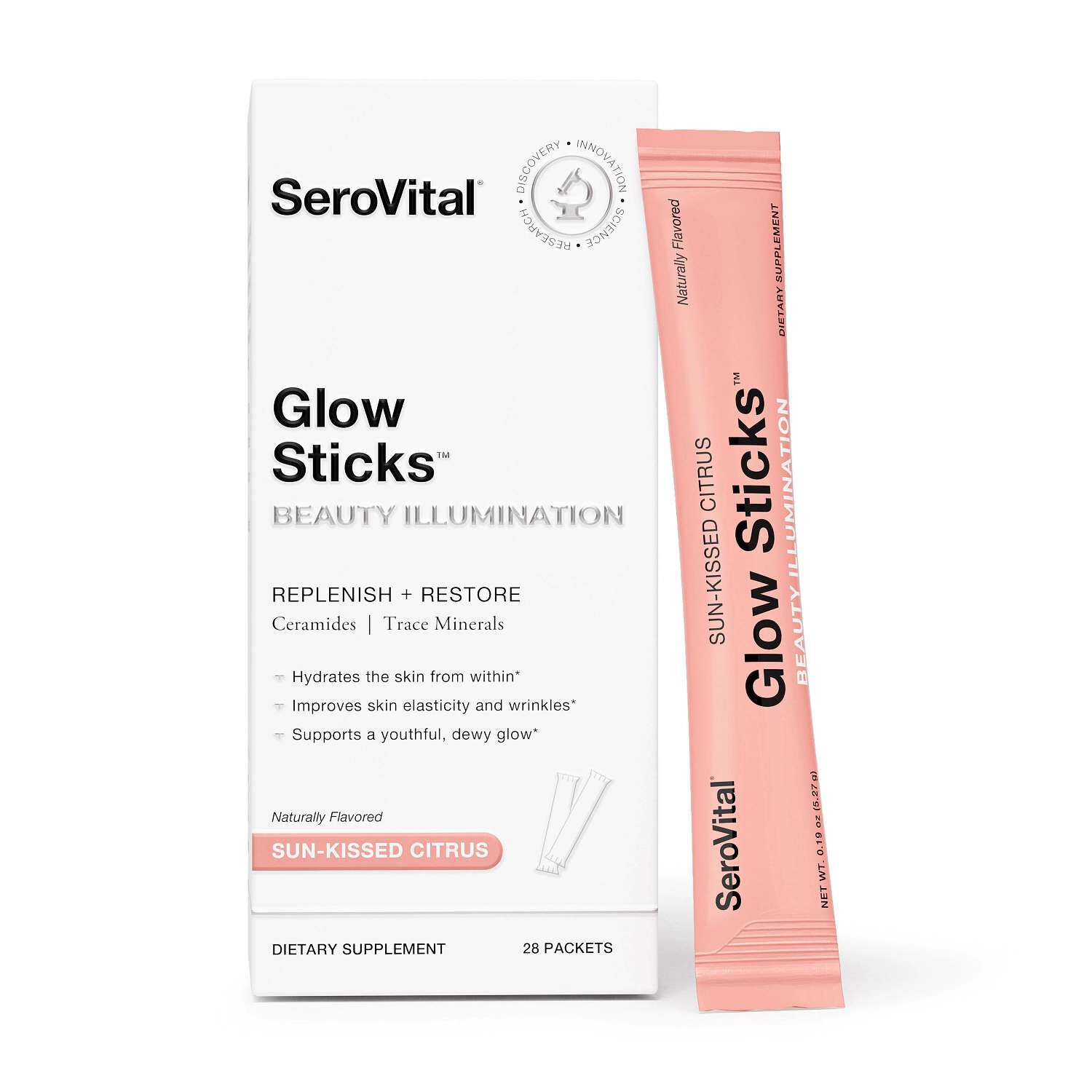
Hydration drink mixes are powders, tablets, and liquid concentrates added to water for flavor, electrolytes, or a combination of both. Electrolyte formulas commonly contain minerals such as sodium, potassium, and magnesium, although the ingredients and amounts vary by product. Some mixes also contain carbohydrates, vitamins, amino acids, or caffeine, while others focus on a shorter ingredient list. These differences make the category broader than flavored water alone: a fruit-flavored powder intended for a workout can have a very different composition from liquid drops intended primarily for taste. Hydration mixes may appeal to adults who prefer flavored water, people who carry a reusable bottle throughout the day, and fitness enthusiasts looking for a drink option to pair with their activity. The most useful distinctions are often on the label, including the serving size, suggested amount of water, electrolyte amounts, sugar content, and preparation directions. A packet and a scoop are not interchangeable measurements, and two similarly sized servings can contain different amounts of sodium or carbohydrates. Some formulas contain sugar, which contributes sweetness and carbohydrates; others use ingredients such as stevia, monk fruit, or sucralose. An unsweetened formula offers another flavor profile, though mineral ingredients can still contribute a noticeable taste. Citrus, berry, and tropical fruit flavors are common, with profiles ranging from lightly flavored to distinctly tart or sweet. Products with more prominent mineral notes may taste different from a familiar fruit beverage, even when the flavor names sound similar. For someone who tends to leave plain water untouched on a desk, a preferred flavor could make that bottle more appealing. For someone packing a gym bag, a measured serving may fit neatly alongside a shaker and a change of clothes. The right match depends on the intended use, the formula, and the drinking experience rather than the flavor name or package design alone.
Format plays a practical role in how hydration products fit into a routine. Individually packaged powder servings are compact and do not require a separate scoop, which may suit a commute, a workday away from home, or a trip to the gym. Resealable containers generally require measuring but offer a different preparation routine for someone who mixes a drink at the same kitchen counter each morning. Liquid concentrates are measured according to the package directions, while dissolving tablets require the specified amount of water and time to disperse. Bottle capacity matters with every format. A serving designed for a larger volume of water will taste different in a smaller bottle, so the mixing directions provide a useful reference for both flavor and concentration. A wide bottle opening leaves more room for pouring powder, while the lid design determines whether a bottle is suitable for shaking. Tablets may call for a different preparation method, making their package directions particularly relevant. Mixing texture also varies: some powders disperse readily, while others may leave a little sediment or need another swirl before sipping. Packaging deserves attention beyond its appearance. A secure closure, a legible serving panel, and clearly marked directions are practical details for repeated use. For containers with a scoop, keeping the scoop dry and closing the package after measuring are straightforward care considerations, subject to the product’s storage instructions. Individually wrapped servings should remain sealed until use, and all formats should be stored as directed on the label. The drink container needs its own care as well, including washing the bottle, lid, and removable parts according to the manufacturer’s instructions. Someone who carries a bottle sideways in a tote may prioritize a durable container with a dependable closure; someone who keeps it upright at a desk may care more about an easy-to-clean opening. These everyday details help distinguish a convenient format from one that requires more preparation than a particular routine allows.
Ingredient preferences and intended use provide another way to compare hydration powders, electrolyte tablets, and water flavoring drops. A mix selected for an exercise session may have a different composition from one chosen to flavor water alongside lunch. Carbohydrate content, sodium per serving, and the presence of caffeine are concrete distinctions worth reading rather than assuming from words such as “sport” or from energetic package graphics. Not every flavored water additive contains electrolytes, and not every electrolyte mix contains the same minerals. Likewise, added vitamins or amino acids do not make two formulas equivalent. The nutrition or supplement facts panel, ingredient list, and preparation directions together offer a clearer picture of what is in each prepared serving. Dietary preferences may also influence the choice, including sweetener type, animal-derived ingredients, and labeled allergen information. A familiar fruit flavor does not reveal those details, and ingredients can differ across flavors within the same general product category. Taste preferences remain personal: one person may favor a subtle citrus note during a desk-based workday, while another may enjoy a more pronounced berry flavor after time at the gym. Variety packs, where offered as a packaging format, provide multiple flavors, while a single-flavor container suits someone with an established preference. For shoppers comparing mix-at-home formats with other beverage options, Functional Hydration Drinks offers a related category to explore. The distinction between a concentrate and a beverage intended to be consumed as packaged is especially relevant when packing a bag: mixes require water and a suitable container, while prepared beverages have their own package size and storage directions. A thoughtful comparison brings those logistics together with the serving information and flavor profile. The result may be a product that fits comfortably into an existing routine, whether that means preparing a bottle before leaving home, keeping measured packets in a work bag, or setting a container beside the shaker used for exercise. Clear labeling, manageable preparation, and an enjoyable taste are lasting considerations across the category.

