Hydration Supplements For Athletes
(0 Results)
Achieving peak performance on and off your playing field may start with proper hydration. Athletes understand that staying hydrated is crucial, but sometimes water alone might not be enough to replenish what's lost during intense workouts. Hydration supplements could offer a convenient way to support electrolyte balance, helping you maintain energy levels and potentially improve endurance. Whether you're training for a marathon or hitting your personal best in strength training, incorporating hydration supplements into your routine might make all difference in achieving your athletic goals. Explore options that could help you stay refreshed and ready to conquer every challenge.
-
-

-
-
-

-
-

-

-

-

-

-

-
-
-
-
-
-
 459$24.99
 -
 Optimum Nutrition459$24.99
 -

-
-

-
-
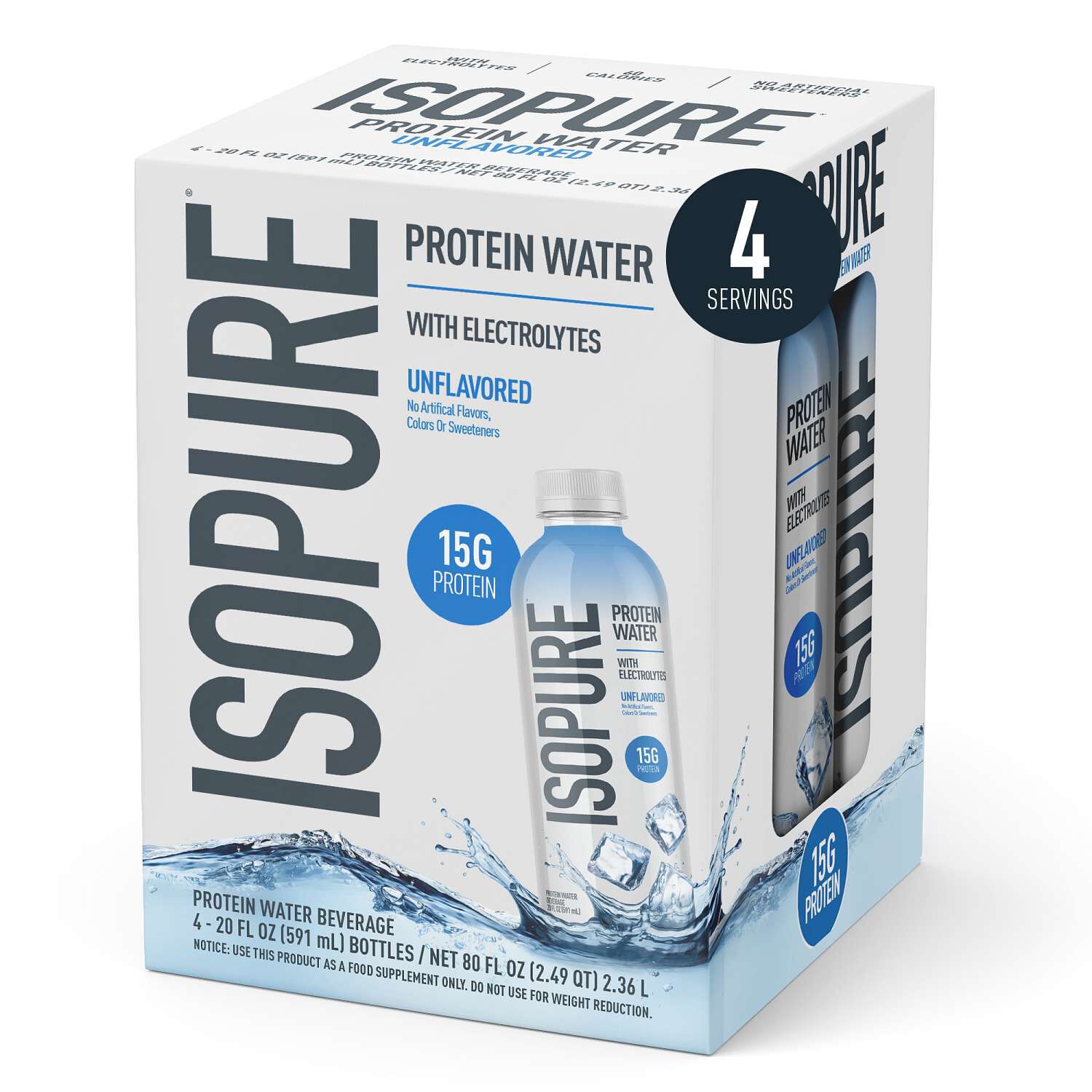
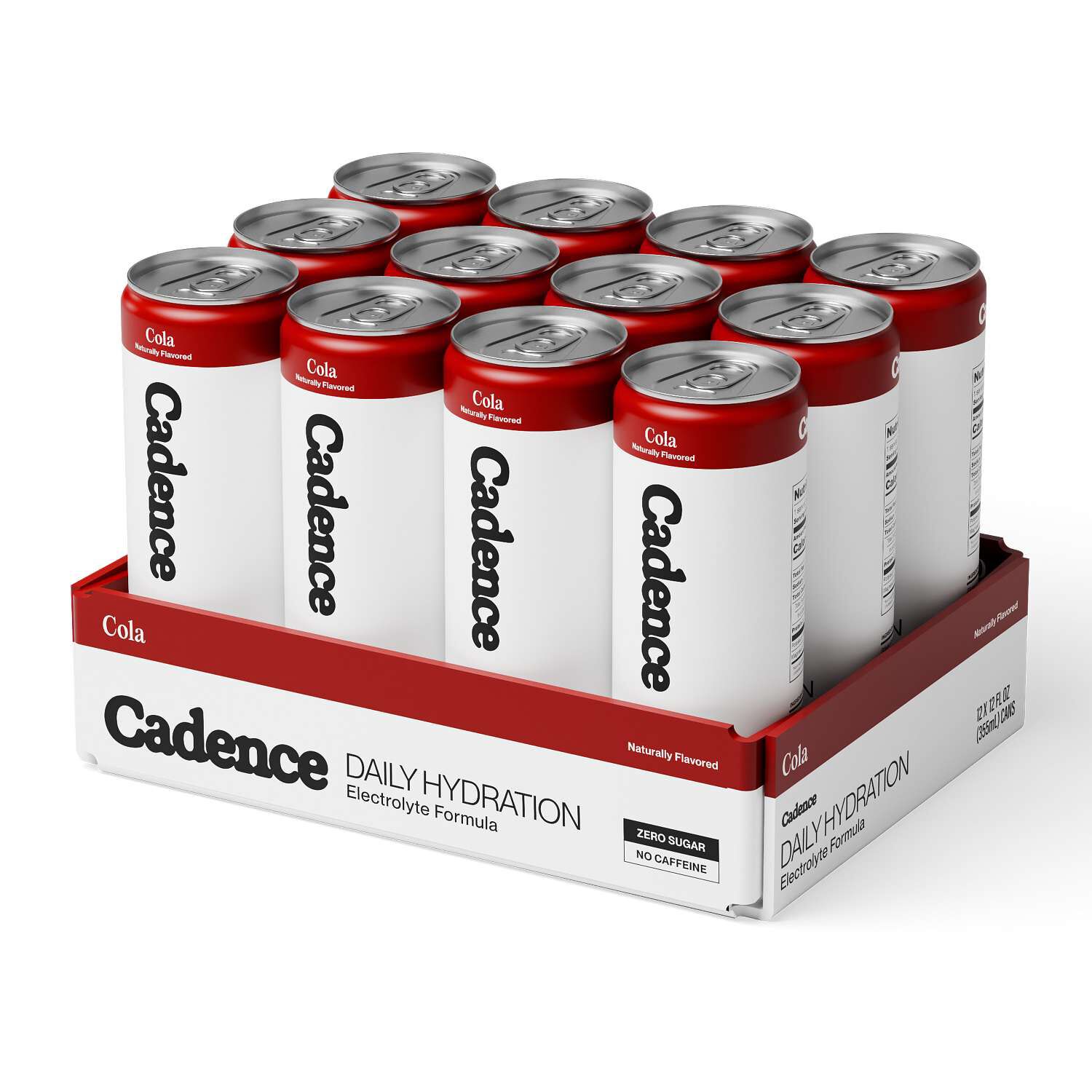
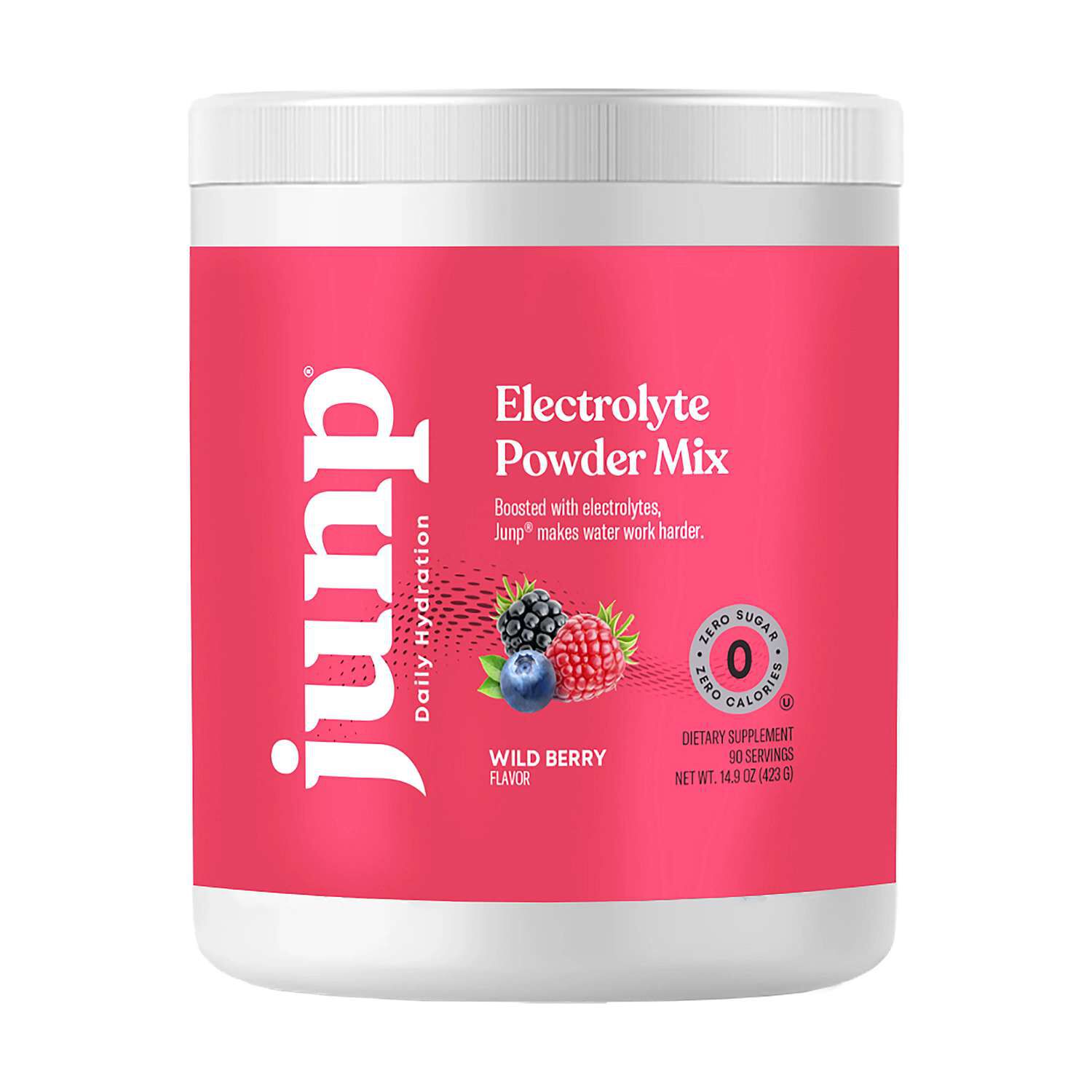
Hydration supplements for athletes are designed for moments when water alone may not fit the demands of a workout, practice, race, or outdoor adventure. Sweat carries water and minerals from the body, with sodium and potassium among the nutrients commonly associated with fluid balance. The right choice depends on the duration, intensity, setting, and amount of sweat involved in an individual routine. For a shorter session lasting less than about an hour, many athletes may find that plain water suits their needs, particularly when training in comfortable conditions. During longer efforts lasting 60 to 90 minutes or more, an electrolyte drink, powder, tablet, or ready-to-mix formula could offer a convenient way to add flavor and selected minerals to a bottle. Warm, humid conditions, layered clothing, indoor training rooms, and high-sweat workouts may call for closer attention to sodium content. Some athletes look for formulas providing around 500 milligrams of sodium per serving, while those who regularly notice heavy salt residue on clothing or equipment may prefer a higher-sodium option. Personal routines matter, so it can be useful to compare the Nutrition Facts panel, serving size, carbohydrate content, sweeteners, flavor profile, and mixing instructions before placing an order. A product that fits naturally into a gym bag, cycling jersey pocket, sideline cooler, or race-day kit is more likely to become part of a consistent routine. Powdered servings may travel well for runners and travelers, while tablets may suit athletes who want a compact option for a water bottle. Ready-to-drink formats could be convenient after a long practice or on a busy day when there is little time for measuring and mixing. Look for clear labeling that explains the amount of sodium, potassium, magnesium, and other included minerals, and consider whether the flavor works well across several bottles rather than only during a first sip. Athletes with specific dietary needs may also wish to review carbohydrate amounts, added sugars, caffeine, artificial colors, and common allergens.
A practical approach is to match the formula to the shape of the day. A morning runner heading out for a quick loop may prefer a lighter option, while someone spending several hours on a bike, trail, court, field, or climbing wall might choose a drink with electrolytes and carbohydrates. Carbohydrates could be useful during endurance efforts lasting longer than 90 minutes because they may provide a source of fuel alongside fluids, though the ideal amount varies with the activity and the individual. For an evening strength session, a lower-calorie drink may be appealing; for a long-distance event, a formula with carbohydrates may fit more naturally alongside meals, gels, or other fueling choices. Think of the small details that shape real training: a runner reaching for a bottle beside a park bench as the air turns crisp, a cyclist pausing at a roadside stop with a dusty frame and warm gloves, or a field athlete refilling a bottle between drills while the afternoon sun begins to fade. In each setting, portability, taste, mixability, and serving size can matter as much as the nutrient panel. Some athletes prefer a subtle flavor that can be sipped throughout a session, while others enjoy a brighter fruit profile that makes drinking more appealing. It may be helpful to test a new formula during ordinary training rather than introducing it for the first time before an important event. Mixing it according to the package directions could help preserve the intended flavor and nutrient balance. Competitive athletes subject to anti-doping rules may also want to seek products carrying recognized sport certification marks, such as NSF Certified for Sport or Informed Choice, and review current organizational requirements before use. Shoppers buying for an athlete can keep the recipient’s sport, training duration, taste preferences, bottle habits, and travel schedule in mind. A selection of portable hydration options might make a thoughtful gift for a runner preparing for a race, a cyclist planning longer rides, a student athlete heading into a demanding season, or a friend who enjoys hiking and outdoor fitness during the cooler months. For more activity-specific shopping, explore Hydration Drinks For Cyclists.
Hydration supplements may fit into many kinds of athletic routines, but they are not interchangeable for every person or every workout. Someone training indoors with short rest periods may choose differently from an endurance athlete spending hours outdoors, and a casual weekend participant may have different preferences from a person following a structured race plan. Keeping a simple record of session length, weather, bottle size, flavor, and how the drink fits into the routine could make comparison easier over time. Athletes may also find it useful to pay attention to thirst, sweat conditions, and how a product feels as part of normal training, without treating any single formula as the right choice for everyone. Water can remain part of the routine, with electrolyte beverages used when their flavor, mineral content, or carbohydrate profile suits the activity. During travel, individually portioned packets can simplify packing, while larger containers may work well for home gyms, team practices, or shared training spaces. Consider storage requirements as well; some powders may call for a cool, dry place, and opened products should be handled according to the package directions. Reading the label is especially worthwhile when combining a hydration drink with other beverages, nutrition products, or supplements, since ingredients and serving amounts can vary widely. The most useful choice is often the one that aligns with an athlete’s actual schedule: easy to carry, pleasant to drink, simple to prepare, and suited to the length and setting of the activity. Whether the goal is to stock a training bag, prepare for a long event, or give an active friend something practical for outdoor sessions, hydration supplements offer a range of formats and flavors to consider throughout the changing seasons.