

Immune Support Supplements For Healthcare Workers
(0 Results)
Immune support supplements for healthcare workers could offer an extra layer of wellness support during demanding shifts and long hours. With busy schedules and constant exposure to various environments, healthcare professionals may benefit from targeted nutrients designed to promote overall well-being. Explore a selection of immune support supplements for healthcare workers that might help maintain your daily health routine and keep you feeling your best on the job.
-

-

-

-

-

-
-

-
-
-
-
-
-

-

-

-

-
 Nature's Lab$16.99
 -

-


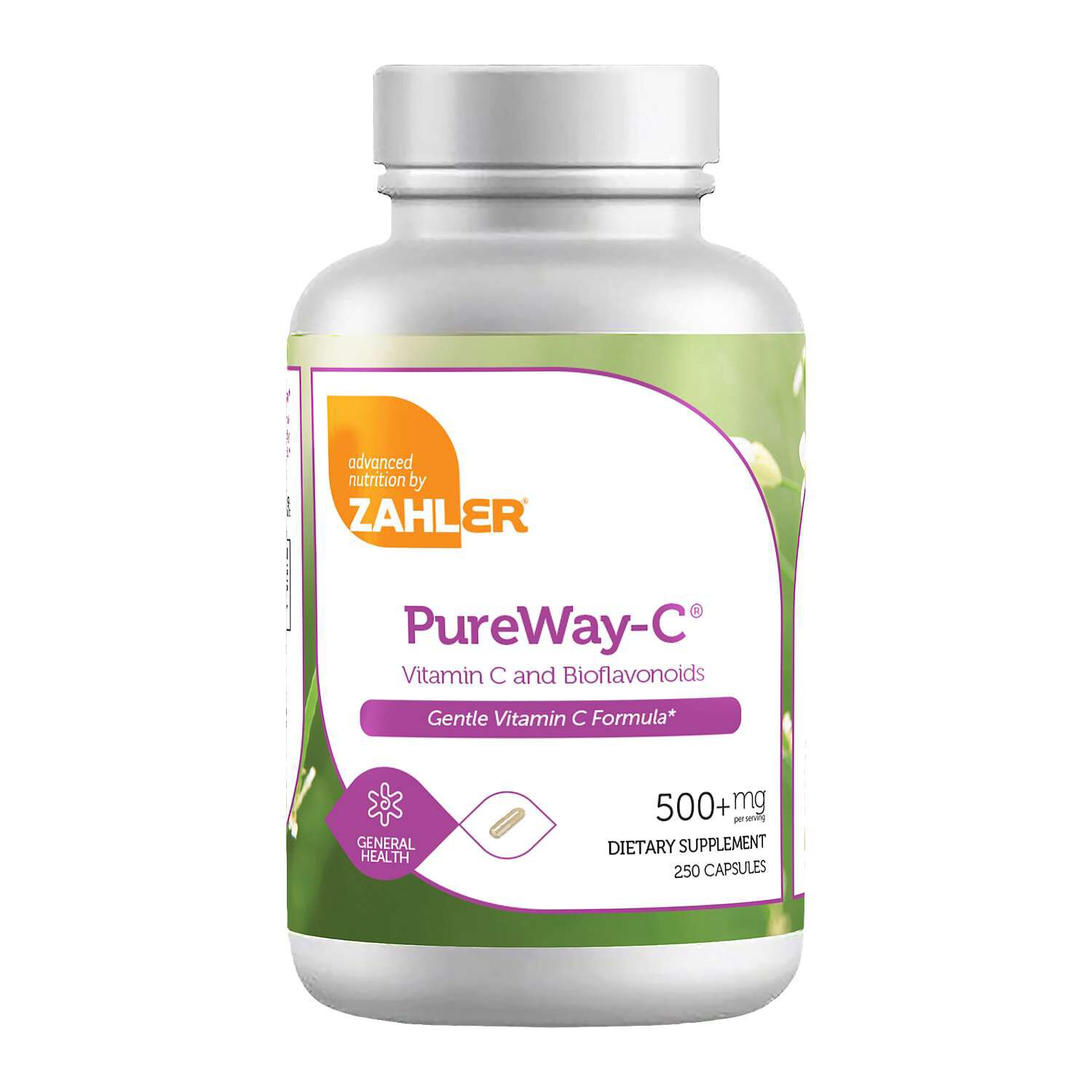

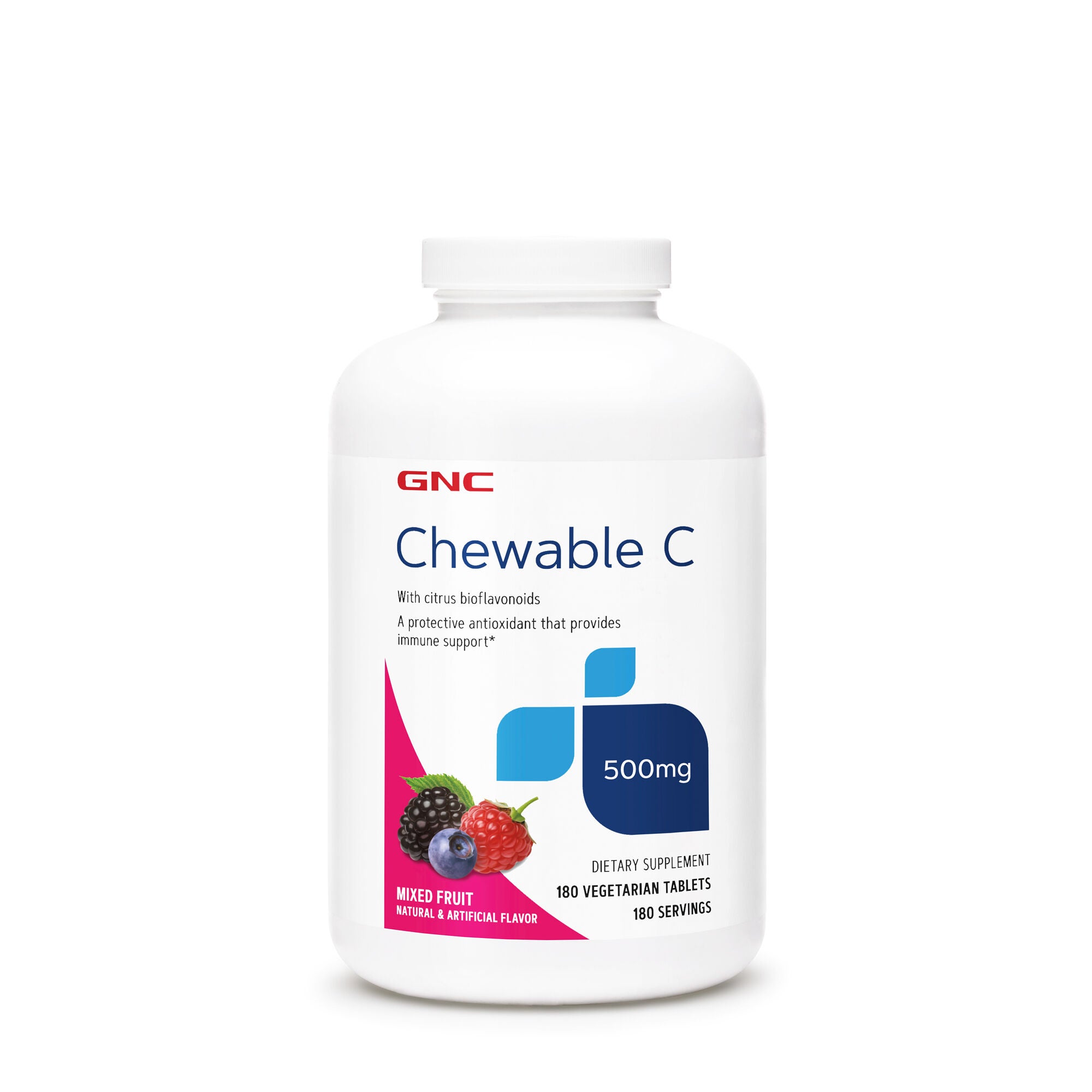
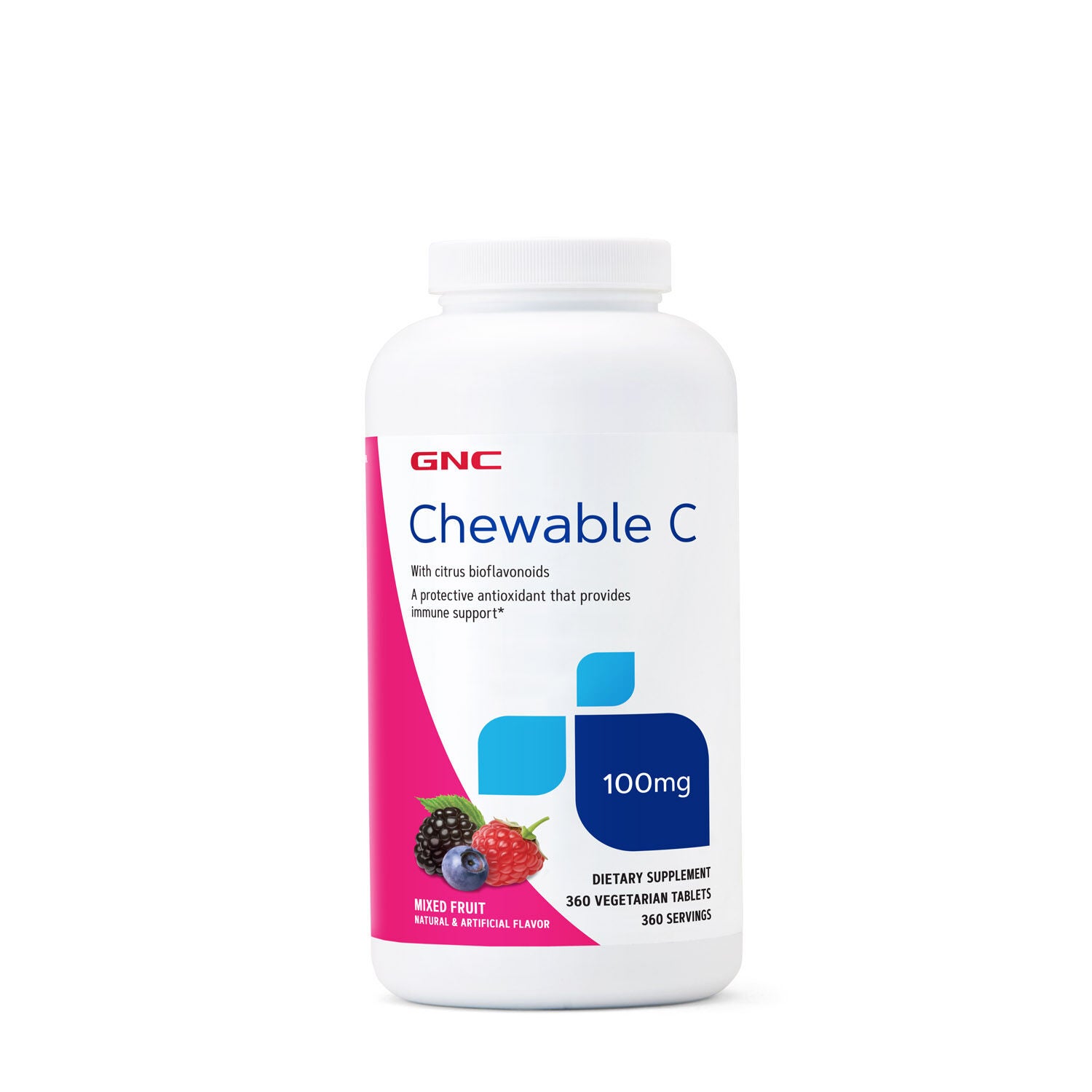
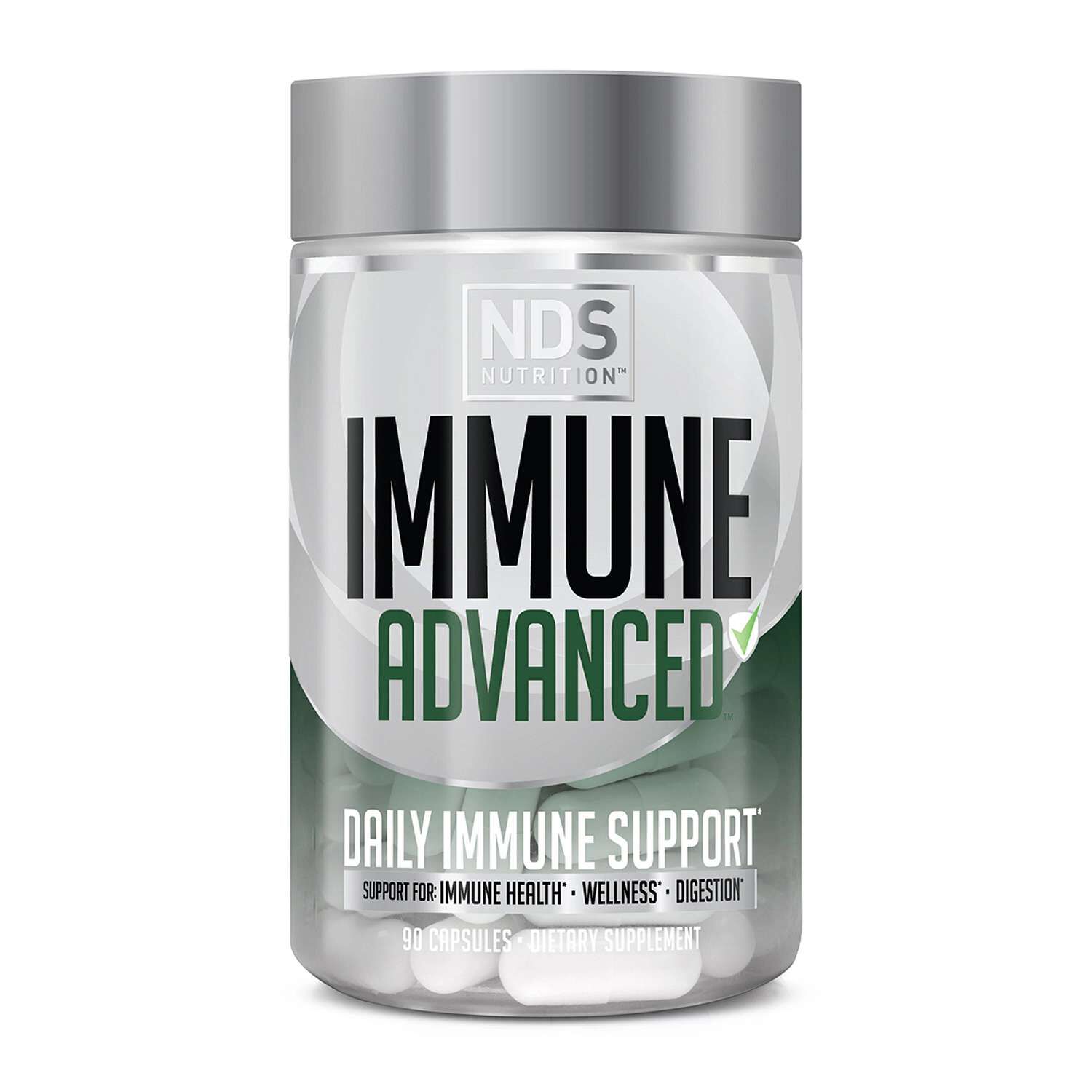
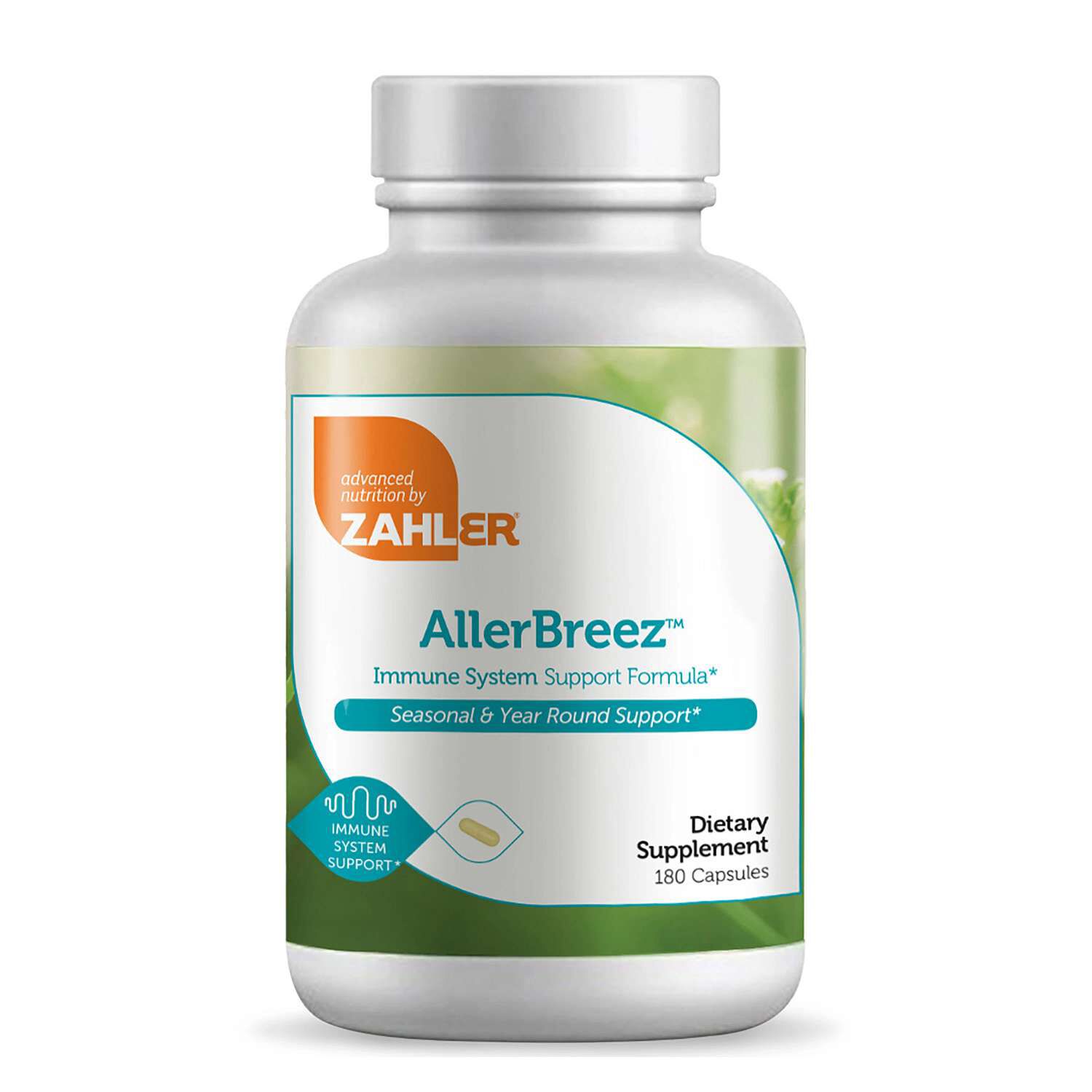
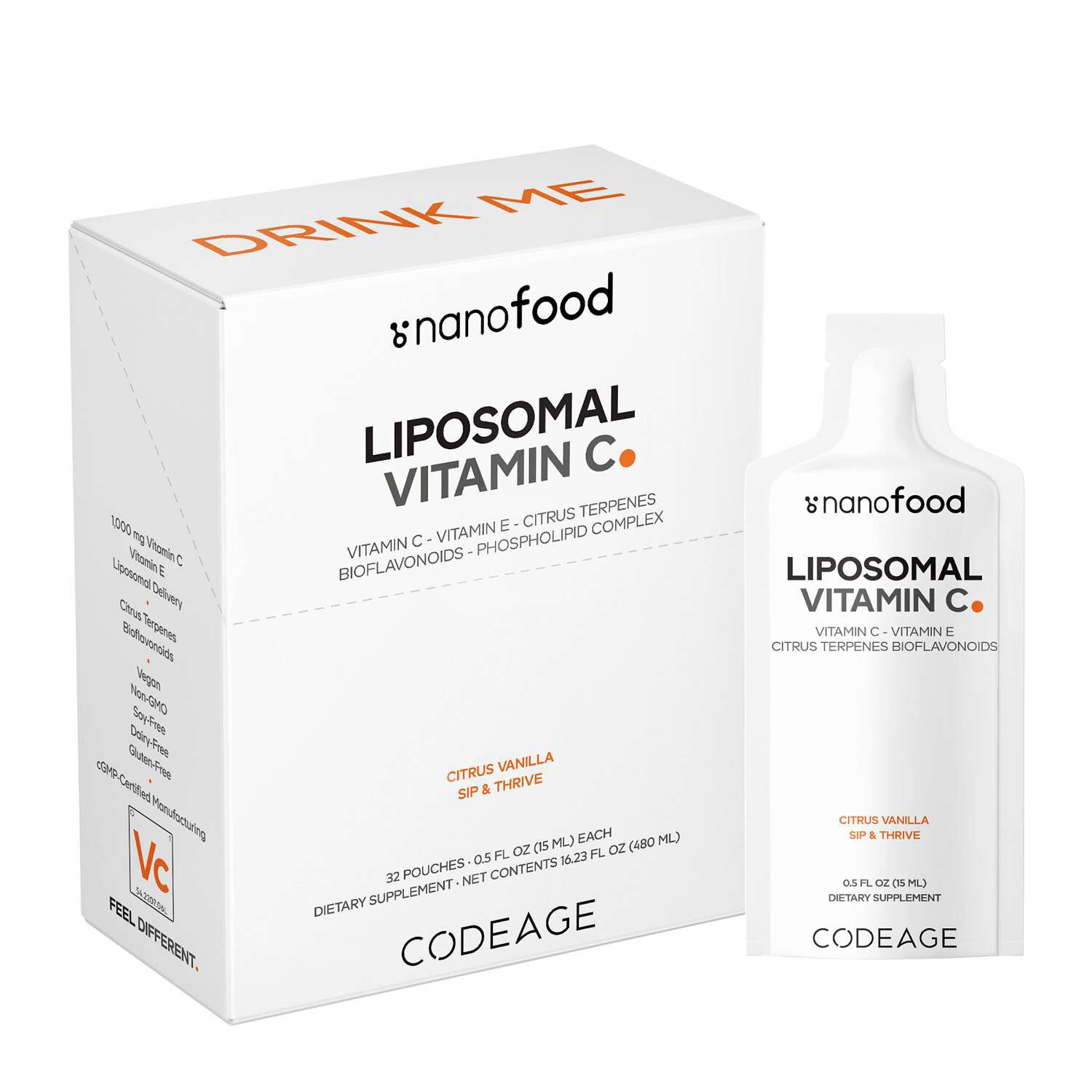
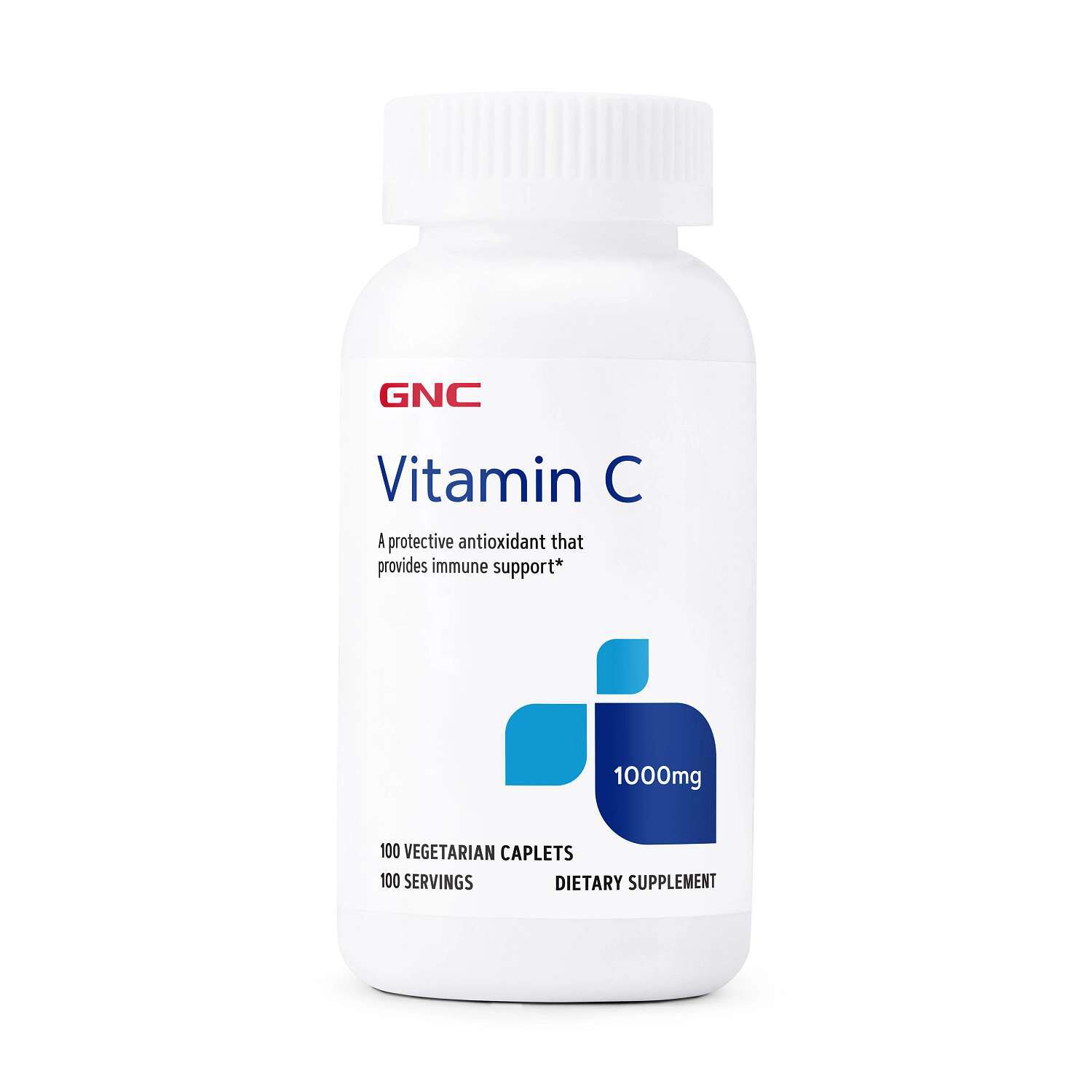
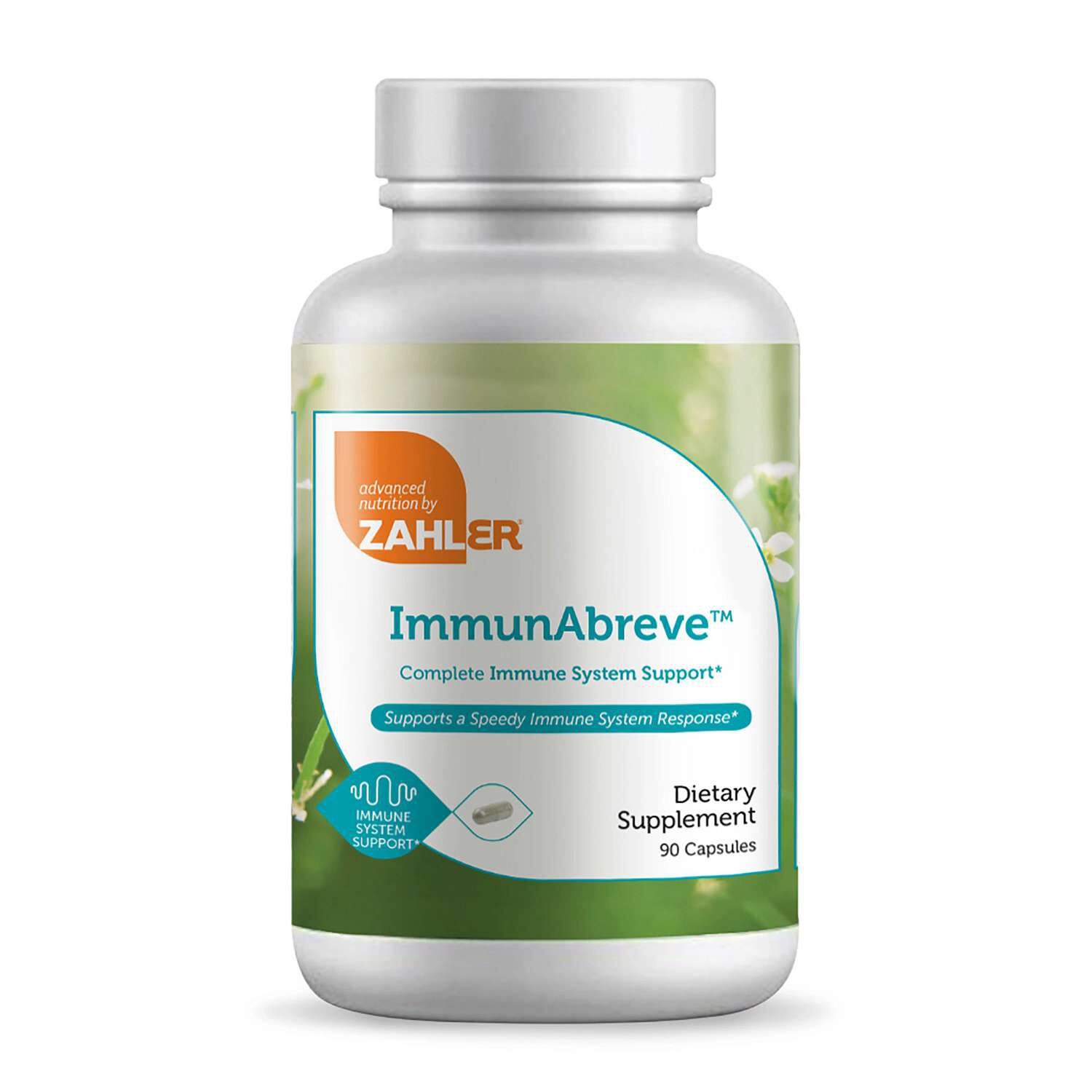
Immune support supplements for healthcare workers bring together nutritional options for people whose days often run on changing schedules, early starts, and long stretches away from home. Nurses, physicians, nursing assistants, therapists, laboratory professionals, and other healthcare team members may be interested in supplements that fit alongside their everyday meals and personal wellness routines. Vitamin C, vitamin D, zinc, and probiotics are common ingredients in this category, with choices ranging from individual nutrients to formulas that combine several ingredients in one serving. Vitamin and mineral formulas may support normal immune function, while some probiotic formulas may support digestive wellness. Their intended use is nutritional support, not a replacement for varied food choices, sleep, hydration, or workplace protective practices. For someone moving between overnight shifts and daytime responsibilities, the practical details of a supplement can matter as much as its ingredient list. A capsule taken as directed at home, a chewable that requires no mixing, or a powder prepared with a meal each offers a different experience. The distinction is not about finding a format designed for a particular job title; it is about matching personal preferences with a clearly labeled formula. A healthcare worker who eats breakfast before an early commute may have different preferences from someone whose first substantial meal comes after a late shift. During the cooler months, those routines can become even more varied as work schedules overlap with family gatherings and time spent indoors. Immune support supplements belong within that broader context of daily nutrition, rather than serving as a shortcut around it. Useful points of comparison include the nutrients provided, the amount per serving, the number of capsules or chewables in a serving, and any preparation requirements. Those details help distinguish options that look similar at a glance but differ in how they fit into an ordinary day.
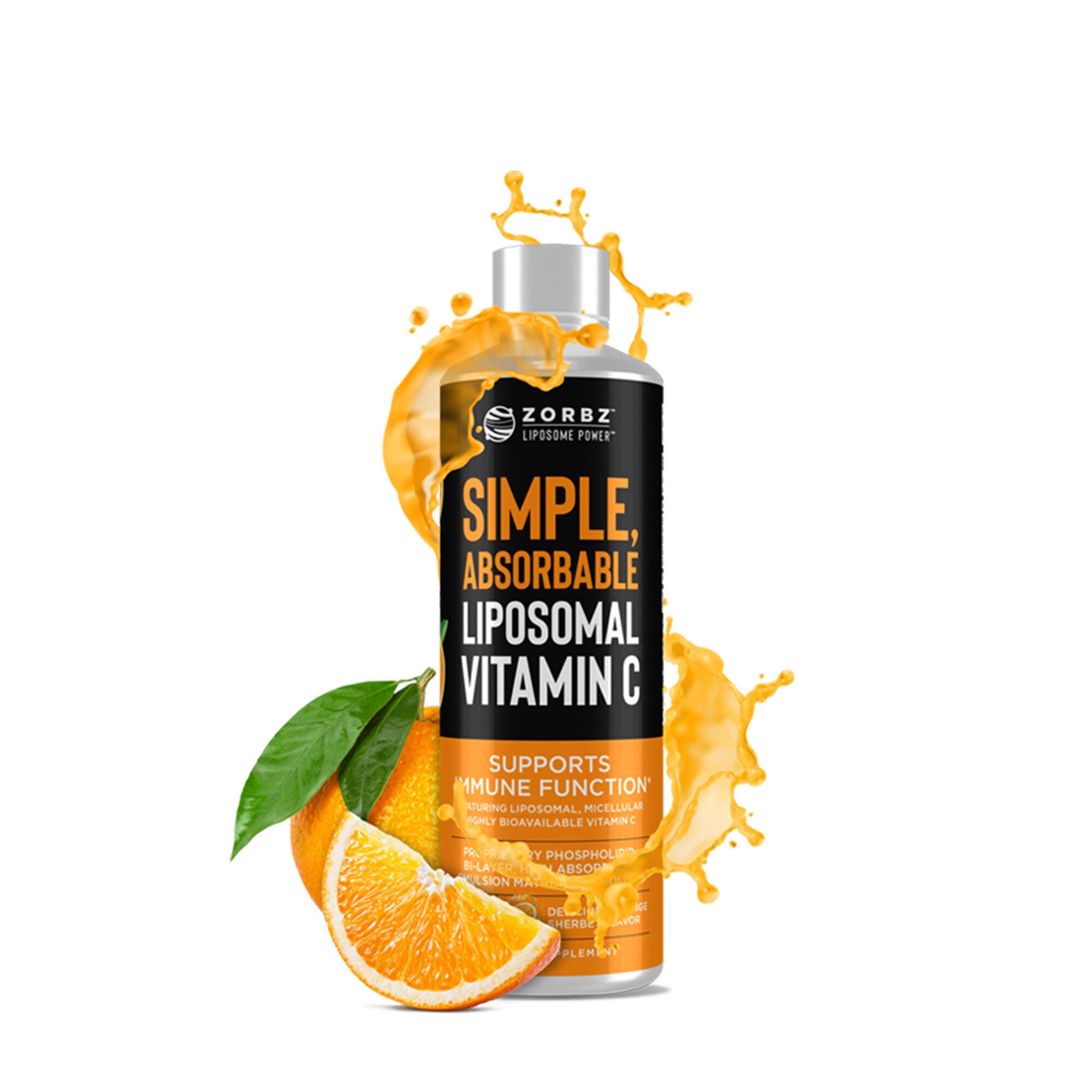
Within the category, ingredient composition offers a more meaningful comparison than a name on the front of a bottle alone. Vitamin C appears in standalone supplements and combination formulas, including capsules, tablets, chewables, and drink powders. Vitamin D also appears on its own or alongside other nutrients, with labels identifying the form and amount included. Zinc supplements vary in their ingredient form and serving format, and zinc may also appear in broader vitamin and mineral blends. Probiotic products have a different set of comparison points: labels can identify the organisms included, the serving size, and storage requirements. The presence of probiotics does not make every formula interchangeable, and the same is true of products built around vitamins or minerals. A shorter ingredient list may appeal to shoppers seeking a particular nutrient, while a combination formula may appeal to those who prefer several ingredients in one product. Neither approach establishes which option is appropriate for an individual. The Supplement Facts panel provides a clearer picture of composition, especially when a daily routine already includes a multivitamin or another nutritional supplement. Beyond the featured ingredients, capsule shells, coatings, sweeteners, flavors, and other ingredients contribute to the product experience. Someone who follows a vegetarian eating pattern may pay particular attention to the capsule material, while someone who prefers less sweetness may favor an unflavored or nonchewable format. Dietary preferences and ingredient sensitivities also make clearly stated ingredient and allergen information important shopping details. Flavor deserves consideration for anything chewed or mixed into water: a citrus drink and a berry chewable can feel quite different during a quiet breakfast or a meal after work. Texture, serving volume, and the amount of water required for a powder are equally tangible differences. These are practical distinctions that shoppers can assess without assuming that a larger serving, a longer ingredient list, or a more elaborate formula delivers a better experience.
Packaging, storage, and intended use round out the comparison for healthcare workers who want a manageable daily routine. A bottle that stays in a kitchen cabinet serves a different purpose from individually packaged portions carried in a work bag, although either format still has its own label directions. Portability is not the same as suitability for every storage environment. Product instructions may call for protection from heat and moisture, and certain probiotic formulas may have refrigeration requirements. A bag left in a parked car, a damp locker area, or a container set near a sunny window can create conditions unlike those described on the label. Secure closures, readable packaging, and access to the original directions are therefore useful features to consider. Date markings and the condition of the packaging also matter, particularly for shoppers who rotate between home, commuting, and extended workdays. For powders, an individually packaged serving may be convenient to carry, but preparation still involves the stated amount of liquid and a suitable cup or bottle. Capsules and tablets require no mixing, while chewables bring flavor and texture into the routine. Serving count is another useful distinction: the number of pieces in a container is not necessarily the number of servings, since some formulas call for more than one piece per serving. Personal preferences remain central, whether the shopper works at a hospital, a rehabilitation center, a dental office, or in home care. A supplement selected for someone else also involves individual dietary preferences and an existing wellness routine, making this category a more personal choice than an ordinary workplace gift. Shoppers exploring another related collection can browse Immune Support Supplements For Women, with the same attention to ingredients, formats, and label details. Across these options, a thoughtful comparison centers on what the formula contains, what its intended use is, and how its preparation and storage requirements align with everyday life. That perspective keeps the focus on nutritional support and practical product differences rather than expectations tied to a demanding profession.