





Inositol Powder Cell Function
(0 Results)
Discover the potential benefits of inositol powder for supporting cell function. Inositol, a naturally occurring compound found in various foods, is widely recognized for its role in cellular health and signaling. Incorporating inositol powder into your daily routine could help optimize various bodily functions, promoting overall well-being. Explore our selection of high-quality inositol powders designed to support cell function and take a step towards enhancing your health today.
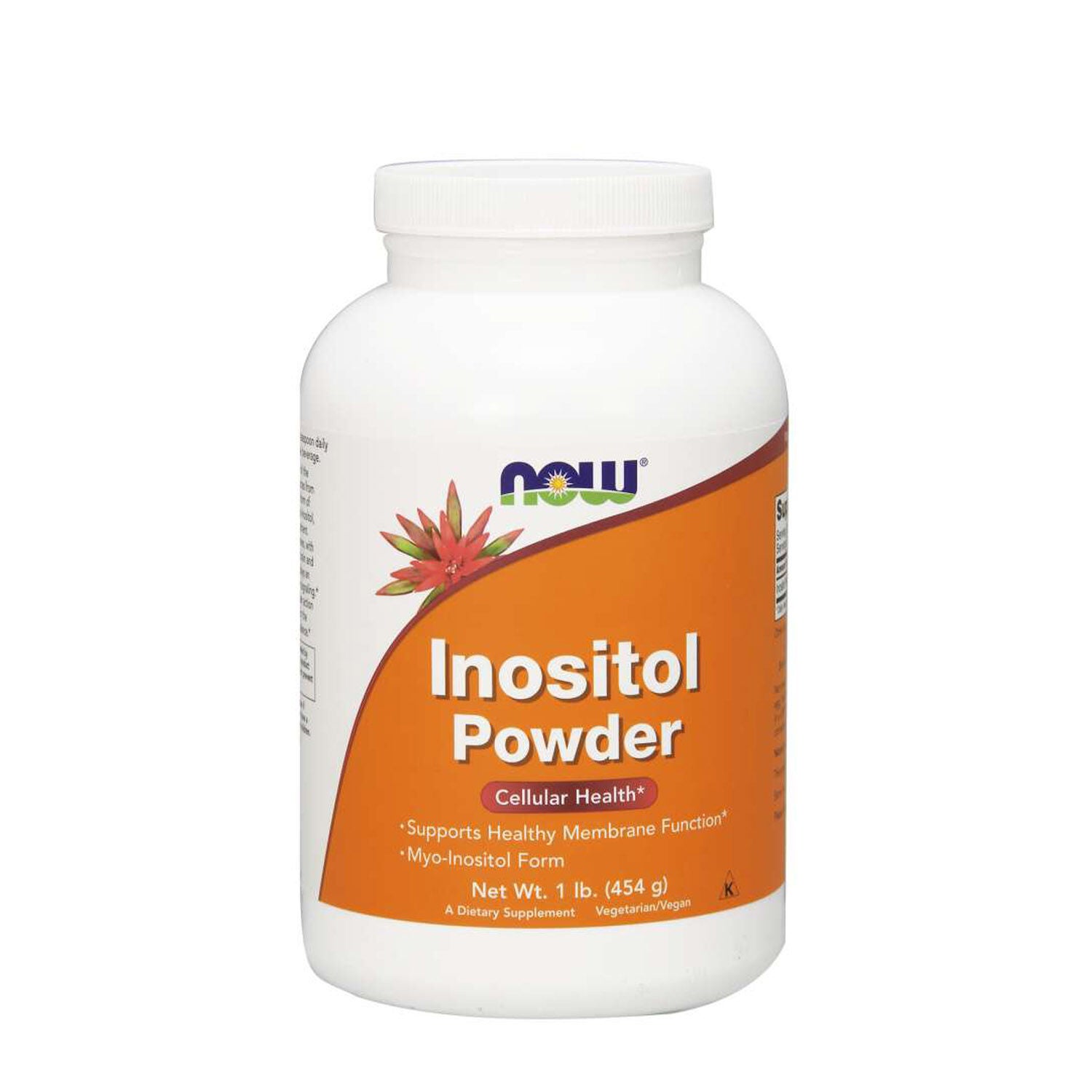


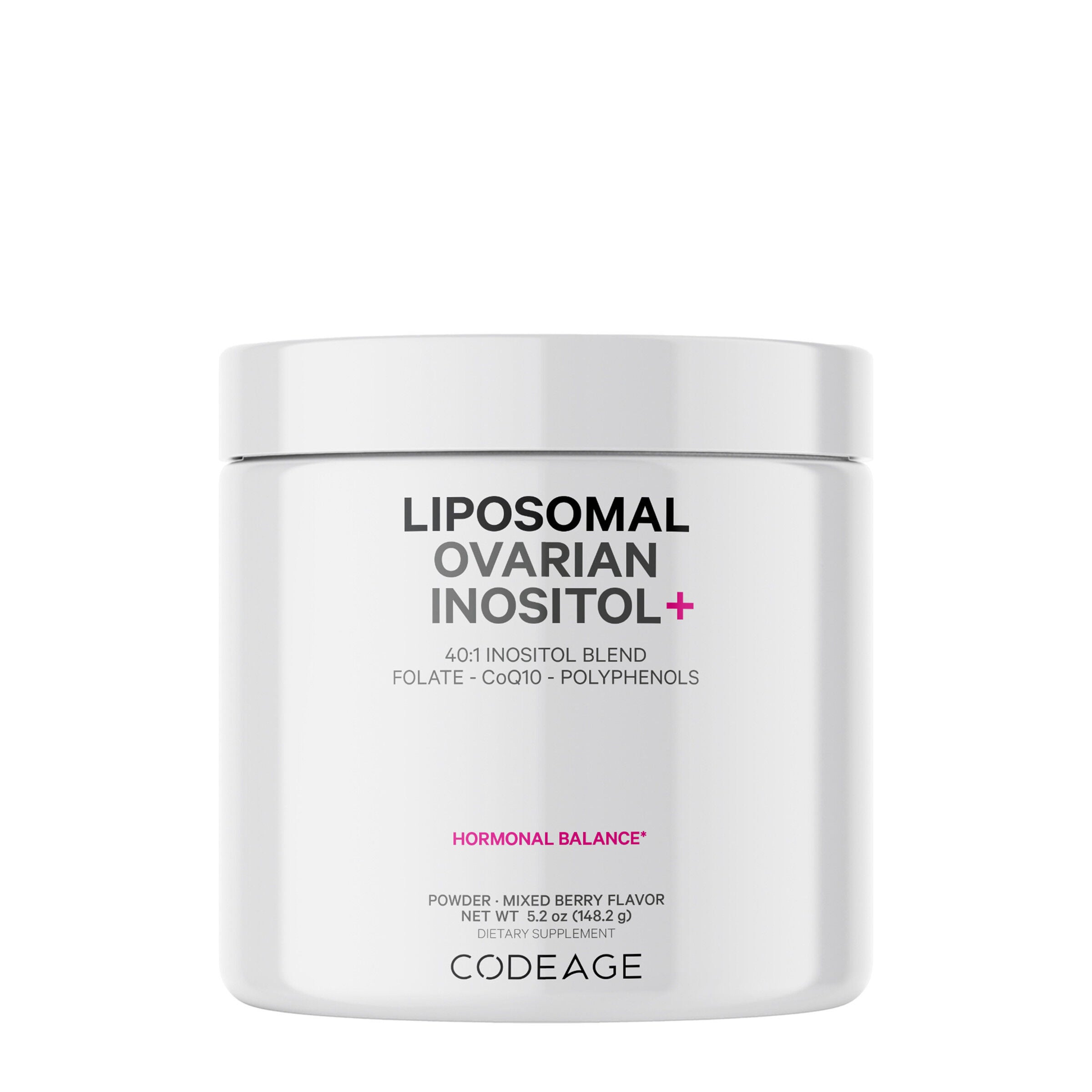
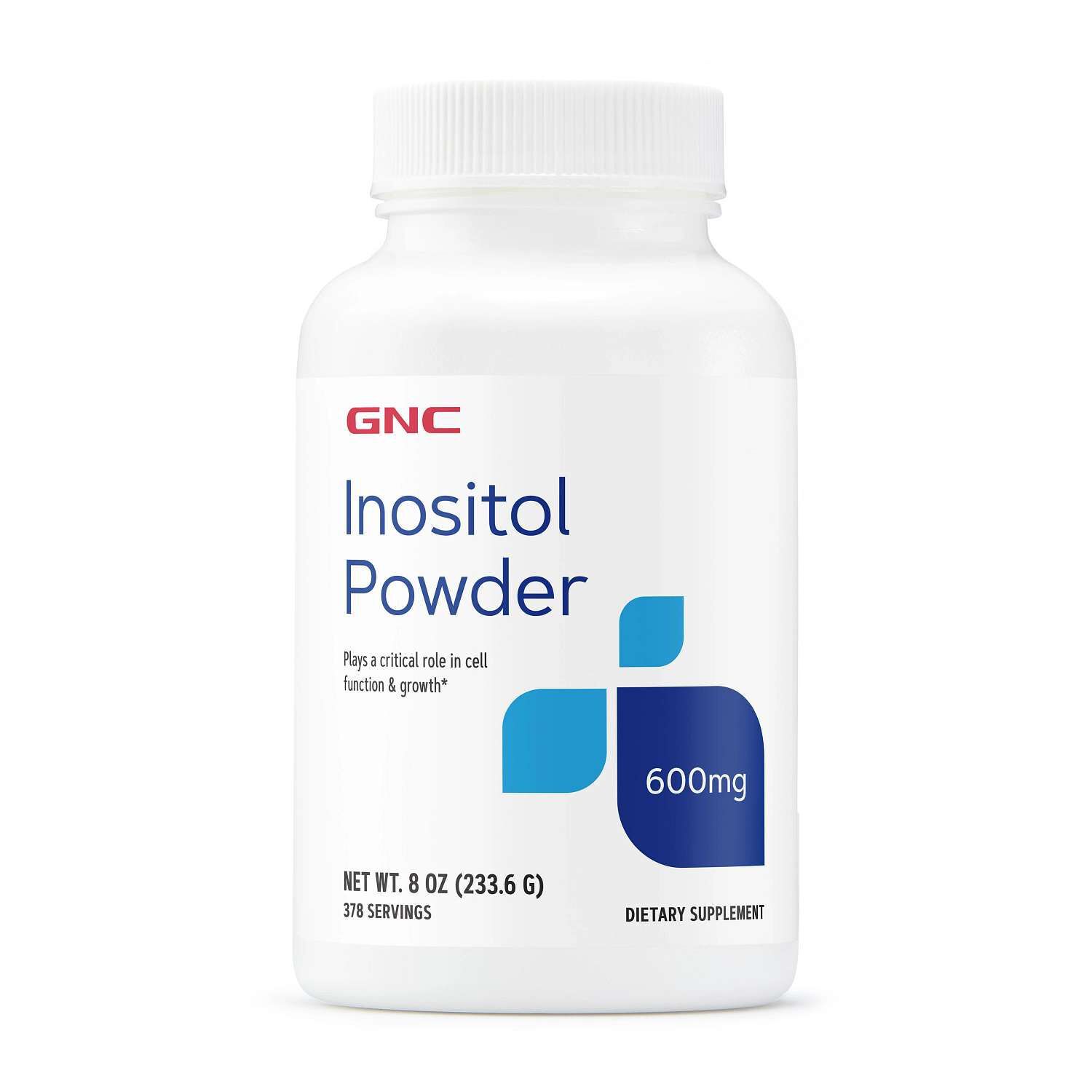
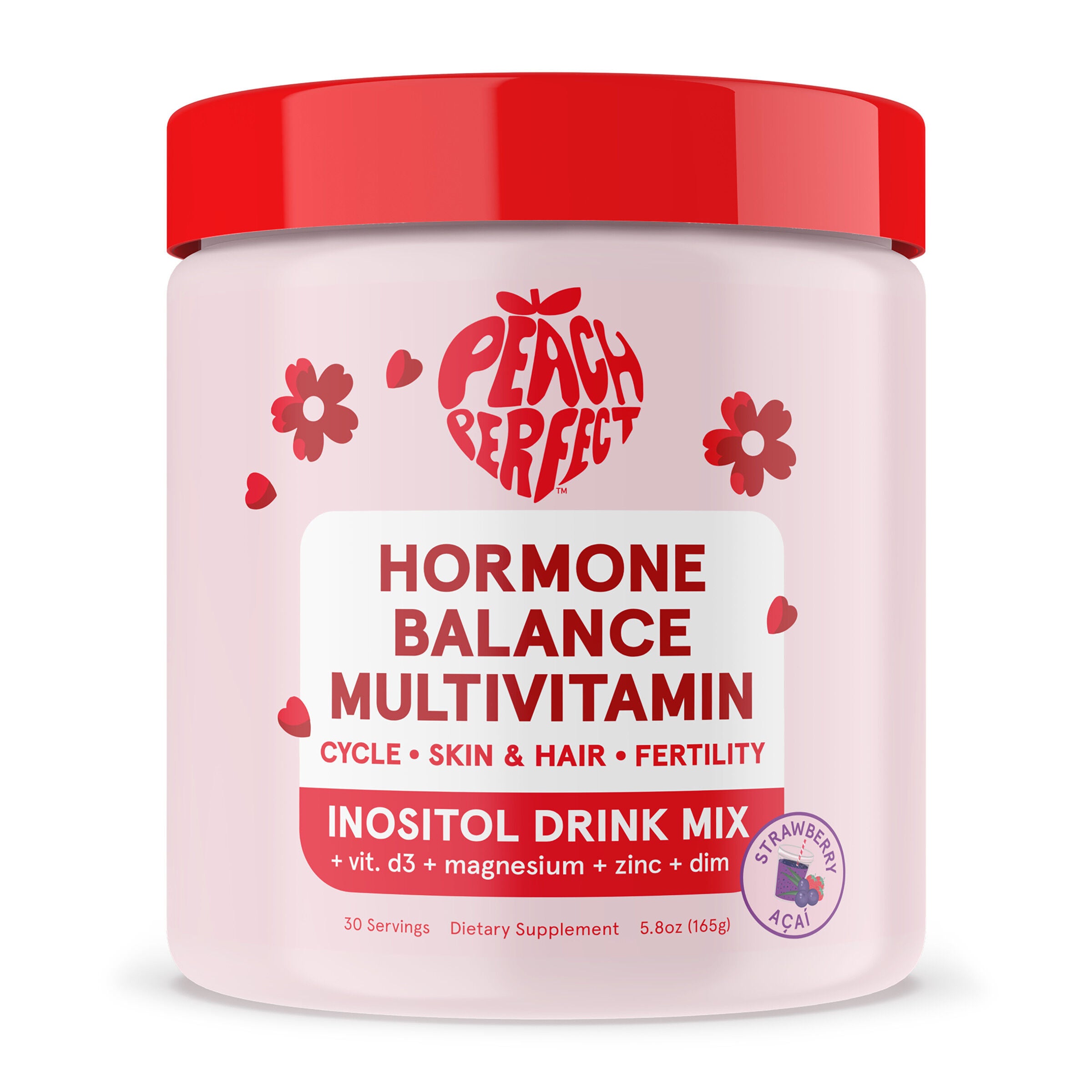
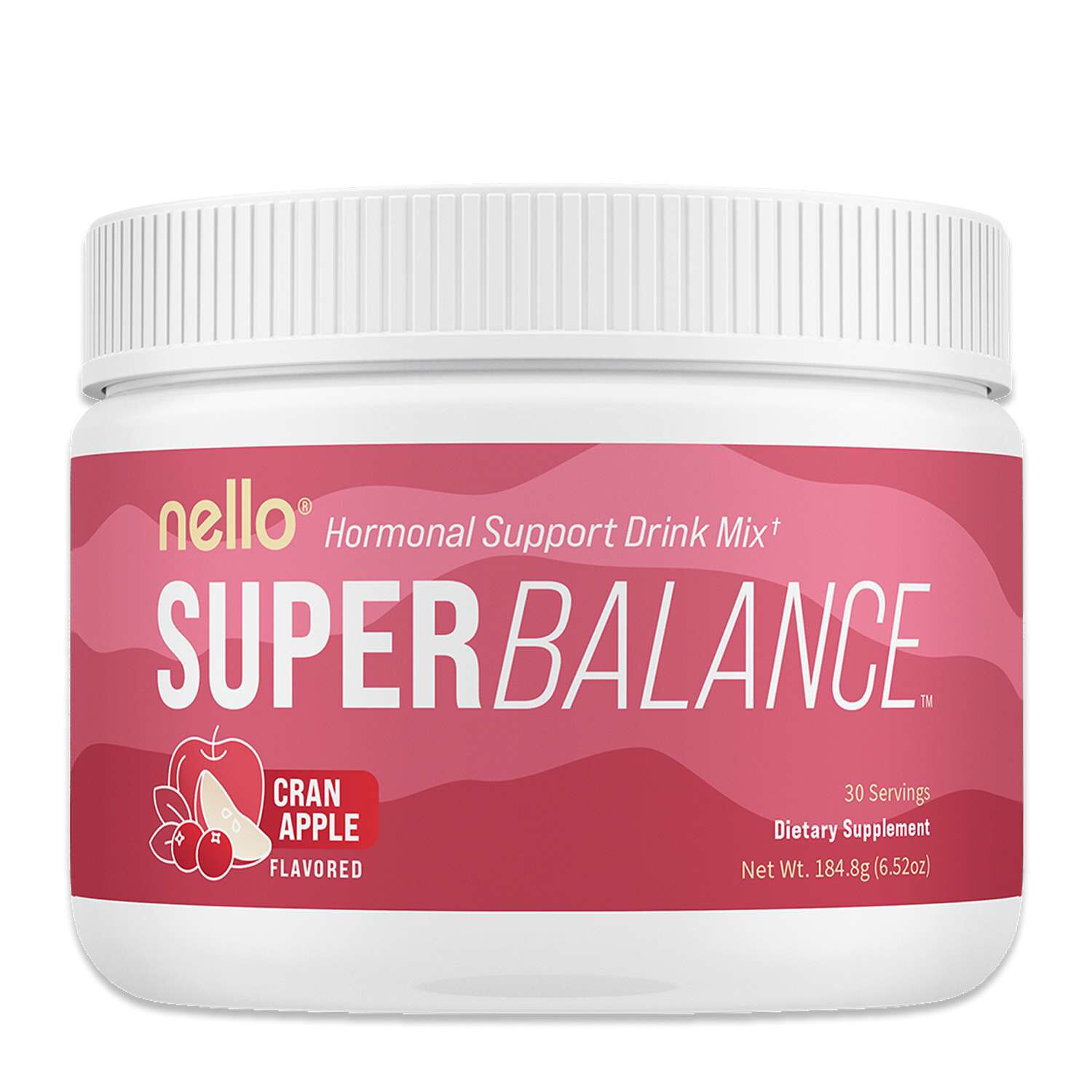
Inositol powder is a scoopable dietary supplement made with a compound that occurs naturally in the body and in foods such as beans, whole grains, nuts, and citrus fruits. Its connection to cell function begins with basic biology: inositol-containing compounds are components of cell membranes and participate in communication pathways inside cells. Cell membranes form the boundaries of cells, while intracellular signaling helps coordinate their everyday activities. Phosphatidylinositol is one example of an inositol-containing compound found in these membranes, and other inositol-containing molecules act as messengers within cells. These biological roles do not establish how an individual will experience a particular formula. The body also makes inositol, so its presence in cellular processes is not limited to what comes from supplements. Myo-inositol is a common form used in powders, and D-chiro-inositol is another form that appears in some formulations. These names describe different arrangements of the same chemical building blocks, rather than different flavors or textures. A label identifying myo-inositol alone describes a different composition from one listing both forms. When two forms appear together, their individual amounts and stated ratio provide more context than the word inositol on the front of the container. For shoppers interested in the relationship between nutrition and everyday cell activity, these distinctions give the category a useful foundation. Cell function describes many processes, not a single sensation or an immediate change someone can necessarily notice. A powder’s intended use, ingredient identity, and serving information therefore offer a more practical basis for comparison than broad descriptions alone. The connection between inositol and cell biology explains the category, while the details on each label explain what is actually in the container.
The powder format offers a different experience from capsules or tablets, particularly for adults who prefer mixing a supplement into a beverage instead of adding another pill to a routine. Formulas range from those centered on one form of inositol to blends with several dietary ingredients. An ingredient panel distinguishes the inositol itself from flavorings, sweeteners, colors, and ingredients included for texture or mixing. A plain formula and a flavored blend can have very different ingredient lists even when both feature inositol prominently. The amount of powder in a serving is also not necessarily the same as the amount of inositol in that serving, especially when additional ingredients contribute to its weight. Serving size and the listed quantity of each named ingredient belong together when comparing formulas. Grams and milligrams describe different units, making careful reading more useful than judging a serving by how large the scoop looks. Containers with similar dimensions can hold different numbers of servings, and scoops from separate formulas are not interchangeable measuring tools. Taste and texture matter in daily use as well. Unflavored does not necessarily mean tasteless, and the character of the finished drink depends on the powder, the liquid, and the preparation described on the label. Some formulas are intended for water, while others include directions for different beverages. A glass mixed at the kitchen counter offers a different preparation setting from a bottle carried to work, where access to measuring utensils and a place to stir may be limited. Clear directions for the amount of liquid, the serving measure, and the mixing method make those practical differences easier to evaluate. The most relevant format considerations are not about elaborate preparation; they are about whether the labeled serving and preparation method fit naturally into an adult’s established habits.
Packaging and storage also deserve attention when considering inositol powder for repeated use. A wide-mouth tub offers room for a measuring scoop, while individually portioned packaging separates servings before preparation. Neither format changes the identity of the inositol, but each creates a different measuring and storage experience. A secure closure, a readable label, and clear serving directions are useful details on a container that will be opened regularly. Powder care centers on keeping the contents in the conditions specified by the manufacturer. Moisture introduced by a damp utensil or a wet countertop can affect the powder’s texture, and exposure during storage can make handling less consistent. Dry measuring utensils, the original container, and the labeled storage conditions are practical considerations for preserving the intended form of the powder. The printed date and any instructions about use after opening provide additional context for a package that may remain in a cabinet across many servings. Keeping the label with the powder also preserves ingredient details, preparation directions, and any formula-specific cautions that would be lost if the contents were moved into an unmarked jar. For adults exploring Inositol Energy Powders, a shared ingredient does not mean that two formulas have the same composition or intended use. Other ingredients in a blend deserve their own attention rather than being treated as incidental additions. A straightforward inositol powder and a broader blend can suit different preferences for flavor, preparation, and ingredient complexity. Neither the word powder nor an association with cell function tells the whole story of a formula. A useful comparison brings the biological background together with concrete product details: the named form of inositol, its amount per serving, the accompanying ingredients, the preparation directions, and the package’s storage requirements. Those details keep the focus on what the supplement contains and how it is intended to be used, without turning normal cellular processes into an expectation of a particular result.
Best Sellers


Related Pages
Top Collections
- Supplements For Yoga Joint Flexibility
- Chronic Fatigue Supplements
- Joint Mobility Supplement Packs
- Adult Mobility Supplements
- Active Supplements
- GLP 1 Support For Adults
- Zinc Supplements | Top Brands at Great Prices | GNC
- Supplements For Anxiety Relief Support
- Supplements For Balance
- Capsule Supplements For Energy And Stamina