





Keto Friendly Glucose Support Supplements
(0 Results)
Looking to maintain your ketogenic lifestyle while supporting healthy glucose metabolism? Discover our selection of keto friendly glucose support supplements designed to complement your diet and wellness routine. These supplements may help you stay on track with your health goals, providing the necessary nutrients to support balanced blood sugar and overall well-being. Explore our range of keto friendly glucose support supplements and find the perfect addition to your daily regimen.
-

-
-

-

-

-
-
 GNC Preventive Nutrition23$44.99
-
-
 $52.99
-
 Divine Health$34.99
-
 Lifeable$11.99
-

-
-
-
-
-
-
-

-


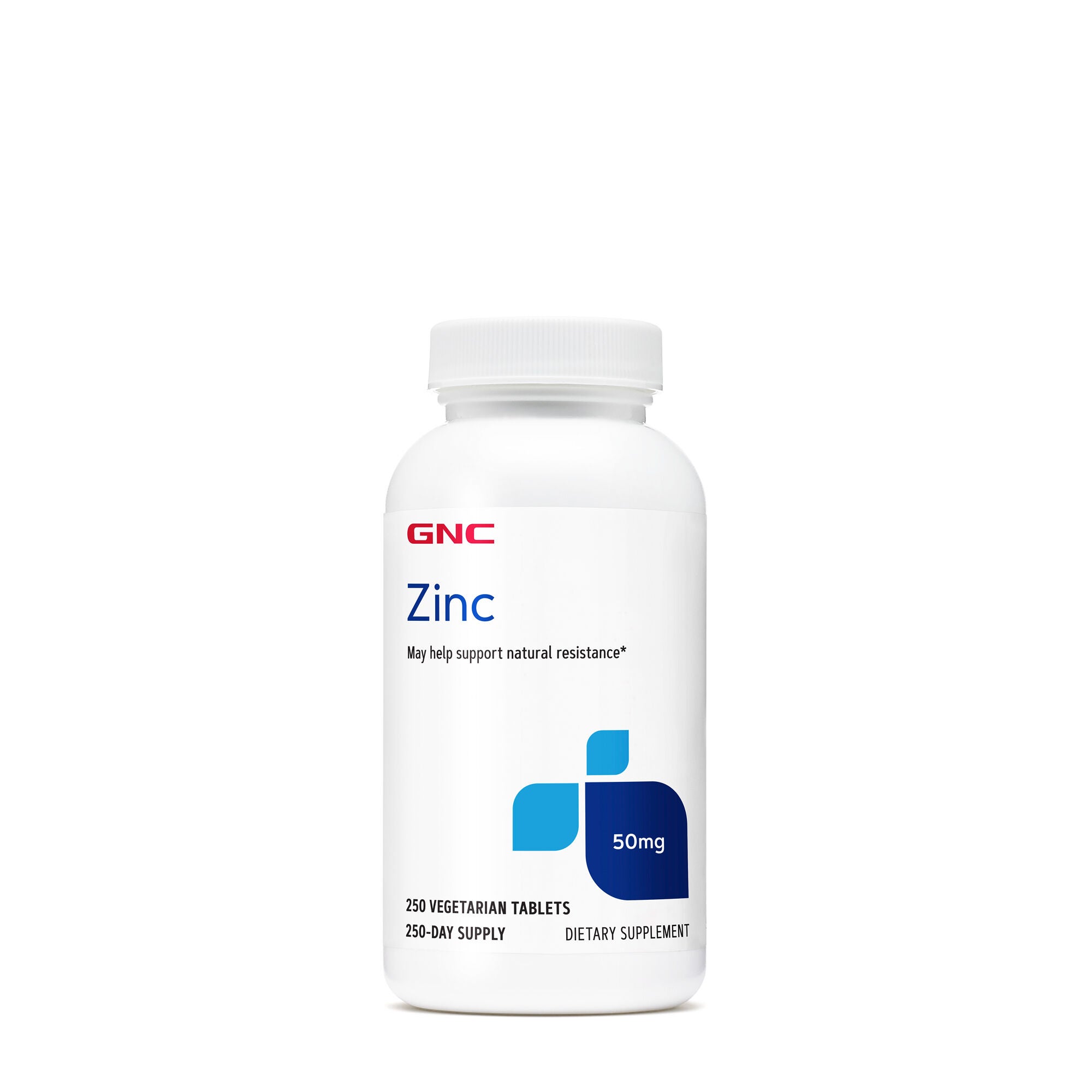
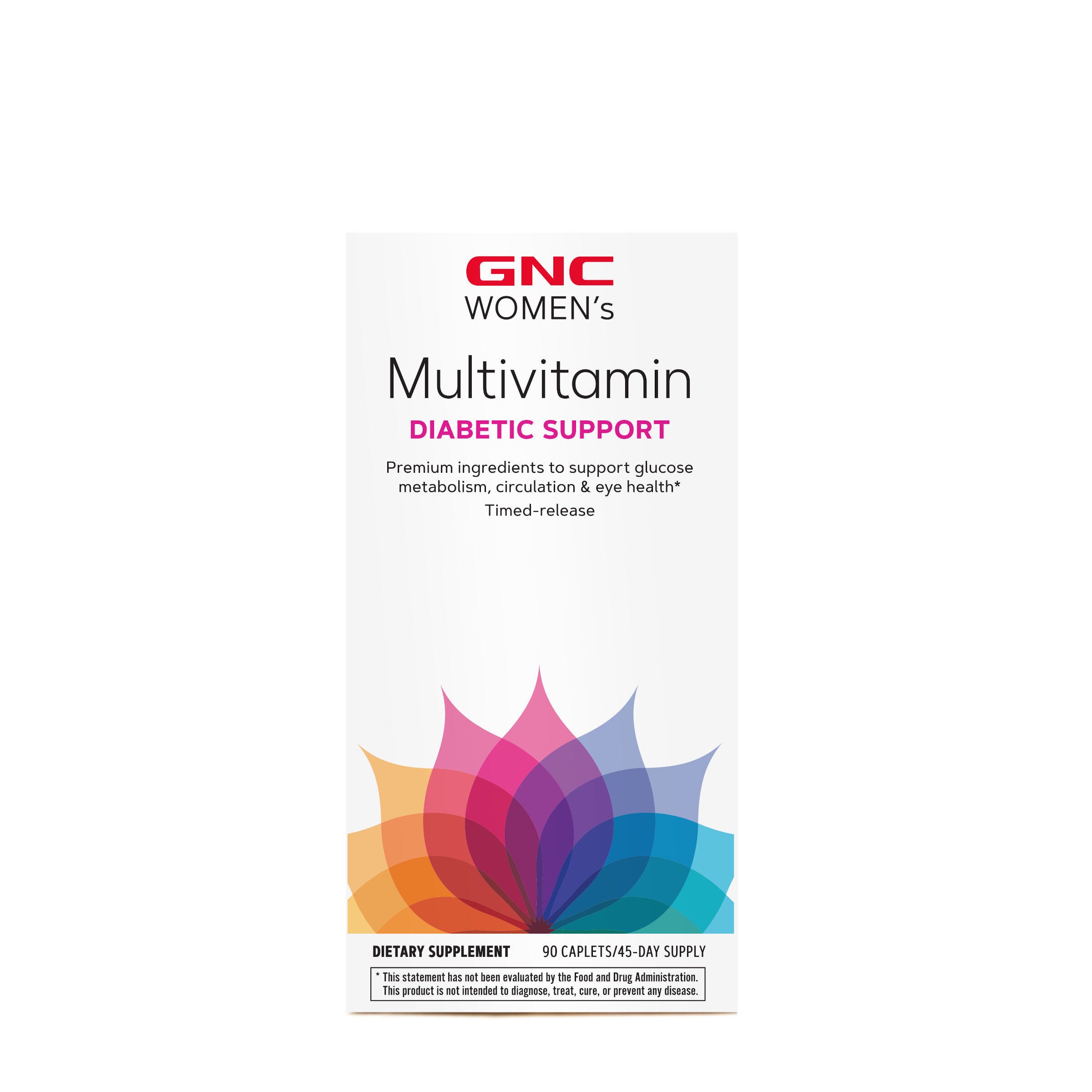
Keto-friendly glucose support supplements are dietary supplements intended for glucose-focused wellness routines that also account for carbohydrate intake. Keto eating patterns generally emphasize limiting carbohydrates, so a supplement’s suitability depends on more than the ingredient named on the front of the bottle. Serving size, added sugars, starches, sweeteners, and the delivery format all contribute to how a formula fits into that approach. Glucose is a form of sugar the body uses for energy; the phrase glucose support identifies a supplement category rather than a single ingredient or recipe. Products within that category can have very different compositions, even when their names sound similar. A straightforward comparison begins with the Supplement Facts panel and the accompanying ingredient list. One identifies the listed dietary ingredients and their amounts per serving, while the other provides details about capsule materials, flavorings, binders, and other components. A serving might consist of one capsule, several tablets, or a measured portion of powder, making the serving size an important part of any comparison. Carbohydrate information, when provided, also needs to be read in that same serving context. A flavored chew and an unflavored capsule are different experiences, and their supporting ingredients deserve the same attention as their highlighted ingredients. Terms such as unsweetened, no added sugar, and keto-friendly describe different attributes rather than interchangeable standards. An unsweetened formula, for example, can still contain ingredients that contribute carbohydrates. Likewise, a statement about net carbohydrates reflects a calculation rather than a description of every ingredient in the container. For shoppers who track carbohydrates closely, clearly presented amounts and an understandable serving format may make comparison more manageable. The most informative description connects the formula, its full ingredient list, and its labeled serving rather than relying on a single phrase on the package. Those details distinguish dietary compatibility from broader marketing language without assuming that every keto-friendly glucose support supplement is formulated alike.
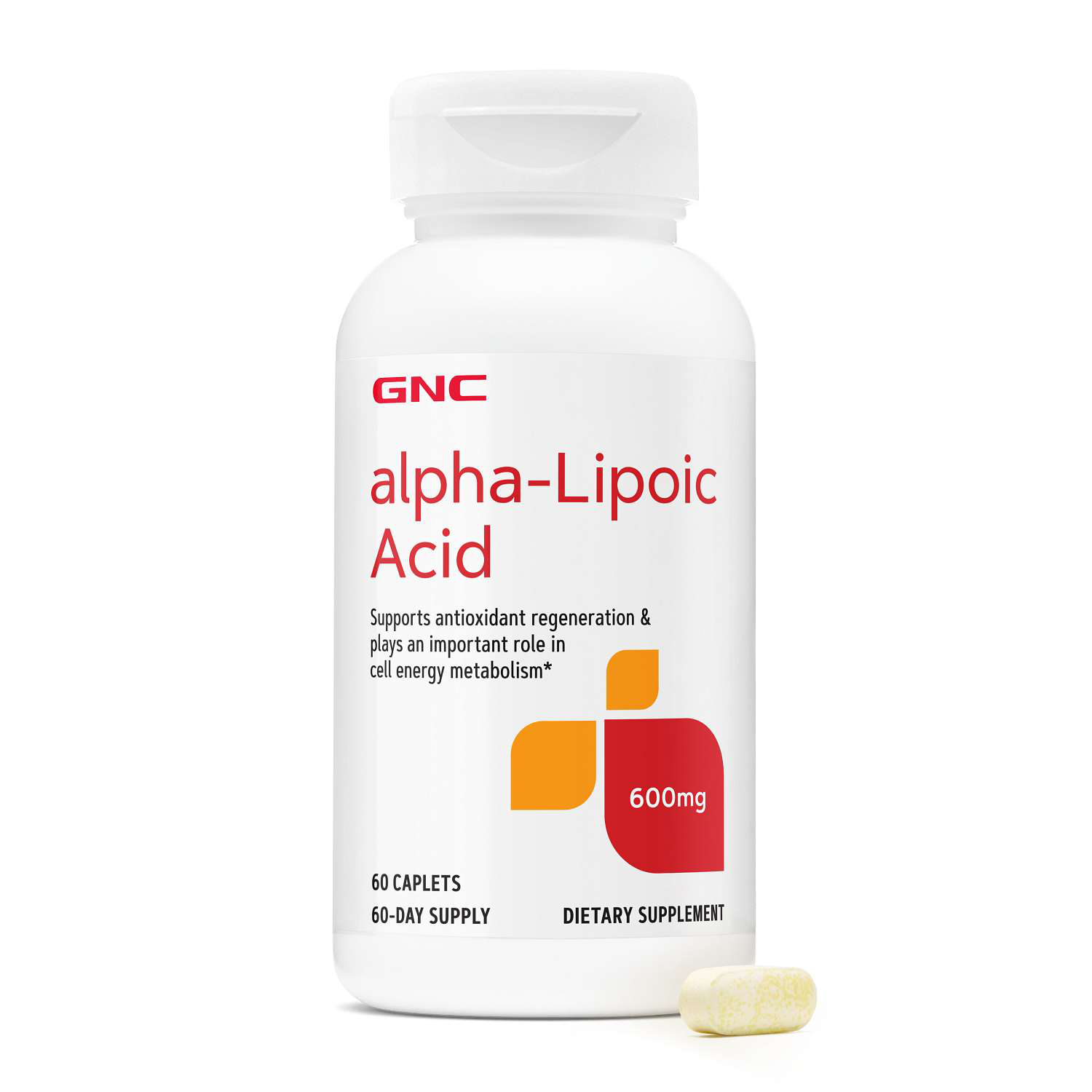
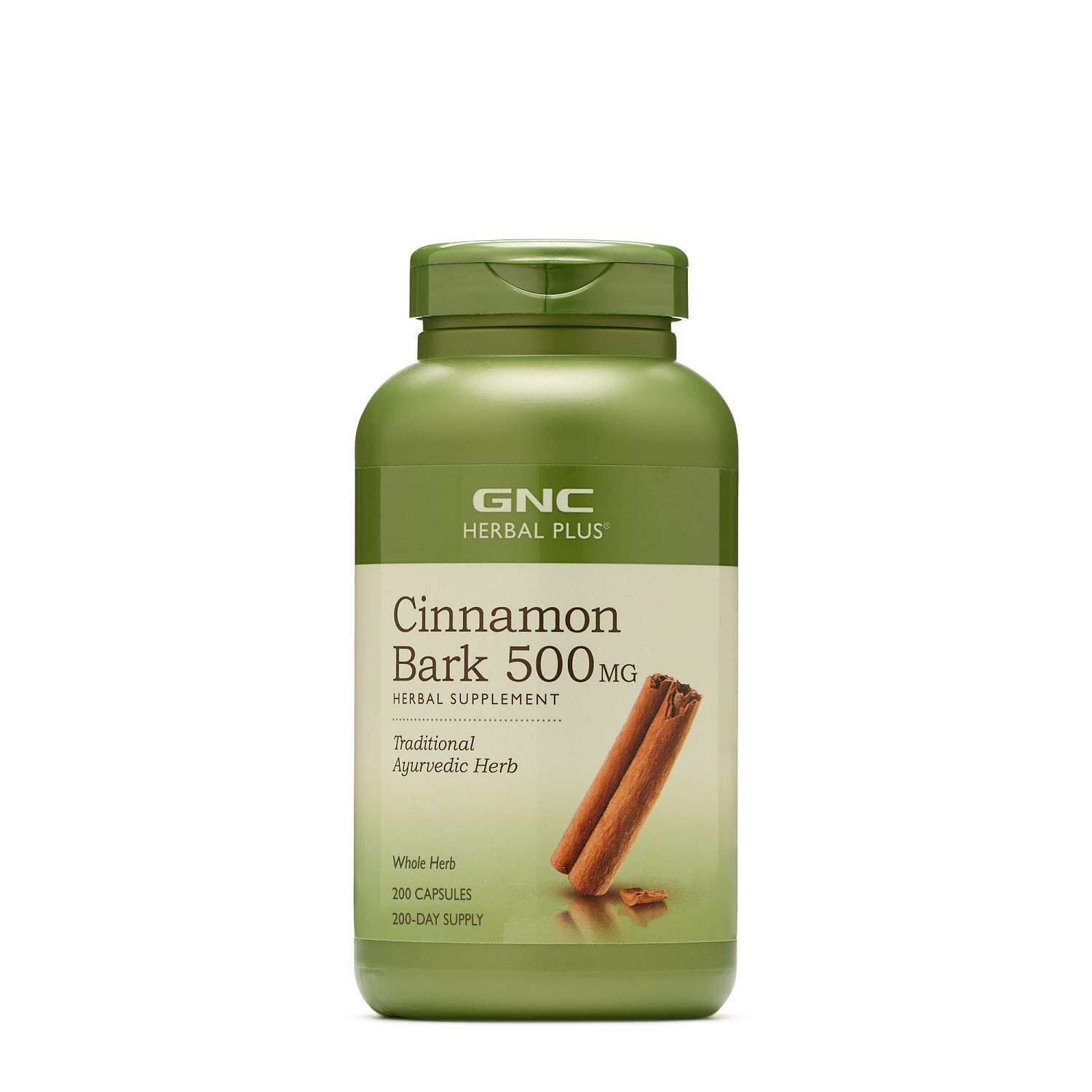
Ingredient lists in this category can include minerals such as magnesium and chromium, botanical ingredients such as cinnamon extract or berberine, and oils that provide omega-3 fatty acids. These are distinct ingredient types, not interchangeable versions of the same formula. Magnesium and chromium are dietary minerals, while cinnamon extract comes from a botanical source and berberine is a plant-derived compound. Omega-3 ingredients can come from sources such as fish oil or algae. Their inclusion does not, by itself, establish whether the finished supplement matches a carbohydrate-conscious eating pattern; the rest of the formula still matters. A mineral supplement might identify both a mineral compound and the amount of the mineral supplied per serving. A botanical label might identify the plant part used, an extract ratio, or a stated concentration of a particular constituent. Those descriptions provide different information, so the largest number on a label is not necessarily a meaningful basis for comparison. A blend may list several ingredients together, while another formula states a separate amount for each highlighted ingredient. That difference affects how much detail a shopper can see about the composition. Format adds another layer. Capsules have a shell as well as their contents, tablets commonly include ingredients used during manufacturing, and powders may contain flavoring or sweetening components. Softgels often pair an oil-based filling with a flexible shell. For someone who prefers a short ingredient list, a simpler format could be appealing; someone who dislikes capsules might prefer another labeled format. Neither preference establishes a particular nutritional outcome.
The best fit for an everyday routine often comes down to details that are easy to overlook when reading only the front label. A person who already uses a multivitamin may be interested in seeing whether a glucose support formula contains overlapping minerals. Someone who prefers botanical ingredients may spend more time reviewing plant sources and extract descriptions. A shopper who avoids animal-derived ingredients has another set of details to consider: capsule shells, softgel materials, and the source of any oils. Keto-friendly and vegan describe different dietary attributes, so one does not automatically establish the other. For another point of comparison, explore related supplements alongside individual ingredient labels. Everyday usability matters, too. A bottle that stays on a kitchen shelf presents different practical considerations from one carried between home and an office. Clear serving directions, readable labeling, and a closure that fastens securely may make a container easier to manage. Original packaging keeps the ingredient information, lot identification, expiration date, and storage directions together rather than separating the supplement from its identifying details. For powders, the condition of the lid and the handling of the included measuring scoop are relevant to keeping the contents dry. For capsules, tablets, and softgels, packaging condition and the manufacturer’s storage instructions remain useful reference points throughout the container’s use. Container size also deserves attention: the number of capsules or tablets is not necessarily the number of servings. A larger bottle can contain a similar serving count to a smaller one when their labeled portions differ. Taken together, these details create a more grounded way to compare keto-friendly glucose support supplements. The focus stays on carbohydrate compatibility, ingredient sources, clearly stated amounts, preferred format, and practical handling—a set of concrete attributes that may help shoppers identify formulas suited to their dietary preferences and everyday habits.
Best Sellers
-
 Rho Nutrition
-
 Rho Nutrition
-
Doctors' Preferred
Related Pages


Top Collections
- Active Supplements
- Chronic Fatigue Supplements
- Supplements For Yoga Joint Flexibility
- Joint Mobility Supplement Packs
- Zinc Supplements | Top Brands at Great Prices | GNC
- Supplements For Anxiety Relief Support
- Zinc Supplements For Men
- Vitamins For Hair Loss
- Capsule Supplements For Energy And Stamina
- Metabolism Boost For Weight Loss