

Kids Back To School Calming Supplements
(0 Results)
Kids back to school calming supplements may offer gentle support for children as they transition into a new school year. The start of school can bring excitement along with new routines and challenges, and many parents look for ways to help their kids feel more at ease. Explore a variety of options that could be a helpful addition to your family’s back-to-school routine, all designed with little ones in mind. Discover kids back to school calming supplements that might fit your child’s needs as they take on the classroom with confidence.
-

-
 Chewable Tablets_Front.jpg?sw=305&sh=305&sm=fit "ChildCalm - 60 Chewable Tablets (30 Servings) | GNC")
-

-

-

-

-
-
 $21.99



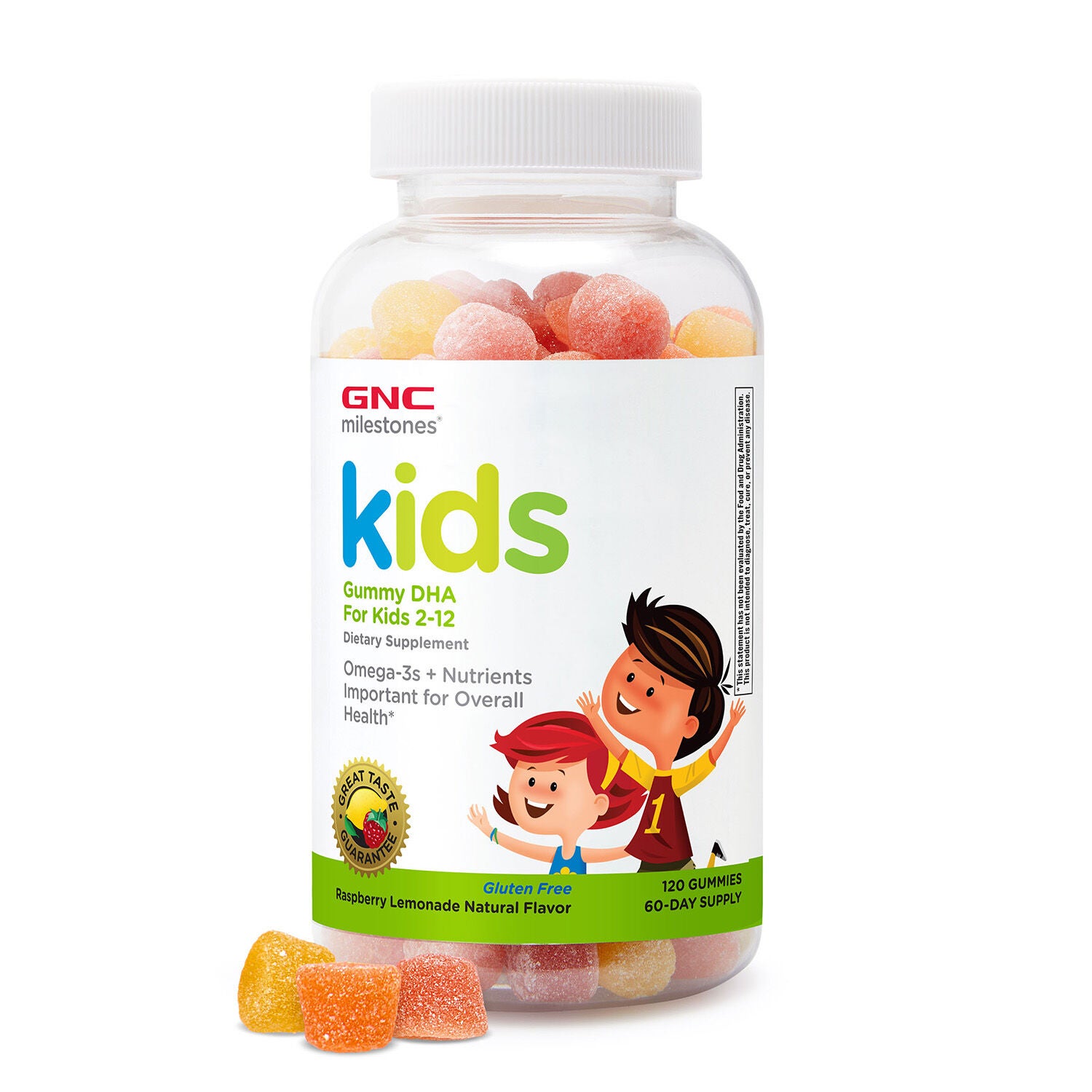
Kids’ back-to-school calming supplements bring together child-oriented formats and ingredients for families considering an addition to their everyday wind-down routine. The school-year rhythm has a familiar texture: backpacks beside the door, permission slips on the counter, and an afternoon that moves from homework to dinner before anyone has put away their shoes. As those routines settle in and the cooler months bring more evenings indoors, some parents look for supplements that may support relaxation alongside a predictable household schedule. This category can include gummies, chewables, liquids, and powders, with differences in age labeling, ingredient combinations, flavors, and serving sizes. The most useful starting point is the package rather than the front-label name alone. A product described as calming may contain a single featured ingredient or a blend, and two similarly named options can have very different formulas. Magnesium, L-theanine, and botanical ingredients such as chamomile or lemon balm are among the ingredients shoppers may encounter. Omega-3 supplements may also appear in related children’s wellness assortments, although they are a different type of formula and should not be treated as interchangeable with other products in this category. The presence of an ingredient does not establish how a particular child will experience a supplement, and the word “calming” is not a prediction of results. For parents and caregivers browsing these products, the practical details often matter as much as the ingredient list: whether the labeled age range matches the intended child, whether the serving involves one piece or several, and whether the texture and flavor suit that child’s preferences. A carefully considered purchase starts with those specifics, not with the assumption that every children’s supplement offers the same experience. The aim is to find clear product information and a format that fits the family’s established routine, without expecting a supplement to reshape the school day.
Ingredient-by-ingredient comparisons can make this assortment easier to understand. Magnesium is a mineral, and magnesium products may list different forms, so the amount shown in the Supplement Facts panel deserves a closer look than the ingredient name on the front. L-theanine is an amino acid found in tea and used in some supplement formulas; its inclusion alone does not tell shoppers whether a finished product contains other tea-derived ingredients or caffeine. Botanical blends can vary in both composition and the amounts disclosed, even when their packaging uses similar language. Omega-3 products may identify fish or algae as their source, a distinction that matters for households comparing dietary preferences and ingredient origins. None of these ingredient names, by itself, establishes that a product is appropriate for every child. Age-specific labeling, listed amounts, directions, and package cautions provide more meaningful shopping information than broad claims about a familiar ingredient. It is also worth distinguishing a daytime-labeled product from one positioned for bedtime, rather than assuming every calming formula serves the same purpose. Some nighttime formulas include melatonin, while others do not; that difference belongs in a careful product comparison rather than being overlooked because the flavors or packaging look alike. Beyond the featured ingredients, labels can identify added sugars, sweeteners, colors, gelatin, and allergen statements. A berry-flavored gummy and a fruit-flavored liquid may differ substantially in those details. When third-party testing or certification is listed, look for an explanation of what was assessed and whether the information applies to the finished product. Testing for identity or purity does not establish that a supplement will produce a particular result. Clear sourcing details, readable Supplement Facts, and accessible manufacturer information are useful points of comparison. Price also makes more sense when viewed by labeled serving rather than bottle size alone: a larger container does not necessarily contain more servings, and a lower shelf price may reflect a smaller supply. Those distinctions give shoppers a grounded way to compare options without relying on packaging language alone.
Format is where the purchase becomes personal. One child may enjoy a soft fruit-flavored gummy, while another may dislike a sticky texture and prefer a chewable. Liquids and powders offer different serving methods, but the measuring tool, preparation directions, and storage requirements can add steps to an already busy evening. For any format, the label’s age range and directions matter more than how familiar or appealing the product looks. Adult-labeled products are not equivalent to children’s formulas, and a candy-like appearance does not change a supplement’s intended use. Families comparing chewable formats across seasonal collections can also browse Children's Chewable Summer Calming Supplements, keeping the same attention on age labeling, ingredients, and serving information regardless of the collection name. Flavor descriptions are helpful, but they cannot capture every child’s preferences; tart citrus, mild berry, and a powder’s texture in a permitted beverage can be very different experiences. Package size is another practical consideration, especially for a first purchase, when the family has not yet learned whether the flavor and format suit their routine. Storage instructions and the date printed on the package are worth comparing as well, particularly when ordering several containers. These products are generally a considered purchase by a parent or caregiver rather than a casual classroom present or surprise gift from a relative. Familiarity with the child’s preferences is useful, but it does not replace the product’s age-specific information. In everyday use, a calming supplement may be considered as one part of a household’s wind-down ritual, not the centerpiece of the evening. Picture the quieter stretch after dinner: a backpack repacked, tomorrow’s clothes set out, and a favorite book waiting on the couch. That is the kind of ordinary setting in which families may consider this category, with realistic expectations and close attention to the package. Whether browsing during the return to school or later in the cooler season, the strongest purchase considerations remain consistent: transparent ingredients, clearly stated servings, an appropriate labeled age range, and a manageable format. Those details keep the choice connected to the actual child and household rather than to a sweeping claim on a bottle.