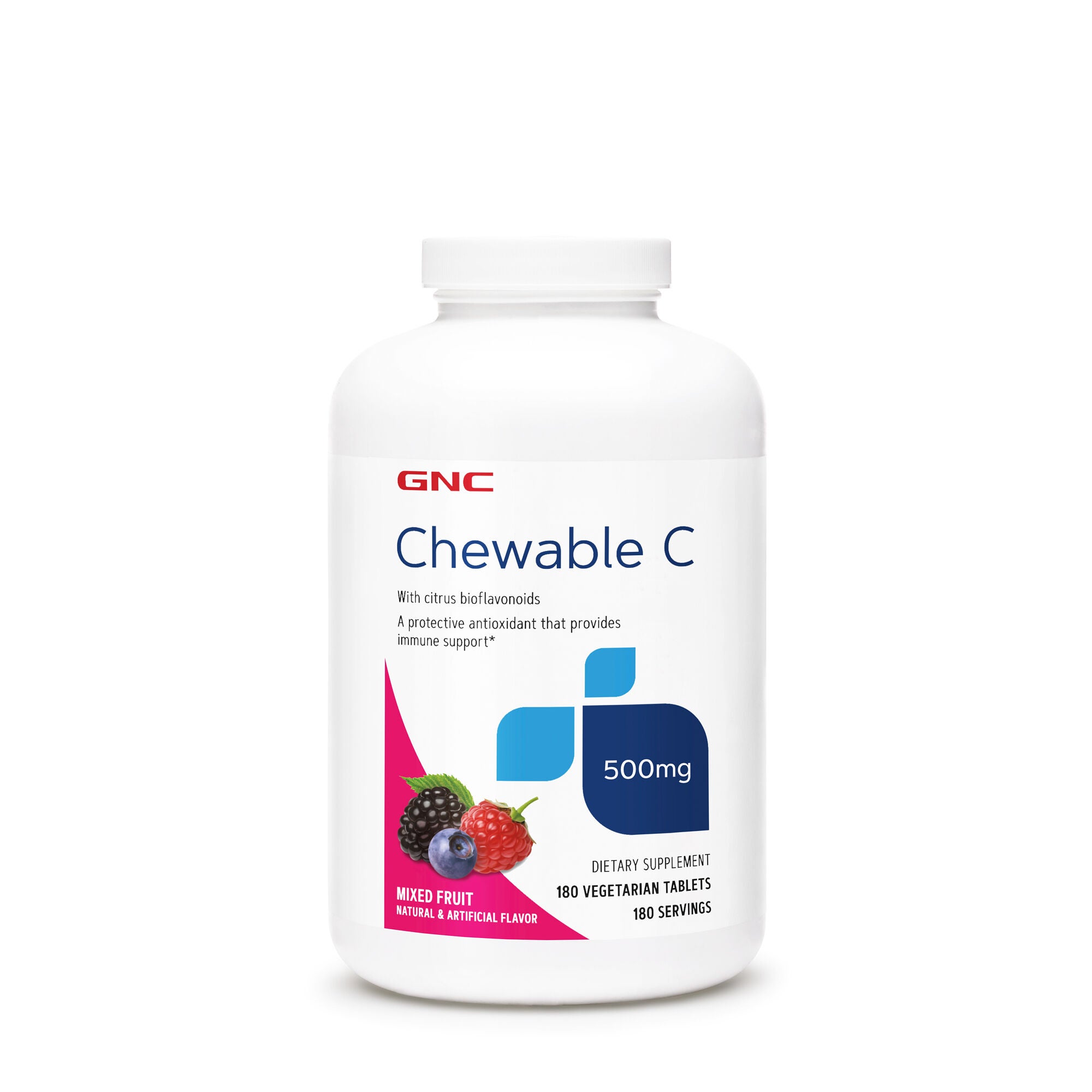
Kids Chewable Tablets
(0 Results)
Kids chewable tablets offer a convenient and tasty way for children to get their daily nutrients. These easy-to-consume supplements come in various flavors and fun shapes, making them appealing to young ones. Parents might find that kids chewable tablets could help support their child's overall health and well-being. Explore the selection of kids chewable tablets to find options that may suit your child's needs and preferences.
-
 Chewable Tablets_Front.jpg?sw=305&sh=305&sm=fit "ChildCalm - 60 Chewable Tablets (30 Servings) | GNC")
-

-
 10$17.99
 -
-
 $15.99
 -
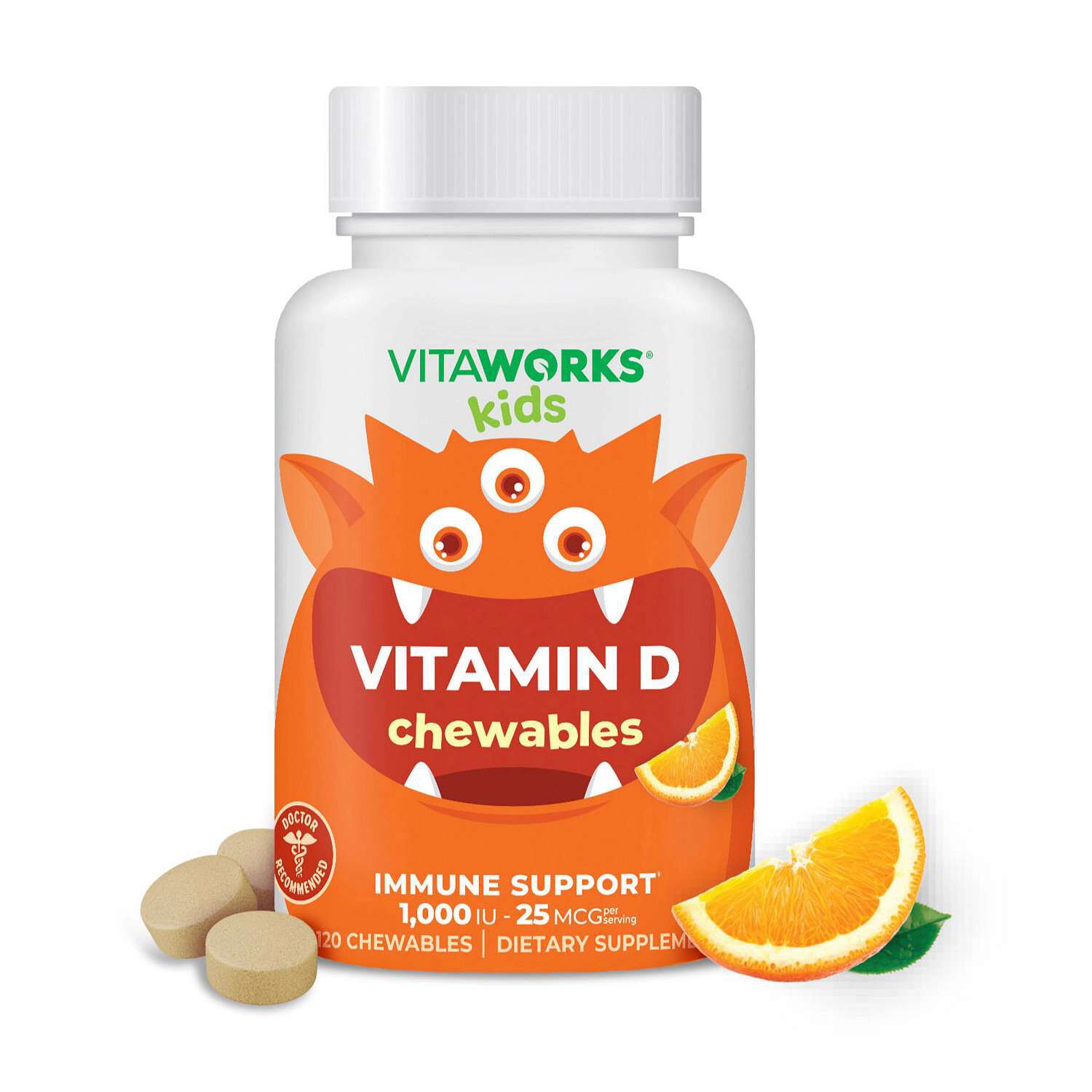 $17.99
 -
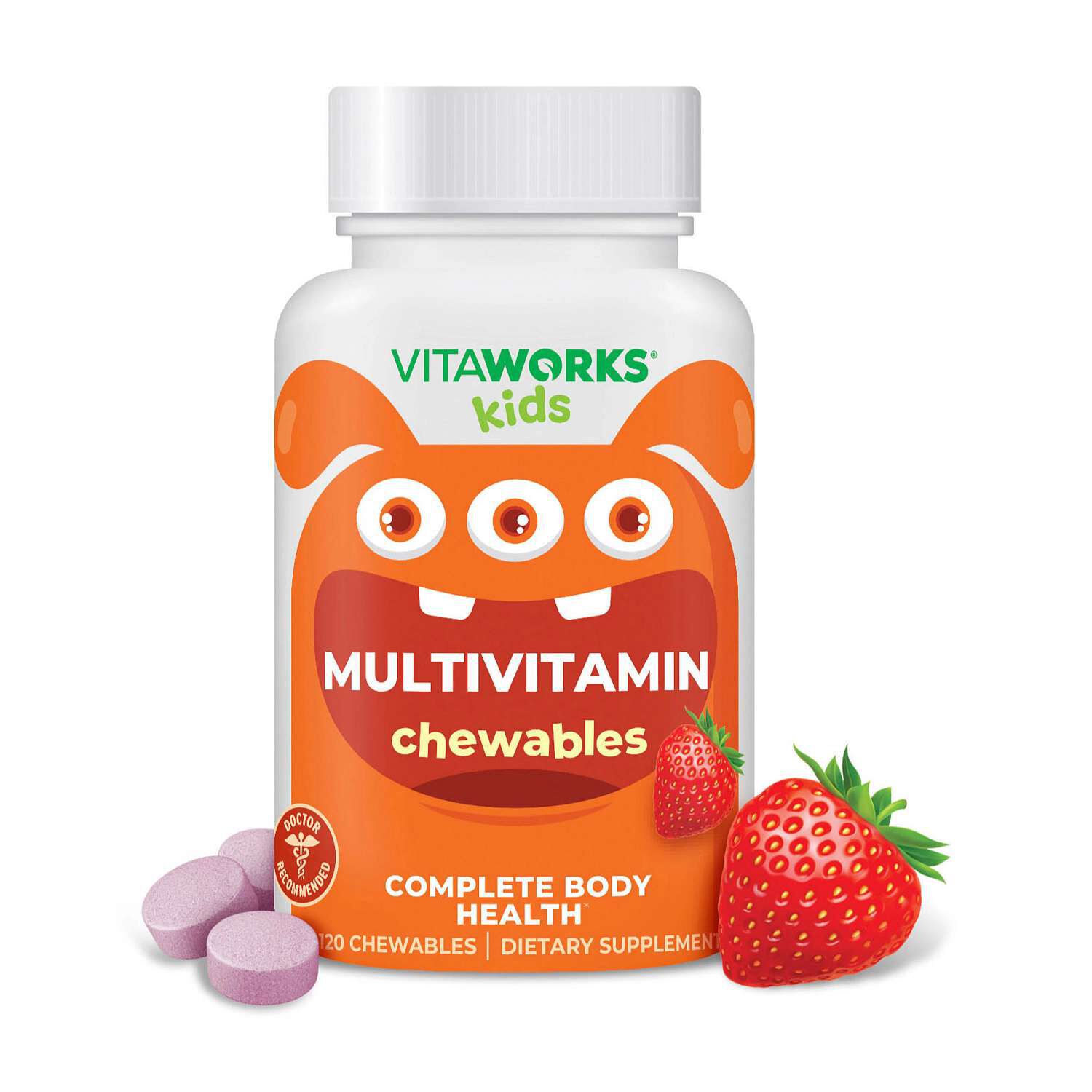 $17.99
 -
 $15.99
 -
 $16.99
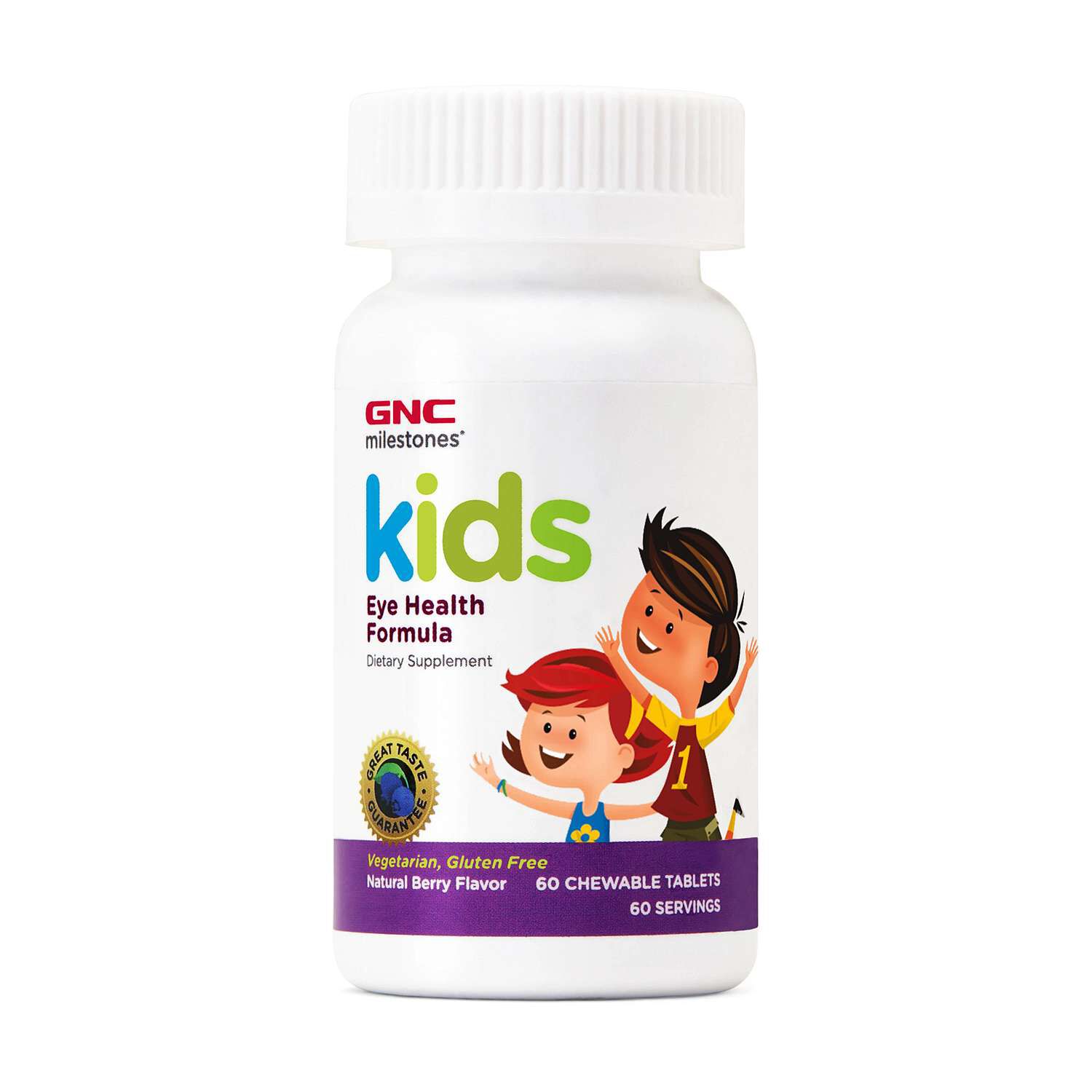
Kids chewable tablets are a supplement format made to be chewed rather than swallowed whole, with options that include children’s multivitamins and formulas centered on selected vitamins or minerals. Within this category, the main differences are the intended age range, nutrient combination, serving size, flavor, and tablet texture. A children’s multivitamin typically brings several nutrients into one formula, while a more focused option contains a smaller group of ingredients. Those distinctions matter more than a colorful bottle or a familiar fruit flavor: two packages of kids chewable vitamins can look similar while containing different ingredients and amounts per serving. Nutrients such as vitamin A, vitamin C, vitamin D, and various B vitamins may appear on the Supplement Facts panel, along with minerals such as calcium or zinc. The exact combination varies, so the label provides a clearer picture than the category name alone. These products are intended to complement food rather than stand in for meals or a varied diet. For parents and caregivers comparing formats, chewable tablets have a different feel from gummies, liquids, and conventional capsules. Tablets generally have a firm, compressed texture, while gummies have a softer, springier texture; neither format tells the whole story about the formula inside. A child who enjoys a crisp texture may have different preferences from one who favors softer foods, and flavor descriptions offer only part of that picture. Fruit-inspired choices can range from berry to citrus, with differences in sweetness and aftertaste depending on the ingredients. Tablet dimensions and shape also vary, making the package description useful when assessing whether a format matches its labeled age range and intended use. The word “kids” alone does not establish suitability for every childhood age. Clear age labeling, readable directions, and a detailed ingredient list provide practical points of comparison across children’s chewable supplements, whether the household is considering this format for the first time or comparing it with another familiar option.
The details behind a chewable tablet’s flavor and structure deserve attention alongside its nutrient list. In addition to vitamins and minerals, a formula can contain ingredients used to hold the tablet together, create its taste, or give it color. Sweeteners, flavorings, and binding ingredients vary between formulas, and a fruit name on the front of a bottle does not describe everything inside. For families with dietary preferences or ingredient restrictions, the full ingredient list and allergen statement are important parts of the comparison. Vegetarian labeling, ingredient sourcing statements, and information about colors or sweeteners can add useful context when those details are provided. The absence of an ingredient from a front-label description is not the same as an explicit statement about that ingredient. Serving information also deserves a careful look. A bottle’s tablet count and its number of servings are not necessarily the same, because a labeled serving can contain more than one tablet. Amounts on the Supplement Facts panel refer to the stated serving, making that serving size the starting point for understanding the rest of the panel. Some packages provide separate directions for different age groups, another reason to compare the full label rather than just the name. These distinctions become especially relevant in a household with siblings of different ages, where matching bottles or similar flavors can obscure differences in intended use. A designated place for each child’s labeled container may make the household routine easier to organize without treating the formulas as interchangeable. An adult comparing formats for a separate routine can also explore Adult Chewable Vitamins, a distinct category with its own age labeling and serving information. A shared chewable format does not mean children’s and adult formulas contain the same nutrient amounts. For either category, the most useful comparisons come from the actual label: who the formula is intended for, what each serving contains, and which other ingredients contribute to the finished tablet.
Everyday handling and storage are another part of choosing kids chewable tablets, particularly when the bottle needs to fit into a busy family setting. Unlike a reusable accessory, a tablet is a consumable product, so durability is less about years of wear and more about maintaining its condition within the package’s storage directions and expiration date. Moisture, heat, and unnecessary handling can affect tablet condition, making the original container and its closure relevant details rather than afterthoughts. Package instructions provide the specific storage requirements, and a secure location out of children’s reach keeps fruit-flavored supplements separate from snacks and treats. A bright bottle may look at home beside breakfast supplies, but appealing packaging does not make its contents candy. The original label also keeps the ingredient list, serving directions, expiration information, and other package details together. That can be particularly useful when another caregiver is present or a family is preparing for time away from home. Loose tablets in an unmarked snack bag lose that context, while the labeled container preserves it. Around the kitchen counter on a busy school morning, practical packaging details can be easy to appreciate: legible print, a clearly marked age range, and serving information that does not require searching across several panels. During the cooler months, when family schedules may include more indoor activities and overnight visits, those same details remain relevant without making the choice dependent on the season. Flavor preference matters, but it is only one piece of the selection alongside ingredients, age designation, texture, and storage requirements. Nor does an appealing taste establish a reason for a child to use a supplement. Kids chewable tablets are best understood as a specific supplement format with distinct formulas, not as one uniform category in which every bottle serves the same purpose. Comparing those concrete characteristics keeps the focus on intended use and gives parents and caregivers a more meaningful way to distinguish among children’s chewable vitamins and mineral supplements.