





Kids Hair Vitamins
(0 Results)
Kids Hair Vitamins
Kids hair vitamins may offer a convenient way to support your child’s daily routine. With fun flavors and kid-friendly formats, these supplements are designed with growing families in mind. Explore a variety of kids hair vitamins that could fit into your child’s lifestyle, all while making wellness feel easy and enjoyable. Find options that might suit different preferences and help keep your little one’s wellness journey on track.
-
 $15.99
-
 $14.99
-
 $15.99
-
-

-
 $17.99
Kids hair vitamins are dietary supplements marketed for children’s hair-focused routines, often featuring nutrients that also appear in general children’s multivitamins. A child who eats a varied, balanced diet may not need a separate hair-focused supplement, and a product listing cannot determine an individual child’s nutritional needs. The name on the front of a bottle describes its intended focus; the age range, ingredient list, and Supplement Facts panel provide more concrete information about the formula inside. Nutrients such as biotin, zinc, and vitamins A, C, D, and E may appear in this category, although combinations and amounts differ. A longer ingredient list does not, by itself, establish that one formula is a better match for a particular child. Children’s hair also varies naturally in texture, thickness, curl pattern, and visible length, making comparisons between siblings or classmates an unreliable basis for choosing a supplement. A short haircut, tightly coiled strands, and a ponytail that looks fuller can create very different impressions without explaining anything about dietary needs. Questions about a noticeable change in a child’s hair extend beyond what a retail description can establish. Within this category, the most useful distinctions are practical ones: which ages a formula is labeled for, what a serving contains, how the supplement is presented, and whether its ingredients align with household preferences. Kids hair vitamins belong within the broader context of everyday nutrition rather than replacing meals or making a particular hairstyle an expected outcome. For families comparing a hair-focused formula with a general children’s multivitamin, the meaningful differences are in the label details, not simply the words “hair vitamins” on the package. That distinction keeps the focus on what the supplement actually contains rather than the appearance suggested by its name.
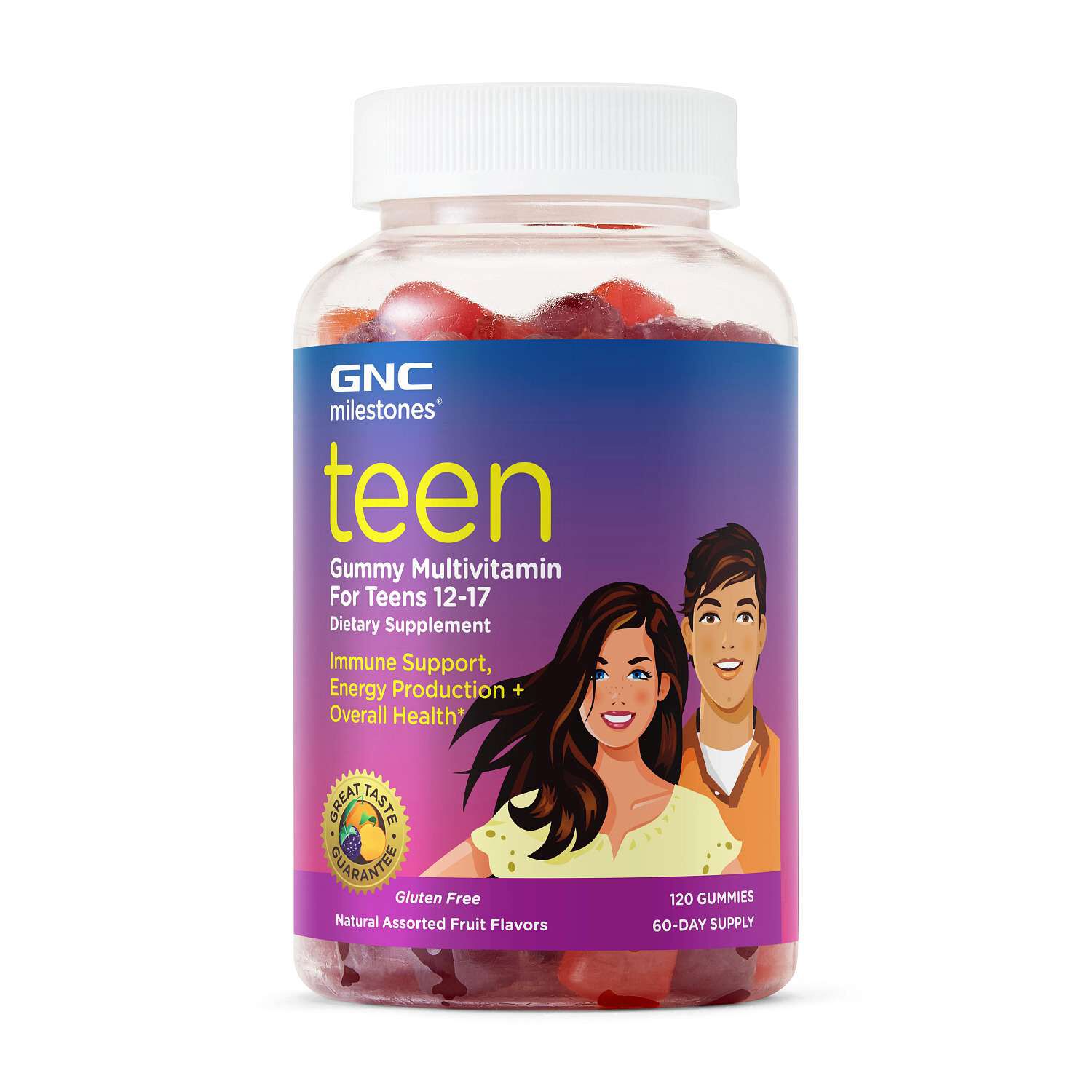
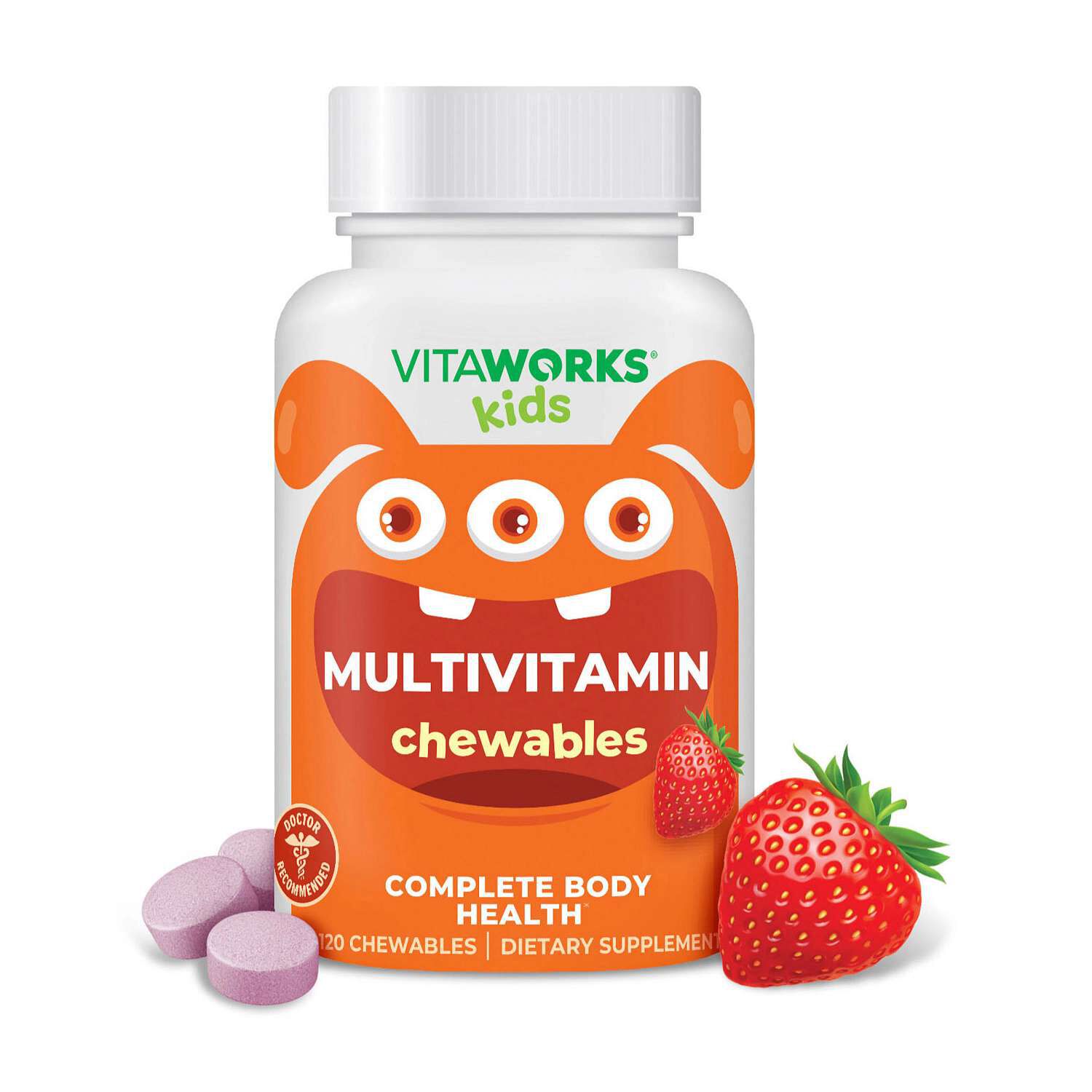
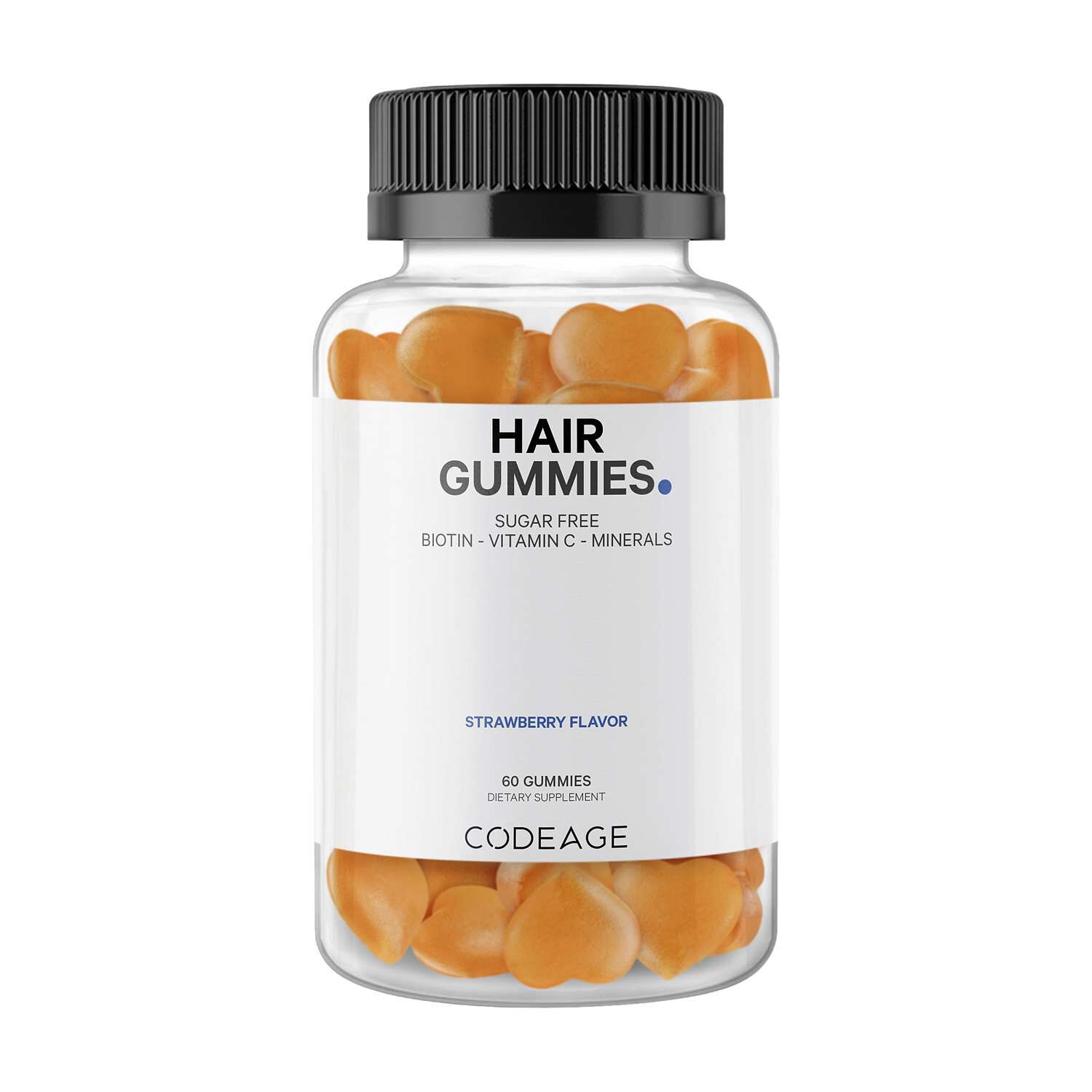
Format is another important part of the category. Gummies, chewable tablets, and liquids have different textures, serving measurements, and packaging needs, and the formats are not interchangeable just because they share a flavor. A fruit-flavored gummy may have a soft, springy texture, while a chewable tablet may feel firmer or more powdery. Liquid formulas have their own measuring directions and may include a designated measuring accessory. These details matter in an ordinary household routine, whether a caregiver is reading a label at the kitchen counter or keeping track of which bottle belongs to which family member. Age labeling remains separate from flavor and appearance: a familiar berry taste or playful shape does not establish that a formula is intended for every child. Ingredient preferences can also narrow the comparison. Gummy formulas may use pectin or gelatin, and the source of those ingredients can matter to families with vegetarian preferences or other dietary practices. Sweeteners, added sugars, colors, and flavoring ingredients vary, so two supplements described with the same fruit flavor may have quite different ingredient lists. A fruit illustration on the package does not communicate the amount of fruit-derived material in the formula. Allergen statements and ingredient disclosures offer additional context for household requirements, while the Supplement Facts panel describes the nutrients and their labeled amounts. For families who prefer a simpler comparison, separating these details into format, ingredients, and nutrient content can make the distinctions easier to understand without relying on package imagery. Taste preferences are individual, too; a flavor name is a description rather than a prediction that every child will enjoy it. The same is true of texture, which may be as relevant as flavor when considering how a labeled format fits an established routine. Packaging descriptions and label images can clarify these physical characteristics more reliably than broad descriptions such as “kid-friendly.”
Serving information gives kids hair vitamins further context. The amount listed for one gummy or tablet may differ from the amount listed for a full labeled serving, and serving sizes can vary between formulas. Nutrient quantities may appear in milligrams or micrograms, making the unit as important as the number beside it. Daily Value information also needs the context of the age group identified on the label; percentages from differently labeled formulas are not necessarily a like-for-like comparison. A general children’s multivitamin and a hair-focused supplement may contain overlapping nutrients, so their category names alone do not show how similar their contents are. Product descriptions cannot establish whether combining formulas is appropriate for a particular child. Clear labeling is therefore a useful feature in its own right, especially in households where adults manage several different containers. An easy-to-read age range, a legible serving description, and a clearly printed date all contribute to a more understandable package. Container care matters as well. Storage instructions, closure design, and any directions that apply after opening are part of the product’s intended use, not minor details separate from the formula. A tightly closing bottle and an intact label are practical considerations for a supplement that may be handled repeatedly over time. For liquids, the care instructions for any included measuring accessory also belong in that picture. Supplements with candy-like shapes or flavors are still supplements, not everyday snacks, and packaging belongs in a location inaccessible to children. Keeping the original container preserves the ingredient list, directions, and identifying information together rather than separating the contents from their label. Adult-focused shopping belongs in a distinct category, such as Women's Hair Vitamins and Supplements; adult and children’s formulas are not interchangeable based on a shared hair-related name. For parents and caregivers browsing kids hair vitamins, age-specific labeling, transparent ingredient information, and clearly described formats provide a grounded way to understand the category. Those details keep the purchase centered on the individual child’s established routine and the formula’s stated intended use, without treating hair length, shine, or fullness as an expected result.
Best Sellers


Related Pages


Top Collections
- Active Supplements
- Chronic Fatigue Supplements
- Supplements For Yoga Joint Flexibility
- Joint Mobility Supplement Packs
- Zinc Supplements | Top Brands at Great Prices | GNC
- Supplements For Anxiety Relief Support
- Zinc Supplements For Men
- Vitamins For Hair Loss
- Capsule Supplements For Energy And Stamina
- Metabolism Boost For Weight Loss