





L Glutamine Capsules For Athletes
(0 Results)
L glutamine capsules for athletes may be a popular addition to daily routines for those with active lifestyles. Whether you’re training for your next competition or simply looking to support your fitness journey, these convenient capsules could fit seamlessly into your supplement regimen. Explore a range of options that are designed with athletes in mind and discover how l glutamine capsules for athletes might complement your workout goals.
-

-
-

-
 $26.99

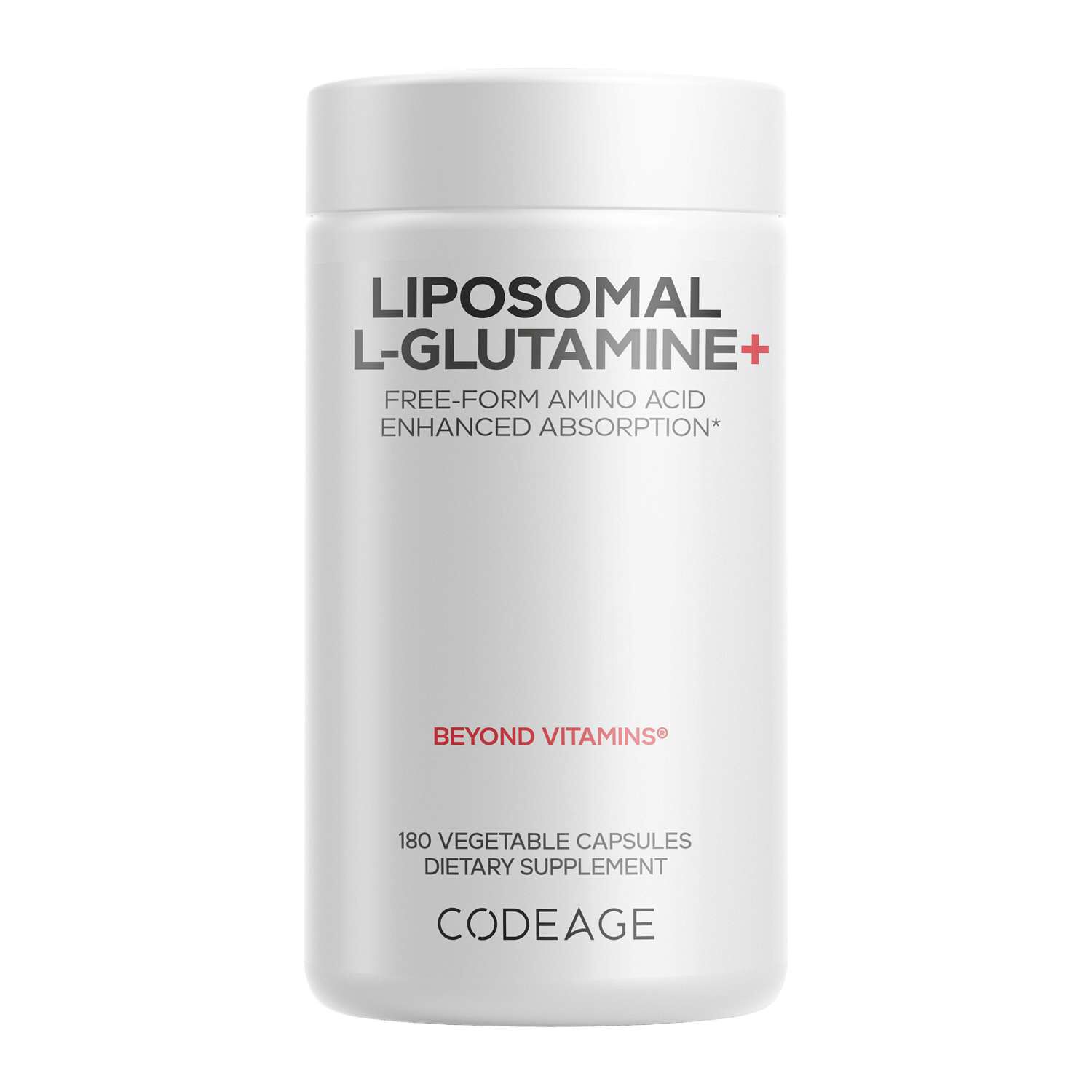
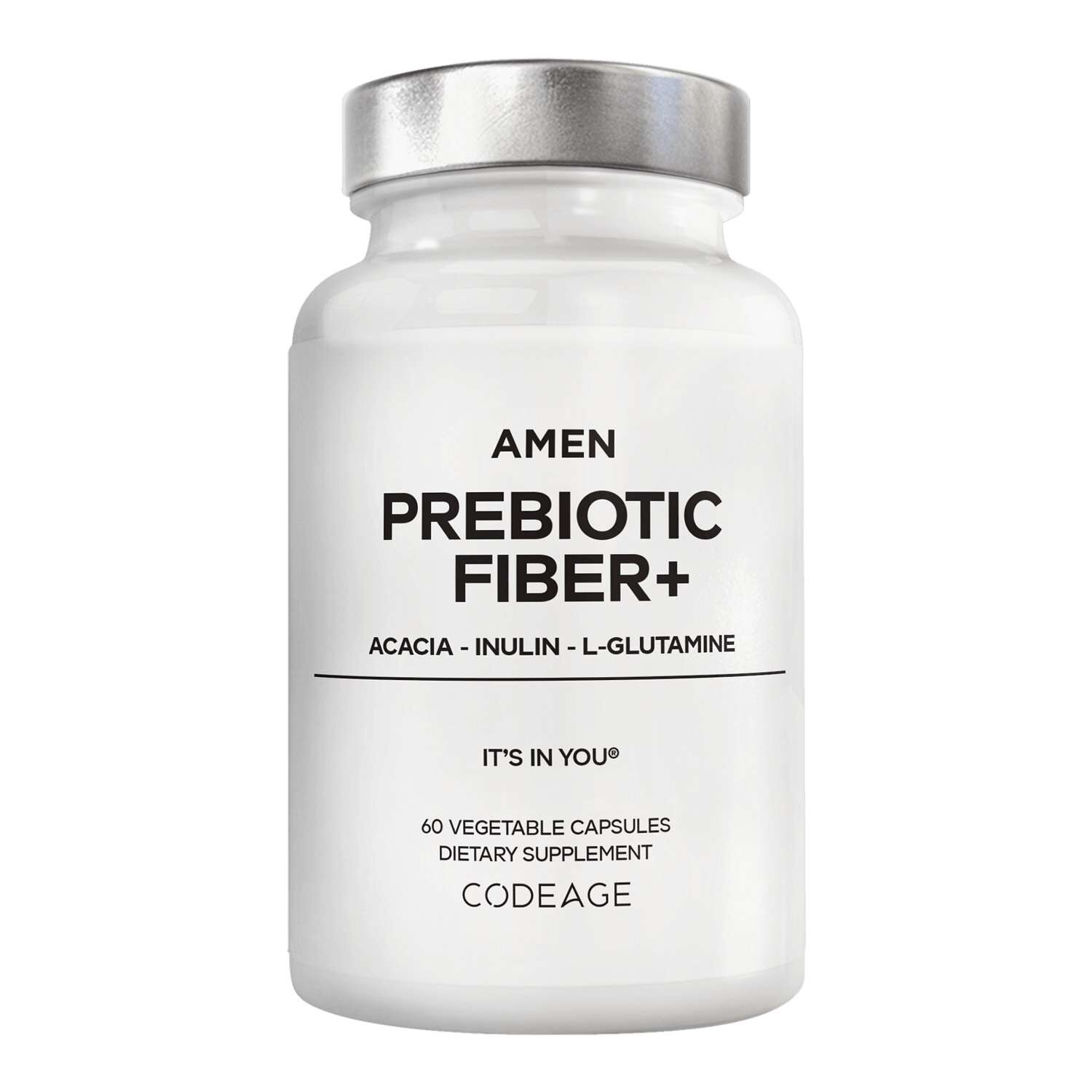
L-glutamine capsules are dietary supplements containing L-glutamine, an amino acid naturally present in the body and found in protein-containing foods such as meat, fish, eggs, dairy, beans, and lentils. Amino acids are the building blocks of proteins, and glutamine is among those the body can make. For athletes exploring this category, the capsule format offers a measured amount of an individual amino acid without a powder to scoop or stir. It is distinct from a protein supplement, which generally provides a broader combination of amino acids, and it is not a replacement for meals, hydration, sleep, or a varied diet. Interest in post-exercise nutrition often brings runners, cyclists, swimmers, strength athletes, and recreational competitors to L-glutamine capsules, but the format itself does not establish a recovery or performance outcome. The practical appeal is straightforward: capsules do not need to be blended into a shake, and there is no powder flavor to pair with a preferred beverage. That distinction may suit someone whose gym bag already holds a shaker for protein or whose daily schedule moves between a training facility, an office, and home. Capsules also keep the amino acid separate from other sports nutrition products, making the contents of each supplement easier to identify from its label. Personal preferences still matter. Someone comfortable swallowing capsules may appreciate the format, while someone who prefers mixing ingredients into a drink might find a powder more suitable. A long-distance runner and a recreational weightlifter may have very different training schedules, yet both can compare this category through the same practical lens: the labeled contents, the serving format, and how well the packaging fits into an established nutrition routine. The starting point is a clear understanding of what the capsule contains, rather than an assumption that an amino acid supplement is necessary for every athlete.
Comparing L-glutamine capsules involves more than looking at the largest number on the front of a bottle. The amount listed per capsule and the amount listed per serving are not always the same, since a labeled serving may contain more than one capsule. Capsule count is another separate detail: it describes the number in the container, not the number of servings. Reading these details together gives a clearer picture of the format without treating another athlete’s habits as a personal serving recommendation. Units matter as well, because amino acid amounts can be expressed in milligrams or grams. Alongside the Supplement Facts panel, the ingredient list identifies the capsule shell and any additional ingredients used in the formulation. Shells may be made with gelatin or plant-derived materials such as cellulose, so dietary preferences can influence which formulation feels suitable. A plant-derived shell does not, by itself, describe every ingredient in the bottle; any dietary designation deserves attention across the full label. Capsule dimensions can also matter to someone who takes other supplements or simply prefers a smaller capsule. A larger stated amount does not automatically mean a more convenient experience if the serving involves several capsules. Some formulations contain L-glutamine as the only listed dietary ingredient, while others combine it with additional ingredients. That distinction is useful for athletes who want to understand how a supplement relates to the rest of their sports nutrition choices. For competitors subject to sport-specific rules, independent sport-focused certification is another consideration. Certification programs differ in what they evaluate, so the organization’s published criteria and the athlete’s governing-body requirements remain relevant. Testing information is separate from evidence of a training result. Clear labeling, identifiable ingredients, and an understandable serving format provide a more grounded basis for comparison than dramatic language about athletic outcomes. These details are equally relevant to experienced competitors and people building a consistent relationship with exercise.
Everyday handling is part of choosing L-glutamine capsules for athletes, especially when supplements travel between home, work, and a training venue. A bottle that stays upright in a designated cabinet has different practical demands from one carried beside lifting straps, swim goggles, or cycling gear. A secure closure and readable label matter in either setting. Storage directions on the package should determine where the container belongs, with attention to moisture, direct sunlight, and other conditions identified by the manufacturer. A tightly closed bottle kept away from a damp locker-room bench is a more sensible arrangement than loose capsules scattered through a gym bag. Leaving a supplement in its labeled container also keeps the ingredient list, serving directions, lot information, and date markings together. For athletes traveling to a race or tournament, reviewing transport requirements before packing can prevent confusion about containers and labeling. At home, supplements belong out of children’s reach rather than beside snacks or shared drink supplies. These practical details are easy to overlook when attention is focused on training schedules, but they shape the day-to-day experience of using a capsule product. Timing deserves a similarly measured perspective: a label’s directions are more relevant than a teammate’s preferred ritual, and a post-workout setting should not be mistaken for evidence of a particular effect. A session ending with a meal, a filled water bottle, and time to rest provides broader context for sports nutrition than any single supplement. Athletes browsing related selections can also explore L Glutamine Capsules for Fall Fitness Routines. Across different training styles, the useful distinctions remain tangible: an amino acid rather than a protein blend, capsules rather than a drink mix, a clearly stated serving rather than an assumed amount, and packaging that suits ordinary handling. Those characteristics help define this category without making the same capsule format the right match for every athlete.
Best Sellers

Related Pages

Top Collections
- Chronic Fatigue Supplements
- Active Supplements
- Zinc Supplements For Men
- Supplements For Yoga Joint Flexibility
- Zinc Supplements | Top Brands at Great Prices | GNC
- Vitamins For Hair Loss
- Joint Mobility Supplement Packs
- Capsule Supplements For Energy And Stamina
- Supplements For Anxiety Relief Support
- Adult Vitamins