Magnesium Citrate Capsules For Muscle Cramps
(0 Results)
Magnesium citrate capsules for muscle cramps offer a convenient way to support your wellness routine. Whether you’re looking to complement an active lifestyle or seeking additional nutritional support, these capsules may fit seamlessly into your daily regimen. Explore a variety of options that could help you prioritize your health and keep you moving forward.
-
-
 _Front.jpg?sw=305&sh=305&sm=fit "Magnesium: Bioactive Magensium Citrate - 120 Capsules (120 Servings) | GNC")
-
 _Front.jpg?sw=305&sh=305&sm=fit "Magnesium: Bioactive Magensium Citrate - 60 Capsules (60 Servings) | GNC")
-

-

-

-

-

-

-

-

-
 $39.99
 -
 $29.99

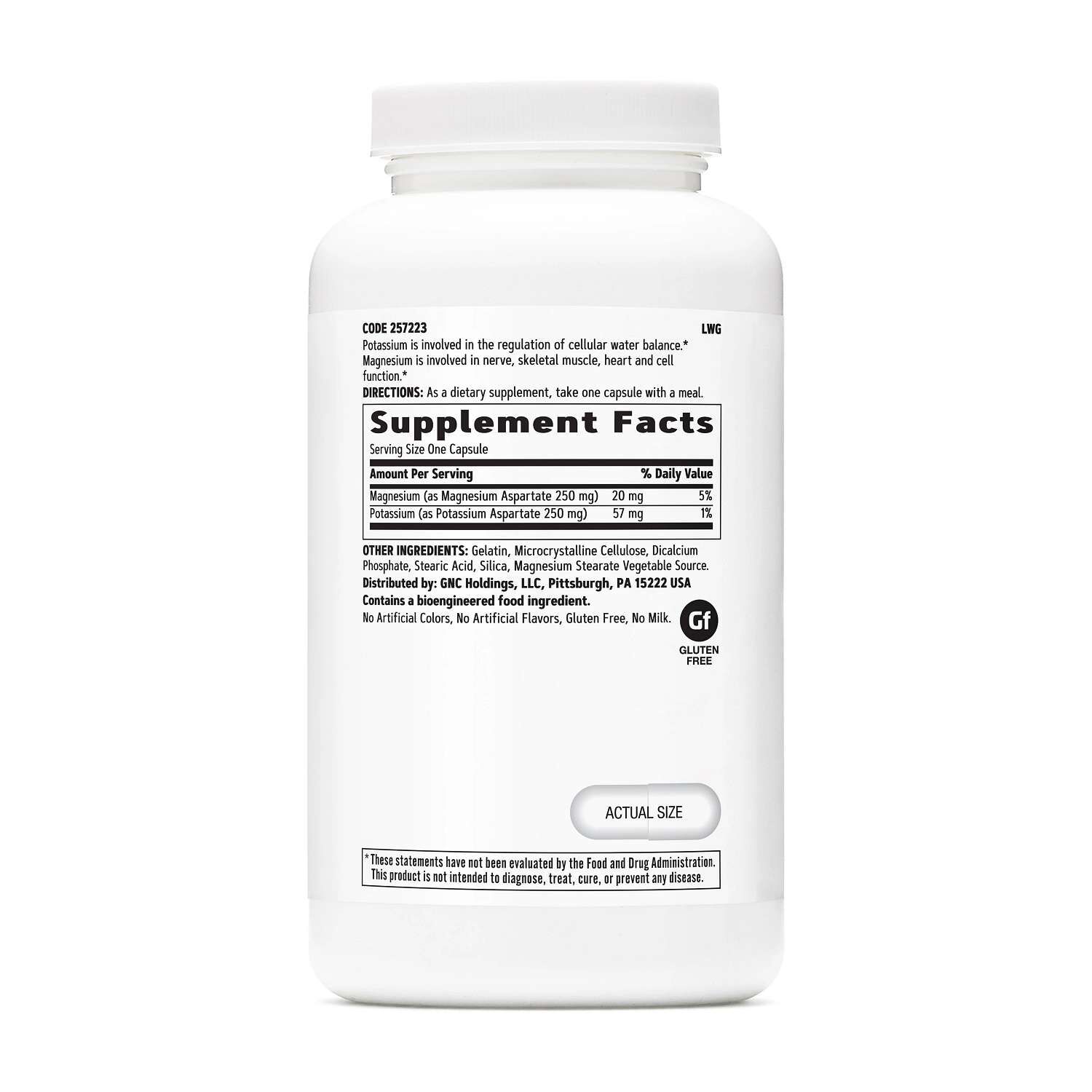
Magnesium citrate capsules bring a familiar mineral into a convenient format for adults comparing supplements with a muscle-focused nutrition routine in mind. Searches for magnesium citrate capsules for muscle cramps often begin with a practical preference: a capsule rather than a flavored drink, chewable tablet, or powder that requires mixing. The capsule format keeps preparation simple, while the citrate designation identifies the form of magnesium inside. Magnesium citrate is magnesium combined with citric acid; it is not the same ingredient as magnesium oxide, magnesium glycinate, or other forms listed on supplement labels. That distinction matters when comparing otherwise similar bottles, since the mineral form, serving size, and accompanying ingredients can differ. The amount of magnesium in the Supplement Facts panel is another important detail. The stated magnesium amount refers to the elemental magnesium supplied by the ingredient, rather than the weight of the entire magnesium citrate compound. A large ingredient-weight statement elsewhere on a package therefore does not necessarily mean a larger amount of magnesium per serving. Clear labeling makes these differences easier to understand without relying on the size of the bottle or the prominence of a number on the front. For someone organizing a nutrition routine around regular walks, strength training, recreational sports, or an active workday, these are useful product distinctions to compare. The page theme identifies a shopping interest, not an expected result from taking a capsule. Magnesium citrate capsules belong to the broader category of mineral supplements, and comparing them involves more than matching a phrase on a label. Serving information, capsule construction, dietary preferences, and package instructions provide a more grounded picture of how a supplement fits into an existing routine. Magnesium also occurs naturally in foods such as beans, nuts, seeds, and whole grains, giving the mineral a place in everyday nutrition beyond the supplement aisle.
Capsule construction deserves attention alongside the mineral itself, particularly for shoppers who prefer certain ingredient sources or have specific dietary preferences. Shells can be made from gelatin or plant-derived materials, and the source is usually identified in the ingredient information. A plant-derived shell is one detail to examine, but the rest of the formula matters when assessing whether a supplement matches a vegetarian or vegan preference. The other ingredients section can include materials used to form the capsule, maintain consistency, or help the contents move through manufacturing equipment. These ingredients are separate from the magnesium amount shown in the Supplement Facts panel. Some formulas contain magnesium citrate as the only listed mineral ingredient, while others combine magnesium with additional nutrients. A straightforward formula may appeal to someone who wants fewer ingredients to compare; a combination formula calls for a closer look at each nutrient and its stated amount. Serving size is just as relevant to the daily experience. A bottle containing many capsules does not necessarily contain the same number of servings, because a labeled serving can consist of more than one capsule. Two packages with similar capsule counts can therefore represent different numbers of labeled servings. Capsule dimensions also deserve consideration: photographs and bottle size do not reliably show how large an individual capsule will be. When dimensions or format details are provided, they offer a more useful reference for someone with a strong size preference. Packaging details can be equally practical. A clearly printed label, a legible ingredient panel, and straightforward directions are easier to revisit than information remembered from an initial purchase. For a shopper comparing several mineral supplements at a kitchen counter, the most informative details are often the small ones: which magnesium form appears in parentheses, how many capsules make up a serving, and whether additional nutrients are included. These concrete differences help distinguish similar-looking options without assuming that a longer ingredient list or a larger front-label number makes one format a better match for everyone.
Intended use and everyday handling round out a thoughtful comparison of magnesium citrate capsules. A capsule may suit someone who does not want another drink to prepare, while a person who prefers measuring a powder may find that a different format better matches their habits. Neither preference changes the importance of the package directions or the details of the formula. For someone who already keeps several supplements together, readable labels and distinct original containers make it easier to identify what each bottle contains. Keeping the packaging also preserves access to the ingredient list, serving information, lot identification, and storage directions. Care for a supplement centers on protecting the contents and maintaining that information, rather than the wear-and-tear considerations associated with exercise equipment or clothing. A securely closed container, an intact label, and attention to the printed storage instructions are practical parts of handling capsules. Expiration information is another useful comparison point, particularly when choosing a bottle size that suits the intended routine. Larger packaging is not automatically a more convenient choice if a smaller container is easier to organize and manage. Shoppers may also encounter magnesium citrate across categories organized around different interests. The related collection, Magnesium Citrate Capsules for Constipation, provides another way to browse this mineral form; a shared ingredient name does not make every formula or set of directions interchangeable. Within any collection, the individual label remains the reference for composition and intended use. For adults browsing magnesium citrate capsules with muscle cramps in mind, the most useful comparison is therefore specific and product-centered: magnesium form, elemental amount per serving, capsule count per serving, shell material, additional ingredients, and package instructions. Together, those details describe what is actually in the container and how it is presented. They also keep the shopping process focused on verifiable characteristics rather than assumptions about results. A well-matched format is ultimately one whose ingredients, labeling, and handling requirements align with the shopper’s preferences and established nutrition routine.
Best Sellers
-
 Rho Nutrition
 -
 Qualia Life Sciences