

Magnesium Gummies For Bone Development
(0 Results)
Magnesium gummies for bone development offer a convenient and enjoyable way to incorporate magnesium into your daily routine. These gummies may support overall wellness and are designed for those seeking an easy alternative to traditional supplements. With a variety of delicious flavors and formulations available, magnesium gummies for bone development could be a great addition to your nutritional plan. Explore options that fit your lifestyle and preferences, and discover how these gummies might complement your wellness journey.
-

-
 $20.99
 -
 $18.99
 -
 $20.99


Magnesium gummies for bone development bring a familiar chewable format to a mineral-focused supplement routine. Magnesium is a mineral found naturally in foods such as nuts, seeds, beans, and leafy greens, and roughly 60% of the magnesium in the human body is stored in the skeleton. That connection makes magnesium a relevant consideration when shopping with bone nutrition in mind, although a gummy’s format alone says little about its ingredients or intended use. Bone development involves several nutrients, including magnesium, calcium, and vitamin D, rather than any single ingredient working on its own. Magnesium gummies may complement everyday nutritional intake, but they are not a substitute for varied meals, and the category name does not establish what any individual formula will do. The most useful distinctions are on the package: the intended age group, the amount of magnesium per serving, the number of gummies in that serving, and any additional vitamins or minerals. An adult shopping for a chewable alternative to capsules may have different preferences from a parent comparing products labeled for children. A fruit flavor or a soft texture does not make an adult formula appropriate for a younger user; the labeled audience remains an important part of the product’s identity. Likewise, a formula containing magnesium alone differs from one combining several nutrients, even when both use similar colors, shapes, or packaging. The phrase “bone development” can suggest a focus on growing bodies, but magnesium gummy products are not all designed for the same age or life stage. Looking beyond the front label may make the differences easier to understand. For shoppers who prefer a chewable format, the appeal may be practical: a portioned serving, a flavor they enjoy, and a container that fits into an established routine. Those everyday details matter alongside the nutrient information, especially when comparing products that initially look much alike.
Ingredient composition is one of the clearest ways to distinguish magnesium gummies. The Supplement Facts panel identifies the magnesium amount per serving, while the ingredient list provides more detail about the formula and its gummy base. Some labels name magnesium citrate; others identify a different magnesium compound. The compound name and the magnesium amount are separate pieces of information, so neither replaces a closer look at the serving size. A bottle listing 200 milligrams per serving, for example, does not necessarily contain 200 milligrams in each gummy. If that serving consists of two gummies, the listed amount refers to the pair. This distinction makes side-by-side comparisons more meaningful than comparing the largest numbers on the front of two packages. The number of servings per container is another useful detail, particularly when containers hold different quantities or their serving sizes differ. Beyond the mineral itself, gummy formulas vary in their sweeteners, flavorings, colors, and texture-building ingredients. Pectin and gelatin are common gummy bases, and their sources may matter to shoppers with particular eating preferences. Pectin is plant-derived, while gelatin is animal-derived; the rest of the ingredient list still matters when evaluating the formula as a whole. Some gummies have a smooth surface, while others have a sugar coating, and textures can range from tender to firm. Fruit-inspired flavors may make the format more appealing to someone who dislikes capsules, although taste remains personal. Added sugars and sugar substitutes are worth comparing rather than assuming that similar-looking gummies have similar recipes. Allergen statements and clearly stated dietary attributes also provide more useful information than appearance alone. For someone organizing a household supplement shelf, these distinctions can help separate an adult’s preferences from those of another family member without treating every bottle as interchangeable. A straightforward formula may suit a shopper who wants to focus on one nutrient, while a combination formula may appeal to someone comparing several ingredients in a single chewable serving.
Magnesium and calcium often appear together in conversations about bone nutrition, but they are different minerals, and their names should not be treated as substitutes when comparing labels. Shoppers exploring another chewable mineral category can also browse Calcium Gummies for Bone Strength to compare its nutrient focus, serving formats, and ingredient combinations. That comparison is about understanding product differences, not assuming that every formula belongs in the same routine. A magnesium gummy may contain calcium or vitamin D, or it may contain neither; the Supplement Facts panel provides the clearest account of what is included. Similar attention to packaging and storage may help shoppers decide whether a gummy format fits their day-to-day habits. A resealable bottle has different handling needs from an individually wrapped serving, and a large container takes up more room than a compact one. Gummies can be sensitive to heat and moisture, with texture and appearance changing under unsuitable conditions. Storage directions on the package are therefore relevant to product care, along with keeping the original label readable and the closure secure. A sunny windowsill, a damp bathroom shelf, or a bag left in a hot vehicle may expose the contents to conditions outside the labeled storage recommendations. A designated household storage spot, away from children’s reach, keeps these products distinct from ordinary snacks despite their candy-like appearance. During the cooler months, when schedules may shift between school activities, workdays, and weekend travel, portability and container design can become especially noticeable. Even so, convenient packaging does not change the labeled serving or intended audience. Magnesium gummies are a personal purchase rather than a casual food gift, since age labeling, ingredient preferences, and existing routines vary from person to person. The most relevant choice is not simply the brightest flavor or the largest bottle. It is a format with clearly presented nutrient information, an appropriate labeled use, ingredients that match the shopper’s preferences, and storage requirements that fit the home where it will be kept.
Best Sellers
-
 Rho Nutrition
 -
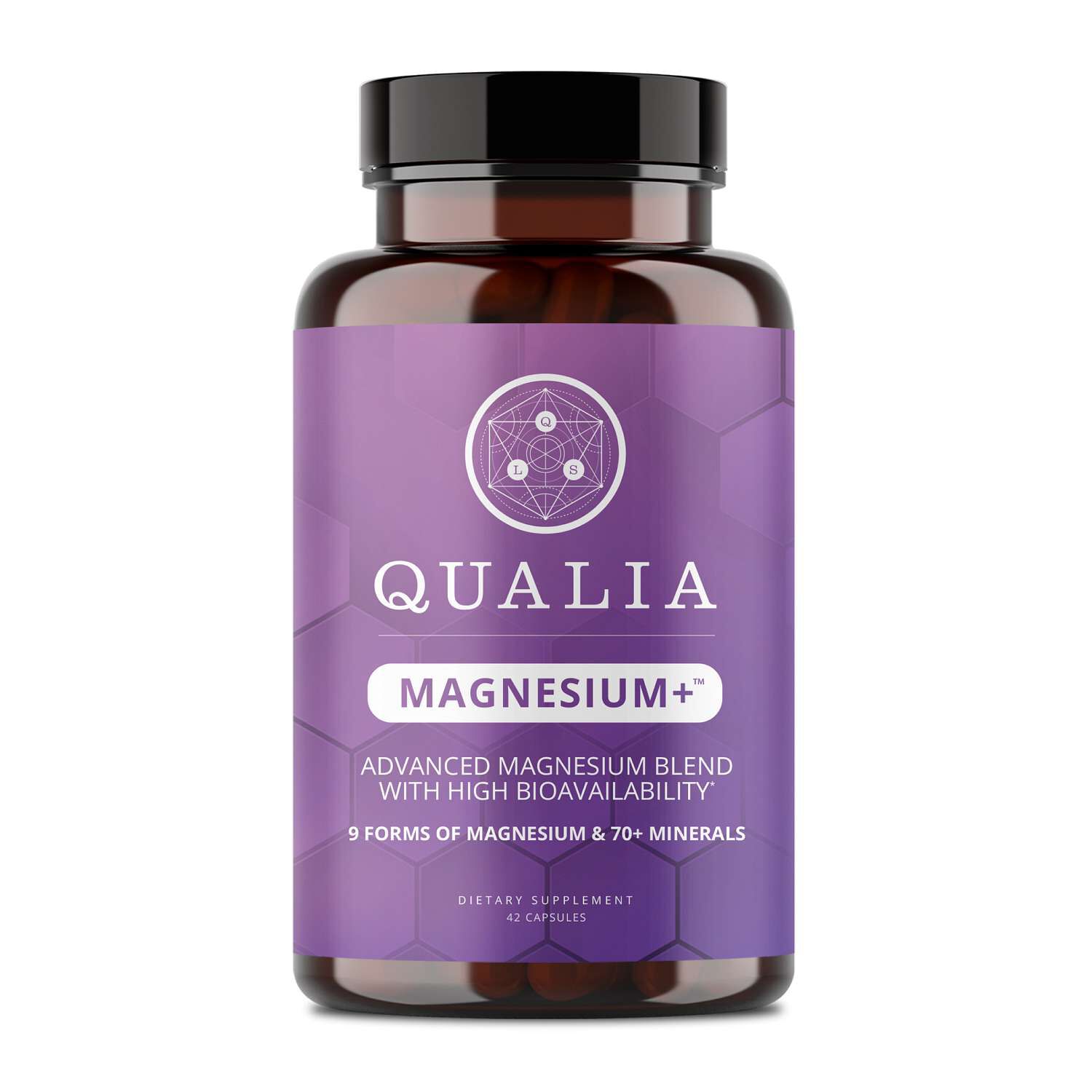 Qualia Life Sciences