





Memory Improvement
(0 Results)
Memory improvement is a goal for many looking to stay sharp and focused throughout their day. Whether you’re studying, working, or simply aiming to support your cognitive wellness, exploring options that may help with mental clarity could be a step in the right direction. Discover a range of supplements and vitamins that are designed for those interested in supporting memory improvement as part of their daily routine.
-
-
-
-

-
-
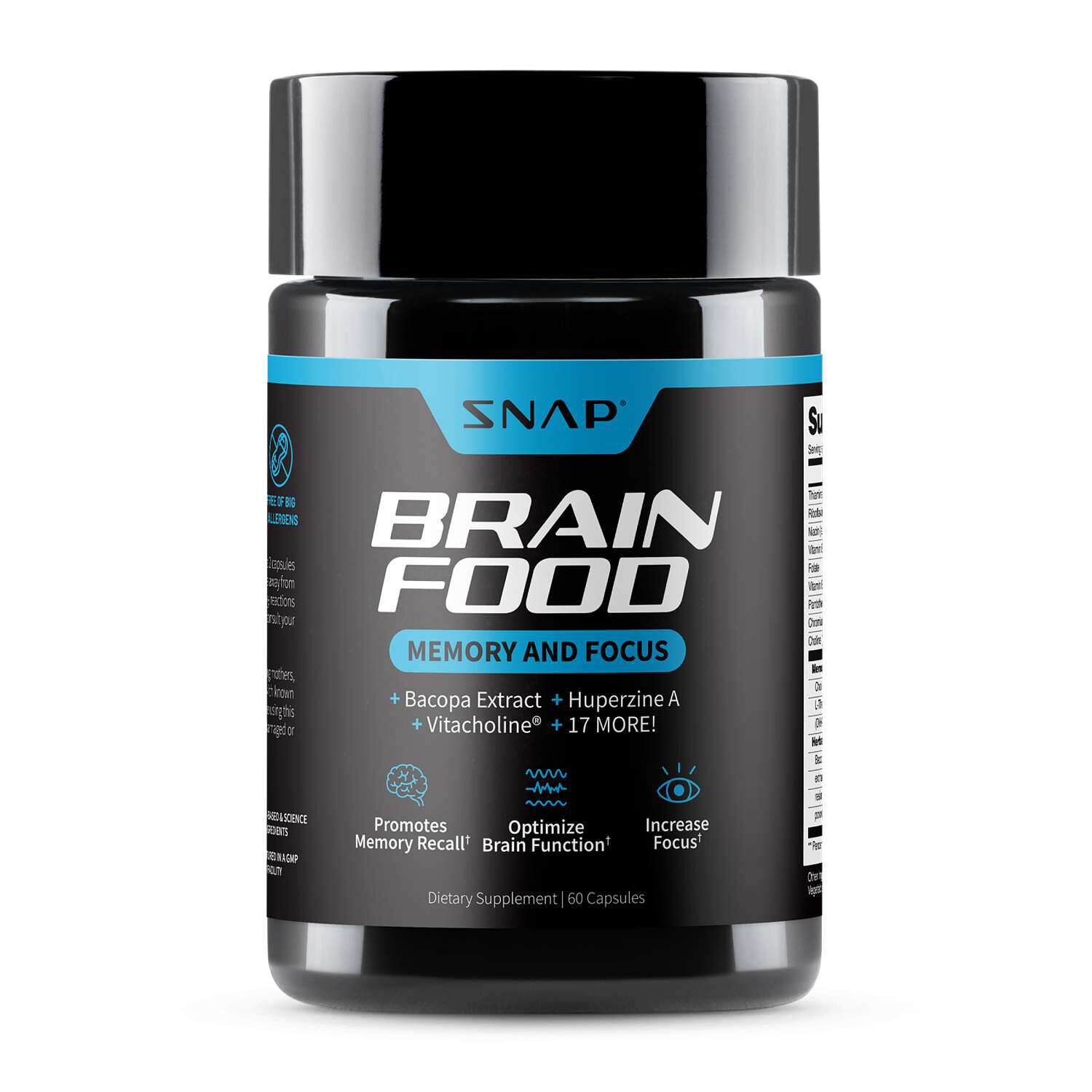
-
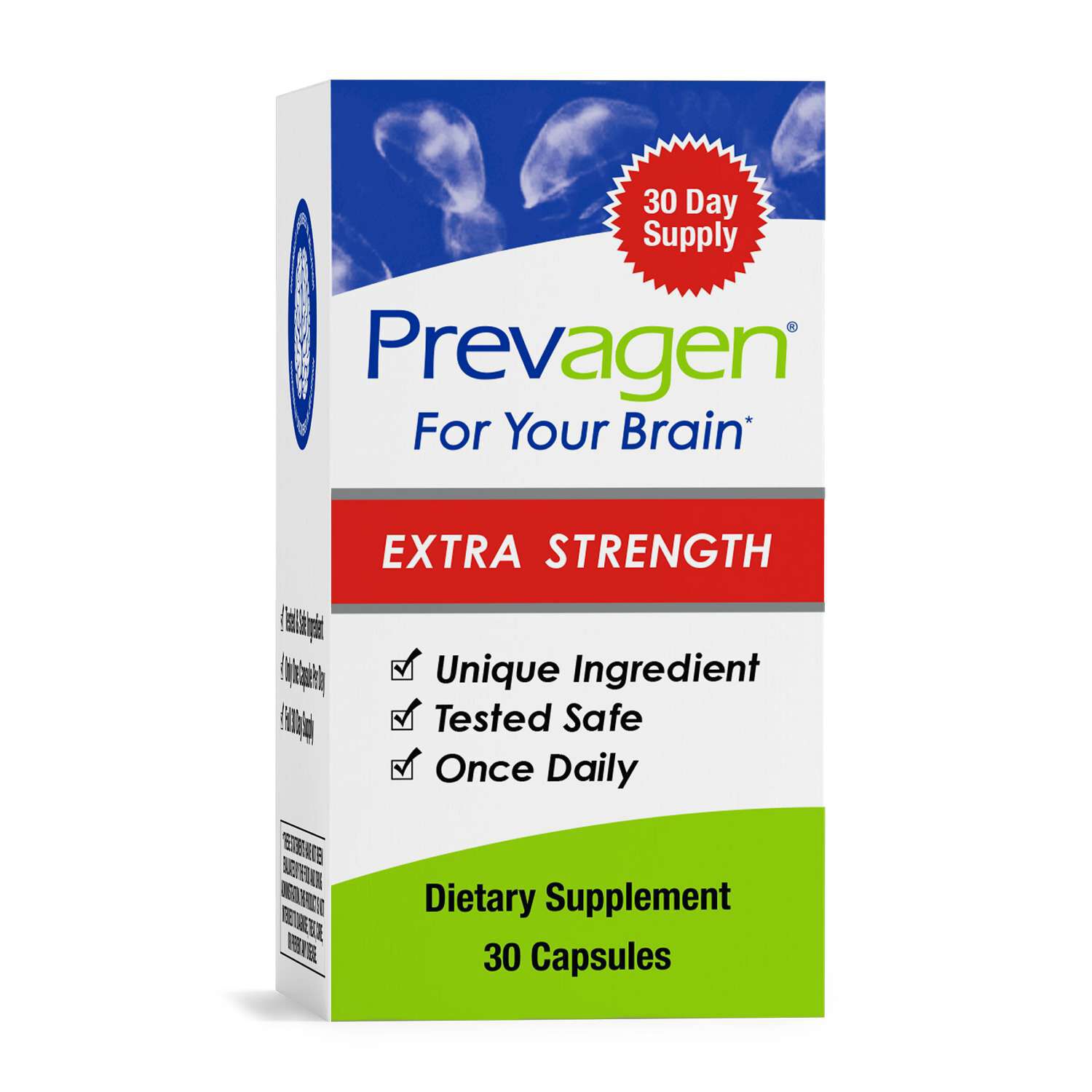
-
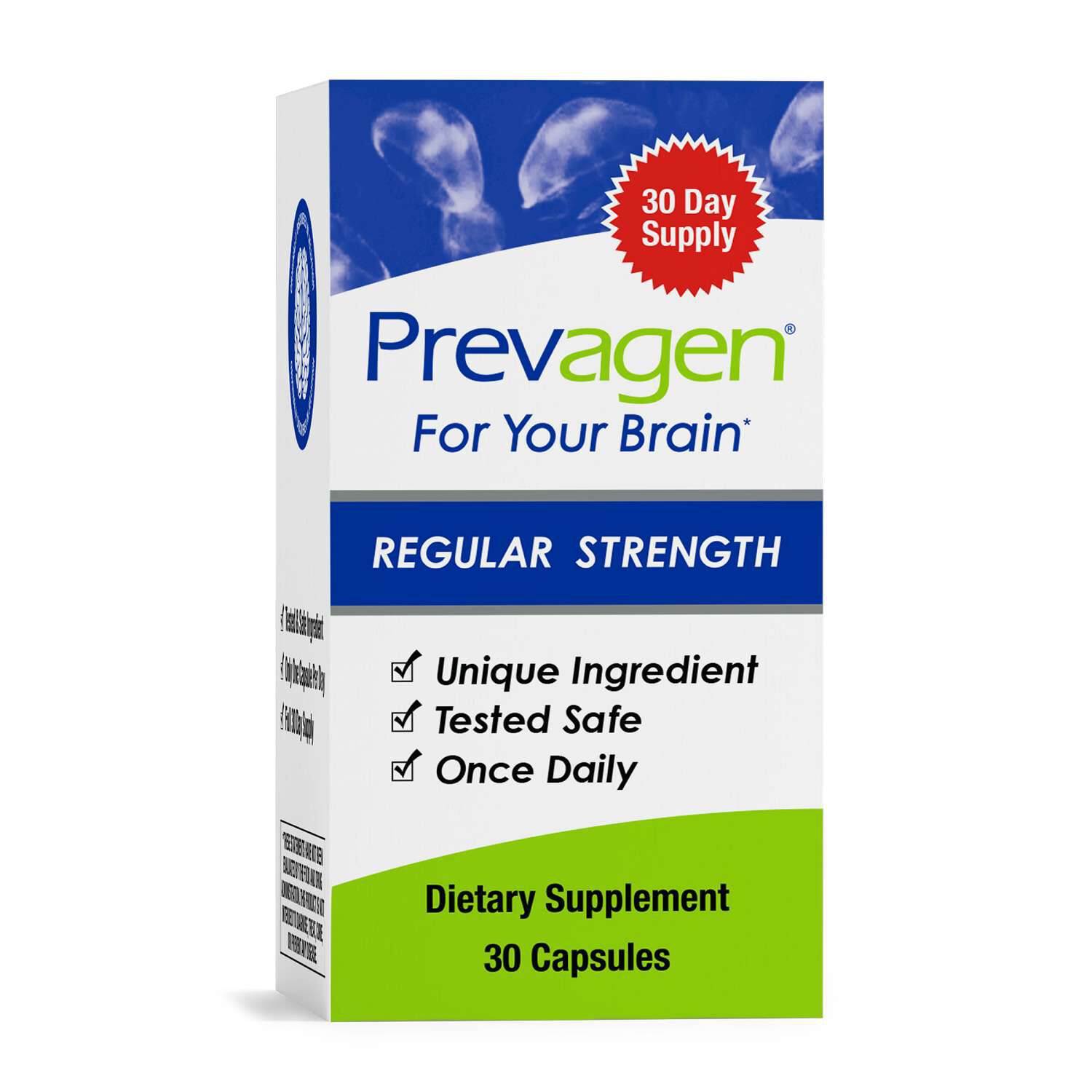
-

-
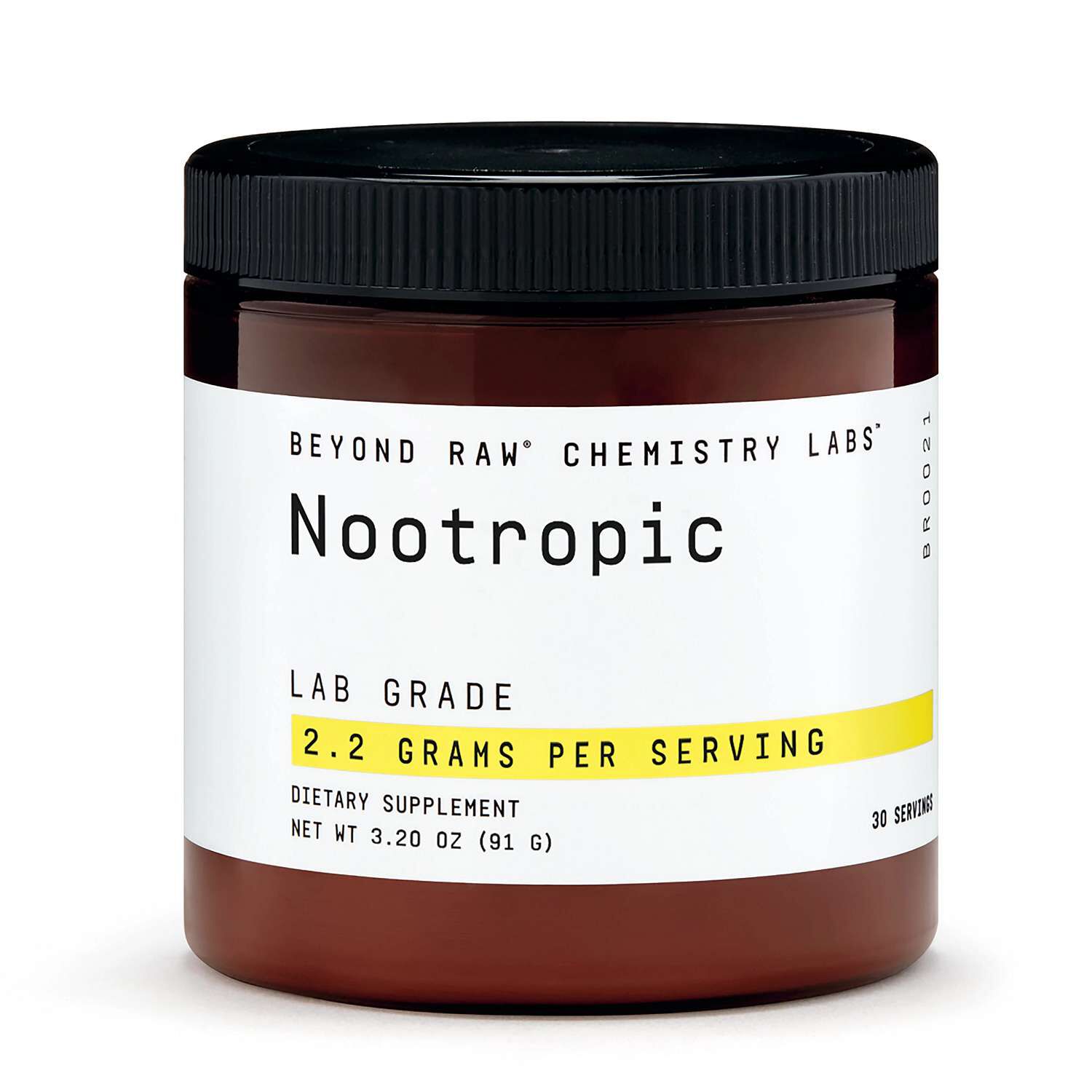
-
-
-
-
-

-

-

-

-

-
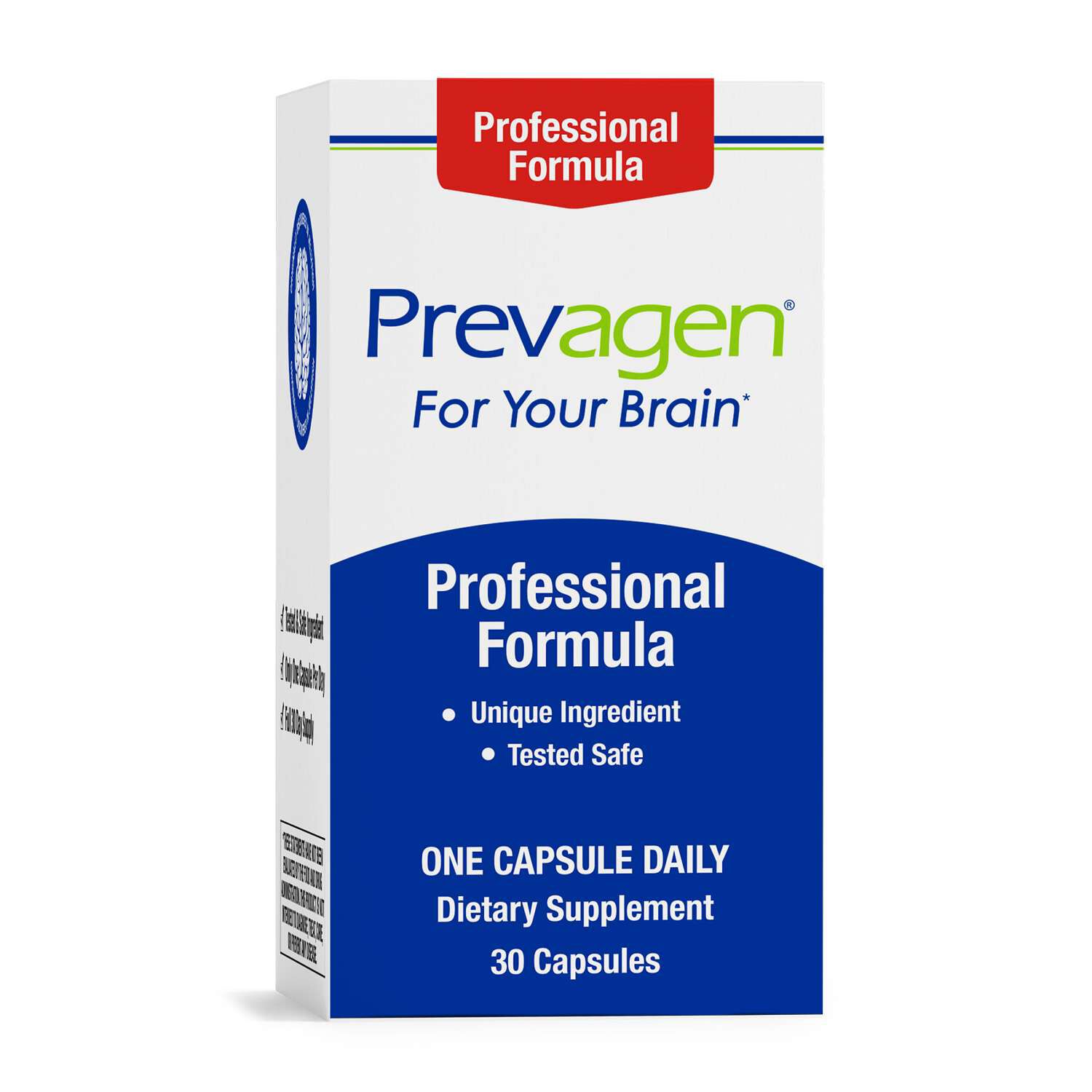
-

-

-

-
 $34.99
Memory improvement is often associated with everyday moments: remembering a new colleague’s name, recalling details from a book, or keeping track of a conversation without reaching for a notebook. Memory supplements are dietary supplements intended for adults interested in supporting memory and cognitive wellness as part of an established daily routine. Depending on their ingredients and formulation, they may support aspects of normal cognitive function, but a product’s name alone does not explain what it contains or how it is intended to be used. Memory, attention, and concentration are related, yet they are not interchangeable. Following a presentation involves attention, while recalling its main points later involves memory; a formula positioned around focus is not necessarily designed with the same purpose as one positioned around recall. That distinction gives shoppers a useful starting point when comparing labels. Products in this category may contain vitamins, minerals, botanical ingredients, or other compounds, either individually or in blends. The ingredient list, amounts per serving, and stated purpose provide more meaningful context than broad language on the front of a bottle. For someone balancing work meetings and evening coursework, a clearly labeled formula with a straightforward serving format may be a practical consideration. An adult who enjoys language lessons, book discussions, or learning a musical instrument might approach the category with a different routine in mind. Neither scenario makes a supplement a substitute for the activities and habits that surround learning. Sleep, varied meals, physical activity, and opportunities to stay mentally engaged remain relevant background when thinking about everyday memory. Supplements belong within that broader context rather than standing apart from it. Comparing memory support products is therefore about understanding both the formulation and its intended place in daily life, without assuming that every product serves the same purpose or that every person will notice the same experience. A useful comparison begins with specific label information and realistic expectations, not the assumption that a longer ingredient list means a better match.
Formulation and format are two separate parts of that comparison. A capsule, tablet, softgel, gummy, or powder can differ in serving size, ingredients, texture, and preparation, even when the packaging describes a similar purpose. Someone who prefers a compact bottle beside a breakfast setting may value a different format than someone who already mixes a daily beverage. Capsules also vary in their outer materials: some use gelatin, while others use plant-derived alternatives. Softgels commonly use a gelatin shell, and tablets may include coatings or binding ingredients. These details matter to shoppers with dietary preferences, so the other ingredients section deserves attention alongside the Supplement Facts panel. Gummies and flavored powders may contain sweeteners, colors, or flavoring ingredients that are not present in an unflavored capsule. Powders also call for measuring and mixing according to their directions, while capsules and tablets generally have a defined count per serving. A serving is not always a single capsule or tablet, making the distinction between container count and servings per container important. For a closer look at that format, Memory Efficiency Capsules offers a capsule-focused category to explore with these label details in mind. Across formats, ingredient names alone tell only part of the story. Botanical labels may identify a plant part, an extract amount, or a particular preparation; blends may group several ingredients under one stated amount. Those presentations are not equivalent, and clear labeling makes the differences easier to understand. Some cognitive wellness formulas also include caffeine, which is worth recognizing when comparing them with products that do not list it. A shopper who already uses a multivitamin or another supplement has another practical reason to read closely: ingredients can appear in more than one part of an existing routine. Such overlap is a label consideration rather than evidence that more is better. The most useful product details are the ones that make the contents, serving instructions, and intended audience understandable without guesswork.
The everyday fit of a memory supplement also includes its packaging, storage requirements, and the amount of preparation involved. A bottle with a securely closing lid, legible directions, and an easy-to-find expiration date presents different practical considerations from a pouch of powder that needs careful resealing. Supplement care is less about durability in the usual sense and more about keeping the contents under the conditions specified on the label. Moisture, light exposure, and storage location can matter, so a bathroom shelf or a bag left in a vehicle should not automatically be treated as suitable storage. Original packaging keeps ingredient information, directions, and product identification together, which is useful when revisiting a formula after purchase. Any storage statement or handling instruction on the container remains relevant even when a different location would be more convenient. Routine matters, too, but convenience should not be confused with an effect on memory. A format that involves fewer preparation steps may simply be easier to accommodate alongside breakfast or another established activity, provided that arrangement fits the labeled directions. Expectations deserve the same care as storage and serving details. Memory supplements may support cognitive wellness, but they should not be presented as a shortcut to mastering course material, remembering every appointment, or retaining every name from a crowded gathering. A notebook open during a meeting, a calendar used consistently, or time spent revisiting unfamiliar vocabulary illustrates the ordinary context in which shoppers may be considering these products. Those activities are distinct from taking a supplement, and a change in routine does not establish what a particular formula has done. Personal preferences also make this category a considered purchase rather than a casual surprise gift; another adult’s preferred ingredients, format, and existing routine may not be obvious. For everyday shopping, a thoughtful comparison centers on a clearly described purpose, transparent ingredient information, suitable capsule or serving materials, and manageable care requirements. These concrete details provide a grounded way to explore memory improvement supplements while keeping the focus on the products themselves and their place within a broader approach to cognitive wellness.