





Multivitamin Gummies For Healthy Growth
(0 Results)
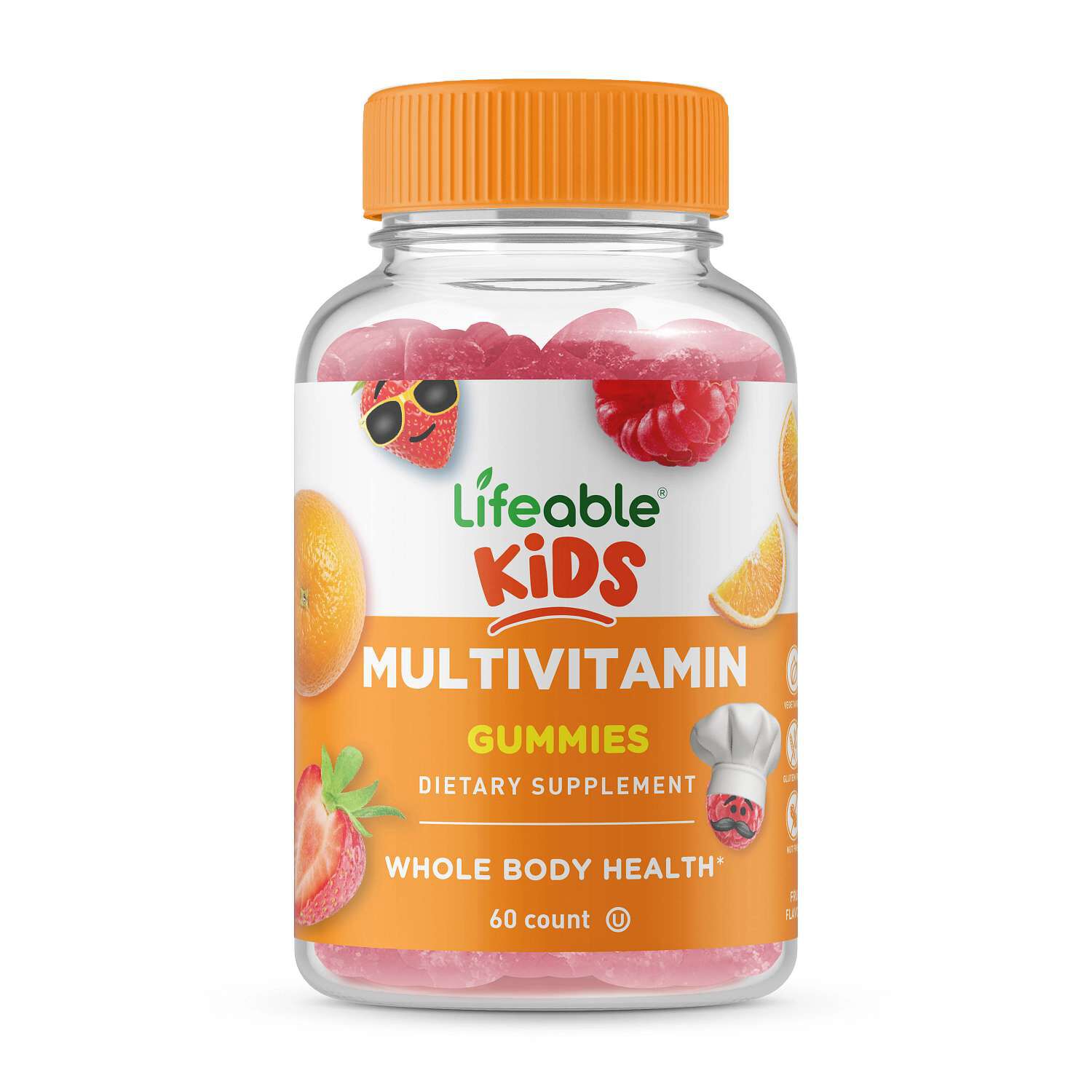
Multivitamin gummies for healthy growth offer a delicious and convenient way to help support your daily wellness routine. Packed with a variety of essential nutrients, these gummies are designed for those seeking an easy option to fill potential gaps in their diet. Whether you're looking to add more vitamins and minerals to your day or searching for a tasty alternative to traditional supplements, multivitamin gummies for healthy growth could be a great choice to consider as part of your balanced lifestyle.
-

-

-
-
-
-
-
-
-
-
-
-
 $29.99
 -
 $18.99
 -
 $14.99
 -
 $15.99
 -
 $20.99



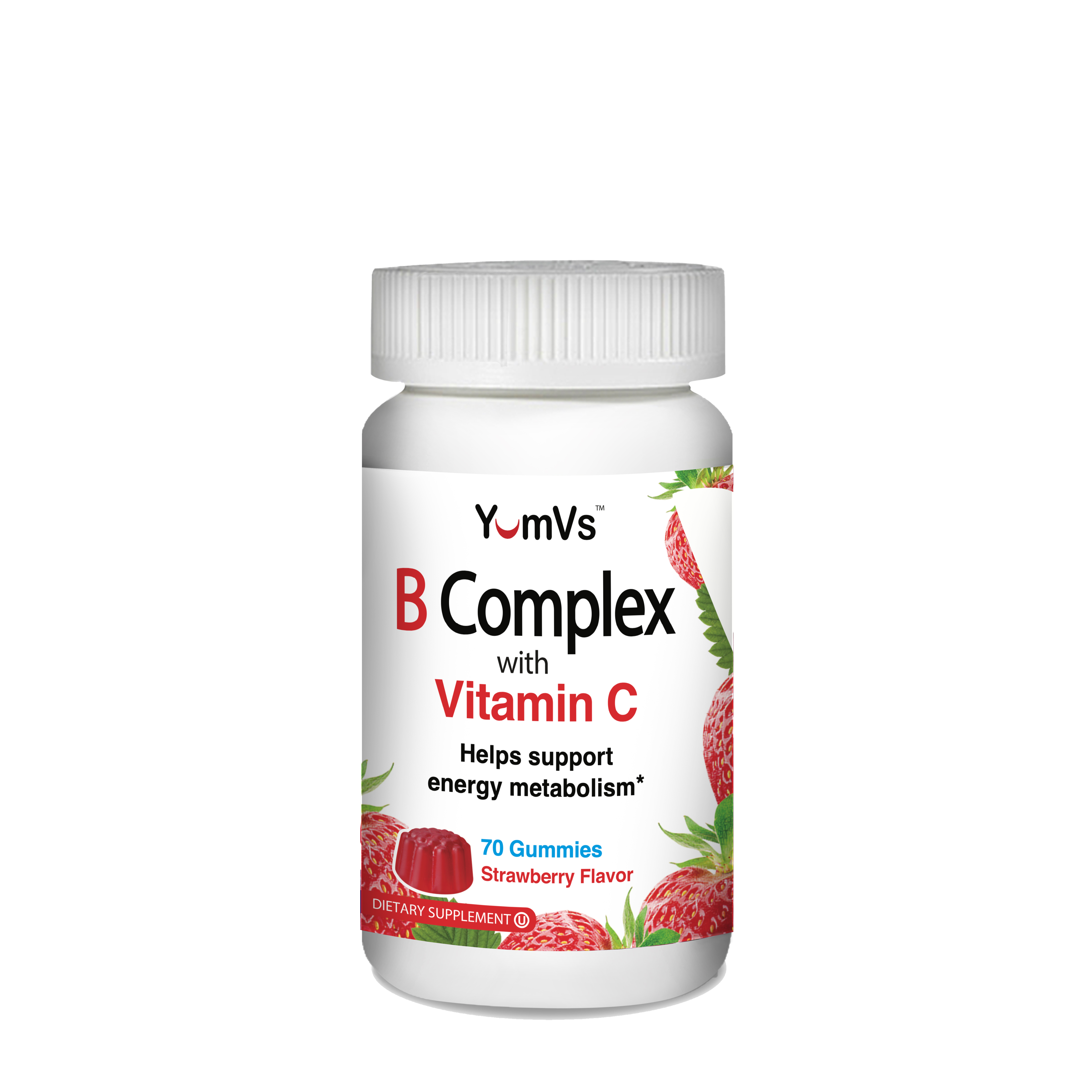

Multivitamin gummies for healthy growth bring together age-focused vitamin and mineral formulas in a chewable format, with flavors and textures that may fit into a child’s everyday routine. For families comparing children’s supplements, the most useful distinctions are often on the label: the intended age range, the nutrients included, the amount per serving, and the number of gummies in that serving. These products are intended to complement food, not replace meals or stand in for a varied eating pattern. A gummy multivitamin may contribute to daily nutrient intake, but its format alone does not establish whether it suits a particular child. Two bottles with similar fruit imagery can contain different nutrient combinations and have different age directions. Children’s formulas may include vitamins A, C, D, and E, several B vitamins, and minerals such as zinc or iodine, although the exact combination varies. Calcium and iron are not present in every formula, so their inclusion should never be assumed from the word “multivitamin.” The Supplement Facts panel provides a clearer picture than flavor names or colorful packaging. It also distinguishes the amount of each nutrient from the percentage of the Daily Value, which should be read in the context of the label’s intended age group. A larger number is not, by itself, a reason to choose one formula over another. For a family browsing gummies with normal growth and everyday nutrition in mind, an age-appropriate serving and a clearly described formula offer more meaningful points of comparison than a long ingredient list. The word “growth” describes the shopping focus, not an expected change in height, size, or the pace of development. A thoughtful selection centers on the product’s stated purpose, its directions, and how its ingredients align with the household’s preferences. Familiar flavors may make the format more appealing, while straightforward labeling makes differences between formulas easier to understand.
The gummy base deserves attention alongside the vitamins and minerals. Gelatin and pectin are common ingredients used to create the chewable texture, but they come from different sources and can matter to families with particular dietary preferences. Gelatin is animal-derived, while pectin comes from plants. A pectin-based gummy is not automatically a vegan formula, however, because the sources of other ingredients also matter. A vegan designation on the label offers a more direct point of comparison than the gummy base alone. Sweeteners, fruit concentrates, colors, flavorings, and surface coatings can also differ substantially. Some gummies have a soft, springy bite; others are firmer, with a smooth or lightly dusted exterior. Those details shape the eating experience, but softness and shape do not determine age suitability. The stated age range remains important even when a gummy looks familiar or resembles a favorite fruit snack. Ingredient lists and allergen statements are useful for households that routinely check packaged foods for milk, egg, soy, wheat, or other ingredients they avoid. Added sugar is another practical comparison, especially because serving sizes vary. Comparing the sugar in one gummy with the sugar in another product’s two-gummy serving can give an uneven picture; the labeled serving is the more consistent reference. The same applies to nutrient amounts and servings per container. A bottle’s gummy count does not necessarily equal the number of days of use, since directions may call for more than one gummy and may differ by age. For families shopping specifically for younger children, Multivitamin Gummies for Preschoolers offers a related category to browse while keeping each formula’s age directions in view. A household with a preschooler and an older sibling may be comparing different serving instructions, even when both children prefer the same flavor. These ordinary details—age labeling, gummy texture, ingredient sourcing, and serving size—give the category its practical variety. They also explain why two visually similar options may suit different household preferences.
Everyday use adds another layer to comparing multivitamin gummies. A parent managing breakfast, a backpack, and the trip to school may value a label that is easy to read at a glance, with serving directions clearly separated from other package information. In a household where more than one adult handles the routine, keeping those directions accessible may make communication simpler. These are supplements rather than candy, despite their fruit flavors and playful shapes, and the labeled serving instructions apply regardless of how appealing they taste. Storage out of children’s reach, an intact package seal before first use, and a securely closed container are important handling considerations. The original bottle keeps the ingredient list, directions, expiration date, and storage information together; transferring gummies into a snack jar removes that context. Package care also matters to the gummy format. Moisture exposure and a loosely closed lid can affect texture, while the manufacturer’s storage directions explain how the product is intended to be kept. A container that closes securely and has legible information can be more practical than decorative packaging, particularly when it will be opened repeatedly. For travel between households, the original labeled container preserves the serving and age information that loose gummies in a bag would lack. Families comparing several supplements can also review their labels side by side to see whether the same vitamins or minerals appear in more than one formula, rather than treating differently flavored products as interchangeable. Beyond these practical details, the right shopping focus remains modest: a gummy multivitamin may complement a child’s nutrient intake as part of an everyday routine, without taking the place of food or establishing an outcome for growth. Age-specific directions, transparent ingredient information, a suitable gummy format, and manageable packaging provide a grounded way to compare children’s multivitamin gummies. Together, those details keep the choice centered on intended use and the realities of family life rather than the appearance of the bottle.
_Front.jpg?sw=305&sh=305&sm=fit "Junior Multi - 180 Tablets - 180 Tablets (180 Servings) | GNC")