





Multivitamin Supplements For Women's Winter Health
(0 Results)
Multivitamin supplements for women's winter health may offer support for overall well-being during the colder months. As daily routines shift and daylight hours change, many women look for convenient ways to help fill potential nutrient gaps in their diet. Multivitamins designed for winter wellness might provide a blend of essential vitamins and minerals that can complement a balanced lifestyle. Explore options that could help you feel your best all season long.
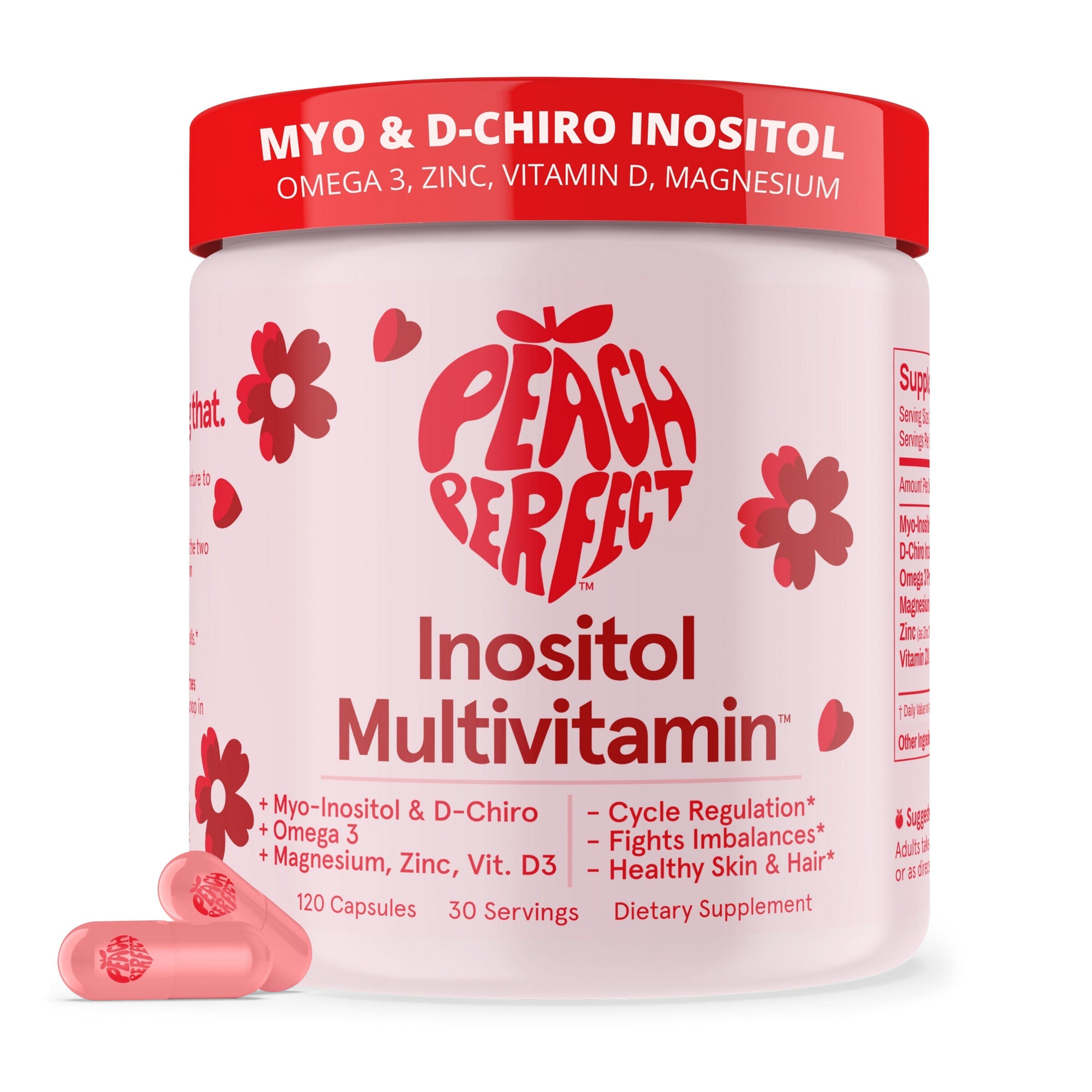
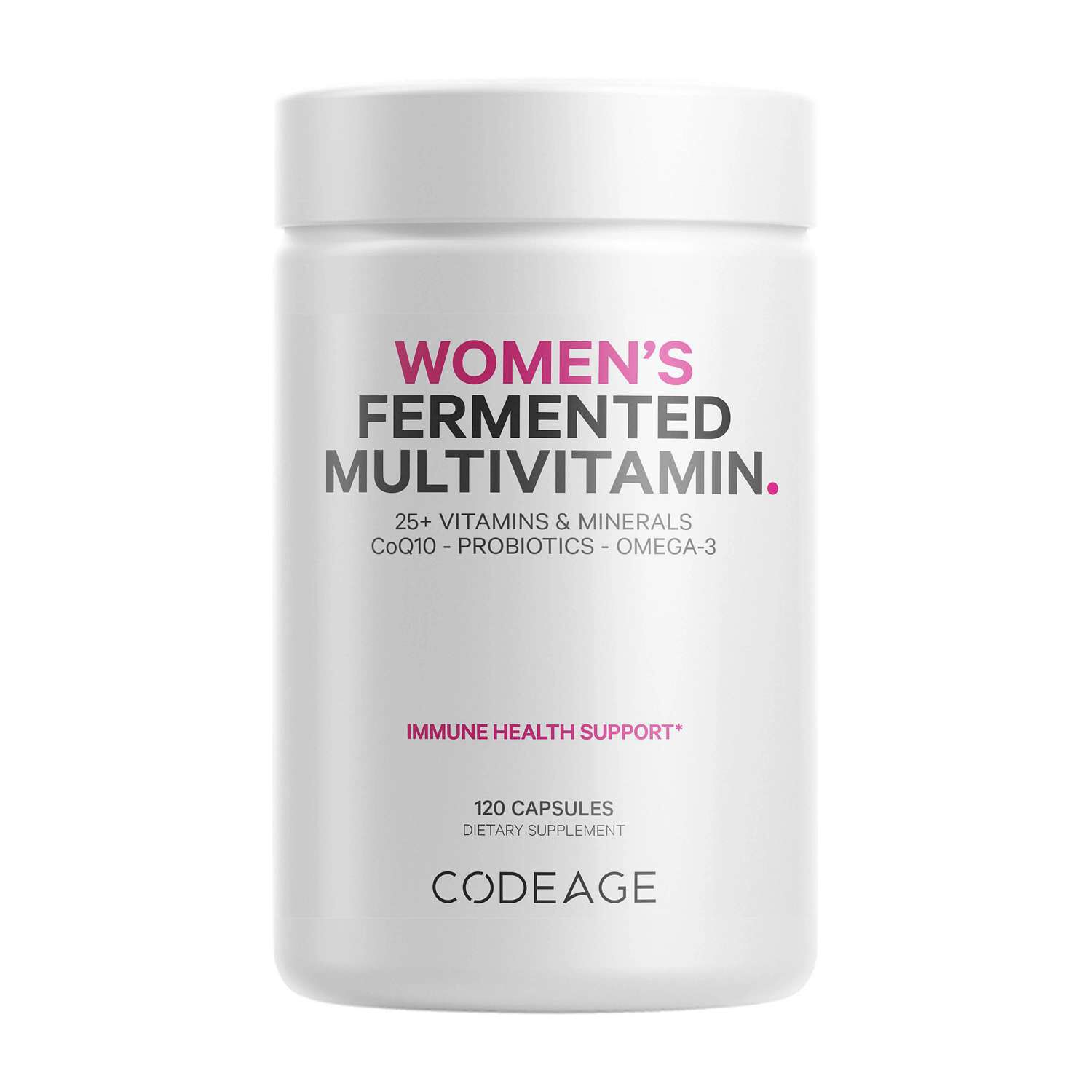
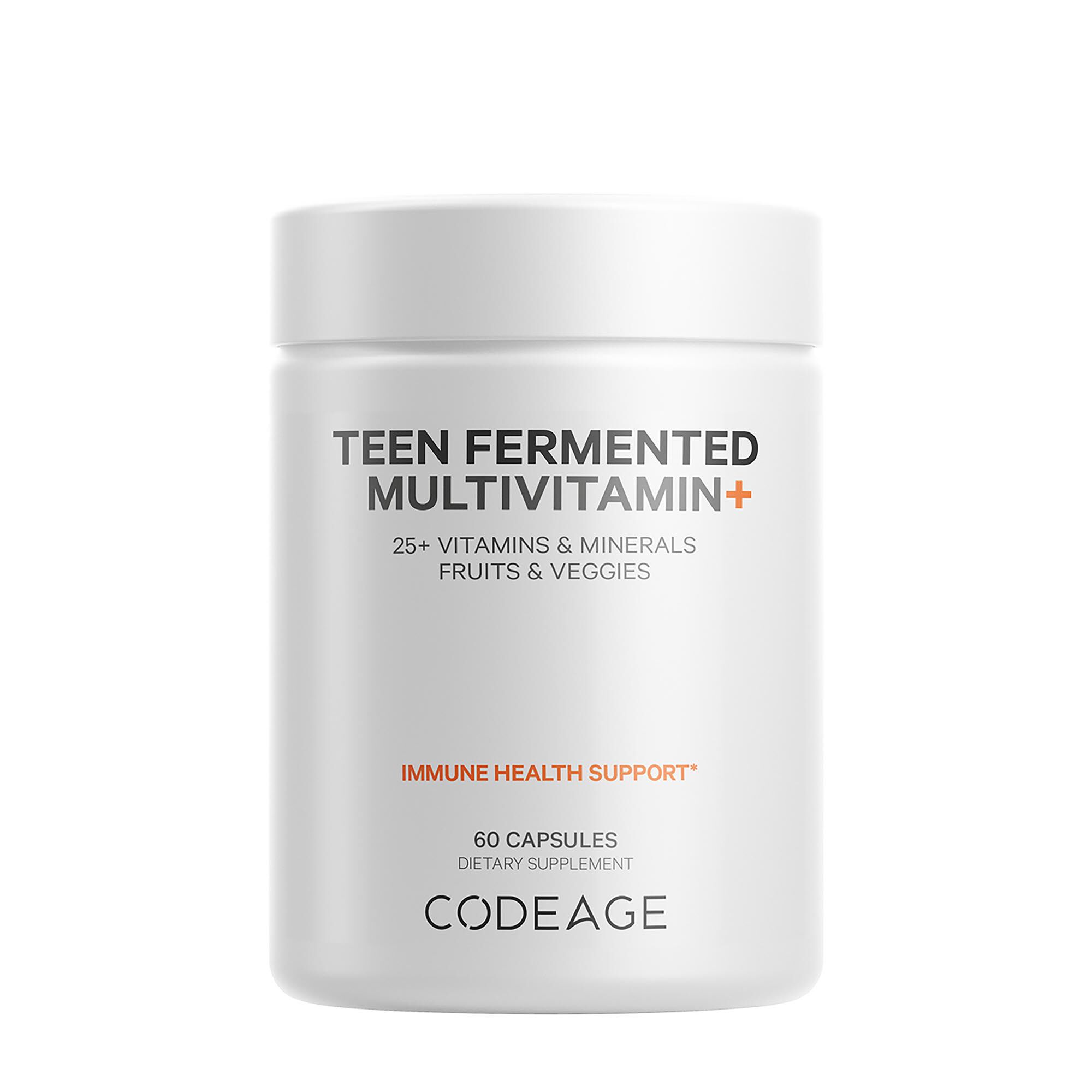
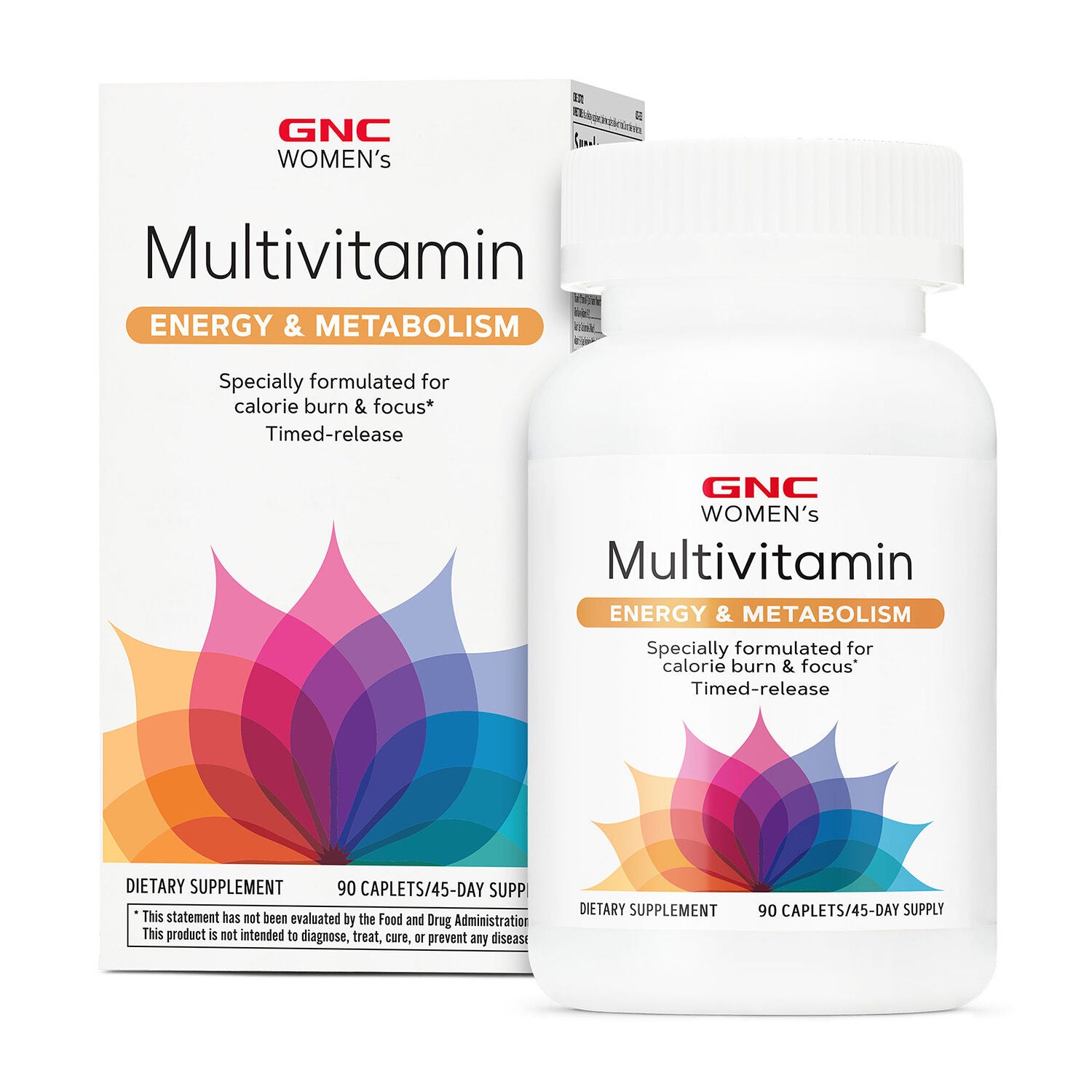


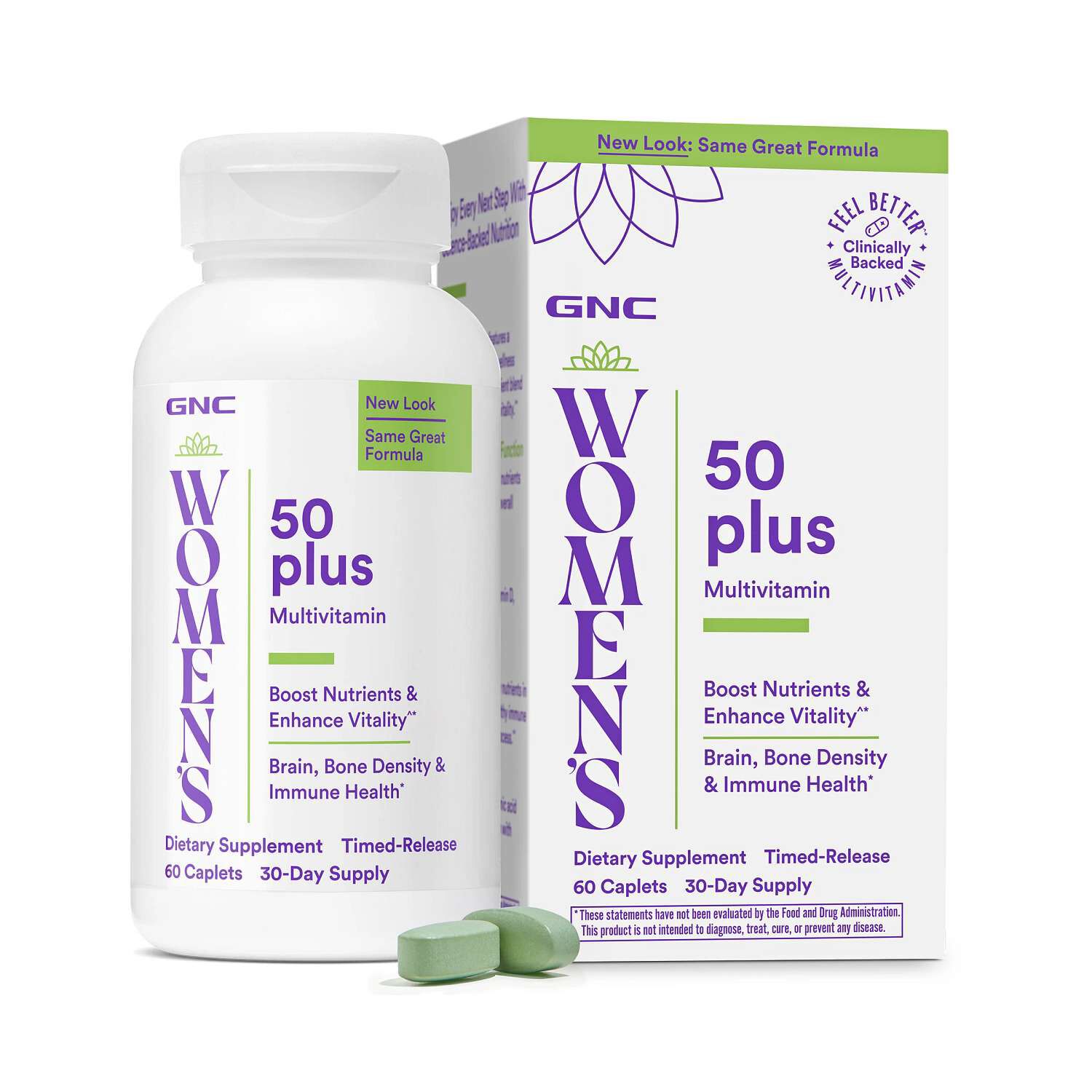
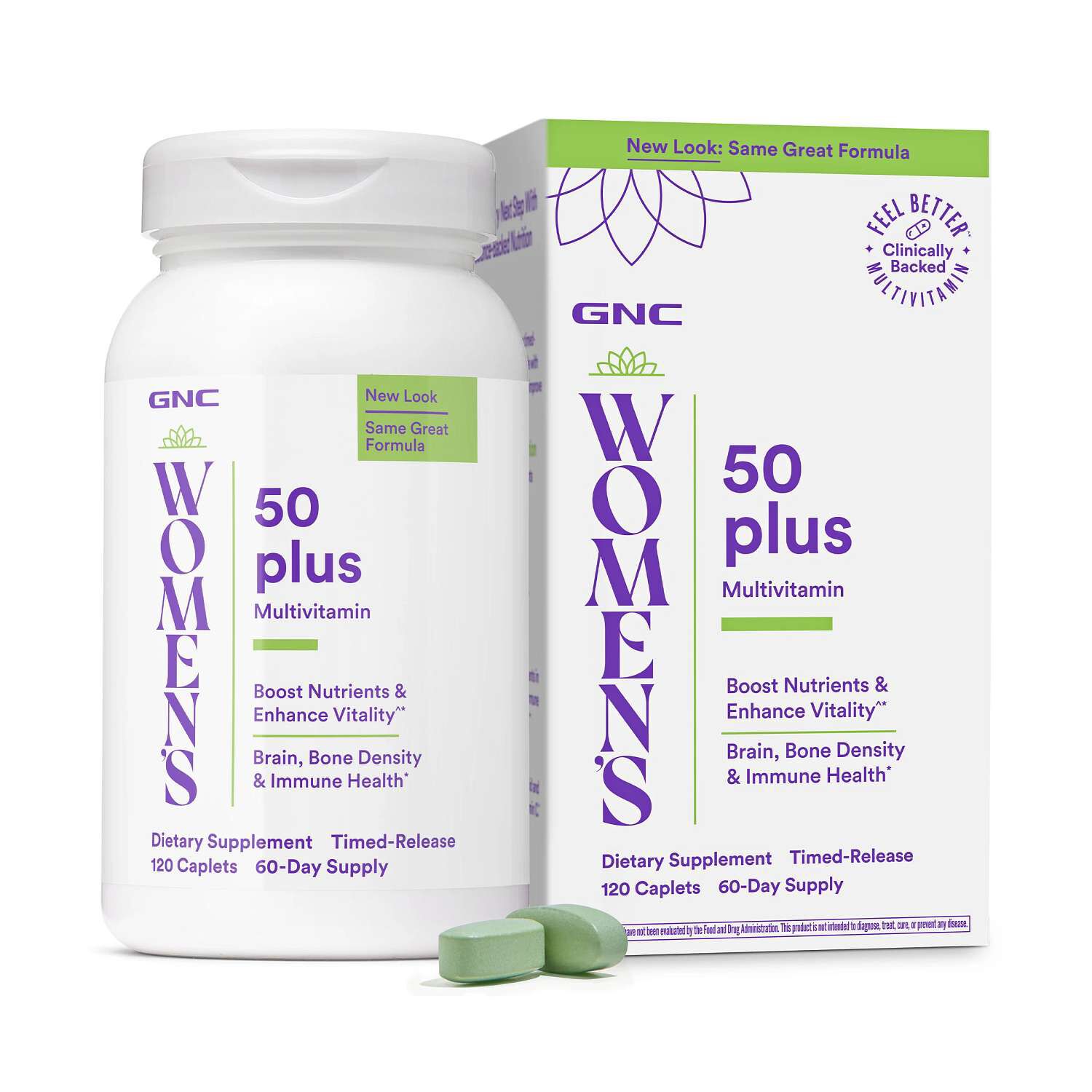
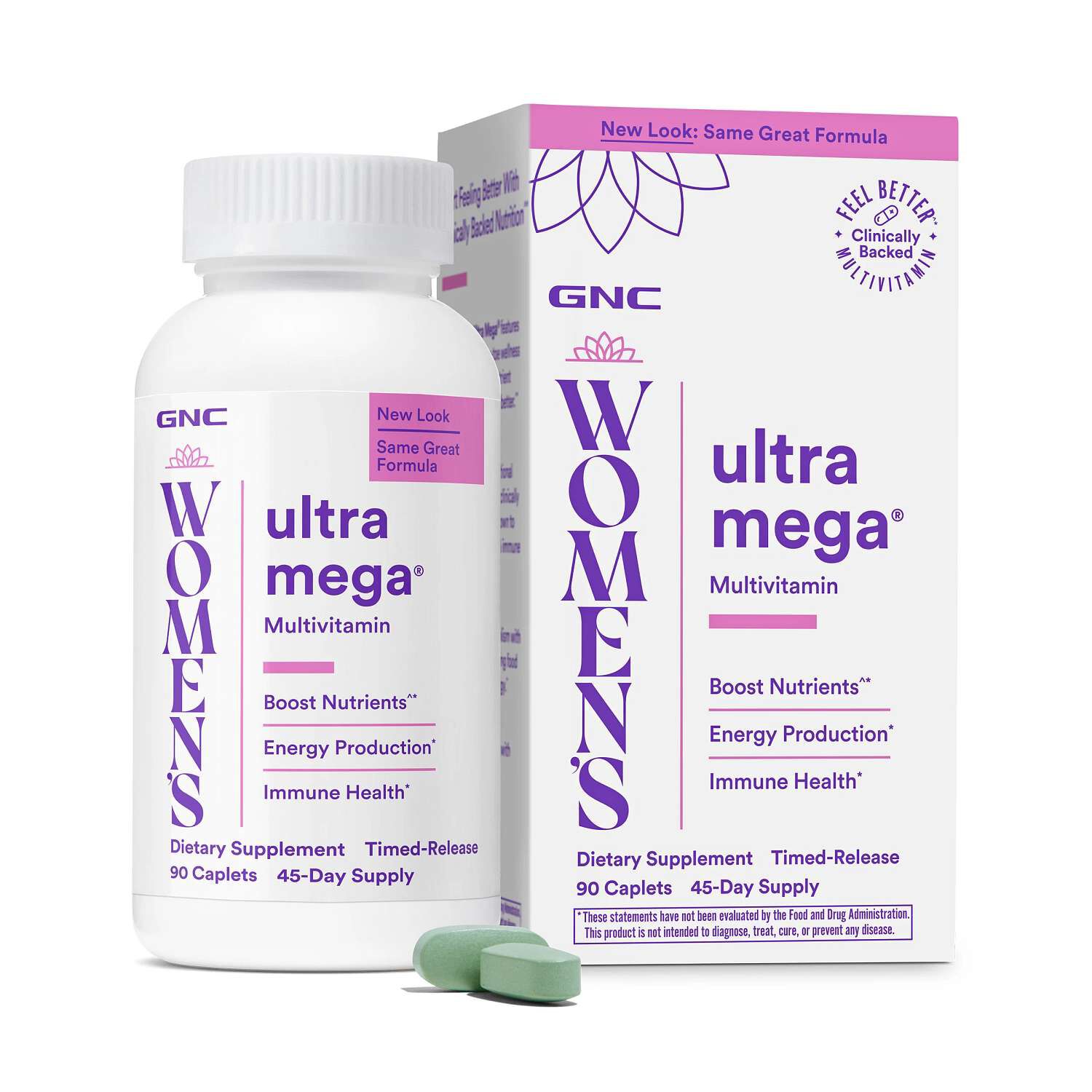
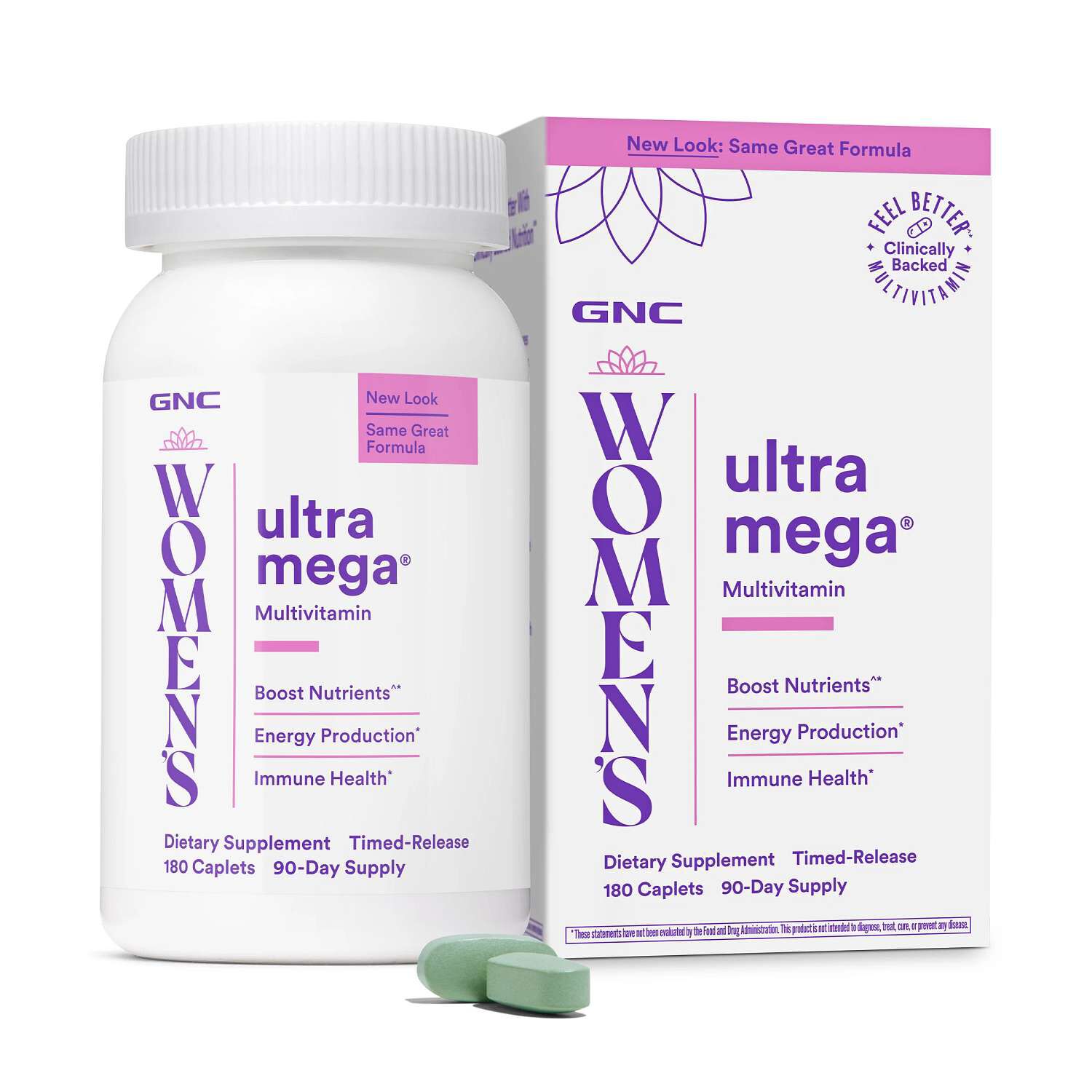
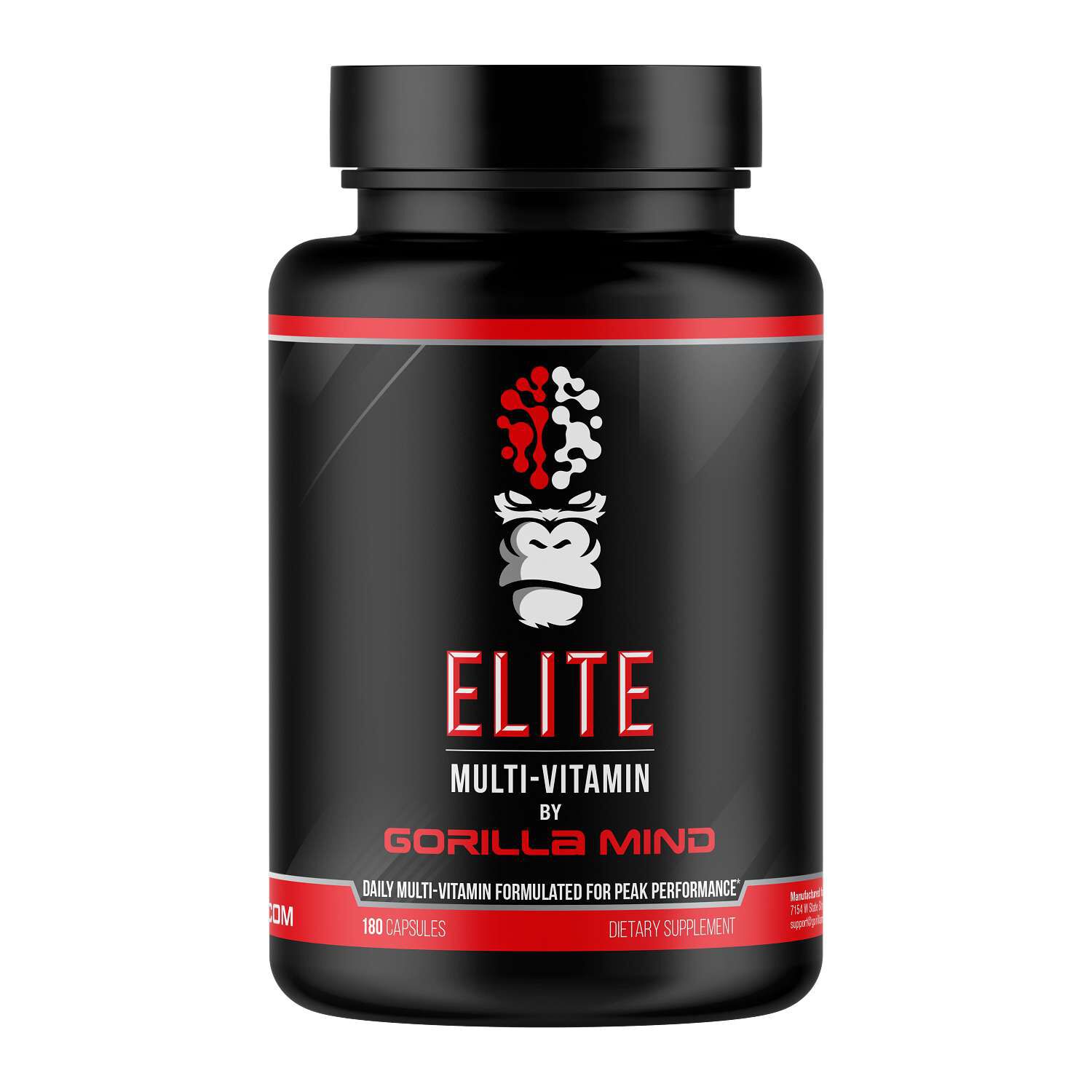
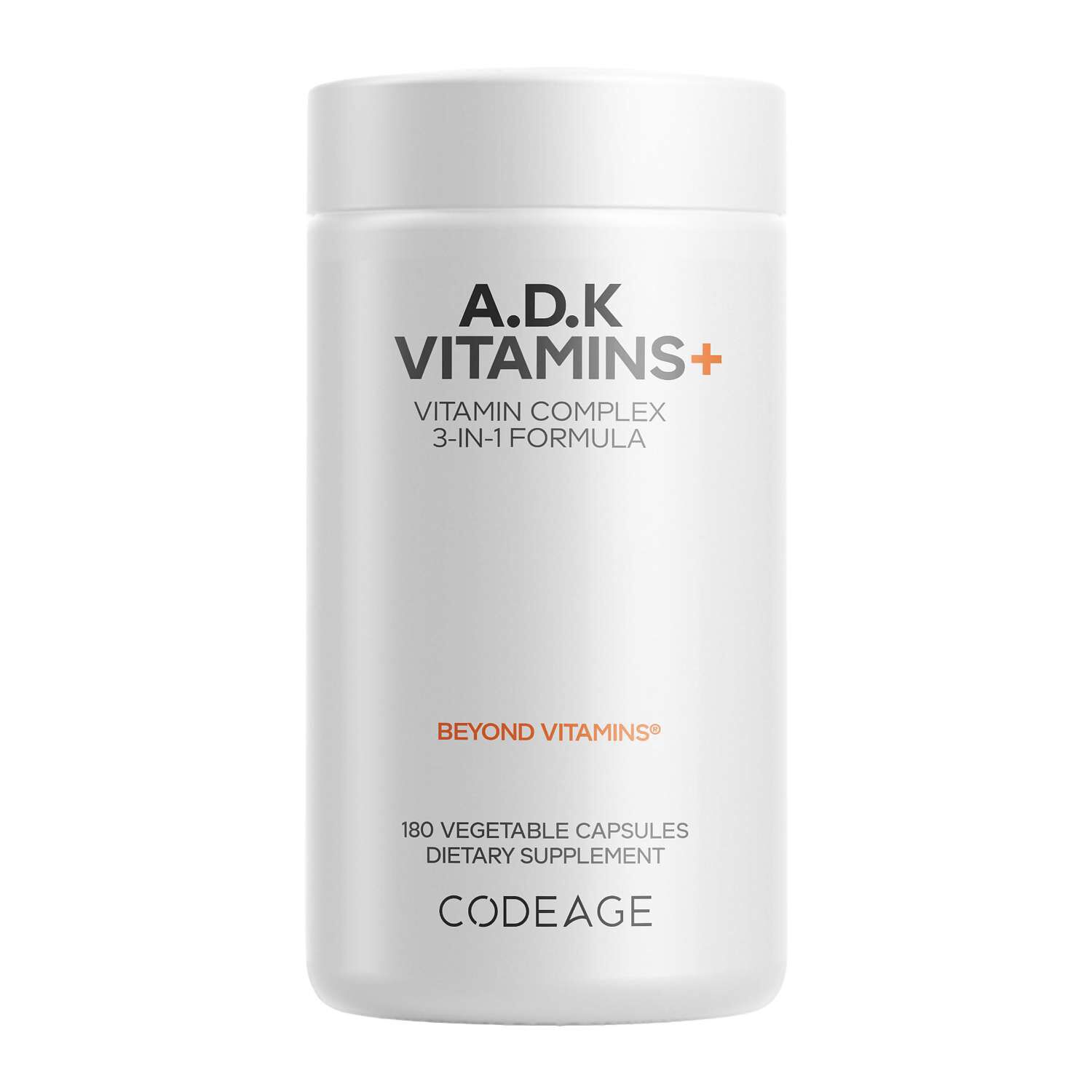

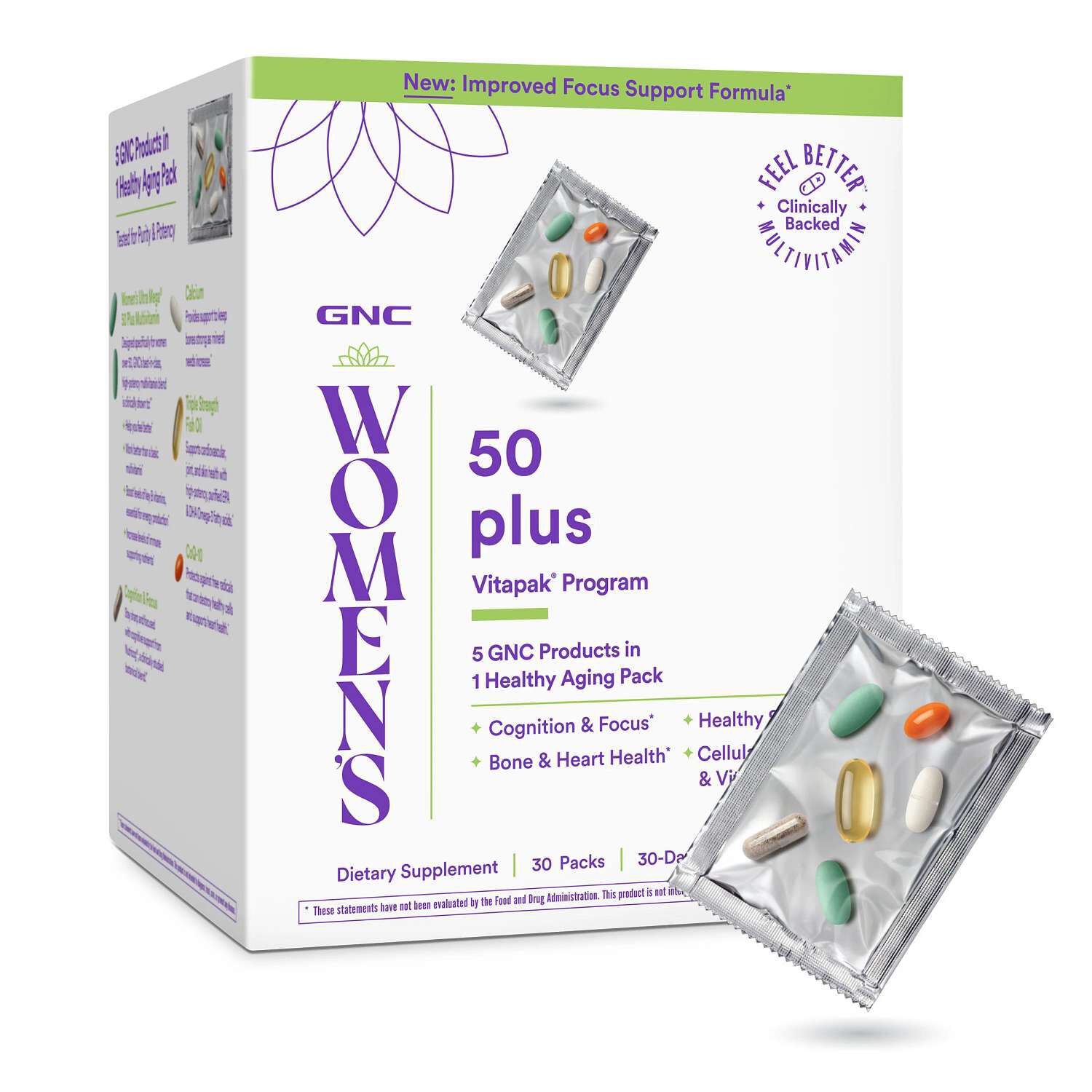
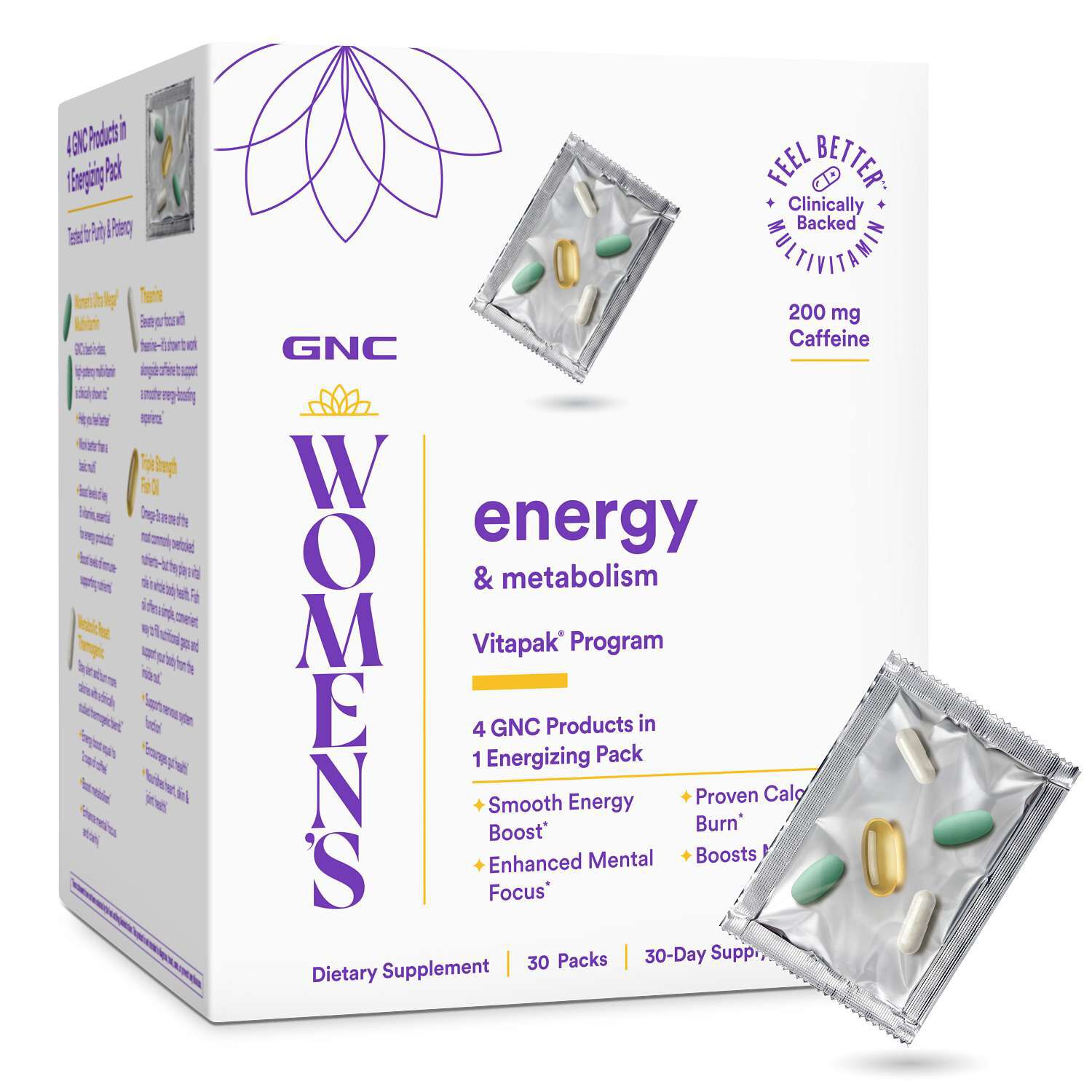
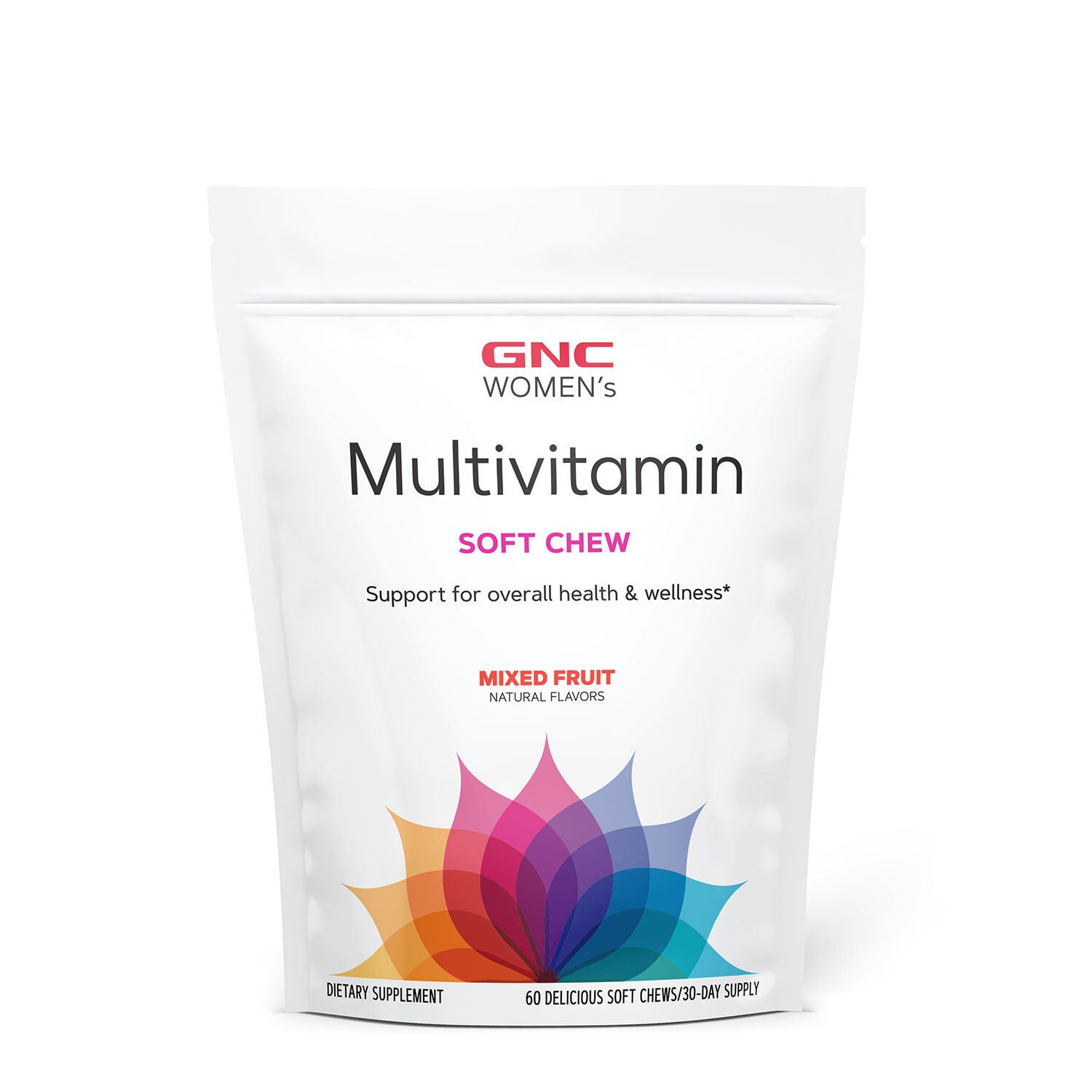


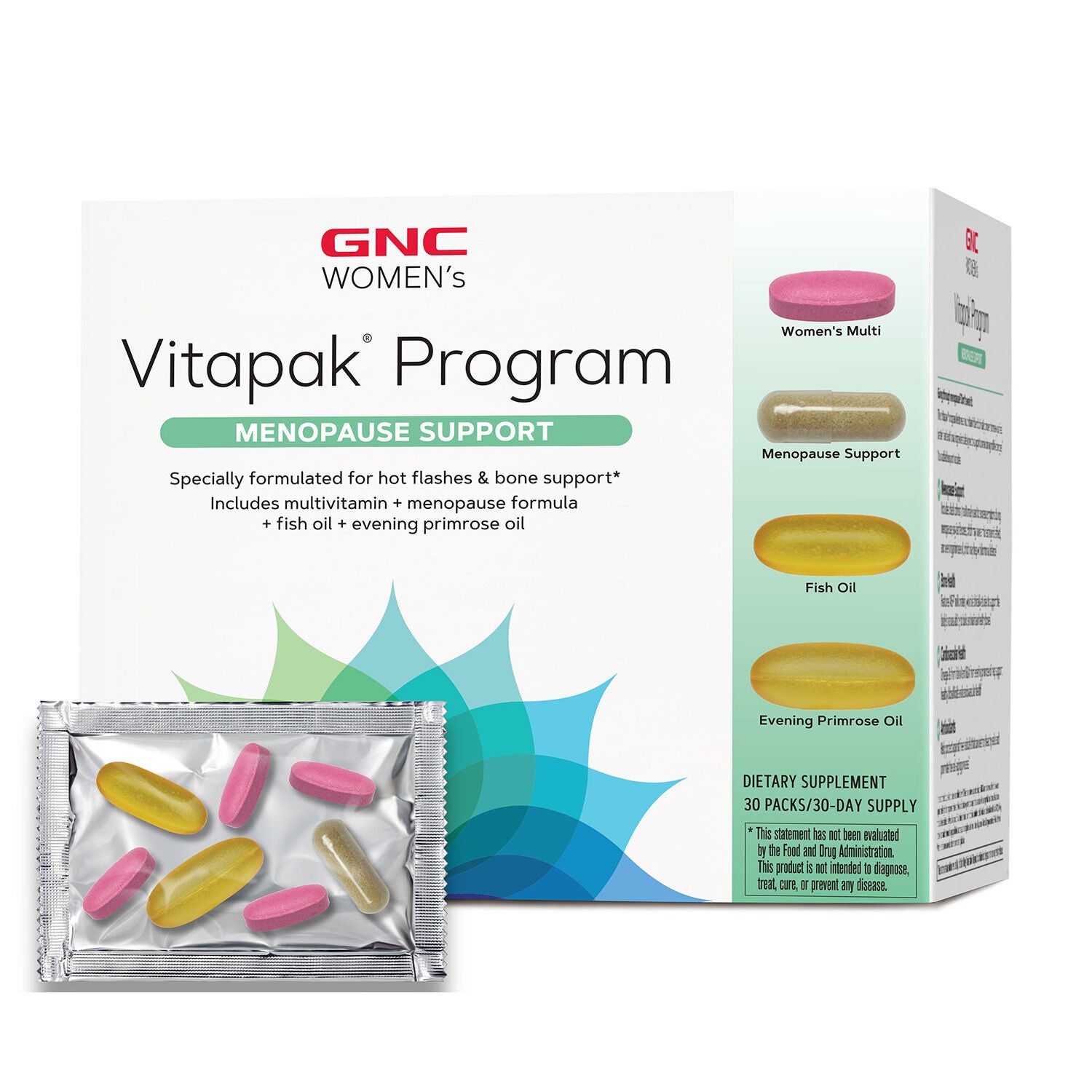
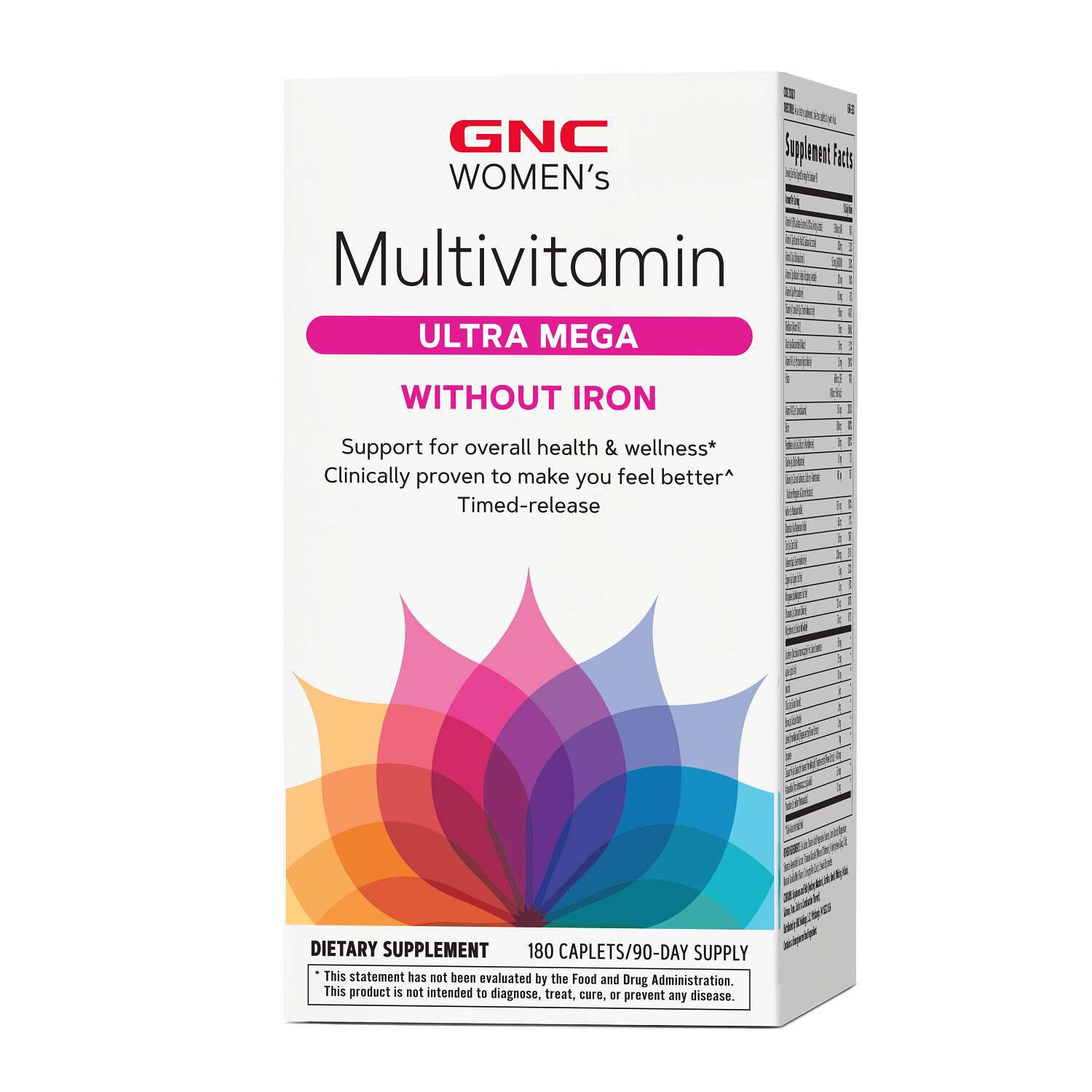
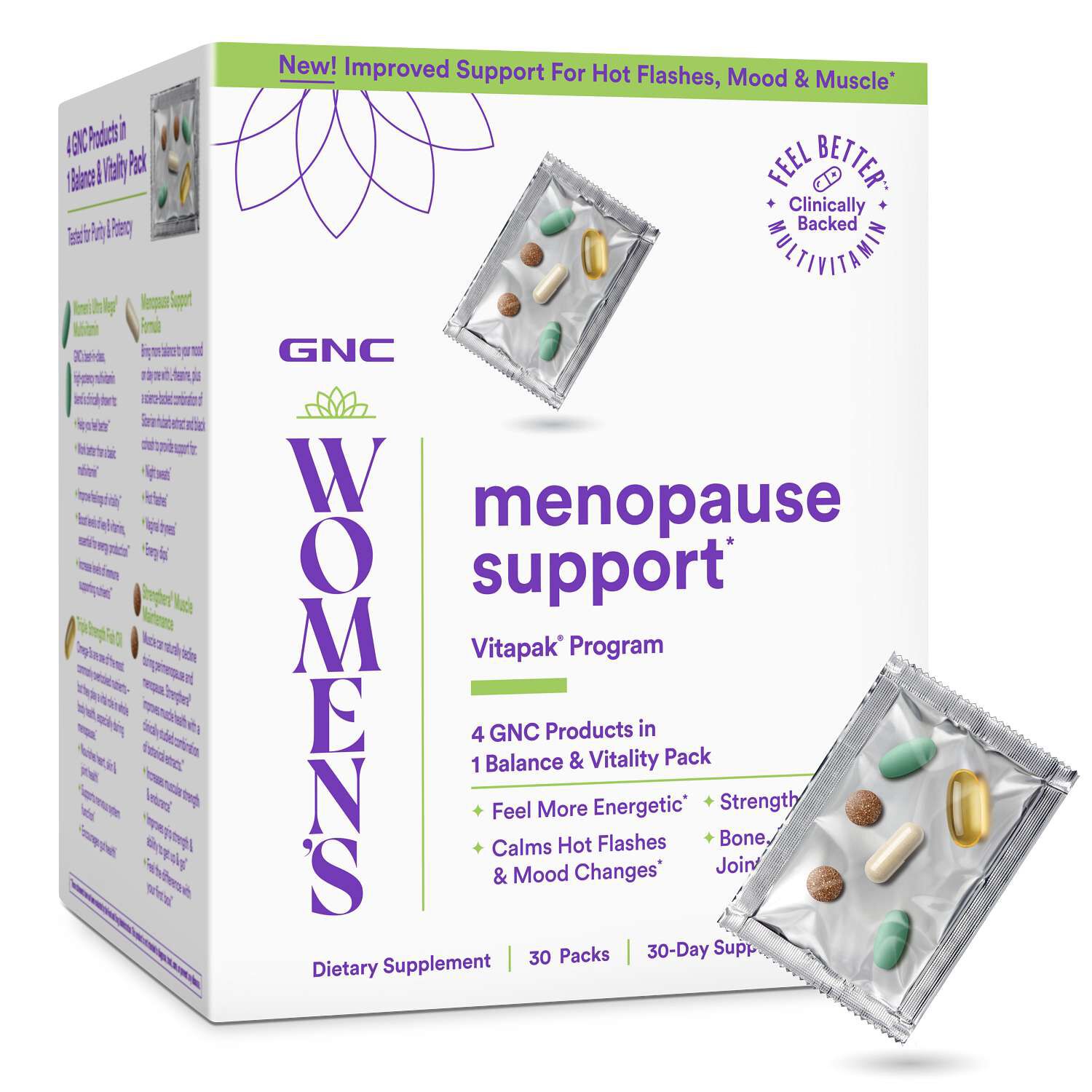

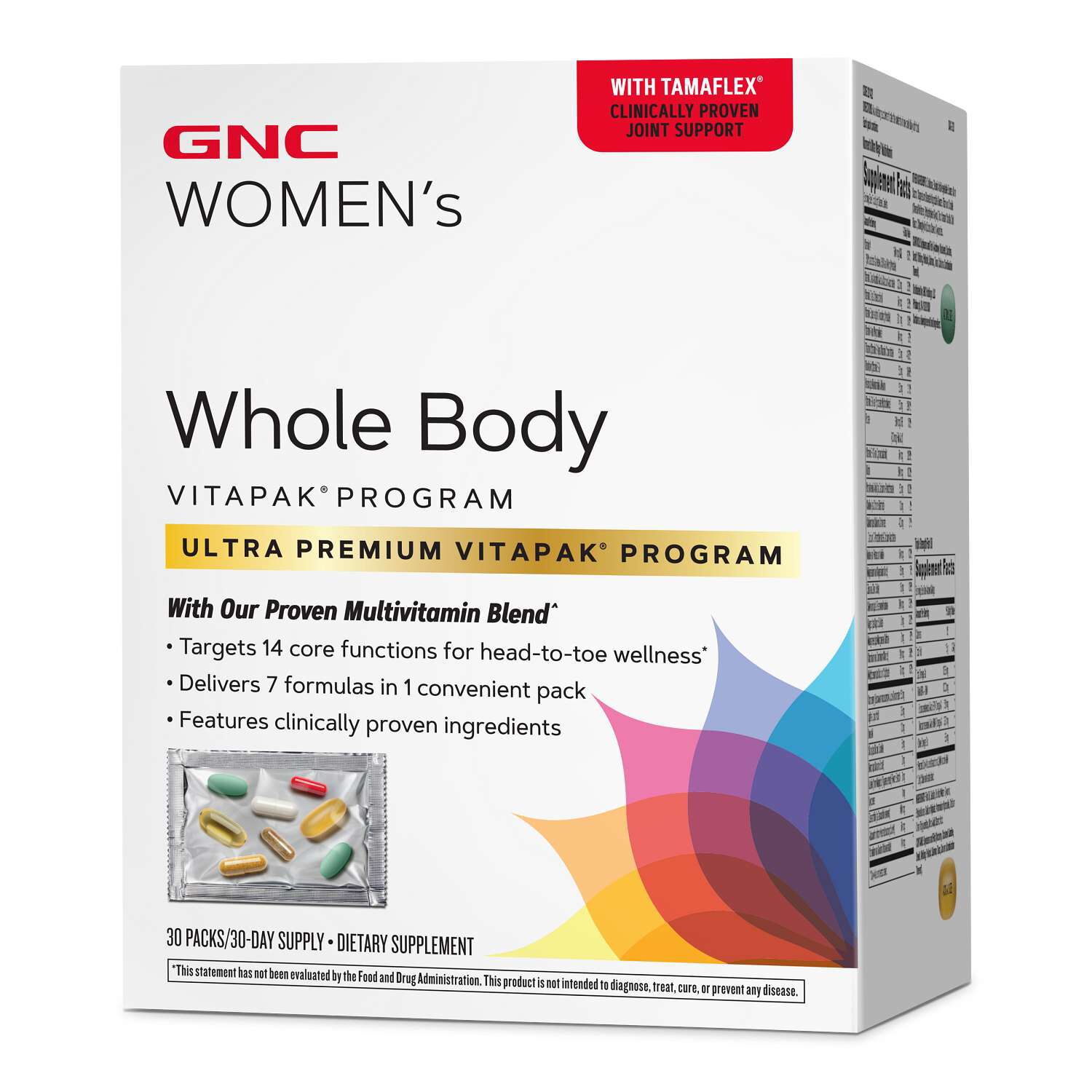

Women’s multivitamin supplements for winter health may complement everyday nutrient intake when the season brings early commutes, more time indoors, and meals that vary from one busy day to the next. A morning that starts before sunrise, lunch packed between meetings, or dinner after an evening workout can make a familiar routine especially welcome. Within this category, the main differences are ingredient combinations, nutrient amounts, serving sizes, and formats—not simply a winter-themed label. Vitamin D, vitamin C, zinc, and B vitamins are common ingredients in women’s multivitamins, while some formulas also contain iron, folate, calcium, or magnesium. These nutrients appear in different combinations and quantities, so two formulas with similar names can have quite different Supplement Facts panels. Vitamin D may be listed as D2 or D3, and vitamin B12 may appear under ingredient names such as methylcobalamin or cyanocobalamin. Those details describe what a formula contains rather than what an individual will experience. A multivitamin may help round out dietary nutrient intake, but it does not take the place of varied meals. Winter foods can still include colorful vegetables, beans, whole grains, eggs, dairy foods, and other everyday sources of nutrients; the supplement occupies a separate place alongside that eating pattern. Women’s formulas also span different adult age ranges and life-stage descriptions. Some include iron, while others omit it, and the amounts of folate, vitamin D, and other nutrients can differ substantially. An age designation on the front of a container is only one part of its description; the ingredient panel provides the more detailed picture. For this seasonal collection, women’s winter wellness is best understood as the setting for the products, rather than a single formula shared by everyone. The category accommodates different preferences for ingredients, texture, packaging, and the small daily rituals that make a personal routine feel familiar.
Format is often the most noticeable distinction among women’s multivitamin supplements. Tablets, capsules, softgels, gummies, chewables, and liquids each have their own texture, flavor, and serving details. A compact tablet and a fruit-flavored gummy can look very different on a kitchen counter, yet appearance alone says little about their nutrient amounts. One labeled serving may consist of one piece, several pieces, or a measured amount of liquid. That distinction also changes the relationship between the number printed on the front of a container and the number of servings listed on the back. Gummies and chewables often include flavorings, sweeteners, colors, and ingredients that create their texture, while capsules and softgels have shell ingredients as well as the contents inside them. Gelatin, pectin, cellulose, and other components may appear in the ingredient list, depending on the format. For shoppers with vegetarian preferences or particular food restrictions, those details are part of the product’s description alongside its vitamins and minerals. Sugar content and allergen statements provide additional context without requiring assumptions based on flavor or appearance. The amount of space a serving occupies can matter, too: several larger tablets create a different experience from a small capsule or a measured liquid. A quiet breakfast at home, a packed workday, and an overnight winter trip each place different demands on packaging and convenience. Some shoppers prefer a familiar bottle kept in one place; others are drawn to clearly labeled individual portions. Neither presentation changes the importance of the serving information. The Supplement Facts panel separates the amount per serving from the percentage Daily Value, while the other-ingredients list describes components beyond the listed nutrients. Together, these details make it possible to distinguish formulas that otherwise sound alike. A short ingredient list is not automatically the same as a modest nutrient amount, and a longer list does not by itself describe a more suitable daily option.
Packaging and care are also part of the experience of owning a multivitamin, particularly across winter travel and indoor heating. Product labels generally include storage directions and a printed date, and those details belong with the original container. A bathroom cabinet near a steamy shower, a kitchen shelf above the stove, and a bag left beside a radiator create different storage conditions from a dry cupboard away from direct heat. Moisture or temperature changes may affect the texture of gummies, the condition of capsules, or the appearance of other formats. Liquids may have additional directions after opening, while some containers include moisture-control packaging that is not part of the serving. The label provides the relevant care information for that particular format. Original packaging also keeps the ingredient list, serving directions, and lot information together, which is useful when distinguishing similar-looking containers in a shared household. Beyond the package itself, quality information can include manufacturing details and independent testing statements. When a testing seal appears, its explanation identifies what was evaluated; ingredient identity, selected contaminants, and manufacturing practices are different subjects, not interchangeable descriptions. Such information concerns the product and its production rather than an expected personal outcome. For women comparing winter multivitamins, these practical distinctions sit alongside familiar preferences: a taste that may fit with breakfast, a format that may suit a home routine, or packaging that may be convenient for occasional travel. A formula’s everyday role can remain straightforward—a labeled serving of vitamins and minerals that may complement dietary intake—without turning a winter purchase into an elaborate seasonal ritual. Consistency of format, readable labeling, and clearly described ingredients give the category substance beyond its seasonal setting. The same points of comparison extend to Women's Multivitamins for Summer Wellness, where ingredient combinations, serving formats, and packaging remain useful distinctions within a different seasonal context. Across either collection, the details on the container provide a grounded description of what each type of multivitamin contains and how it is intended to be used.
Best Sellers
Related Pages


Top Collections
- Daily Collagen Supplements | Top Brands & Deals | GNC
- Cortisol Supplements
- Top Rated Collagen | Shop Customer Favorites | GNC
- Vitamins For Hair Loss
- NAD+ Supplement Tablets
- Peptide Supplements
- Best Brand of Magnesium Glycinate
- Protein Powders For Muscle Growth Support
- Vitamins That Help Support Weight Gain
- Peptide Supplements for Muscle Growth