

Multivitamins With Selenium
(0 Results)
Explore the potential benefits of multivitamins with selenium, a trace mineral that may play a vital role in supporting overall health and wellness. These multivitamins could offer a convenient way to incorporate this important nutrient into your daily routine, possibly aiding in various bodily functions. Perfect for those looking to support their nutritional intake, multivitamins with selenium might provide an easy addition to a balanced lifestyle. Discover how these supplements may contribute to your health goals today.
-
-

-

-

-
-
-

-
 1$14.99
 -
-

-

-
-

-

-
-

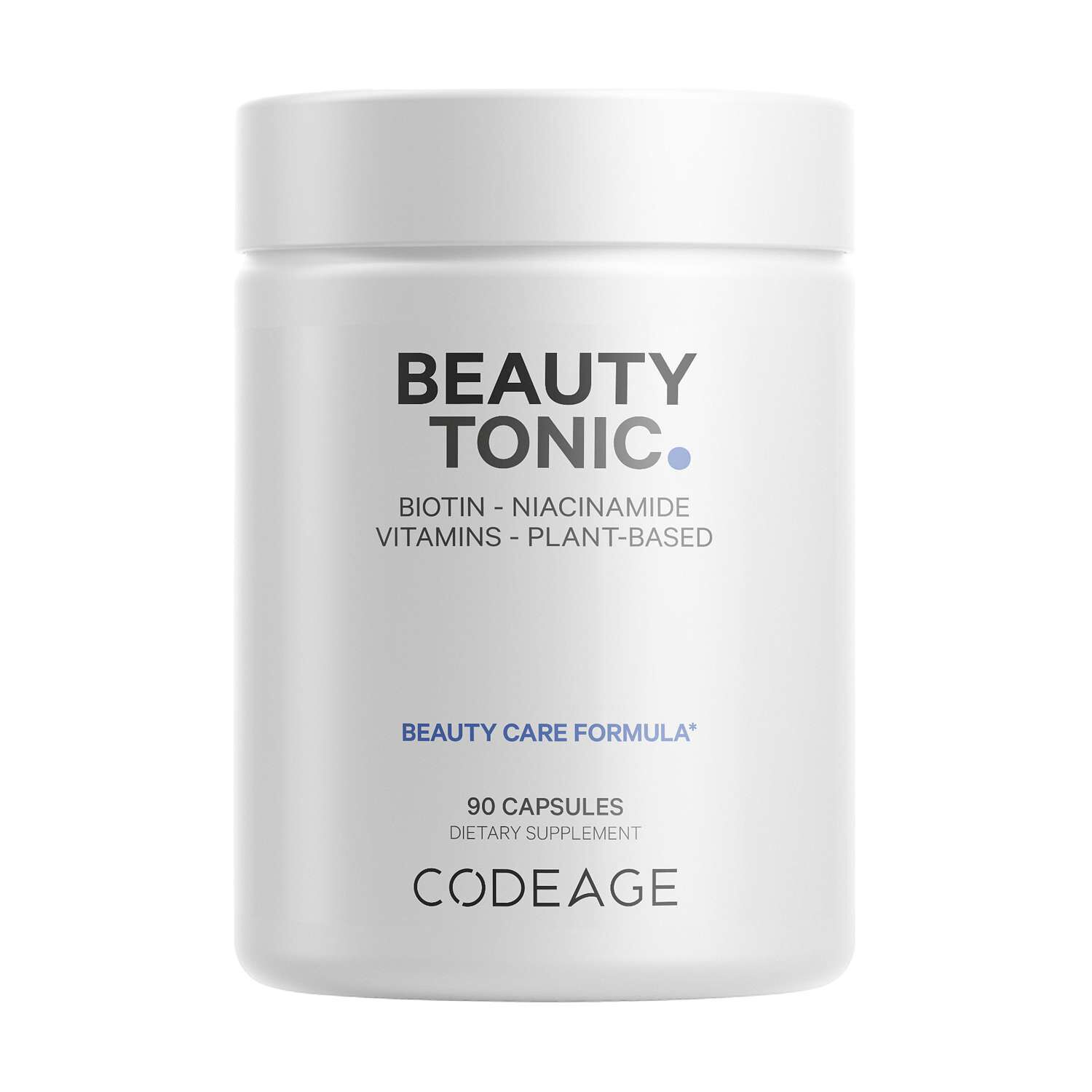
Multivitamins with selenium combine a trace mineral with a broader selection of vitamins and minerals in a single formula. Selenium is naturally present in foods such as seafood, meat, eggs, and grains, and it also appears in many multivitamin and mineral supplements. The amount and ingredient form vary by formula, making the Supplement Facts panel a useful starting point for comparing choices. The U.S. Daily Value for selenium for adults and children age four and older is 55 micrograms, written as 55 mcg. A multivitamin may list that amount per serving, but not every formula contains the same quantity, and the Daily Value is a labeling reference rather than a personalized recommendation. Common ingredient forms include selenomethionine, selenium-enriched yeast, sodium selenite, and sodium selenate. These names describe the selenium source used in the formula; they do not, by themselves, establish which product suits a particular person. A selenium-containing multivitamin differs from a selenium-only supplement because the mineral appears alongside other nutrients, often including vitamins A, C, D, and E, several B vitamins, and minerals such as zinc. The exact combination matters as much as the selenium listing. Two bottles with similar front labels can have different nutrient amounts, different serving sizes, and different ingredient lists. Someone comparing a one-tablet serving with a two-capsule serving, for example, is looking at two different formats even when the selenium amount per serving matches. For a meaningful comparison, match the serving information first, then look at the nutrients included in that serving. Multivitamins with selenium are intended to supplement the diet, not replace meals or the variety of foods eaten throughout the day. Their place in a shopping routine is therefore about the overall formula, its labeled intended use, and practical preferences—not simply finding the largest selenium number on the shelf. Clear labeling gives that comparison a concrete foundation without relying on broad wording on the front of the package.
Format is another important distinction among multivitamins containing selenium. Tablets, capsules, softgels, chewables, and gummies differ in size, texture, flavor, and the number of pieces listed per serving. Not every format contains the same range of minerals, so a familiar shape or flavor is not a substitute for checking whether selenium is actually listed. A shopper who prefers an unflavored capsule has different priorities from someone who likes a chewable with a fruit flavor. For a person who carries a lunch bag to work, package size and a secure closure may also matter; for someone who keeps supplements in their original bottles at home, a clearly printed label and an easy-to-read serving size may take priority. Those everyday details sit alongside ingredient considerations. Capsule shells can contain gelatin or plant-derived materials, while softgels often use gelatin. Gummies and chewables can include sweeteners, colors, flavorings, and ingredients that give them their texture. Tablets may contain coatings and binding ingredients. The Other Ingredients section provides details that the nutrient panel alone does not, especially for shoppers comparing vegetarian preferences, ingredients derived from animals, or listed allergens. Dietary descriptions should be evaluated on the individual label rather than assumed from the product format. A gummy is not necessarily vegetarian, and a capsule does not automatically have a plant-derived shell. Packaging and storage instructions deserve similar attention. Shelf life is specific to each product, and the printed date and labeled storage conditions are more useful than assumptions about how long a bottle should last. Original packaging preserves access to directions, ingredient information, and lot details. A steamy bathroom shelf, an open container beside a kitchen sink, or a bottle left in a car may not match the storage conditions printed on the label. Keeping those practical details in view makes format, materials, and care part of the comparison rather than an afterthought.
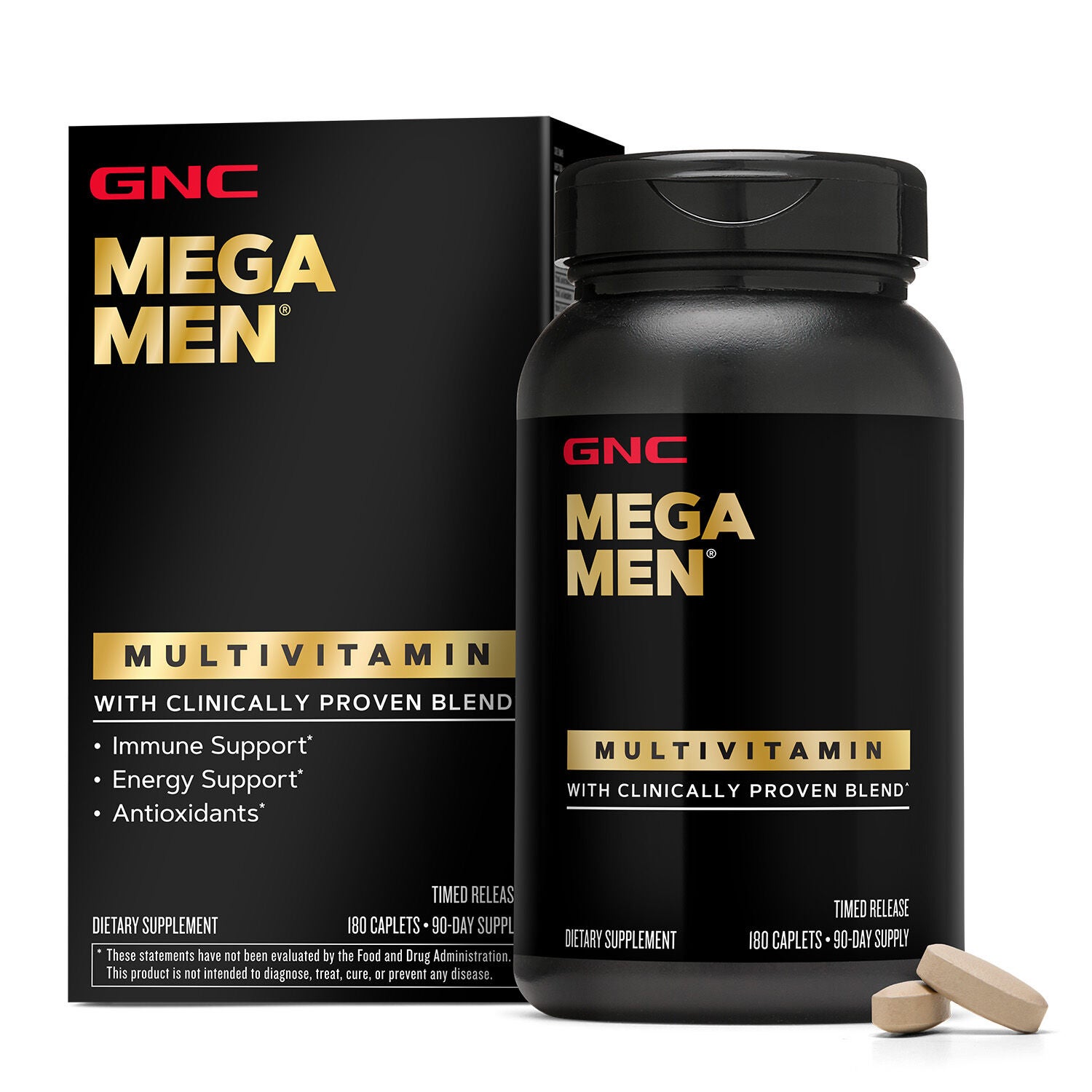
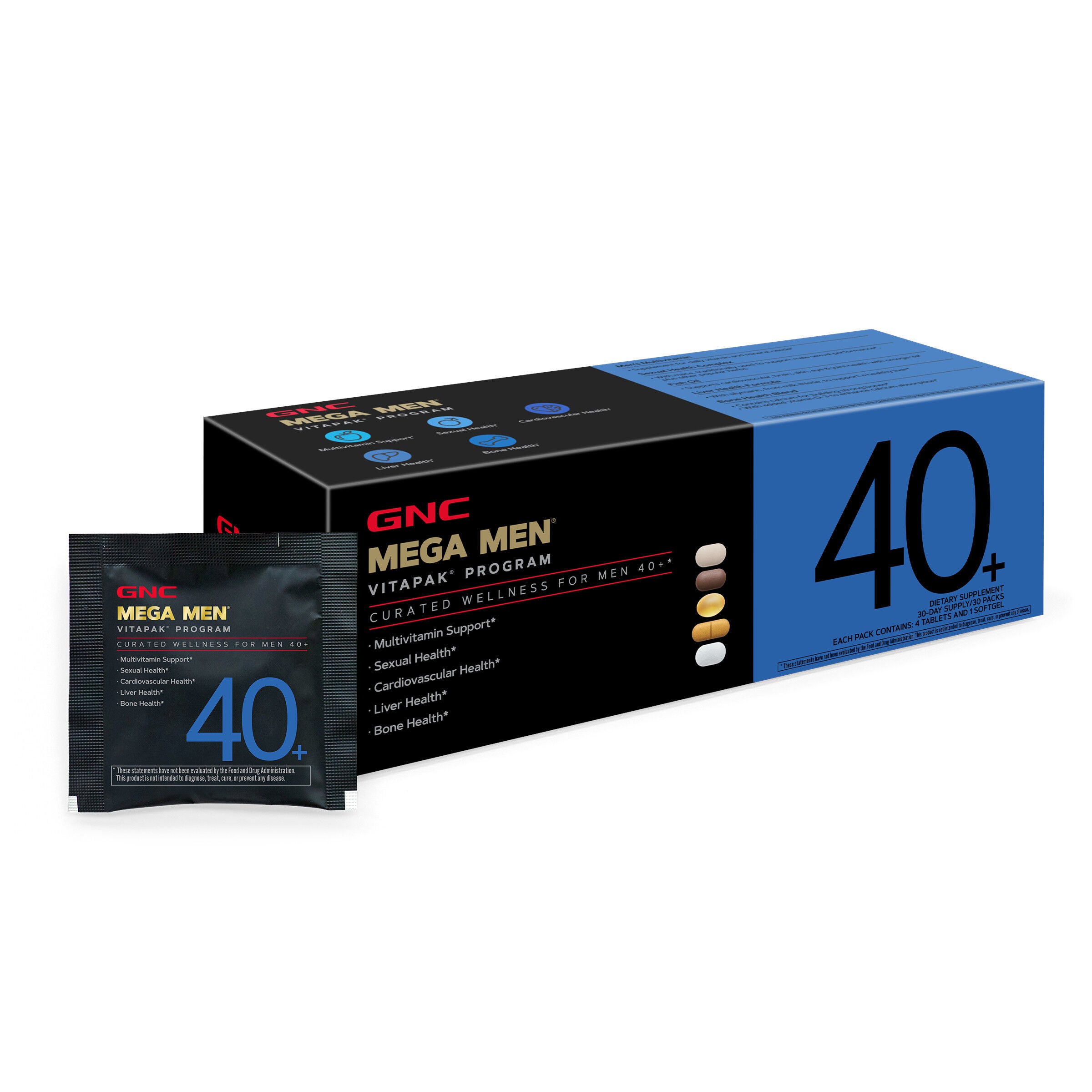
The intended audience can also shape the composition of a multivitamin with selenium. Formulas labeled for adults, men, women, or particular age groups may differ in their vitamin and mineral amounts, as well as whether they include iron or other ingredients. These categories describe how the products are positioned, but the category name does not tell the whole story. A men's formula and another adult multivitamin might both contain selenium and zinc while differing elsewhere on the nutrient panel. Shoppers interested in that pairing can explore Men's Multivitamins With Zinc and Selenium to compare formulas in that category. Zinc and selenium are separate minerals, with separate entries and amounts on the Supplement Facts panel; the presence of one does not establish the amount of the other. Selenium is generally declared in micrograms, while zinc is generally declared in milligrams, so the units belong in any side-by-side comparison. Beyond those two minerals, some formulas contain botanical ingredients or other additions, while others focus on vitamins and minerals. A shorter ingredient list and a longer one represent different compositions, not an automatic ranking of quality. The same applies to a higher selenium amount: a larger number alone does not establish a better match. Someone who already buys several nutritional supplements has a different comparison to make from someone looking at a single multivitamin, because selenium can appear in more than one formula. Reading each label makes that overlap visible without assuming that similarly named products contain identical ingredients. Other useful distinctions include whether directions specify taking the serving with food, whether the serving involves one piece or several, and how many servings the package contains. A bottle holding sixty tablets is not necessarily a sixty-serving bottle. Taken together, these details give multivitamins with selenium a more precise identity than the category name alone: a particular nutrient combination, a stated selenium source and amount, a labeled audience, and a format suited to individual preferences. Those are the concrete features that make comparisons relevant to an everyday shopping decision.
Best Sellers
-
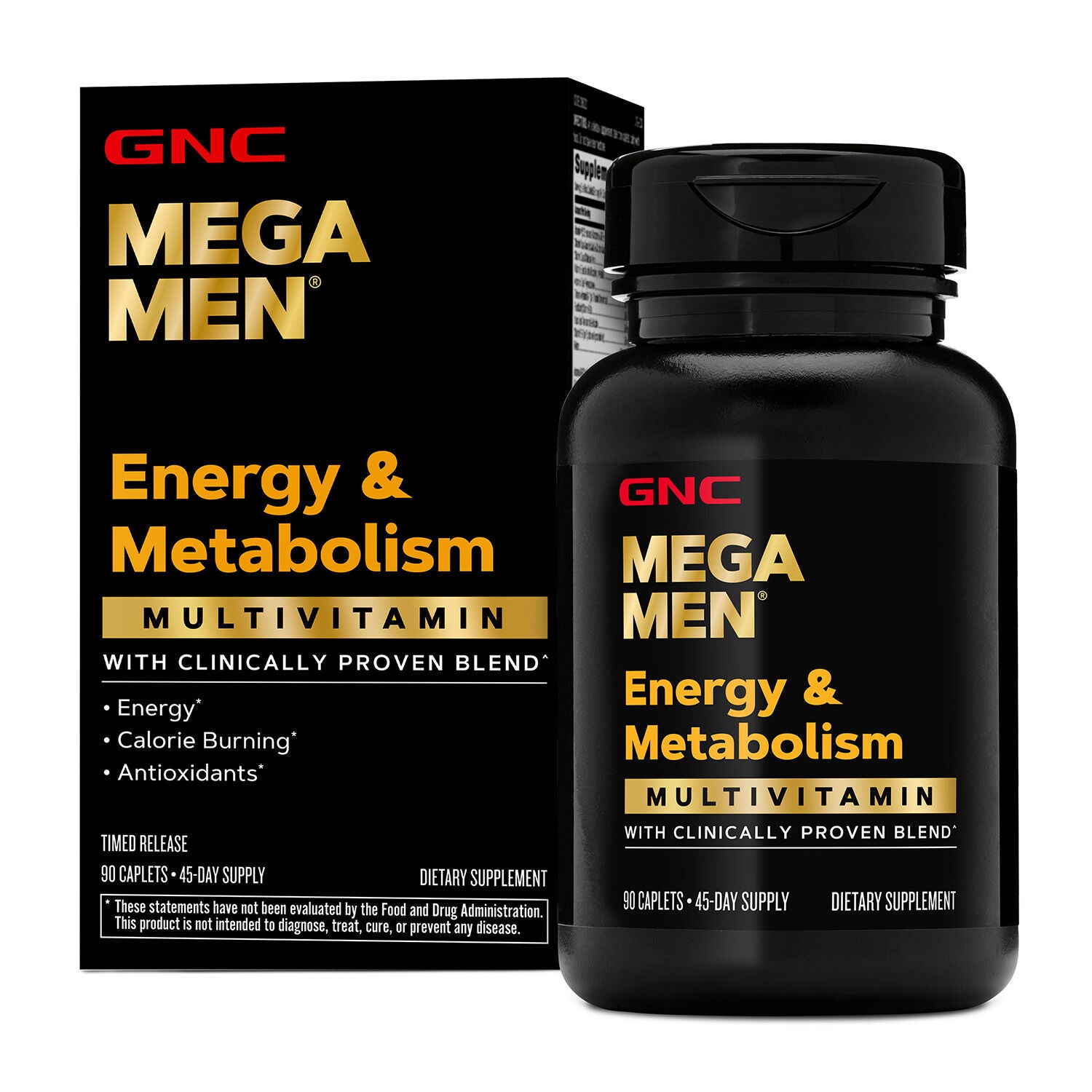
GNC Mega Men
-
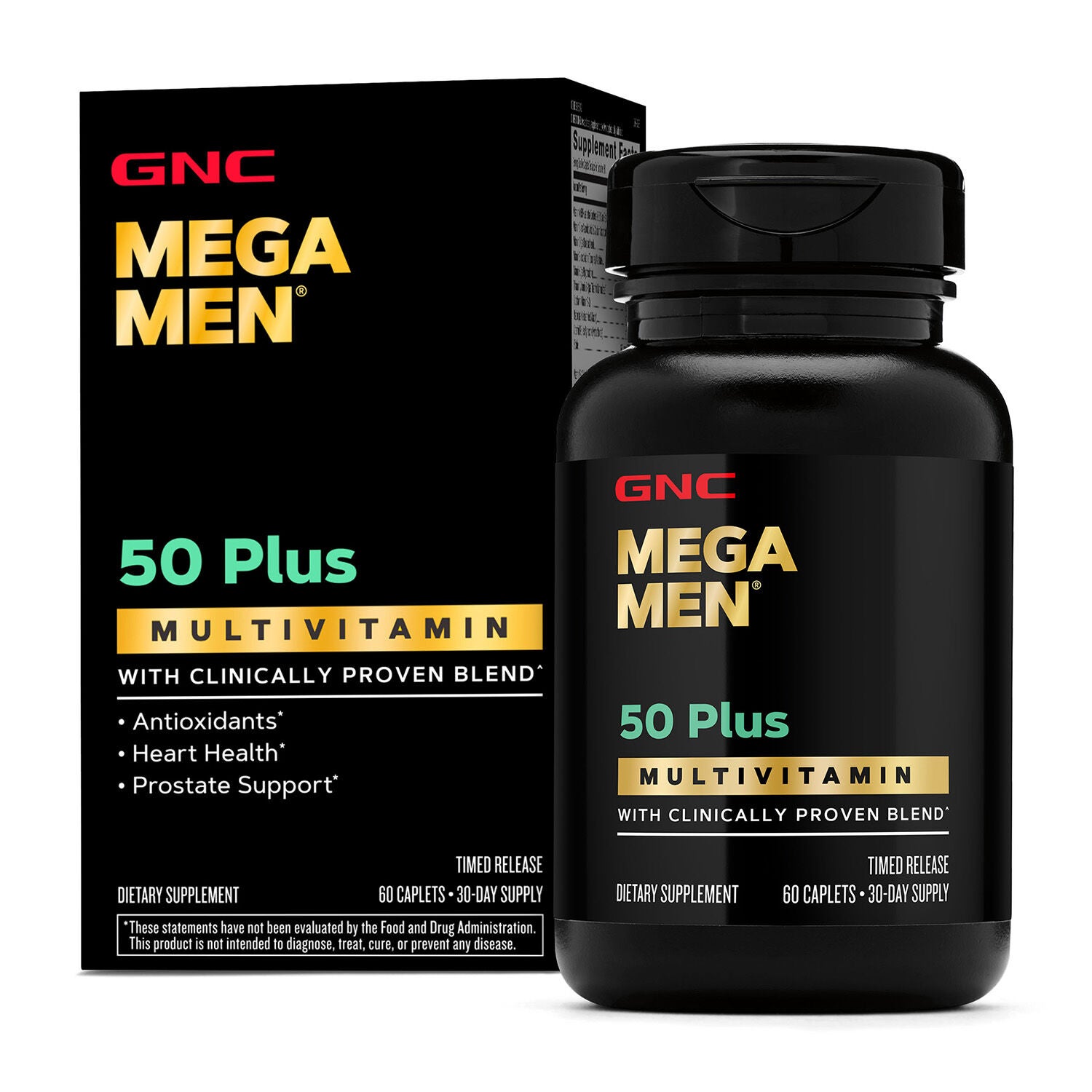
 GNC Mega Men
 -
GNC Mega Men
-
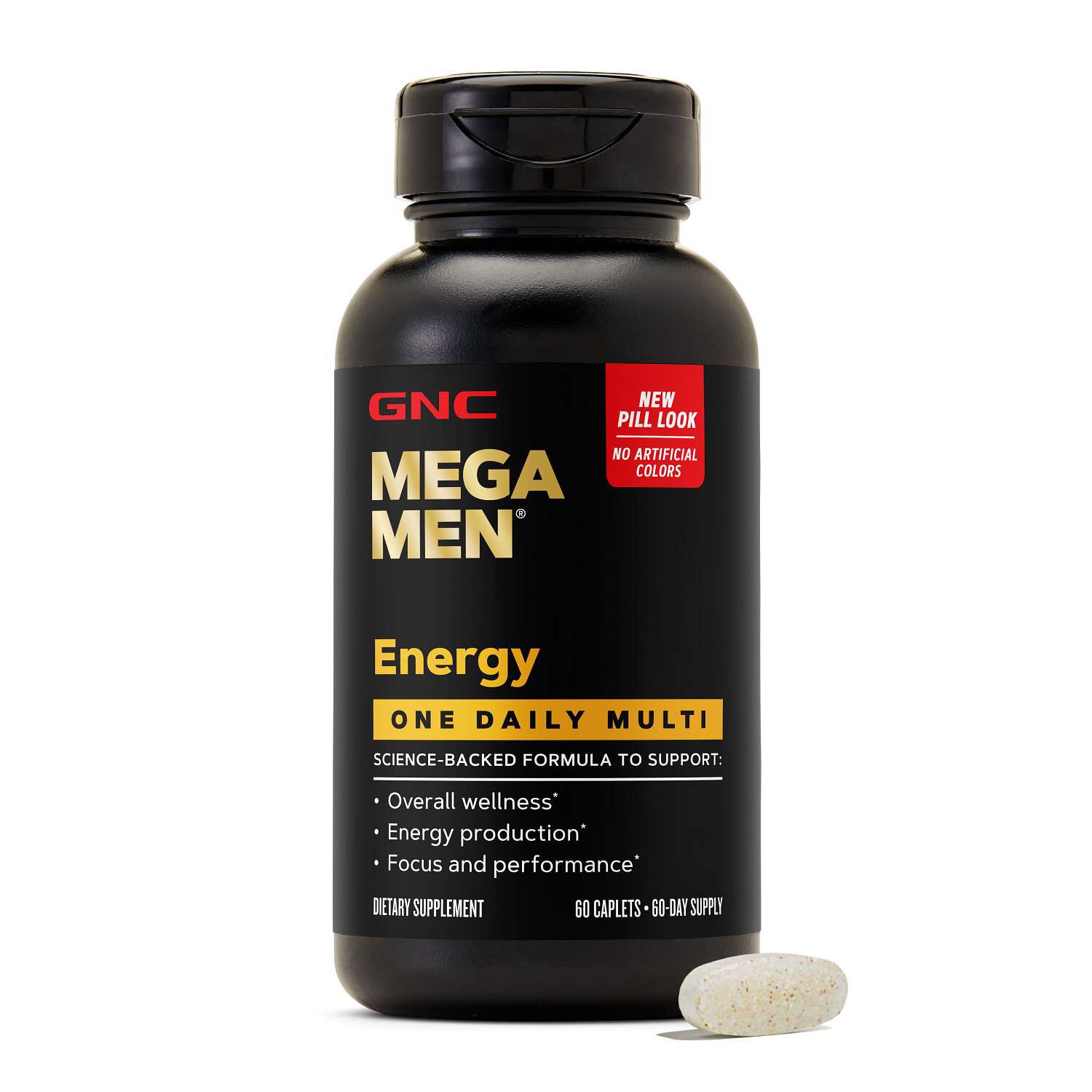 GNC Mega Men