





Mushroom Complex For Healthy Cells
(0 Results)
Mushroom complex for healthy cells brings together a variety of carefully selected mushrooms that are valued for their unique nutrient profiles and traditional uses. These complexes may offer an easy way to incorporate the benefits of mushrooms into your daily routine, supporting your overall wellness journey. Explore options that could complement a balanced lifestyle and help you feel your best every day.
-

-
-
 Nature's Fusions$32.99
-

-
 The Genius Brand$29.99
-
-

-

-

-

-

-
 $27.99
-
 $24.99
-
 Melting Forest$39.99
-
 Melting Forest$39.99
-
-

-
-
 $39.99
-
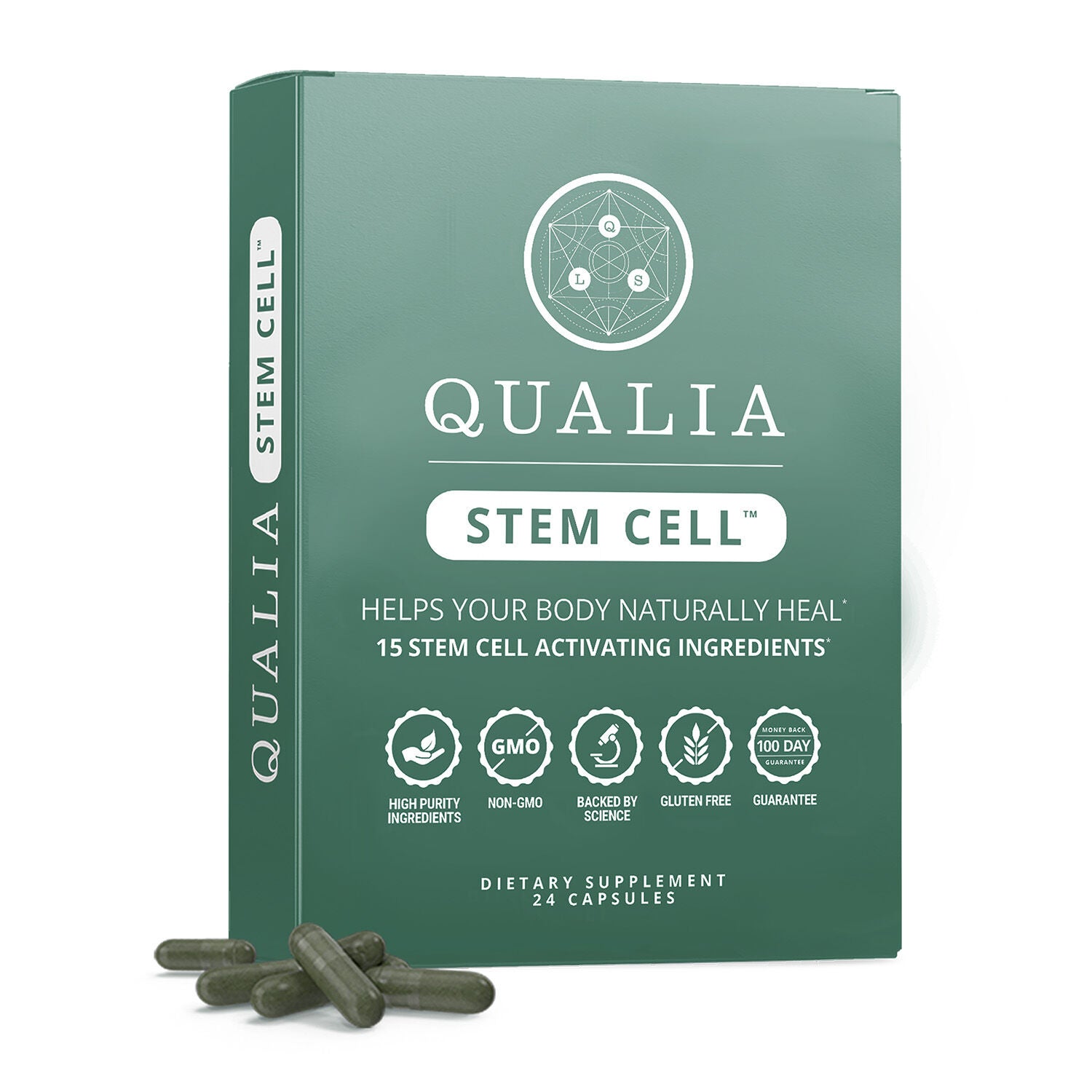
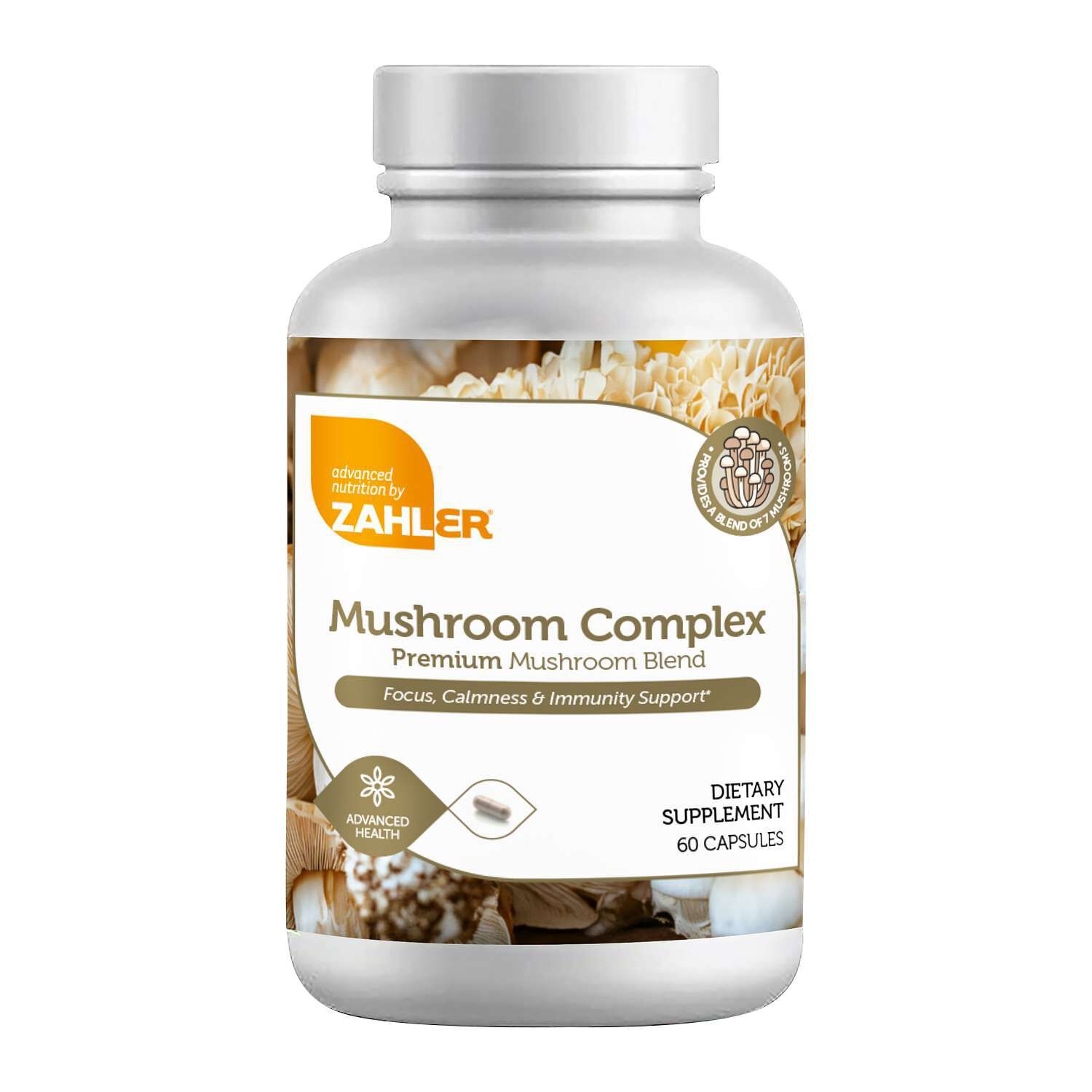
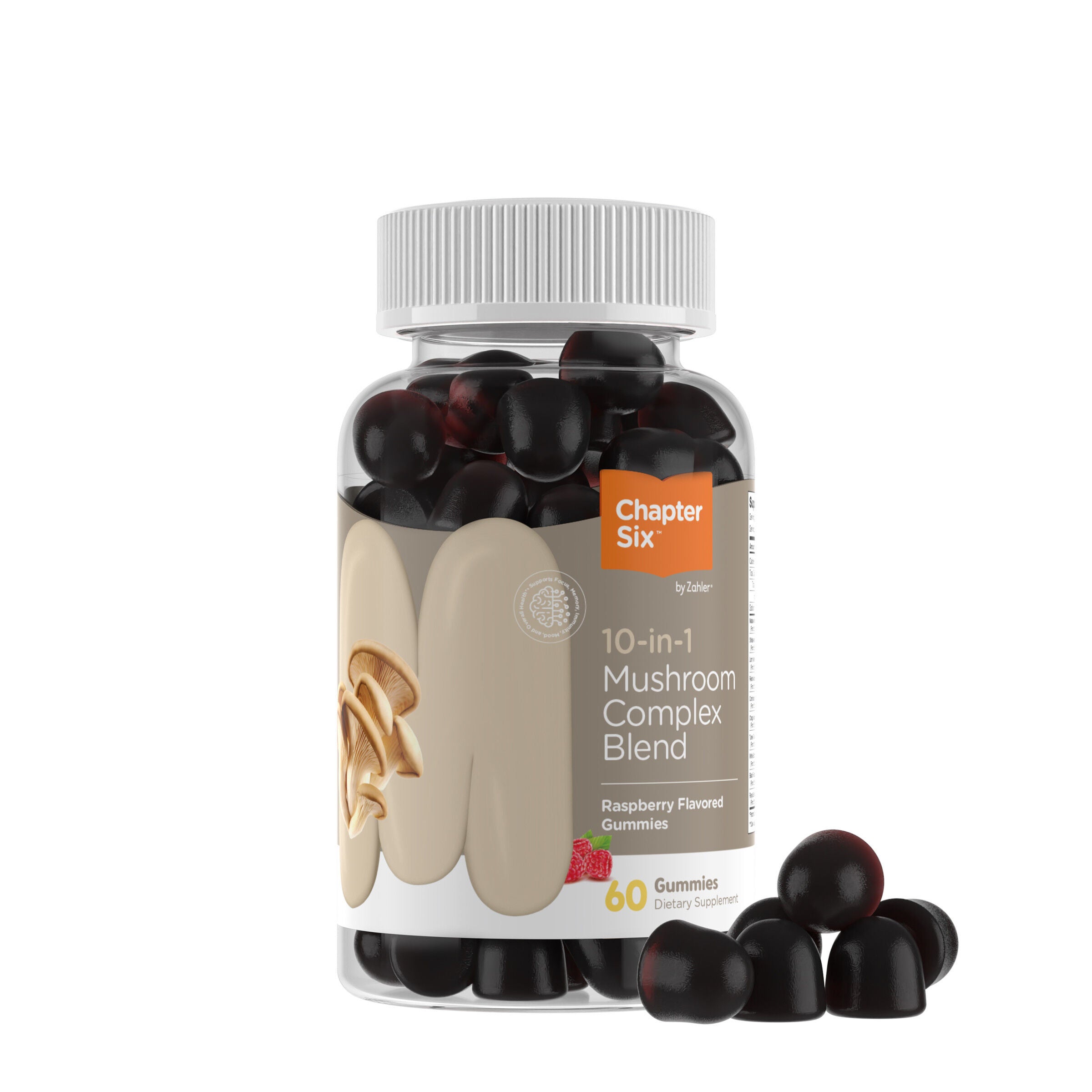

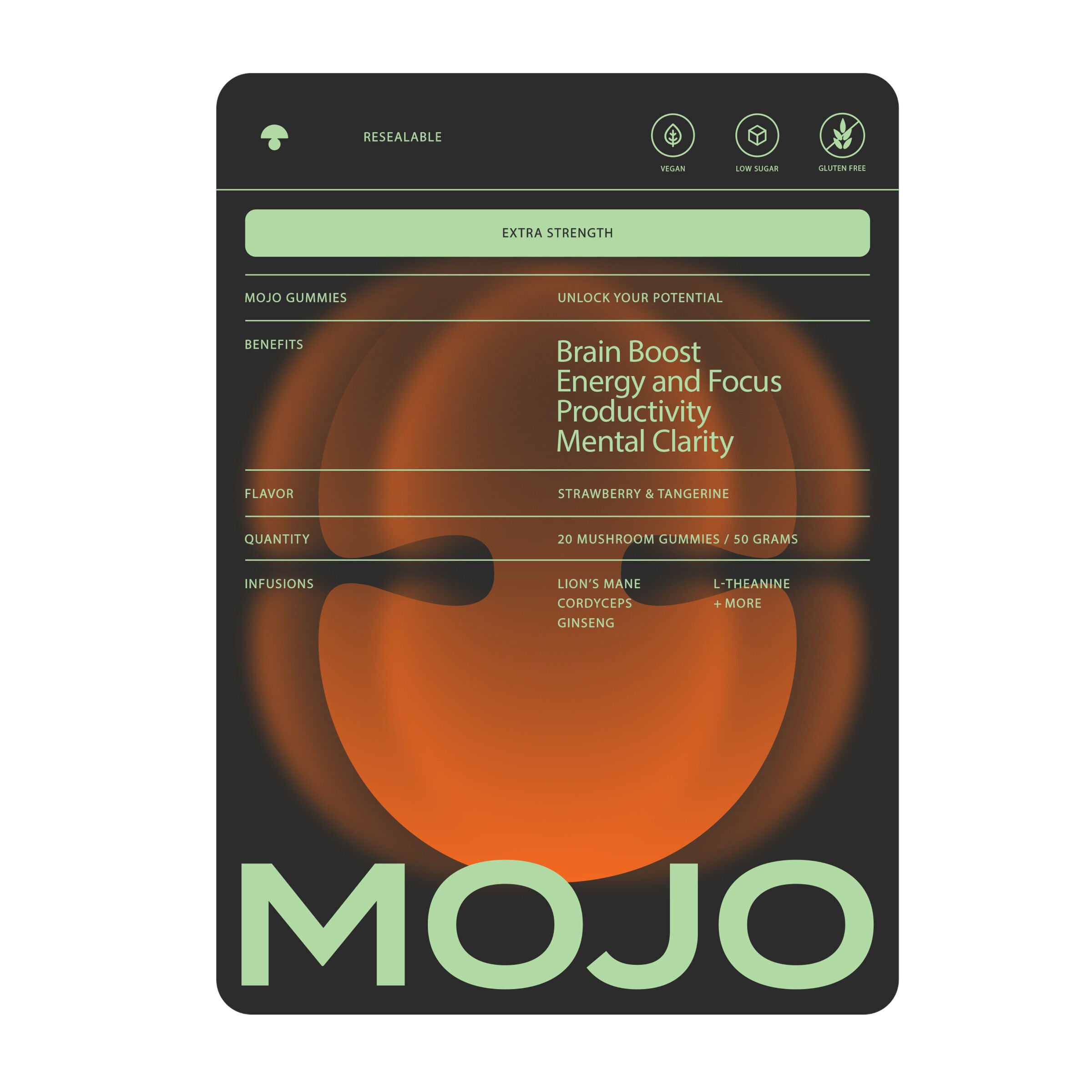
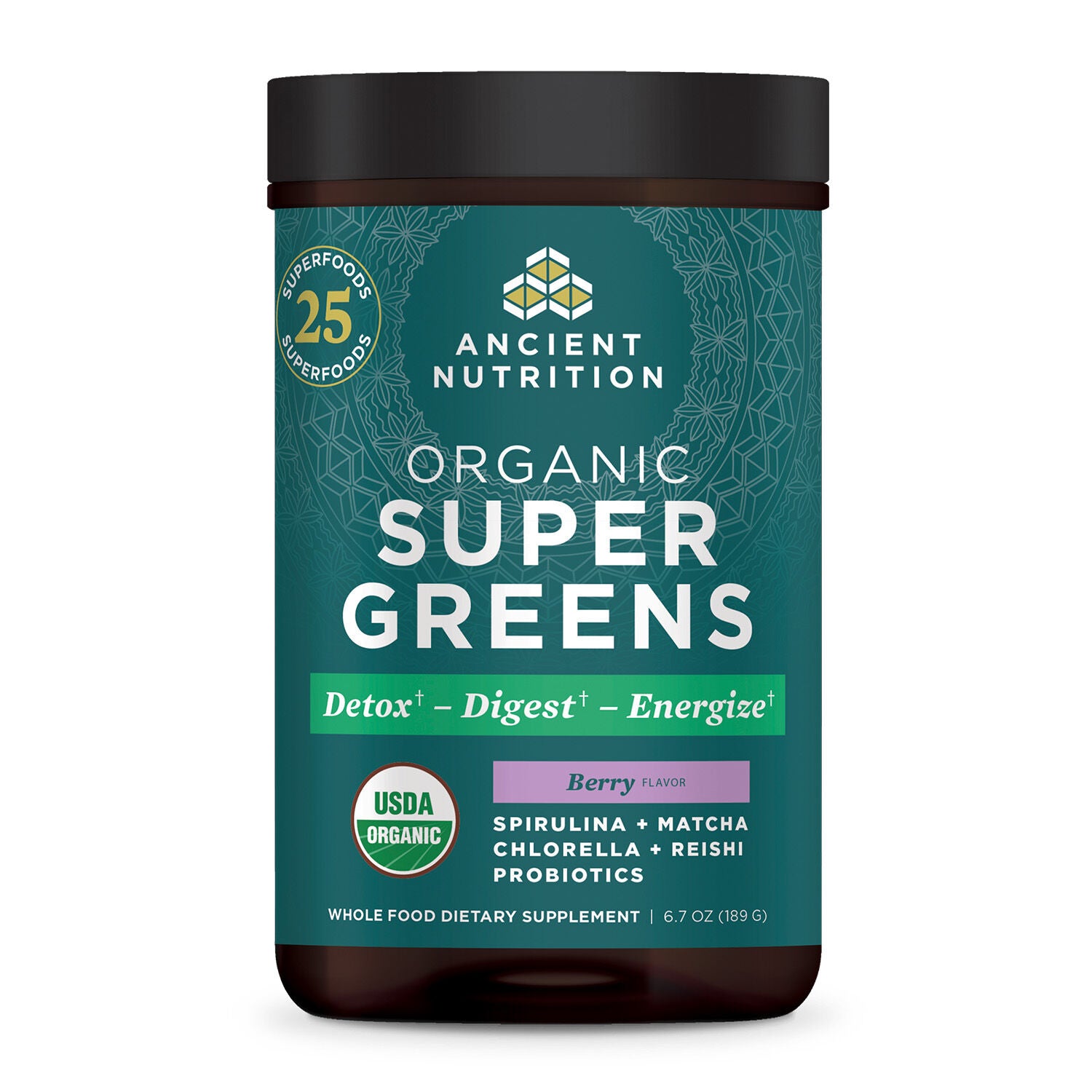
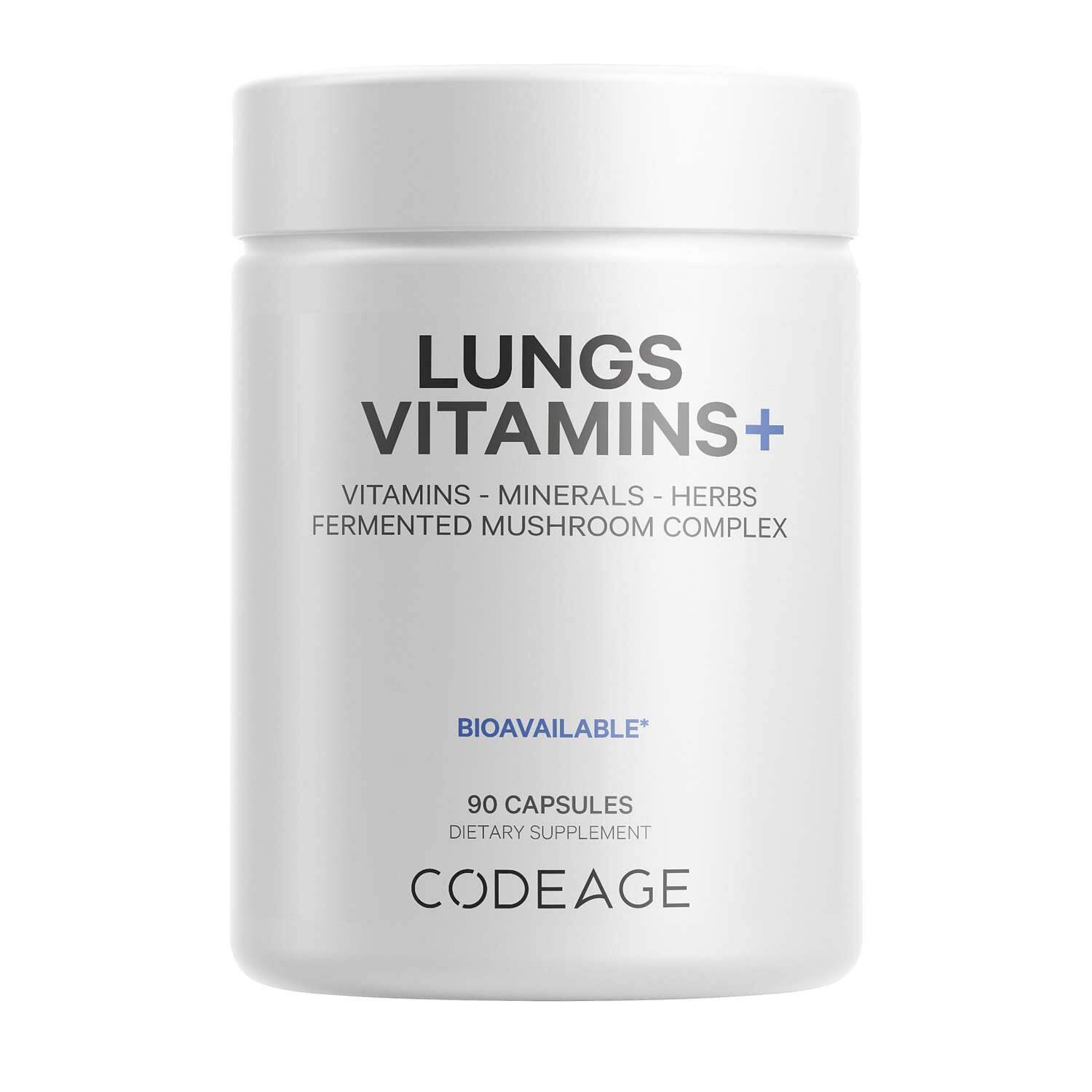
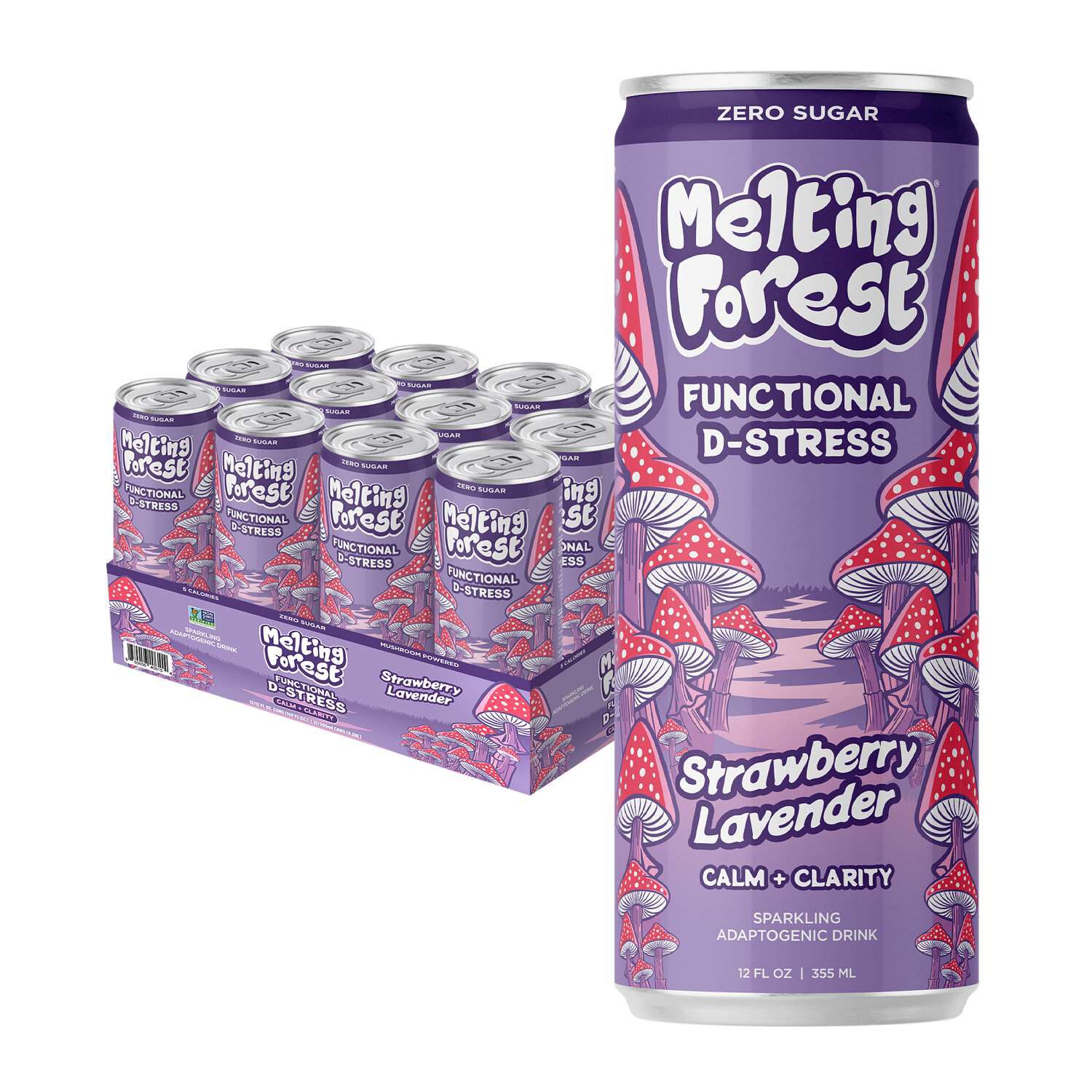
A mushroom complex is a dietary supplement that combines ingredients from two or more mushroom species, usually in capsules, tablets, or powders. Mushroom complexes for healthy cells sit within a broader category of products intended for everyday wellness, with formulas that bring several fungi together in one serving. Mushrooms are fungi rather than plants, and their composition varies by species, growing conditions, and processing method. Common ingredients in this category include reishi, maitake, shiitake, lion’s mane, and cordyceps, although the exact combination differs from formula to formula. These fungi contain naturally occurring compounds such as polysaccharides, including beta-glucans found in fungal cell walls. The presence of those compounds helps describe an ingredient’s composition; it does not, by itself, establish the effects of a finished supplement. For shoppers interested in cellular wellness, the most useful distinctions are often found in the ingredient list rather than in the wording on the front of the package. A complex might contain dried mushroom powders, extracts, or a combination of both. Some formulas identify the fruiting body, the recognizable mushroom structure, while others use mycelium, the branching network through which a fungus grows. Both terms describe the material used, and neither should be confused with the name of a mushroom species. A formula with five named mushrooms can have a different composition from another five-mushroom blend because the portions, source materials, and preparation methods may differ. Mushroom supplements are also distinct from a serving of culinary mushrooms: a capsule or scoop is a prepared supplement, not a replacement for the variety of foods in an everyday eating pattern. This distinction matters when comparing products associated with healthy cells. The category name describes a shopping interest, while the label provides the details needed to understand what each formula contains. A clearly described blend makes those differences easier to see without relying on broad wellness language alone.
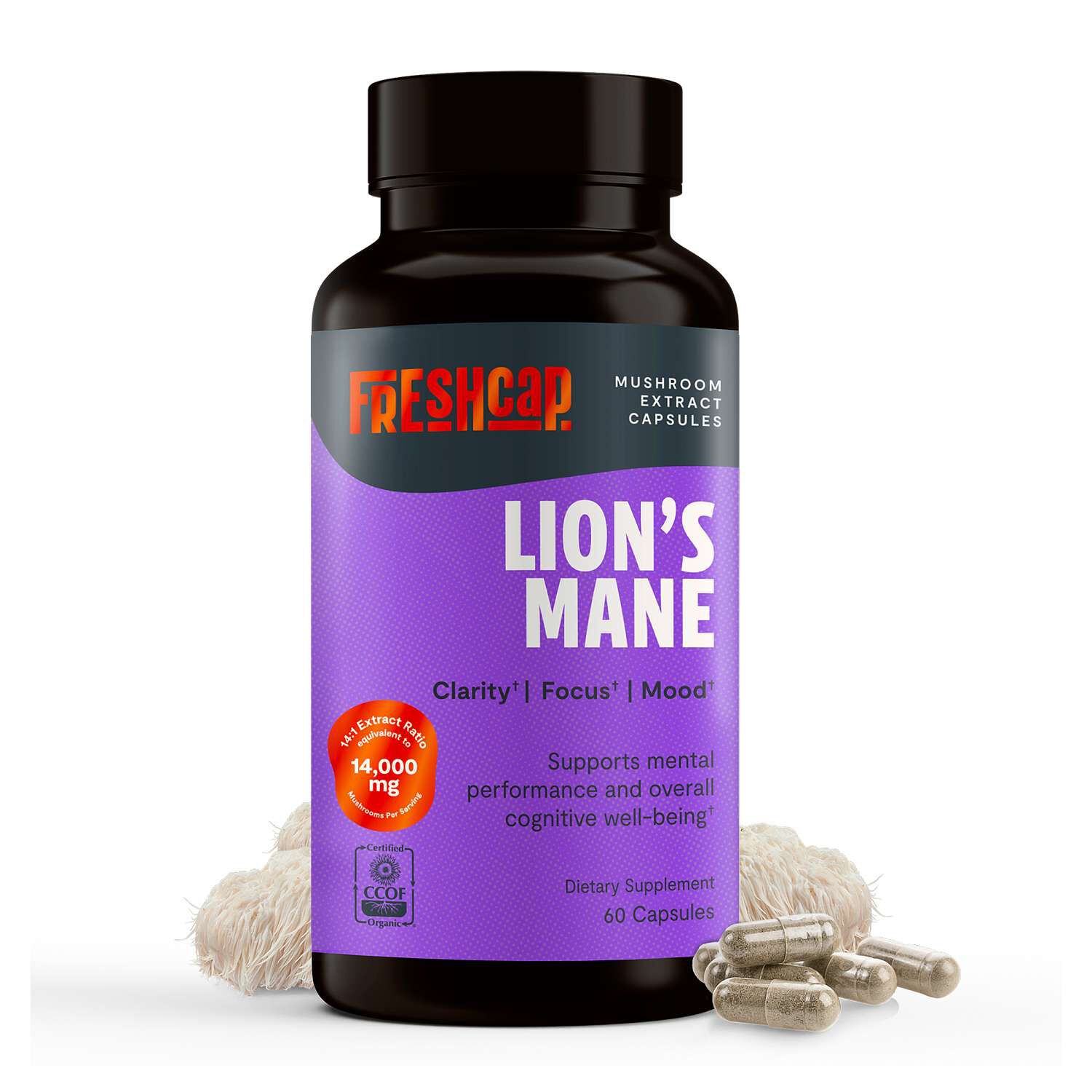
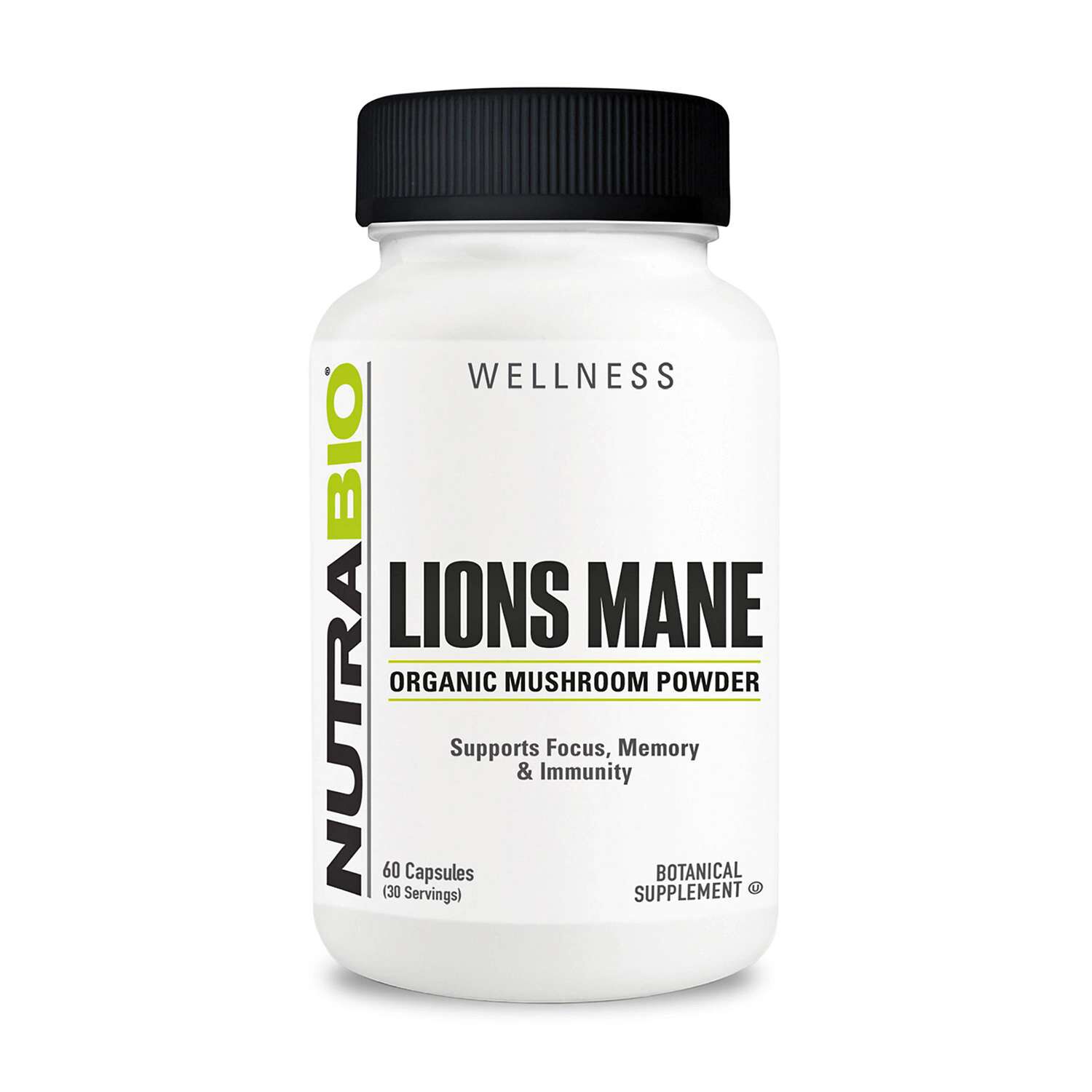
Comparing mushroom complexes starts with the Supplement Facts panel and the accompanying ingredient information. The serving size shows whether the listed amounts apply to one capsule, several capsules, or a measured portion of powder. A bottle containing several capsules per serving represents a different daily format from one with a single-capsule serving, even when the containers look similar. Some labels list an amount for each mushroom ingredient; others provide one amount for a combined blend. Individually listed amounts offer a clearer view of the proportions, while a combined blend amount describes the mixture without necessarily showing each ingredient’s share. Mushroom names, source materials, and preparation details add another layer of context. An extract ratio describes a relationship between the starting material and the resulting extract, but it is not the same measurement as a stated beta-glucan amount or percentage. Those details are more meaningful when read alongside the serving size and the rest of the formula. Extraction methods also vary, and descriptions such as hot-water extraction refer to processing rather than serving directions. A higher-looking number on one part of a label does not make two differently prepared ingredients directly interchangeable. Beyond the mushroom blend, capsules and tablets may contain shell materials, binders, or ingredients used during manufacturing. Capsule shells may be made from gelatin or plant-derived materials, an important distinction for shoppers with particular dietary preferences. Powders may contain flavorings, sweeteners, or other ingredients that influence taste and texture. A plain mushroom powder and a flavored drink mix therefore offer different experiences, even if both include some of the same fungi. Allergen statements and dietary designations provide additional context where those details matter to the person using the supplement. For someone who prefers a short ingredient list, a straightforward formula may be appealing; someone who dislikes earthy flavors may prefer a capsule format. Neither preference determines the product’s effects. It simply helps match the supplement’s physical characteristics, ingredient composition, and intended use to an established routine.
Format and storage are practical considerations that become noticeable after a supplement becomes part of the day. Capsules may suit adults who prefer a measured serving without mixing a drink, while powders may appeal to those who already prepare a smoothie or another beverage. A powder’s texture, aroma, and mixing directions matter as much as its mushroom names: some have an earthy character that remains noticeable alongside cocoa, coffee, or fruit. Capsule dimensions also vary, so the serving count alone does not describe the experience of taking a formula. The label’s directions establish the intended serving and method of use, including whether a powder is designed to be mixed into a particular amount of liquid. A scoop tucked into a jar may be convenient, but the stated serving information remains the reference for understanding that portion. Storage instructions are another useful part of the package. Moisture can cause some powders to clump, and leaving a container open introduces unnecessary exposure to the surrounding environment. A tightly closed container stored as directed may help preserve its intended condition. Keeping supplements in their original packaging retains the ingredient information, serving directions, lot details, and date marking in one place. For an adult with a consistent morning routine, a bottle kept in an appropriate storage location may be easier to incorporate than a powder that requires extra preparation. For someone who enjoys assembling a smoothie, that same preparation may feel natural. These are questions of convenience and preference, not evidence that one format has stronger effects than another. Shoppers comparing mushroom categories around different interests can also explore Mushroom Complex for Focus and Energy to review formulas grouped under that theme. Across categories, the clearest comparison comes from the same details: mushroom species, source material, preparation method, serving size, accompanying ingredients, and format. Together, those details provide a grounded picture of a mushroom complex and how it may fit an adult’s everyday wellness routine, without treating a category name as a substitute for the information on the label.
Best Sellers
Related Pages
Top Collections
- Cortisol Supplements
- Top Rated Collagen | Shop Customer Favorites | GNC
- NAD+ Supplement Tablets
- Daily Collagen Supplements | Top Brands & Deals | GNC
- Peptide Supplements
- Vitamins For Hair Loss
- Best Brand of Magnesium Glycinate
- Vitamins That Help Support Weight Gain
- Protein Powders For Muscle Growth Support
- Peptide Supplements for Muscle Growth