





Natural Collagen Supplements | Top Brands & Deals | GNC
(0 Results)
Discover our range of natural collagen supplements designed to support your skin's elasticity, joint health, and overall well-being. Collagen is a vital protein that plays a crucial role in maintaining healthy hair, skin, nails, and joints. Our selection of collagen supplements offers an easy and convenient way to incorporate this essential protein into your daily routine. Whether you're looking to promote youthful skin or support joint flexibility, we have a variety of options to meet your specific needs. Explore our natural collagen supplements and start nourishing your body from within today.
-
-
-
-

-
-
-

-
-

-

-
-

-
-

-
 44$44.99
-

-

-
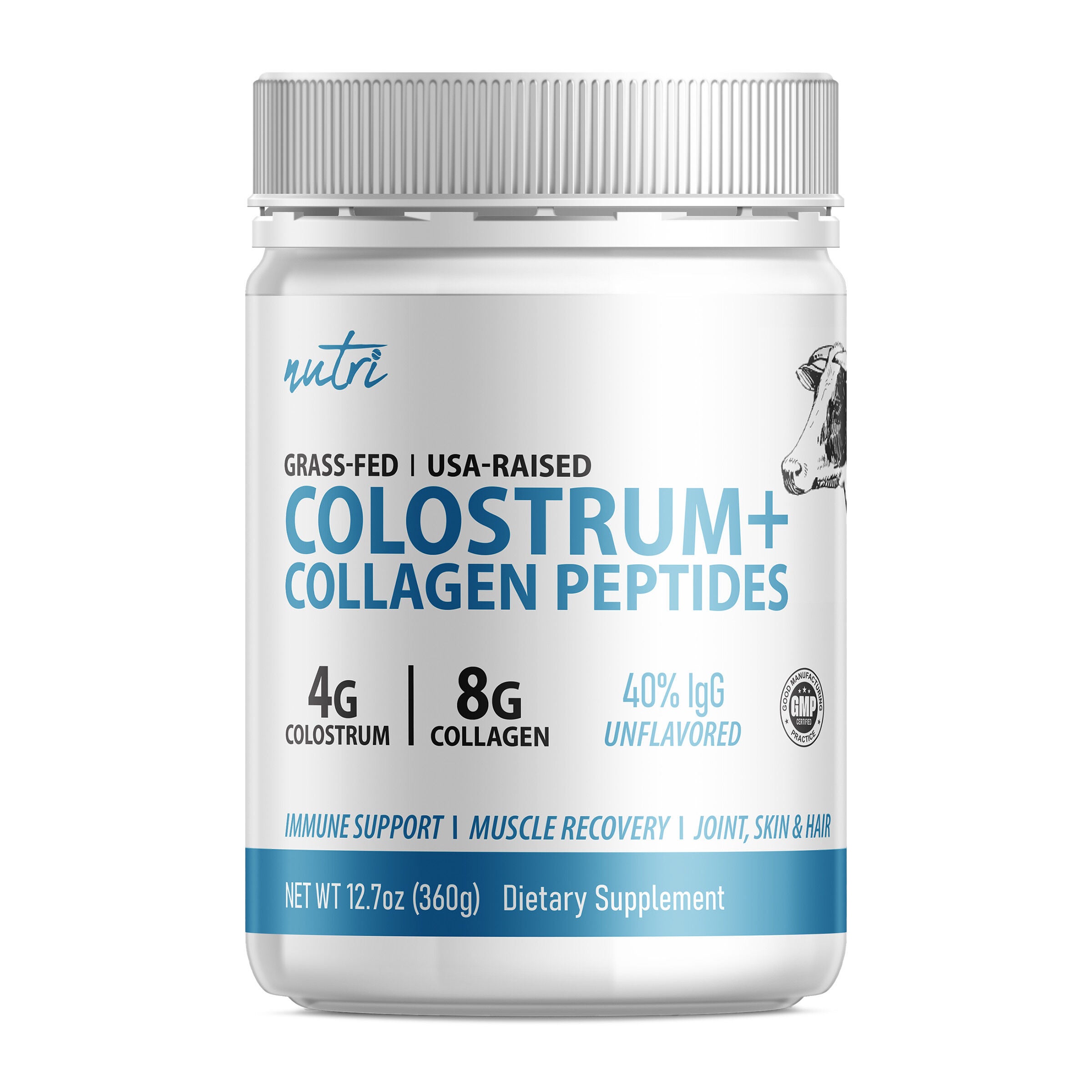
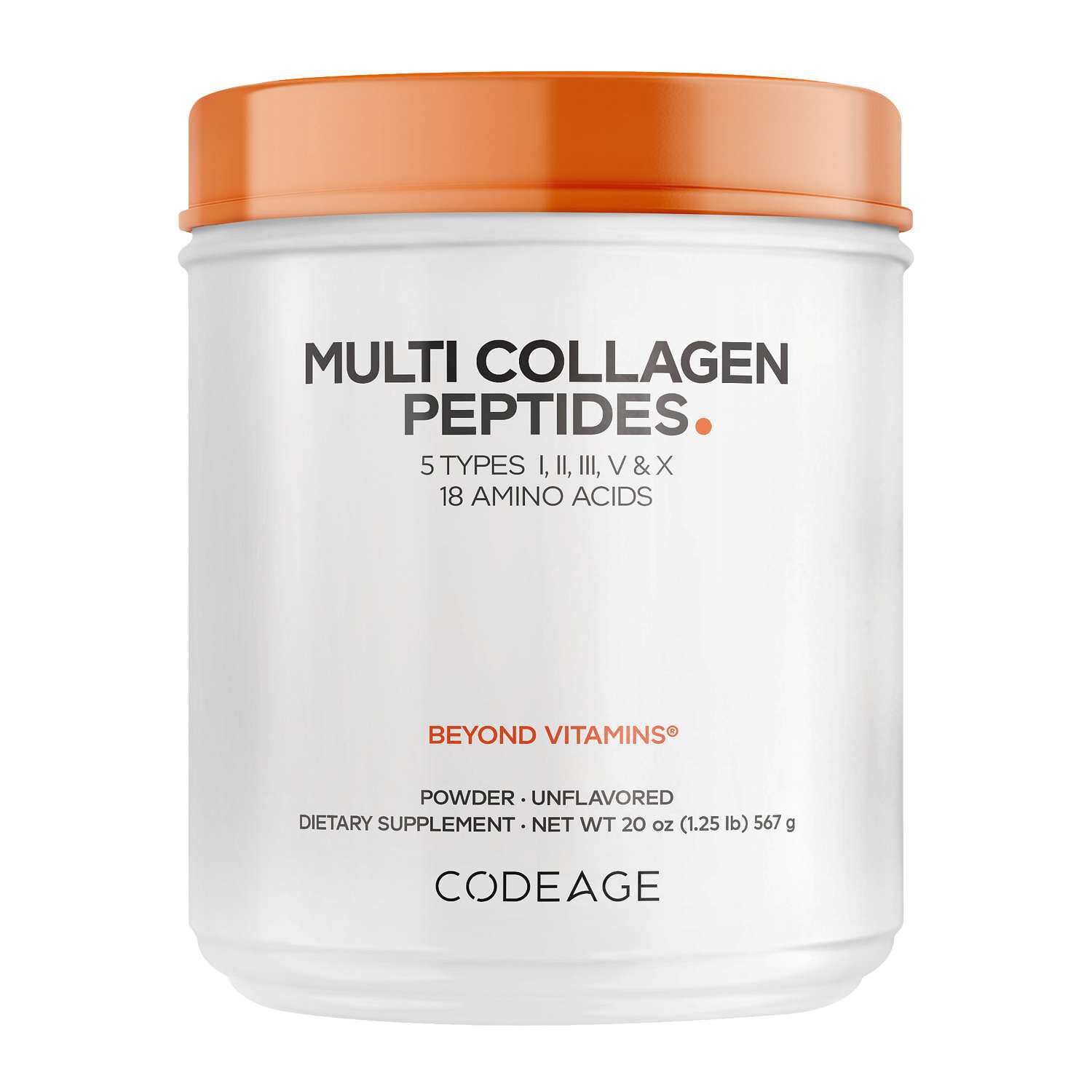
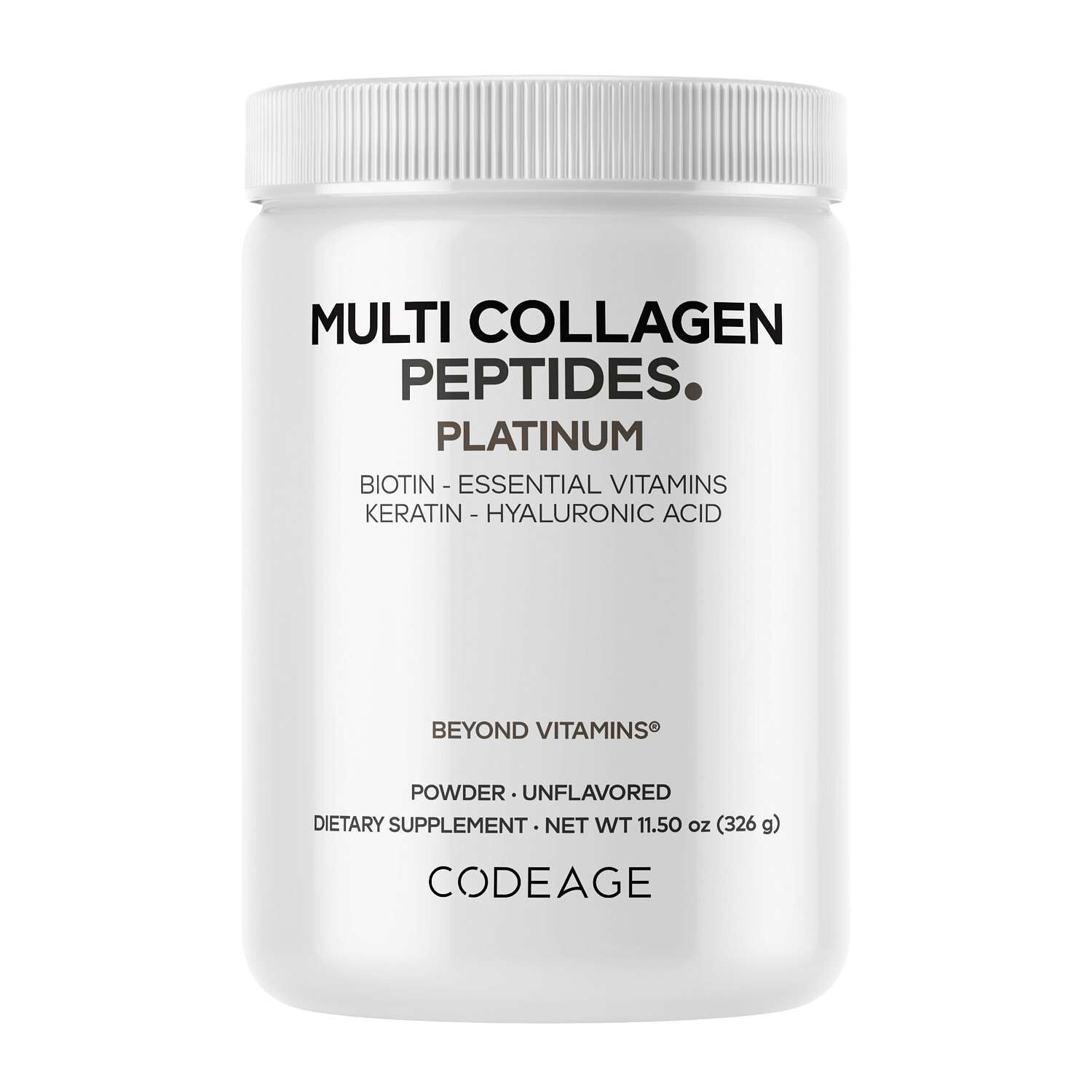
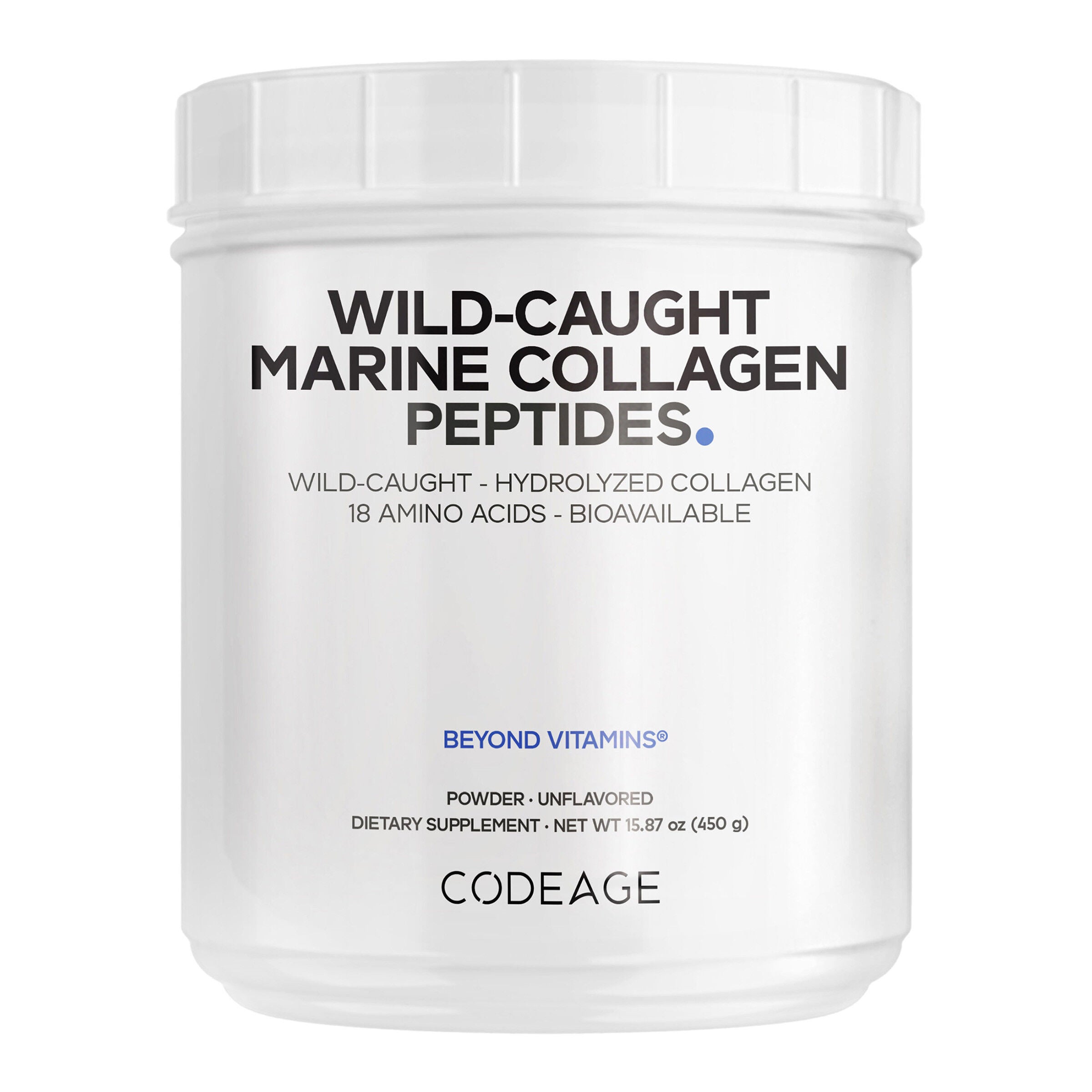
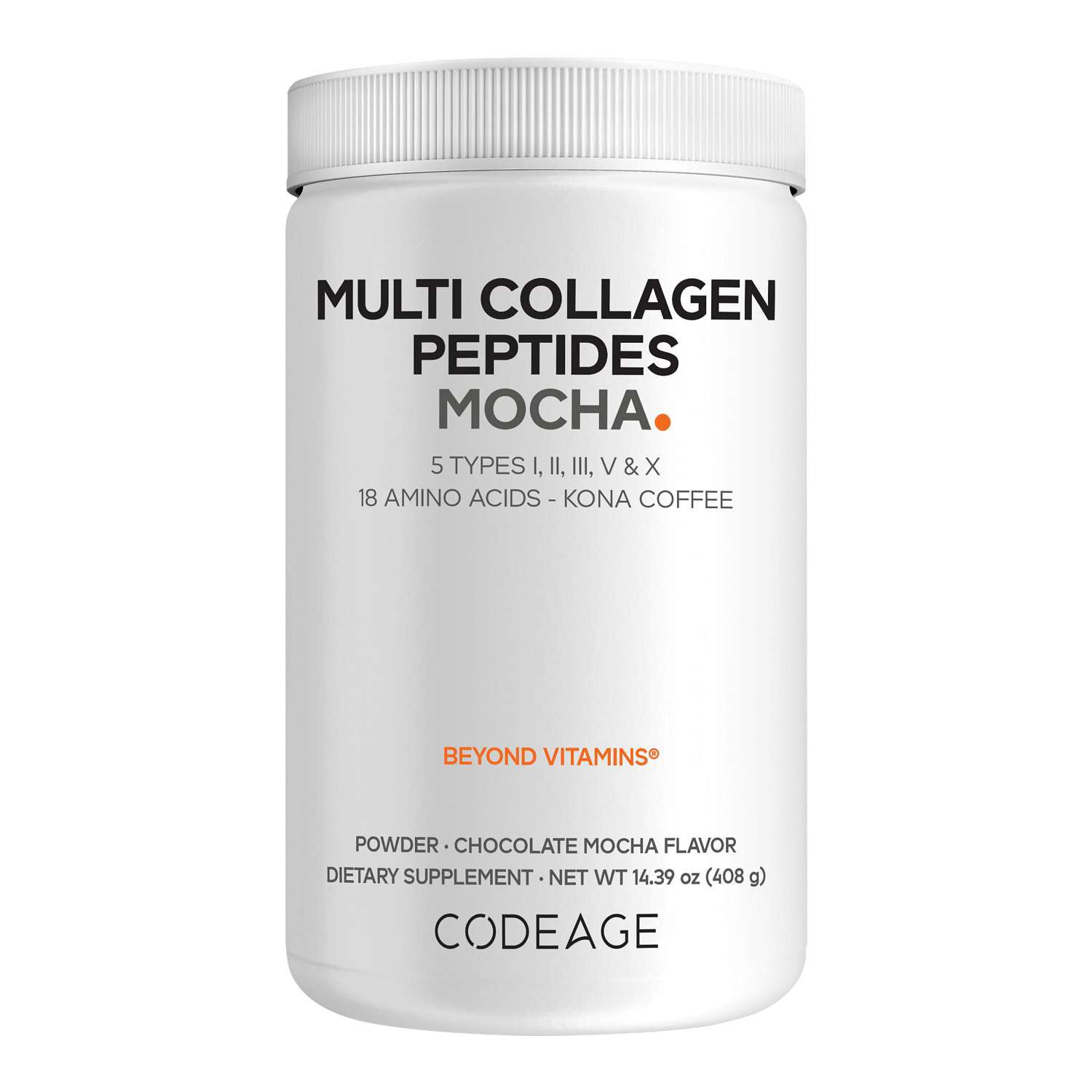
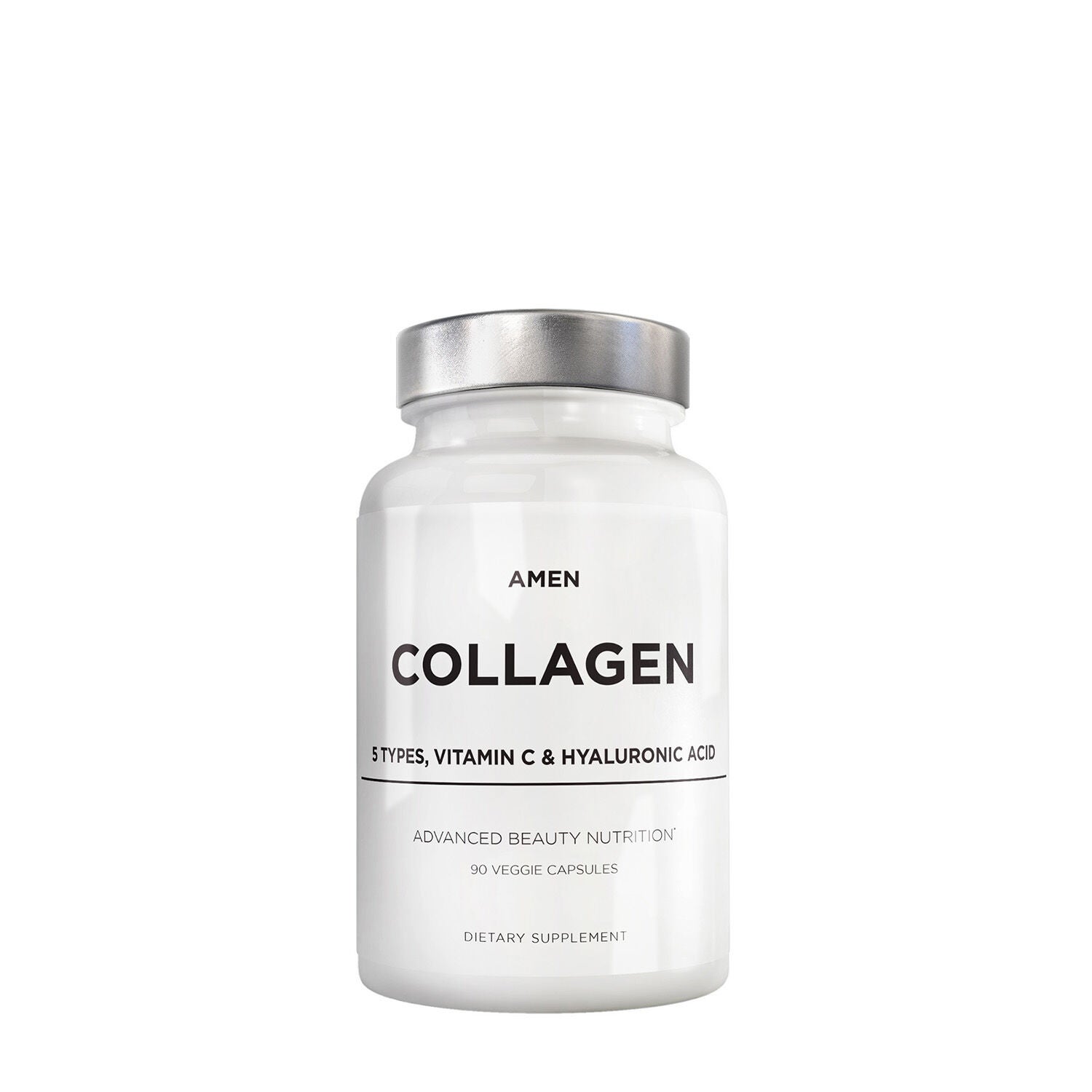

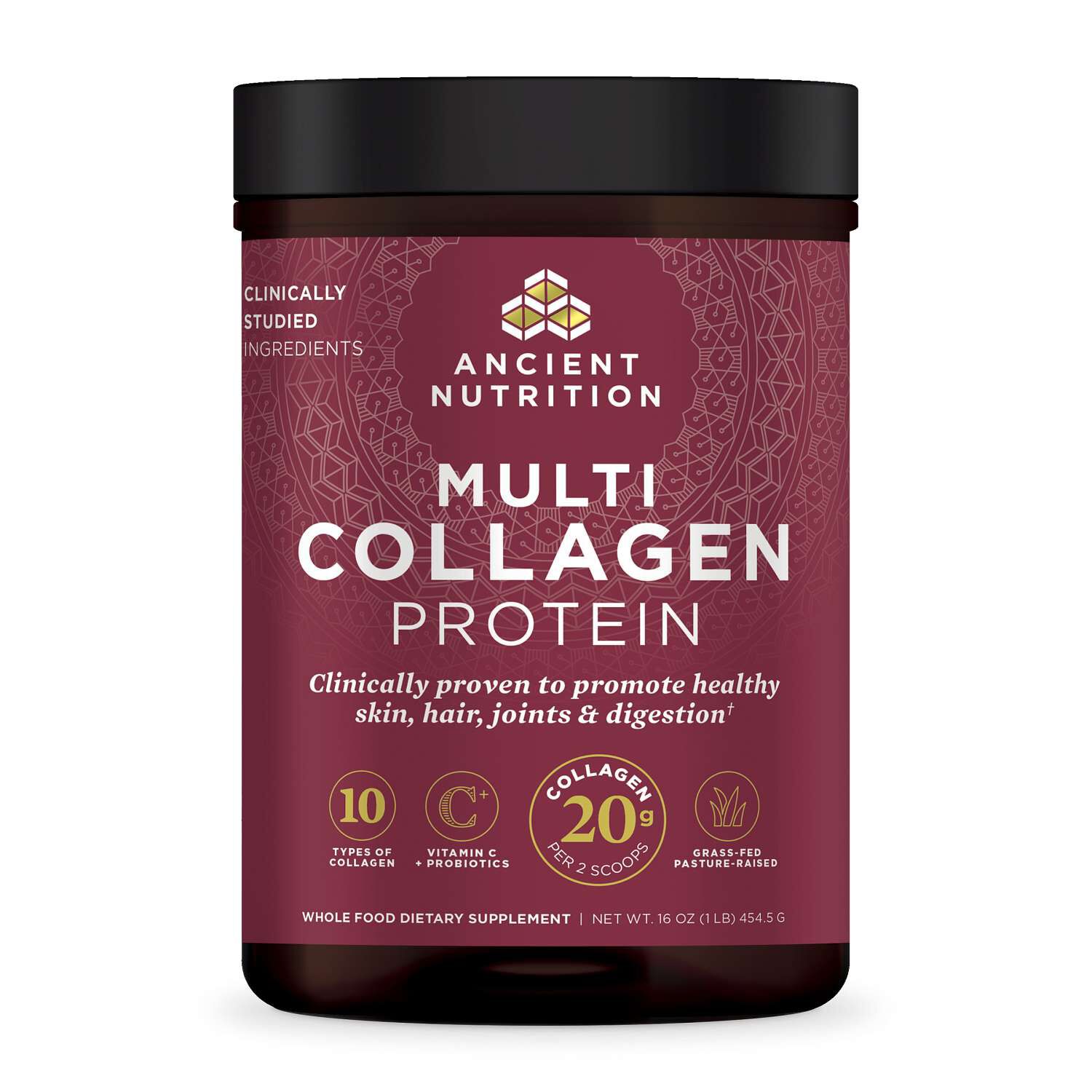
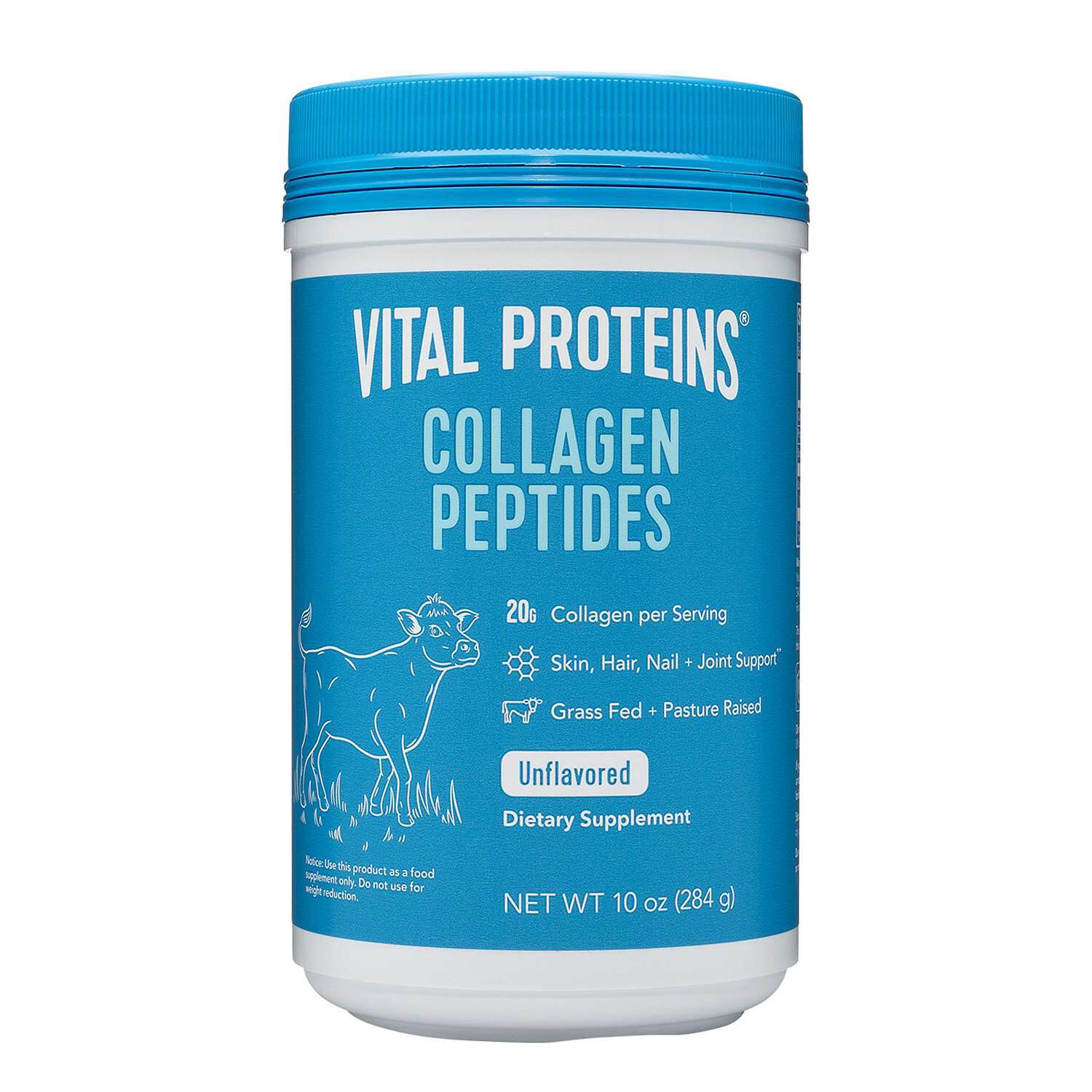
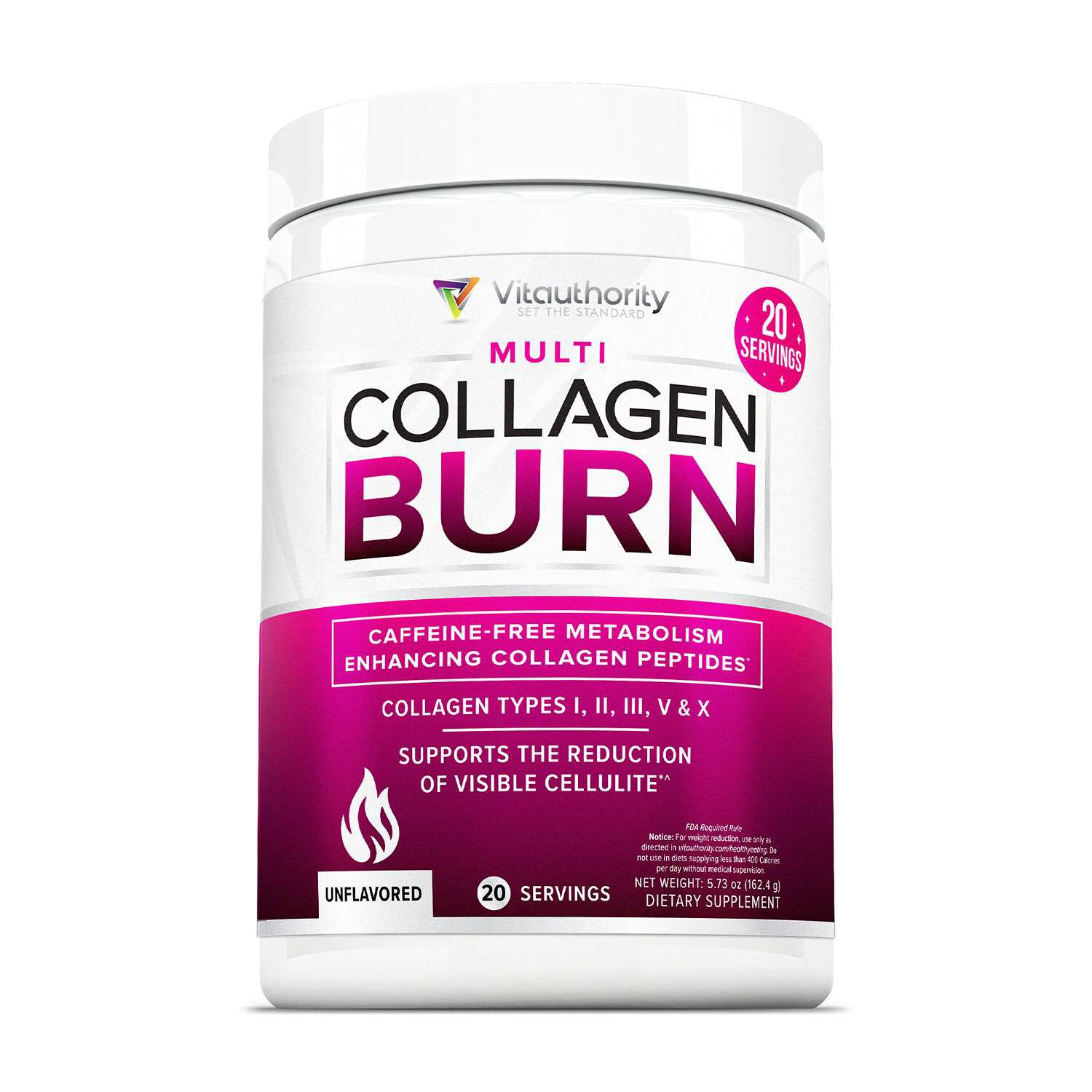
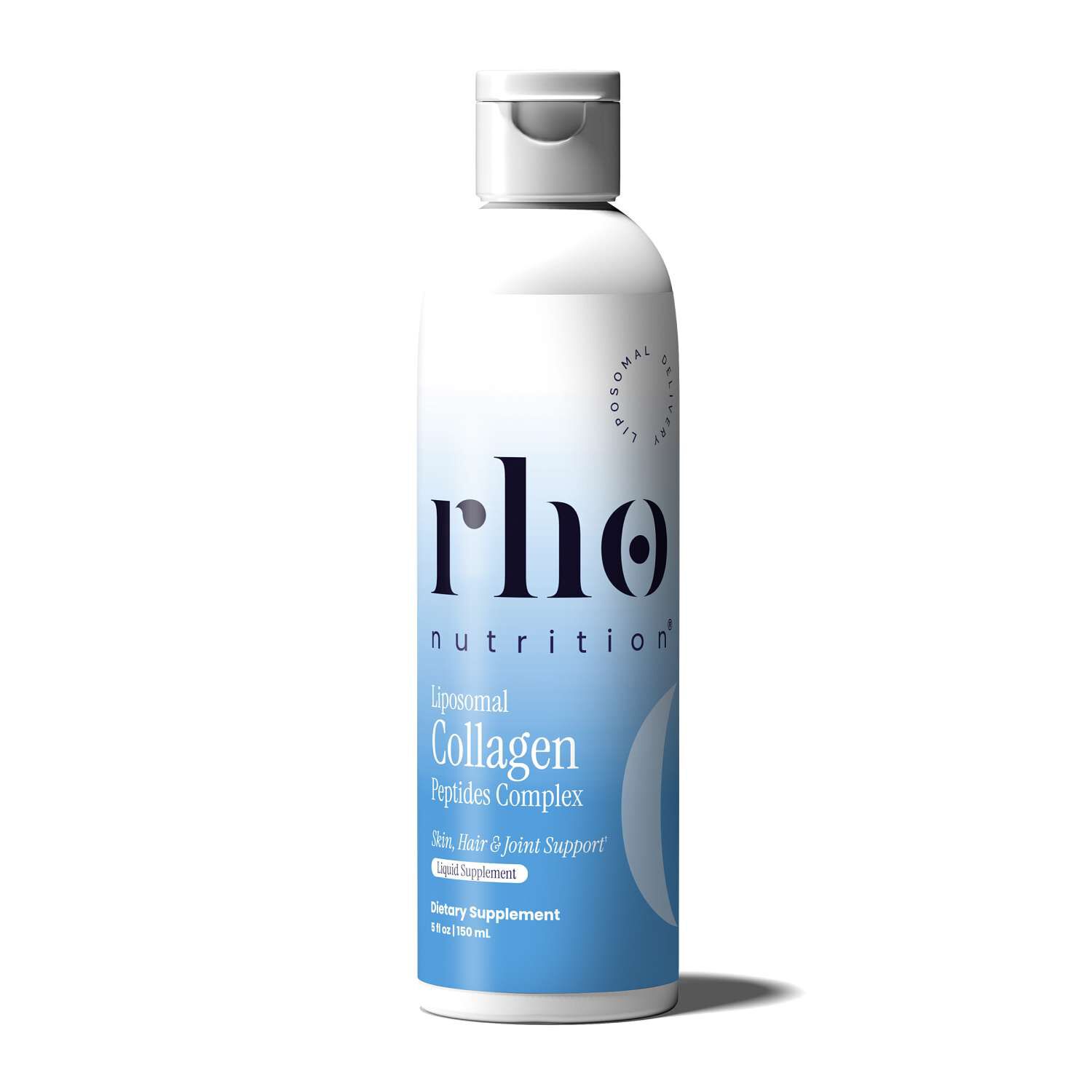
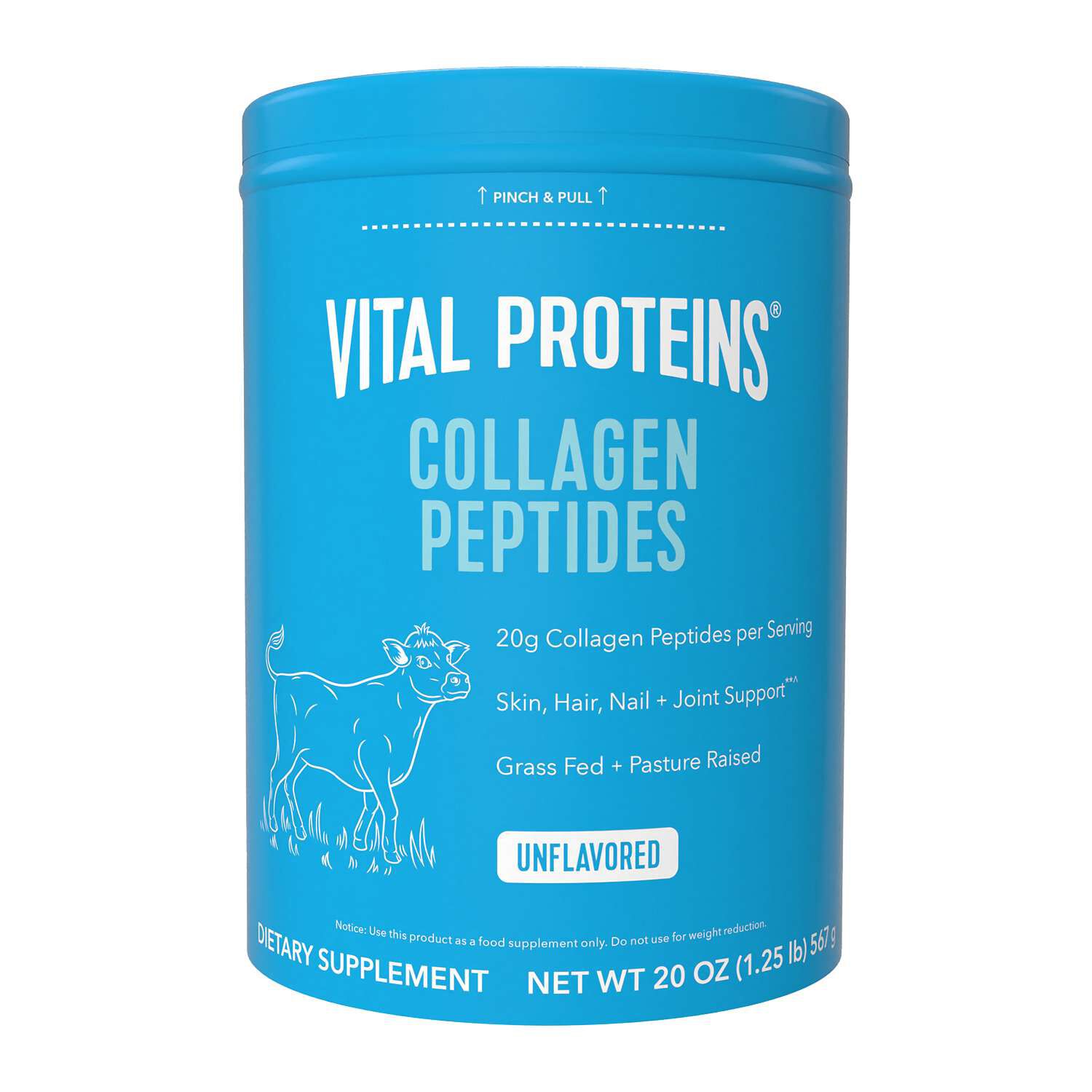
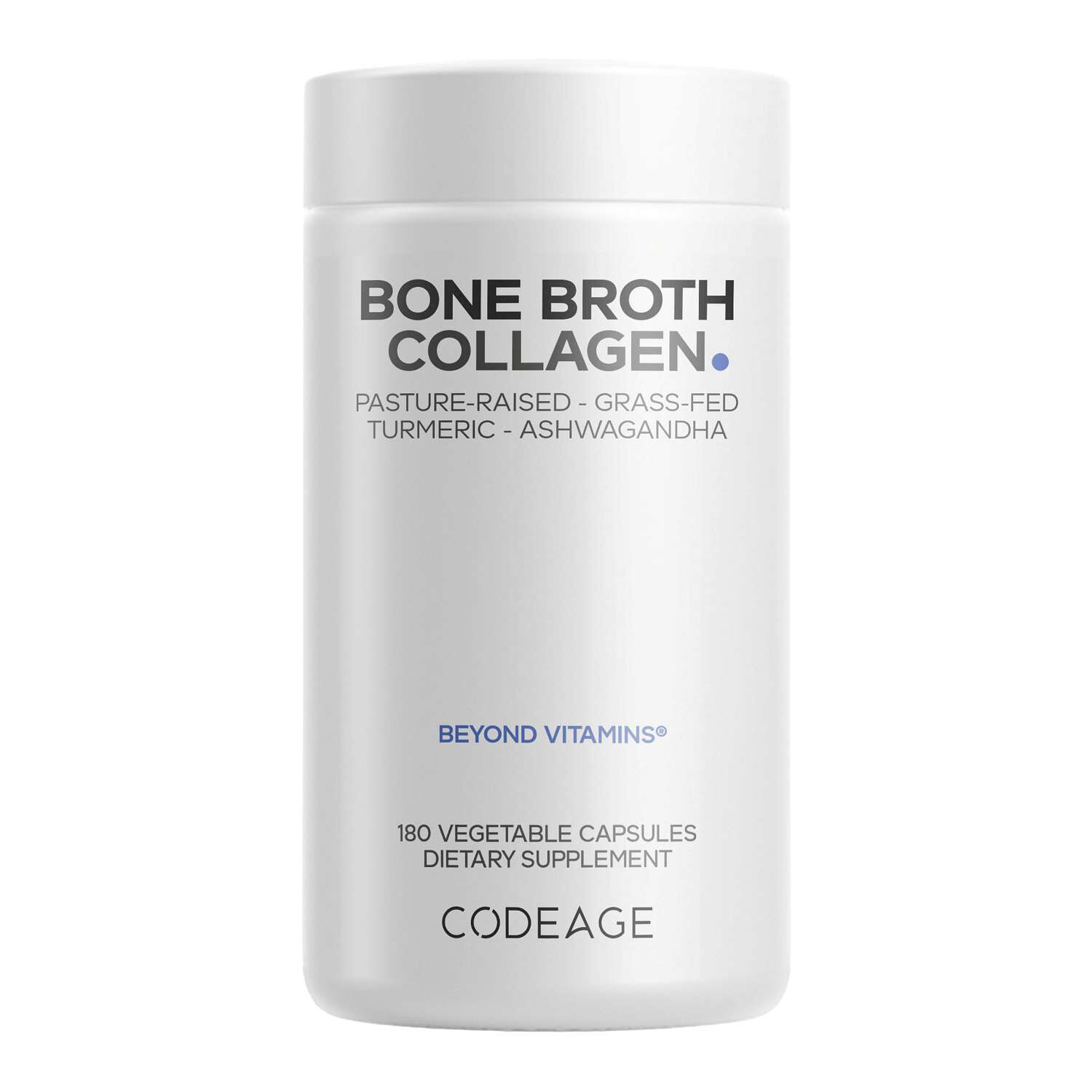
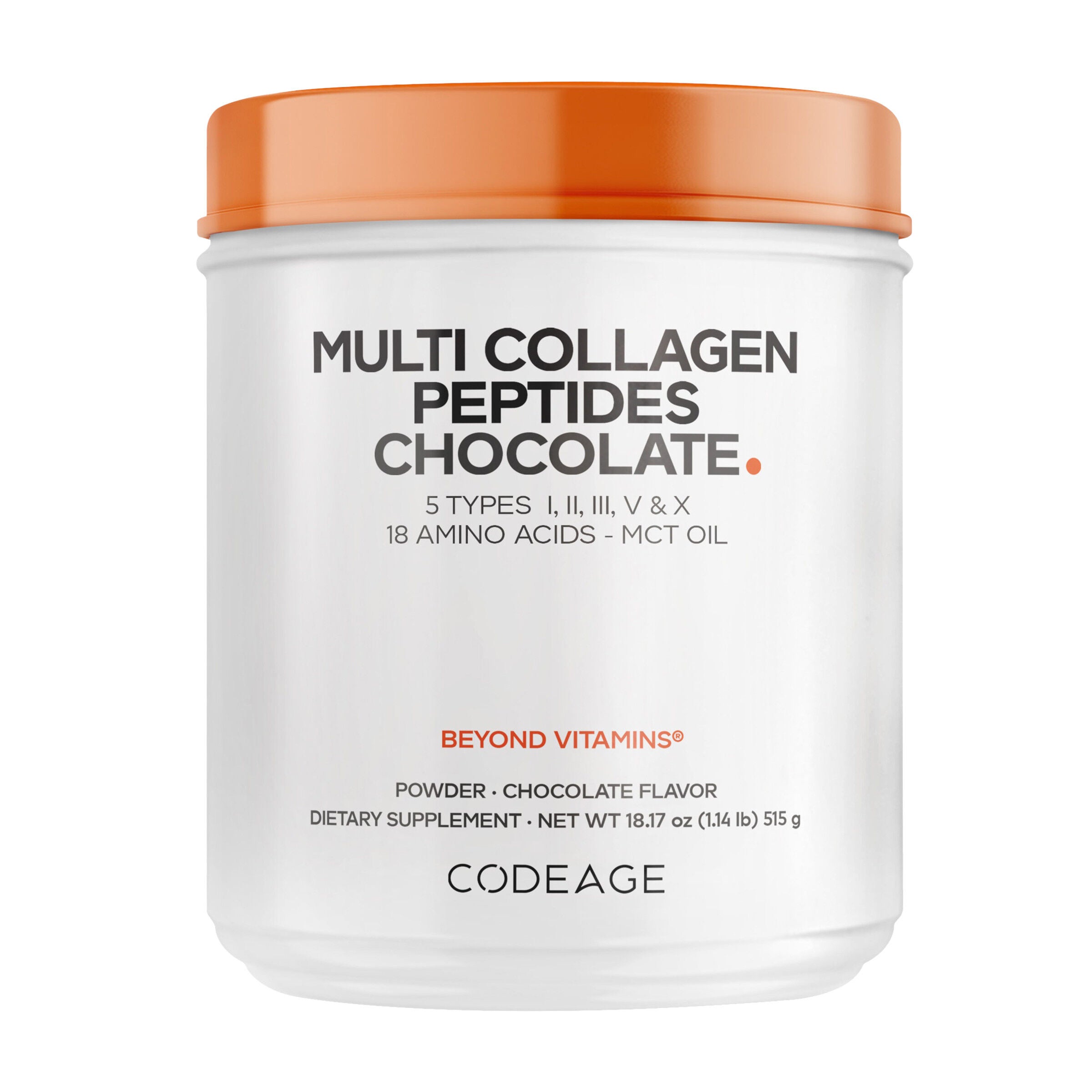
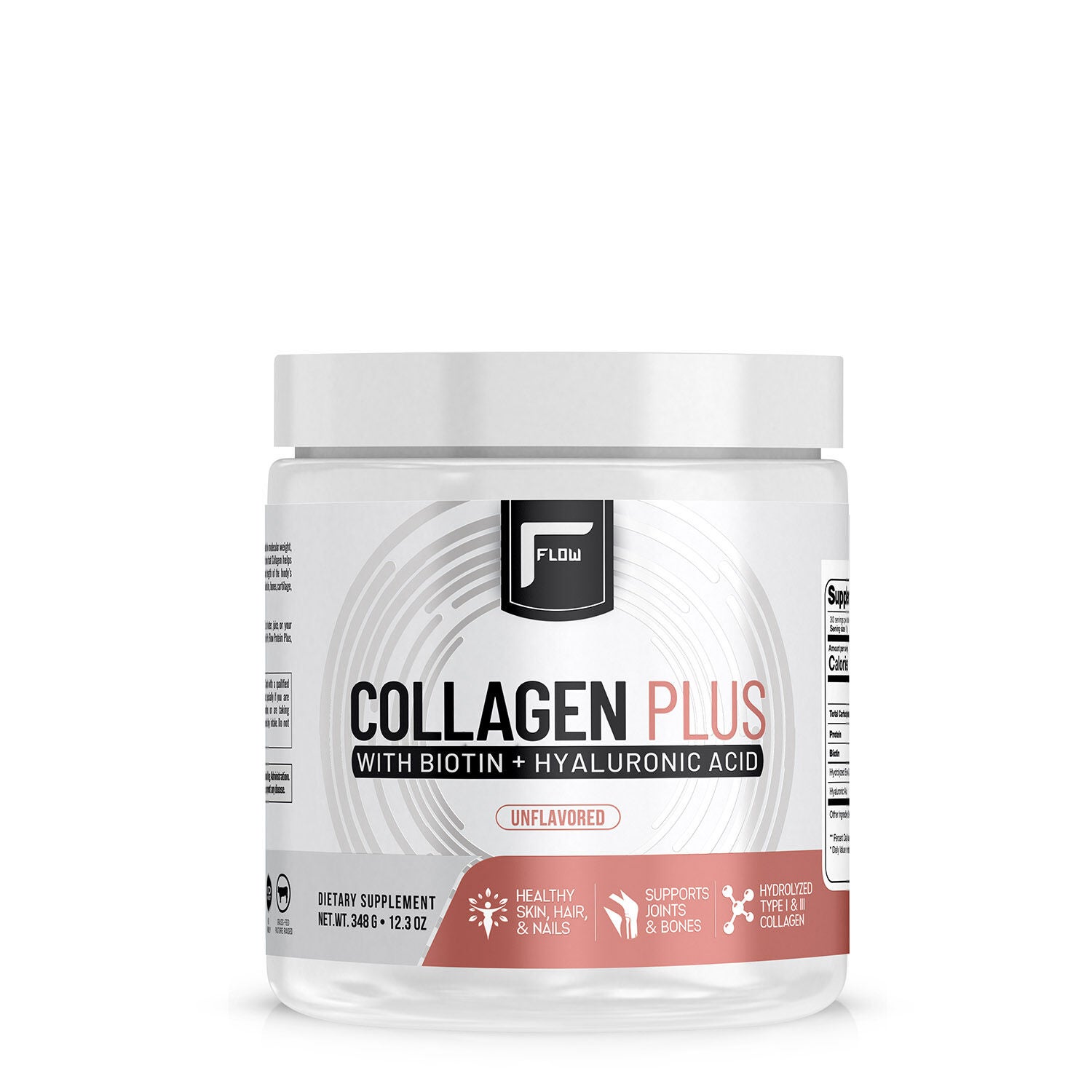
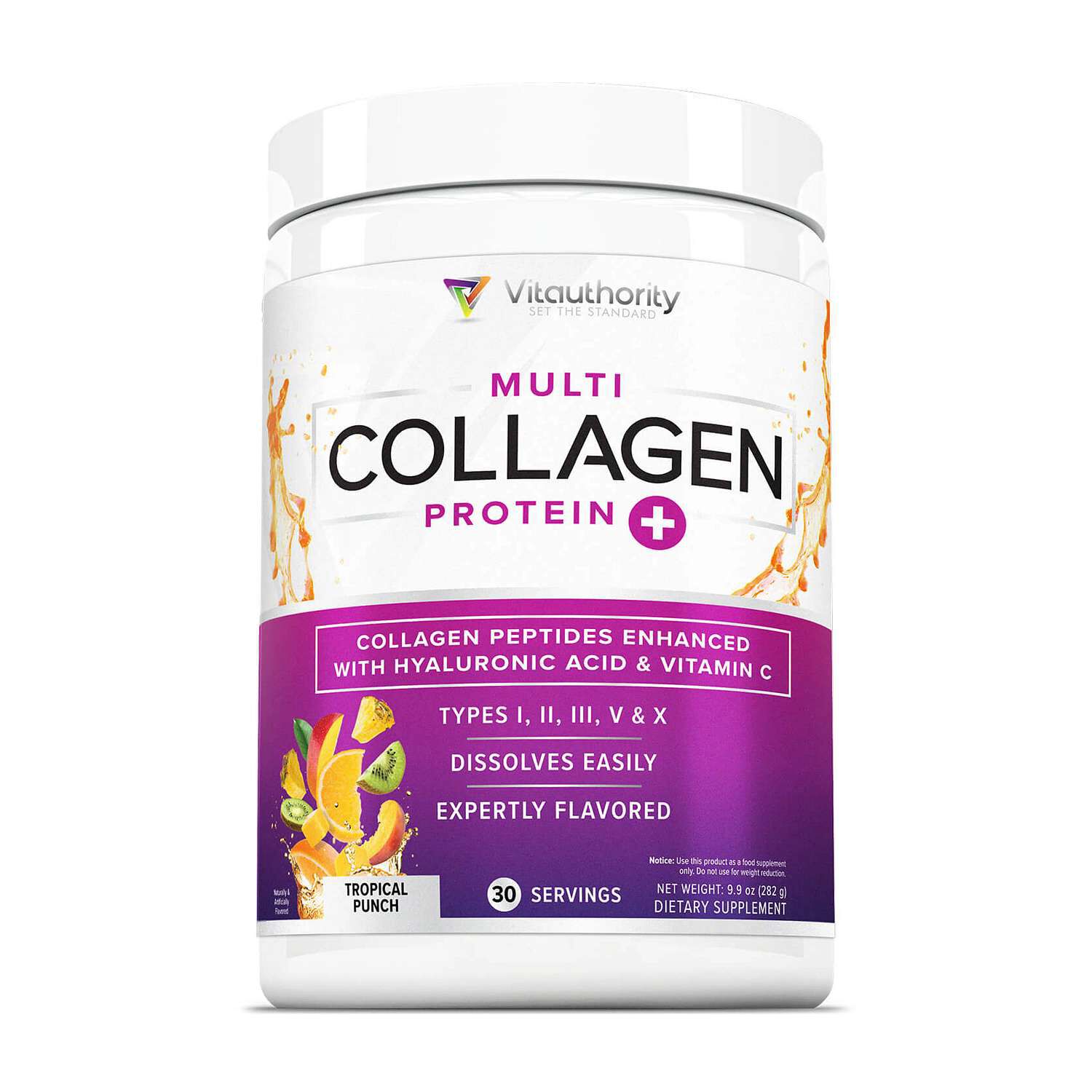
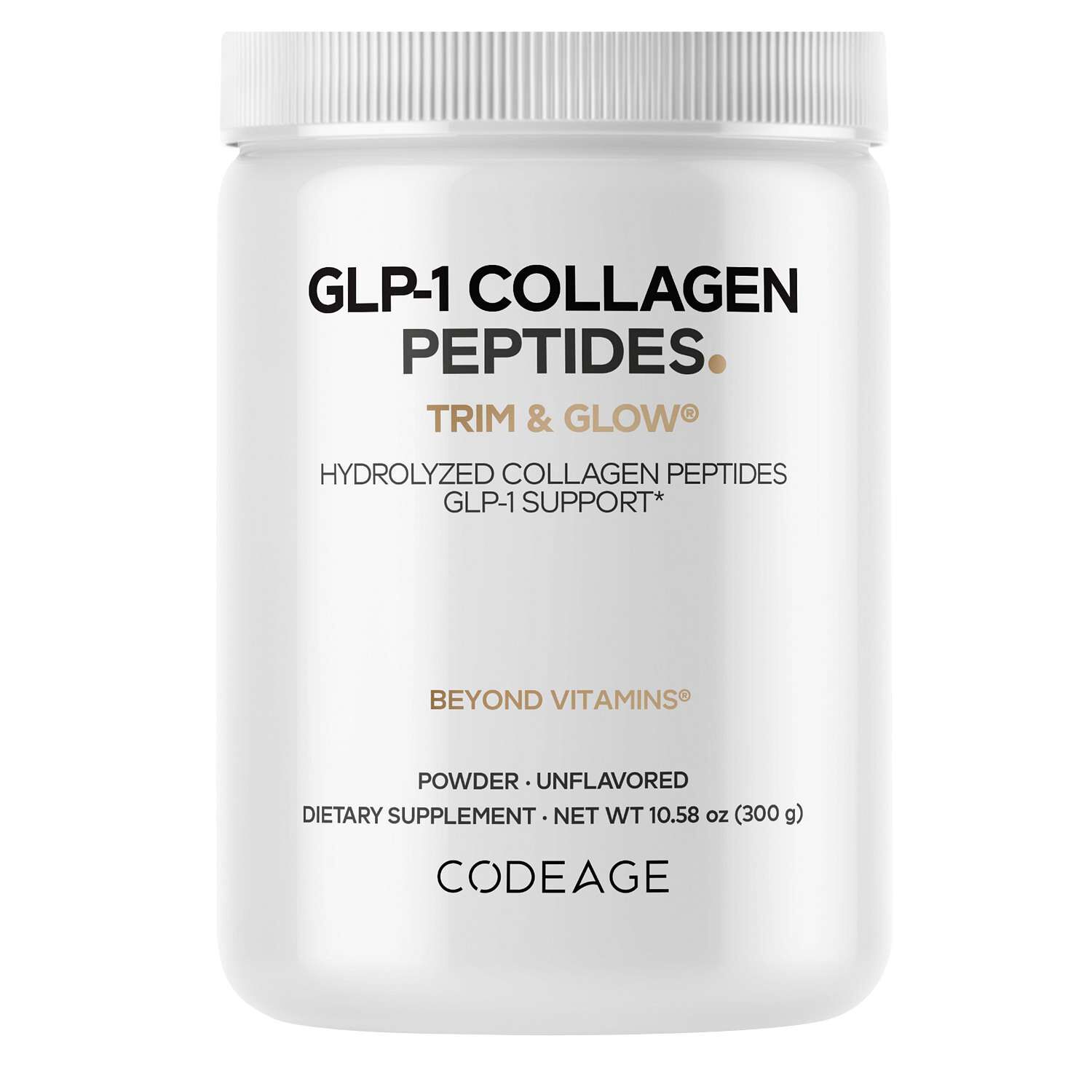
Natural collagen supplements generally contain collagen sourced from animal tissues and come in powders, capsules, tablets, chewables, and liquid formats. Collagen is a structural protein found in skin, bones, cartilage, and other connective tissues. In supplement descriptions, the source identifies where the collagen comes from, while the type identifies a particular form of the protein. Bovine collagen comes from cattle, marine collagen commonly comes from fish, and other sources include porcine tissues and chicken cartilage. Types I and III are commonly associated with bovine collagen, while fish-derived collagen is often predominantly type I. Type II is associated with cartilage and appears in some chicken-derived formulas. These distinctions describe composition, not a particular result from taking a supplement. Hydrolyzed collagen, also called collagen peptides, has been processed into shorter protein chains. The word “hydrolyzed” describes that processing rather than the animal source, so a powder can be both marine-derived and hydrolyzed. “Natural” alone does not explain sourcing practices, processing methods, or the full ingredient list. More specific descriptions, such as the named animal source or a documented sourcing certification, provide additional context. Some formulas contain collagen as the main ingredient; others combine it with vitamin C, biotin, hyaluronic acid, or minerals. Adults interested in beauty-oriented nutrition routines, animal-derived protein ingredients, or a familiar daily supplement format may compare these options for different reasons. Those interests are separate from what any individual formula may do, and a collagen type does not establish that an oral supplement will reach a particular part of the body. Collagen also has a different amino acid profile from proteins such as whey, soy, or pea protein, making the collagen amount and the broader nutrition panel distinct considerations. For shoppers with vegetarian or vegan preferences, conventional animal-derived collagen does not match that eating pattern. Plant-based products marketed around collagen generally contain other ingredients rather than collagen itself, making the actual ingredient panel more informative than the category wording alone.
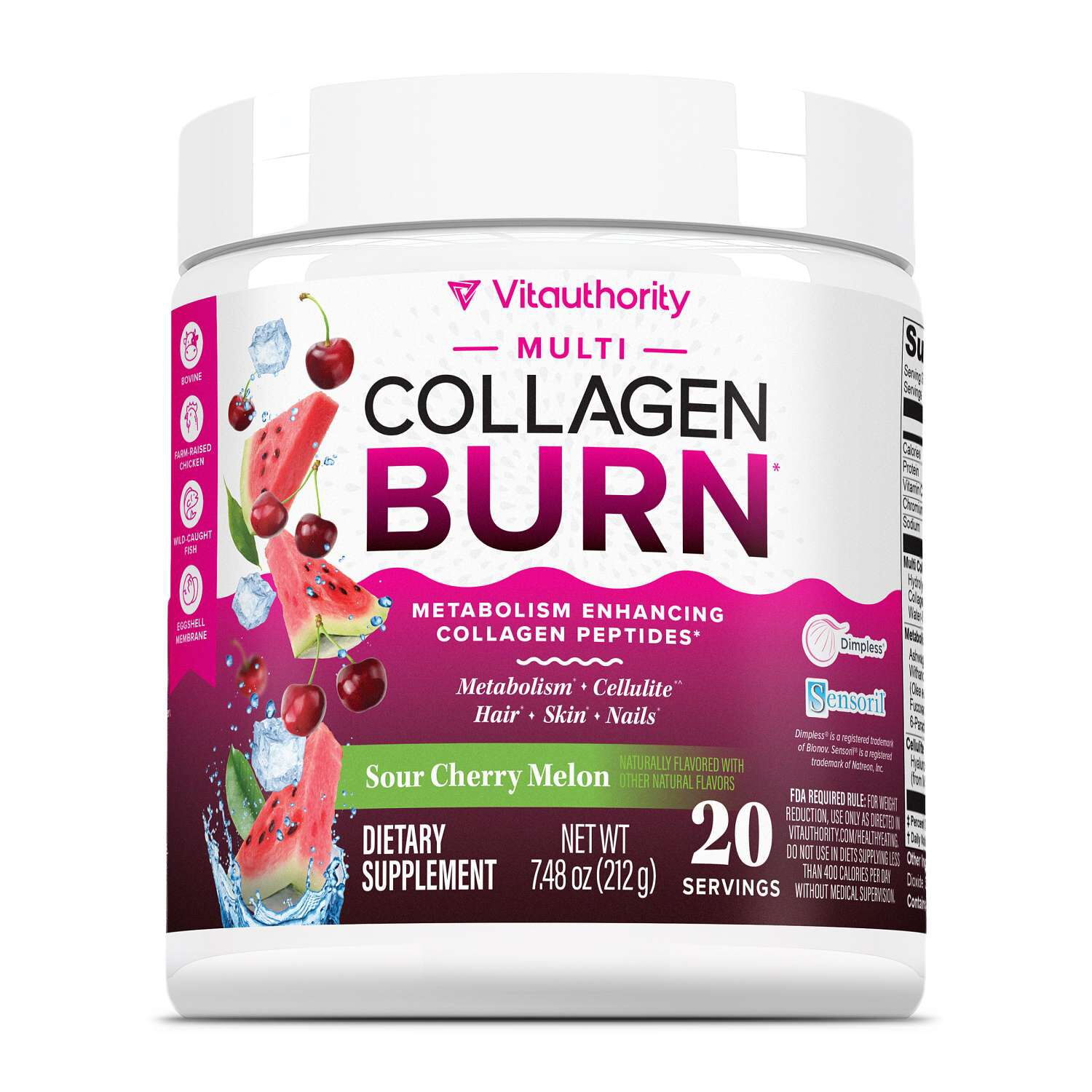
The format of natural collagen supplements shapes the everyday experience as much as the source. Powders suit routines built around a measured serving and a drink or food prepared at home. An unflavored powder leaves more room for personal beverage preferences, although “unflavored” does not necessarily mean undetectable: the source and formulation can contribute a mild taste, aroma, or texture. Flavored powders bring their own sweetness and flavor profile, which may fit one drink better than another. A vanilla-flavored serving in a morning smoothie creates a different experience from an unflavored serving stirred into coffee, and preparation directions determine which uses are appropriate for a particular formula. Hydrolyzed powders are commonly designed for mixing, but dissolving characteristics vary. Some need more stirring or a shaker bottle, and the finished texture can depend on the liquid and serving size. Capsules and tablets keep the serving separate from food and beverages, appealing to adults who prefer a measured format without mixing. The labeled serving may involve several capsules or tablets, so the amount per serving matters more than a comparison based on a single piece. Chewable formats have their own texture, flavor, and sweetener ingredients; their collagen amounts can differ considerably from powder servings. Liquids remove the measuring-and-mixing step in some formats, while larger bottles may still require a measured portion. Serving size, servings per container, and collagen quantity help describe these differences without assuming that all formats are interchangeable. Added sugars, flavorings, colors, and other ingredients also shape the selection for someone who prefers a shorter ingredient list or a particular taste. Fish-derived sourcing warrants attention for anyone avoiding fish ingredients, just as bovine, porcine, or chicken sources matter for dietary or religious preferences. The declared source and any allergen statement offer more useful detail than broad language on the front of the package. Across formats, suitability is closely tied to the labeled directions, ingredient preferences, and whether the serving fits comfortably into an established routine.
Packaging and storage are practical parts of choosing a collagen supplement, especially when the product will be opened and used repeatedly. A powder tub offers a familiar home-counter format, while individually portioned packets keep servings separate for a work bag or an overnight trip. Scoops, packet sizes, bottle openings, and closures influence handling, but the label remains the reference for serving measurements. A scoop is not always equivalent to a familiar kitchen spoon, and serving sizes can differ between formulas. Powder containers need a secure closure and storage consistent with the label; a dry scoop and protection from moisture help preserve the intended handling characteristics. Capsules, tablets, and chewables likewise belong in their original packaging under the stated storage conditions. Liquid formulas may have different instructions before and after opening, including refrigeration where specified. Package condition, readable directions, and the labeled date are useful considerations for a product intended for ongoing use. These details matter in ordinary settings: a tightly closed tub beside the breakfast supplies, a packet tucked into a lunch bag, or a bottle stored where its directions can remain visible. For a shared household, clear labeling also keeps animal sources and serving information easy to distinguish. Collagen supplements are personal purchases, so a gift is most appropriate when the recipient has already expressed an interest and their ingredient and format preferences are known. A familiar powder format may suit someone who enjoys preparing smoothies, while another adult may prefer capsules because they do not want to change the taste of a beverage. Shoppers comparing related ingredient combinations can also explore CLA Collagen Supplements, with the individual ingredient panels providing the details needed to distinguish formulas. A useful comparison stays grounded in source, collagen type where listed, serving amount, additional ingredients, taste, preparation, and storage. Together, those characteristics give natural collagen supplements their practical differences and help shoppers identify a format that aligns with their preferences without treating the category name as a description of every formula.
Best Sellers
-
Ancient Nutrition
-
Vital Proteins
Related Pages
Top Collections
- Daily Collagen Supplements | Top Brands & Deals | GNC
- Cortisol Supplements
- Top Rated Collagen | Shop Customer Favorites | GNC
- Vitamins For Hair Loss
- NAD+ Supplement Tablets
- Peptide Supplements
- Best Brand of Magnesium Glycinate
- Protein Powders For Muscle Growth Support
- Vitamins That Help Support Weight Gain
- Peptide Supplements for Muscle Growth