Natural Mineral Aids
(0 Results)
Natural mineral aids could offer an easy way to support your daily wellness routine. Whether you’re looking to complement your diet or seeking options that may help fill nutritional gaps, these supplements provide a range of minerals sourced from nature. Explore a variety of natural mineral aids that might fit seamlessly into your lifestyle and help you maintain your health goals.
-

-

-

-
-
 _Front.jpg?sw=305&sh=305&sm=fit "Magnesium: Bioactive Magensium Citrate - 120 Capsules (120 Servings) | GNC")
-
 _Front.jpg?sw=305&sh=305&sm=fit "Magnesium: Bioactive Magensium Citrate - 60 Capsules (60 Servings) | GNC")
-

-

-

-

-
-

-
 $34.99
 -
 $34.99
 -

-

-

-
-
-
-

-
-

-
Natural Mineral Aids can offer a convenient way to explore mineral-focused nutrition alongside a varied eating pattern. Minerals such as calcium, magnesium, potassium, iron, zinc, iodine and selenium occur naturally in foods including leafy greens, beans, lentils, nuts, seeds, whole grains, dairy foods, seafood, lean meats, fruits and vegetables. A balanced diet may provide many of the minerals the body uses in everyday functions, while a supplement could be considered when food preferences, travel, busy schedules or other lifestyle factors make regular meal planning more difficult. These nutrients may play roles in bone structure, muscle function, nerve communication, fluid balance, oxygen transport and the activity of many enzymes, although the way a supplement fits into an individual routine can vary. Mineral aids are not a substitute for a varied diet, and taking more is not necessarily better; concentrated products may provide amounts that are difficult to judge without reading the label carefully. Shoppers may want to compare the mineral form, serving size, amount per serving, additional ingredients and directions for use. It may also help to consider whether a product fits a vegetarian, vegan, dairy-free or gluten-free routine, as well as whether its format suits personal preferences. Capsules may work well for someone who likes a simple cabinet routine, while chewable or powdered formats could appeal to people who prefer a different experience. Checking the Supplement Facts panel can make it easier to understand what each serving contains and how it fits with other vitamins or nutrition products already in the household.
Choosing a mineral supplement often starts with the reason it is being considered. Someone who spends long days at work or school may appreciate a straightforward addition to an organized morning routine, while a traveler could prefer a compact format that fits easily into a toiletry bag or carry-on. During the warmer part of the year, outdoor activities and changing schedules can make portable nutrition products appealing; during the cooler months, a dependable pantry routine may feel especially useful as meals shift toward soups, roasted vegetables, beans and other hearty foods. Athletes and active adults may look for mineral-focused options as part of a broader approach that includes regular meals, hydration and rest, while older adults may prefer clearly labeled products with an easy-to-follow format. Mineral aids could also make a thoughtful wellness gift for a family member, roommate or friend who enjoys building a daily nutrition routine, though personal preferences and dietary considerations make a gift card or a conversation about their routine a considerate choice. For shoppers comparing options, it may be useful to look for transparent labeling rather than relying on broad front-of-package language. Pay attention to the mineral names, the form used, the serving directions and whether the product combines several nutrients in one serving. Some formulations may be designed around one mineral, while others may pair complementary nutrients for shoppers who prefer fewer bottles. A qualified healthcare professional or registered dietitian could help determine whether a particular formula suits personal nutrition needs, especially for anyone who is pregnant, managing an ongoing health concern, following a restricted diet or using prescription products.
The Healthy Mineral Supplements collection can help shoppers browse mineral-focused options in one place and compare formats with greater ease. Calcium is often selected by people who want to include a bone-focused nutrient in their routine, while magnesium may appeal to shoppers interested in a mineral involved in muscle and nerve function. Potassium is found in foods such as bananas, potatoes, beans and leafy greens, and some shoppers may explore it when reviewing their overall approach to fluid balance. Iron occurs in foods such as lean meats, lentils, beans and spinach, while zinc can be found in seafood, meat, dairy foods, seeds and legumes. Iodine is present in foods including dairy and iodized salt, and selenium occurs in foods such as seafood, eggs, beans and nuts. These examples are general nutrition context rather than a recommendation for any one product or serving amount. Mineral needs can differ according to age, dietary pattern, activity, life stage and personal health history, so reading the label and seeking individualized guidance may be worthwhile before adding a new supplement. Keeping products stored according to the package directions and out of reach of children may support a careful household routine. Whether the goal is to simplify a daily cabinet, prepare for travel, or give a practical wellness present as routines change from warm days to cooler evenings, Natural Mineral Aids provide a convenient category to explore with food-first habits and thoughtful label reading in mind.
Best Sellers
-
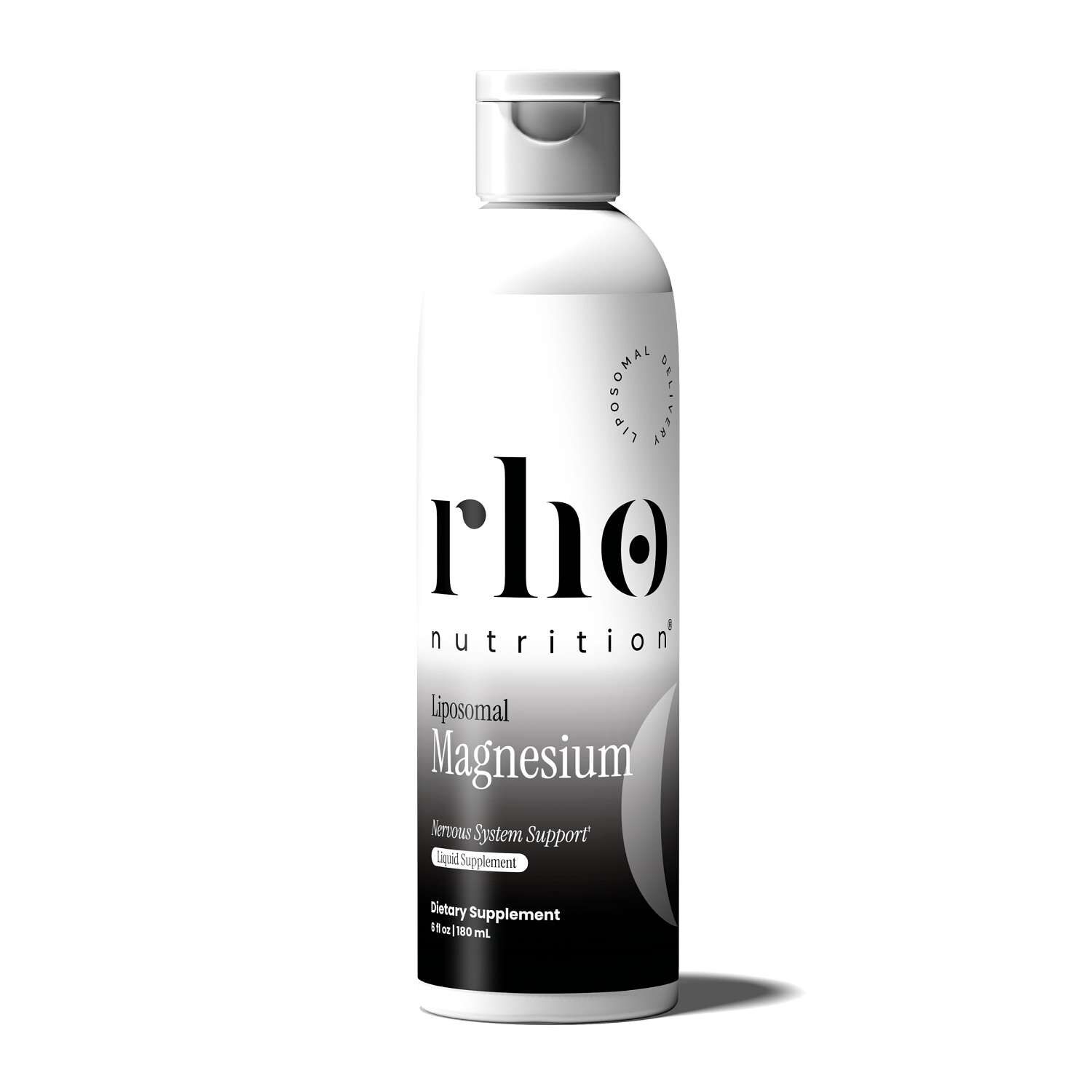 Rho Nutrition
 -
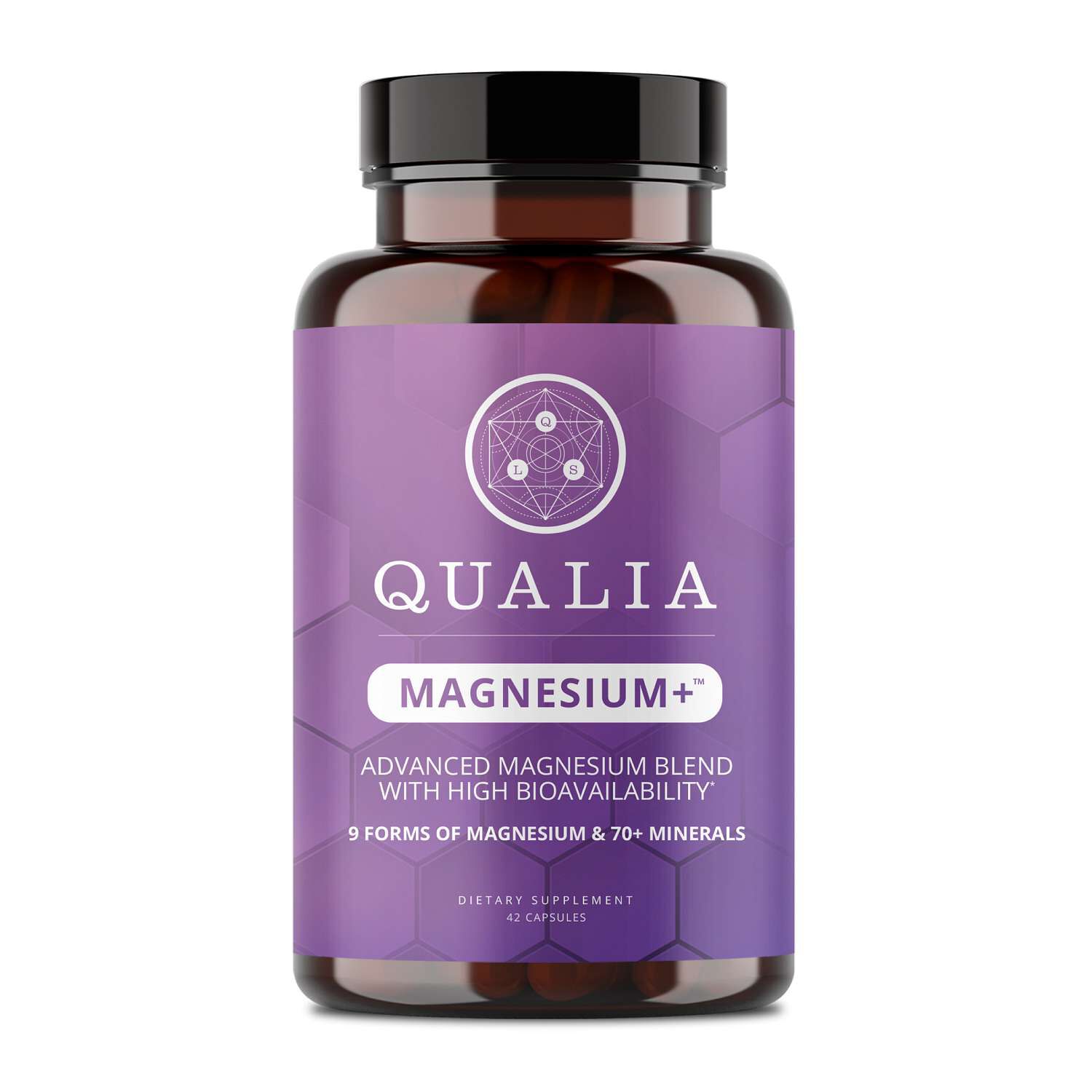 Qualia Life Sciences