Nervous System Boosters
(0 Results)
Discover a curated selection of nervous system boosters designed to support overall wellness and vitality. These supplements may help maintain a healthy nervous system, potentially enhancing your body's ability to manage stress and promote mental clarity. Explore a range of options that could provide the nutrients needed to keep your nervous system functioning optimally, supporting your journey towards better health and well-being.
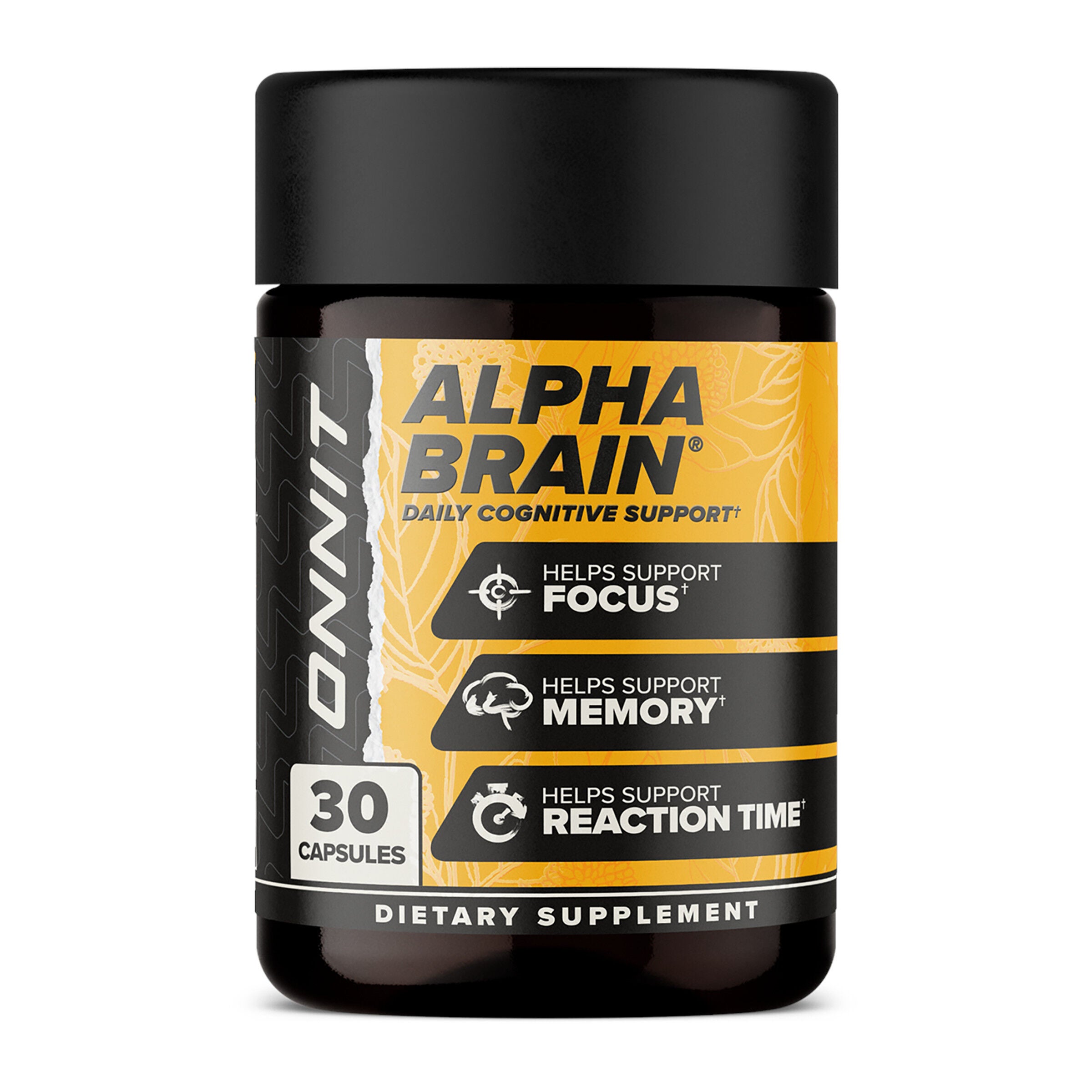


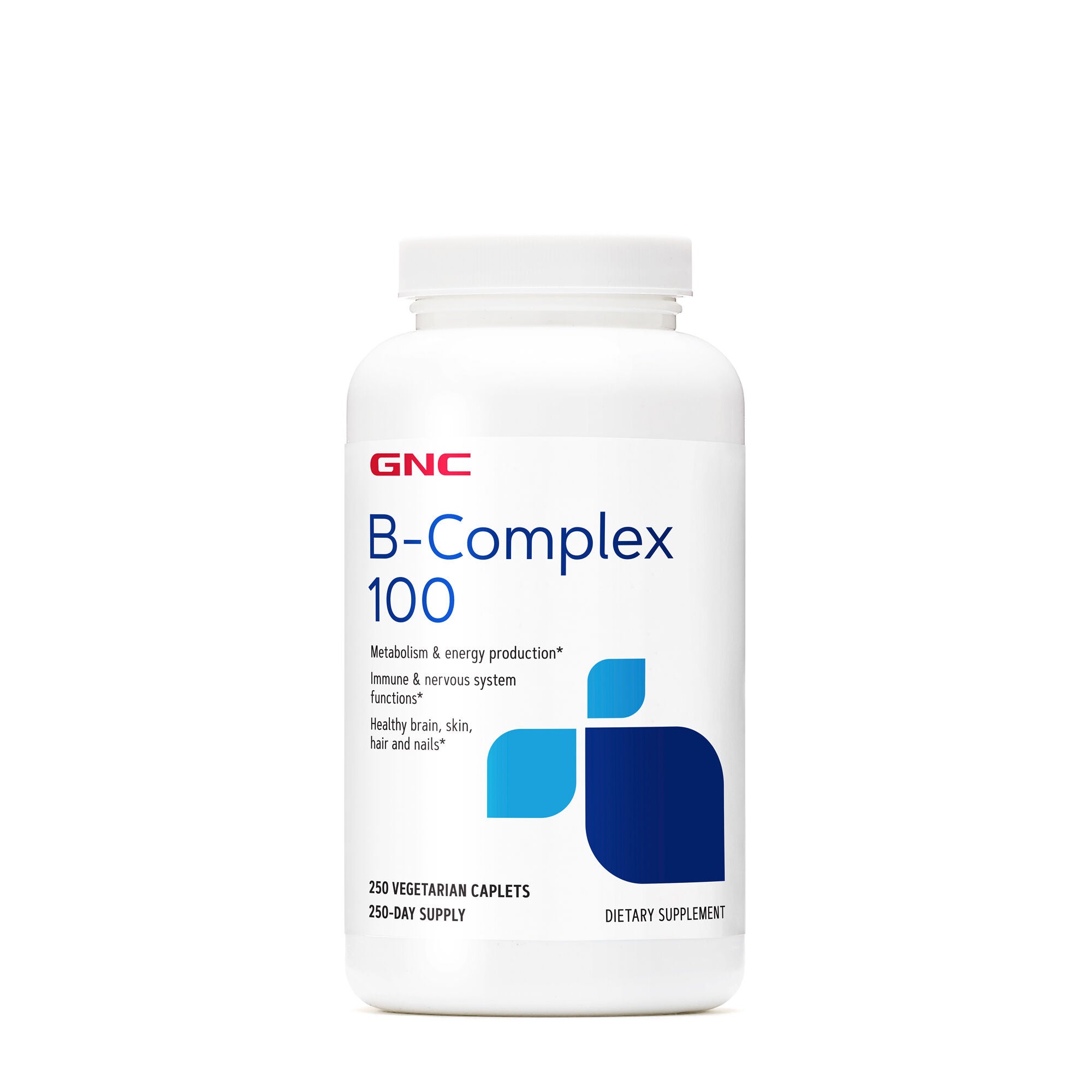
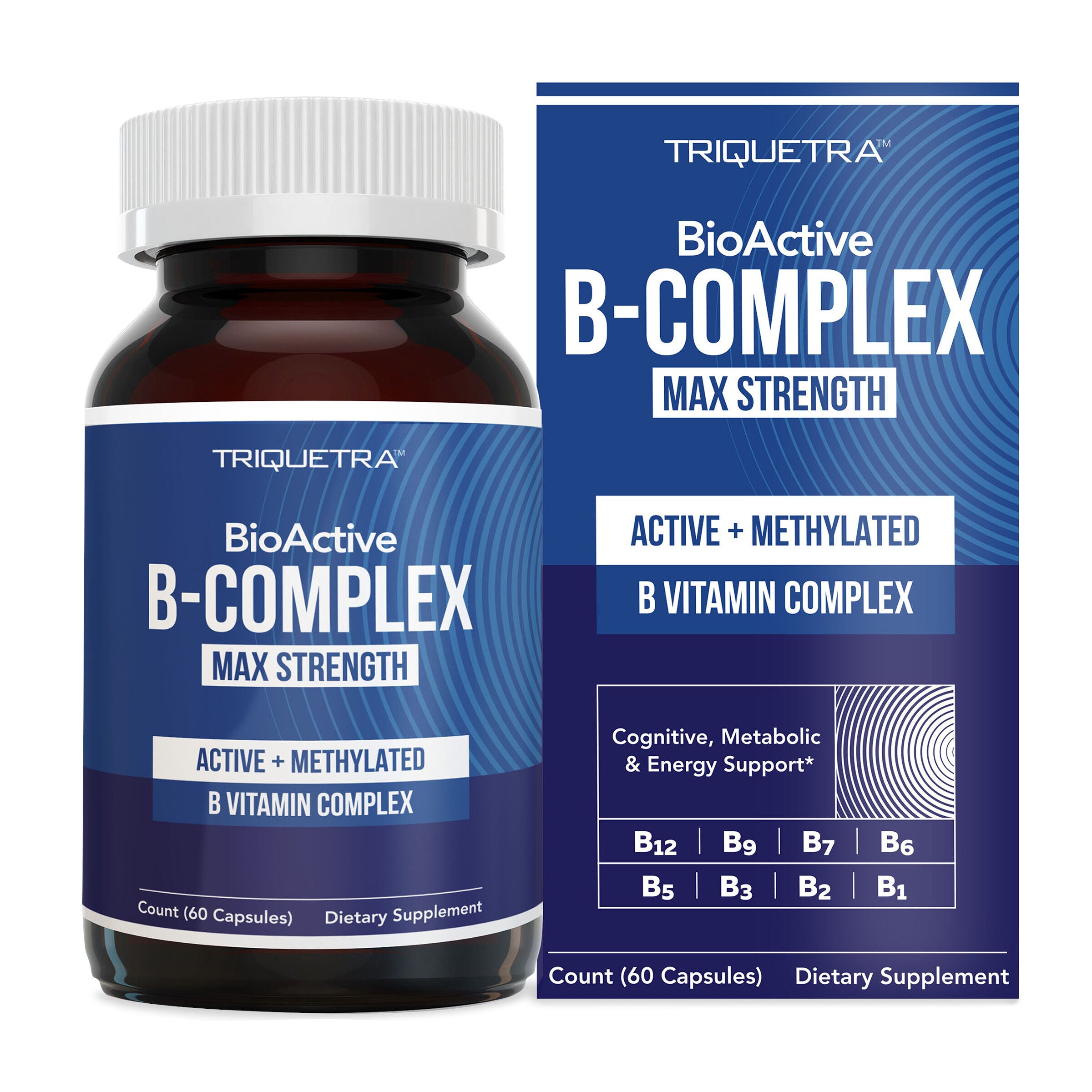
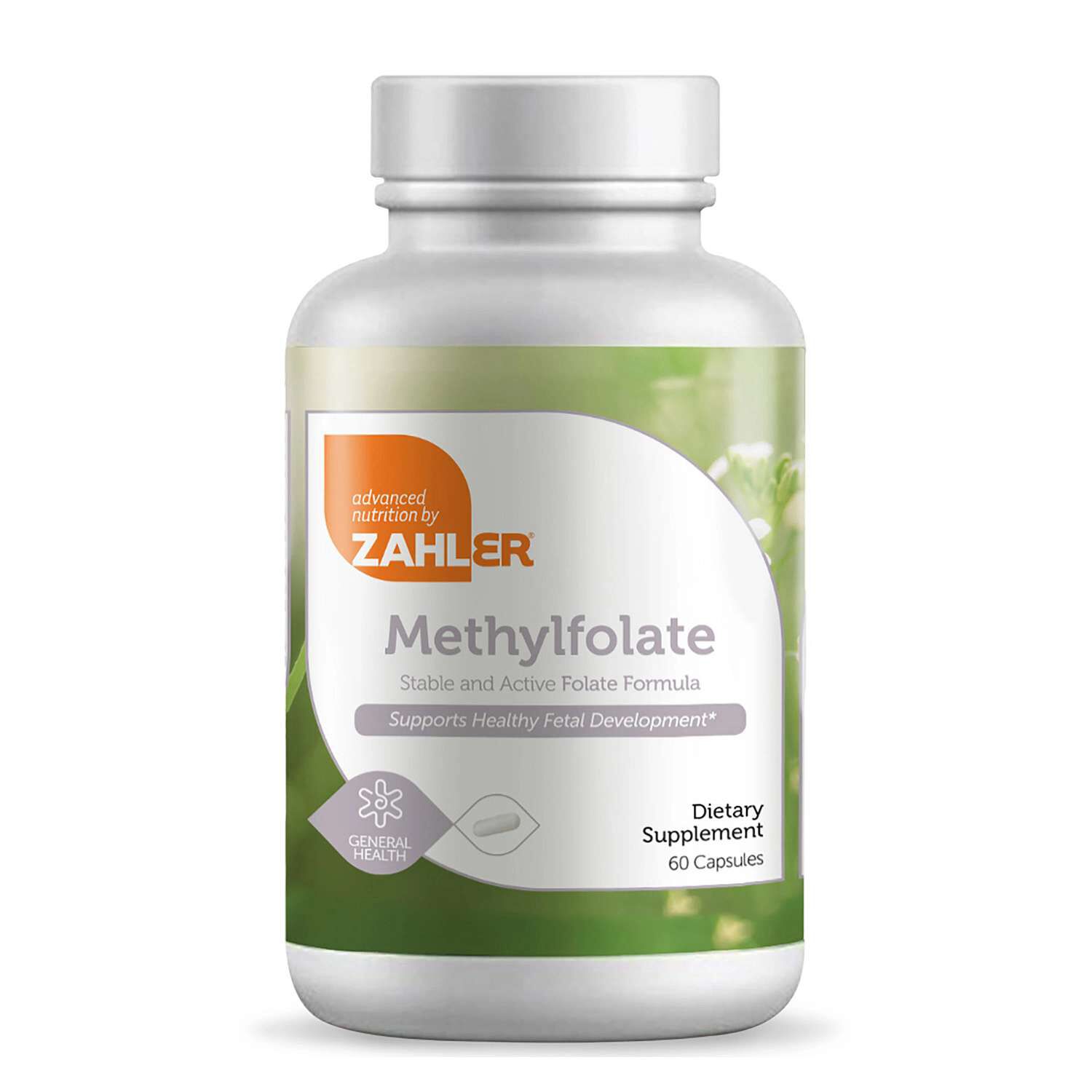
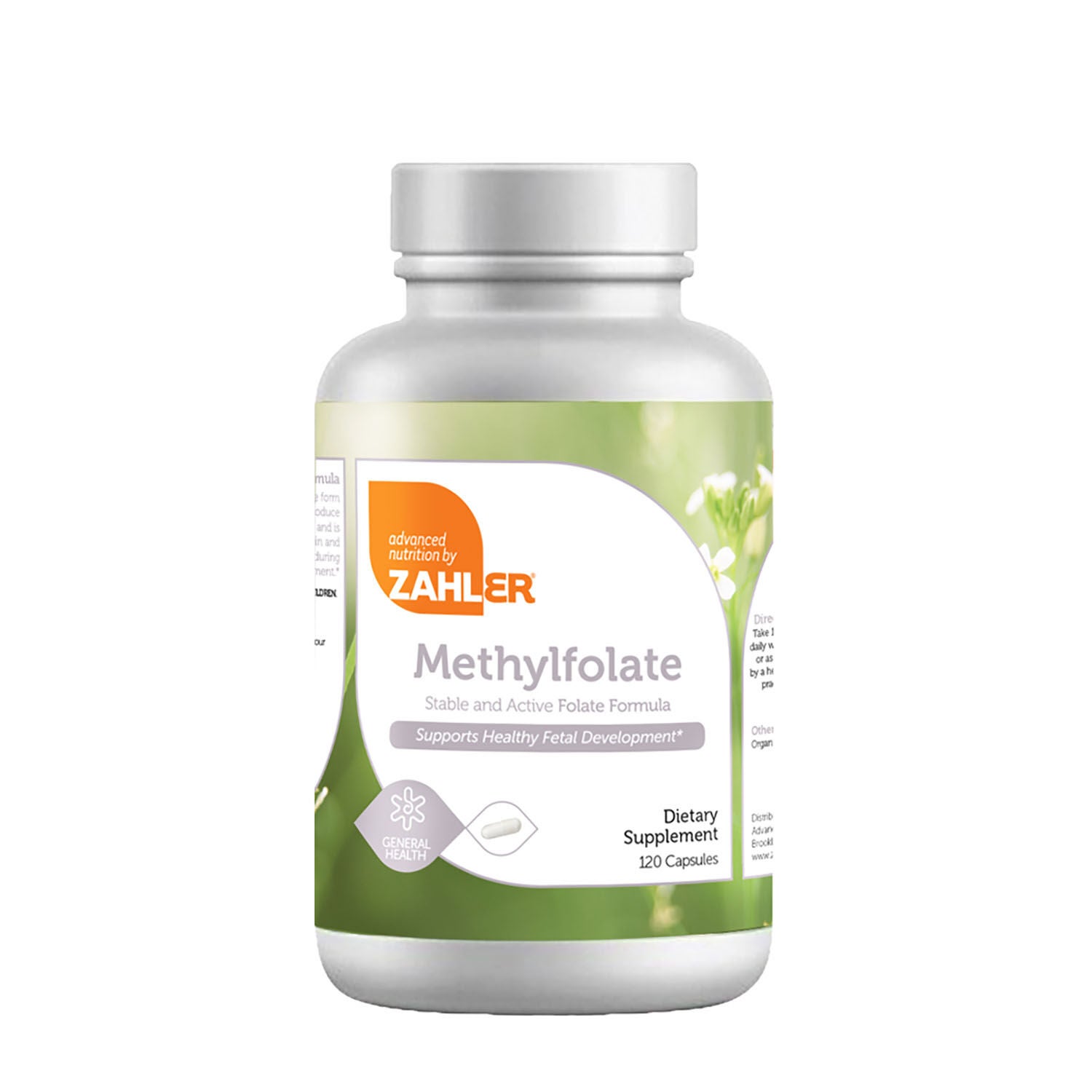
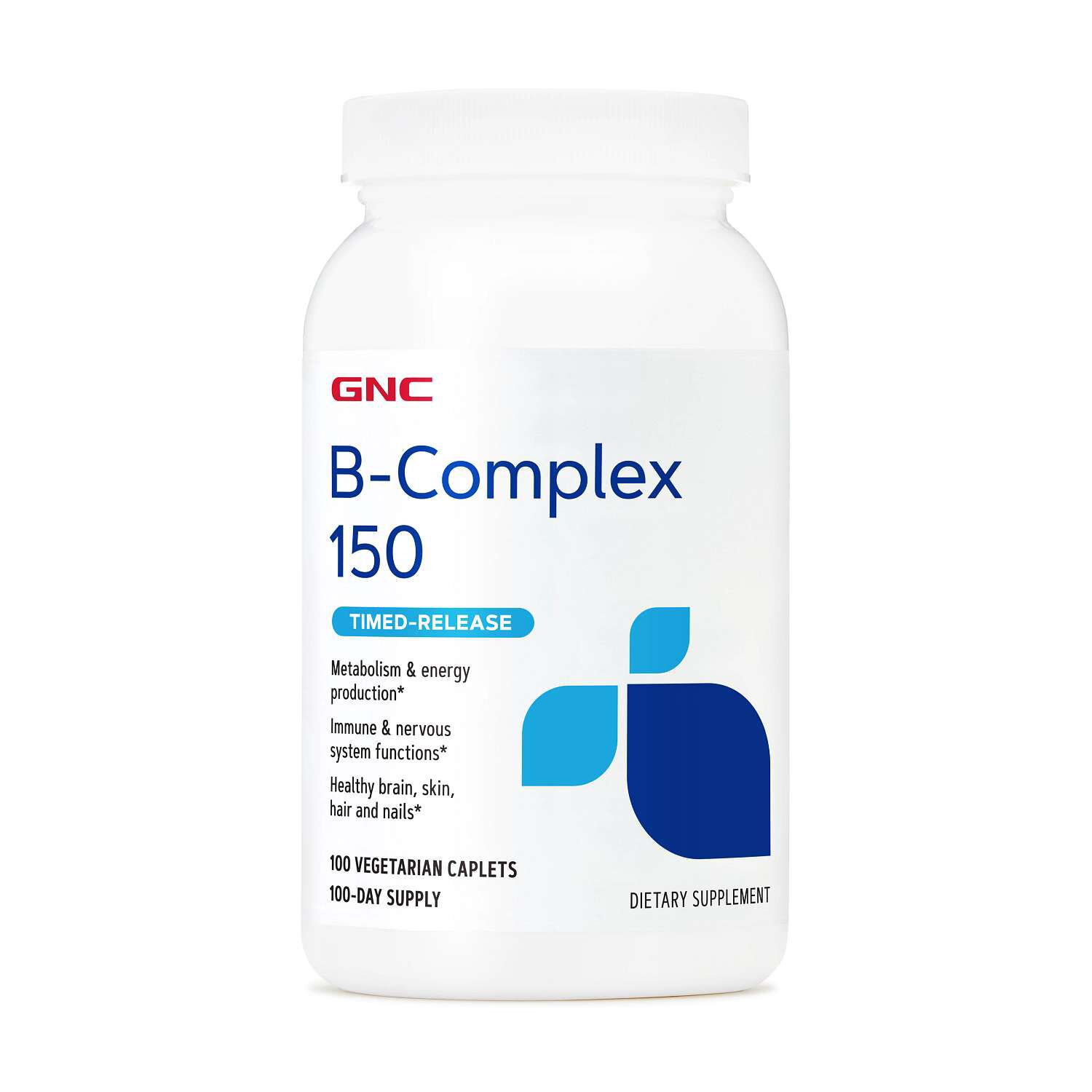




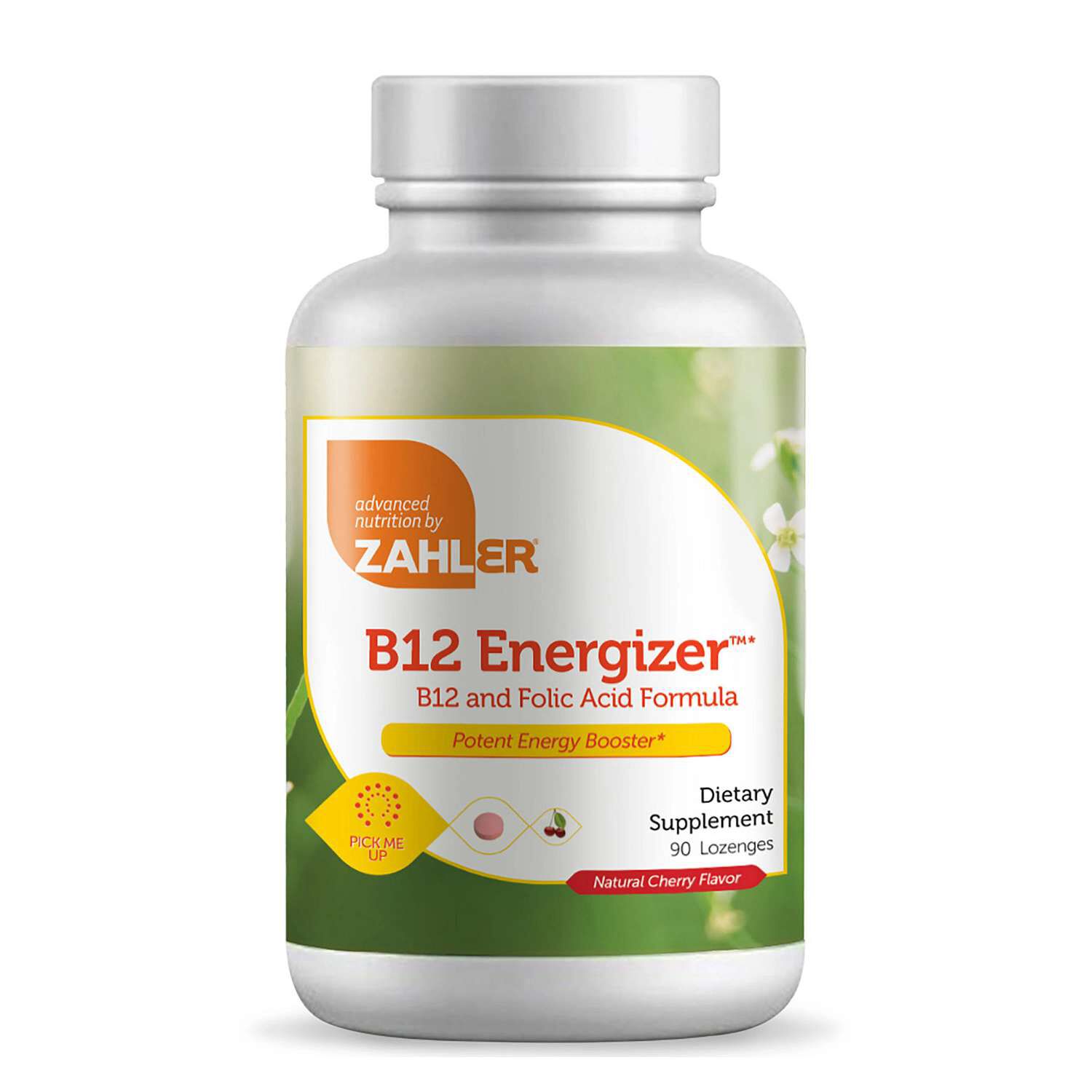

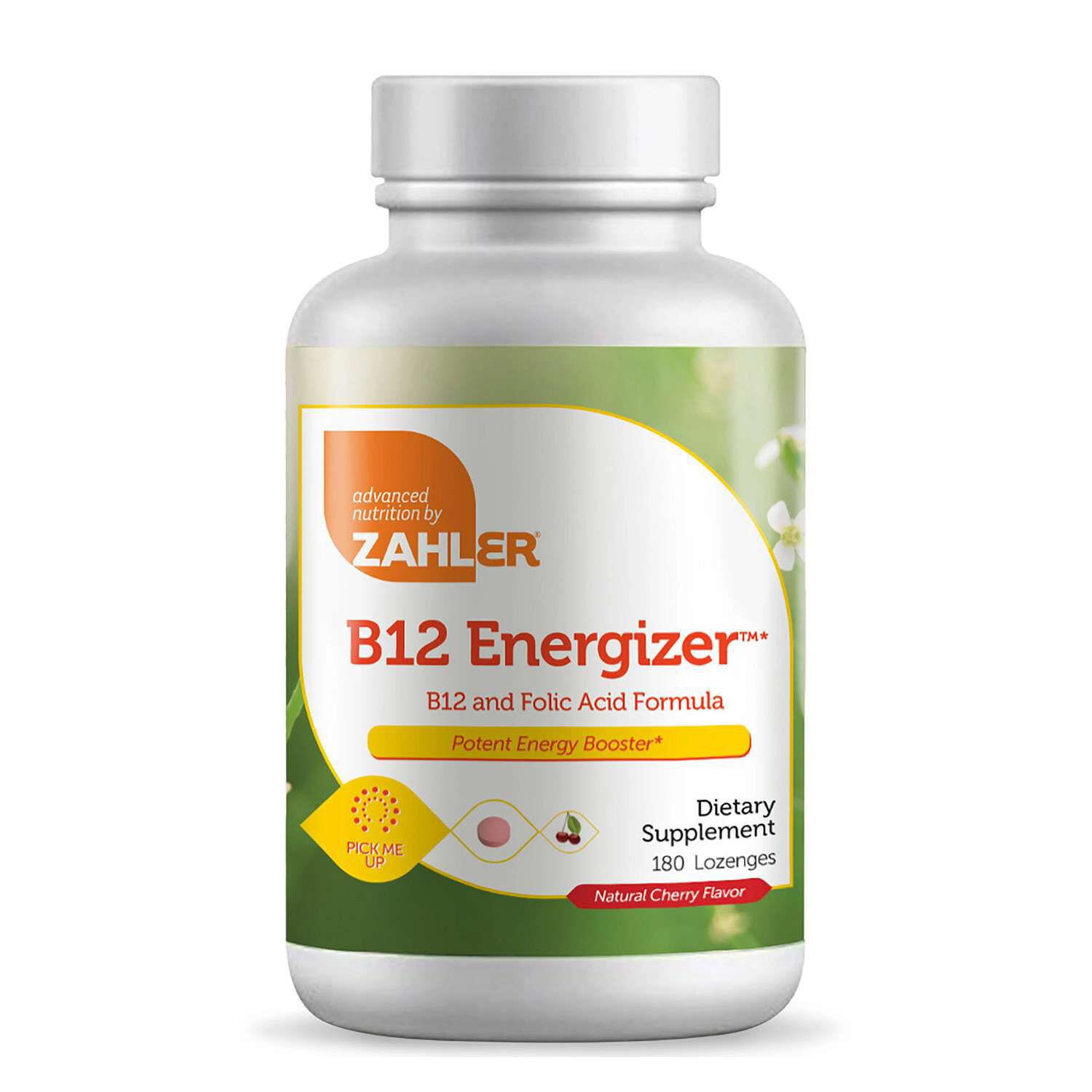


Nervous system supplements are dietary supplements that may complement everyday nutrition with ingredients such as B vitamins, magnesium, omega-3 fatty acids, zinc, and vitamin D. The nervous system includes the brain, spinal cord, and nerves that carry information throughout the body, making this category relevant to shoppers interested in nutrition as part of a broader wellness routine. Formulas vary considerably: some feature a single nutrient, while others combine several vitamins, minerals, or additional ingredients in one serving. B-complex supplements contain multiple members of the B-vitamin family, which includes thiamin, riboflavin, niacin, pantothenic acid, vitamin B6, biotin, folate, and vitamin B12. Individual B-vitamin formulas offer a different approach, with attention centered on the ingredient named on the label. Magnesium supplements also come in several forms, including magnesium glycinate, citrate, and L-threonate. These names describe different magnesium compounds, so comparing them involves more than looking for the word magnesium on the front of a bottle. The Supplement Facts panel identifies the amount of magnesium per serving, while the ingredient list provides additional formulation details. Omega-3 supplements may come from fish oil or algae, and their labels often distinguish EPA and DHA from the amount of oil in a serving. Zinc and vitamin D may appear individually or alongside other nutrients in combination formulas. These ingredients also occur in foods: B vitamins are found across foods such as eggs, legumes, and fortified grains; magnesium occurs in nuts, seeds, and leafy greens; and fatty fish provides EPA and DHA. Dietary supplements remain a separate product category rather than a replacement for varied meals. For shoppers comparing nervous system nutrition options, the most useful distinctions are the ingredients, their stated amounts, the serving format, and the intended audience identified on the label. A category name offers a starting point, but the details of each formula provide a clearer picture of what is inside.
The format of a supplement can matter as much as its ingredient list when considering how it might fit into everyday life. Capsules, tablets, softgels, gummies, and powders each have different textures, packaging needs, and serving characteristics. A capsule or tablet has a defined quantity per unit, although a labeled serving may include more than one. Softgels commonly hold oil-based ingredients and may contain gelatin in their outer shell. Other capsules use plant-derived shell materials, an important distinction for shoppers with vegetarian or vegan preferences. Gummies bring flavor and a chewable texture, while their labels may also list sweeteners, added sugars, colors, or other ingredients that differ from those in a capsule formula. Powders involve a measured portion and sometimes preparation with a beverage, depending on the product directions. Their flavor, texture, and mixing instructions are practical considerations for someone picturing a supplement alongside breakfast or within a familiar daily routine. Serving size deserves particular attention across formats because one gummy, one capsule, or one scoop does not necessarily represent the serving described on the label. Bottle count and serving count can also differ, making the Supplement Facts panel a more informative comparison point than package size alone. Ingredient sourcing adds another layer of detail: fish-derived oils, gelatin, plant-based materials, and allergen declarations help shoppers understand how a formula aligns with their preferences. Packaging and care are relevant as well. A secure closure, readable label, intact seal, and clearly printed date provide useful information about the product’s condition and storage expectations. Powders may include a scoop or moisture-control packaging, while oil-based formulas may have particular storage directions. The package instructions establish how the supplement is intended to be stored and handled. Original packaging also keeps the ingredient list, serving directions, and caution statements together, whether the bottle sits in a kitchen cabinet or accompanies an established routine away from home.
Adults browsing nervous system supplements may arrive with different priorities, from organizing a straightforward vitamin routine to comparing nutrients already present in a multivitamin. Someone who prefers a short ingredient list may be drawn to a single-nutrient format, while someone who values fewer separate bottles may consider a combination formula. Neither format explains the composition on its own: a blended supplement can contain different amounts of each ingredient, and separate supplements can include the same nutrient more than once. Overlapping ingredients are therefore an important distinction when comparing labels across a wellness routine. A shopper with a plant-based eating pattern may pay close attention to capsule materials and the source of an omega-3 ingredient. Another person may focus on an unflavored powder, a chewable format, or packaging that fits neatly into a small cabinet. These practical preferences are personal, and a familiar format may make a supplement easier to incorporate into an established routine. Nervous system nutrition and energy-related shopping can share some ingredients, but they are not interchangeable categories. Browsing natural energy supplements offers a related view of formulations with a different intended focus; the ingredient list remains important, particularly when caffeine or botanical ingredients are included. Product descriptions, age guidance, and caution statements help distinguish adult-oriented formulas from products intended for other audiences. Quality information is another useful part of the comparison. A statement about testing is more informative when it identifies what was assessed, such as ingredient identity or labeled content, rather than relying on broad language. Likewise, a recognizable nutrient name does not explain every other ingredient in the formula. Nervous system supplements are best understood through this combination of composition, format, sourcing, and intended use. Those concrete details create meaningful differences between options without relying on dramatic language about concentration, calm, or everyday performance. For a thoughtfully organized wellness routine, a clear label and a format that matches personal preferences may matter more than an elaborate name or a lengthy ingredient list.