Nutrient Delivery Supplements
(0 Results)
Nutrient delivery supplements could offer support for those looking to optimize their daily wellness routines. Designed to help the body absorb essential vitamins, minerals, and other nutrients, these supplements may fit seamlessly into a variety of lifestyles and health goals. Explore nutrient delivery supplements that might complement your nutritional needs and help you get the most out of your supplement regimen.
-
-

-
-

-
 $24.99
-
-
-

-

-

-

-
 $49.99
-
 $59.99
-

-
-
-
 $29.99
-
-

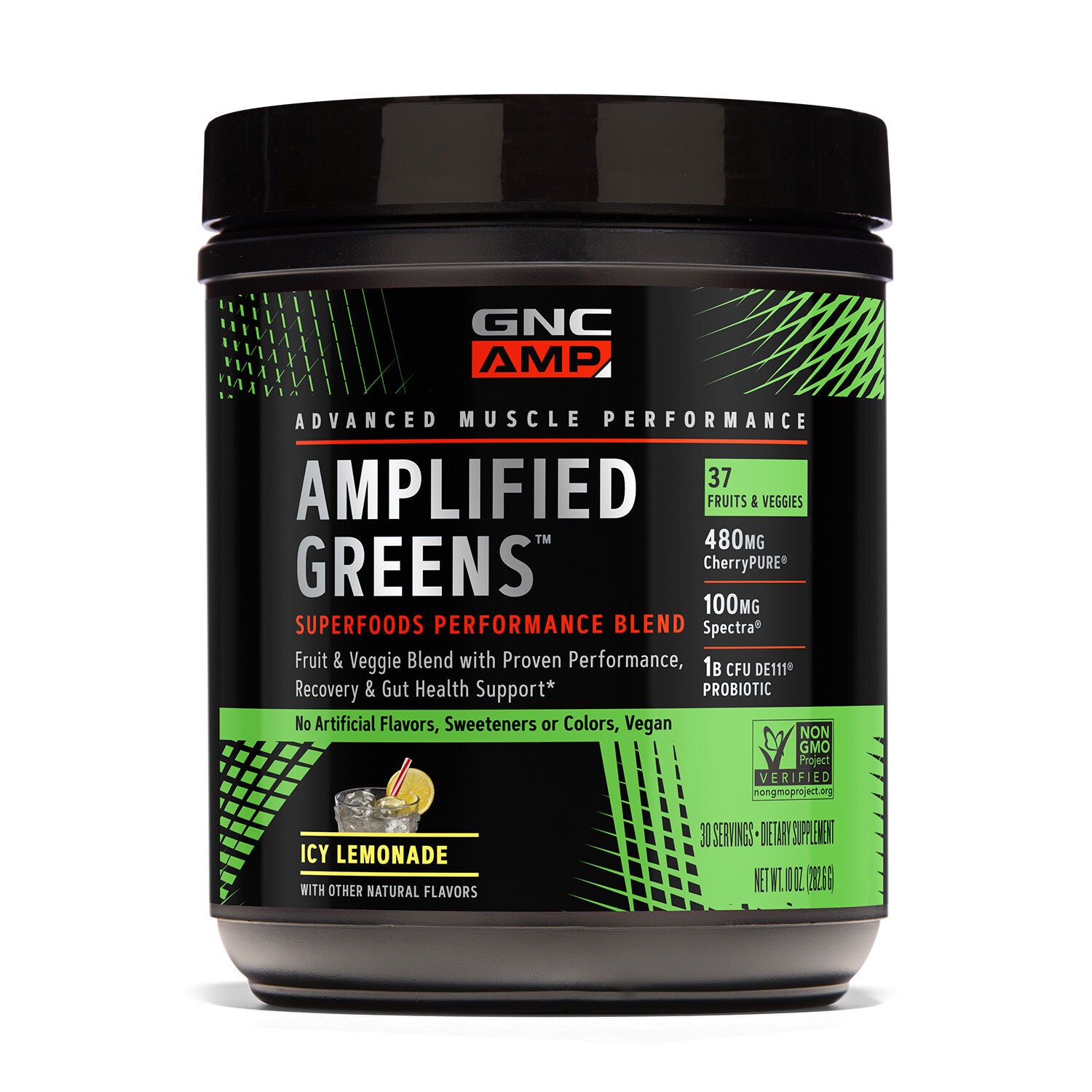

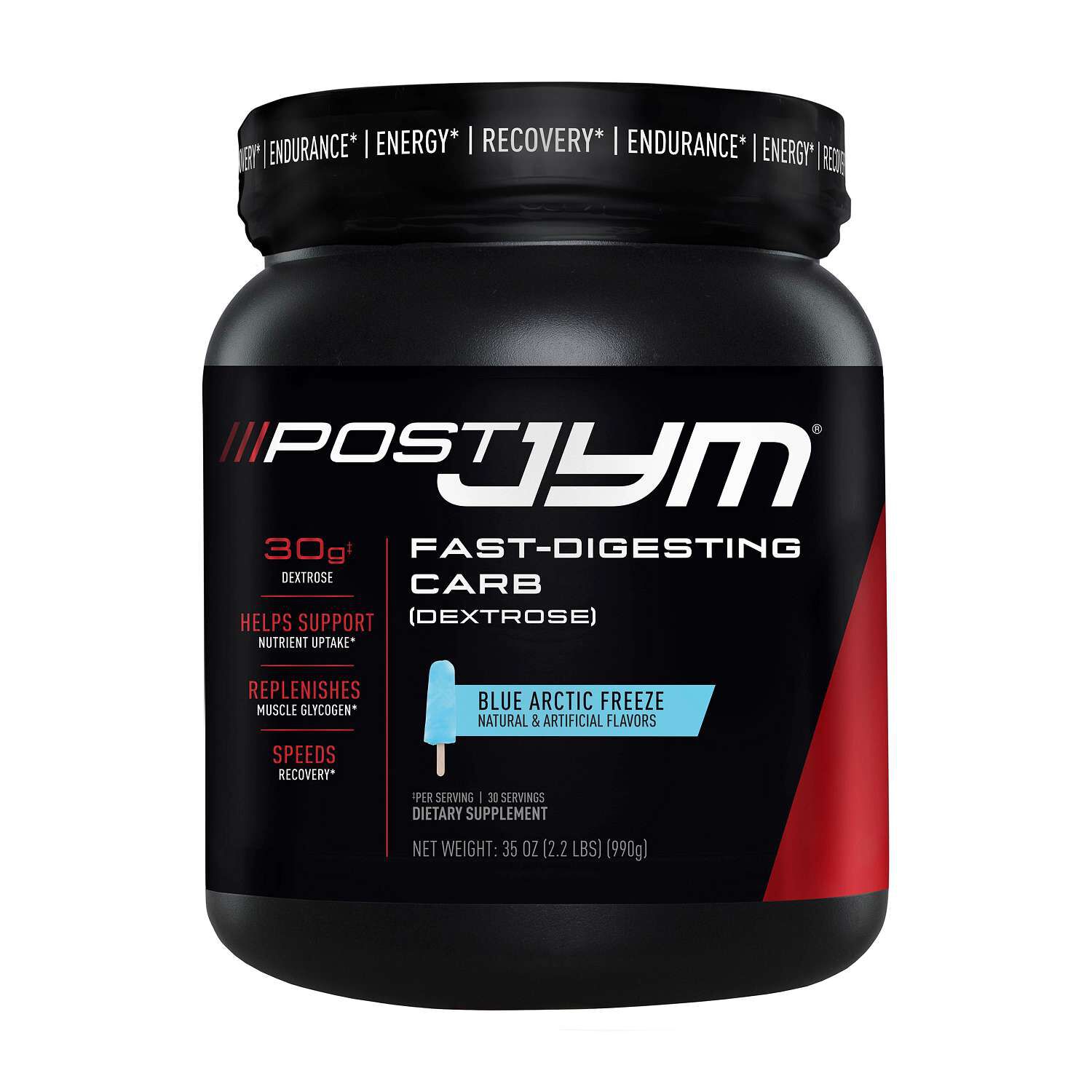
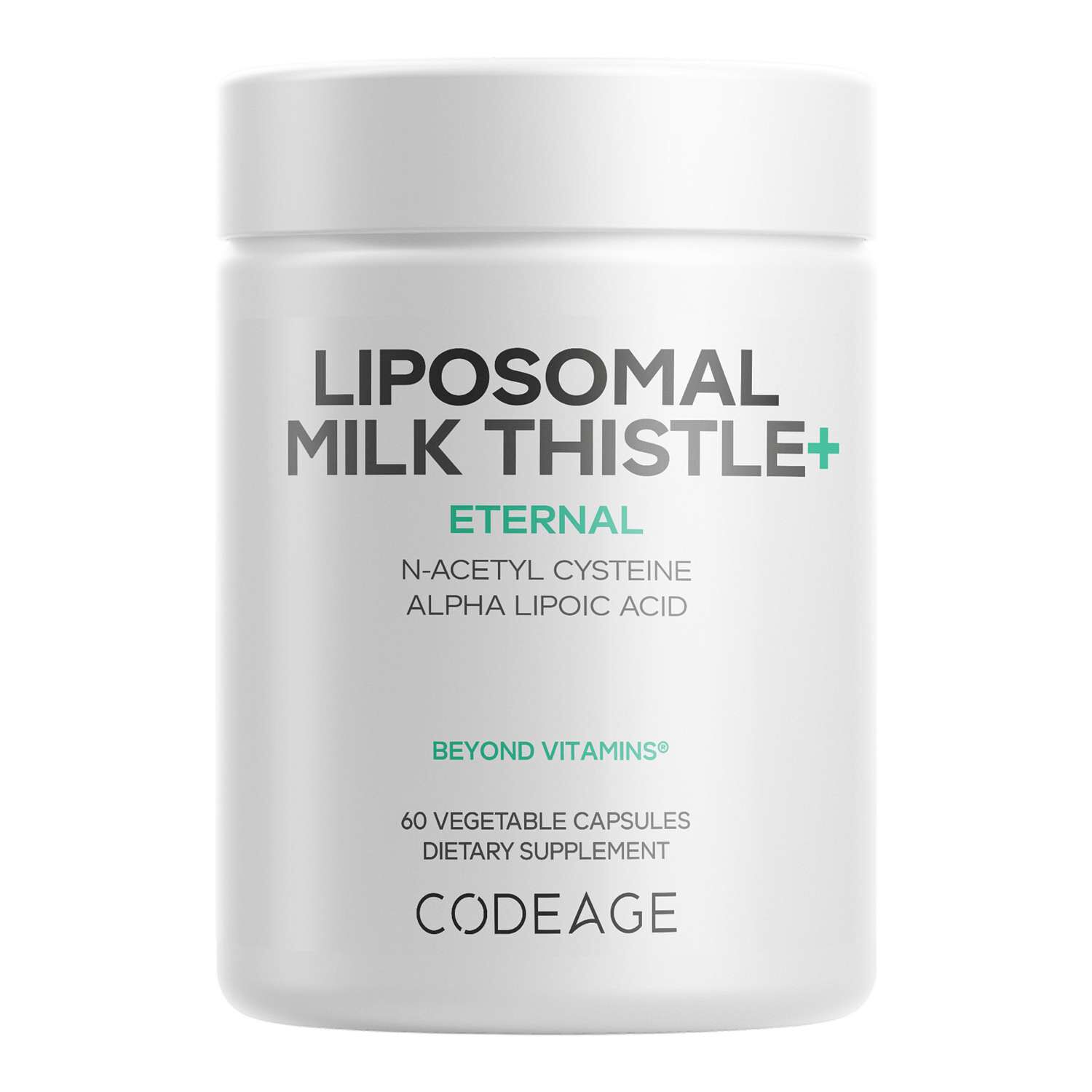
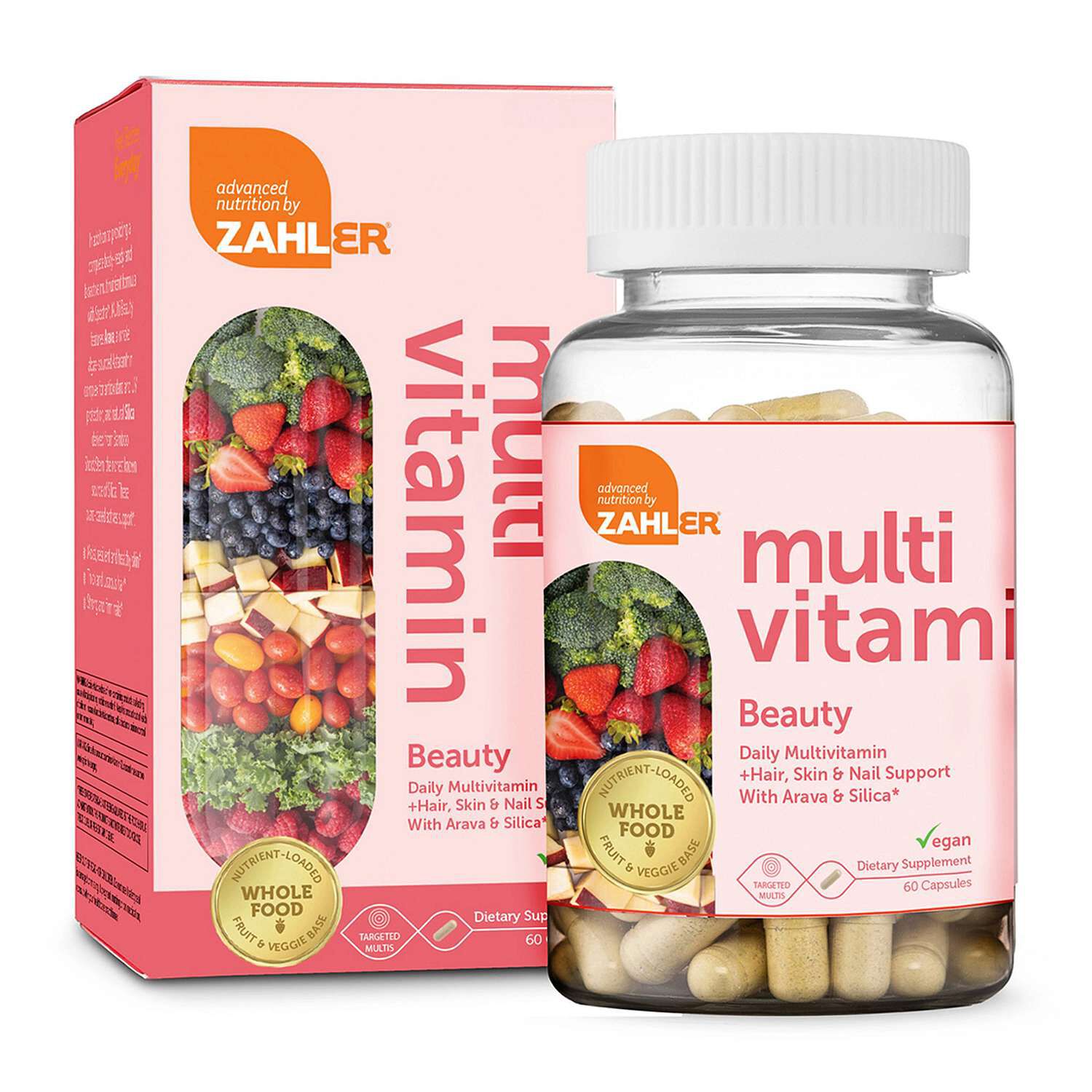
Nutrient delivery supplements are oral dietary supplements that provide vitamins, minerals, amino acids, proteins, botanicals, or other dietary ingredients in formats such as capsules, tablets, powders, liquids, and gummies. In this category, delivery refers to the way ingredients are packaged within a formula and presented for consumption. A capsule holds a measured quantity inside a shell, a tablet compresses ingredients into a solid form, and a powder offers a measured serving for preparation according to its label. Liquids and chewable formats have their own serving sizes, ingredient combinations, and storage requirements. The same nutrient can appear in several formats, so the ingredient name alone does not describe the whole product. Vitamin C, vitamin D, B vitamins, calcium, magnesium, and zinc are examples of nutrients found in dietary supplements, while protein formulas can contain dairy-derived or plant-derived ingredients. Some products contain a single dietary ingredient; others combine several ingredients in one serving. Formulation details can also include capsule materials, tablet coatings, flavorings, sweeteners, and ingredients used to keep a mixture consistent. Liposomal formulas use lipid-based carriers, while emulsified formulas contain ingredients dispersed within a mixture. Those descriptions identify formulation approaches rather than serving amounts or flavor profiles, and they are not interchangeable with capsule, gummy, or powder. The Supplement Facts panel and accompanying ingredient list provide a more detailed picture than a format name alone. Nutrient delivery supplements are intended to supplement dietary intake, rather than serve as meals. For an adult comparing options, practical differences often include the number of units in a serving, the amount of preparation involved, the texture, and the space needed for storage. A bottle of capsules has a different everyday footprint from a large powder container or a liquid with a measuring device. Those physical details help define how each format fits into an established routine, whether that routine centers on breakfast at home, a lunch bag at work, or a packed travel case.
The fit of a nutrient delivery supplement includes dietary preferences, serving instructions, and the experience of using the format. Someone who already prepares a beverage each morning might prefer a powder labeled for mixing, while someone who wants less preparation might favor a capsule or tablet. A liquid calls for attention to the stated serving volume and the supplied measuring device, if one is included. Gummies and chewables have distinct textures and can contain added sugars, sugar alcohols, flavorings, or coloring ingredients. Powders range from unflavored to flavored, with differences in sweetness, aroma, and consistency after mixing. Preparation directions matter here: a formula intended for a particular amount of liquid will have a different concentration when mixed with another amount. Serving information also deserves a close look because one serving is not always one capsule, one gummy, or one scoop. The listed amount of each nutrient applies to the serving described on the label. Milligrams, micrograms, grams, and percent Daily Value communicate different information, so comparing matching units gives a clearer view of two formulas. Capsule shells may be made with gelatin or plant-derived materials, and powders may contain ingredients sourced from milk, soy, peas, or other plants. A vegetarian preference, a specific ingredient exclusion, or an established eating pattern can make these details more relevant than the flavor name on the front of the package. Allergen statements and the full ingredient list add context that a brief product description may not include. Adults with active routines may also look for clearly identified third-party testing or certification information when it appears on a label, with attention to what that particular designation covers. Packaging offers another point of comparison: bottles, resealable pouches, and individually portioned packets organize servings differently. Shoppers interested in that last approach can explore Nutrient Support Packs alongside other formats when comparing serving arrangements, package size, and everyday convenience.
Care and storage are part of the practical value of nutrient delivery supplements, especially for containers opened repeatedly over time. Manufacturer directions establish the storage conditions for each formula, including whether refrigeration is needed after opening. Some containers include a moisture-control packet that is part of the packaging rather than a serving ingredient. Keeping the original label with the product preserves the Supplement Facts panel, ingredient list, preparation directions, lot information, and date markings. A tightly closed lid, a clean measuring device, and a dry scoop are straightforward handling considerations for products whose labels call for those conditions. A powder stored beside a damp sink or opened with a wet scoop has a different handling environment from one kept in its designated storage space. Liquid formulas may have instructions about shaking, measuring, or how long the contents can be kept after opening. Gummies, tablets, and capsules also have storage directions; their solid form does not make those directions irrelevant. Packaging durability matters when a container is moved between a cupboard, desk drawer, and travel bag. Screw-top bottles, resealable closures, and sealed packets each have different opening and carrying characteristics, and any visible damage to a closure or seal deserves attention before use. For travel, retaining labeled packaging keeps serving and ingredient information accessible rather than separating loose portions from their instructions. Container dimensions and serving count also affect the amount of storage space a format needs, without changing what the label identifies as a serving. A broad pouch of powder may suit a dedicated preparation area, while a smaller bottle takes up less room in a cabinet. The strongest connection between a supplement and a routine is often practical: a format that matches the intended use, ingredients that align with dietary preferences, readable serving information, and packaging that can be handled as directed. Nutrient delivery supplements offer a range of those combinations, making formulation, preparation, and care meaningful parts of the category beyond the nutrient name on the label.
Best Sellers
-
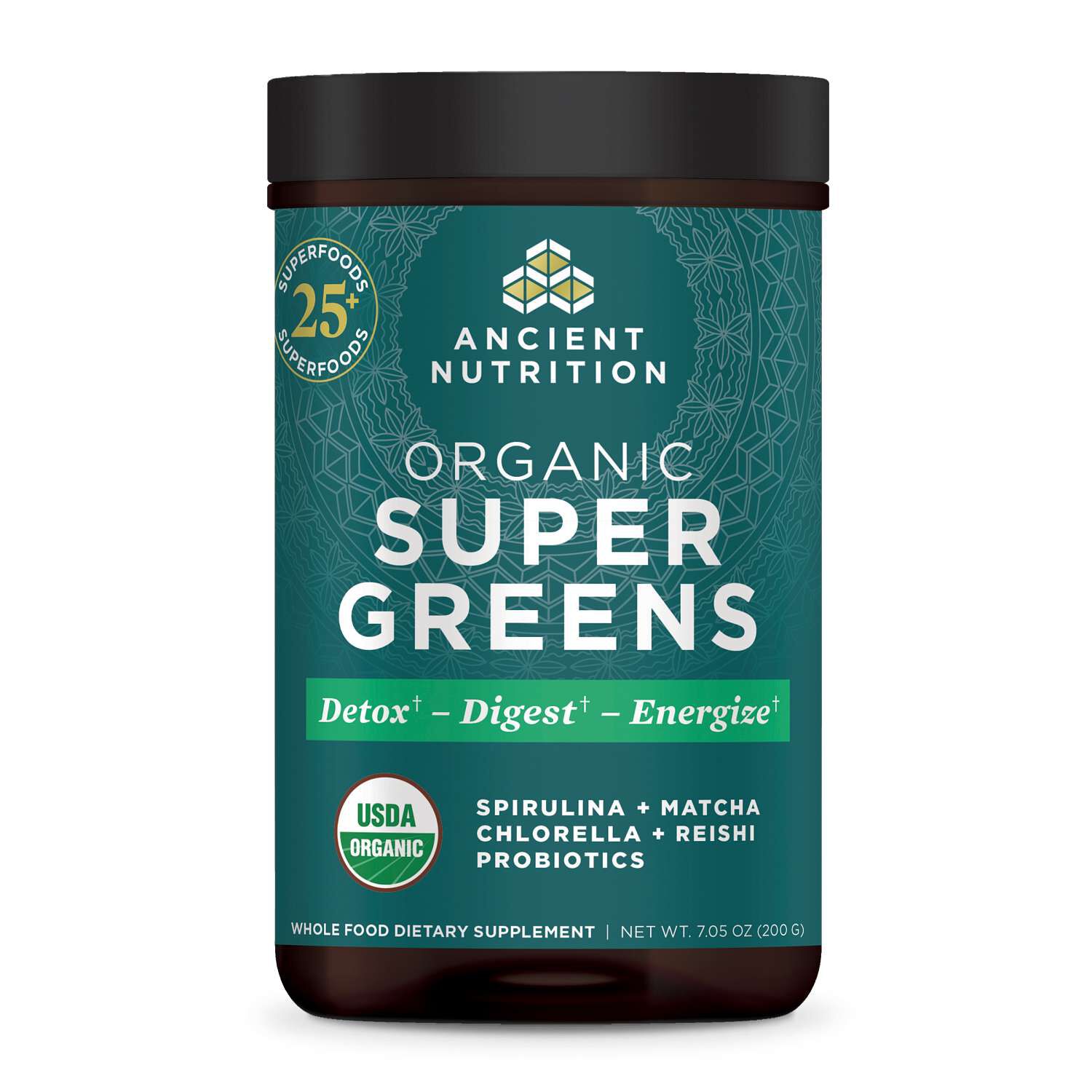 Ancient Nutrition
-
Amazing Grass