

Nutrient Rich Capsules
(0 Results)
Nutrient rich capsules offer a convenient way to support your daily wellness routine. Packed with carefully selected ingredients, these supplements may help you fill nutritional gaps and complement a balanced lifestyle. Whether you're looking to maintain overall health or target specific wellness goals, nutrient rich capsules could be an easy addition to your supplement regimen. Explore a variety of options designed to fit your unique needs and preferences.


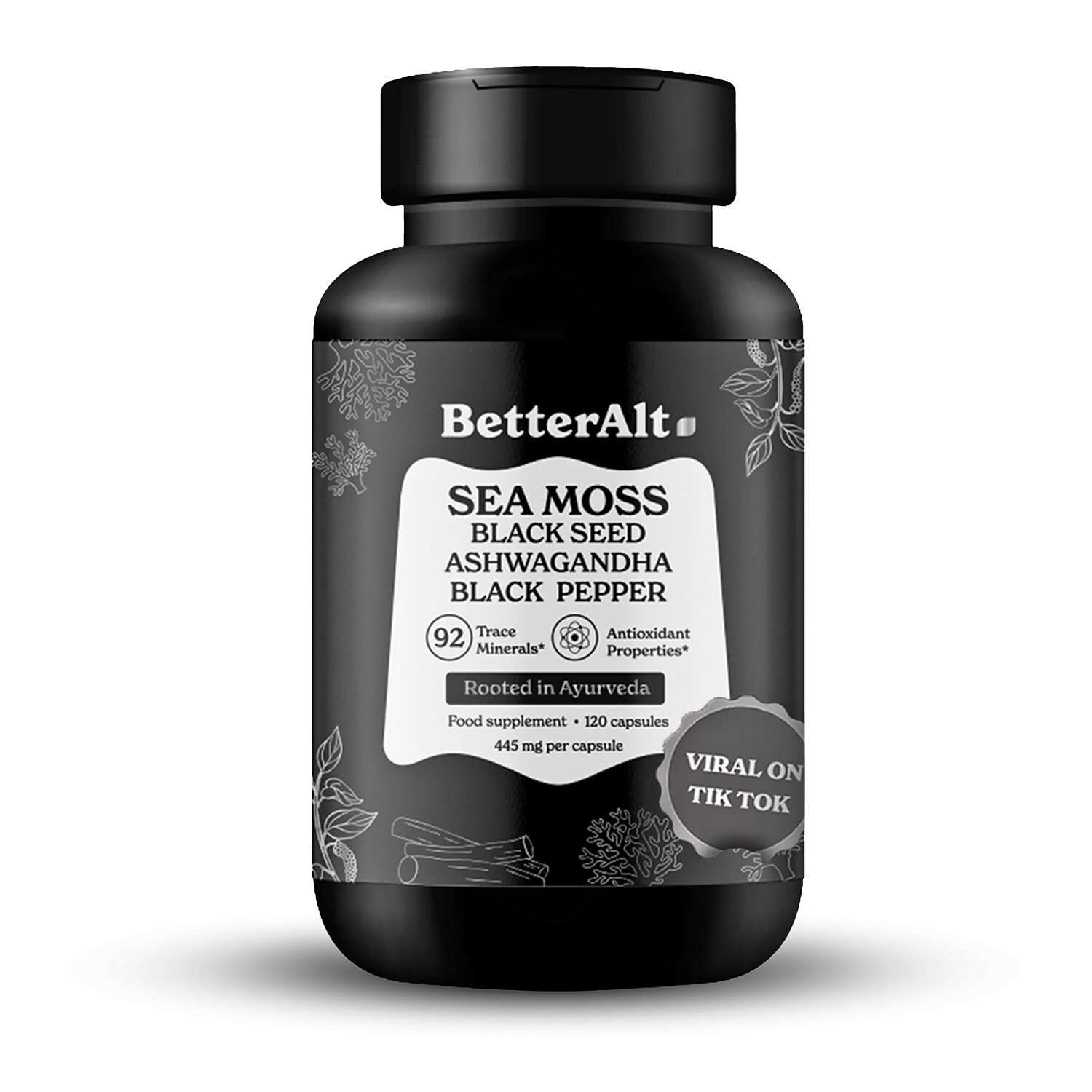
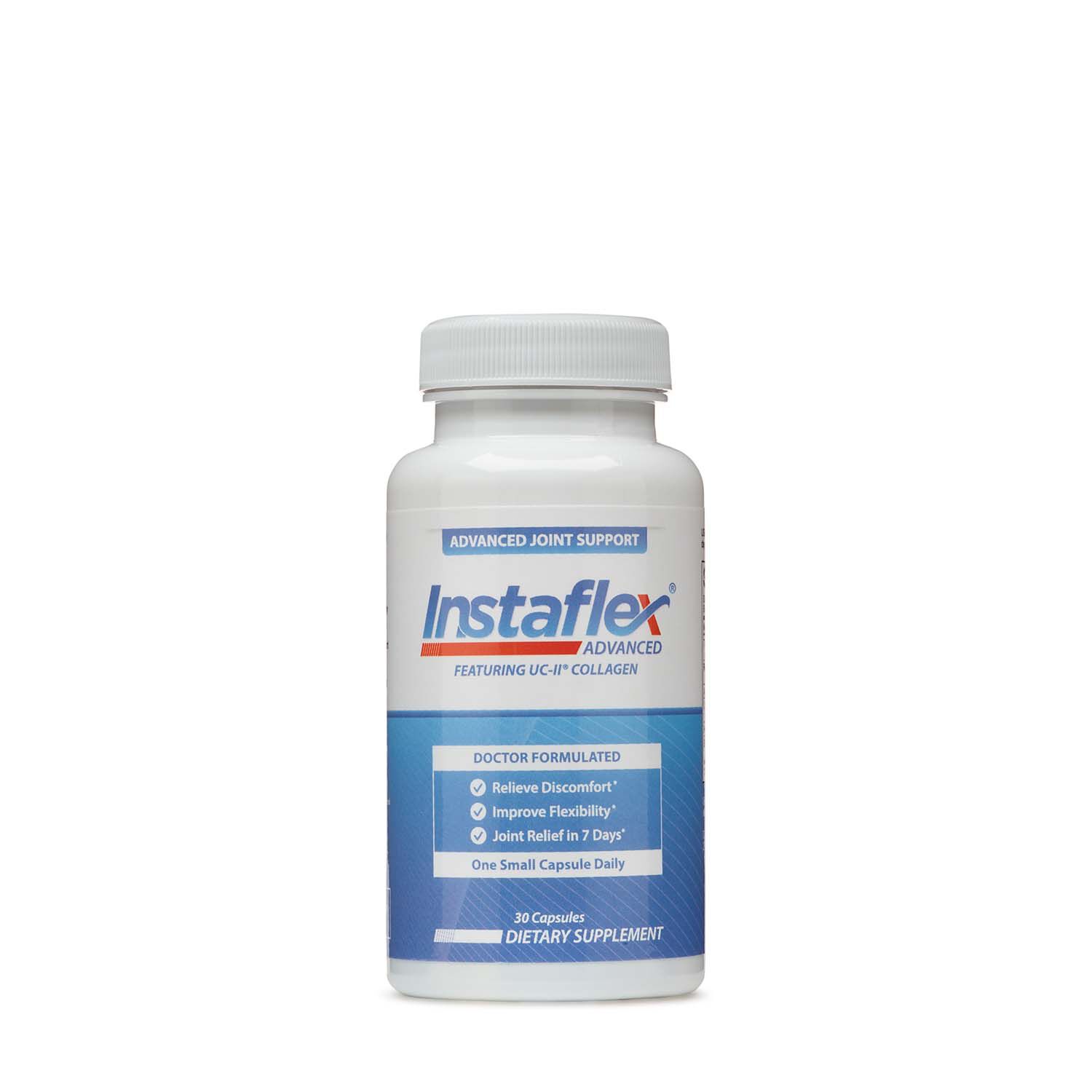
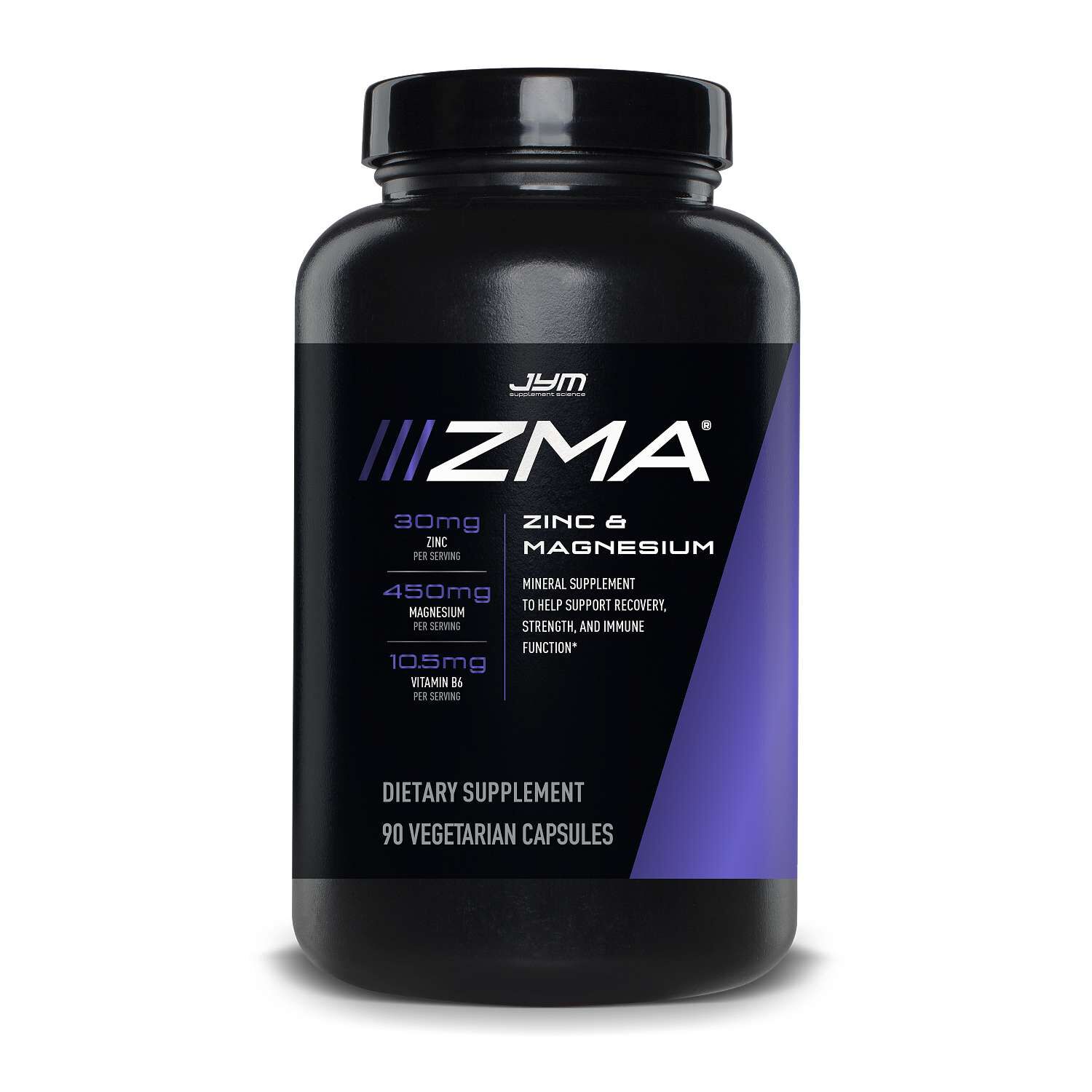


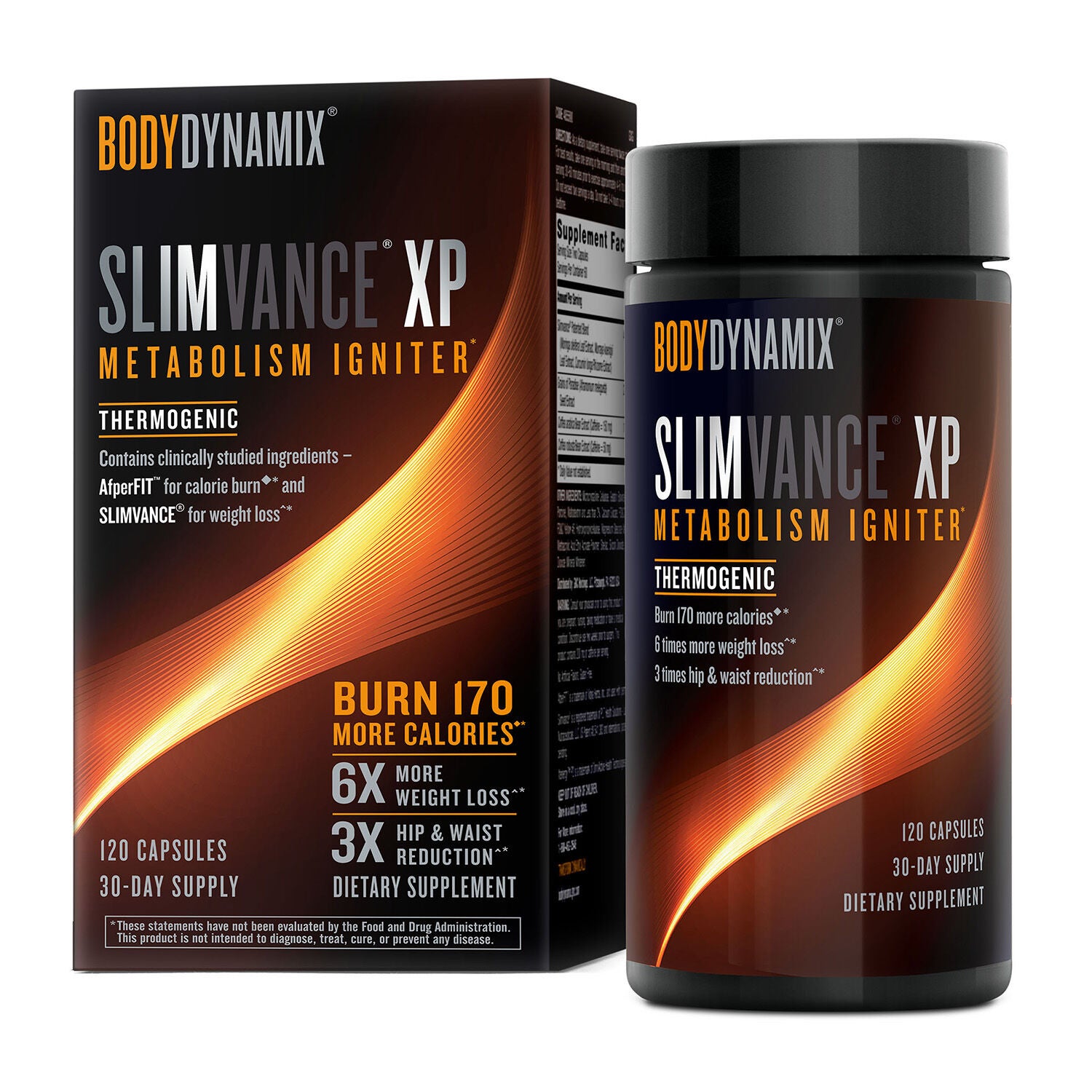
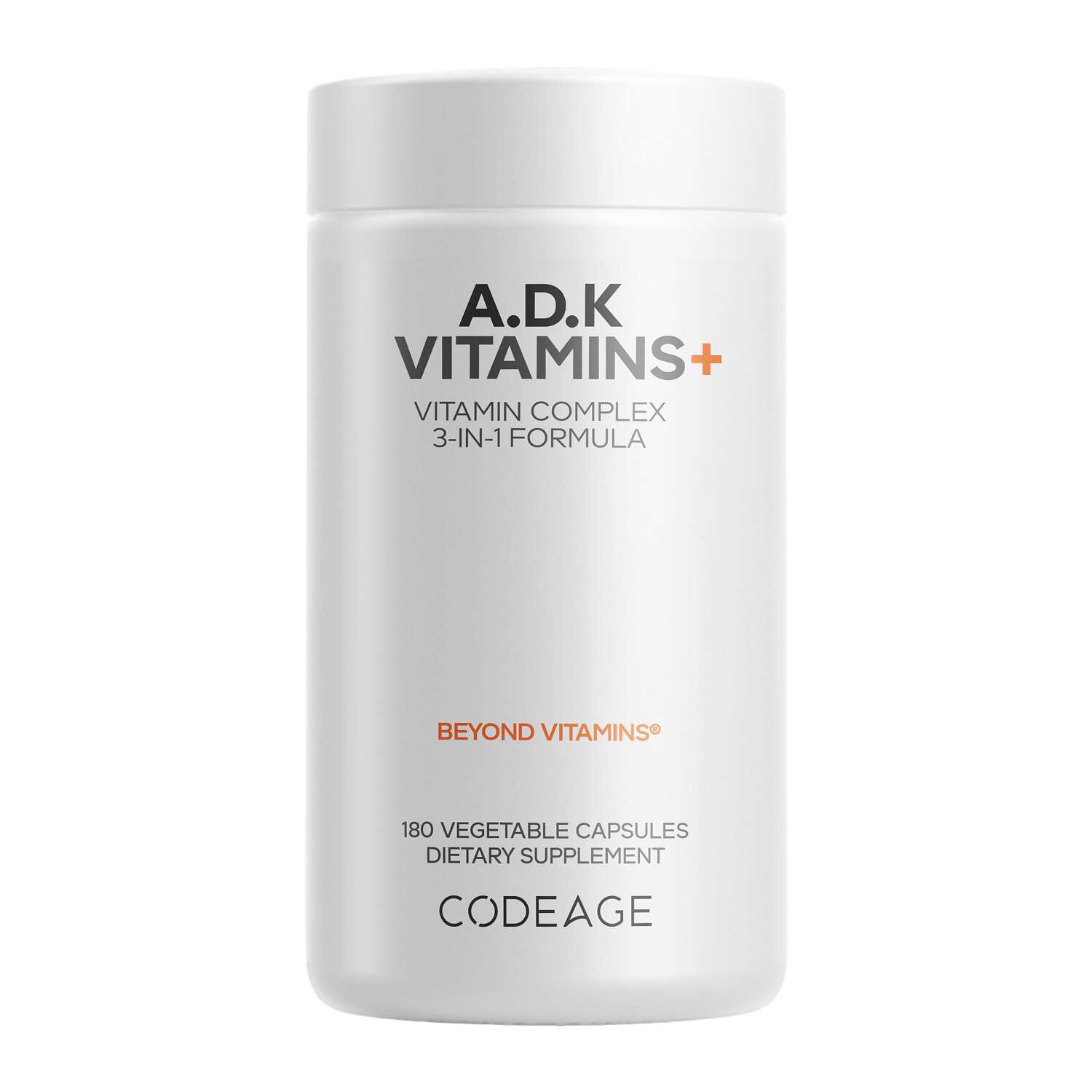


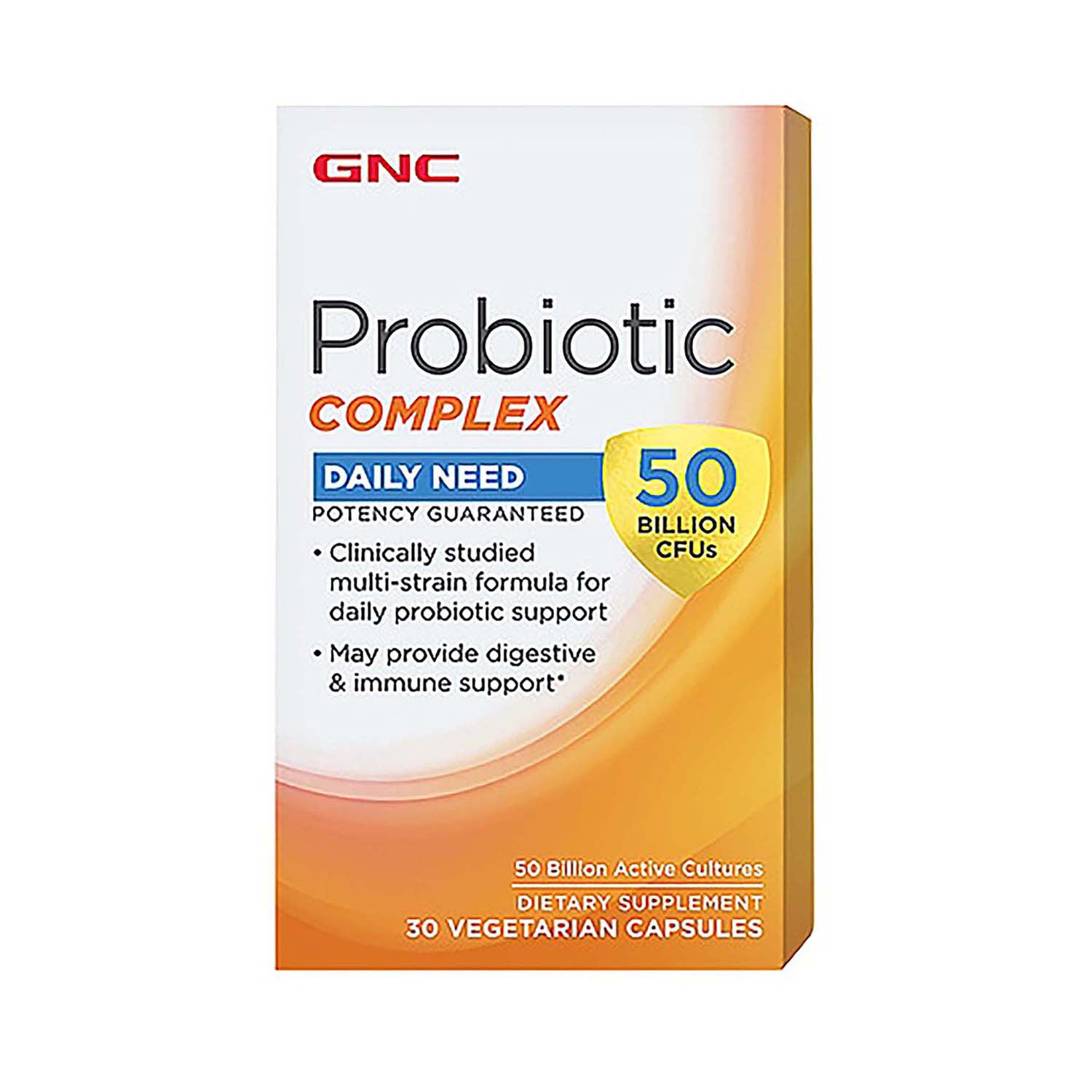


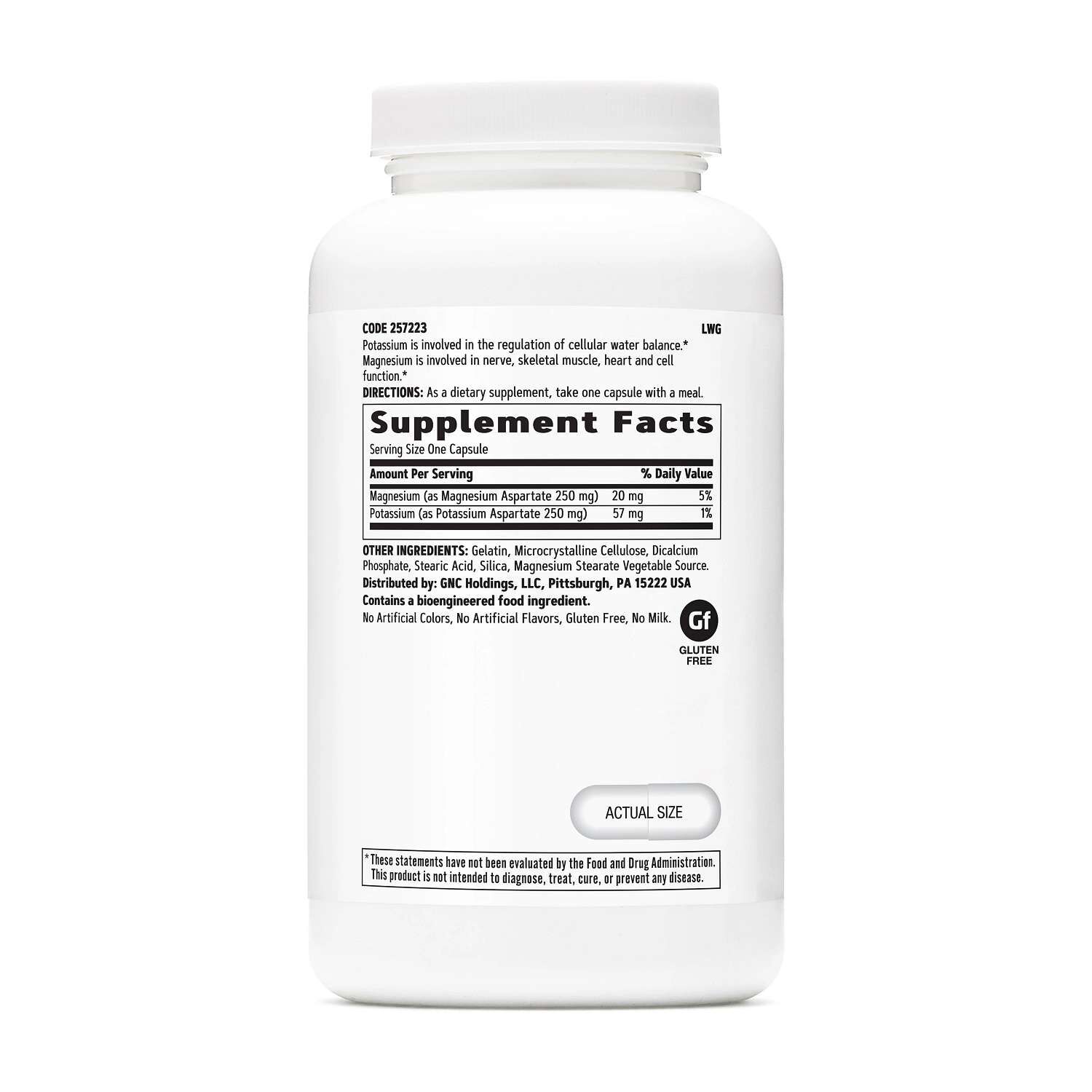


Nutrient-rich capsules offer a convenient way to add concentrated vitamins, minerals, plant compounds, and whole-food extracts to a daily routine. Unlike powders or liquids, capsules are easy to store in a cabinet, pack for travel, and take alongside a meal without measuring or mixing. The category includes broad multivitamin formulas, mineral-focused options, botanical blends, powdered greens, fruit and vegetable concentrates, and specialty combinations created around different nutrition preferences. Some shoppers choose a capsule to complement meals that vary from day to day, while others look for a simple format that fits around work, school, travel, or an active household. These products may help fill nutritional gaps when food choices, appetite, schedule, or dietary preferences make variety more difficult. They are not substitutes for nourishing meals, and a varied diet built around fruits, vegetables, grains, protein foods, and healthy fats remains an important foundation for everyday nutrition. A capsule can simply serve as one practical part of that broader routine, much like keeping a water bottle by the desk or preparing breakfast before a busy morning. During the cooler months, when schedules often become more structured and time outdoors may shift, a familiar supplement routine could make it easier to stay consistent with personal nutrition goals.
When comparing nutrient-rich capsules, start with the Supplement Facts panel rather than relying only on front-label language. Review the serving size, the number of capsules suggested per serving, the amount of each listed nutrient, and whether the formula combines several ingredients or centers on one category. A multivitamin may provide a range of vitamins and minerals in one serving, while a superfood blend may feature powdered greens, fruits, algae, herbs, or other plant-based ingredients. For shoppers interested in plant compounds from concentrated food sources, Phytonutrient Rich Superfood Capsules may offer a convenient format to explore. Ingredient transparency also matters: look for clearly identified plant names, recognizable nutrient forms, and a label that explains the amount provided rather than hiding a blend behind a single combined figure. Third-party testing can offer another point of consideration, since independent quality checks may assess whether a product contains the listed ingredients and is screened for unwanted contaminants. It can also be useful to review allergen statements, dietary certifications, capsule materials, flavoring agents, color additives, and storage guidance. People following vegetarian, vegan, kosher, halal, or other dietary patterns may want to confirm that the capsule and inactive ingredients fit their preferences. Those avoiding particular nutrients should compare labels carefully, especially when using more than one supplement. Anyone who is pregnant, nursing, managing a health condition, preparing for a procedure, or taking prescription products may wish to speak with a qualified healthcare professional before adding a new dietary supplement. Following the serving directions on the label may help keep use orderly, while storing capsules in a cool, dry place could help preserve their intended quality.
Nutrient-rich capsules can suit many kinds of shoppers, from someone building a straightforward daily routine to a thoughtful gift-giver assembling a wellness-focused care package. They may be a practical choice for a college student with a compact kitchen, a frequent traveler who prefers a portable format, or a family member who appreciates neatly organized personal-care items. A capsule product could also complement a seasonal basket with tea, a reusable tumbler, a journal, or other small items for a comfortable morning routine. When selecting a gift, it is considerate to choose based on the recipient’s stated preferences rather than making assumptions about their nutrition needs. A person who enjoys plant-forward eating may prefer a greens or fruit-based blend, while someone who values simplicity may appreciate a multi-nutrient formula with a short, easy-to-read ingredient panel. Packaging, expiration dates, serving instructions, and storage requirements are also worth checking before giving a supplement. For personal use, consistency often depends on convenience: keeping the container near a regular breakfast item, setting a gentle reminder, or placing travel portions in an appropriate organizer may make the routine easier to remember. Capsules may be taken with food when the label directs, and shoppers should follow the manufacturer’s instructions rather than taking more than suggested. Since dietary supplements are not reviewed by the U.S. Food and Drug Administration to diagnose, treat, cure, or prevent disease before they reach store shelves, careful label reading and attention to quality practices remain important. With those considerations in mind, nutrient-rich capsules could provide a compact, clearly labeled option for people looking to add selected vitamins, minerals, or plant-based ingredients to an established approach to everyday nutrition.
Best Sellers
-
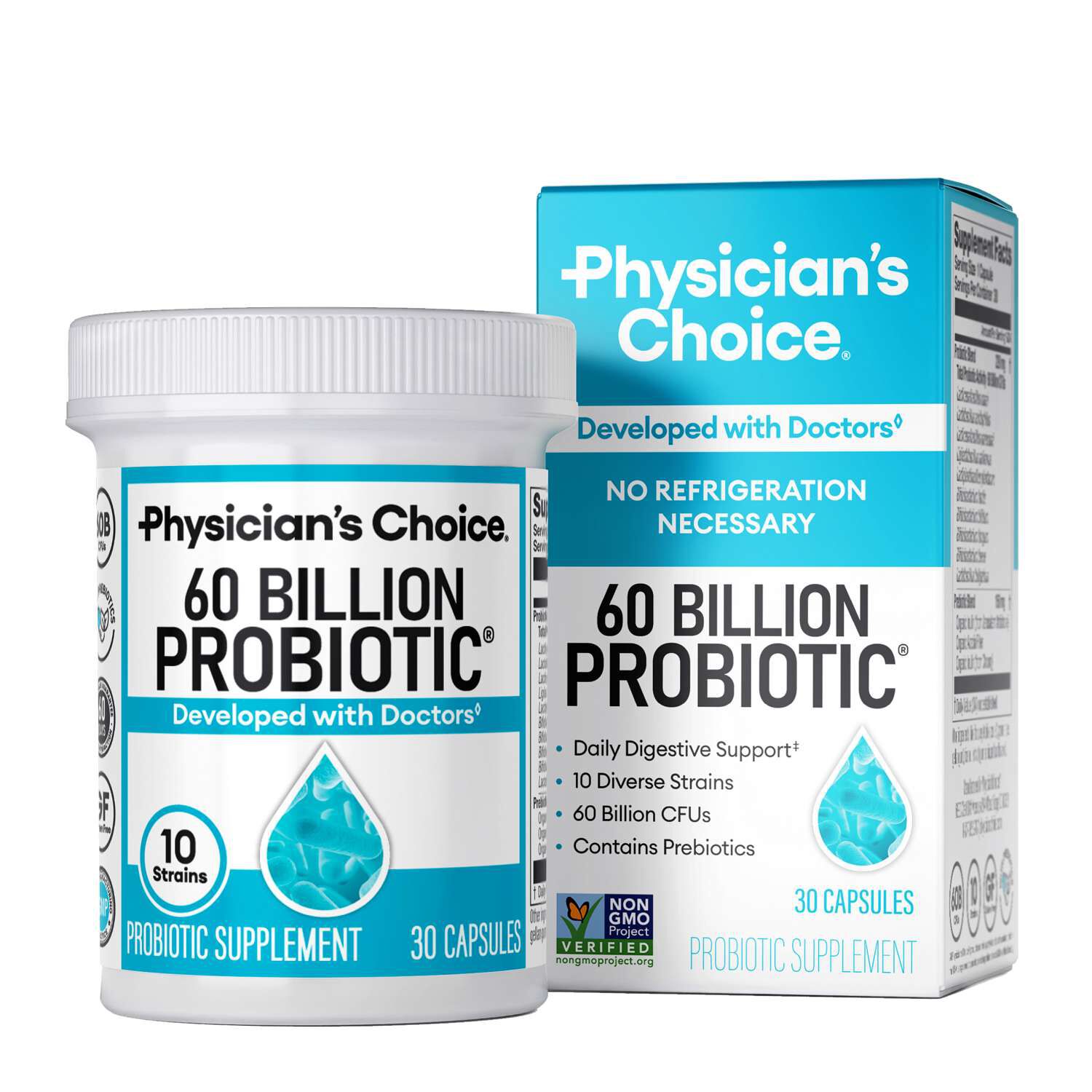 Physician's Choice