





Organic Collagen Peptides
(0 Results)
Discover a range of organic collagen peptides designed to fit seamlessly into your daily routine. Sourced from high-quality ingredients, these options may offer an easy way to support your wellness goals. Whether you’re looking to mix them into your favorite beverages or add them to recipes, organic collagen peptides could be a versatile addition to your supplement lineup. Explore different formats and find the perfect match for your lifestyle and preferences.

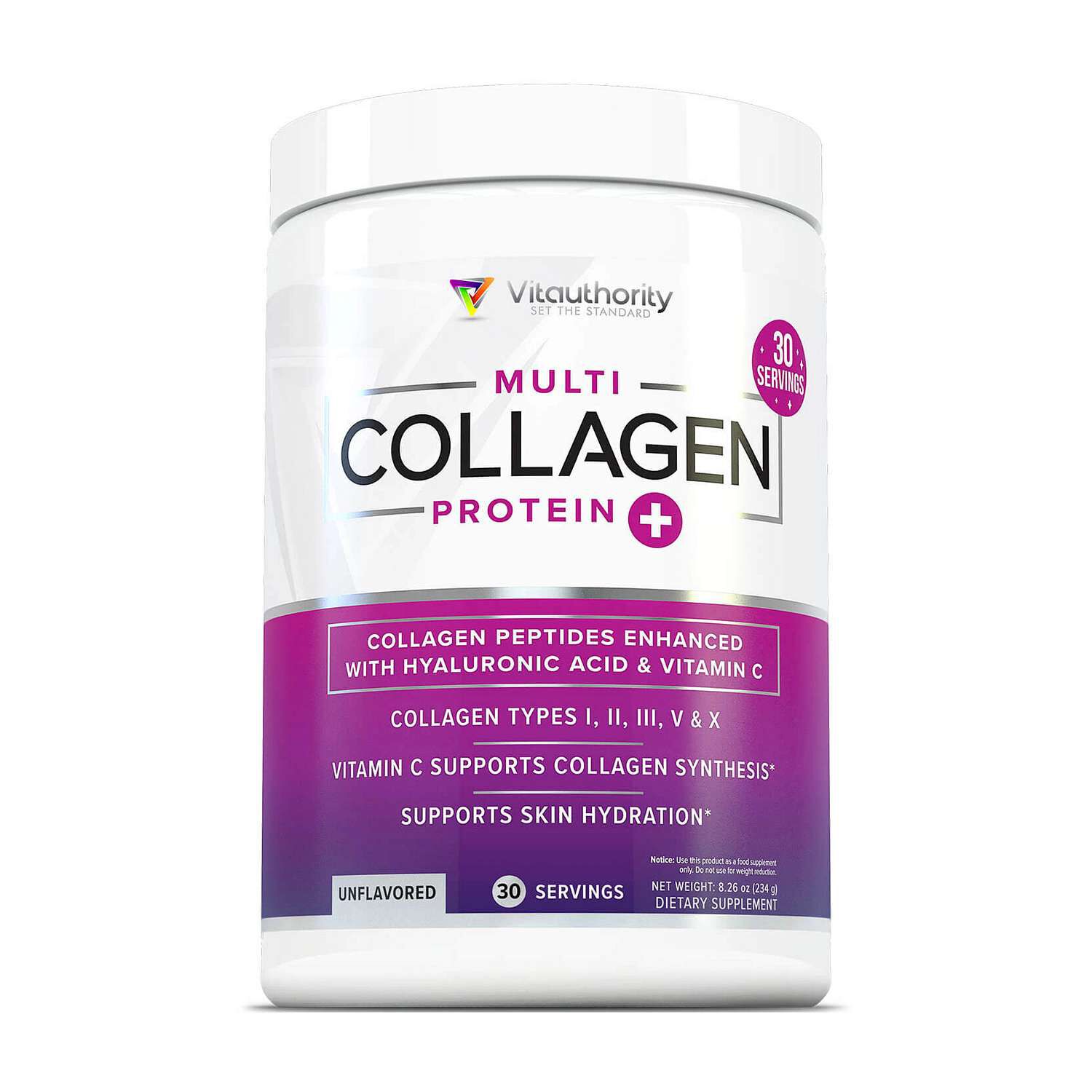

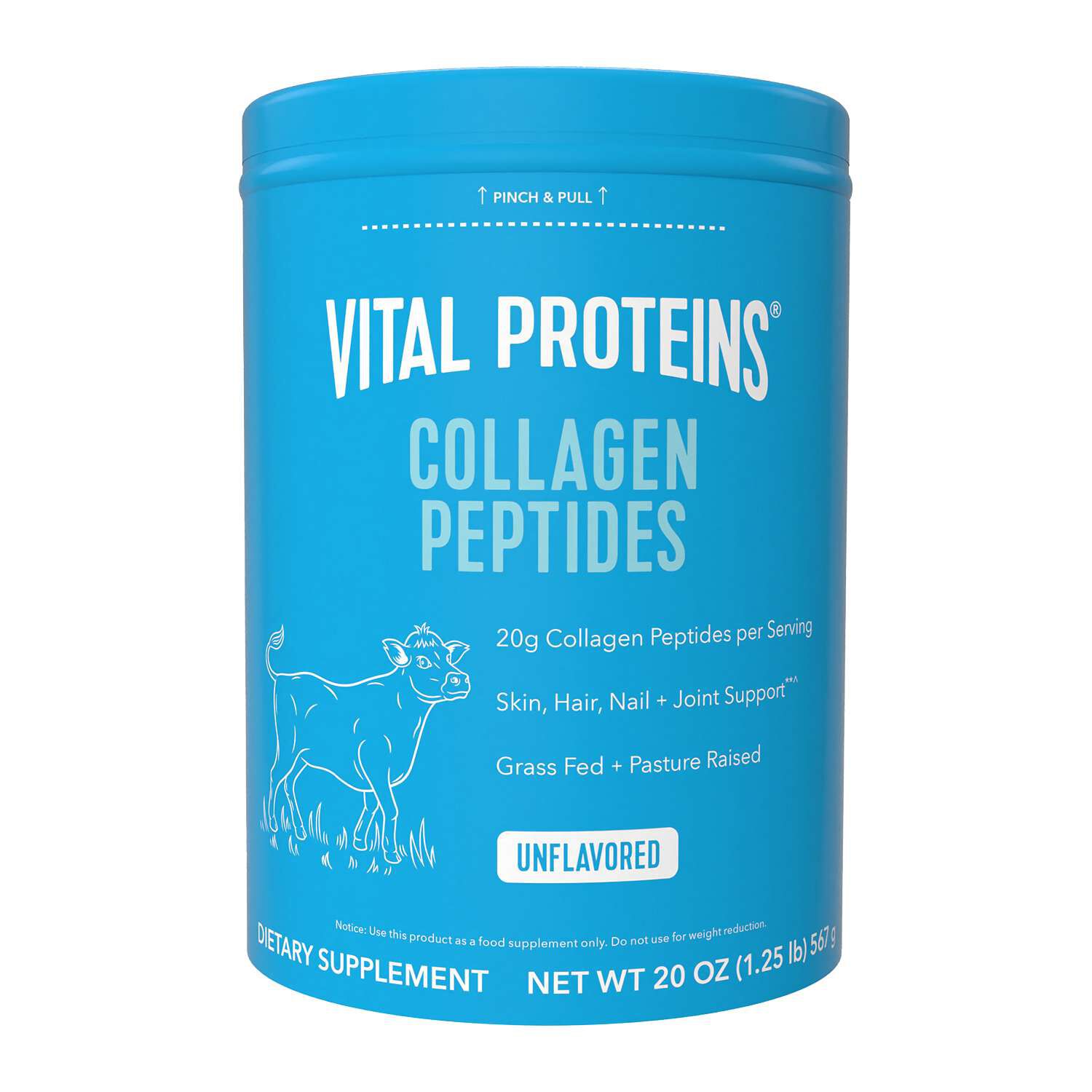


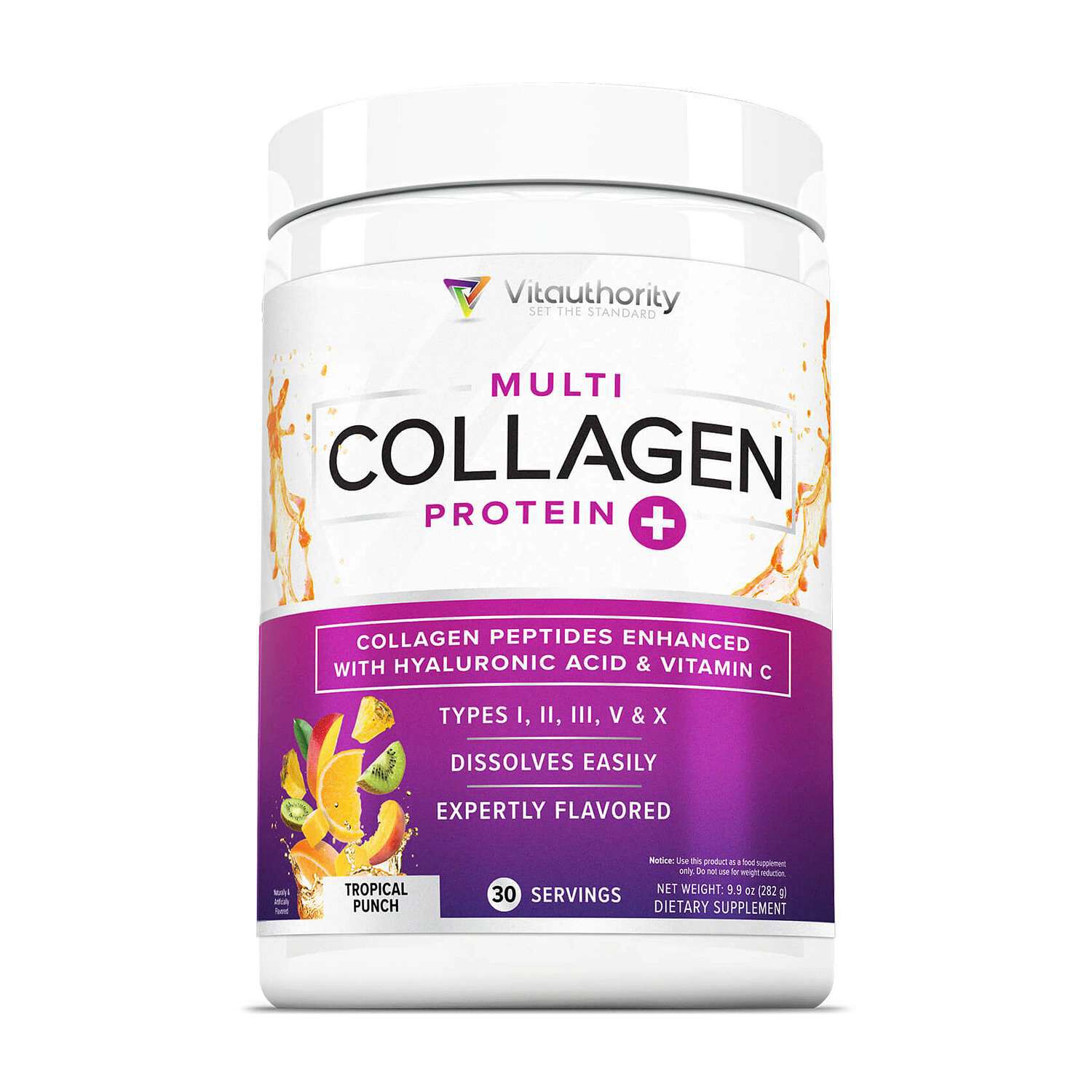
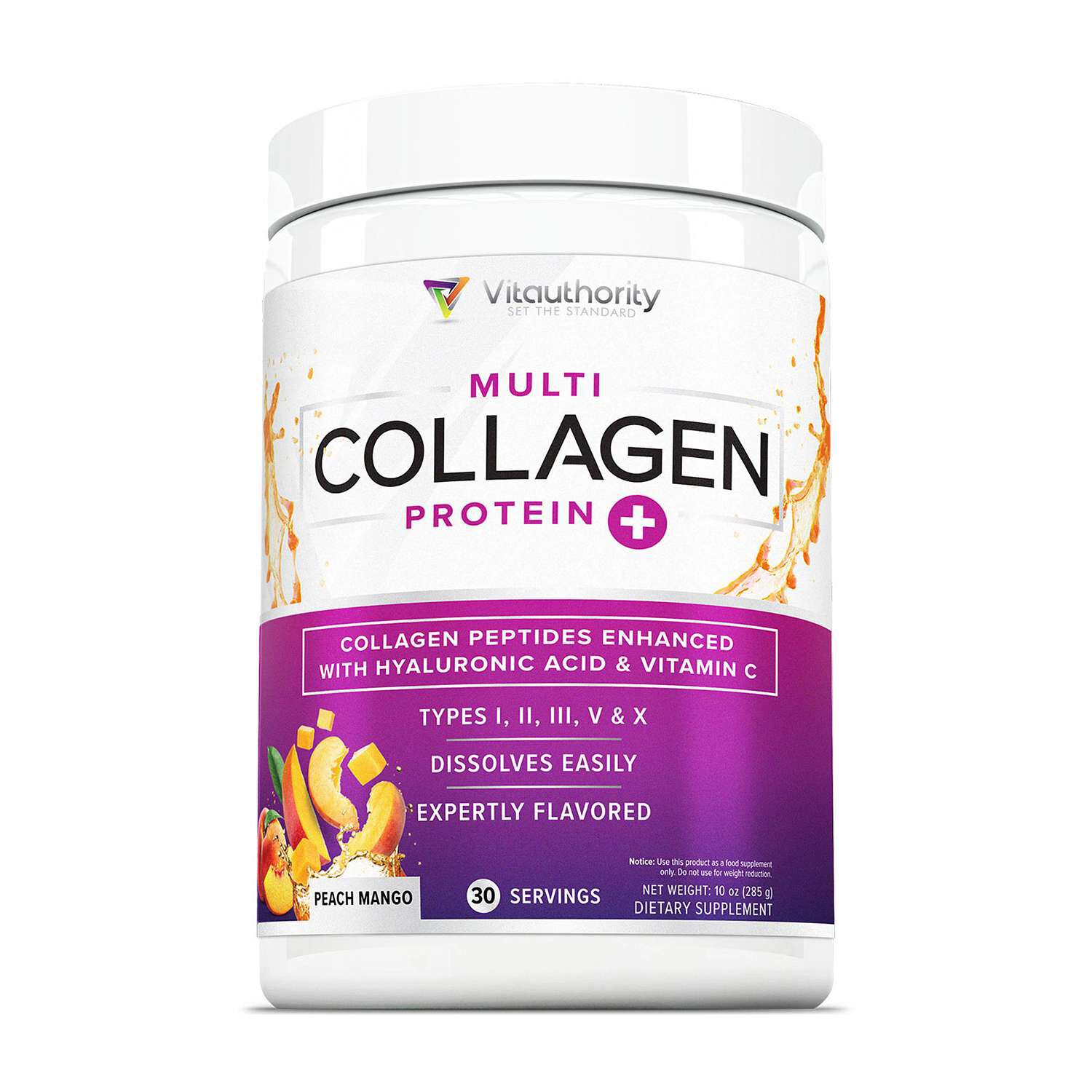

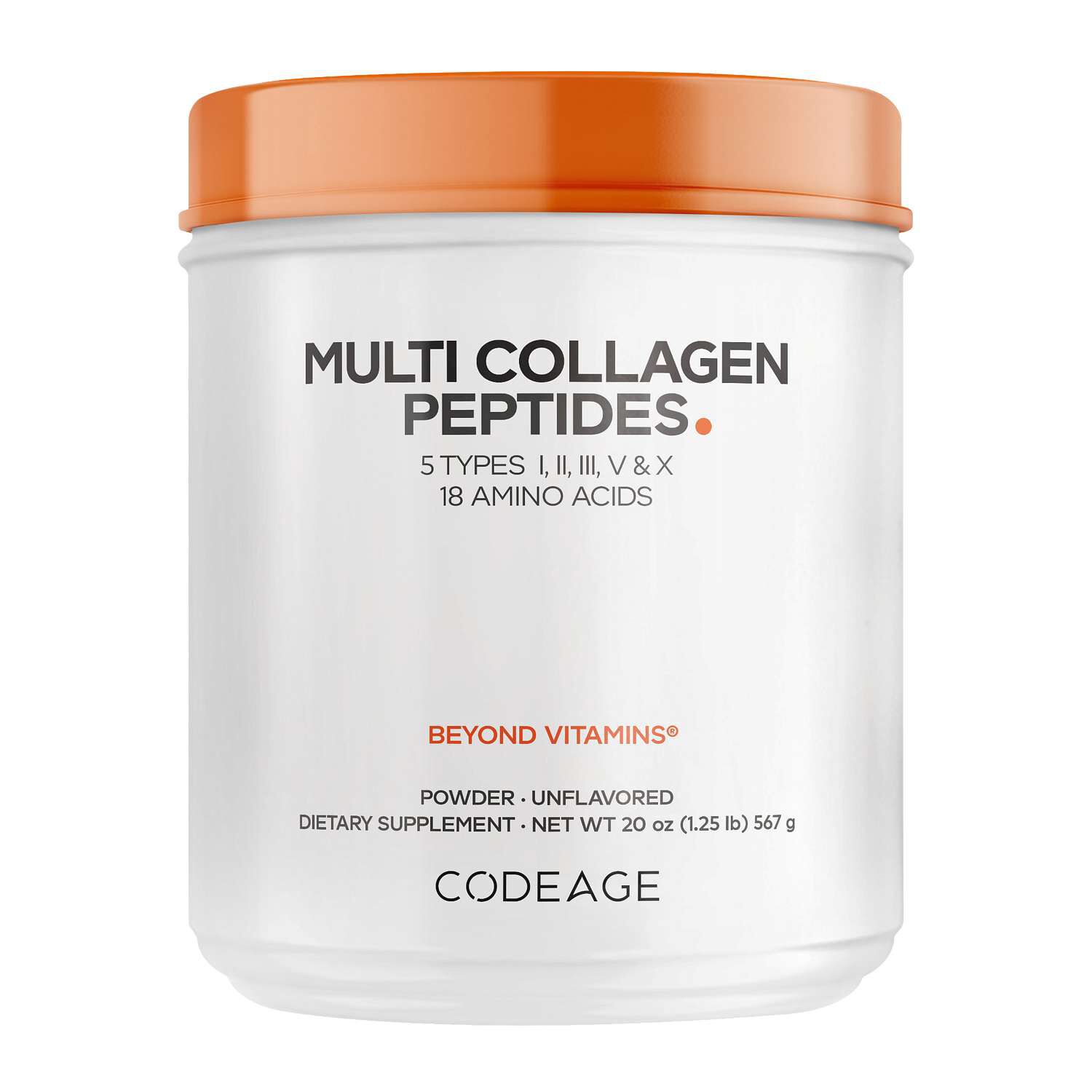

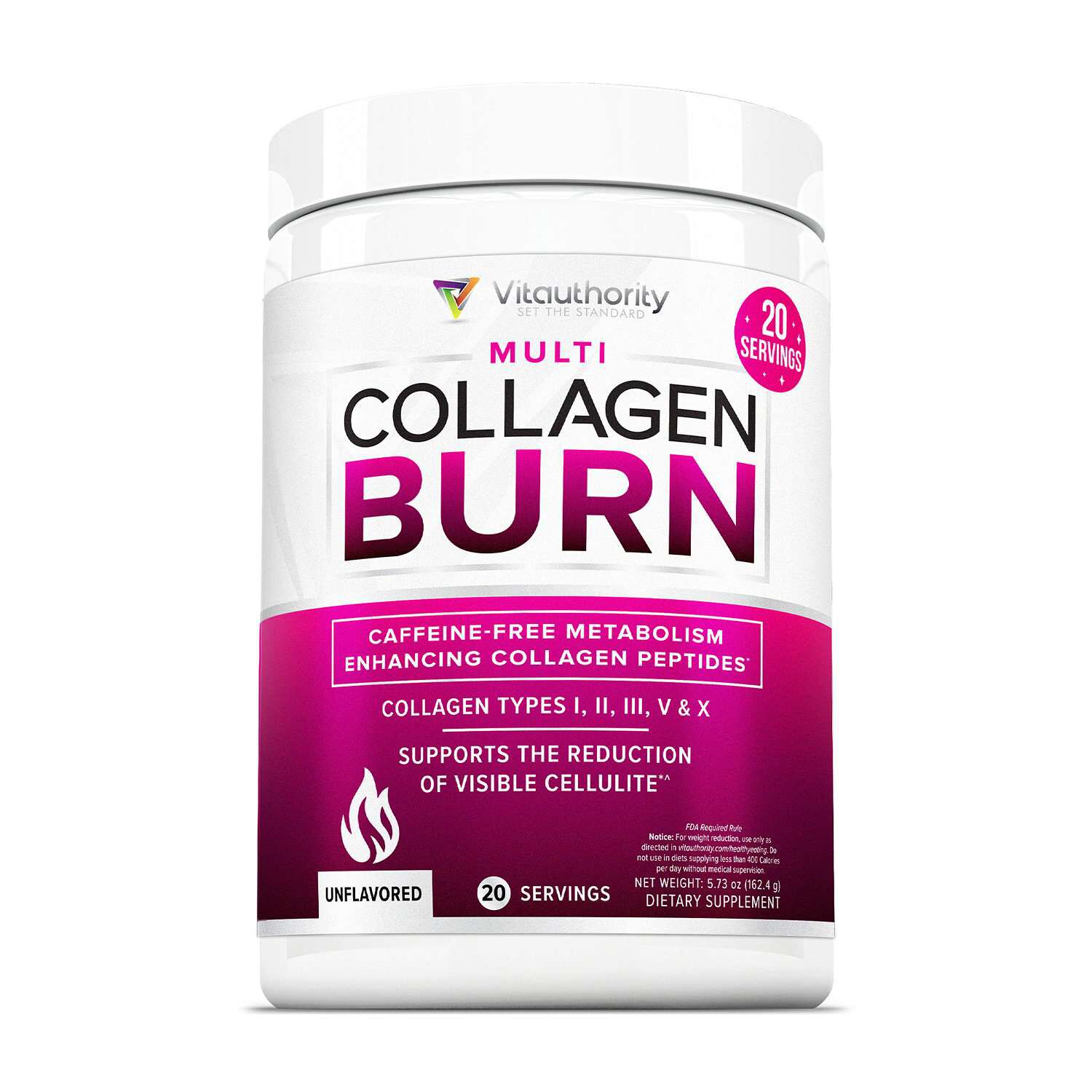

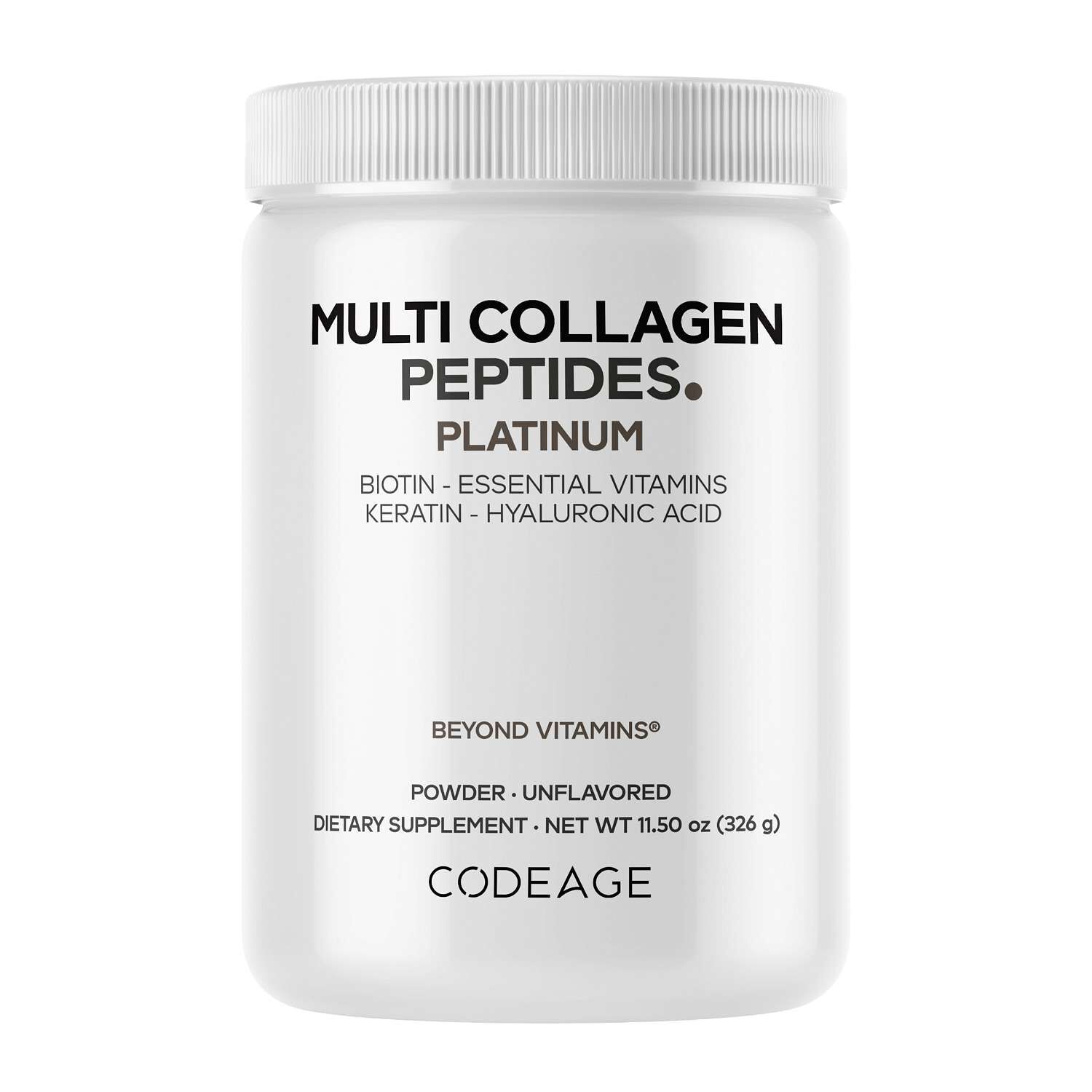

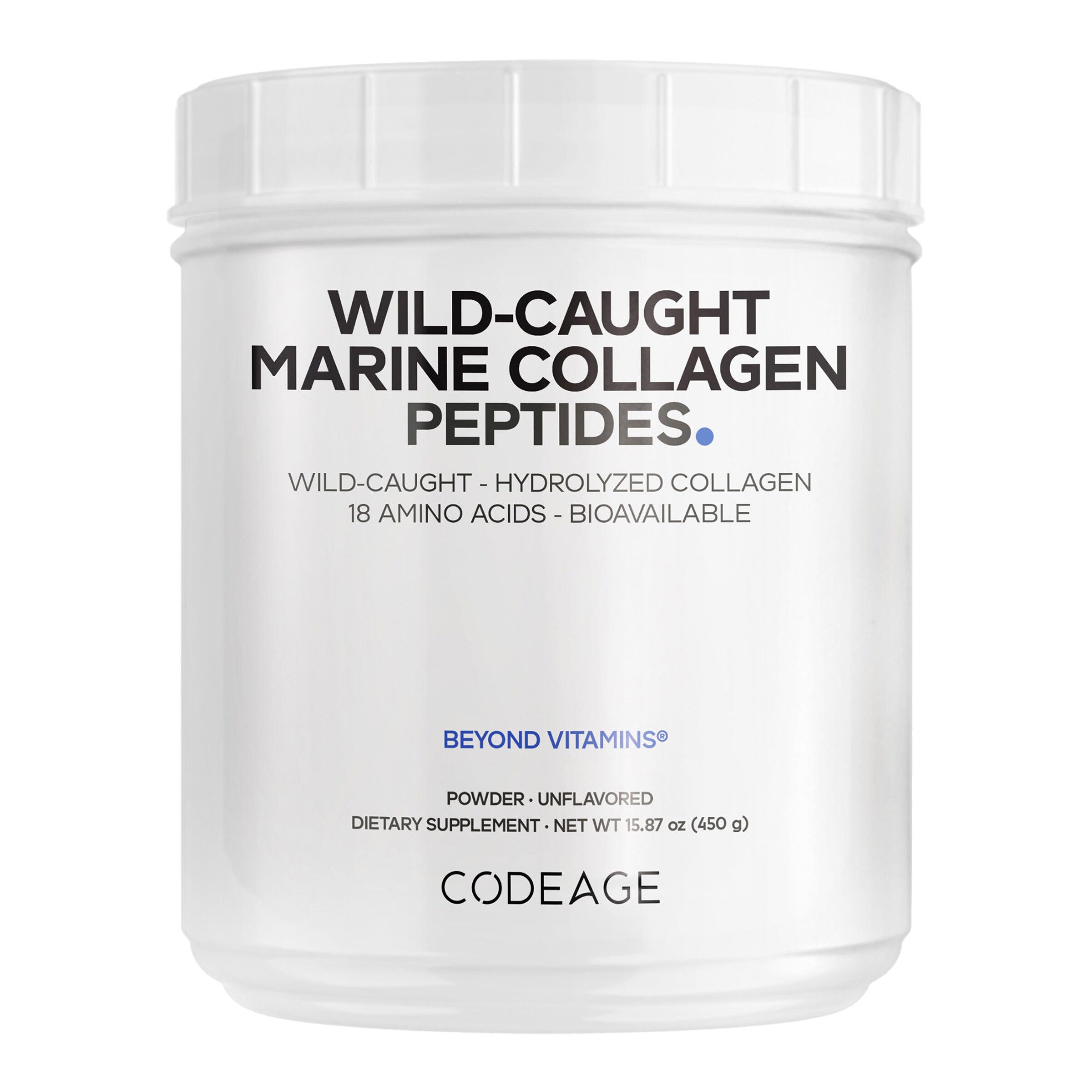
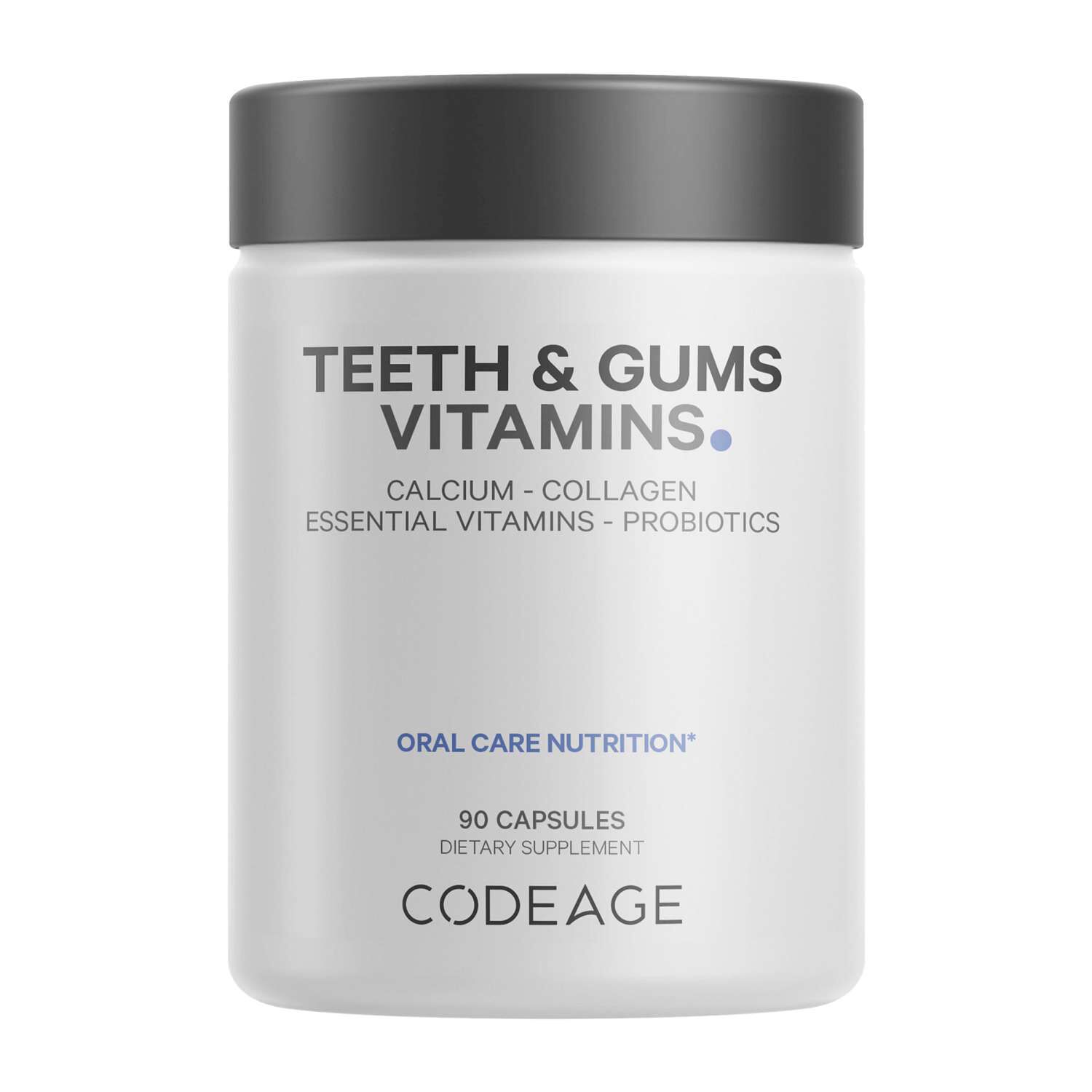
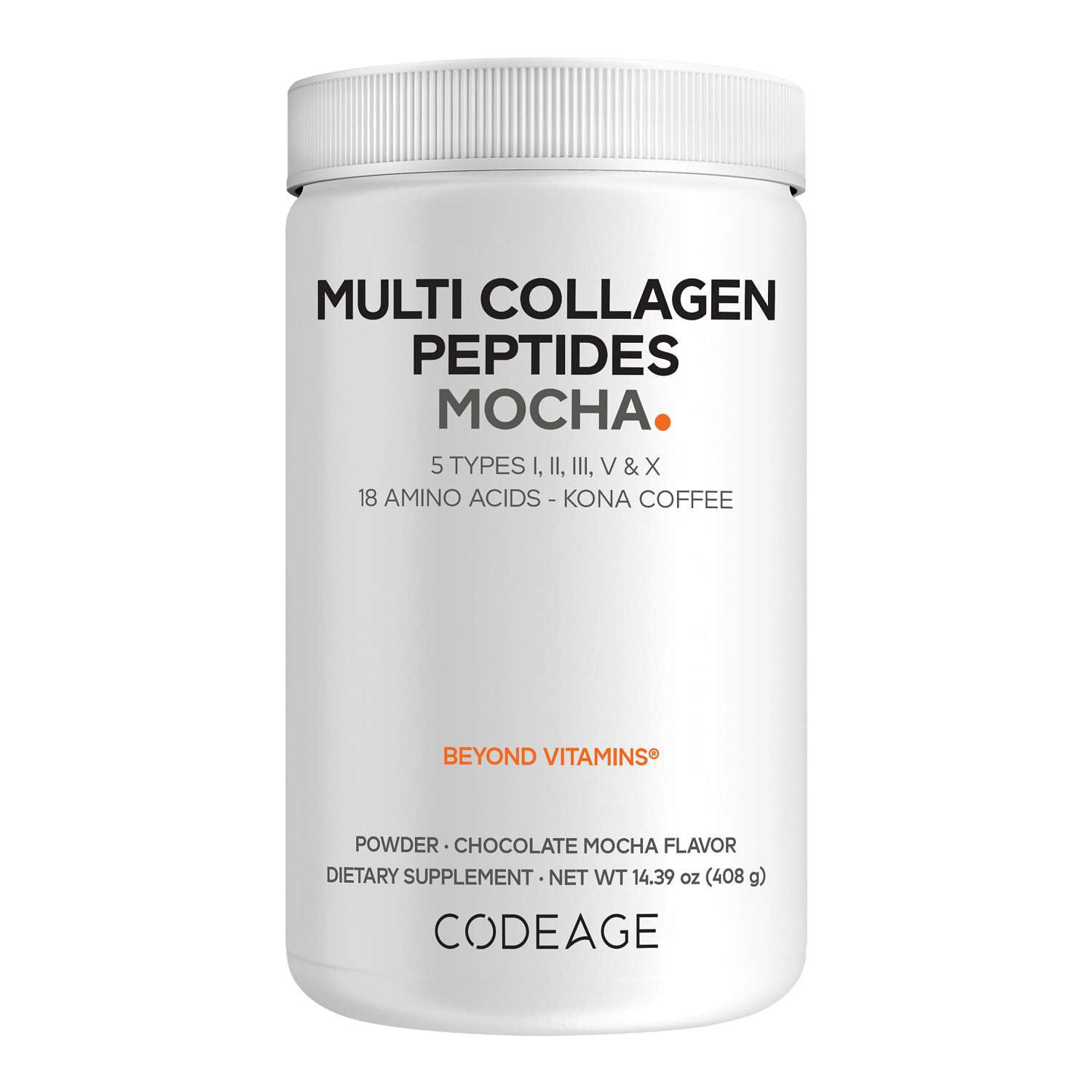
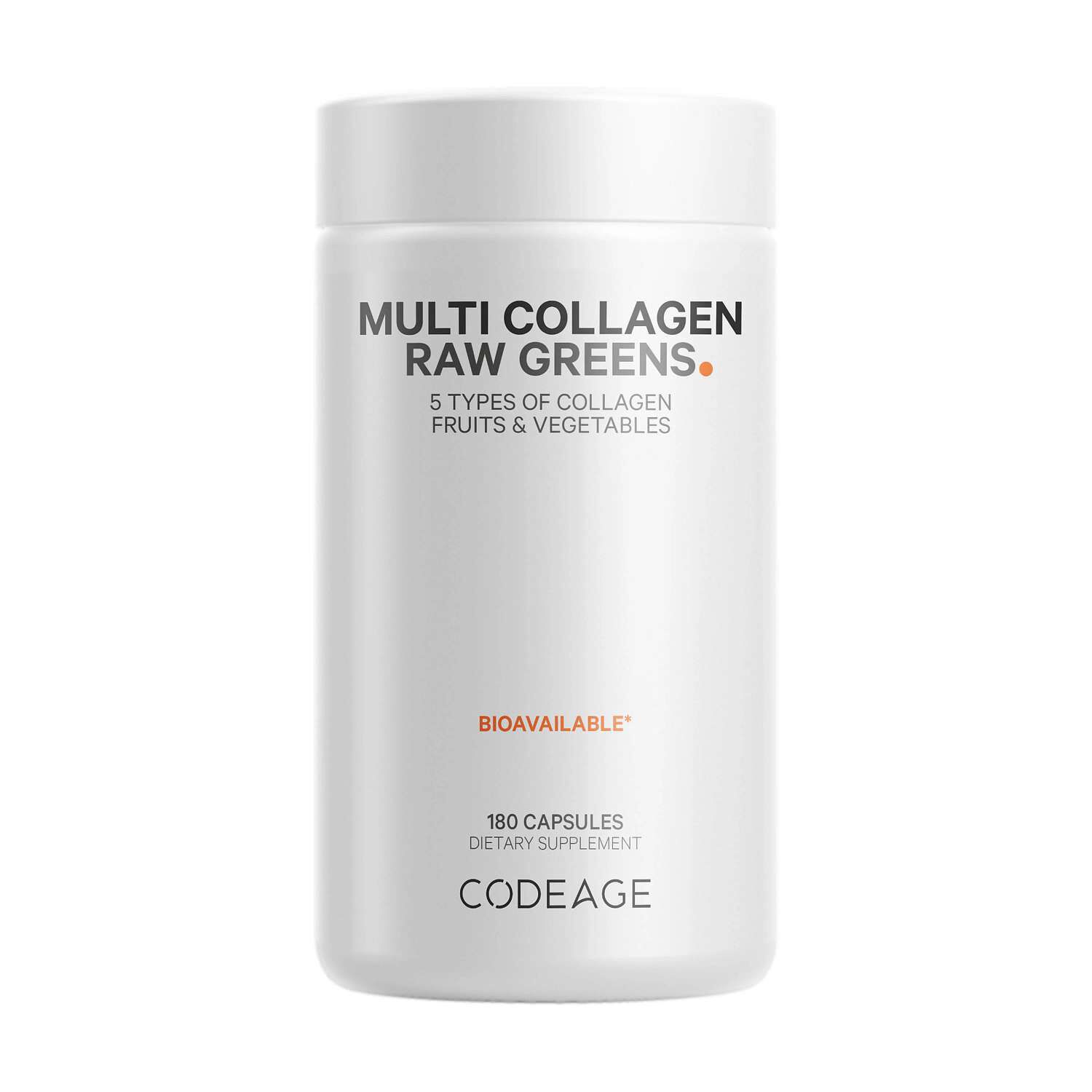
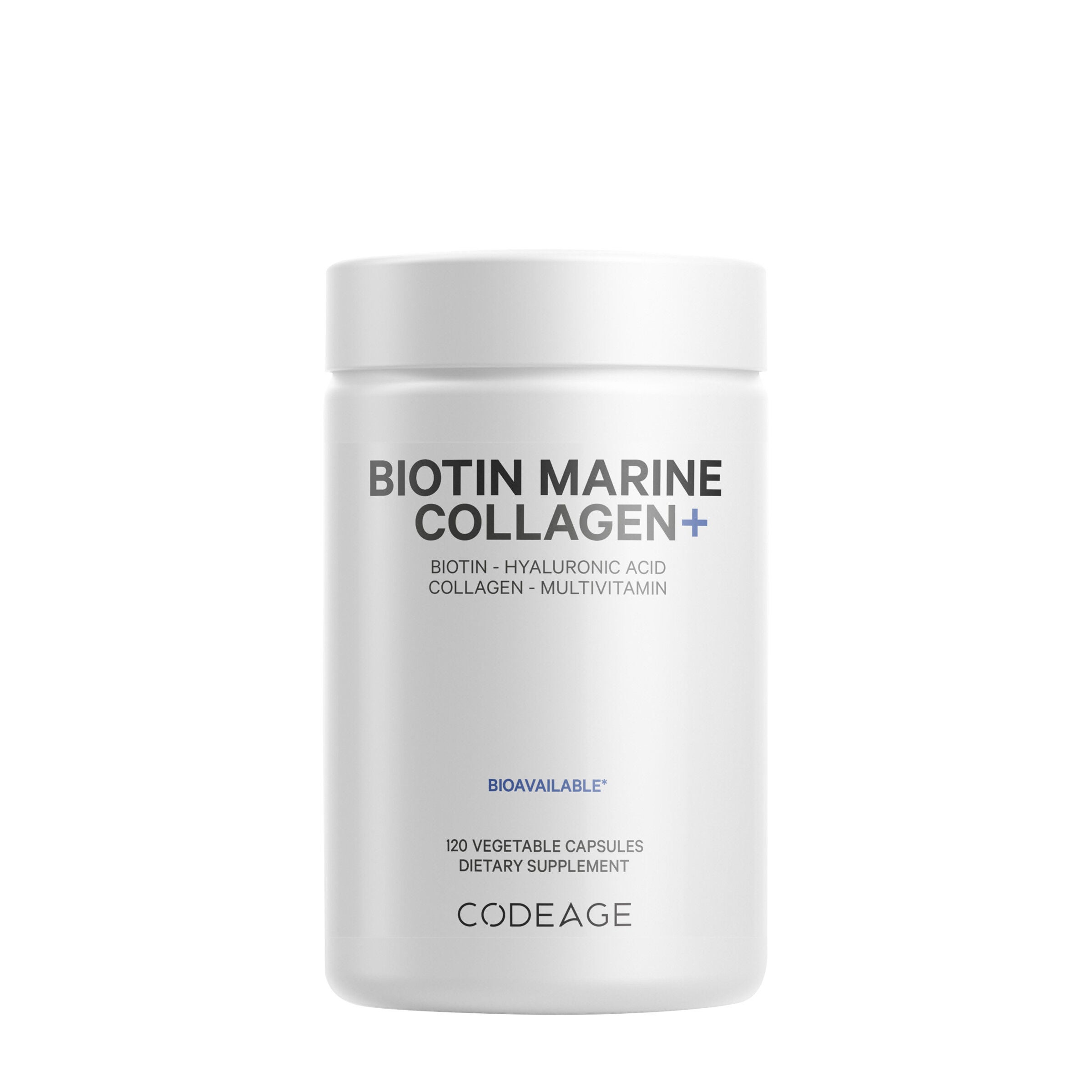
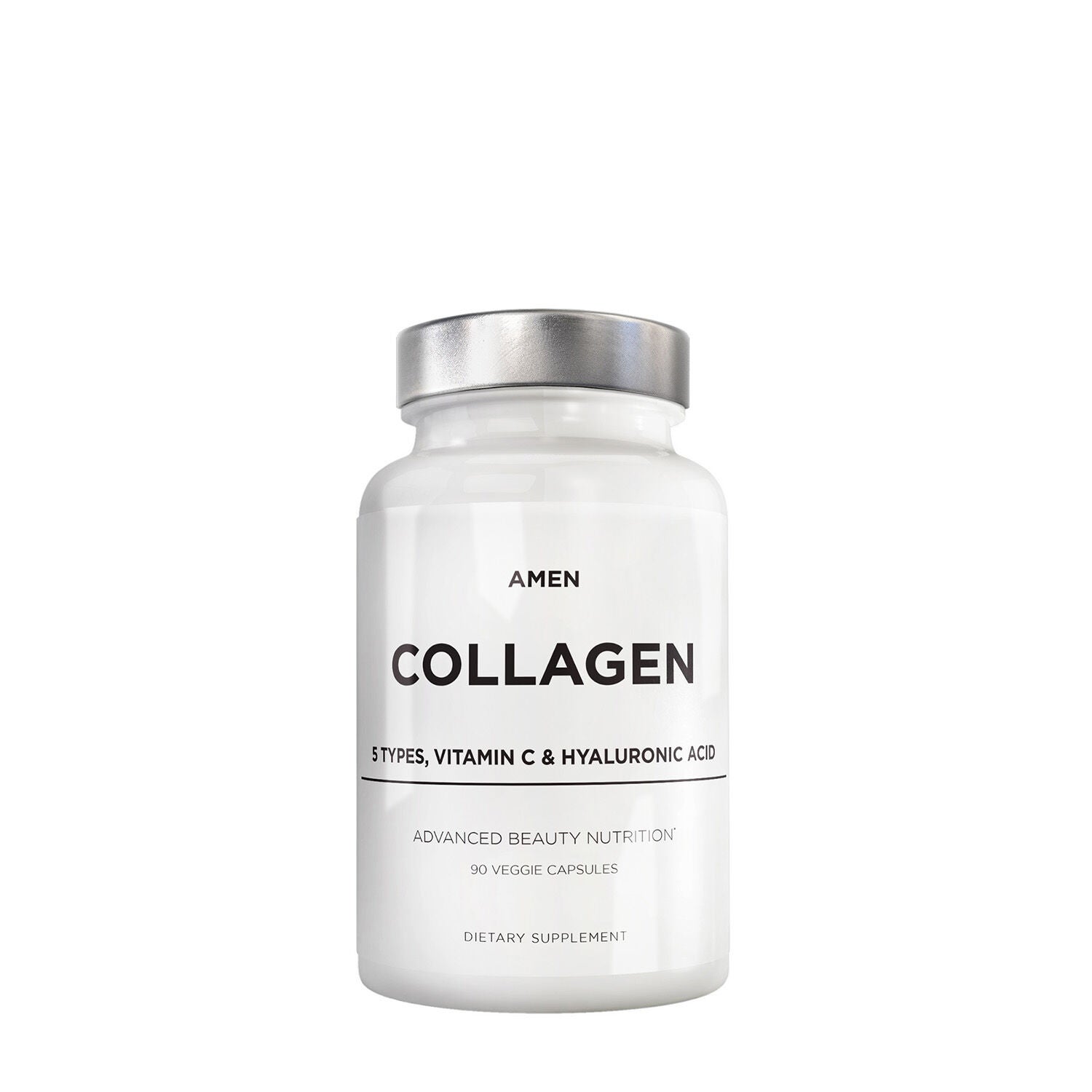
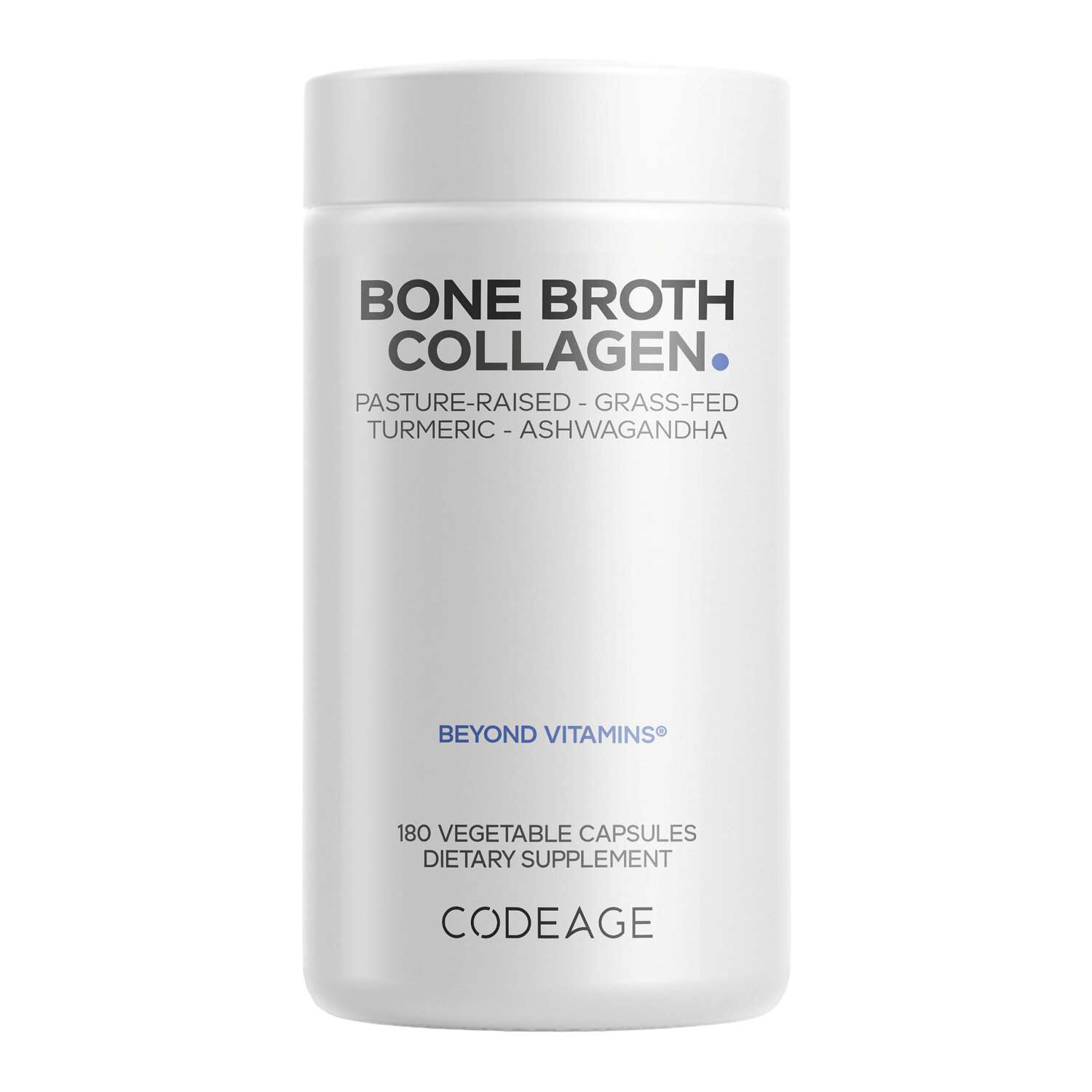
Organic collagen peptides are animal-derived collagen proteins processed into smaller fragments and produced according to applicable organic standards when certified. Usually sold as powders, they offer a format for shoppers who prefer adding a measured ingredient to a drink or food rather than taking capsules. Collagen is a structural protein found in animal connective tissues, including skin, cartilage, and bones. The term hydrolyzed describes the processing that separates collagen into smaller peptides; it does not describe whether the source is organic. Those are distinct characteristics, and both deserve attention on the label. Bovine collagen comes from cattle and commonly contains peptides derived from type I and type III collagen. Marine collagen comes from aquatic sources, often fish, and its source material commonly contains type I collagen. For shoppers interested in that sourcing distinction, Fish Collagen Peptide Powders represent another category to compare, with organic status assessed separately rather than assumed from the source. A USDA Organic seal is a useful indicator of certification, while the ingredient statement and certifier information provide additional context. Grass-fed and pasture-raised describe aspects of animal feeding or raising practices, but neither term alone establishes organic certification. Similarly, an organic ingredient in a blended powder does not necessarily mean the finished formula carries the same certification. Clear labeling matters more than a pastoral image or a loosely worded sourcing description. For someone choosing between powders for a breakfast smoothie, these distinctions separate three different questions: where the collagen comes from, how it has been processed, and what certification applies. Organic collagen peptides are not inherently plant-based, and products described as vegan collagen alternatives belong to a different category rather than being interchangeable animal collagen sources. Understanding that difference keeps comparisons grounded in the actual ingredients. The most useful product descriptions identify the animal source, powder format, serving size, and certification without treating those details as substitutes for one another. That foundation makes the category easier to evaluate before flavor, packaging, or preparation preferences enter the picture.
Beyond sourcing, organic collagen peptide powders differ in ingredient simplicity, flavor, serving size, and the amount of protein listed per serving. Some formulas contain collagen peptides alone; others combine them with flavorings, sweeteners, or additional ingredients. A shorter ingredient statement may appeal to someone who wants a neutral addition to an existing recipe, while a flavored blend may suit someone who prefers a more defined taste in a shaken drink. Unflavored does not always mean undetectable: the source, formula, and concentration may contribute a subtle aroma, taste, or change in mouthfeel. A small glass of water leaves those characteristics more noticeable than a smoothie made with banana, oats, and nut butter. Cocoa or vanilla flavors may fit a breakfast shake but may be less suitable for a savory recipe. Comparing serving weight with protein grams is also worthwhile because a scoop measures the powder, not protein alone. Scoop sizes differ, so equal numbers of scoops do not necessarily represent equivalent portions across formulas. The nutrition or supplement panel provides a more useful basis for comparison than the size of the container or the appearance of the scoop. Collagen contains amino acids such as glycine and proline, but its amino acid profile differs from proteins such as whey, egg, and soy. It is therefore not nutritionally interchangeable with every other protein powder simply because each lists protein in grams. Intended use matters here: a powder selected as an addition to coffee serves a different role from a formula chosen as the central ingredient in a substantial shake. Neither the word organic nor the word collagen establishes that a powder is a meal replacement. Animal-source disclosures and allergen statements also deserve close attention, particularly with fish-derived ingredients or blends containing milk, egg, or soy. For households that follow vegetarian, vegan, or particular religious dietary practices, source information and relevant certifications are meaningful selection details. Packaging claims about testing are most informative when they identify what was assessed and whether the information relates to the finished product.
Everyday suitability often comes down to the details of preparation and storage. Hydrolyzed collagen peptides differ from culinary gelatin, which is used to set foods; the two are not direct substitutes when a recipe depends on a firm gel. Collagen peptide powders are generally intended for incorporation into foods or beverages, with the product directions specifying appropriate serving and mixing instructions. Depending on the formula, stirring, shaking, or blending may produce different textures. Adding a large mound of powder to a nearly full mug may leave less room for thorough mixing, while a blender offers another preparation method for a fruit-and-yogurt smoothie. Solubility varies, and flavored formulas or blends with other ingredients may behave differently from single-ingredient powders. Someone who usually eats breakfast away from home might value individually portioned packaging, while someone who prepares drinks in the same kitchen each day might prefer a resealable container with an accessible opening. These formats change handling and convenience, not the meaning of organic certification. Container design is worth considering alongside net weight: a secure closure, readable directions, and room to use the included scoop are practical details that matter repeatedly. Powder care is straightforward but important. Following the label’s storage directions, keeping the closure secure, and using a clean, dry utensil may help limit moisture exposure and unwanted clumping. A package left open beside a steaming kettle has a different storage environment from one closed promptly and placed in a dry cupboard. The printed date and any instructions for use after opening provide a better reference for storage duration than appearance alone. Keeping the powder in its labeled package also preserves access to the source, ingredients, lot information, and preparation directions. For shared kitchens, that information helps distinguish collagen from other pale powders stored nearby. Ultimately, a thoughtful comparison of organic collagen peptides rests on documented sourcing, clearly stated ingredients, protein per serving, flavor preferences, and a format that fits the intended recipe. Those concrete characteristics give shoppers a useful way to choose a powder for their routines without assuming that every collagen formula tastes, mixes, or serves the same purpose.
Best Sellers
-
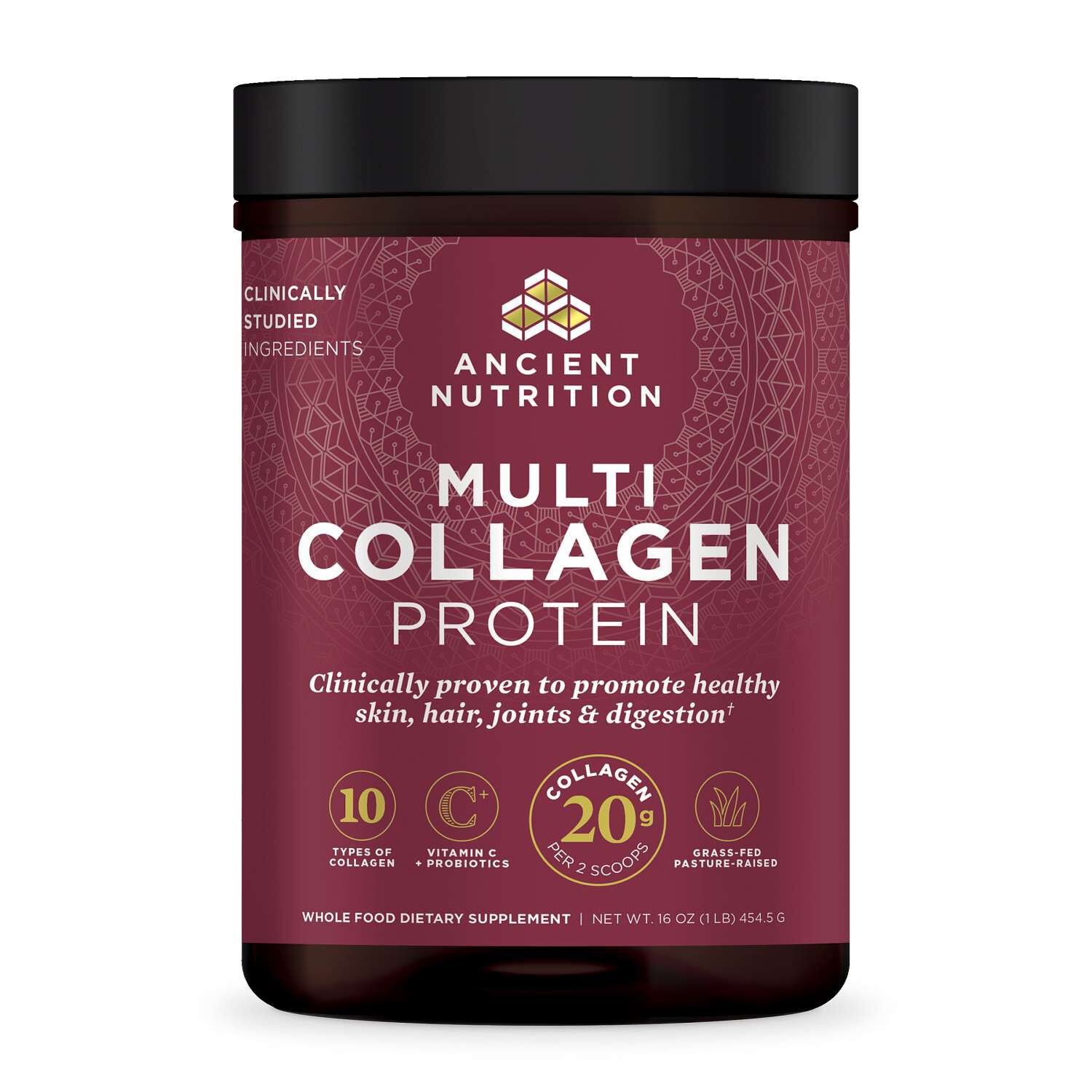 Ancient Nutrition
 -
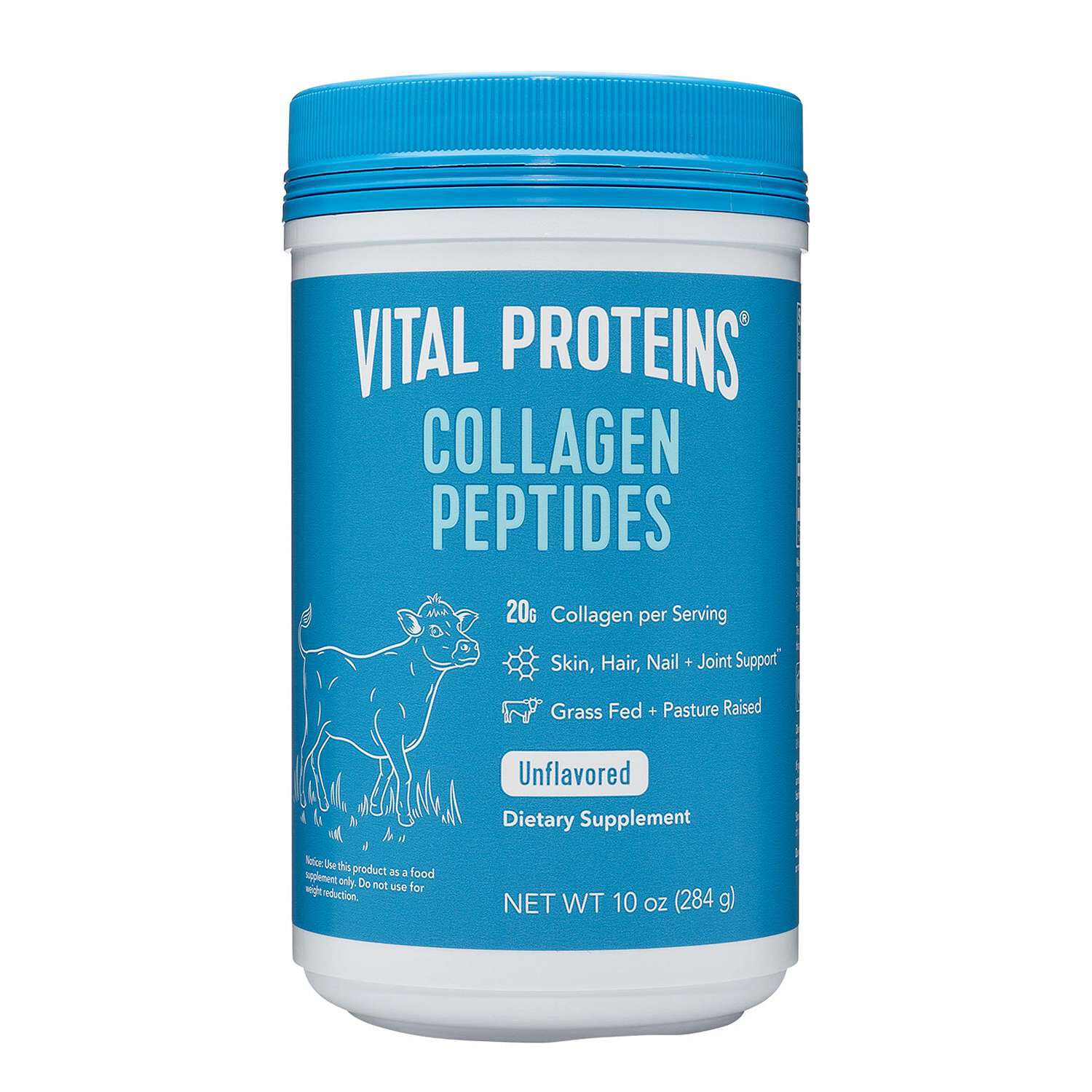 Vital Proteins
