





Plant Based Meal Replacements
(0 Results)
Looking to power up your nutrition with plant-based meal replacements? Look no further! Our selection of plant-based meal replacement options offers a convenient and delicious way to fuel your body with essential nutrients on-the-go. Packed with vitamins, minerals, and protein, these plant-based alternatives are perfect for busy days when you need a quick and healthy meal solution. Whether you're vegan, vegetarian, or simply looking to incorporate more plant-based options into your diet, our plant-based meal replacements are a satisfying choice to keep you energized throughout your day.


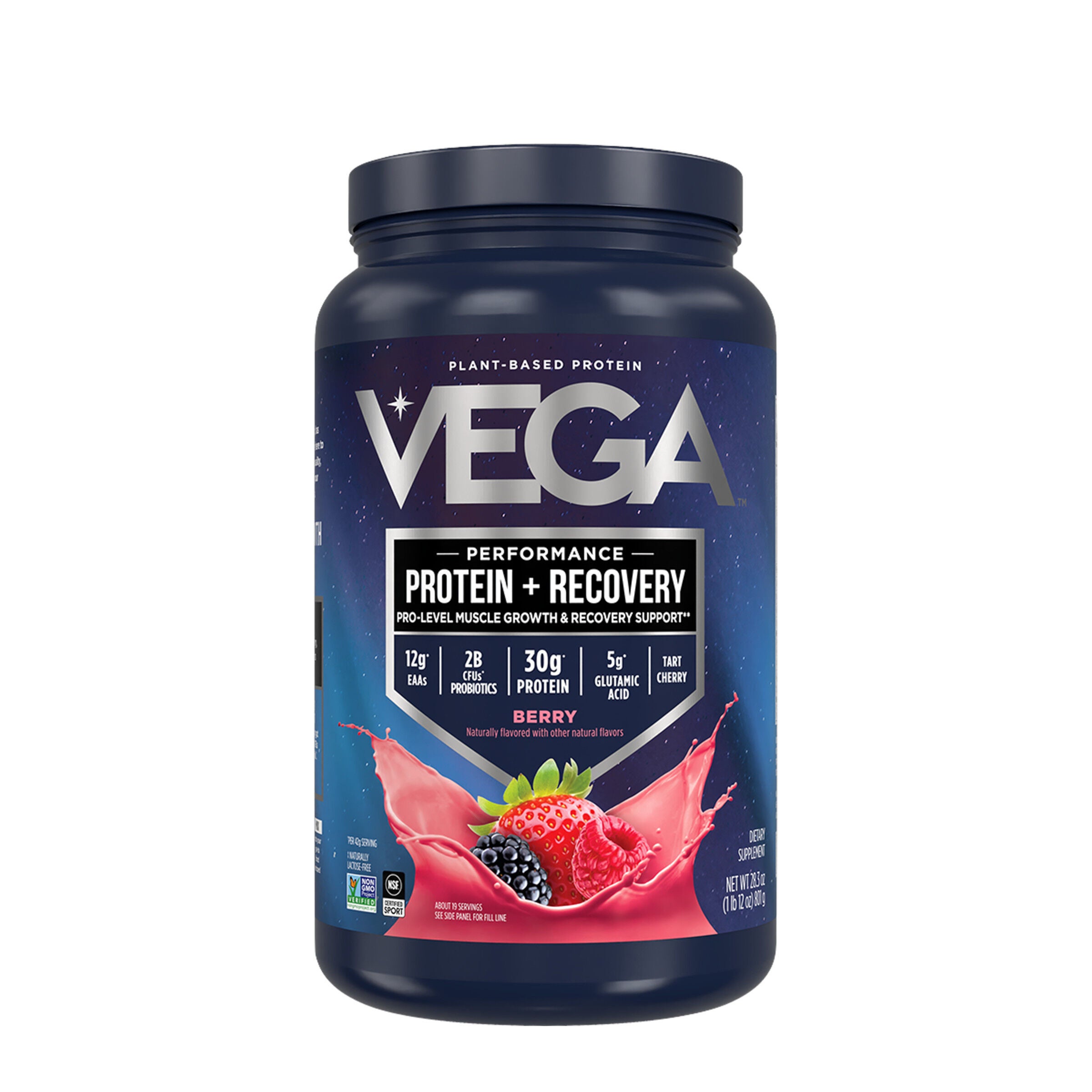
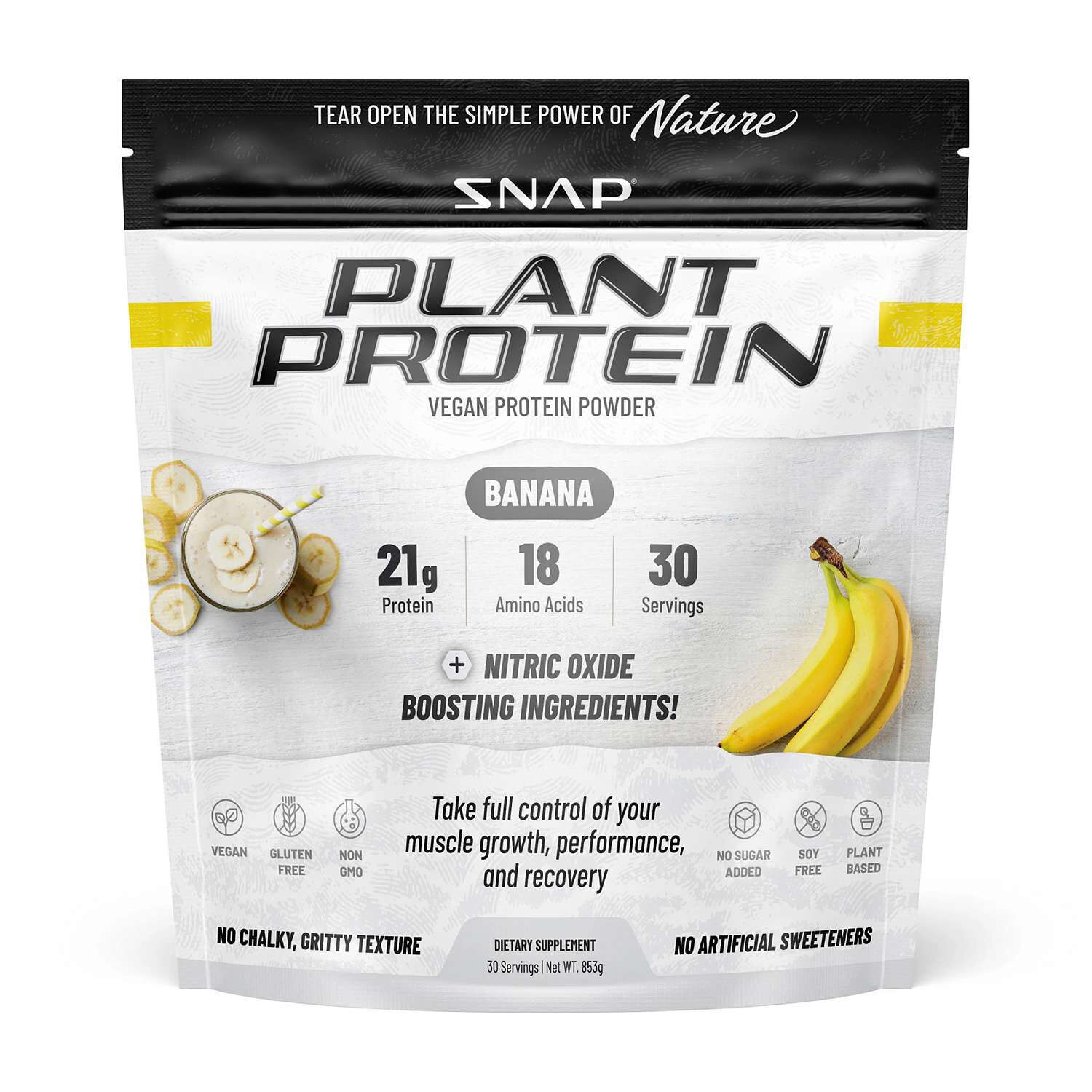
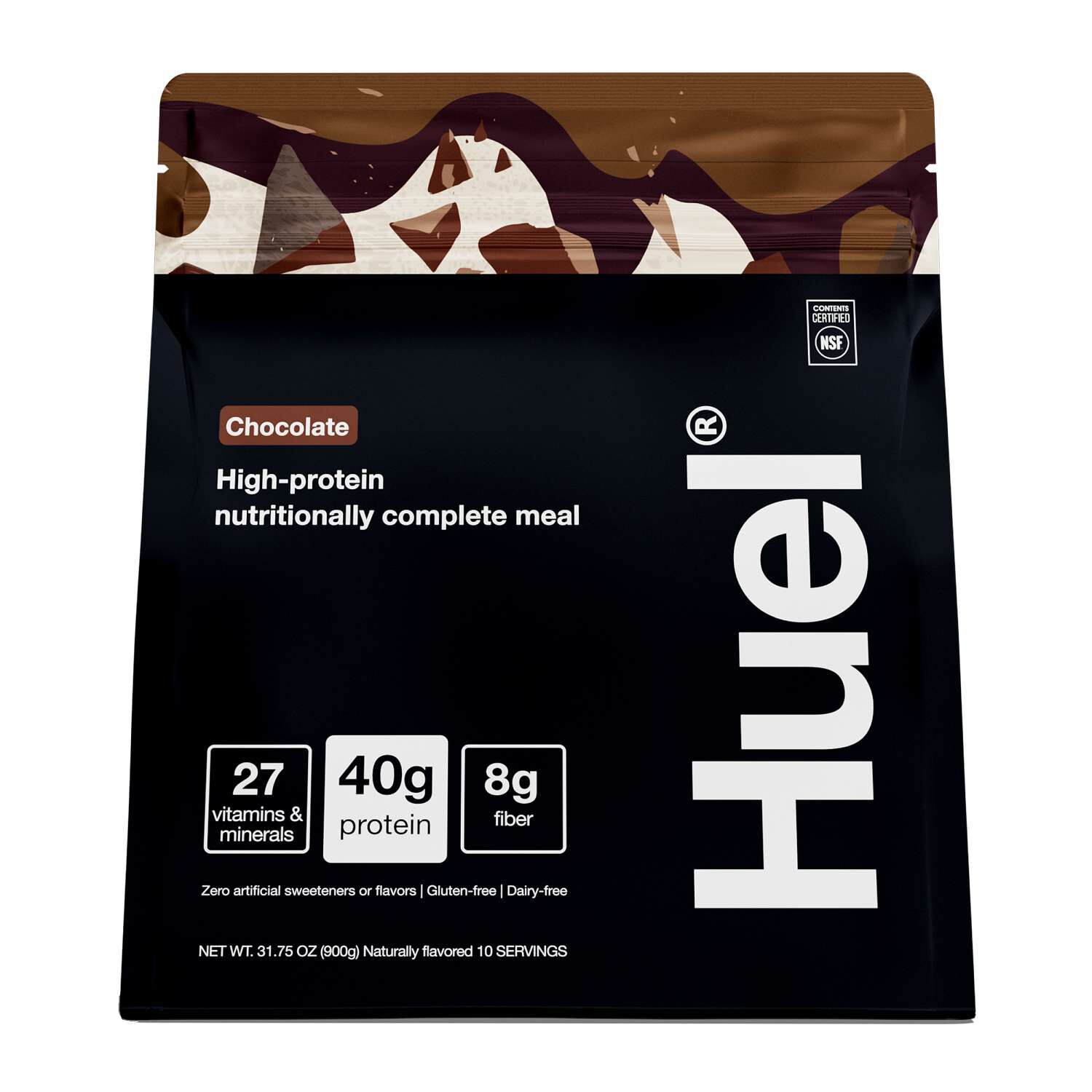
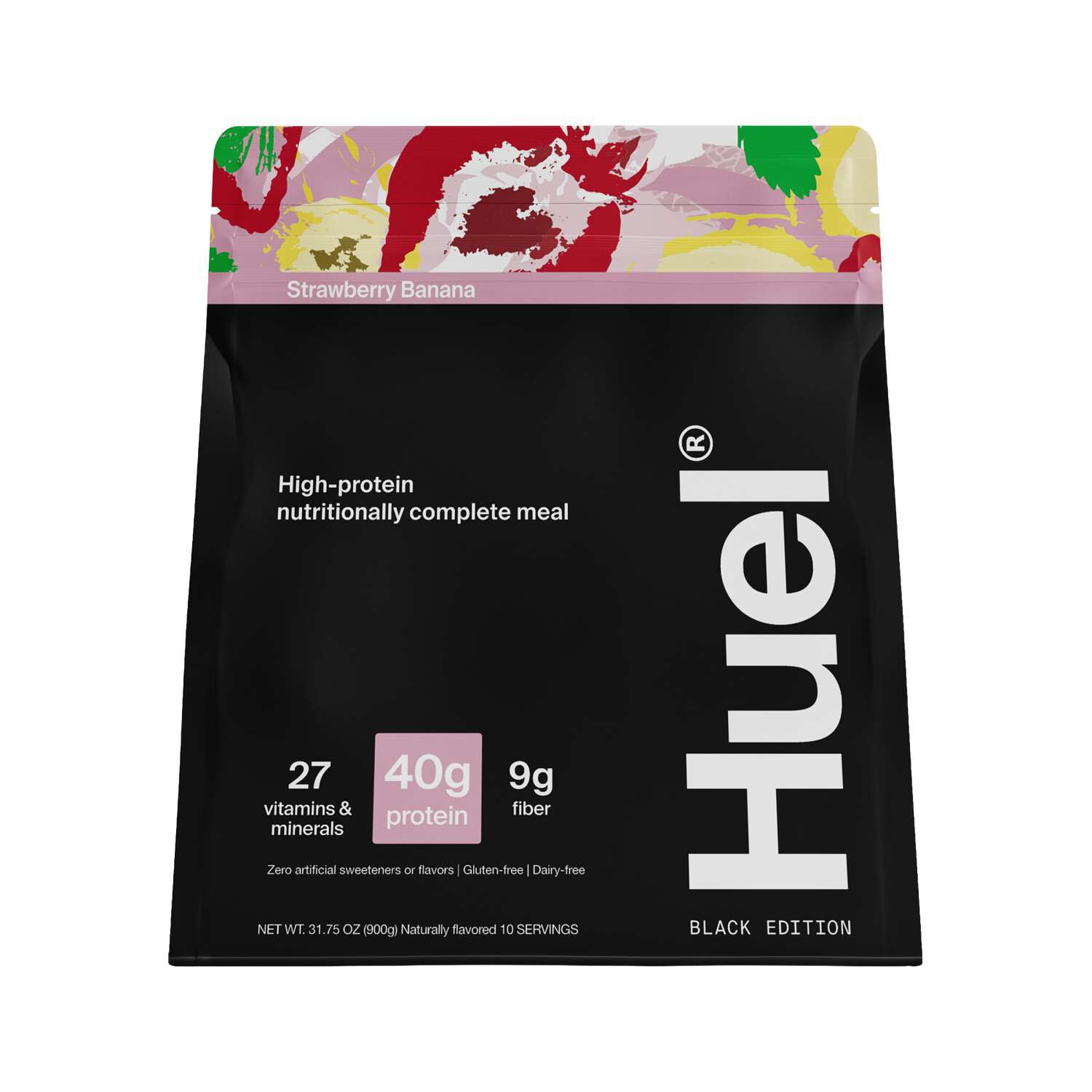
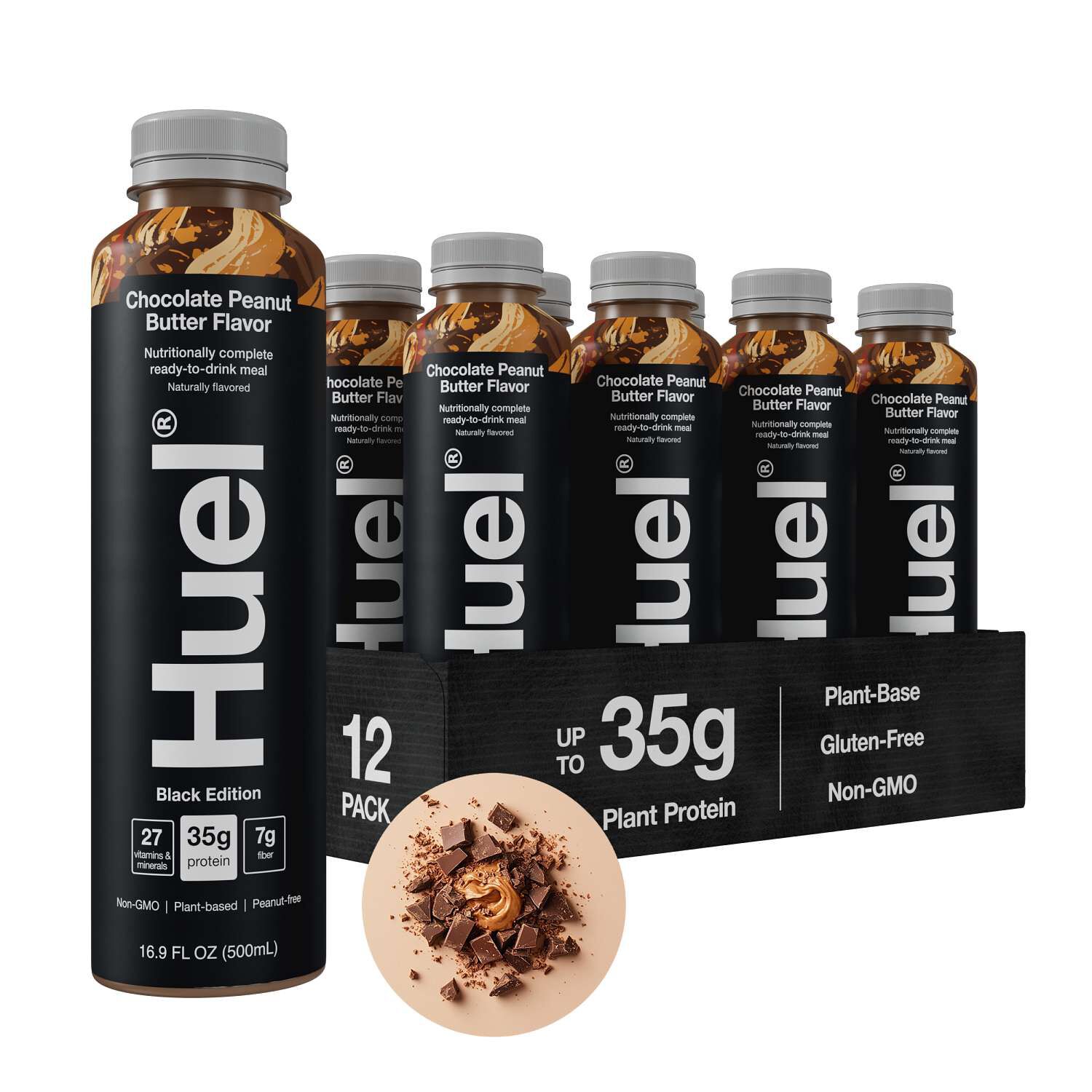
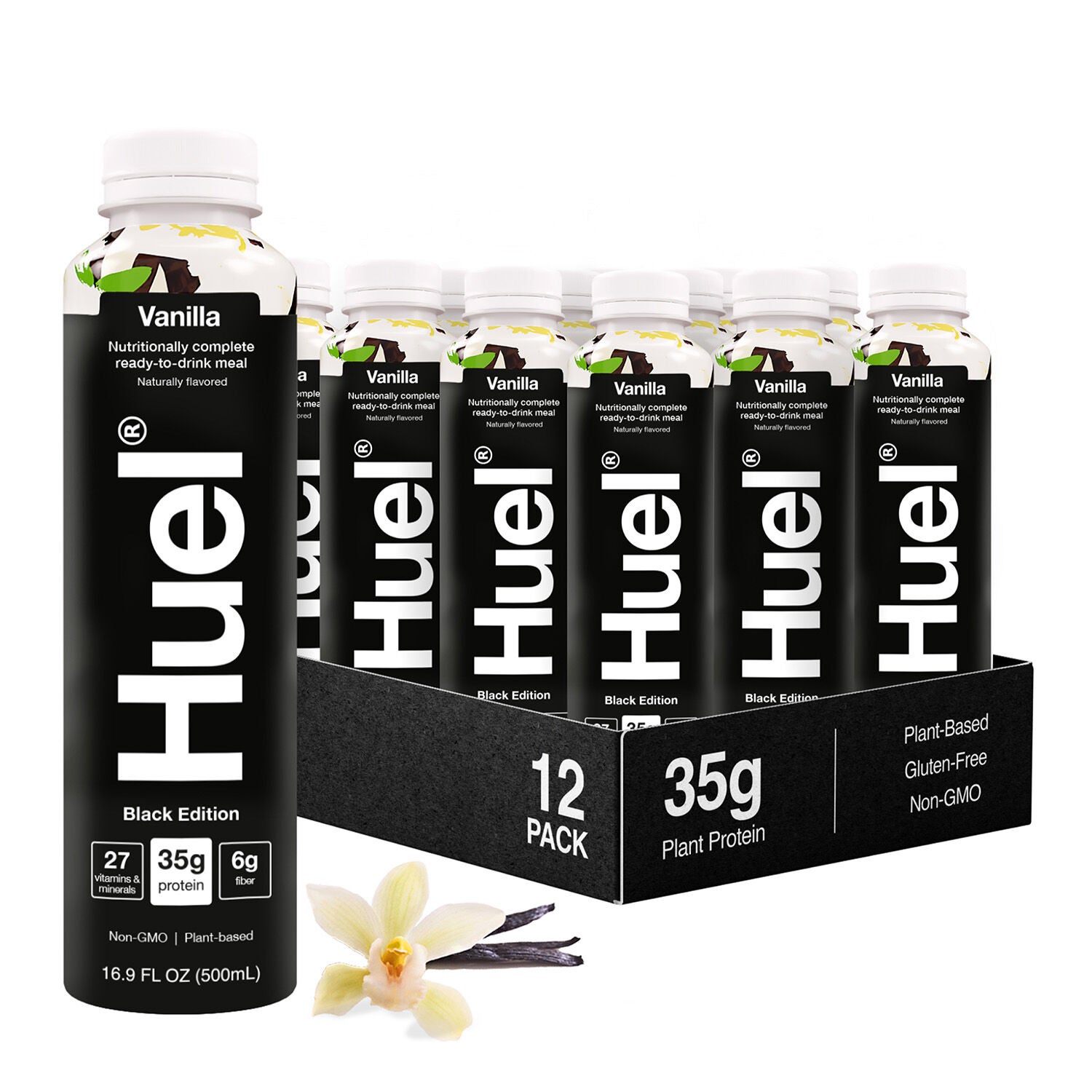

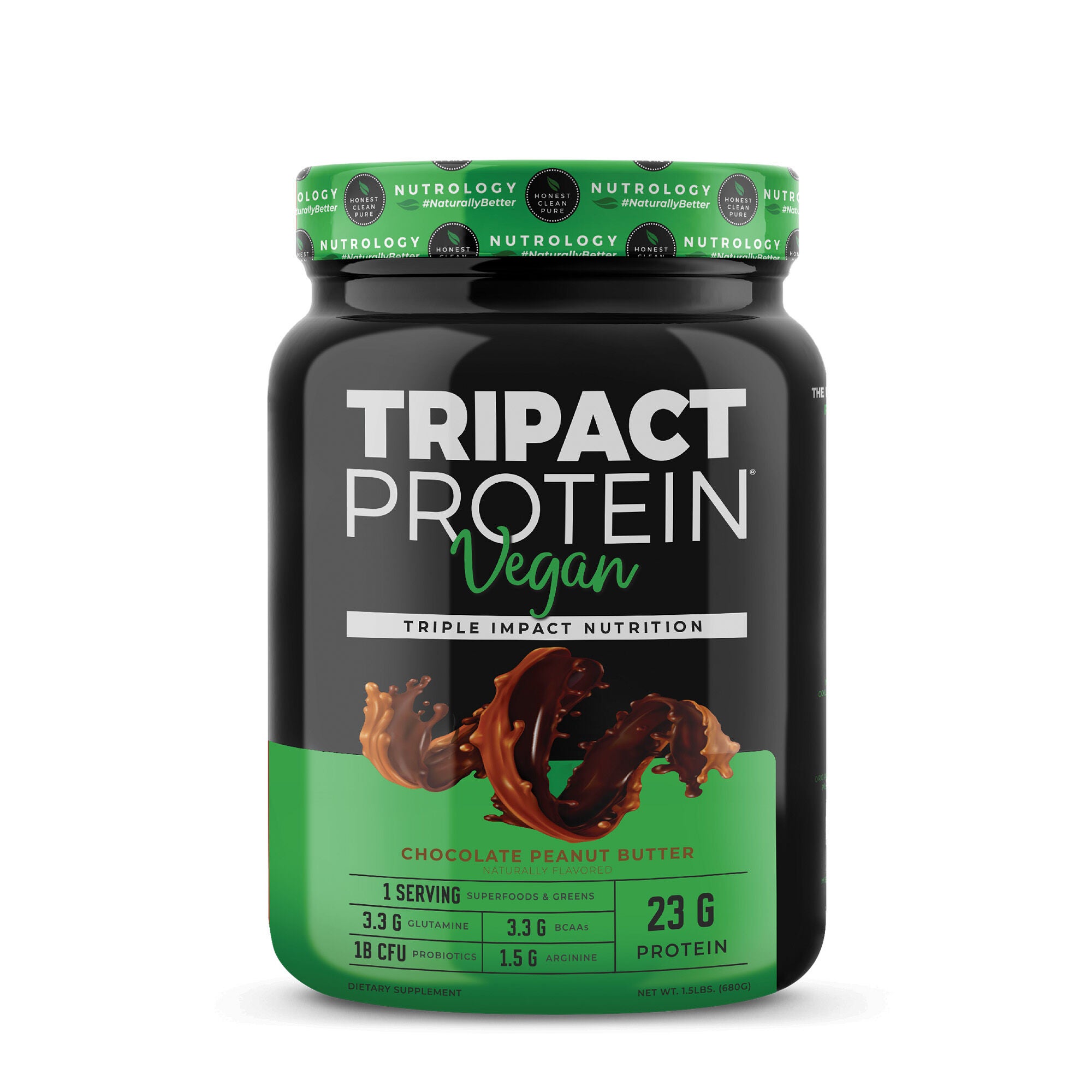


Plant-based meal replacements are prepared drinks or powdered mixes made with plant-derived ingredients and intended to stand in for an occasional meal. Unlike a basic protein powder, a meal replacement generally combines protein with carbohydrates, fats, and other nutrients, although the composition varies considerably by formula. That distinction matters when comparing something for a quick breakfast with something meant to add protein to an otherwise planned meal. A serving with a substantial amount of protein is not necessarily a meal replacement; its calories, carbohydrate content, fats, fiber, and preparation directions also deserve attention. Common plant protein sources include peas, brown rice, soy, and pumpkin seeds. Some formulas feature one source, while others combine several, each contributing a different amino acid profile. Oats, seed ingredients, vegetable oils, fruit powders, and added vitamins and minerals may also appear on the ingredient list. The most useful comparison starts with the labeled serving rather than the size of the container or the prominence of an ingredient on the front. Check how many scoops make one serving, whether the nutrition information refers to powder alone or a prepared drink, and which mixing liquid the directions specify. A shake prepared with water has a different nutritional composition from the same powder prepared with a plant-based beverage. Plant-based and vegan also warrant separate attention: a plant-focused description does not, by itself, establish that every ingredient is vegan. Shoppers avoiding animal-derived ingredients can review the ingredient statement and any relevant certification instead of relying only on the category name. Those specifically comparing vegan formulas with an emphasis on protein can explore Vegan High Protein Meal Replacements while still considering the rest of the nutrition panel. For someone who eats vegan, prefers plant-derived ingredients, or simply wants another option in a varied eating routine, the category offers several formats and flavor styles to compare.
Choosing among plant-based meal replacement shakes involves more than selecting the largest protein number. Compare protein in grams alongside calories per serving, fiber, carbohydrates, added sugars, and fats to understand what each formula contains. Serving sizes can differ enough that two similar-looking labels describe quite different portions. A longer ingredient list is not automatically a better match, either. Some shoppers prefer a straightforward blend with familiar ingredients; others value a formula with added vitamins and minerals or a wider assortment of plant ingredients. Ingredient names and amounts provide more useful detail than a broad description such as “greens blend,” particularly when a label specifies how much of an ingredient is present. For anyone with ingredient restrictions, checking allergen statements and manufacturing information is a separate step from confirming that a formula is vegan. Soy, nuts, and other ingredients that some shoppers avoid can still be part of a vegan recipe. Flavor and texture are equally practical considerations because a drink selected for regular use needs to suit personal preferences. Chocolate, vanilla, and fruit-inspired flavors offer different starting points, while unflavored options leave more room for customization. Pea and rice proteins may contribute earthy notes or a slightly grainy texture, depending on the formulation. Cocoa, fruit ingredients, sweeteners, and the chosen mixing liquid may influence how noticeable those qualities are. Sweeteners also differ in flavor and aftertaste, so the ingredient list is worth reading even when two options have similar sugar amounts. Texture preferences can be specific: one person wants a thin drink that is easy to sip between appointments, while another prefers a thicker shake eaten slowly alongside breakfast. Following the package’s liquid-to-powder ratio provides a consistent starting point, and adjustments within the preparation directions may help match that preference. When comparing formulas, account for any ingredients added at home rather than treating the powder’s nutrition panel as the description of the finished drink.
Format often determines how naturally a plant-based meal replacement fits into everyday life. A ready-to-drink bottle requires no measuring or mixing, which may make it a practical choice for a commute, a desk drawer where storage directions permit, or a day spent moving between locations. Powdered mixes require a little preparation but offer control over the amount of liquid and the choice of mixing method. Individual packets may suit a work bag or travel pouch, while a resealable pouch or tub may work better beside a regularly used blender. Before choosing a format, consider the actual setting: whether there is access to water, whether a shaker bottle can be rinsed after use, and whether the prepared drink requires refrigeration. Someone with only a few minutes before leaving home has different preparation needs from someone who enjoys blending a shake with fruit. A banana, oats, or a spoonful of nut butter may change flavor, thickness, and nutrient content, so additions are part of the meal rather than just decoration. They also introduce their own ingredients and allergens. For powders, a container with enough room for the specified liquid and powder allows for the mixing method described on the package; a secure lid matters when carrying the prepared drink. Wash reusable bottles, lids, and mixing pieces according to their care instructions, paying attention to seams where residue can collect. Keep powder containers closed, use a clean, dry scoop, and follow the labeled storage directions and date markings. Prepared shakes and opened bottles have different storage needs from unopened packages, so their directions deserve a separate check. Plant-based meal replacements may offer a convenient option for an occasional meal when cooking or sitting down to eat is impractical, but they are not intended to replace every meal or the variety of foods in an everyday eating pattern. The most suitable choice reflects the whole routine: ingredients that match dietary preferences, a serving size appropriate to the intended use, a flavor worth returning to, and a preparation process that fits the time and equipment at hand.
Best Sellers

Related Pages

Top Collections
- Top Rated Collagen | Shop Customer Favorites | GNC
- Cortisol Supplements
- Vitamins For Hair Loss
- NAD+ Supplement Tablets
- Peptide Supplements
- Best Brand of Magnesium Glycinate
- Vitamins That Help Support Weight Gain
- Protein Powders For Muscle Growth Support
- Spirulina Tablets
- Peptide Supplements for Muscle Growth