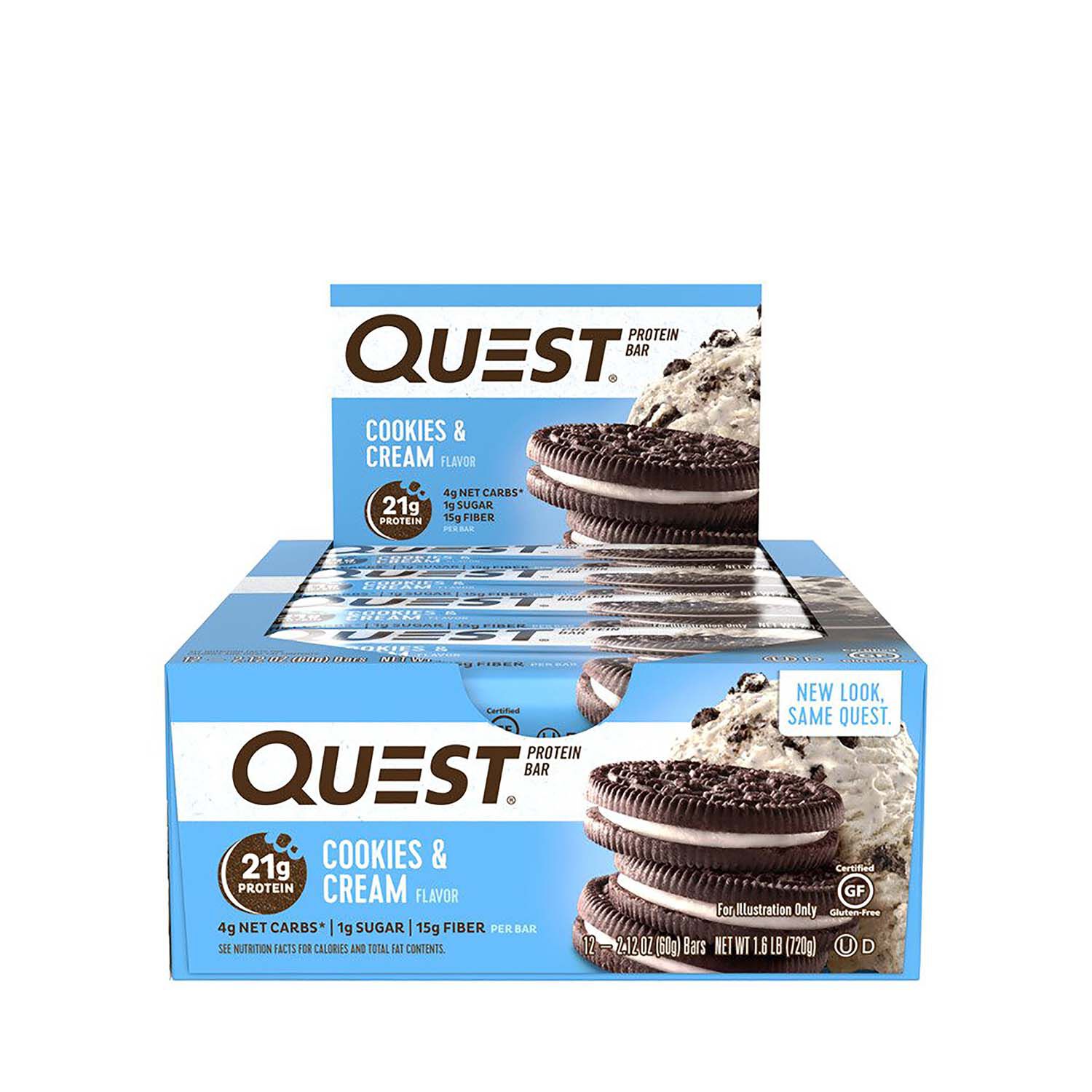
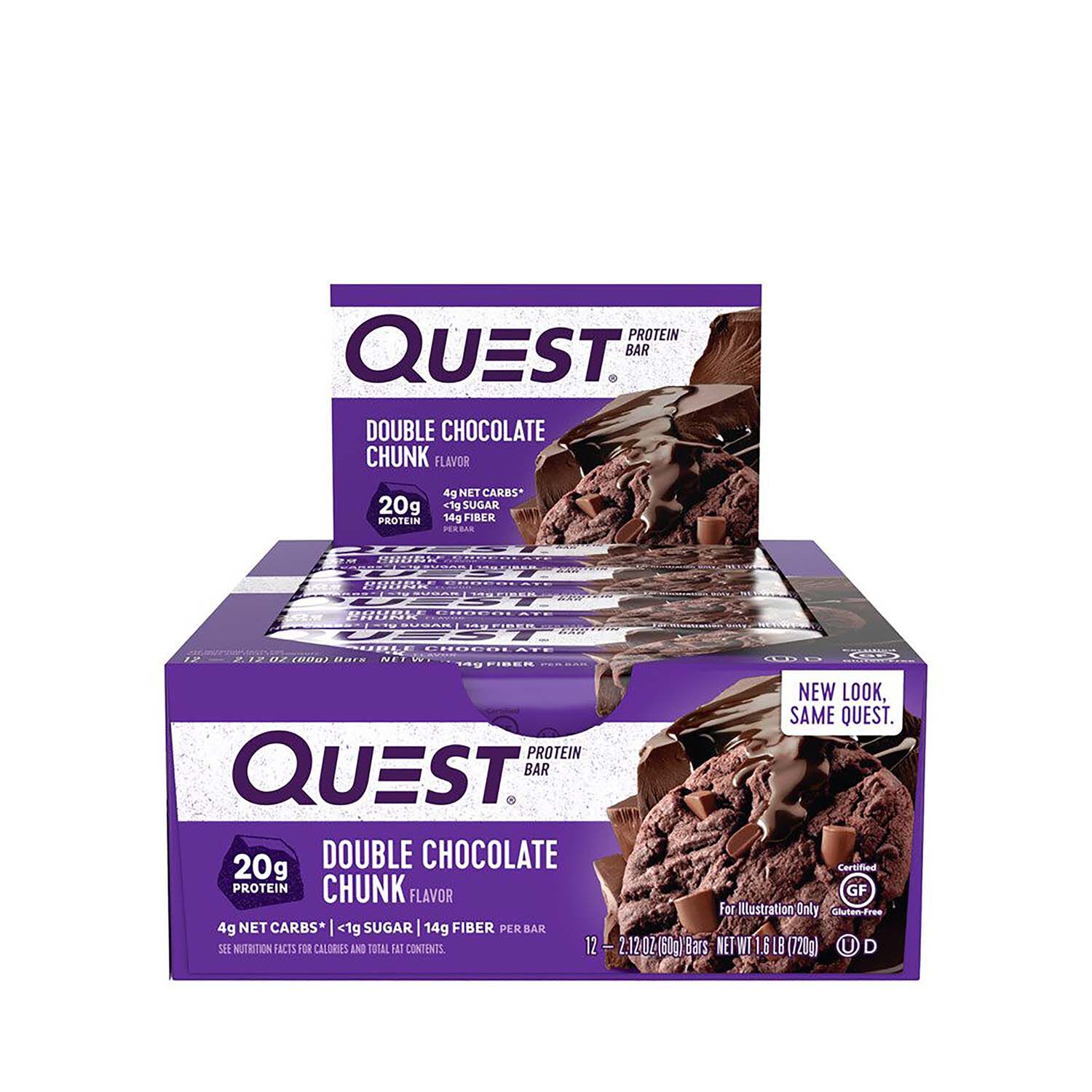
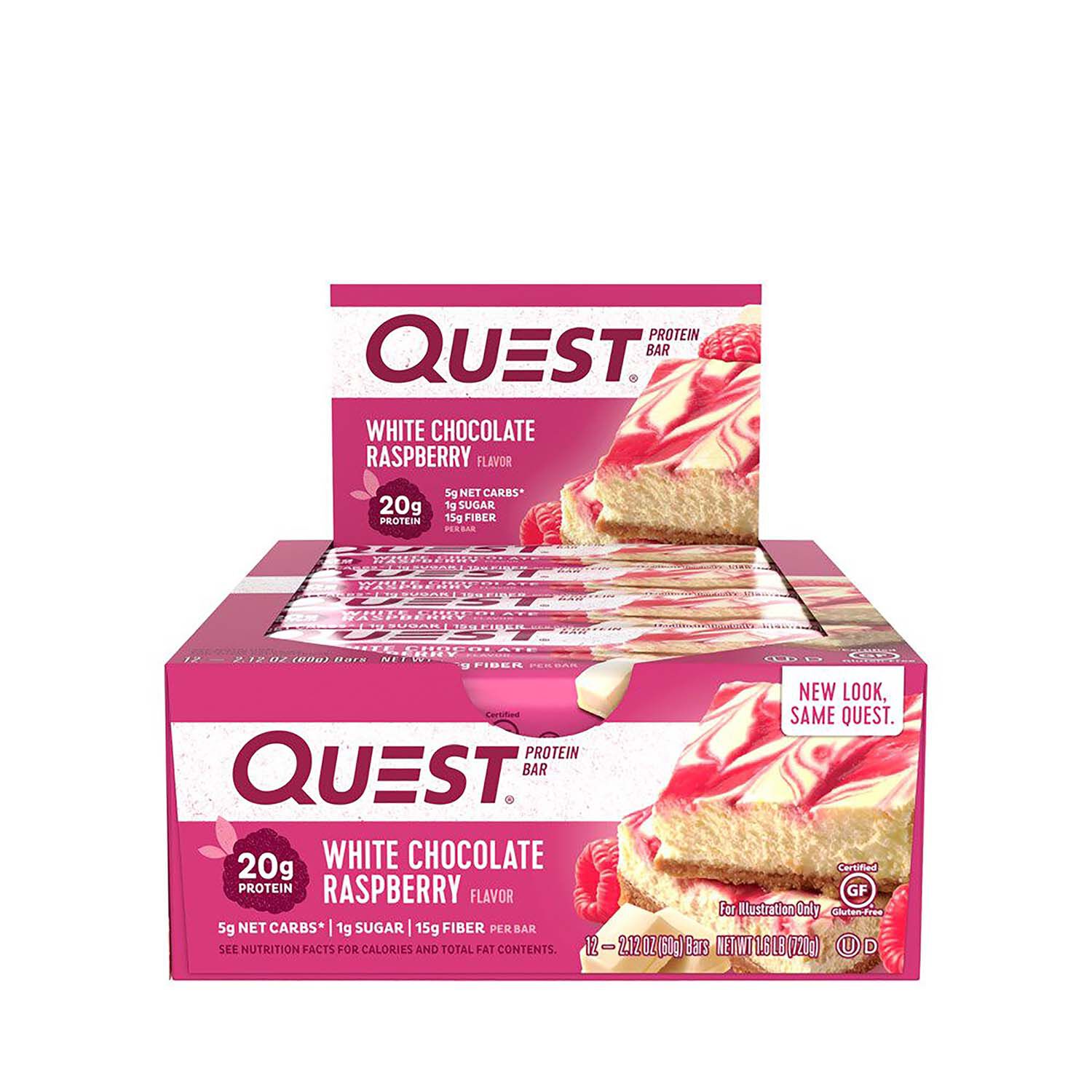
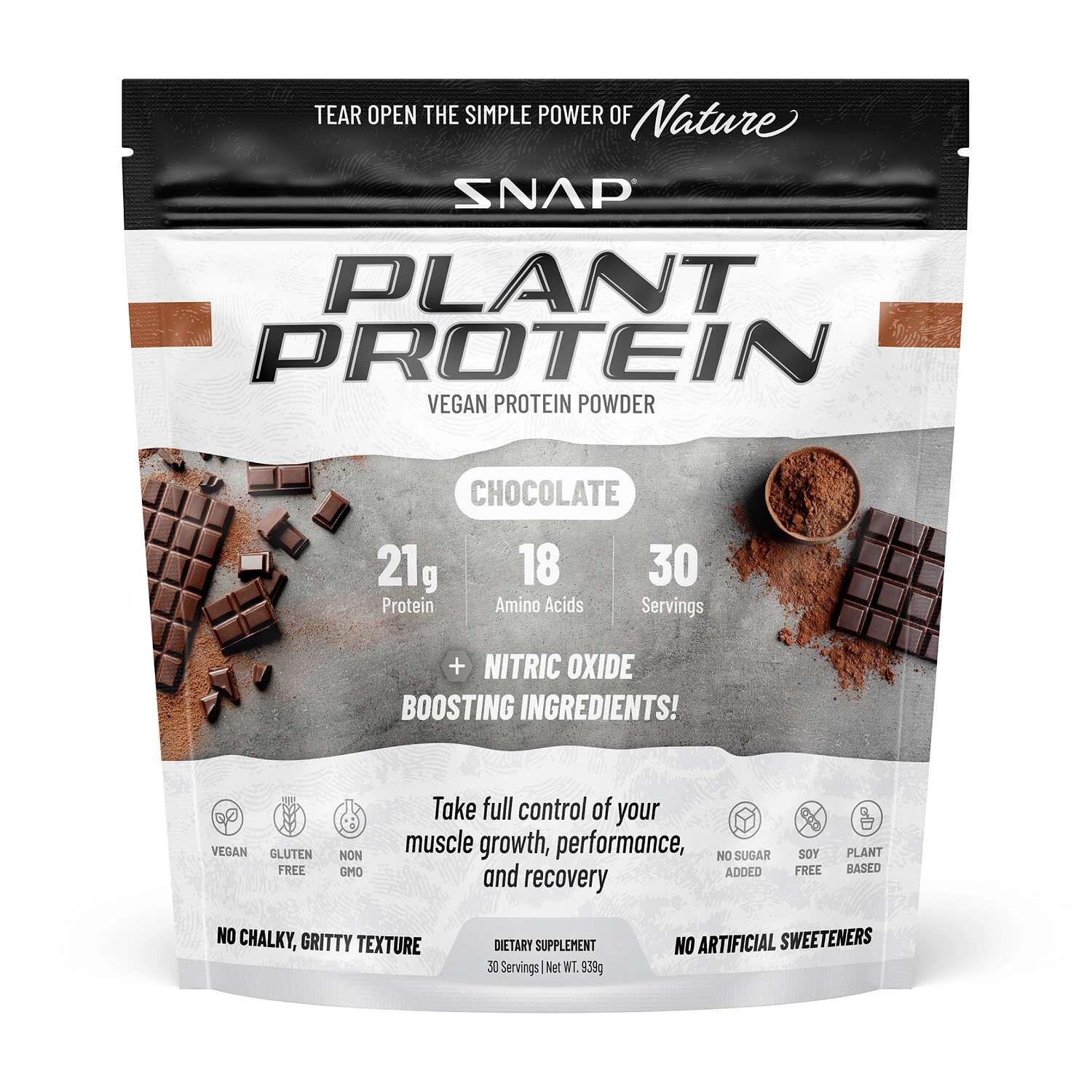
Pre Summer Protein Powders
(0 Results)
Getting ready for warmer days often means dialing in your nutrition, and pre summer protein powders could be a convenient way to support your active lifestyle. With a variety of flavors and formulas available, finding the right option to fit your routine might make it easier to stay on track with your wellness goals. Whether you’re looking to complement your workouts or simply add more protein to your daily meals, pre summer protein powders may offer flexible options for every schedule. Start the season strong by exploring choices that could align with your unique needs.

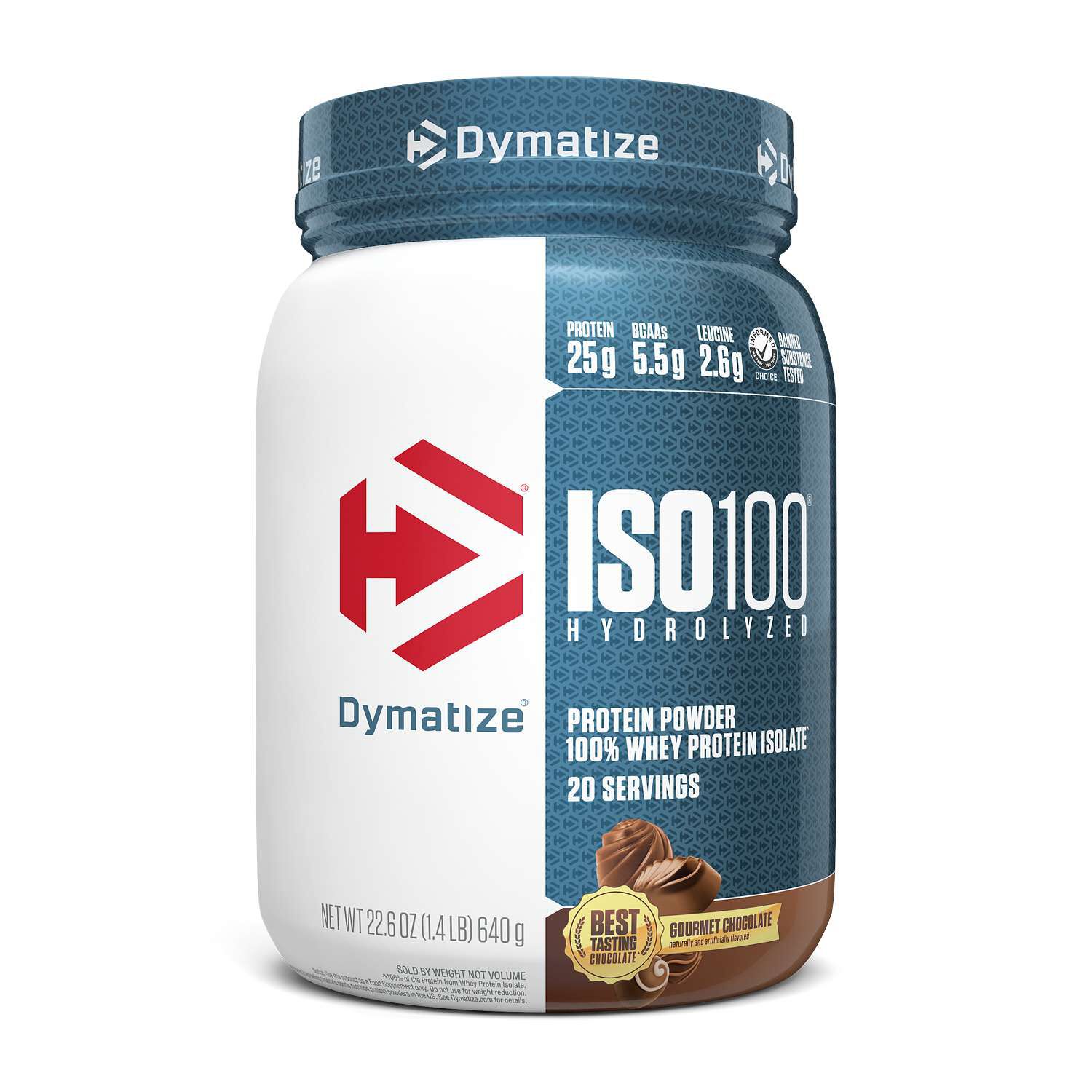

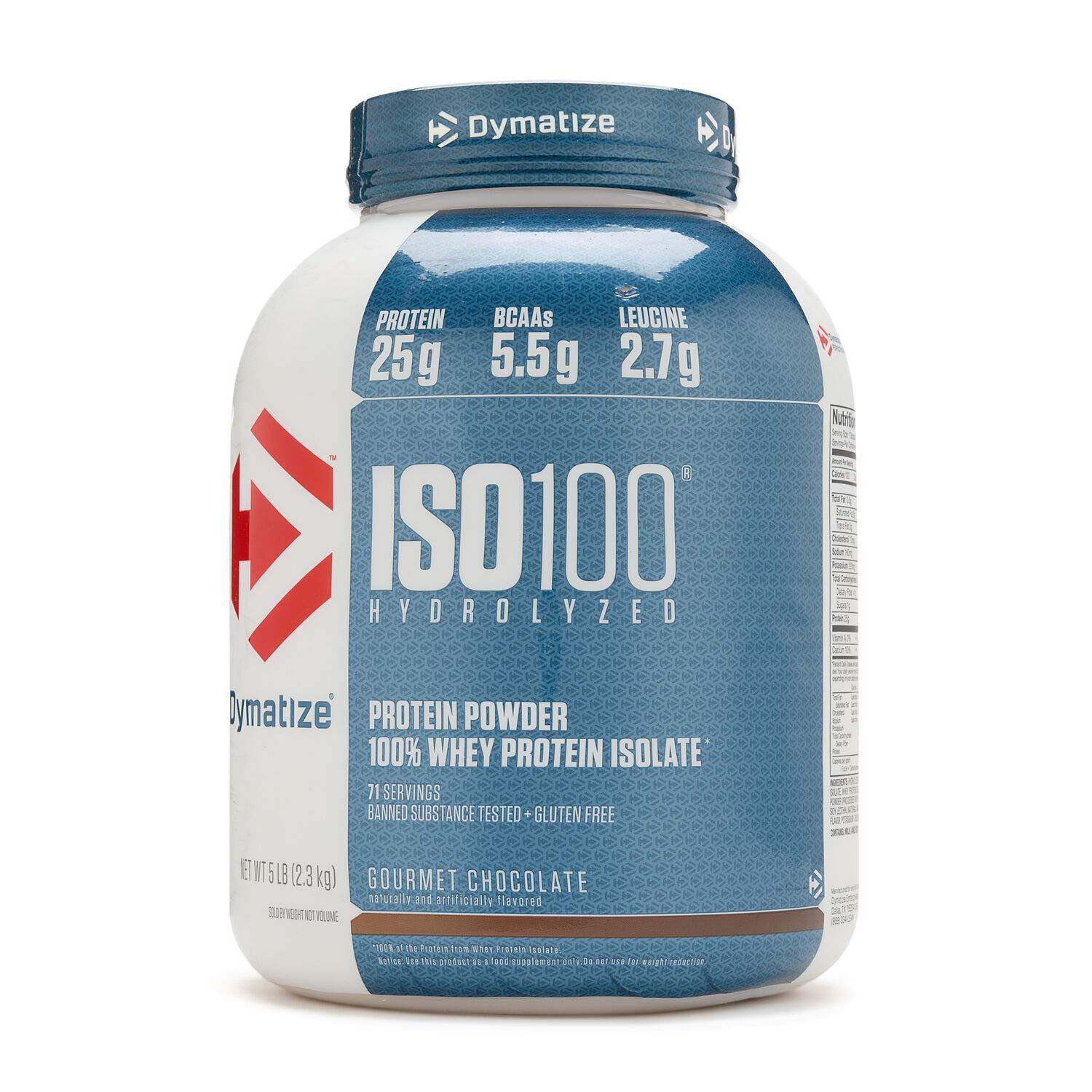
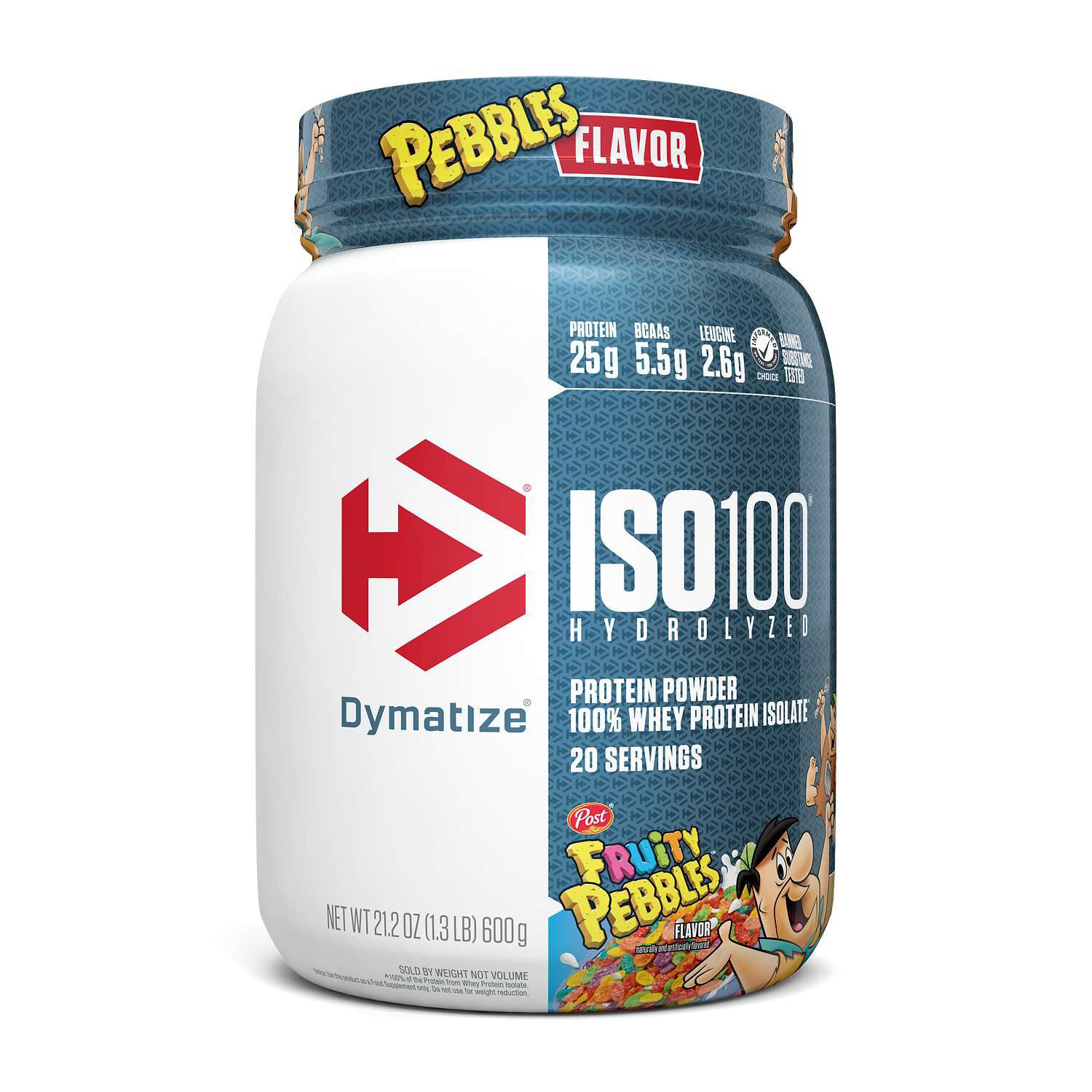


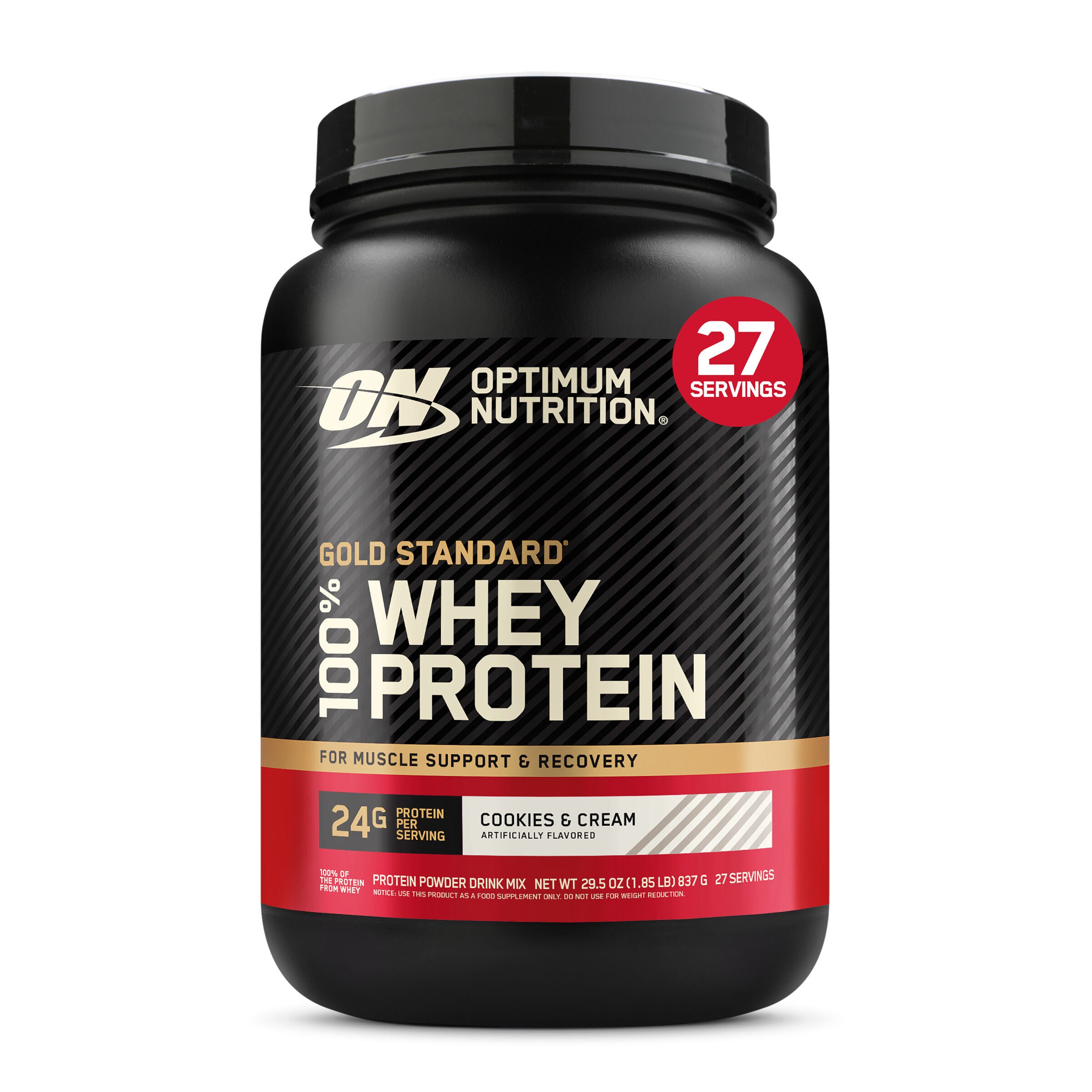


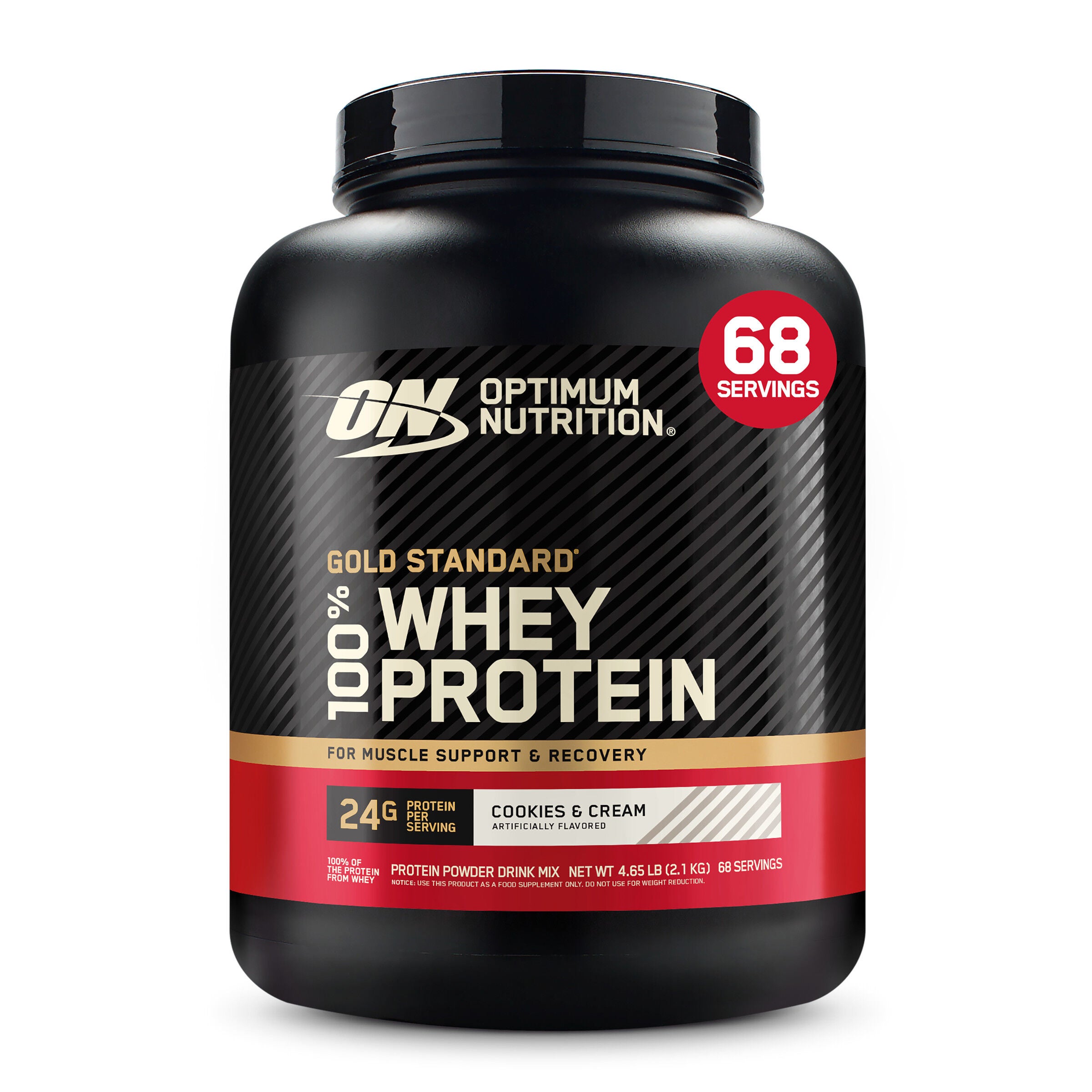

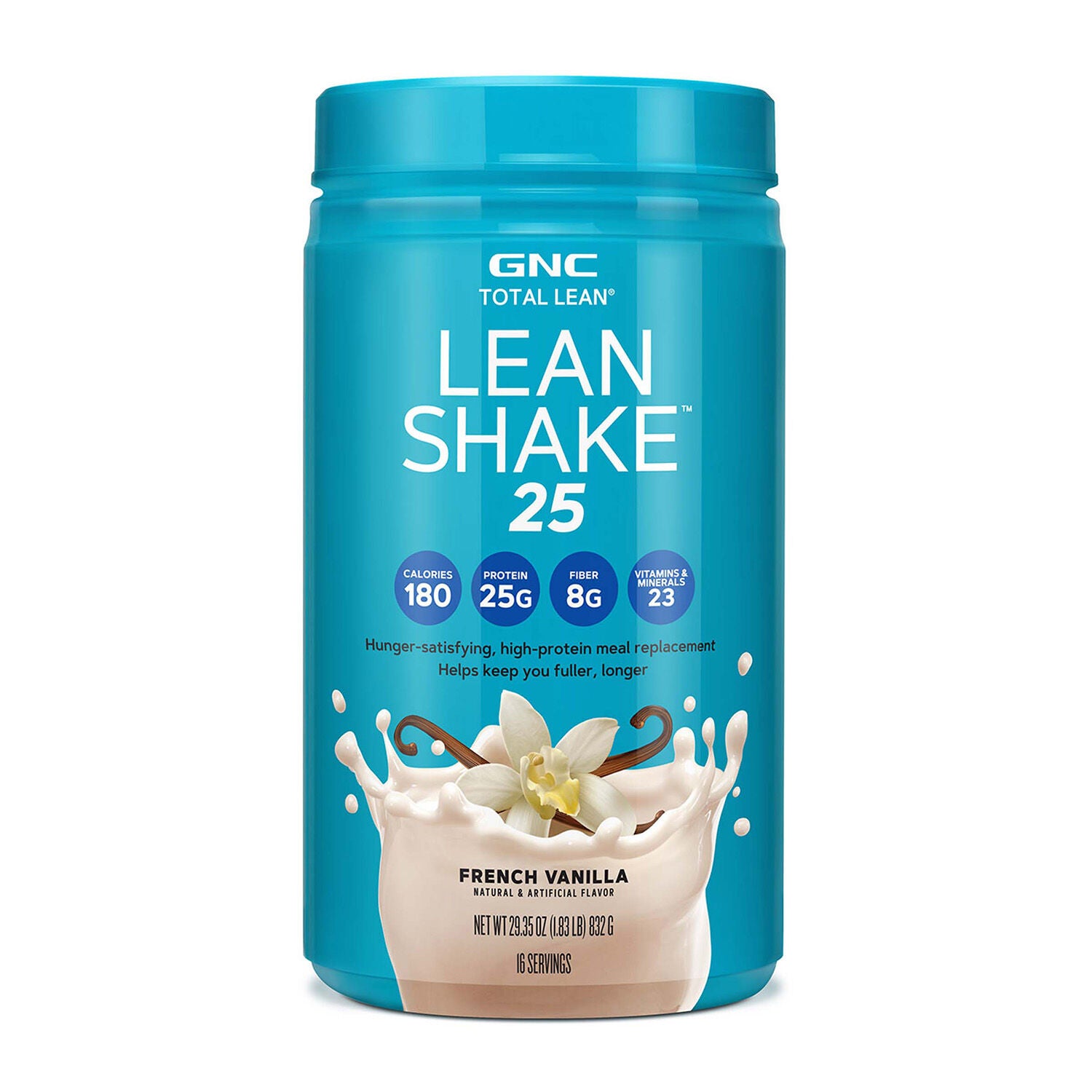


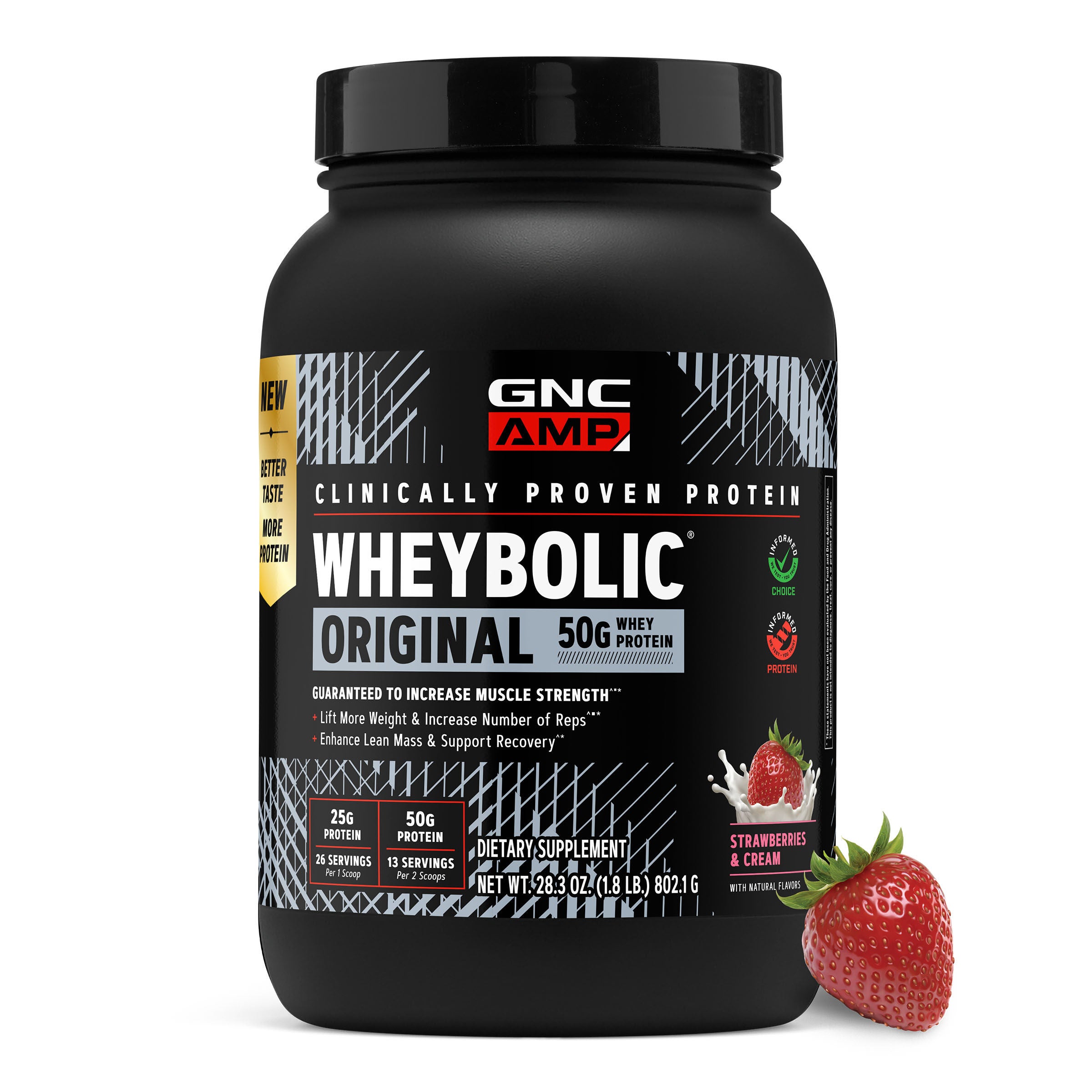
Pre-summer protein powders bring together formats suited to planning for summer workouts, outdoor activities, and everyday shakes, from fruit-flavored clear protein to creamy blends for smoothies. The main differences are protein source, texture, flavor, and preparation: clear whey powders are formulated for a juice-like drink with water, while traditional whey and plant-based powders generally produce a more opaque shake. For someone who prefers lemonade or a fruit punch to a milkshake, a clear formula may be a good match for a shaker bottle packed beside gym clothes. Those who enjoy a thicker drink may prefer chocolate, vanilla, or an unflavored powder blended with milk, a plant-based beverage, or fruit. Clear whey still comes from milk, so a transparent appearance does not make it a plant-based option. Whey concentrate, whey isolate, and blends of the two are other common choices, with amounts of protein, carbohydrate, and fat that vary by formula. Plant-based powders draw on sources such as pea, rice, soy, or combinations of these ingredients, giving shoppers another way to match a protein powder to their eating preferences. The ingredient list matters more than the front-label flavor name when comparing these categories. A tropical flavor can describe either a creamy coconut-style shake or a lighter fruit-style drink, and the finished texture depends on the formula and mixing directions. Pre-summer protein powders are not a separate nutritional category; the seasonal connection is about how the powder fits into planned activities and preferred recipes. A simple water-mixed shake may suit a morning at the gym before other plans, while a banana-and-vanilla smoothie may fit a slower breakfast at home. There is no need to choose only fruit flavors for summer use. Familiar chocolate and coffee-inspired profiles also have a place in iced shakes, especially for shoppers who already know which flavors they enjoy enough to use regularly.
Choosing among protein powders involves more than comparing the largest number on the container. Protein grams per serving, serving size, ingredient sources, sweeteners, and preparation directions provide a clearer picture of what each formula offers. Scoop sizes differ, so equal-looking scoops do not necessarily contain the same amount of powder or protein. Comparing the labeled serving rather than the scoop alone makes differences easier to understand. Some formulas contain added sugars, while others use ingredients such as stevia, monk fruit, or sucralose; flavor preferences can be just as important as the choice of sweetener. Someone who enjoys a tart citrus drink may prefer a different formula from someone looking for a mellow vanilla shake with oatmeal. Unflavored powders offer another direction, though unflavored does not always mean undetectable. The underlying protein source can contribute its own taste and texture, particularly in a recipe with few other ingredients. Milk-based powders may bring a dairy note, while some plant-based blends have a more noticeable earthy character. Ingredient and allergen statements are especially relevant for shoppers choosing around food allergies or dietary restrictions. A whey isolate is still milk-derived, and a plant-based designation does not describe every ingredient or manufacturing detail. Preparation also deserves attention before choosing a container. Powders intended for a shaker bottle may suit a desk drawer or gym bag, while recipes involving frozen fruit, oats, or nut butter typically call for a blender. A formula that tastes balanced in water may taste richer when mixed with milk, and flavored plant-based beverages can add another layer of sweetness. For a broader look at this seasonal category, High Protein Powders For Summer Fitness offers a related starting point for considering powders alongside planned summer activities. The most relevant comparison remains the same: how the ingredients, labeled serving, flavor, and mixing method fit the way the powder will actually be used.
Everyday use is where differences between pre-summer protein powders become most apparent. A clear fruit-flavored powder mixed according to its directions has a different role from a thick shake blended with frozen cherries and cocoa. Clear formulas can develop foam after shaking, and some labels recommend a brief settling period before drinking. Traditional creamy powders vary in how easily they disperse, with texture influenced by the amount of liquid, mixing equipment, and added ingredients. Following the package directions for liquid quantity provides a useful starting point before adjusting a recipe to taste. Ice adds chill and changes the drink as it melts; frozen fruit adds body, while oats and nut butter create a denser blend. These details matter when picturing a shake enjoyed at the kitchen counter compared with one carried to a workout. Powder also behaves differently in food than in a drink. Stirring it into yogurt or using it in a smoothie bowl may suit shoppers who prefer a spoonable snack, but swapping it directly for flour in baking can change moisture and texture. Recipes developed with protein powder take those differences into account. Storage and cleanup are equally practical considerations, particularly for routines involving travel or time outdoors. Containers belong in a dry location under the conditions stated on the label, with the lid closed securely and the scoop kept dry. A hot parked car is not a suitable place to leave a tub simply because it travels in a gym bag. Individually portioned packets or a clean, dry powder container may fit a day away from home, with the powder kept separate from the mixing liquid until preparation. Once mixed, handling depends on the ingredients and label directions; a shake made with milk, yogurt, or other perishable additions needs appropriate cold storage. Washing bottles, lids, and seals after use keeps leftover residue from carrying into the next drink. Across clear whey, creamy dairy-based blends, and plant-based options, the strongest practical match is a powder whose taste, preparation, and storage requirements work with familiar habits rather than demanding an entirely different routine.