





Products For Mens Midlife Health
(0 Results)
Products for mens midlife health offer a range of options designed to support wellness goals as men navigate this important stage of life. From daily multivitamins and minerals to targeted supplements, these selections may help address evolving nutritional needs. Explore products for mens midlife health that could fit into your routine and help you stay focused on your overall well-being.


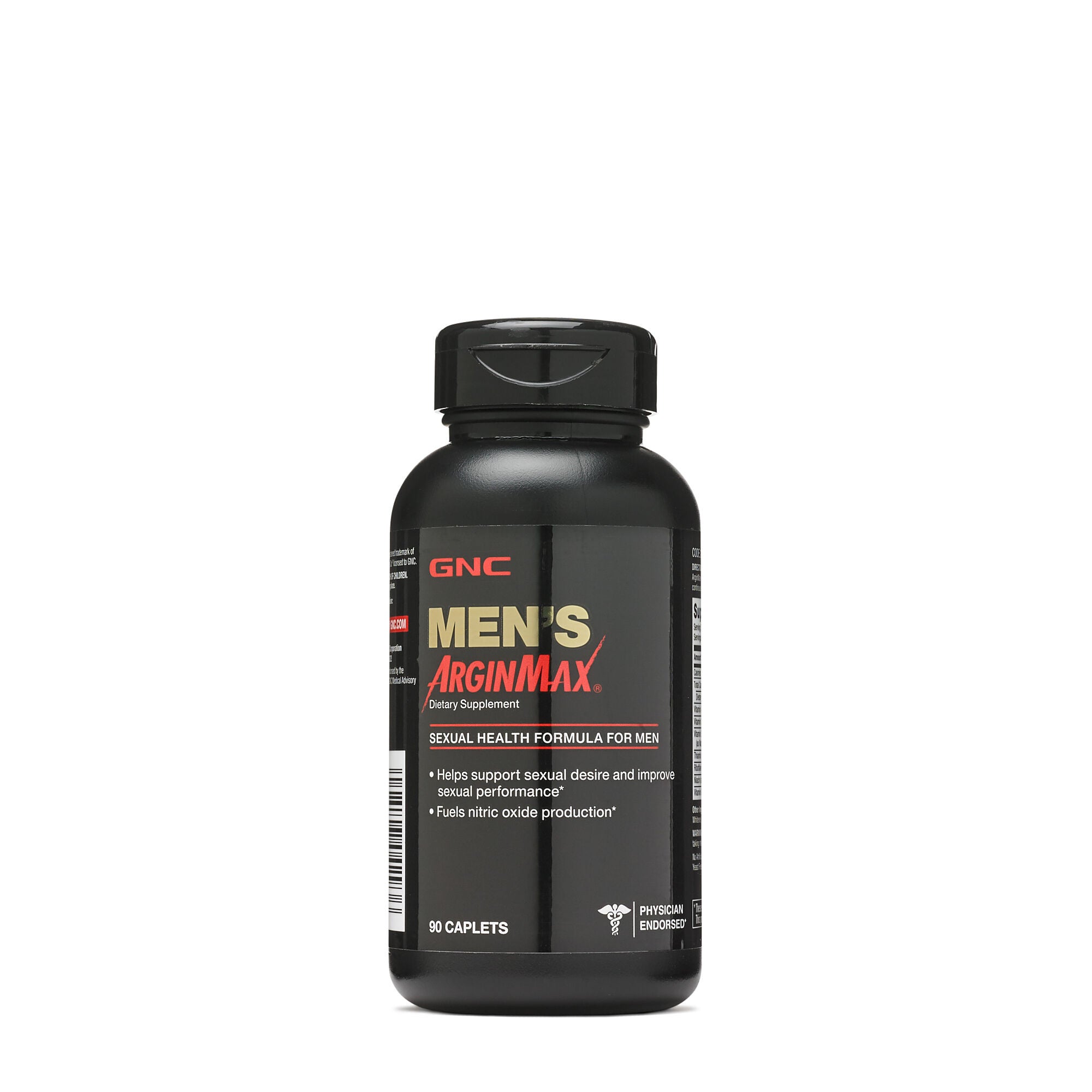
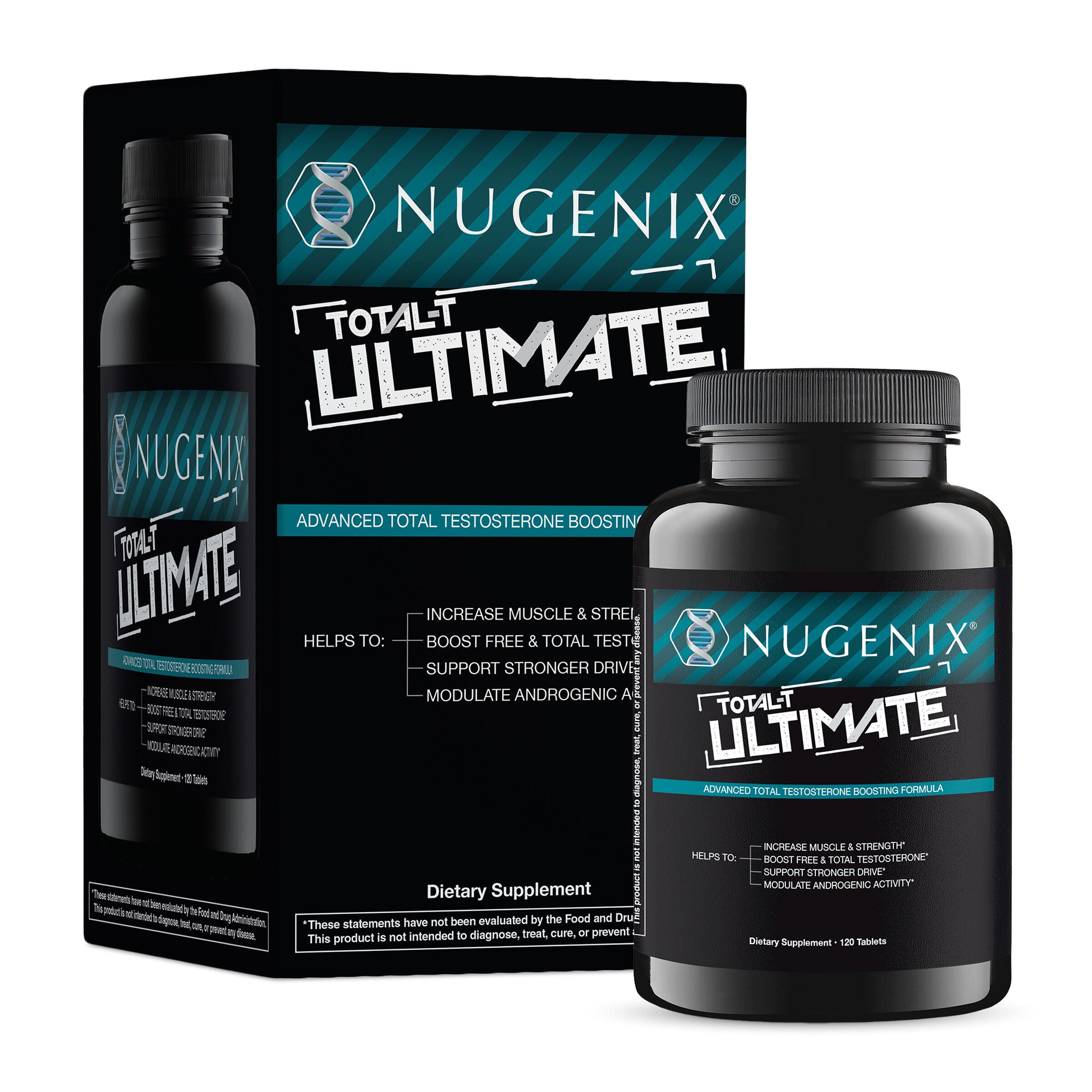


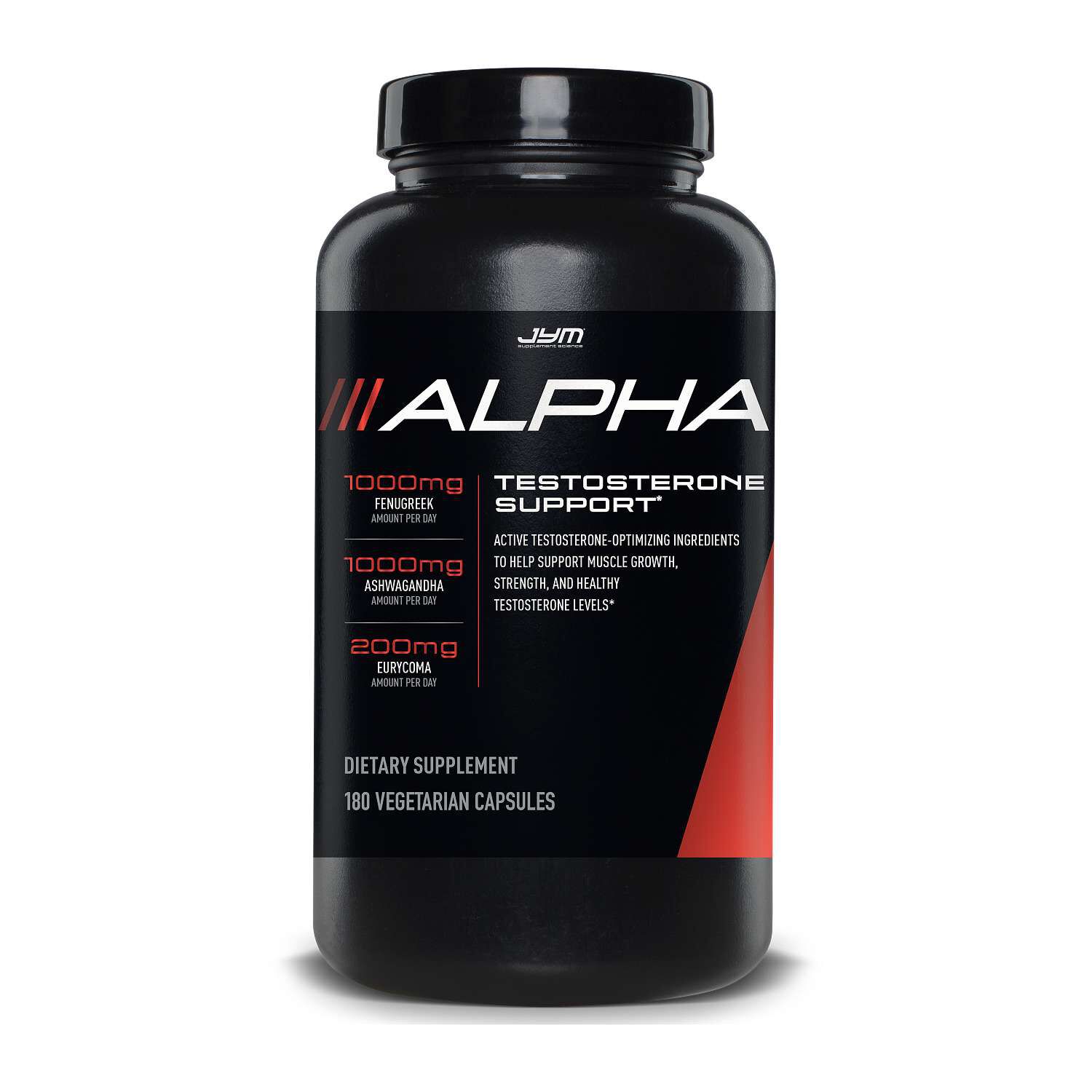

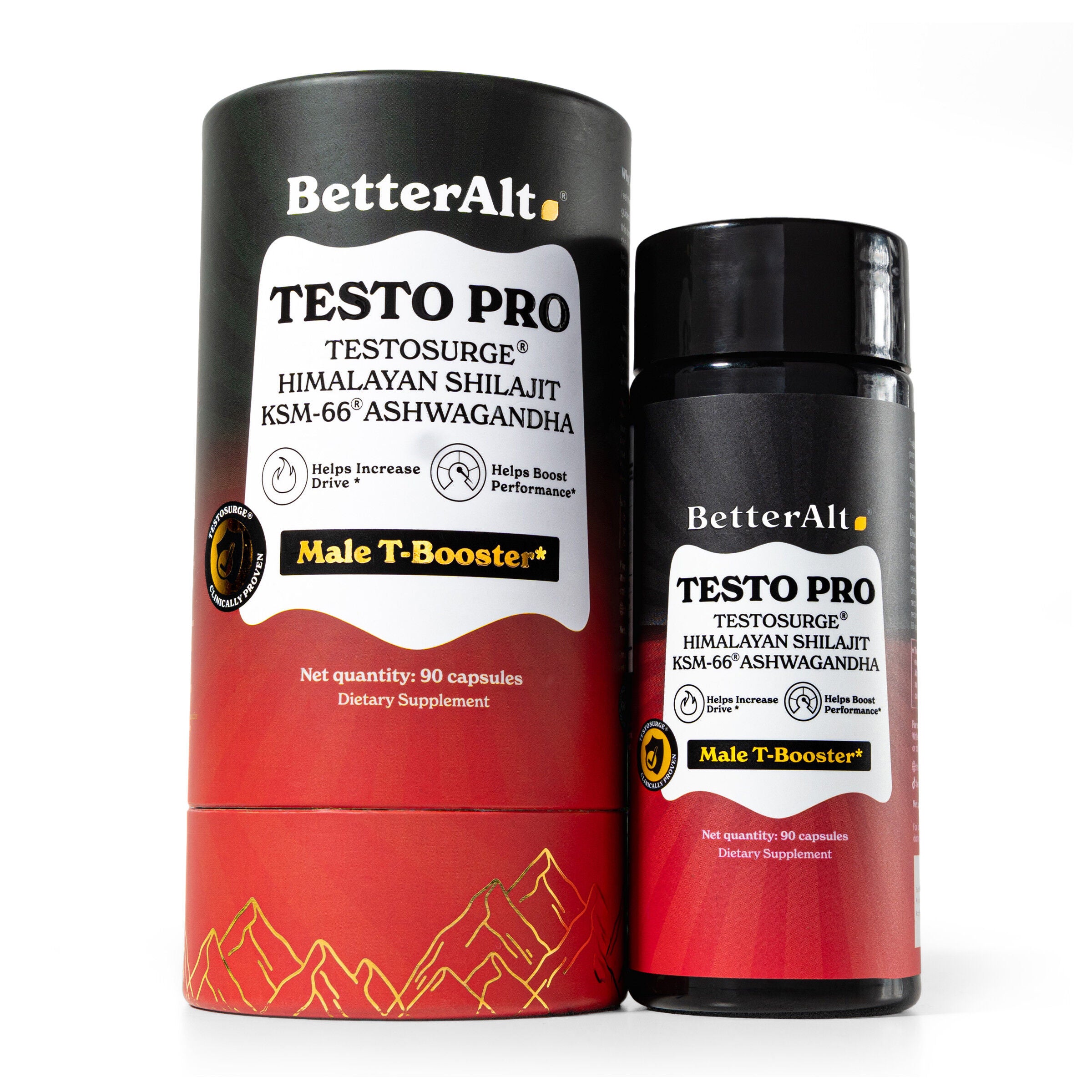

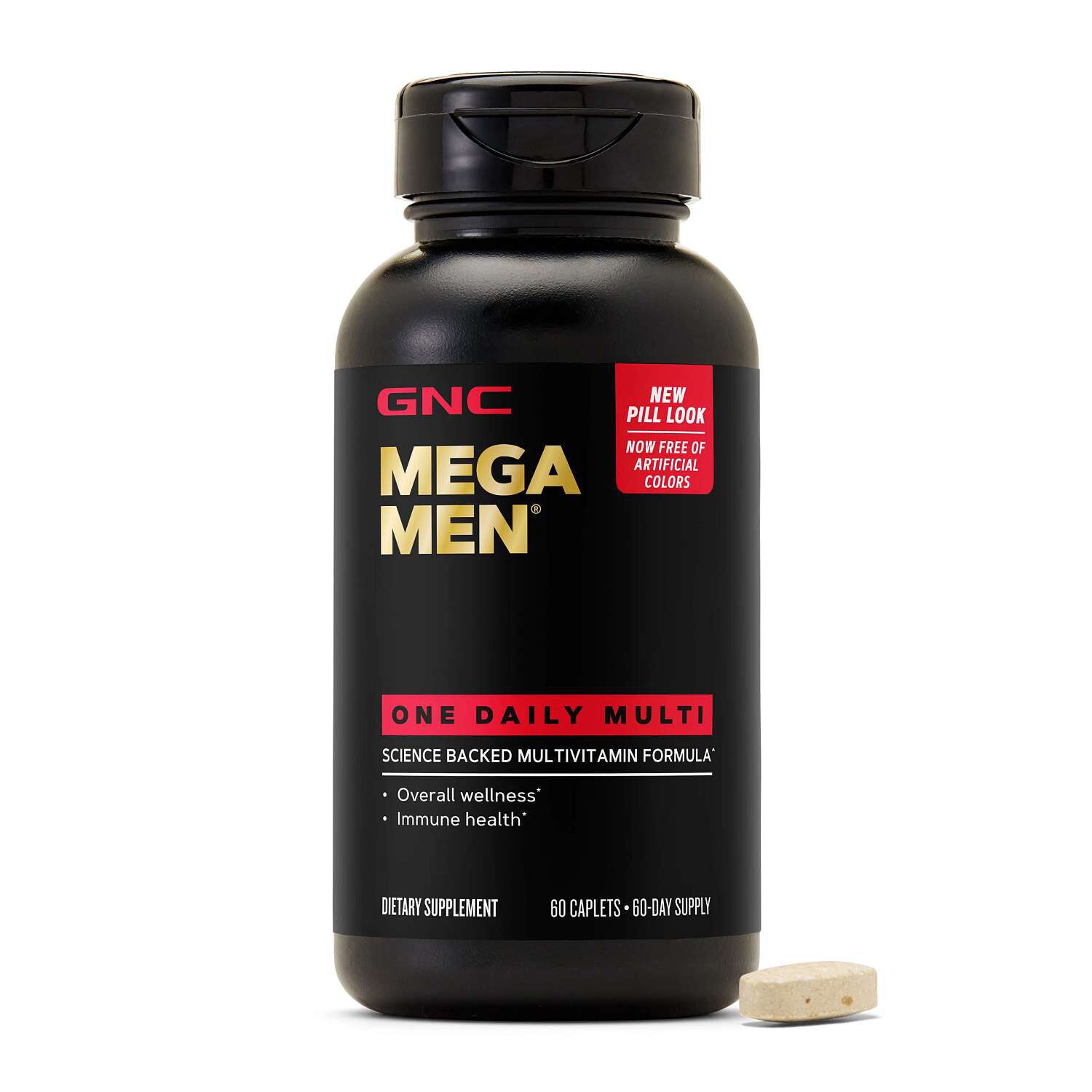
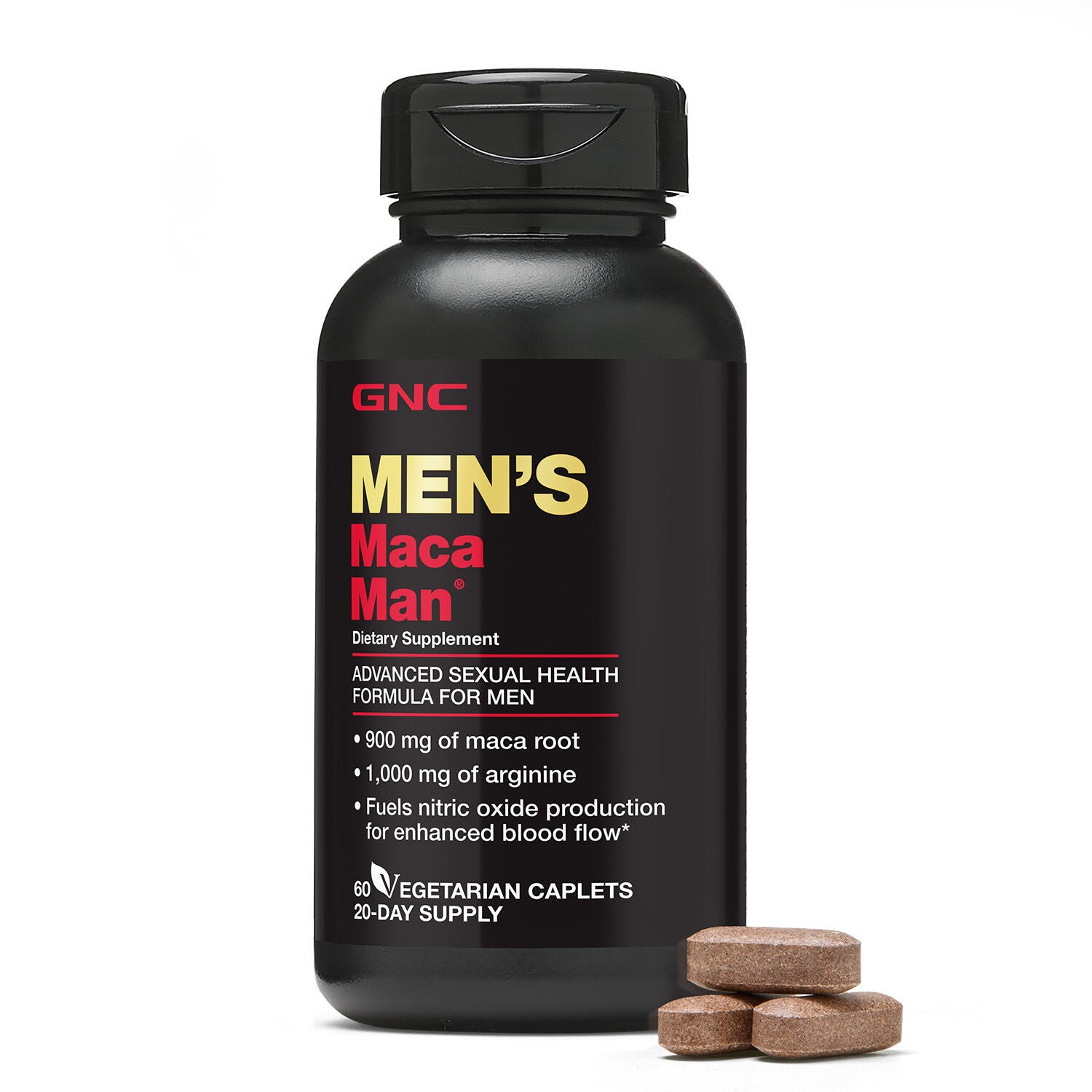

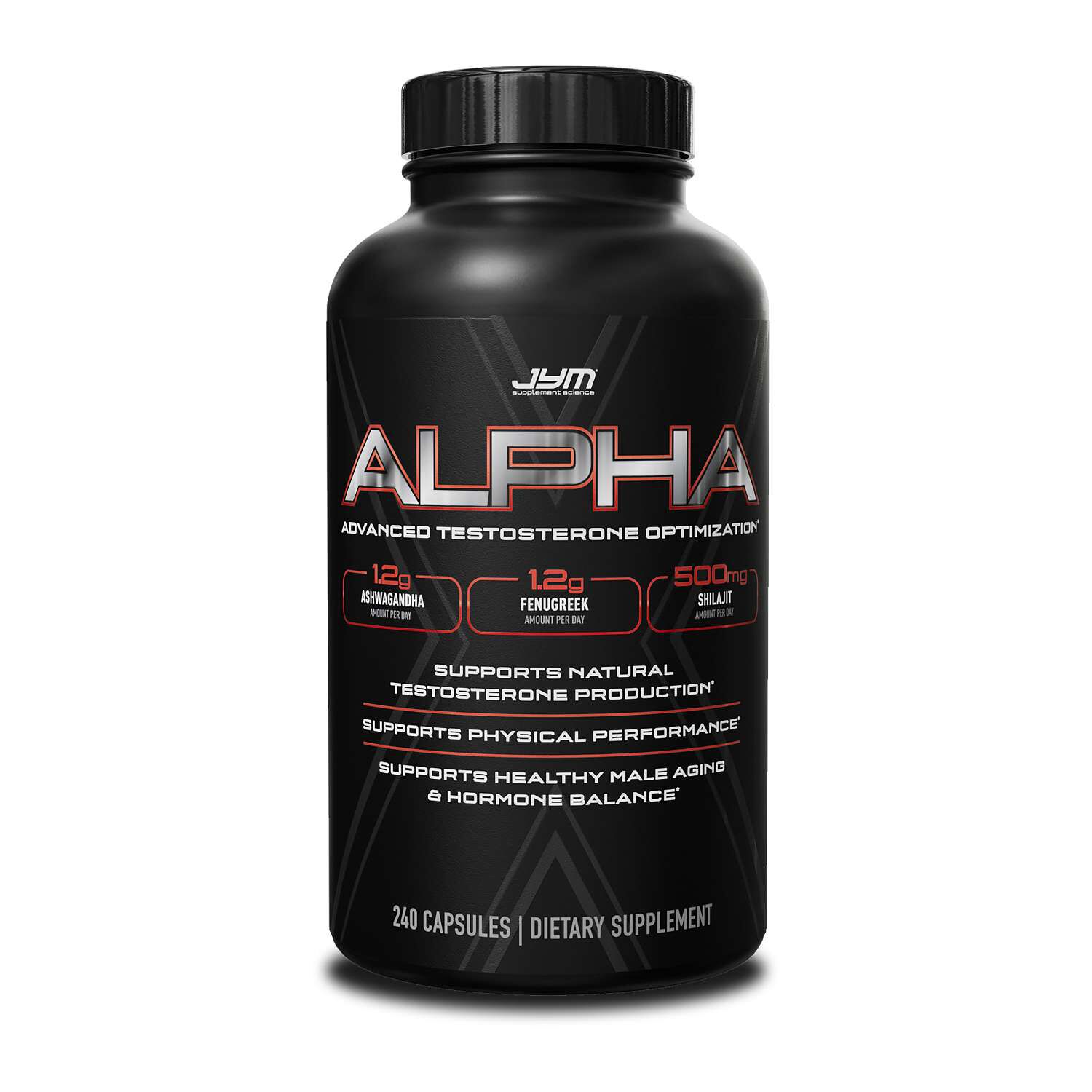


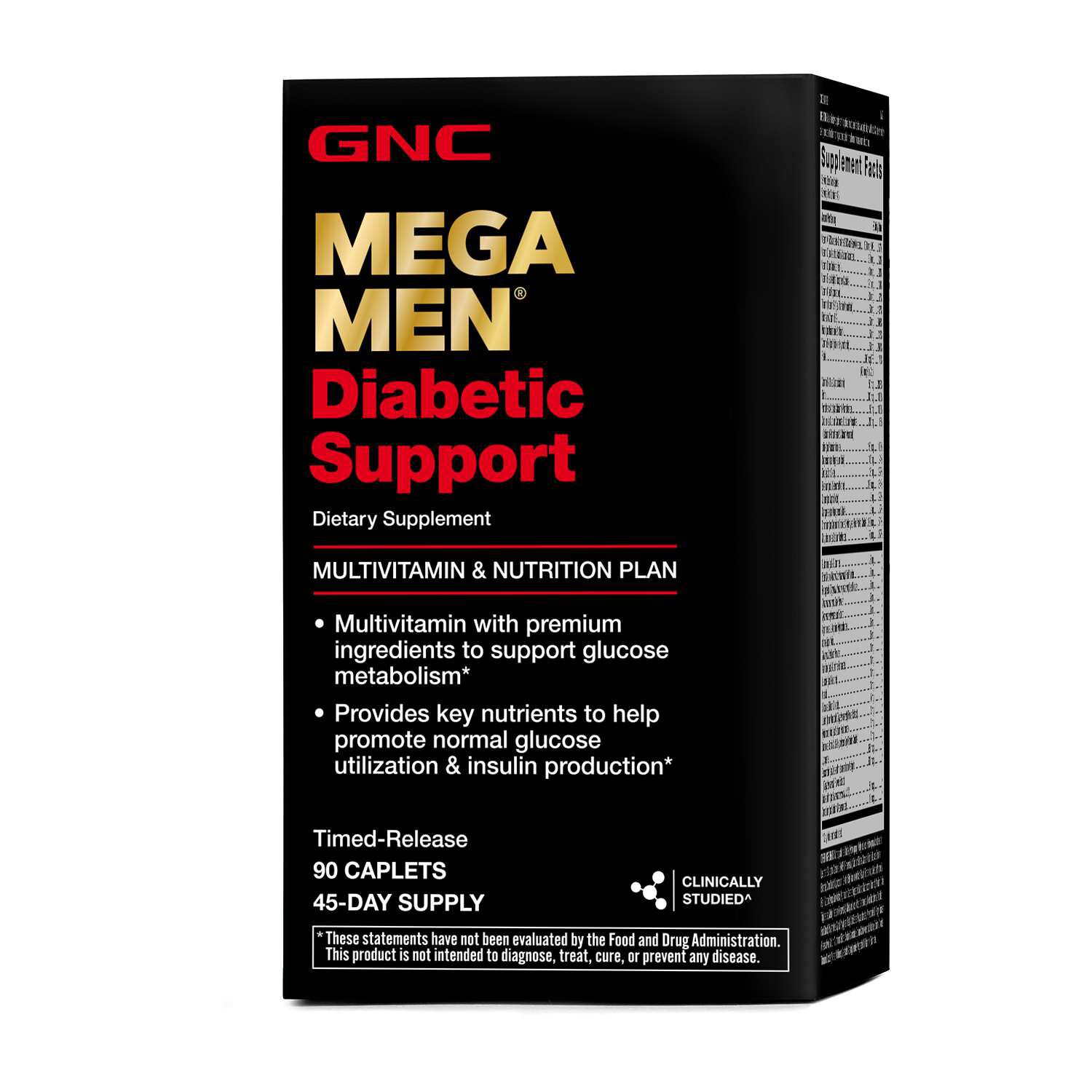
Products for men’s midlife health bring together everyday nutrition options for men whose routines may include demanding workdays, family responsibilities, regular exercise, and more attention to personal well-being. This category commonly includes men’s multivitamins, individual vitamins and minerals, omega-3 supplements, protein powders, and packaged supplement assortments. The most useful distinctions are often practical: the nutrients listed, the amount per serving, the delivery format, and how the product fits an established eating pattern. A men’s multivitamin combines several vitamins and minerals in one formula, while an individual nutrient supplement offers a more focused composition. Vitamin D, magnesium, and zinc are examples of nutrients shoppers may encounter, either separately or within a broader formula. Omega-3 products can differ by source and by the amounts of EPA and DHA listed on the label. Protein options range from dairy-based powders to plant-based blends, with differences in flavor, texture, and serving size. Midlife is not a single age or lifestyle, so products marketed to men in this stage can reflect very different preferences. Someone who regularly prepares meals at home may approach the category differently from someone who travels frequently or eats lunch between meetings. Likewise, a recreational lifter, a weekend hiker, and a man returning to a more structured daily routine may each prefer a different format. Age-oriented labeling provides context about the intended audience, but the ingredient panel offers a more detailed picture of the formula itself. Products for men’s midlife health are best understood as a varied category rather than one uniform regimen. Looking at nutrient amounts, ingredients, and serving directions side by side makes the differences easier to see without relying on broad front-label language. The category sits within a larger picture of everyday self-care that includes meals, enjoyable activity, rest, and time set aside for personal routines.
Ingredient sources and product formats deserve as much attention as the name on the package. For multivitamins and mineral supplements, the Supplement Facts panel identifies the nutrients and their amounts per serving; the serving size also shows whether those amounts refer to one capsule, several tablets, or another measured portion. Percent Daily Value offers a standardized reference for comparing many nutrients, rather than a personalized target. Two similarly named formulas can have different compositions, so a familiar category name does not make their contents interchangeable. Capsules, tablets, softgels, gummies, and powders each bring different considerations to a daily routine. Capsule and tablet dimensions may matter to someone who has a strong preference about format, while gummies introduce considerations such as flavor, texture, and added sugar. Powders require measuring and mixing, but they also offer flexibility in how they are prepared within the label directions. A vanilla protein powder mixed into a breakfast smoothie creates a different eating experience from an unflavored powder stirred into a compatible recipe. Dairy-based protein may include whey or casein, while plant-based formulas may use pea, soy, rice, or a blend of sources. Ingredient and allergen statements help distinguish those choices, especially for shoppers with established dietary preferences. For omega-3 supplements, source information can identify fish-derived or algae-derived ingredients, and the stated amounts of individual fatty acids offer more detail than the overall oil quantity alone. Botanical formulas have their own distinctions, including the plant used, the plant part, and whether the ingredient appears as a powder or extract. A botanical name by itself does not describe every aspect of a formula. Flavorings, sweeteners, capsule materials, and other ingredients also contribute to the finished product. These details make label reading particularly worthwhile when comparing options with similar names but different compositions. Clear information about ingredients and preparation can be more useful for everyday shopping than a long list of broad wellness phrases.
A product’s fit with daily life often becomes clearest in ordinary moments: breakfast before a commute, a shake prepared after a gym visit, or a travel bag packed for several nights away. A powder stored in a kitchen cabinet asks for a different routine than capsules kept in their original container. Individually packaged servings may offer convenience for travel, while larger containers call for attention to measuring, closure, and storage space. Packaged daily assortments group several components together, but the contents and serving directions of each component still matter. When comparing multiple supplements, repeated ingredients across their labels are another meaningful distinction; a multivitamin, a mineral formula, and a packaged assortment may share some of the same nutrients. Intended use should remain grounded in the product’s labeling rather than assumptions based on age, appearance, or fitness interests. Care and storage also affect the practical experience of using these products. Manufacturer instructions provide the appropriate storage conditions, and keeping the label with the container preserves access to ingredient information, directions, and date markings. A dry scoop, a securely closed lid, and a clean mixing container are useful details for powder preparation and storage. Packaging durability matters for items carried in a work bag or suitcase, where a well-fitting closure and an intact container are more relevant than decorative presentation. For someone shopping on another person’s behalf, familiar dietary preferences and an established interest in supplements provide a better starting point than guesses about personal health goals. These are personal-use purchases, and preferences about flavor, texture, format, and ingredients can be quite specific. Related options in Supplements For Men's Self Care offer another way to browse around everyday routines and personal preferences. Across men’s midlife nutrition products, the most informative comparisons remain concrete: what the formula contains, how a serving is measured, how it is prepared, and what its care instructions require. Those details keep the focus on products that fit the person using them, whether the priority is a straightforward breakfast routine, a preferred protein format, or clearly labeled individual nutrients.
Best Sellers
-
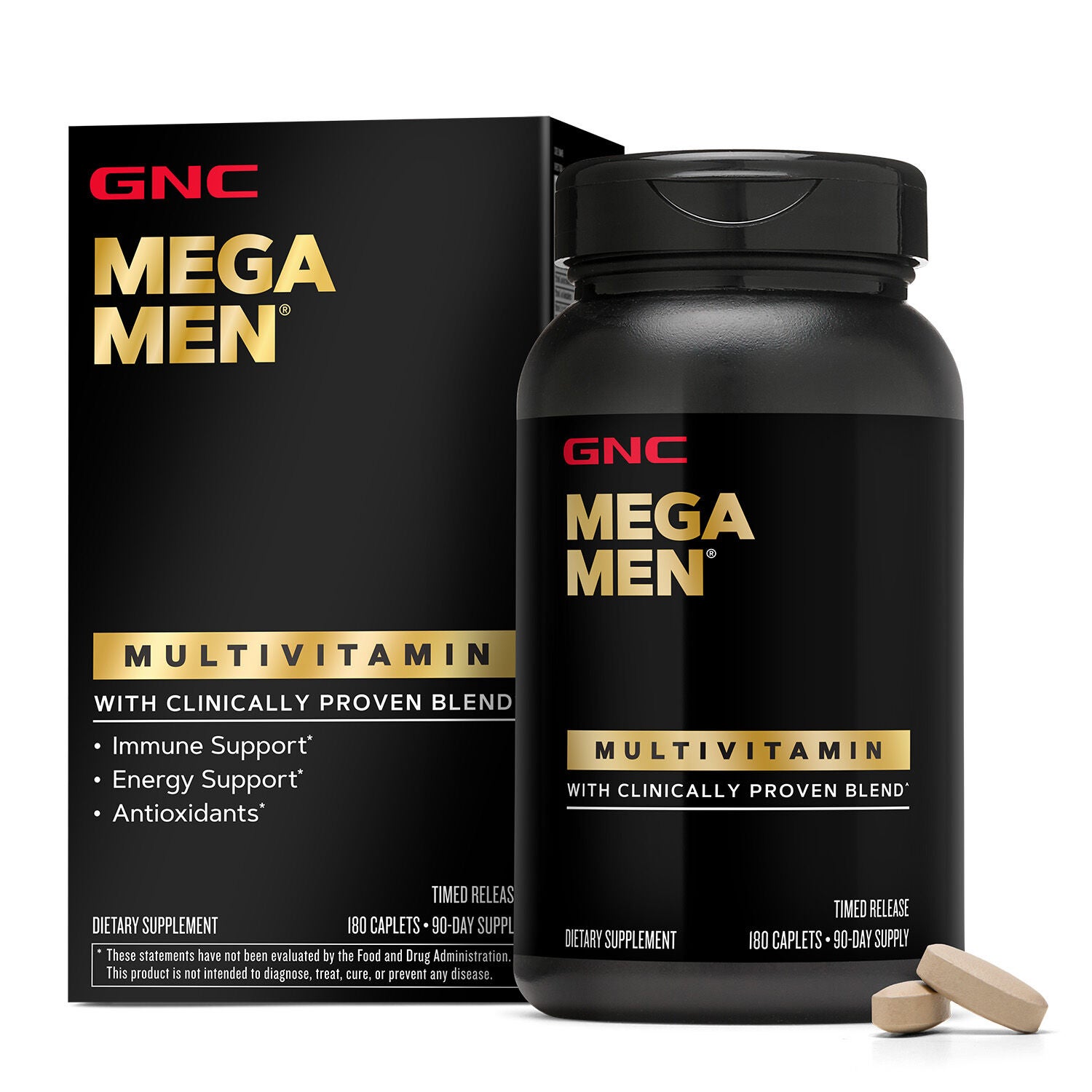 GNC Mega Men
 -
 GNC Mega Men
 -
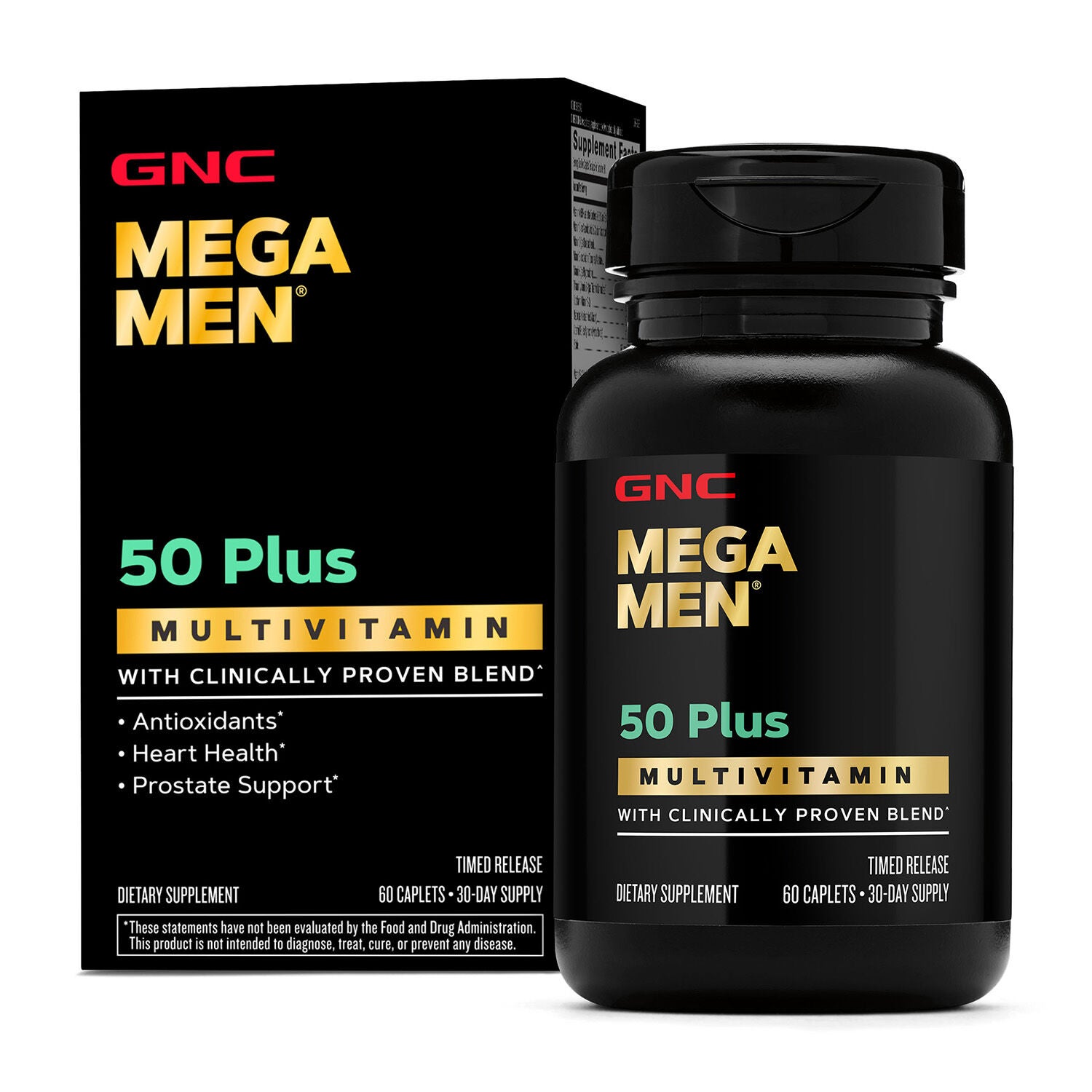 GNC Mega Men
 -
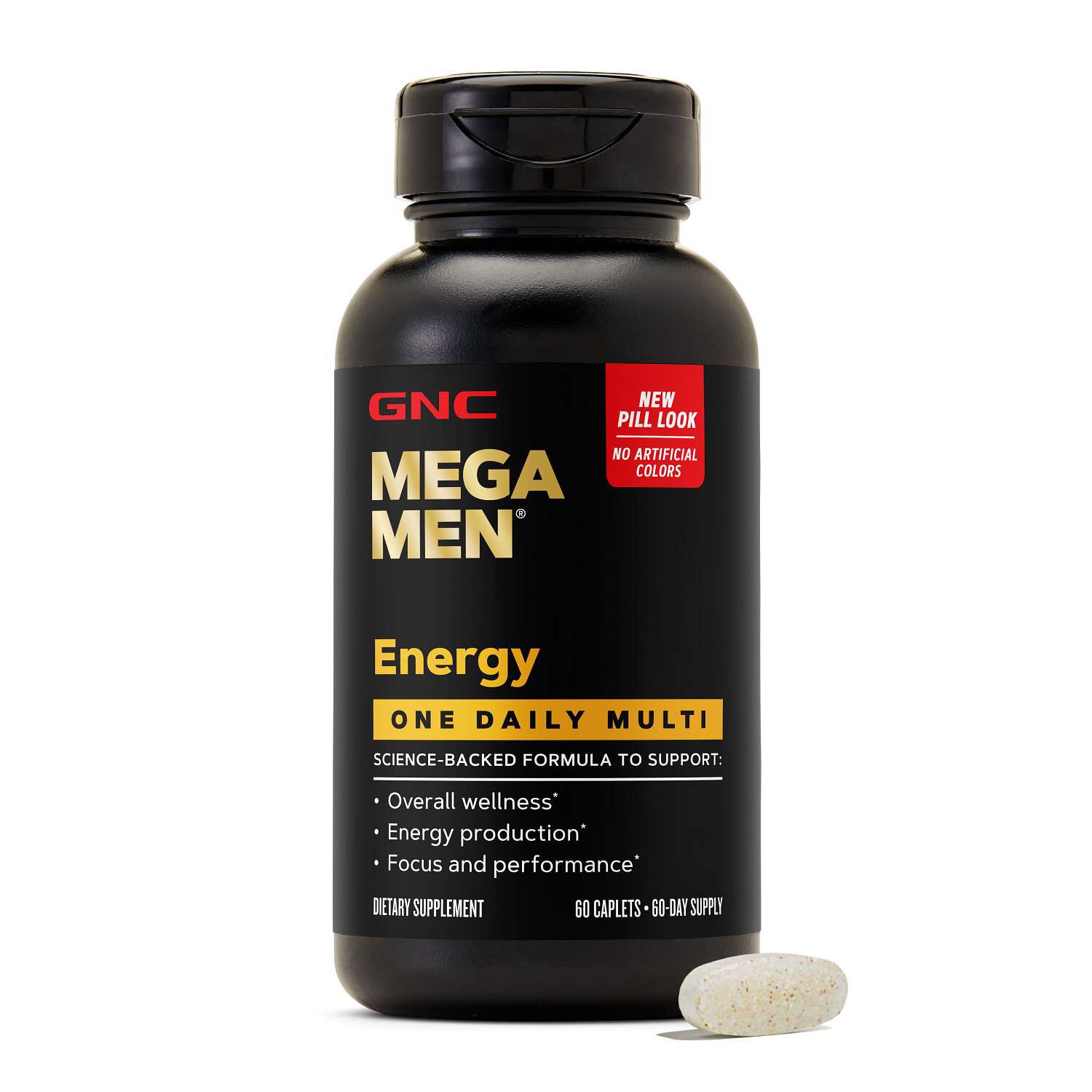 GNC Mega Men