





Protein Bars Without Artificial Sweeteners
(0 Results)
Discover a range of protein bars that may offer a delicious and nutritious option for those seeking to avoid artificial sweeteners. These bars could provide a convenient snack or meal replacement, potentially helping to support your fitness goals with high-quality protein sources. Whether you're looking for a post-workout boost or an on-the-go snack, these protein bars might satisfy your cravings without compromising on taste or nutritional value. Explore options that align with your dietary preferences while keeping unnecessary additives at bay.
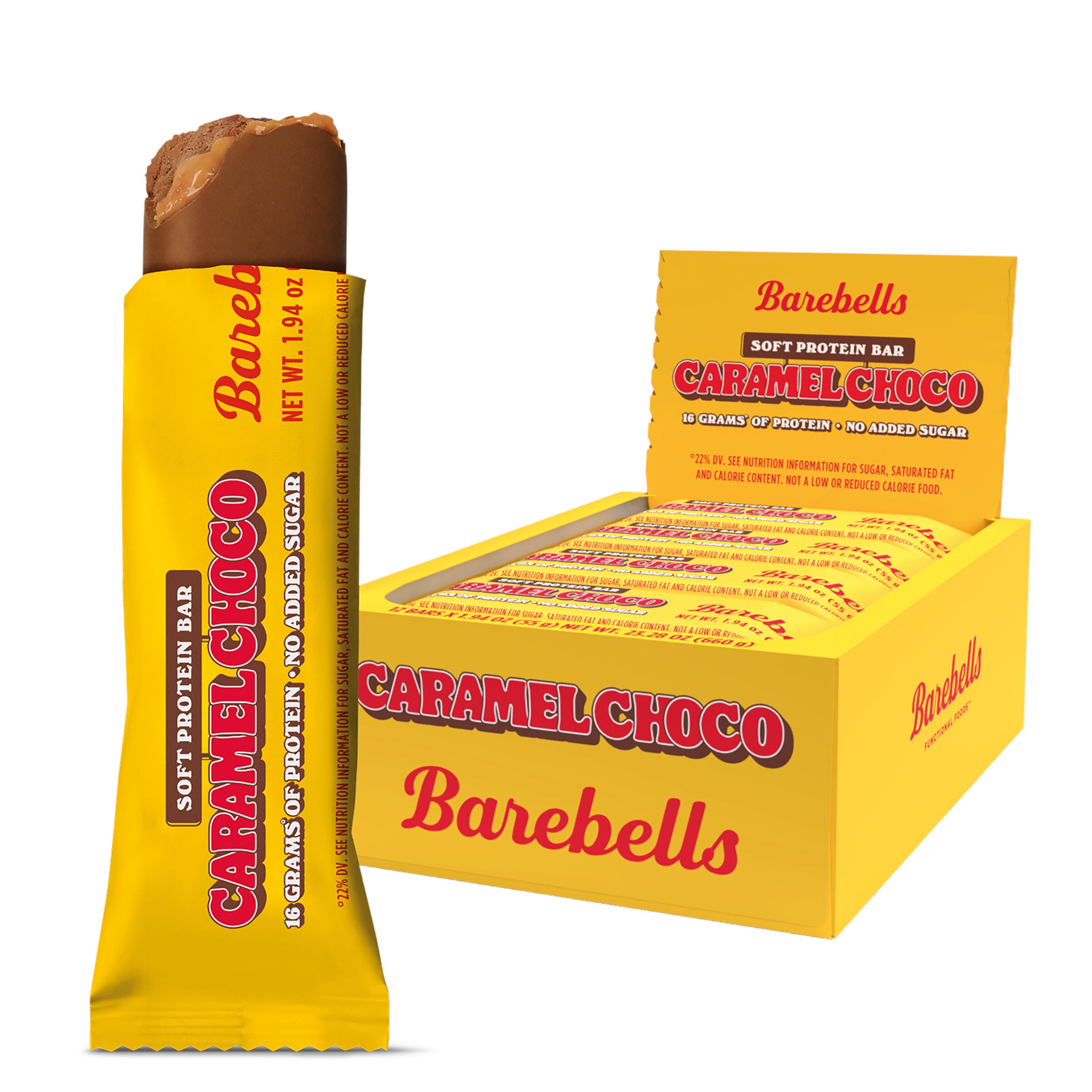
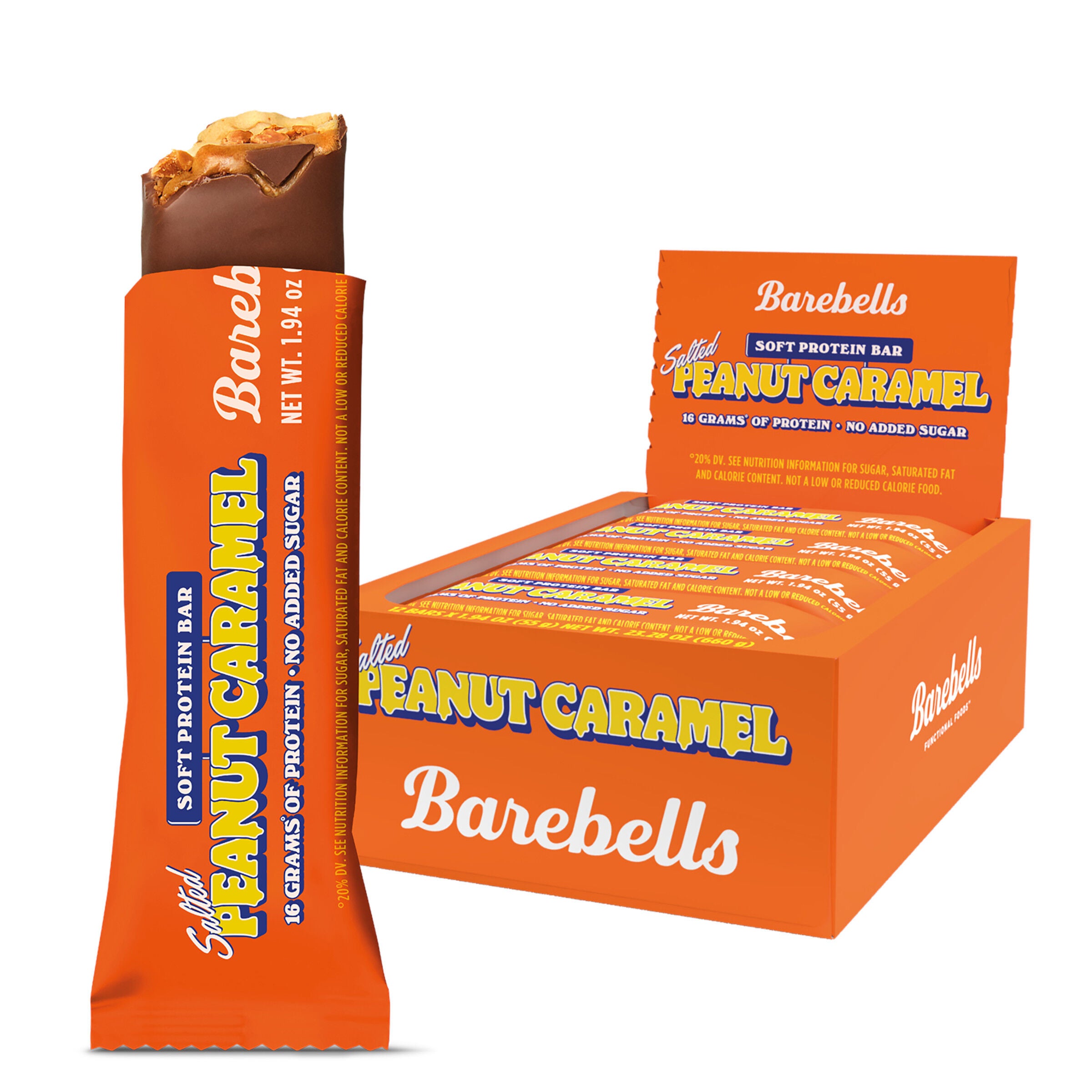

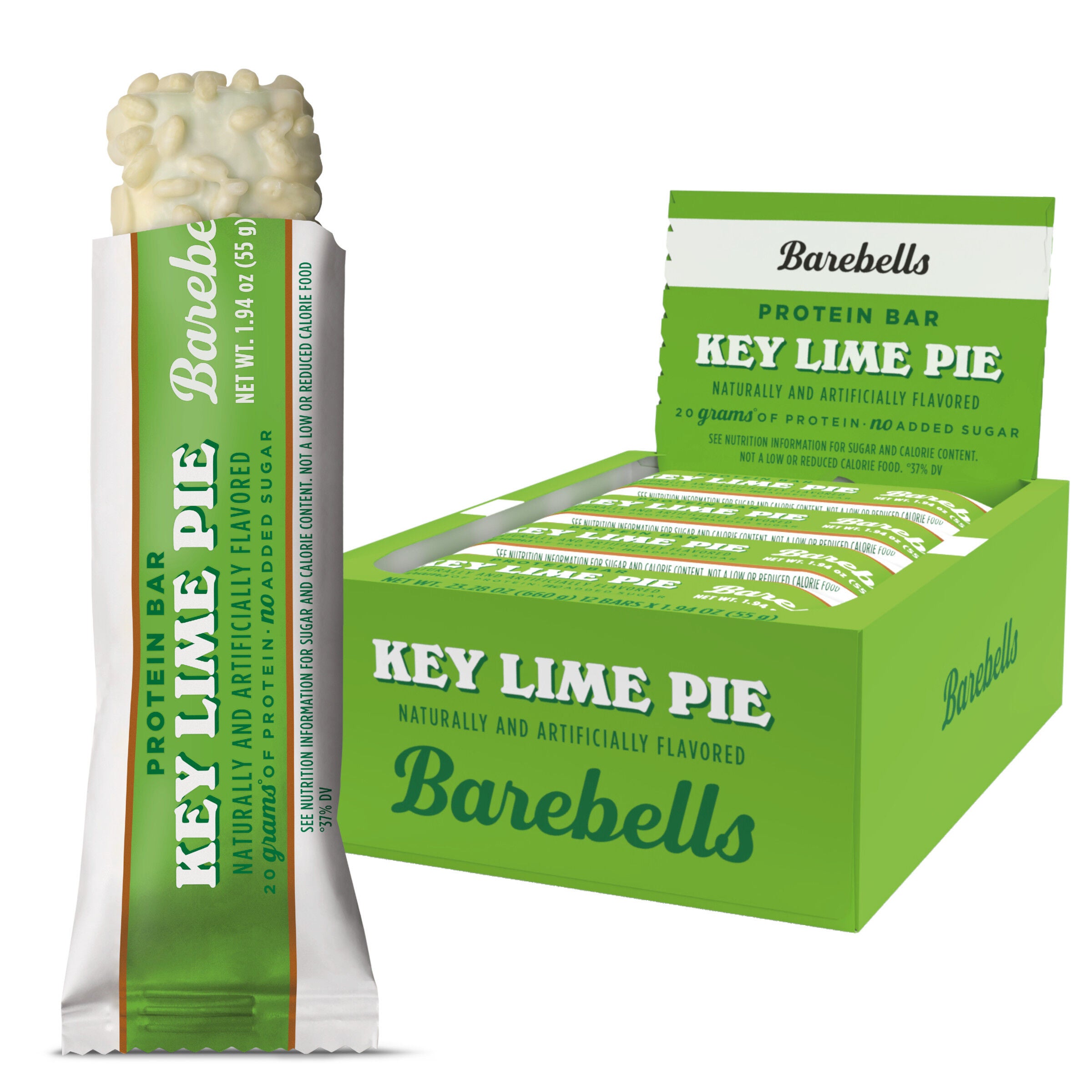

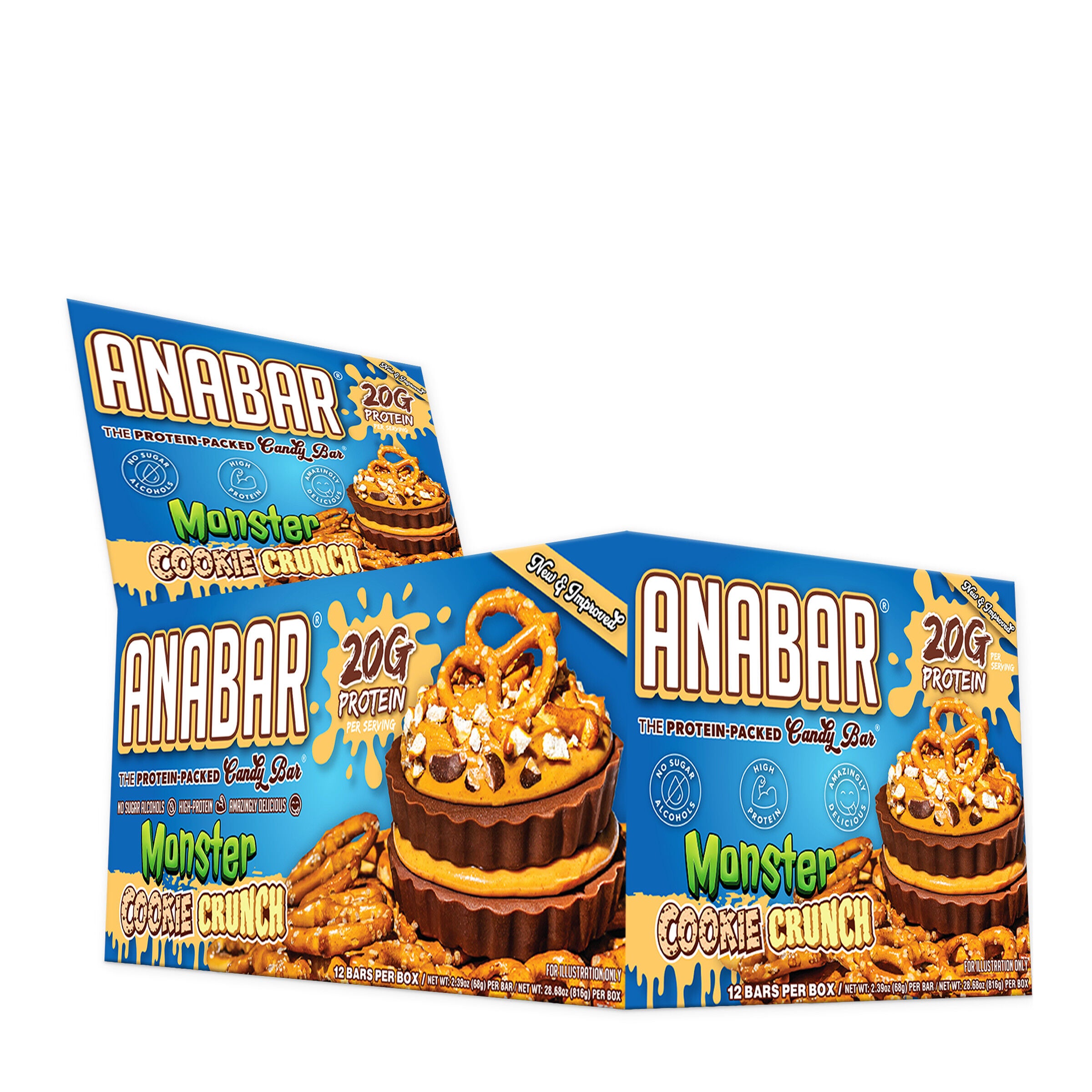

Protein bars without artificial sweeteners are packaged protein snacks made without sweetening ingredients such as sucralose, aspartame, saccharin, or acesulfame potassium. Depending on the recipe, their sweetness may come from dates, raisins, honey, maple syrup, cane sugar, stevia, or monk fruit. Some recipes combine fruit with another sweetener, while others rely on a single source. The absence of artificial sweeteners does not necessarily mean a bar contains no added sugar, no sugar alcohols, or only a few ingredients. Those are separate characteristics, and the ingredient list and Nutrition Facts panel provide different pieces of the picture. For someone who prefers fruit-based sweetness, a date-and-nut recipe offers a different starting point from a chocolate-coated bar sweetened with stevia. Someone who wants to avoid stevia or monk fruit as well as artificial sweeteners will need to look beyond the category name to the individual recipe. Sugar alcohols, including erythritol, maltitol, and xylitol, also deserve a separate check when they fall outside personal preferences. A bar described as having no artificial sweeteners can still include these ingredients. Honey, maple syrup, and cane sugar contribute added sugars; sugars from whole dried fruit are generally listed differently on the nutrition panel. Neither the sweetener source nor the length of the ingredient list tells the whole story about a bar’s nutritional makeup. Protein, carbohydrate, fat, fiber, and serving size all help describe what is inside the wrapper. These distinctions matter when comparing a small snack with a larger bar intended for a longer gap between meals. The category includes a broad range of flavors and textures rather than one standard recipe. Familiar combinations such as peanut butter and cocoa, almond and vanilla, or oats and dried fruit make it possible to choose around taste as well as ingredient preferences. For everyday shopping, the most useful description is specific: the protein source, the sweetener used, the serving size, and the flavor.
The protein source is another meaningful difference among protein bars without artificial sweeteners. Whey and milk proteins come from dairy, egg white protein comes from eggs, and plant-based recipes may use pea, soy, rice, or combinations of these proteins. A plant-derived protein ingredient does not, by itself, establish that the entire bar is vegan; honey, milk-based coatings, and other ingredients still matter. Likewise, a bar made with egg whites can contain nuts, and a bar made with pea protein can include dairy elsewhere in the recipe. The ingredient list, allergen statement, and any information about shared manufacturing equipment are worth reading when shopping around dietary restrictions. Texture often provides the clearest difference once the wrapper is open. Date-based bars tend toward a dense, chewy bite, while nuts and seeds add distinct pieces and a firmer crunch. Oats can give a bar a familiar, cereal-like character, and crisped ingredients introduce a lighter contrast to a soft protein base. Coatings and fillings add another layer, from a thin cocoa shell to a smooth nut-butter center. These details are more descriptive than flavor names alone: two chocolate bars can have very different sweetness, chew, and mouthfeel. Protein content also varies with the recipe and portion, so comparing grams per serving alongside the weight of the bar gives a more useful comparison than looking at the front label alone. A larger bar can contain more protein simply because there is more food in the package. Calories, sugar, fiber, and fat provide additional context without making one recipe the right choice for everyone. A short ingredient list may appeal to someone who prefers familiar pantry ingredients, while another shopper may prioritize a softer texture or a particular protein source. Neither preference requires choosing by sweetener claims alone. The best fit is a bar whose ingredients, portion, and eating experience match the role it will have in a routine.
Convenience is a large part of the appeal of individually wrapped protein bars. There is no mixing bowl, shaker, or measuring scoop involved, and the portion is already packaged for a desk drawer, lunch bag, or gym tote. A compact bar may suit a brief afternoon break, while a larger, denser recipe may be a better fit for someone planning a more substantial snack. For a commute, a firm bar with nuts or oats offers a different eating experience from a soft, filled bar that benefits from being enjoyed at a table. Crumbly textures and thick coatings are worth considering when the snack will be opened over a keyboard or eaten between appointments. Packaging matters, too: an intact wrapper protects the bar during everyday carrying, but it is not designed to withstand heavy objects pressing against it in a crowded bag. Storage directions and the date printed on the package remain relevant even for bars made with familiar food ingredients. Keeping bars in their original wrappers until needed preserves ingredient and allergen information and may help maintain their intended texture. Once opened, the package directions are the best reference for handling any uneaten portion. For a shared office snack basket or a small gift for a regular gym companion, checking flavor preferences and dietary restrictions makes the selection more personal than choosing by protein grams alone. Variety can also matter for someone who eats bars regularly; alternating fruit-and-nut textures with cocoa or vanilla recipes offers a different bite without changing the preference for no artificial sweeteners. Bars are one format within that preference, not the only one. For occasions when a mixed drink fits better than a wrapped snack, Protein Powders With No Artificial Sweeteners offer another category to consider, with their own protein sources, flavors, and ingredient combinations. Across formats, clear ingredient information and a realistic sense of when and how the snack will be used make comparisons more meaningful. A bar that tastes good, travels conveniently, and aligns with personal ingredient preferences has a practical place in an everyday snack rotation.
Best Sellers
-
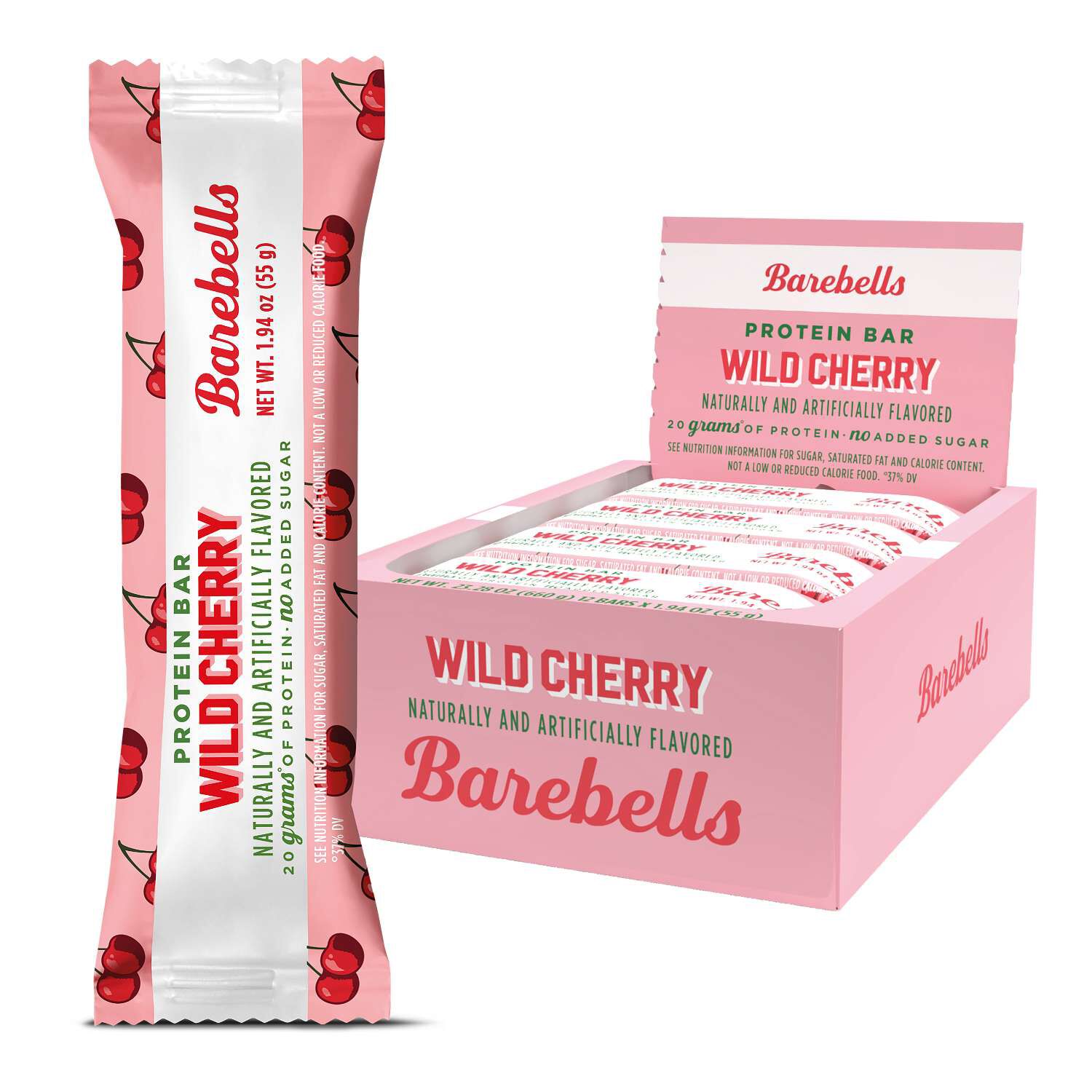
 Barebells
 -
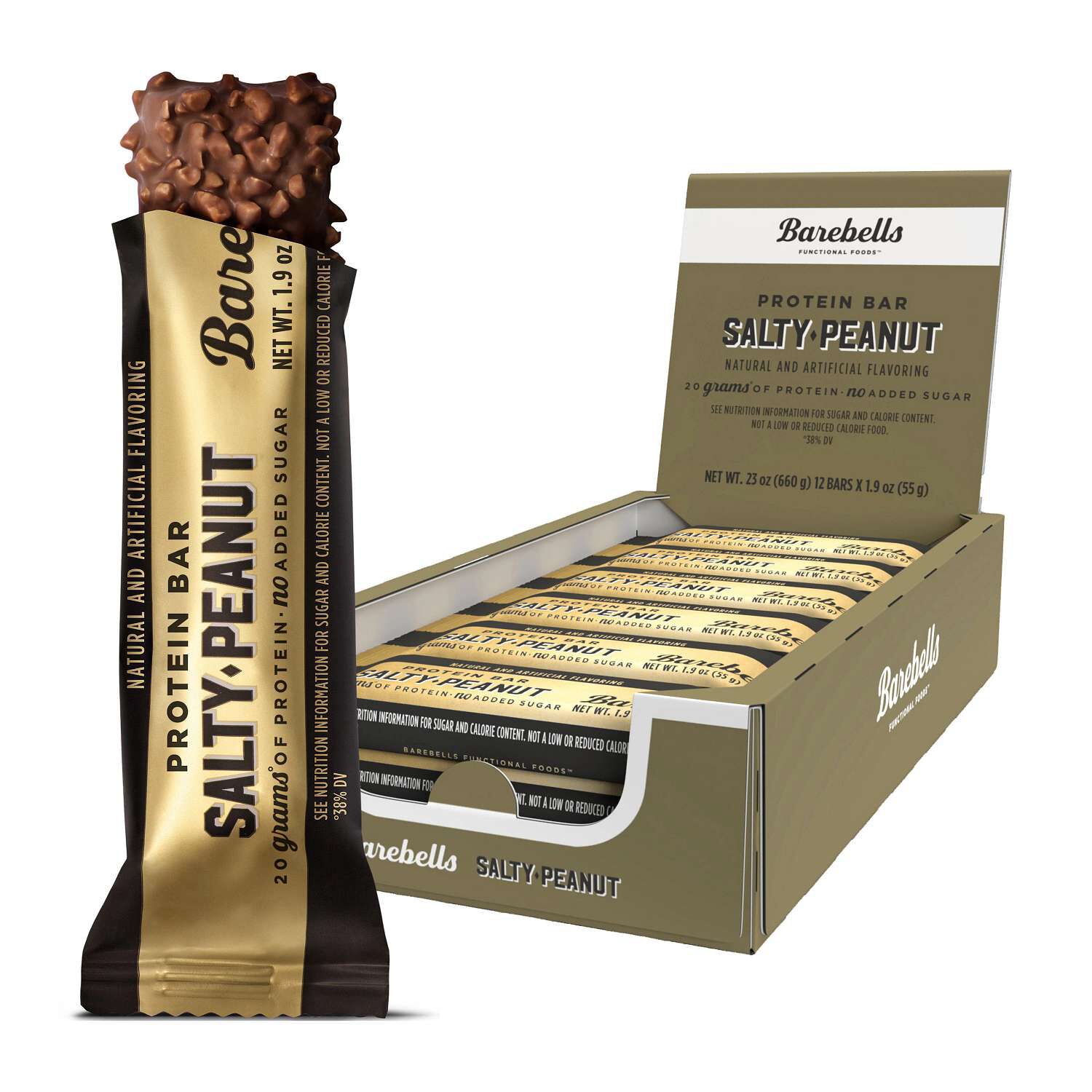
 Barebells
 -
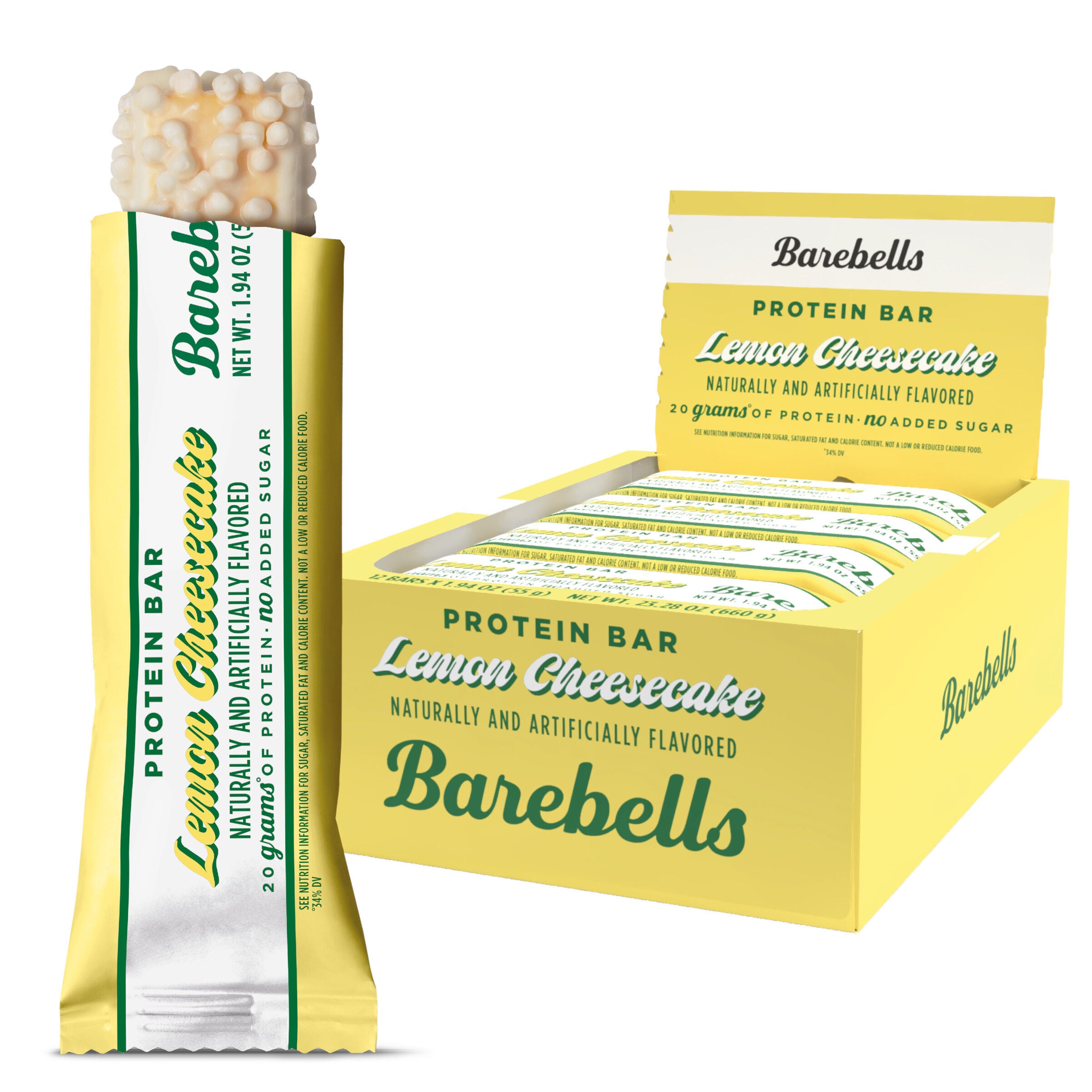 Barebells
 -
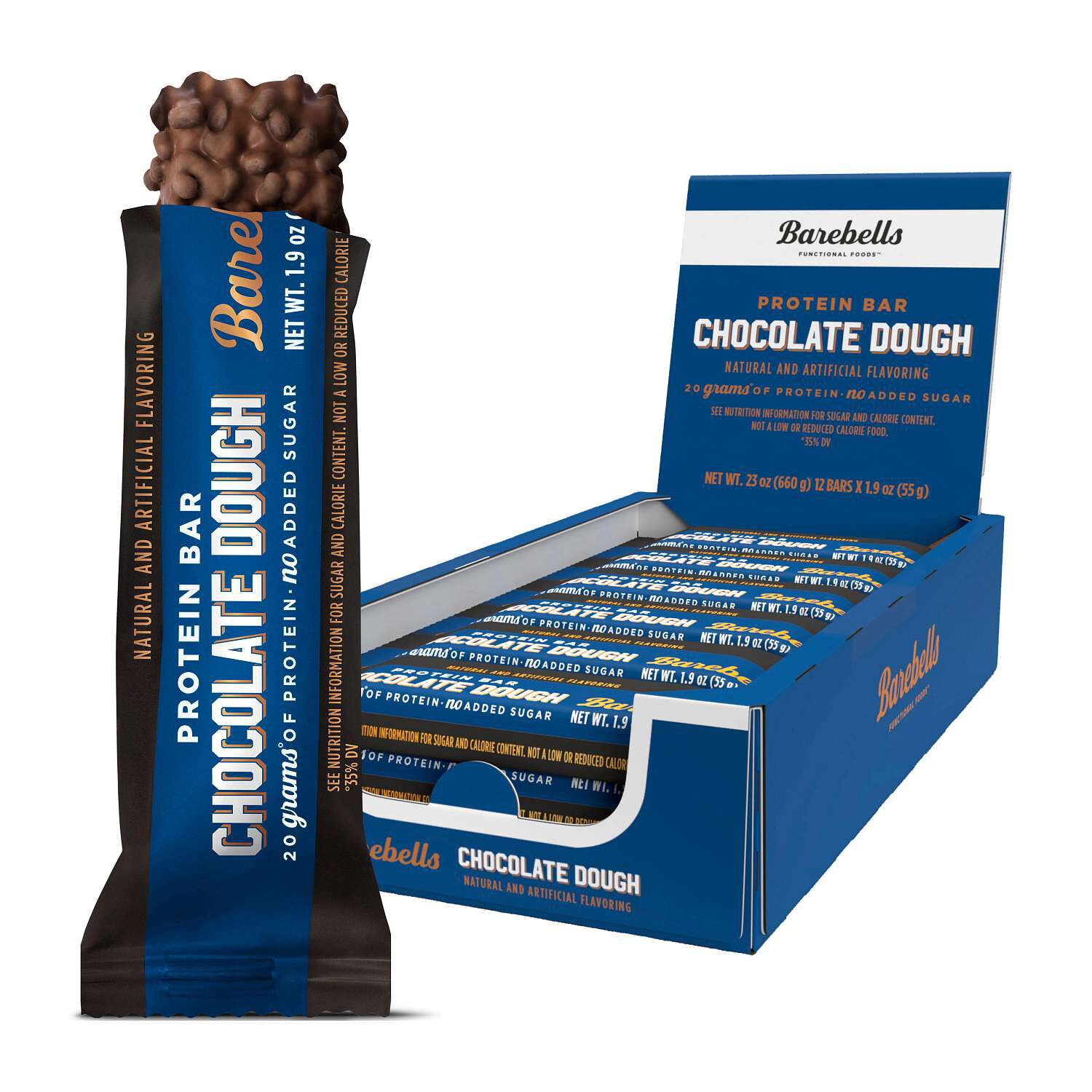 Barebells
