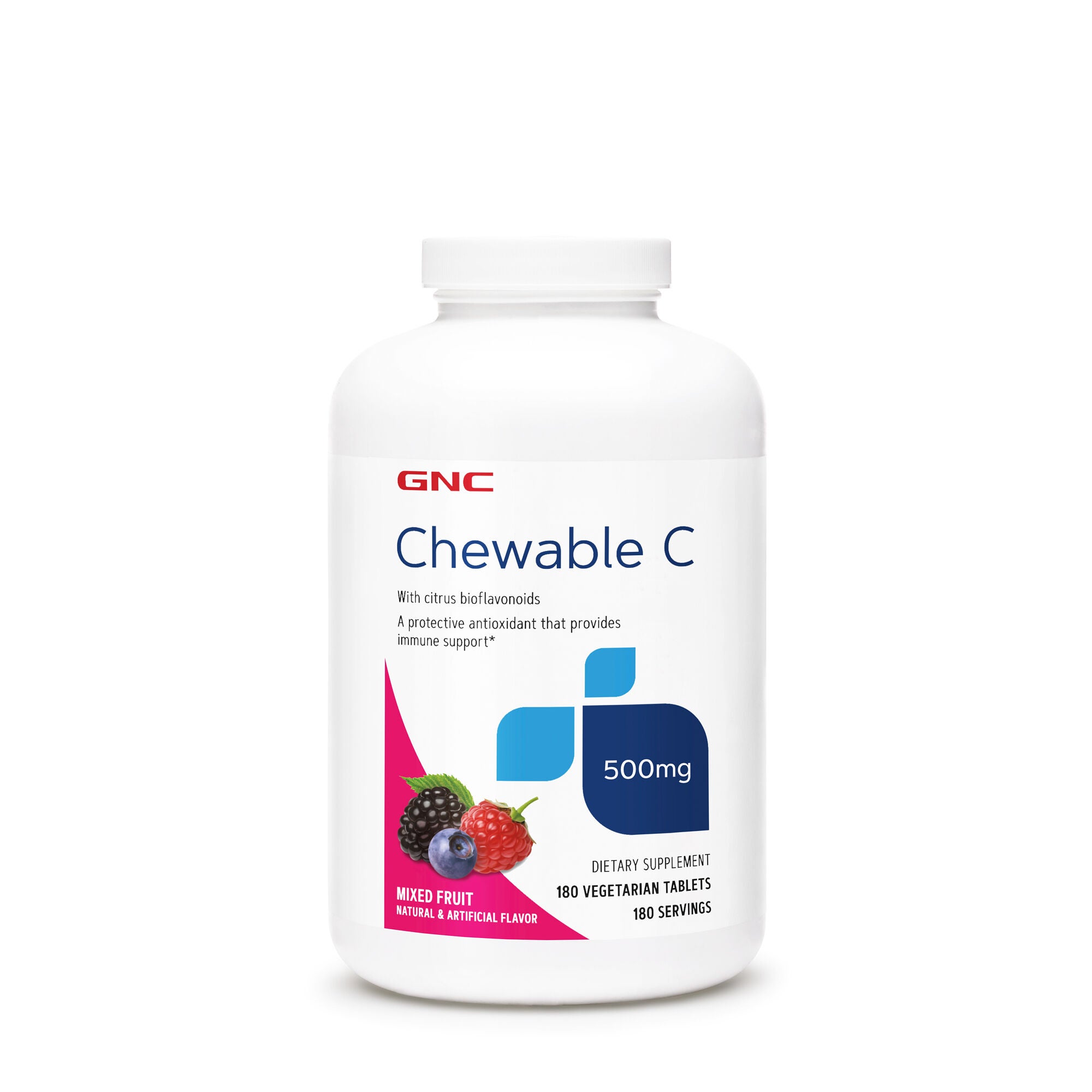
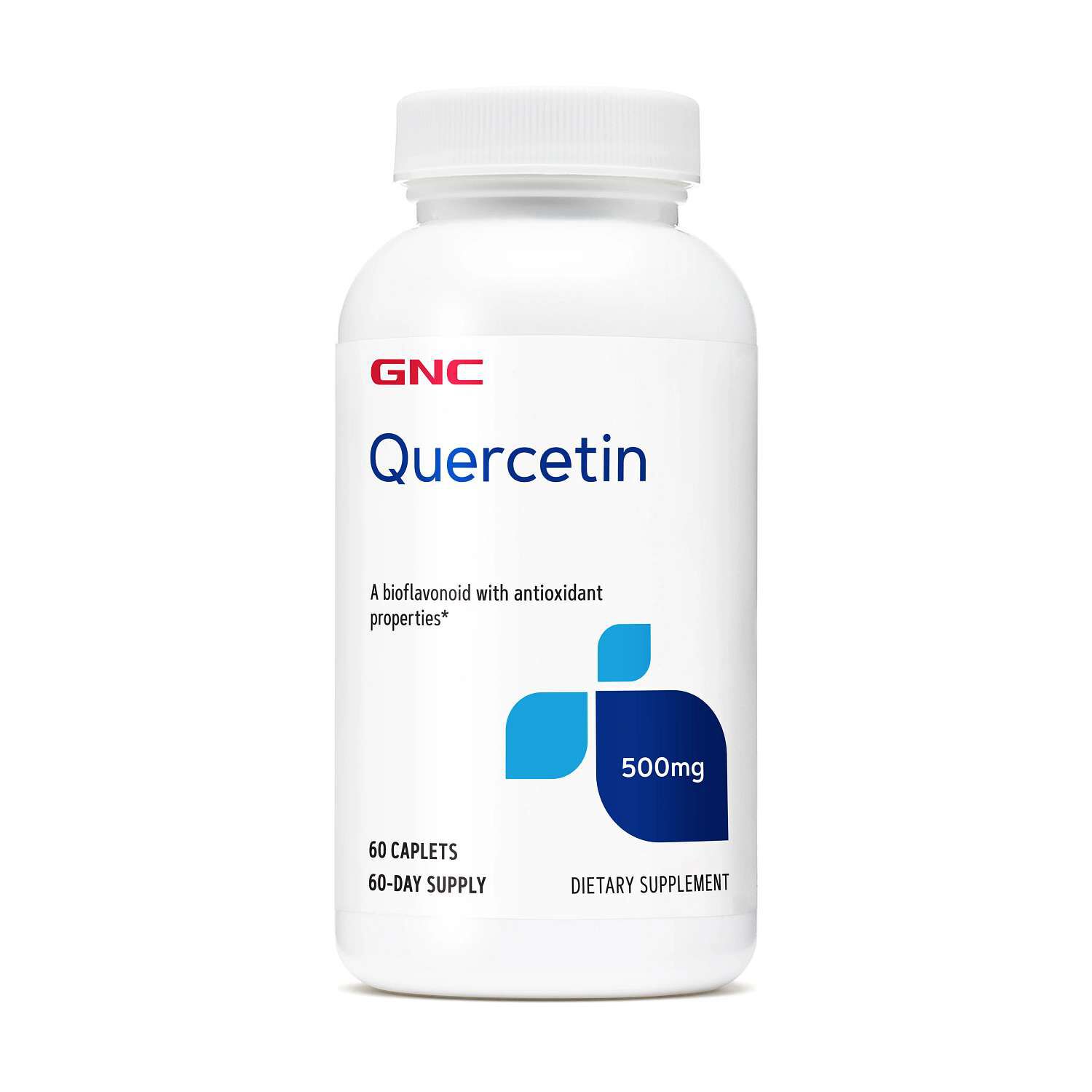
Quercetin Zinc Supplements
(0 Results)
Quercetin zinc supplements have become a popular choice for those looking to support their overall wellness routines. Combining quercetin, a plant-derived flavonoid, with the mineral zinc, these supplements may offer a convenient way to incorporate both nutrients into your daily regimen. Whether you’re aiming to maintain a balanced lifestyle or simply exploring new additions to your supplement lineup, quercetin zinc supplements could be a valuable option to consider.
-
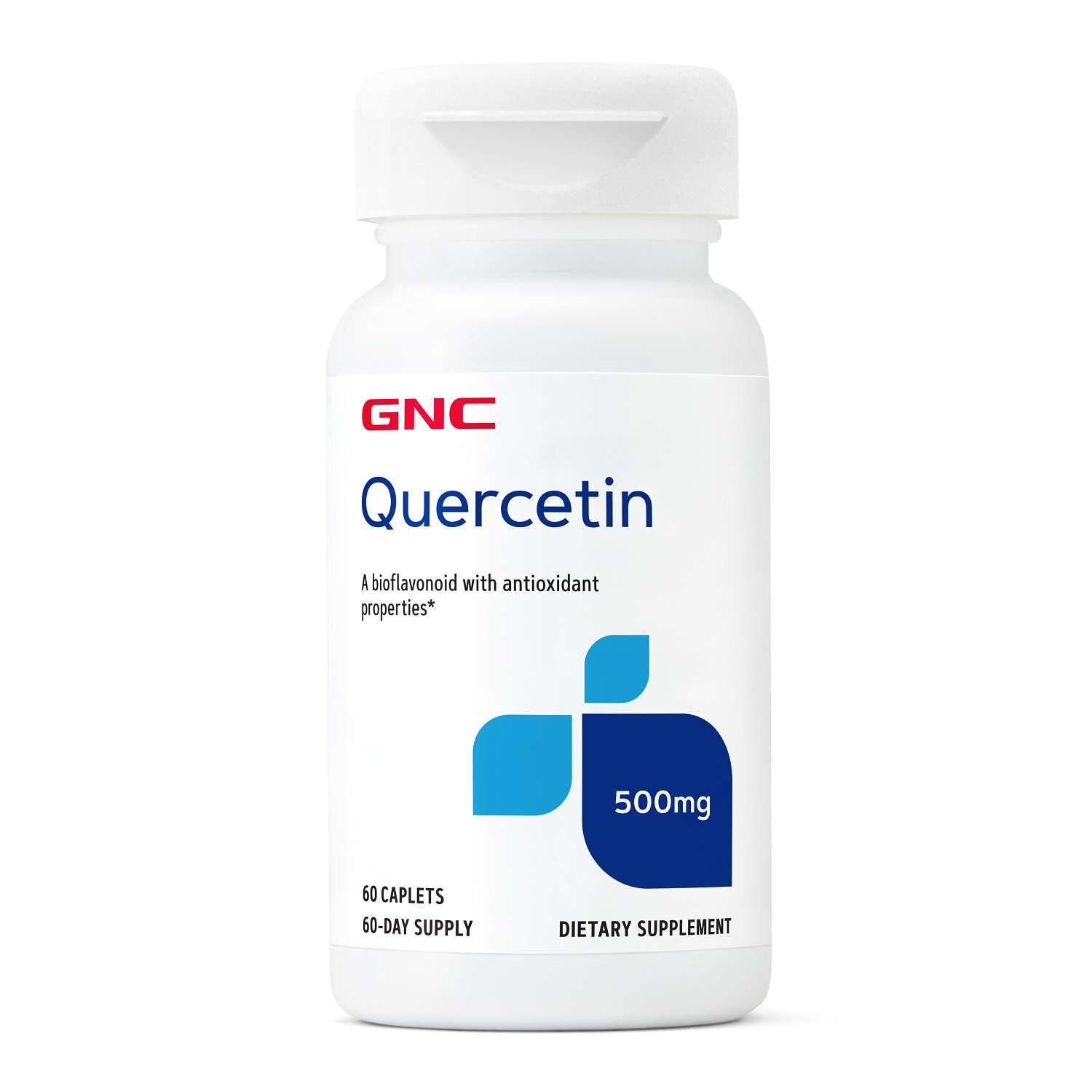 $24.99
 -
 57$54.99
 -

-

-

-

-
-


Quercetin zinc supplements pair a plant flavonoid with a mineral in products intended to complement an everyday nutrition routine. Quercetin occurs naturally in foods such as onions, apples, and berries, while zinc is found in foods including meat, shellfish, beans, and nuts. In supplement form, these ingredients may appear together in one formula or as separate options within a broader assortment. For shoppers comparing quercetin and zinc supplements, that distinction is a useful starting point: a product featuring one ingredient is not necessarily a combination formula, even when both appear in the same category. The Supplement Facts panel identifies what each serving contains and provides a clearer comparison than the wording on the front of a bottle alone. A combined formula could appeal to someone who already looks for both ingredients and prefers fewer separate containers in the cabinet. Separate formulas offer a different purchasing format, with each ingredient listed and packaged individually. Neither arrangement is automatically the better match for every shopper; serving size, ingredient amounts, format, and personal preferences all matter. During the cooler months, when schedules often shift between work, travel, and more time indoors, familiar packaging and straightforward label directions may make a purchase feel more practical. Think of the difference between a bottle that fits neatly beside your usual breakfast supplies and a large container that needs its own shelf: those small details often shape what feels manageable. Capsules and tablets are common supplement formats, but the exact options depend on the assortment. Before choosing, check whether the listed serving is one capsule, two capsules, or another quantity. That simple detail affects how long a bottle lasts and makes price comparisons more meaningful. A larger number on the front label does not, by itself, explain how the product compares with another formula or whether it suits your preferences.
The most useful comparisons begin with the amount of quercetin and the amount of zinc listed per serving, considered separately rather than treated as one combined figure. Milligrams describe ingredient quantity, but they do not tell the whole story about the formula. Zinc can appear in different forms, such as zinc citrate, zinc gluconate, or zinc picolinate; the Supplement Facts panel typically names the source alongside the zinc amount. The amount listed for zinc refers to the zinc itself, rather than the weight of the entire source compound. Quercetin labeling may also describe a particular ingredient form or include information about a delivery format. Those descriptions deserve a closer look, but a technical-sounding name is not enough to establish that one product is a better purchase than another. Compare the stated amounts, serving instructions, and other ingredients together. Some formulas contain only the featured pairing as their principal ingredients, while others include vitamin C, additional minerals, or botanical ingredients. A shorter ingredient list may appeal to shoppers who want a narrowly focused formula; a broader blend presents a different set of ingredients to review. Capsule materials, coatings, colors, and other formulation details can also matter to someone with specific dietary preferences. For a vegetarian or vegan option, look for an explicit label statement rather than assuming every capsule uses a plant-derived shell. Any allergen information should likewise come from the actual product label. Quality information is most helpful when it is specific: a named testing program or clearly described manufacturing practice offers more context than an unexplained badge. For a closer look at the quercetin side of the assortment, Quercetin Supplements For Holistic Wellness provides another relevant collection to browse. Returning to the same comparison points across collections—ingredient identity, amount per serving, serving count, and format—can keep the shopping process grounded in details rather than packaging impressions. It also makes differences between a focused quercetin product and a quercetin zinc combination easier to recognize.
Practical value comes into focus when the bottle size and serving count are considered alongside the price. A container with 60 capsules contains 30 servings if the label defines a serving as two capsules; another 60-capsule bottle may contain 60 servings if its serving size is one capsule. Comparing cost per labeled serving gives those two packages a more useful point of reference than capsule count alone. That comparison still needs the ingredient amounts beside it, since similarly priced servings can contain different quantities of quercetin and zinc. For an initial purchase, a smaller package may suit someone who prefers not to commit to a larger supply. A familiar formula in a larger bottle could be a practical option for a returning shopper, provided its serving count and storage requirements match the intended use. Packaging matters beyond size, too. A securely closing bottle, readable directions, and an accessible expiration date are everyday details worth checking, especially when organizing a cabinet or packing for a longer stay away from home. Follow the storage information on the package rather than assuming every supplement belongs in the same place. People browsing this category may include adults who already buy dietary supplements, shoppers comparing a two-ingredient formula with separate bottles, or those looking more closely at plant-derived ingredients. These products are an addition to a nutrition routine, not a substitute for varied meals. Their purpose in a shopping basket should be understood from the label, without treating a category name as evidence of a particular outcome. As gifts, supplements are usually more personal than a shaker cup or a pantry accessory. They make the most sense when the recipient has specifically requested the product type and shared their preferences, rather than as a surprise selected around assumptions about their health. Whether purchasing for yourself or fulfilling a specific request, the strongest choice is one whose contents, format, and cost are easy to understand. Clear information leaves less guesswork between browsing the assortment and finding a place for the bottle at home.