

Reishi Mushroom Supplements
(0 Results)
Discover nature's powerful secret with our selection of Reishi Mushroom supplements. Known for their immune-boosting properties and potential to support overall well-being, Reishi Mushrooms have been used in traditional medicine for centuries. Packed with antioxidants and adaptogens, these supplements are a convenient way to incorporate this beneficial fungus into your daily routine. Explore our range of Reishi Mushroom supplements and unlock a natural path to optimal health and vitality.
-
-

-

-

-

-
-

-
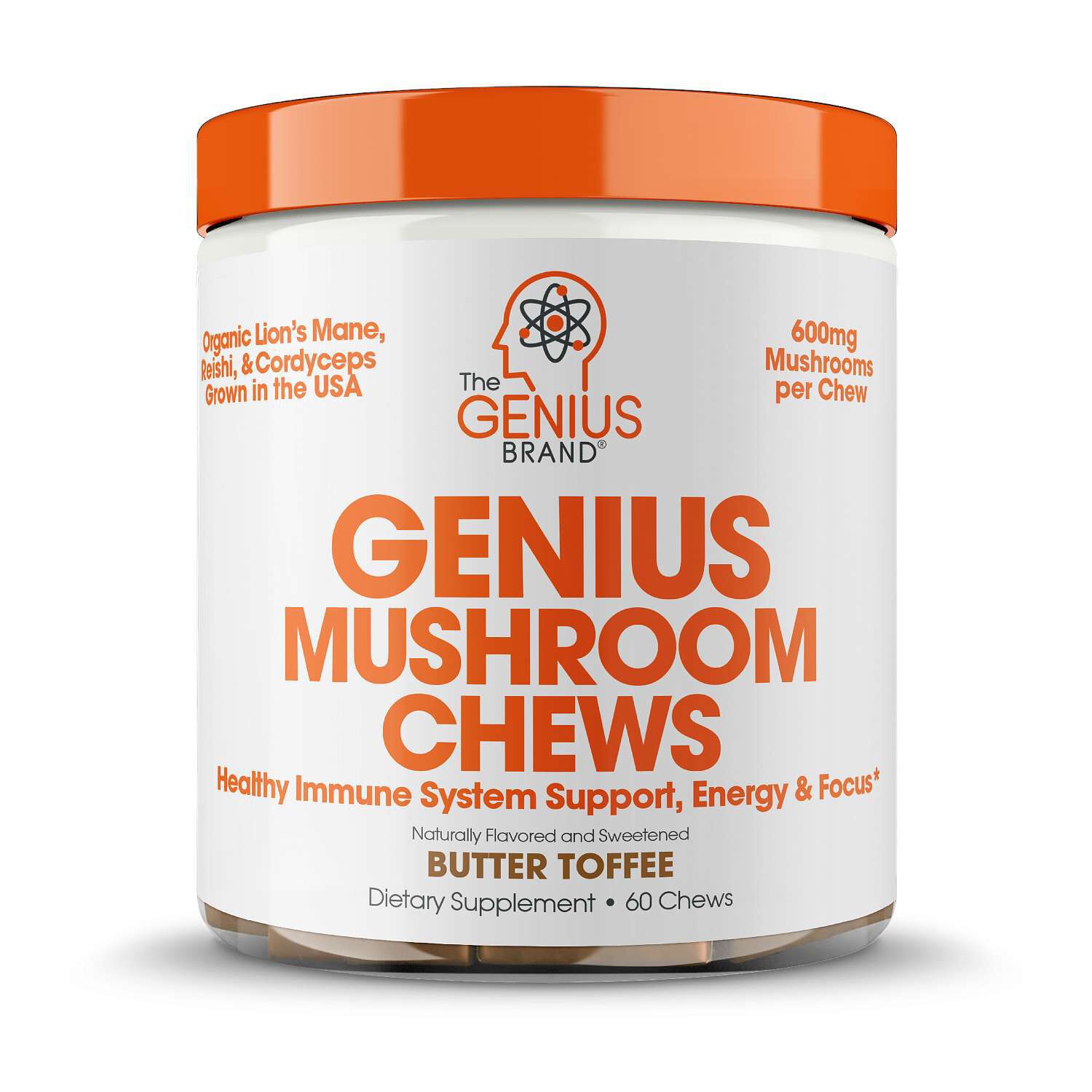 The Genius Brand$29.99
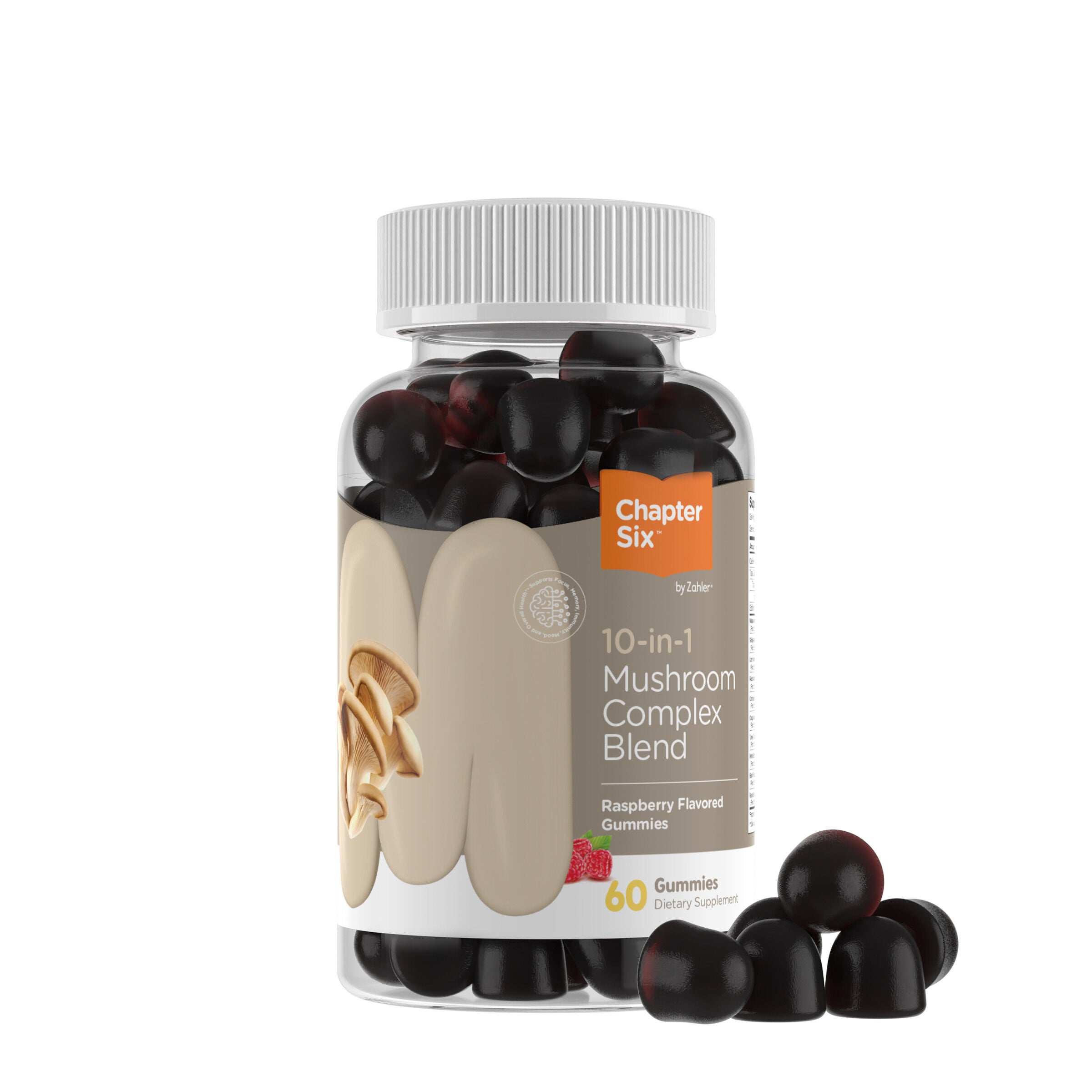
Reishi mushroom supplements bring a distinctive fungus into a range of formats, from capsules and tablets to powders and liquid extracts. Reishi is a common name associated with several Ganoderma species, and Ganoderma lucidum is one scientific name frequently seen on supplement labels. Recognizable by its glossy, fan-shaped cap, reishi has a firm, woody texture rather than the tender texture of mushrooms typically served at the dinner table. Its history in East Asian traditions extends well beyond its place in modern supplement aisles. Today, reishi supplements are part of the broader category of mushroom supplements, with differences in ingredients, processing, serving size, and presentation that make individual labels worth a closer look. Some formulations feature reishi as the sole mushroom ingredient, while others combine it with additional mushroom species or other ingredients. For adults interested in adding a mushroom supplement to an established routine, that distinction can shape the choice between a focused formula and a multi-ingredient blend. A reishi-only formula puts the emphasis on one mushroom, although capsules, tablets, and flavored formats may still contain supporting ingredients used in manufacturing. A blend brings several ingredients together, so the amount of reishi per serving deserves attention alongside the amount of the overall blend. The Supplement Facts panel and ingredient list provide different pieces of that picture: one identifies declared dietary ingredients and serving amounts, while the other provides details such as capsule materials, sweeteners, flavors, or other formulation ingredients. Packaging imagery alone cannot tell the same story. A photograph of a mushroom cap, for example, does not establish which part of the fungus was used or how it was processed. Clear naming, a stated serving size, and straightforward ingredient information offer a more useful starting point for comparing reishi mushroom supplements than the visual style of the bottle. Those details also help distinguish a simple mushroom preparation from a formula with several components.
The mushroom material and preparation method are two of the most meaningful distinctions within this category. The fruiting body is the visible mushroom structure, while mycelium is the network of threadlike filaments involved in fungal growth. Reishi supplements can use fruiting body material, mycelium, or a combination, and the label may identify the source. Some mycelium is cultivated on a grain substrate; whether that growing material remains in the finished ingredient depends on the production process. Neither a front-label image nor the word “mushroom” answers that question on its own. Powdered mushroom material and mushroom extracts also differ. A powder may consist of dried material that has been milled, whereas an extract involves processing mushroom material with a solvent, such as water or alcohol, to obtain selected constituents. An extract can subsequently be dried into a powder, which means “powder” and “extract” are not always opposing categories. Reishi contains naturally occurring compounds including beta-glucans, a type of polysaccharide, and triterpenes. Labels sometimes identify measured amounts of these constituents, but not every formula provides the same information. A stated beta-glucan amount is more specific than a broad polysaccharide statement because polysaccharides encompass a wider group of carbohydrates. Extraction ratios require similar care in interpretation. A ratio describes a relationship between starting material and resulting extract under the manufacturer’s stated method; it does not, by itself, establish how one finished supplement compares with another. Milligram amounts are most informative when considered alongside the material, extract description, and serving size. For instance, a serving that consists of multiple capsules should not be compared with a single capsule from another formula without accounting for that difference. These details explain why two bottles labeled as reishi mushroom supplements can represent quite different preparations. Species identification, mushroom source, processing information, and clearly stated quantities make the category easier to understand without treating a larger number or a more elaborate formula as automatically preferable.
Format brings those ingredient differences into everyday life. Reishi capsules contain a measured amount in a shell that may be made from gelatin or a plant-derived material such as cellulose. Tablets are compressed preparations and may contain binders or coatings. Both formats keep the mushroom ingredient separate from food and beverages, which may suit someone who prefers not to add another flavor to breakfast. Powders offer a different experience: when the package directions allow mixing, they can be incorporated into a smoothie or another beverage. Reishi is known for a bitter, earthy taste, and the character of the finished powder depends on its preparation and any added ingredients. An unflavored mushroom powder and a sweetened beverage blend therefore bring different expectations to the same kitchen counter. Mixing instructions matter, too, since some preparations disperse differently and may leave sediment rather than dissolve evenly. Liquid extracts place the ingredient in a liquid base and use a measured serving, often with a dropper or another dispensing tool. The liquid base and any flavoring ingredients are worth noting, especially when comparing otherwise similar labels. Gummies and other chewable formats introduce additional considerations such as texture, sweeteners, and the number of pieces in a serving. Across formats, package directions establish the intended preparation and use; a household spoon or an unmarked dropper is not necessarily equivalent to the measure specified on the label. Storage and handling also belong in the comparison. A tightly closed container, protection from moisture, and attention to the printed storage instructions help preserve the condition of the product. Powders call for a clean, dry scoop, while bottles and pouches should retain their readable labels and date information. For adults comparing mushroom varieties as well as formats, Shiitake Supplements offers a related category centered on a different species, not another name for reishi. The most practical comparison keeps both identity and everyday fit in view: what mushroom material the formula contains, how it was prepared, how much appears in a serving, and whether the format suits the intended routine.