





Resveratrol Supplements For Anti Aging
(0 Results)
Resveratrol supplements for anti aging could be a popular addition to your wellness routine, especially for those seeking support for their overall vitality. Sourced from natural ingredients like grapes and berries, these supplements may fit seamlessly into a balanced lifestyle. Explore options that could help you on your journey to feeling your best every day with resveratrol supplements for anti aging.
-
-

-

-
-
-
 57$54.99
 -

-

-

-

-

-
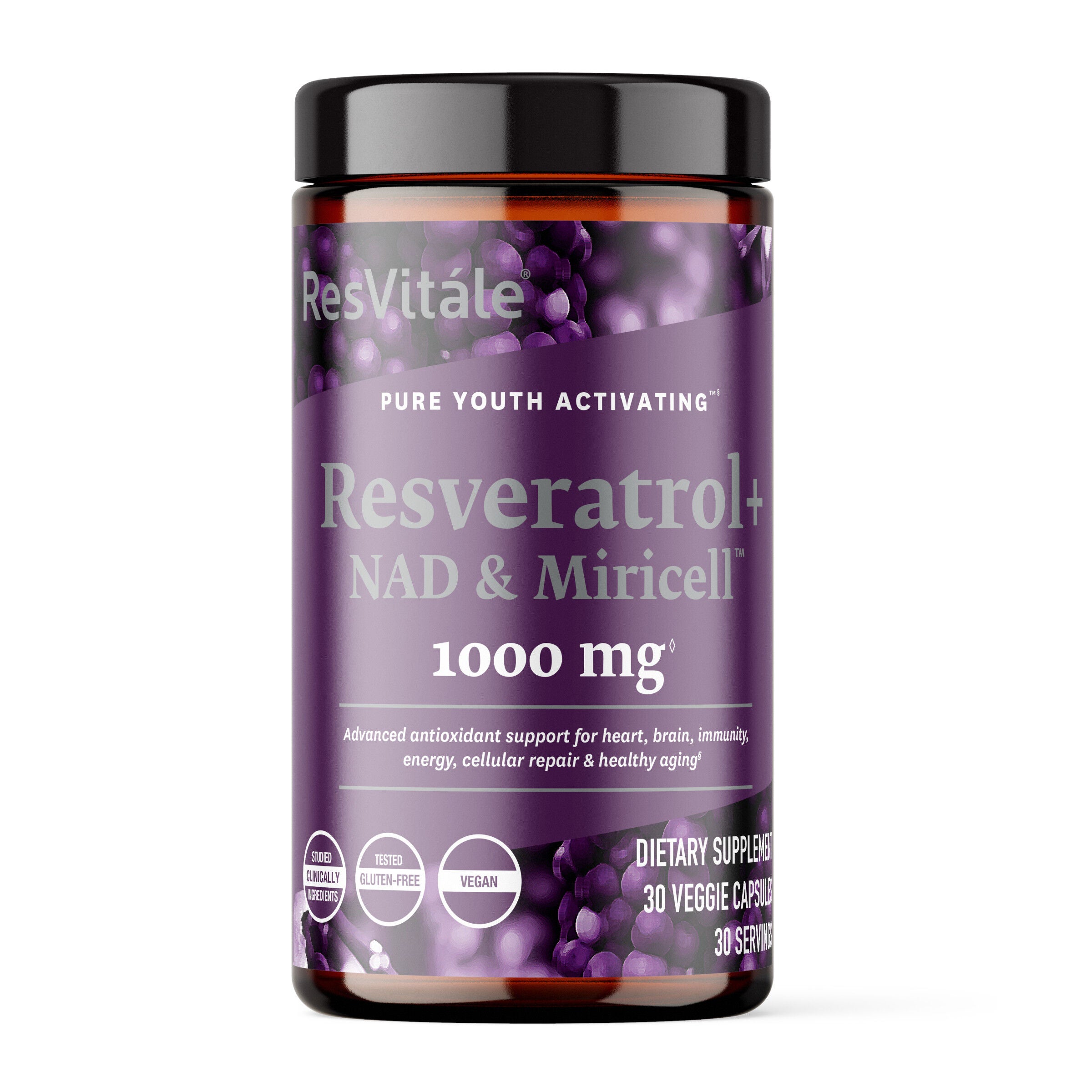
-


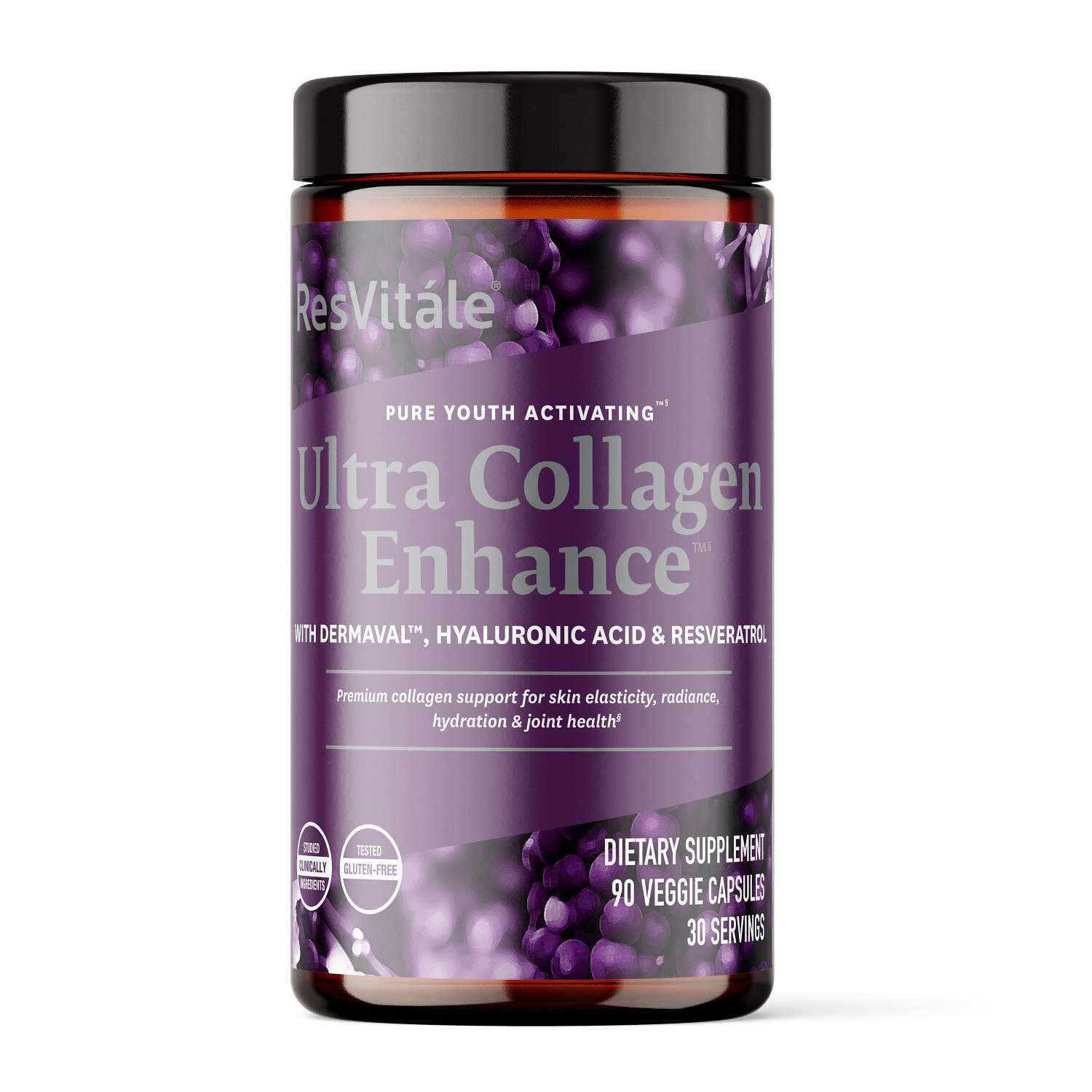
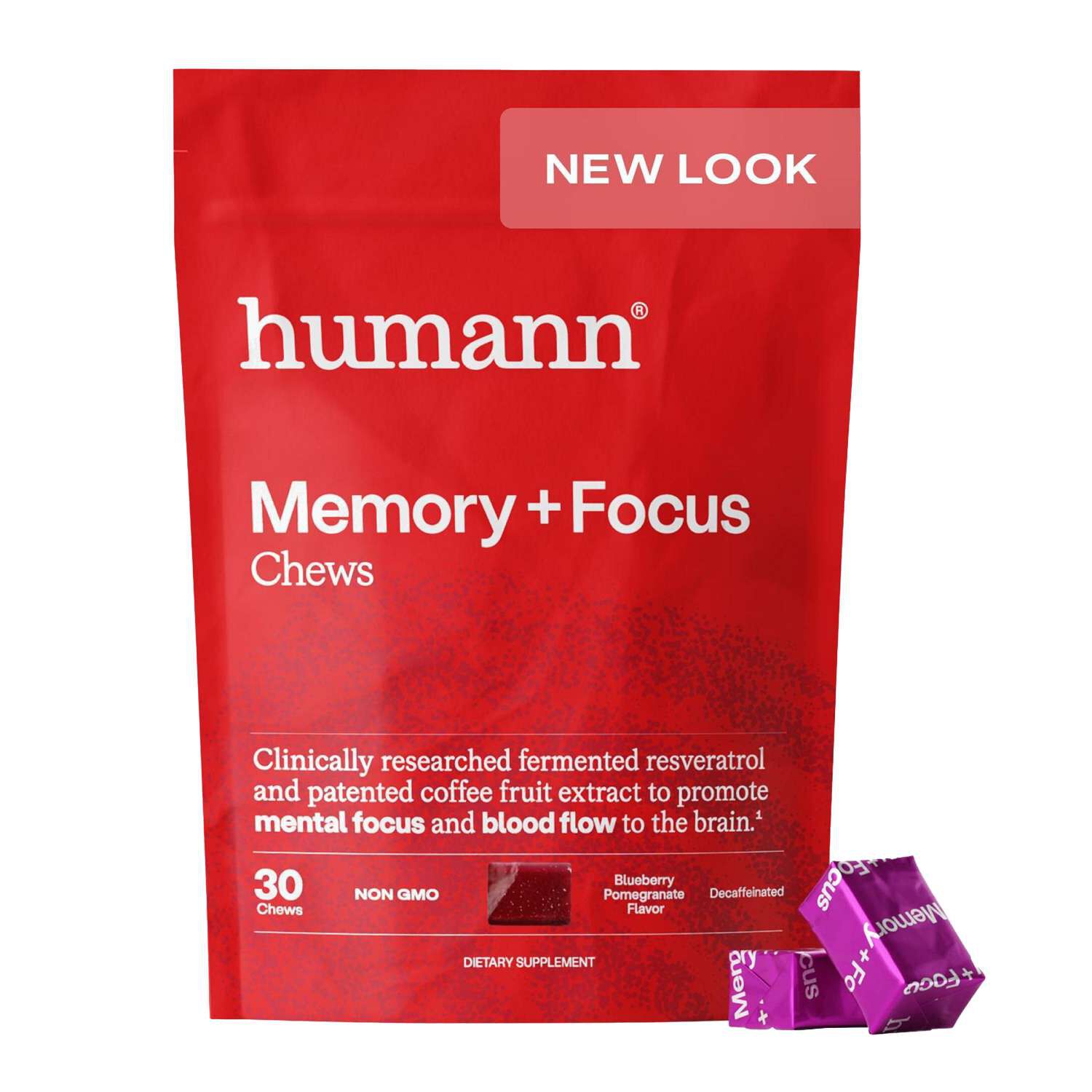
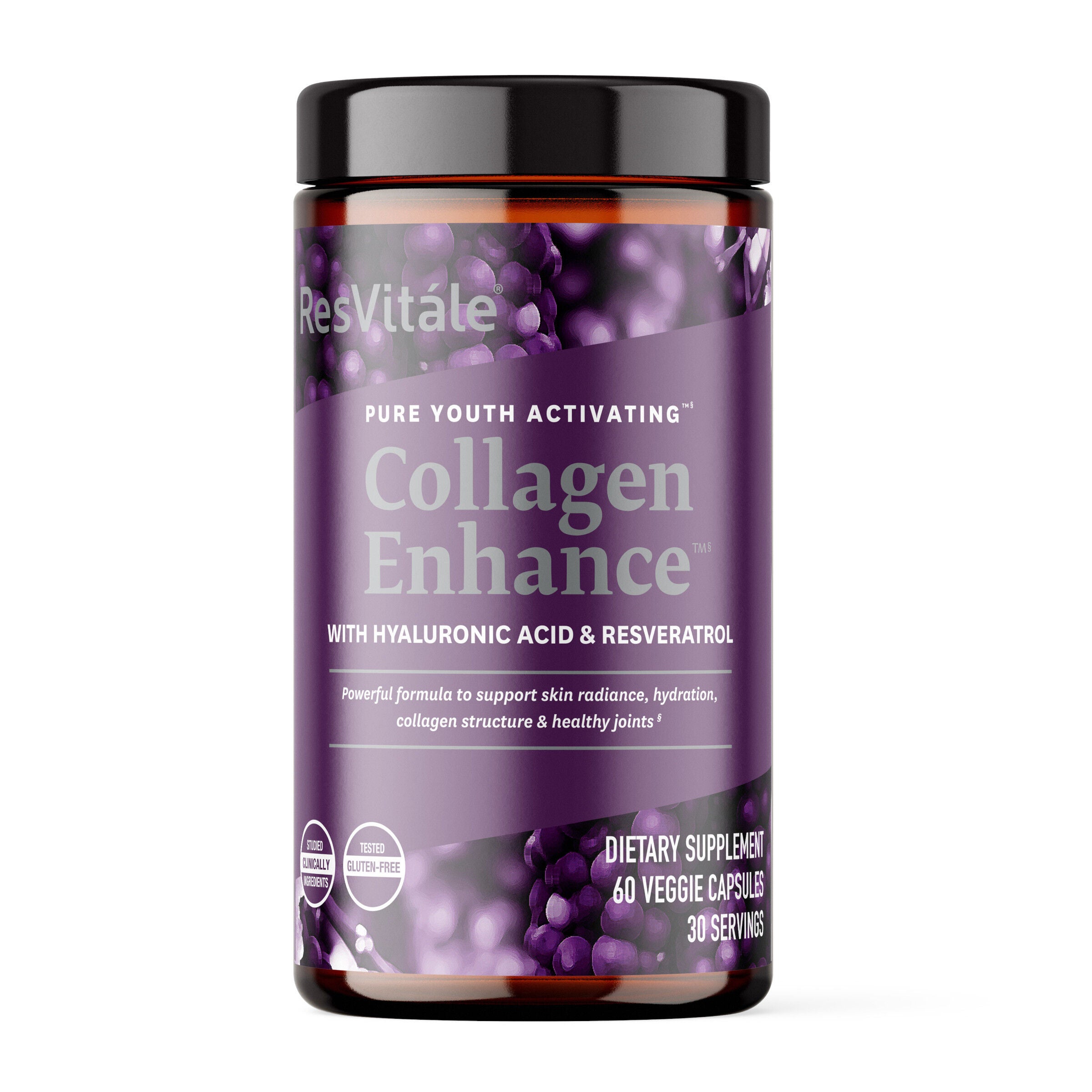
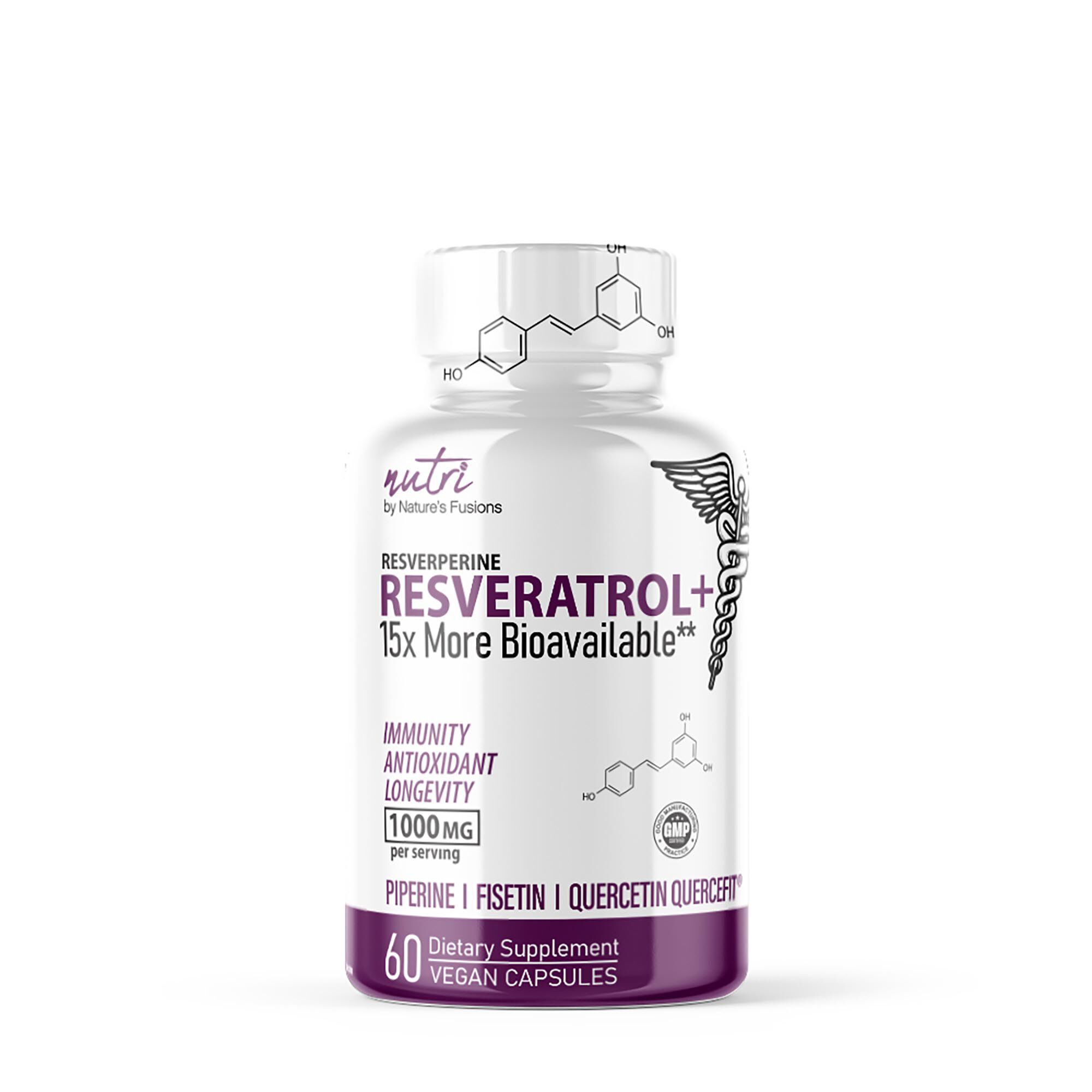
Resveratrol supplements for anti aging are dietary supplements centered on a plant compound that often appears in conversations about healthy aging and everyday wellness. Resveratrol is a polyphenol, a naturally occurring substance found in foods such as red grapes, certain berries, and peanuts. Supplements offer a measured serving of resveratrol or a resveratrol-containing extract rather than the variable amounts found in food. Its antioxidant properties have made it a subject of scientific research, but that background should not be confused with evidence that a particular supplement will produce visible changes in appearance. For shoppers, healthy aging is a more practical context than turning back time: these products may complement a wellness routine, while any individual experience remains uncertain. The category includes formulas built around resveratrol alone and blends that pair it with other ingredients. A single-ingredient formula makes the composition easier to assess, while a blend requires a closer look at each listed component and its amount. Ingredient sources also differ. Some formulas use grape-derived ingredients, and others use botanical sources such as Japanese knotweed. The botanical name on a label can help identify the plant used, while the plant part and extract description provide additional context. Trans-resveratrol is another term shoppers may encounter. It identifies a particular structural form of resveratrol, not a serving size or a statement about what someone will experience. A label that specifies trans-resveratrol gives more detail about the ingredient than a broad reference to a botanical extract alone. Adults browsing this category may be interested in a simple addition to an established supplement routine or in learning how resveratrol formulas differ from familiar multivitamins. In either case, the most useful starting point is the composition of the supplement itself: what it contains, how the serving is defined, and how clearly the packaging describes its contents.
Comparing resveratrol supplements becomes more straightforward when the Supplement Facts panel takes priority over prominent wording on the front of the bottle. The amount of botanical extract and the amount of resveratrol are not necessarily the same. An extract may contain resveratrol alongside other naturally occurring compounds, so a large extract amount does not by itself establish how much resveratrol a serving provides. Some labels state a standardized percentage, while others list a specific amount of resveratrol or trans-resveratrol. Those details make comparisons more meaningful when they refer to the same ingredient and the same serving basis. Serving size matters just as much. A bottle may display an amount per serving even when that serving consists of more than one capsule. Two bottles with the same capsule count can therefore contain different numbers of servings. Reading those lines together gives a clearer picture of the routine described by the manufacturer without treating a higher number as evidence of a better fit. Format adds another consideration. Capsules, tablets, and softgels differ in their outer materials, dimensions, and ingredient needs; the format name alone does not establish absorption or effectiveness. For someone who prefers a plant-derived capsule shell, the other ingredients list is a useful place to look for its composition. Someone with dietary preferences may also want to review gelatin, colors, sweeteners, and allergen statements where applicable. These supporting ingredients serve purposes within the formula, such as forming a capsule shell or helping a tablet hold its shape. Combination formulas deserve the same close reading. Resveratrol may appear alongside quercetin, grape seed extract, or other compounds, but the presence of several ingredients does not establish that the finished blend will suit every shopper. Clear amounts for each component are easier to compare than a blend that lists only a combined weight. The intended use and directions on the package provide further context; serving amounts used in research are not interchangeable with the instructions for every retail formula.
The best fit for an everyday routine often comes down to details that are easy to overlook while browsing. Consider a shopper who already keeps several supplement bottles in a kitchen cabinet and wants a resveratrol formula with a short, readable ingredient list. That person may prefer a straightforward composition and clearly stated serving information over a blend with many components. Another shopper may prioritize a capsule shell that matches established dietary preferences, or packaging with a closure that is comfortable to handle. Neither preference says anything about a product’s effects, but both can make the selection feel more considered. Adults interested in an age-focused assortment can also explore Resveratrol Supplements For Adults Over 40 while keeping the same attention on ingredient identity, serving size, and format. Age-focused category names offer browsing context; they do not establish that everyone within an age group has the same needs. Packaging and care matter after selection, too. The original container preserves access to the ingredient panel, directions, lot information, and expiration date. A firmly closed lid and storage consistent with the package instructions may help preserve product quality through the labeled shelf life. For travel, retaining the labeled container also keeps serving information close at hand instead of leaving loose capsules without identification. If testing or quality information is provided, its scope matters: an assessment of ingredient identity or purity is different from evidence about a wellness outcome. Precise descriptions are more informative than sweeping anti-aging language. Resveratrol supplements are best understood as a varied product category, not as interchangeable bottles distinguished only by the number on the front. A thoughtful comparison brings together the source of the ingredient, the stated resveratrol content, the number of capsules per serving, the supporting ingredients, and the care instructions. Those concrete details offer a grounded way to browse supplements associated with healthy aging while maintaining realistic expectations about what any one formula might contribute to a broader wellness routine.