





Softgels For Adults
(0 Results)
Softgels for adults offer a convenient and easy-to-swallow option for those looking to support their wellness routines. With a smooth texture and versatile formats, these supplements could fit seamlessly into your daily regimen. Explore a wide selection of softgels for adults that may help you meet your unique nutritional goals, whether you're looking to complement a balanced diet or address specific wellness needs.
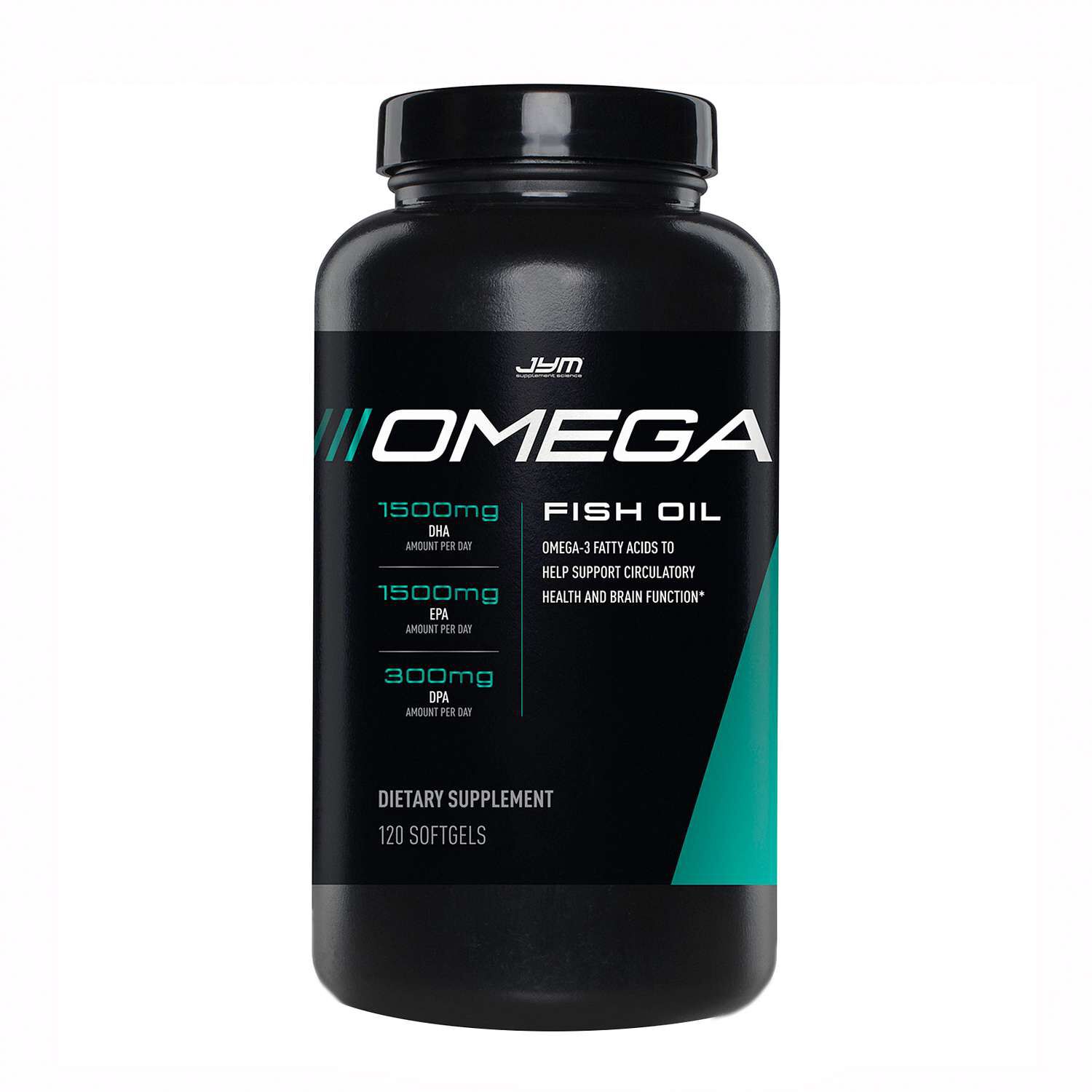


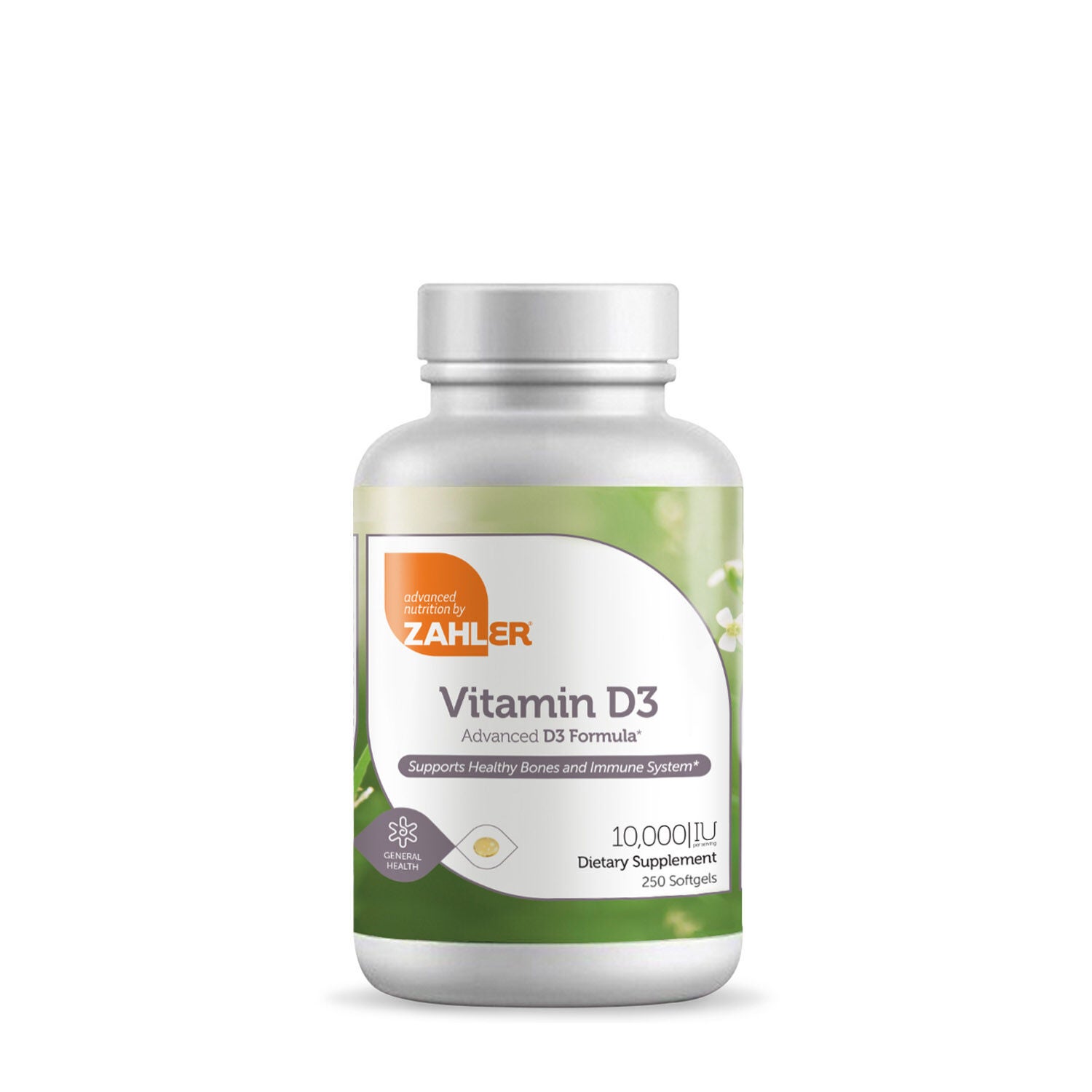
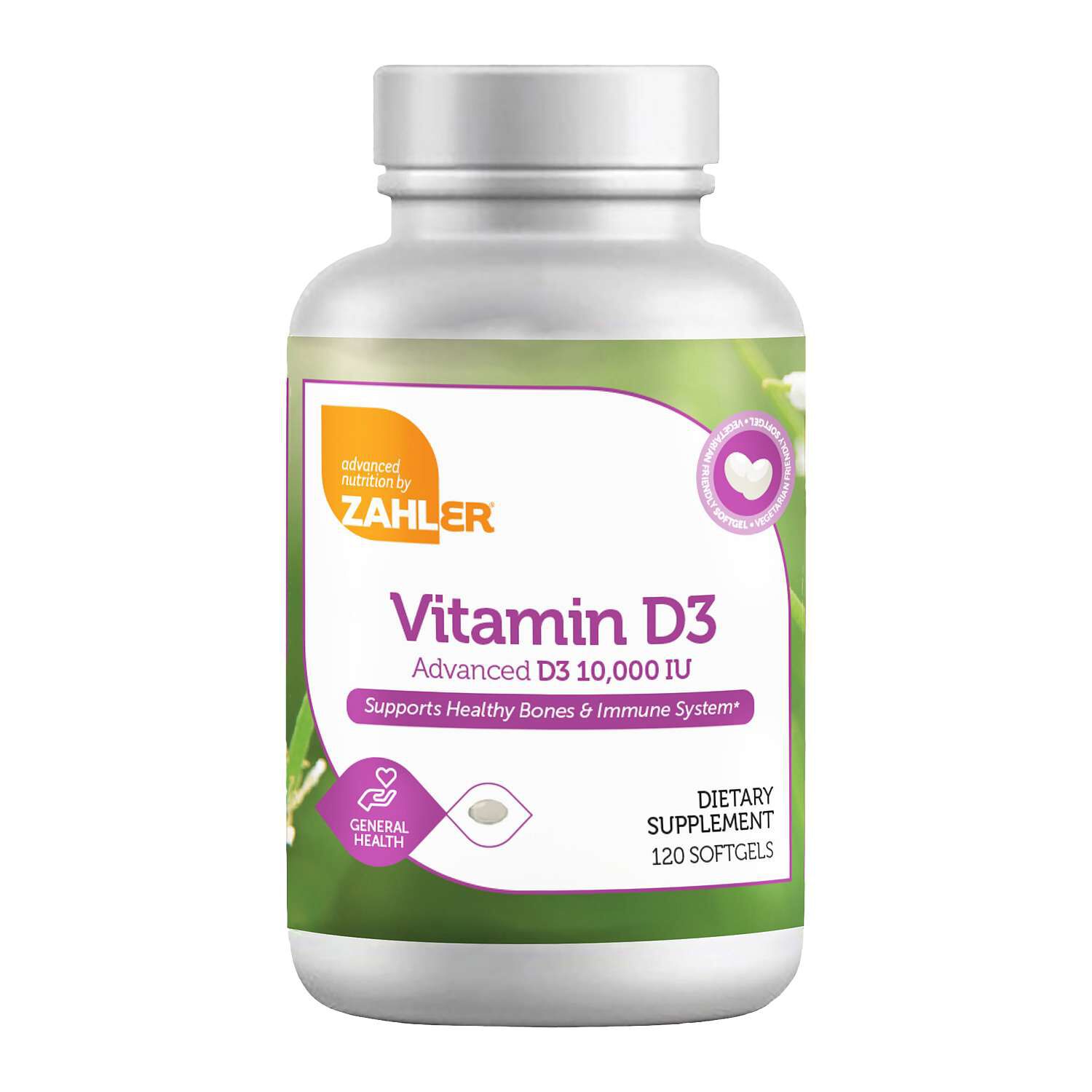


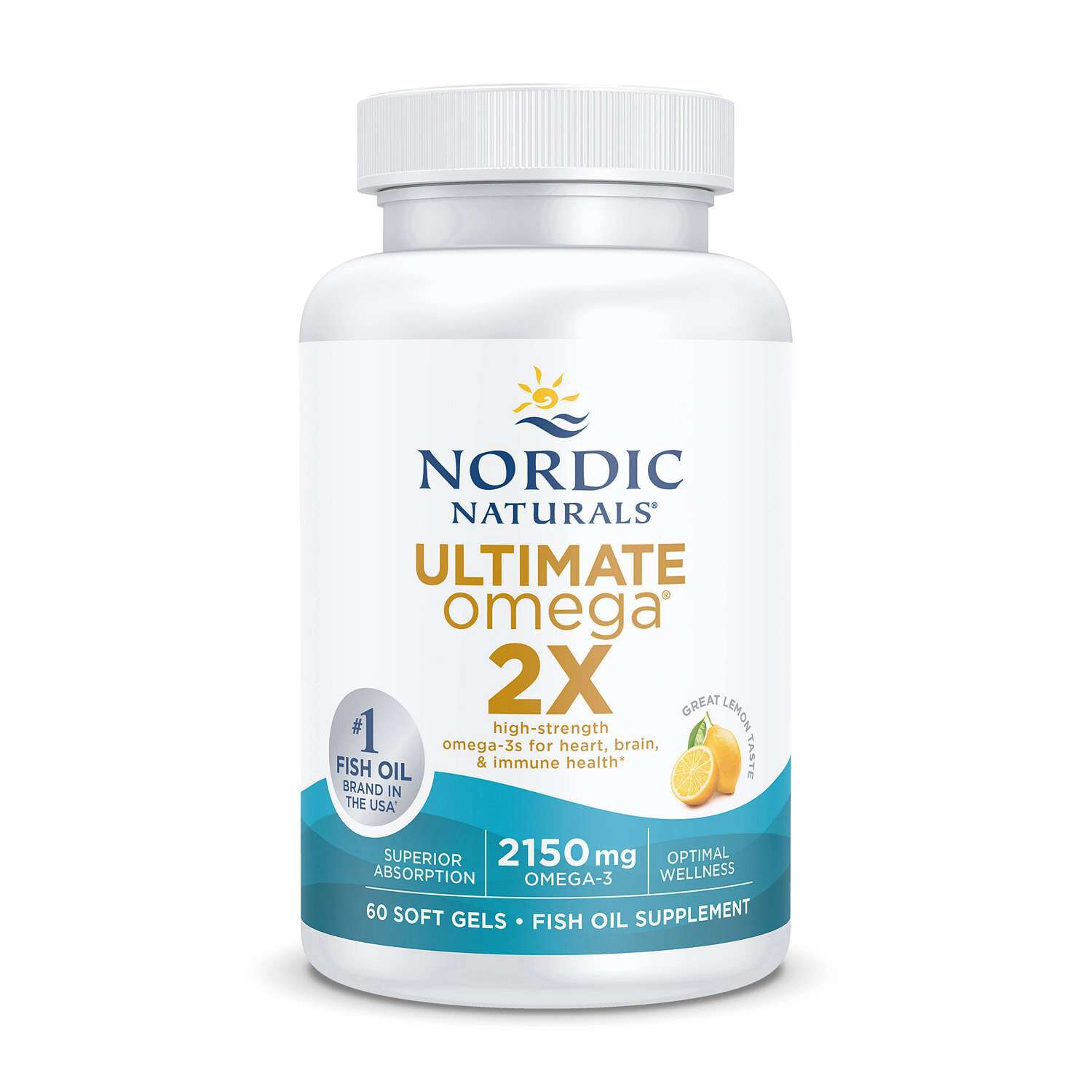

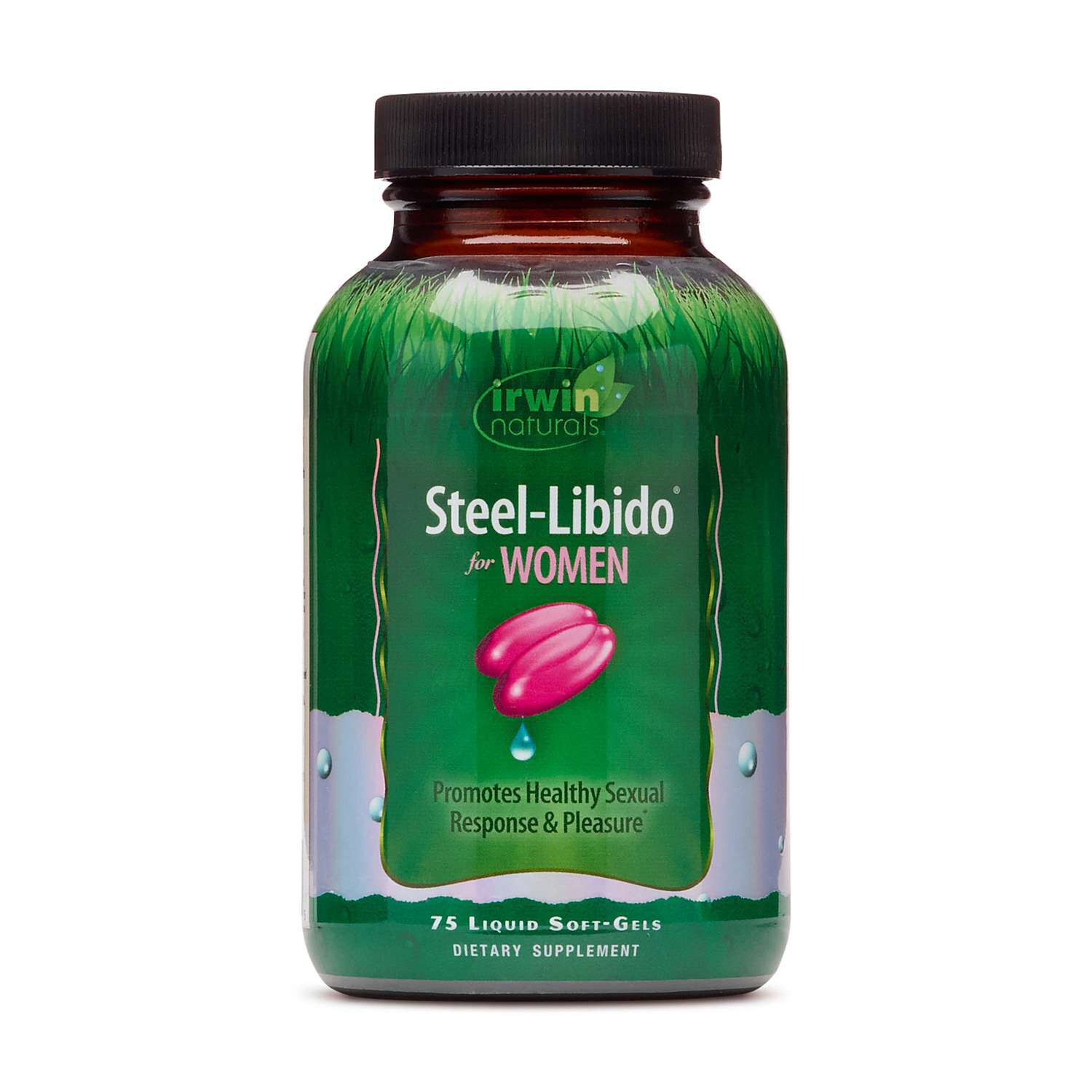
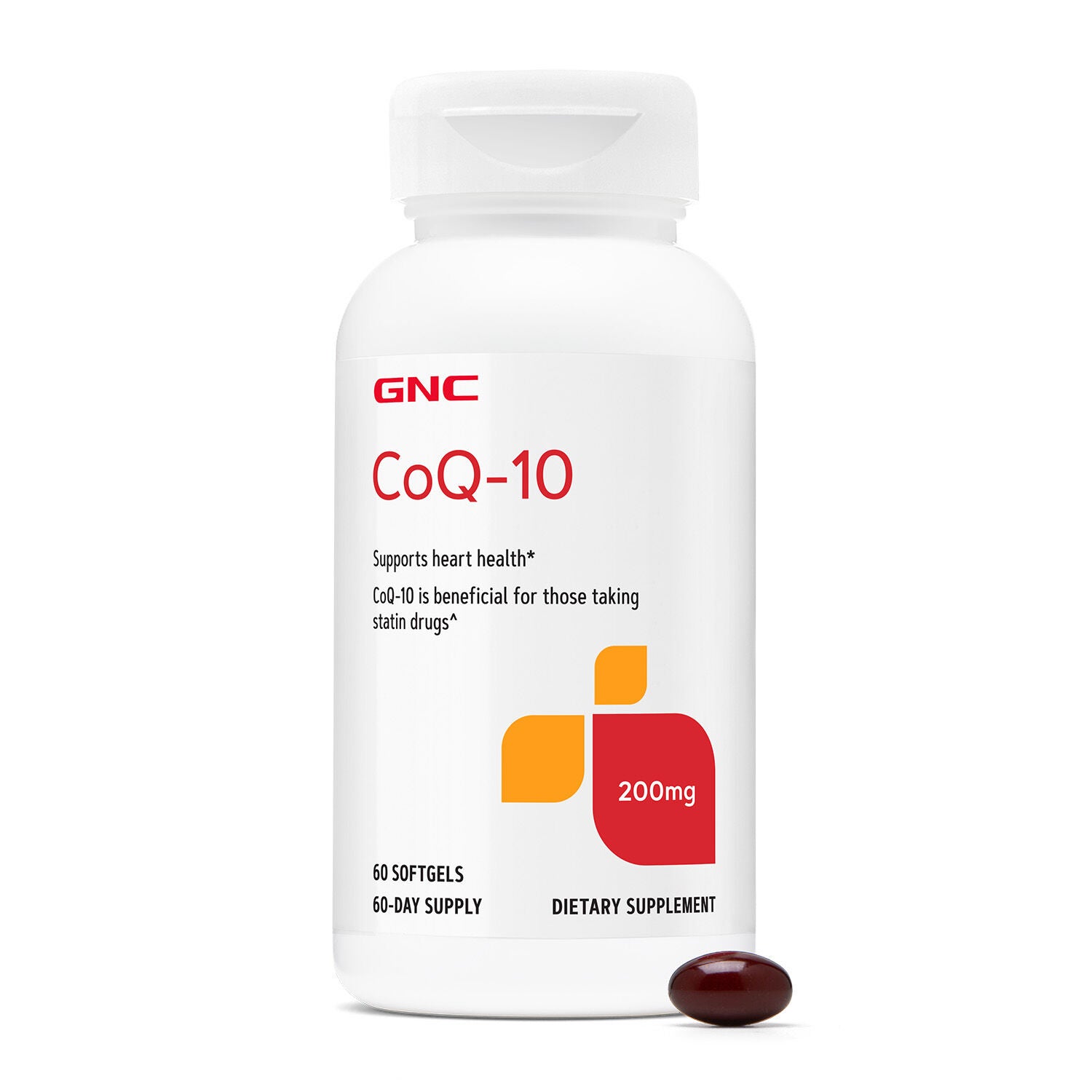
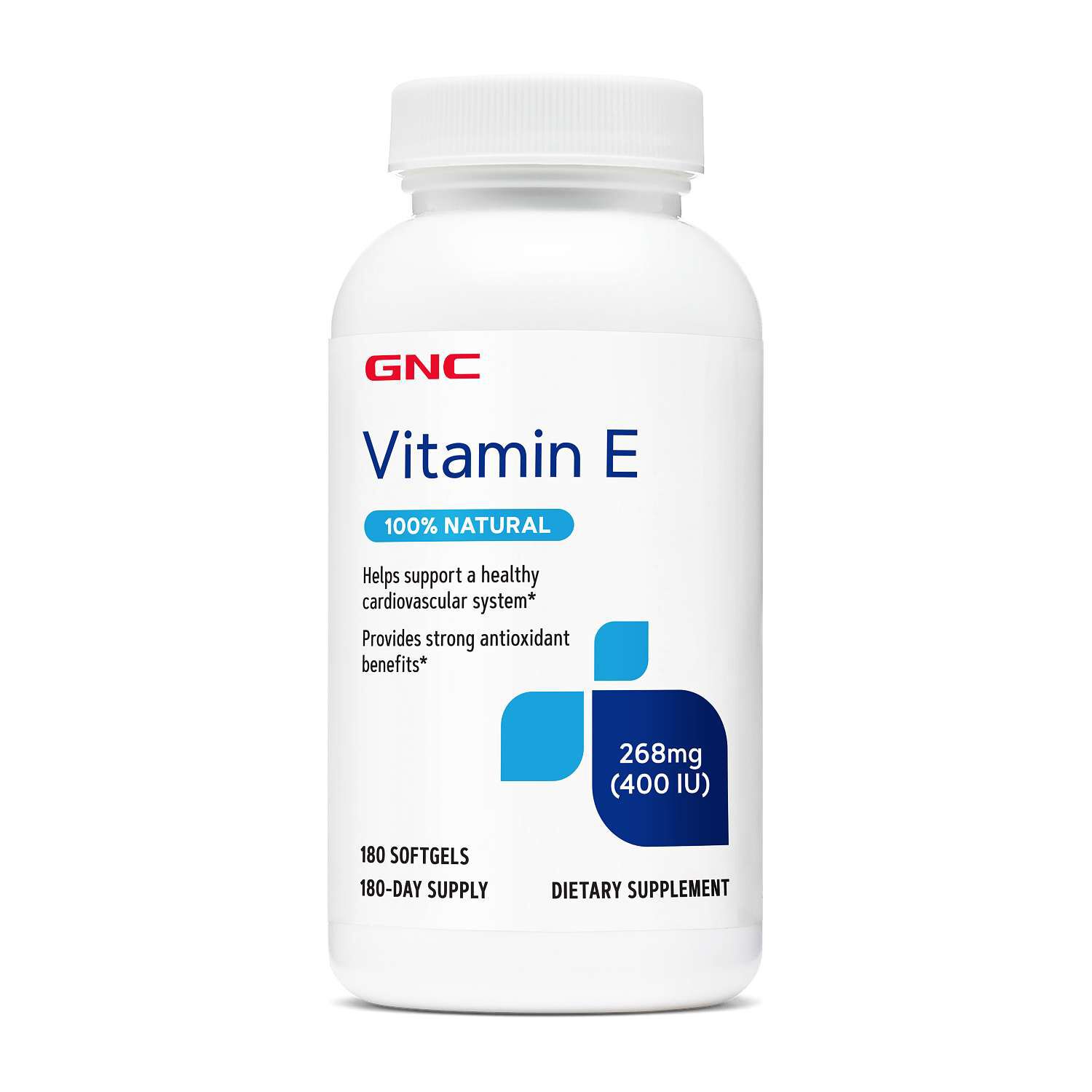

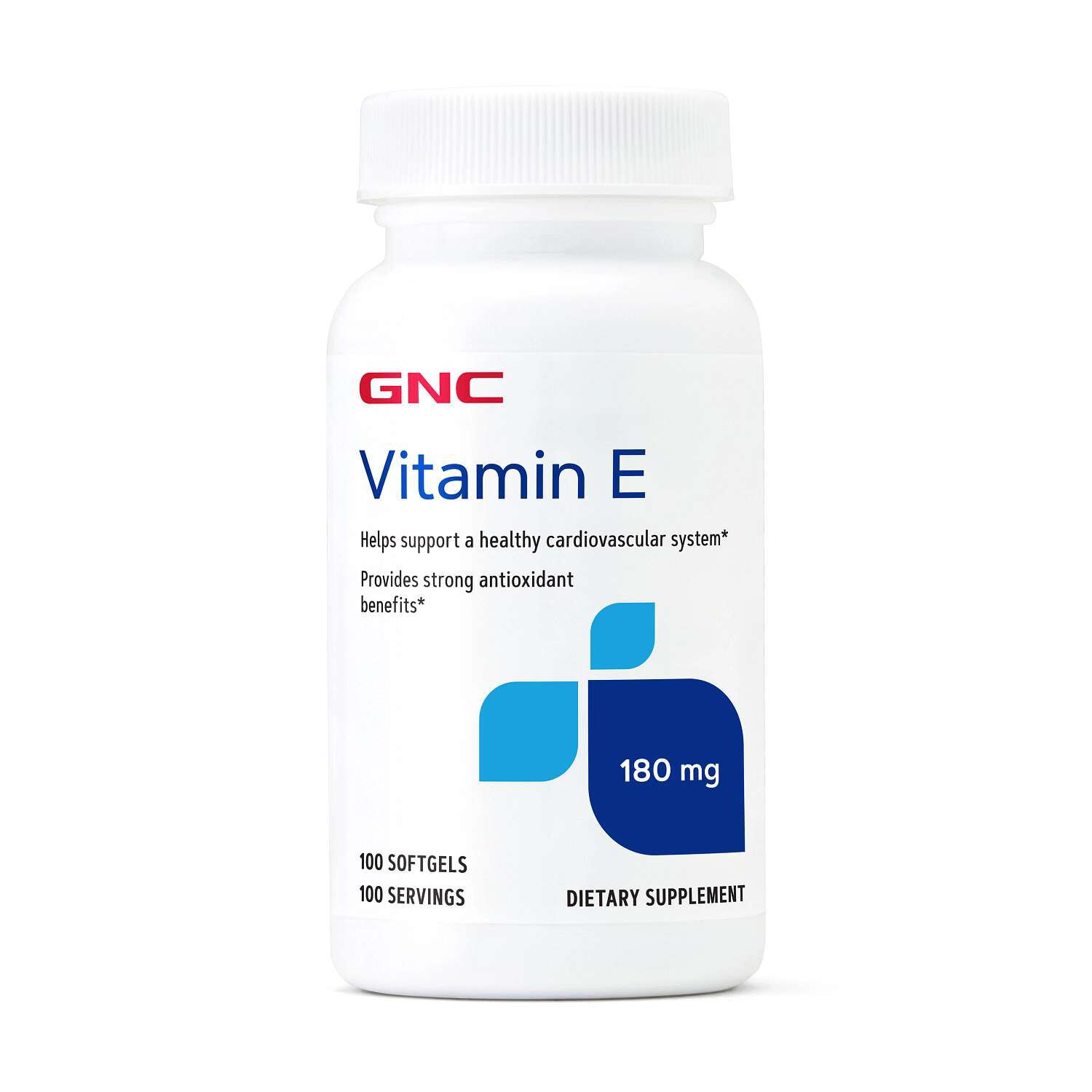
Softgels for adults are supplements with a flexible outer shell surrounding a liquid, oil, or suspended ingredient blend. Their smooth surface and rounded shape distinguish them from hard tablets, two-piece capsules, chewables, and powders. This format is commonly associated with oil-based ingredients, including fish oil, algae oil, and certain vitamins, although the contents vary by formula. For adults who prefer a contained serving without mixing a drink or measuring a powder, softgels may be a convenient option. The shell may also help limit contact with the taste of the filling, though flavor and aftertaste depend on the ingredients and construction. A softgel is a delivery format rather than a category of nutrients: two bottles with similar-looking capsules can have very different purposes, ingredient amounts, and serving directions. Some contain a single nutrient, while others combine several ingredients in one formula. That distinction matters more than the color or shine of the shell. Size also deserves attention, since softgels range from small, rounded shapes to longer oval forms, and a smooth exterior does not mean every adult will find every size comfortable to swallow. Adults comparing formats can consider their own preferences alongside the information on the package, rather than assuming that all softgels feel alike. The liquid filling does not, by itself, establish that a supplement works faster or is a better choice than another format. Ingredient form, formulation, and intended use remain important parts of the comparison. The broader selection of Softgel Supplements provides another way to explore this format while keeping those differences in mind. Whether the preference is for a straightforward single-ingredient option or a blend, the most useful starting point is a clear description of what is inside, how much each labeled serving contains, and whom the formula is intended for. Adult labeling is especially relevant when similar packaging appears across formulas intended for different age groups.
The outer shell is an important part of choosing adult softgels, particularly for shoppers with dietary preferences. Traditional softgel shells often contain gelatin, water, and an ingredient such as glycerin that contributes to their flexibility. Gelatin can come from different animal sources, so the word “gelatin” alone may not answer every sourcing question. Other shells use plant-derived materials, but a plant-derived shell does not necessarily mean the filling meets the same dietary preference. The shell and its contents need separate consideration. For example, an oil sourced from fish and an oil sourced from algae have different origins even when their packaging emphasizes a similar nutrient category. Explicit vegetarian or vegan labeling, ingredient details, and relevant certification information can make those distinctions clearer. The Supplement Facts panel identifies dietary ingredients and their amounts, while the other ingredients list provides information about shell materials, carrier oils, colors, and additional formulation components. Allergen statements are another part of that picture. Beyond materials, fit means finding packaging, dimensions, and a serving format that suit an adult’s established routine. A bottle count is not the same as a serving count: a package containing 90 softgels represents a different number of servings when the labeled serving is one softgel versus three. Likewise, an amount highlighted on the front may refer to the full serving rather than a single capsule. With oil-based formulas, the weight of the oil and the amounts of particular nutrients within that oil can be listed separately. Comparing the same measurement across labels gives a more meaningful view than comparing prominent numbers alone. Clear package photographs, readable ingredient panels, and any stated capsule dimensions can help narrow the selection. Someone who dislikes mixing powders may value the contained format, while someone who prefers fewer pieces per serving may pay closer attention to serving size. These are practical differences, not reasons to treat one format as universally better than another.
Care and packaging deserve just as much consideration as the contents, because a softgel’s flexible shell has different handling needs from a rigid tablet. Storage directions on the bottle are the appropriate reference for the formula, including any instructions about moisture, light, or keeping the container tightly closed. Original packaging keeps the ingredient information, lot details, and expiration date together, which can be useful when several supplements share a cabinet. A clearly labeled bottle also makes it easier to distinguish similar amber or golden softgels without relying on appearance. For adults who use a pill organizer or carry supplements away from home, the product’s storage instructions remain relevant; not every container offers the same protection as the original bottle. Softgel durability is best understood as maintaining the shell and filling under the stated storage conditions, rather than expecting the capsule to withstand rough handling. Package seals, closure design, and legible labeling are worthwhile details to notice when comparing options. Standard softgels and versions specifically labeled as chewable are distinct formats, so shape alone is not a basis for deciding how a supplement is intended to be used. The package directions explain the intended method and serving details without requiring assumptions based on another bottle. Everyday suitability also includes how easily the label can be read, how clearly the serving information is presented, and whether the ingredient sourcing aligns with the shopper’s preferences. An adult with a well-established supplement routine may be looking for a familiar format, while someone comparing formats for the first time may prioritize shell size and straightforward labeling. Supplements are personal purchases, so selecting them for another adult calls for knowing that person’s stated preferences rather than guessing from age or lifestyle. Across these situations, thoughtful comparison comes back to a few concrete characteristics: the nutrient or blend, the amount per serving, the shell and filling materials, the number of softgels in a serving, and the package’s intended-use and storage information. Together, those details offer a grounded way to browse softgels for adults without treating similar appearances as evidence of similar formulas.

