Spring Slimming Products
(0 Results)
Spring brings a fresh start and an opportunity to reset your wellness routine. Spring slimming products could support your seasonal goals, offering a variety of options designed to fit into an active lifestyle. Whether you’re looking to enhance your daily regimen or explore new ways to feel your best, these selections may help you step confidently into the new season. Discover how spring slimming products might complement your journey toward feeling revitalized and energized.

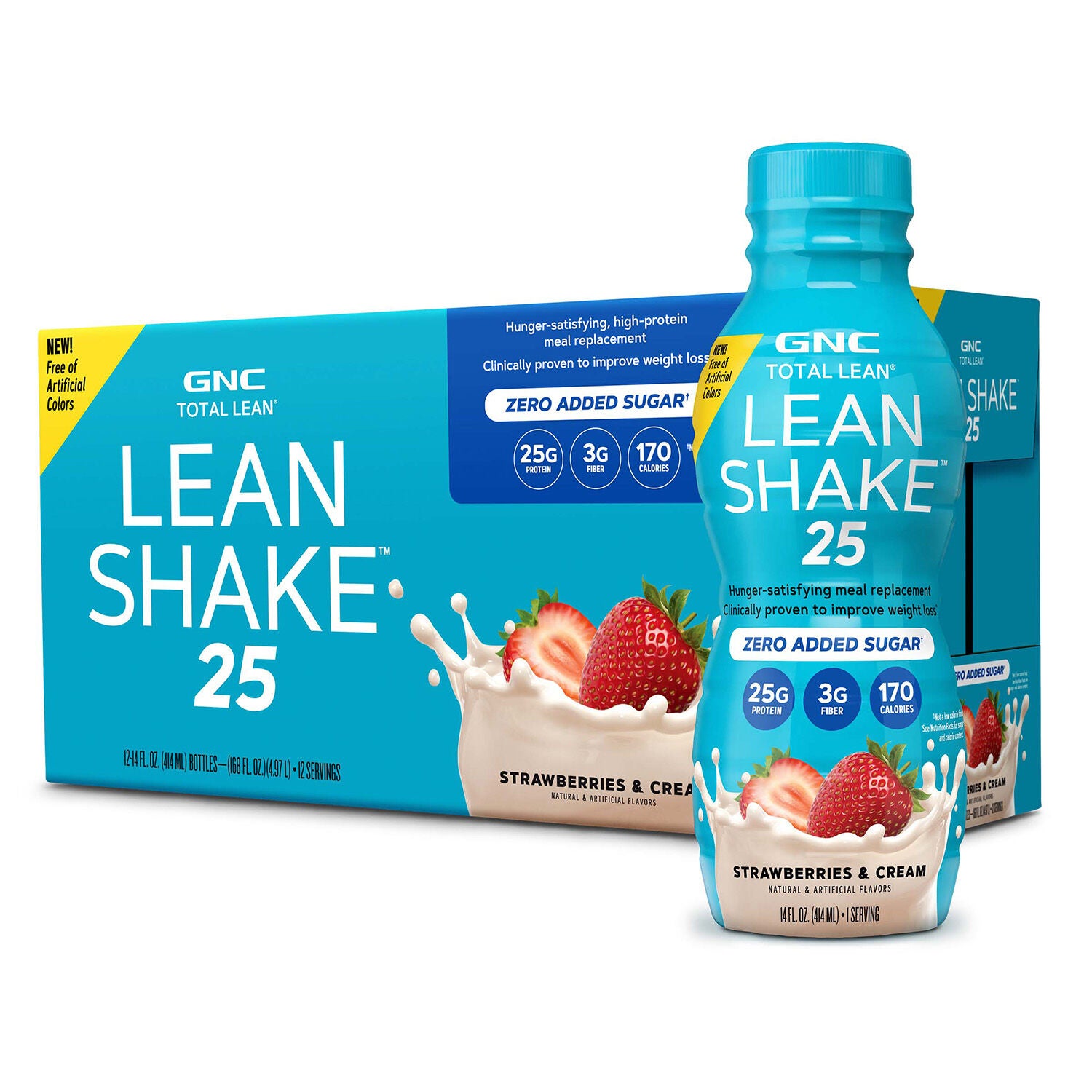
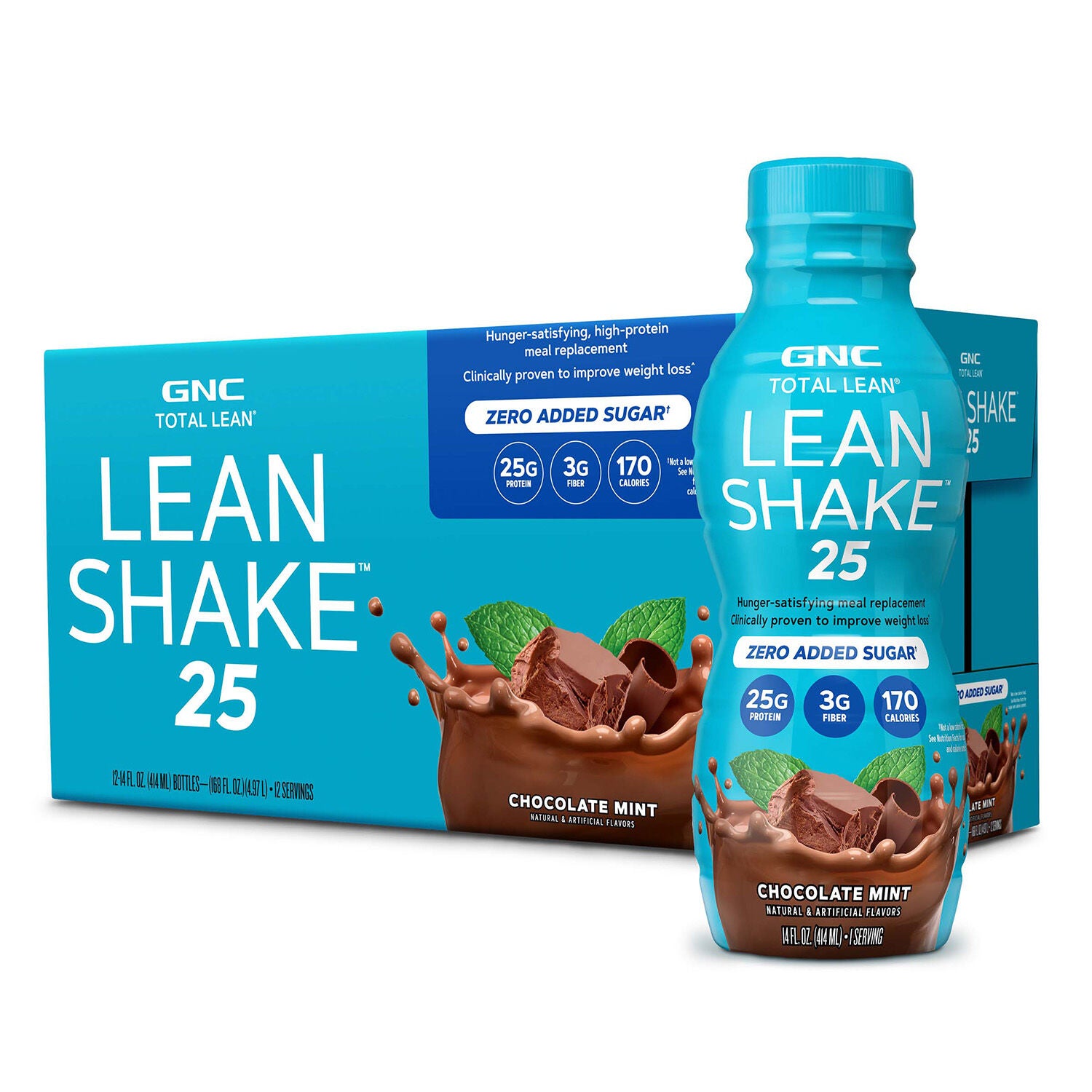
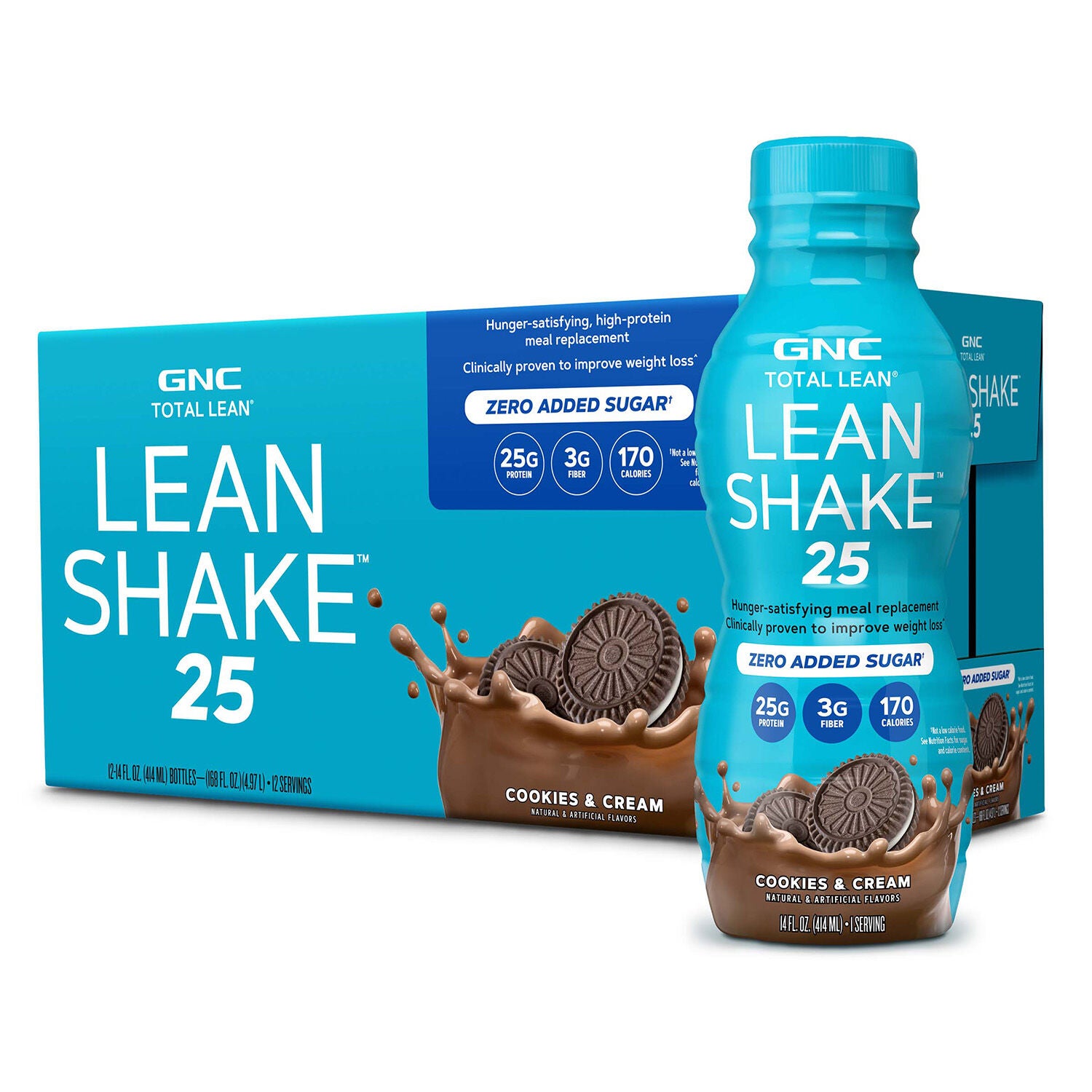
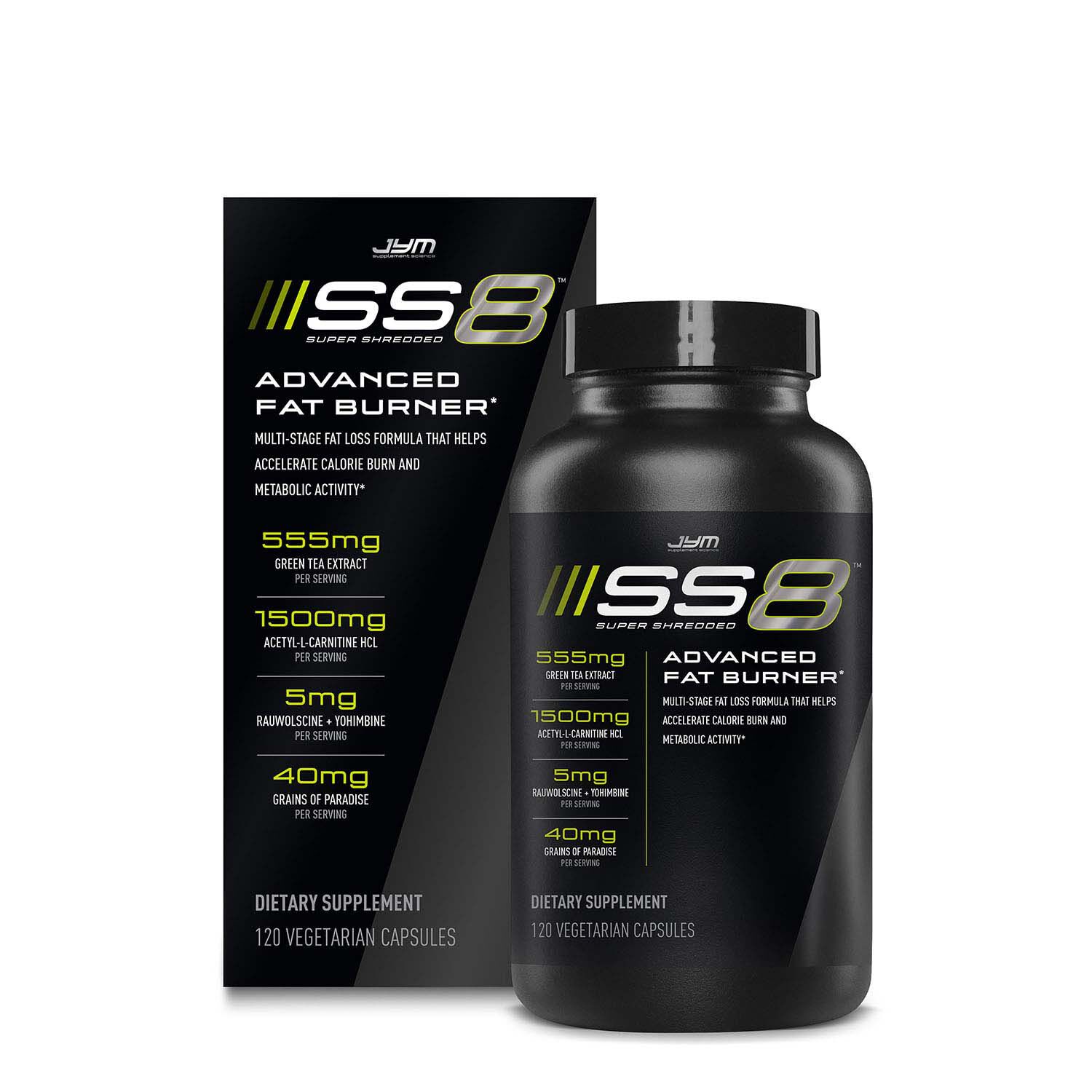
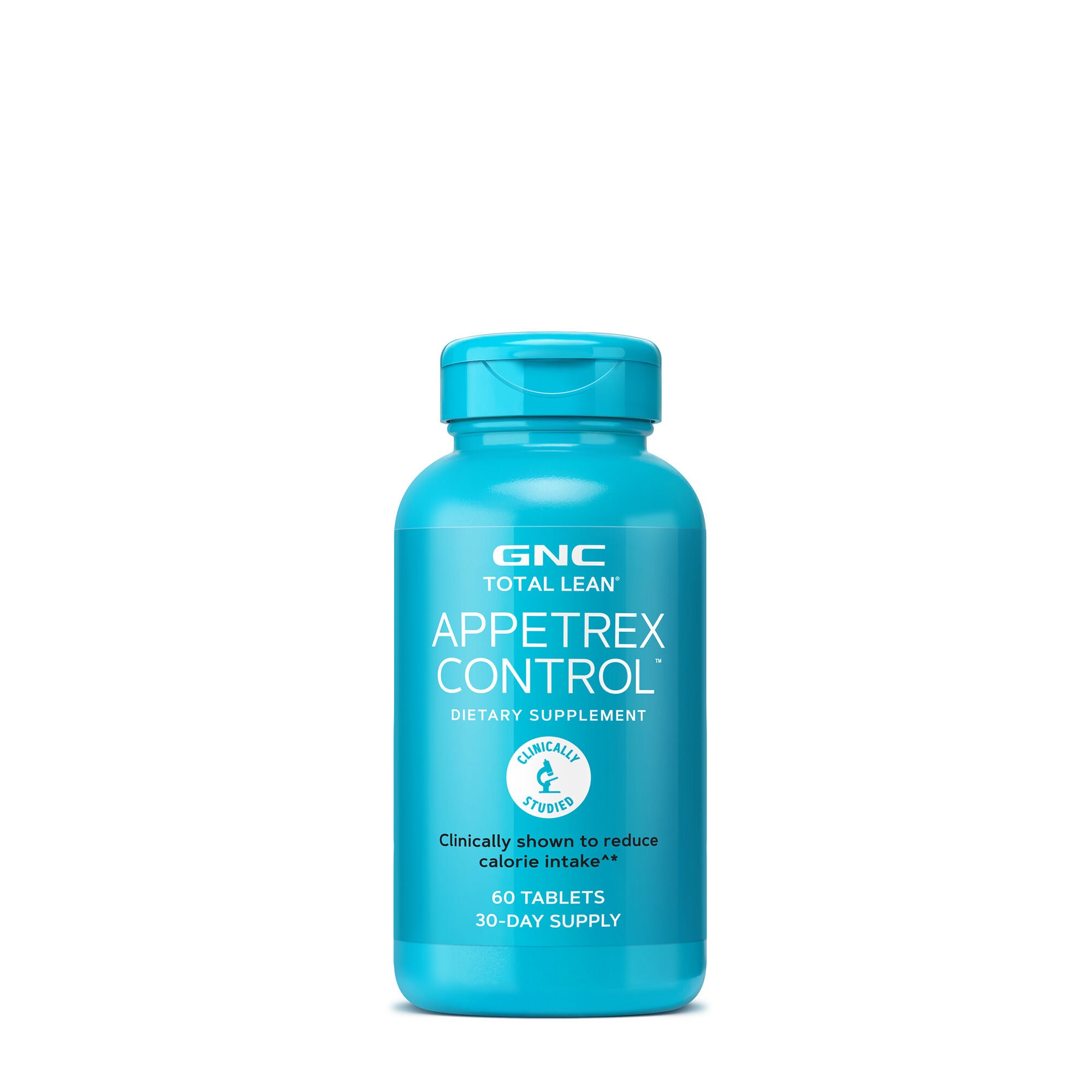
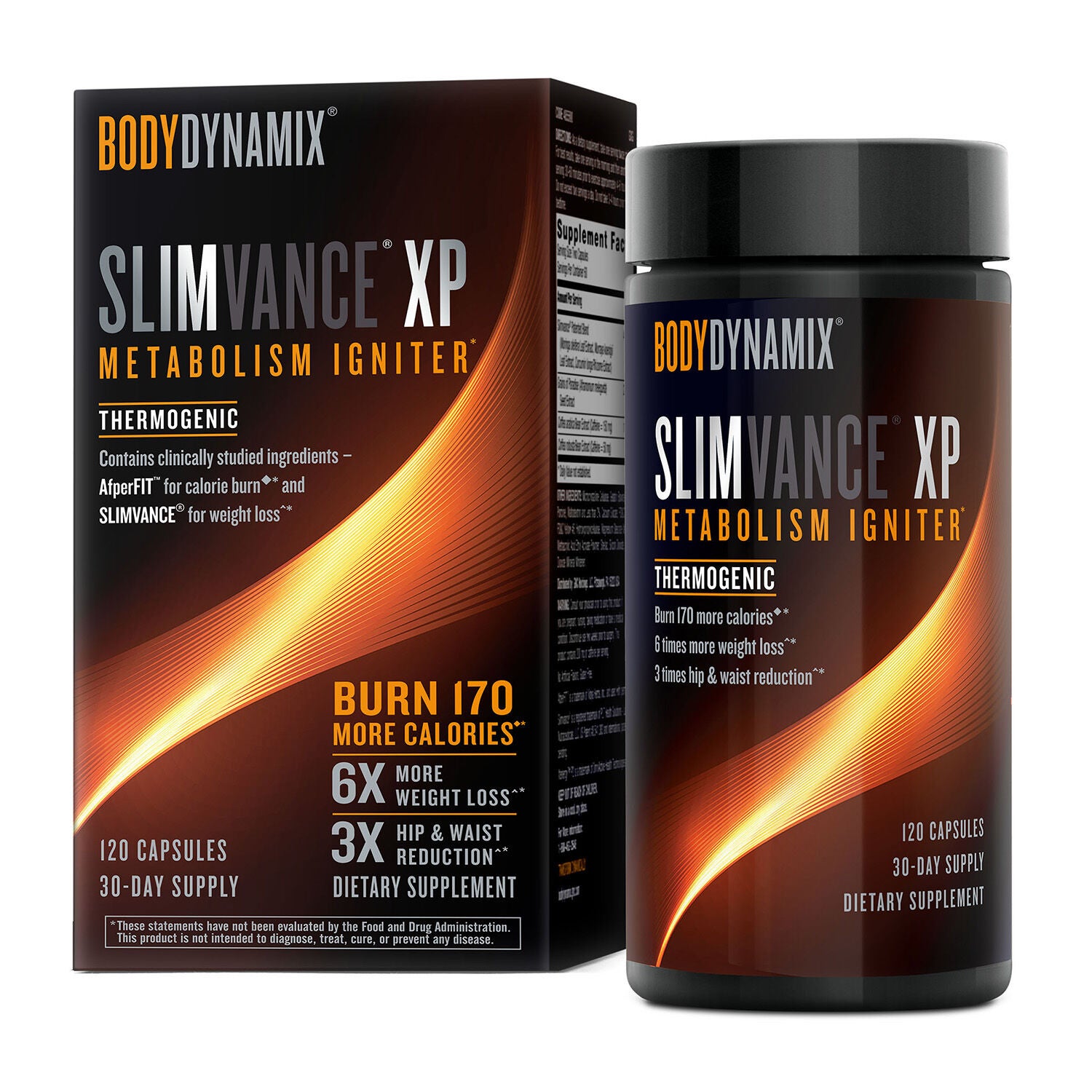


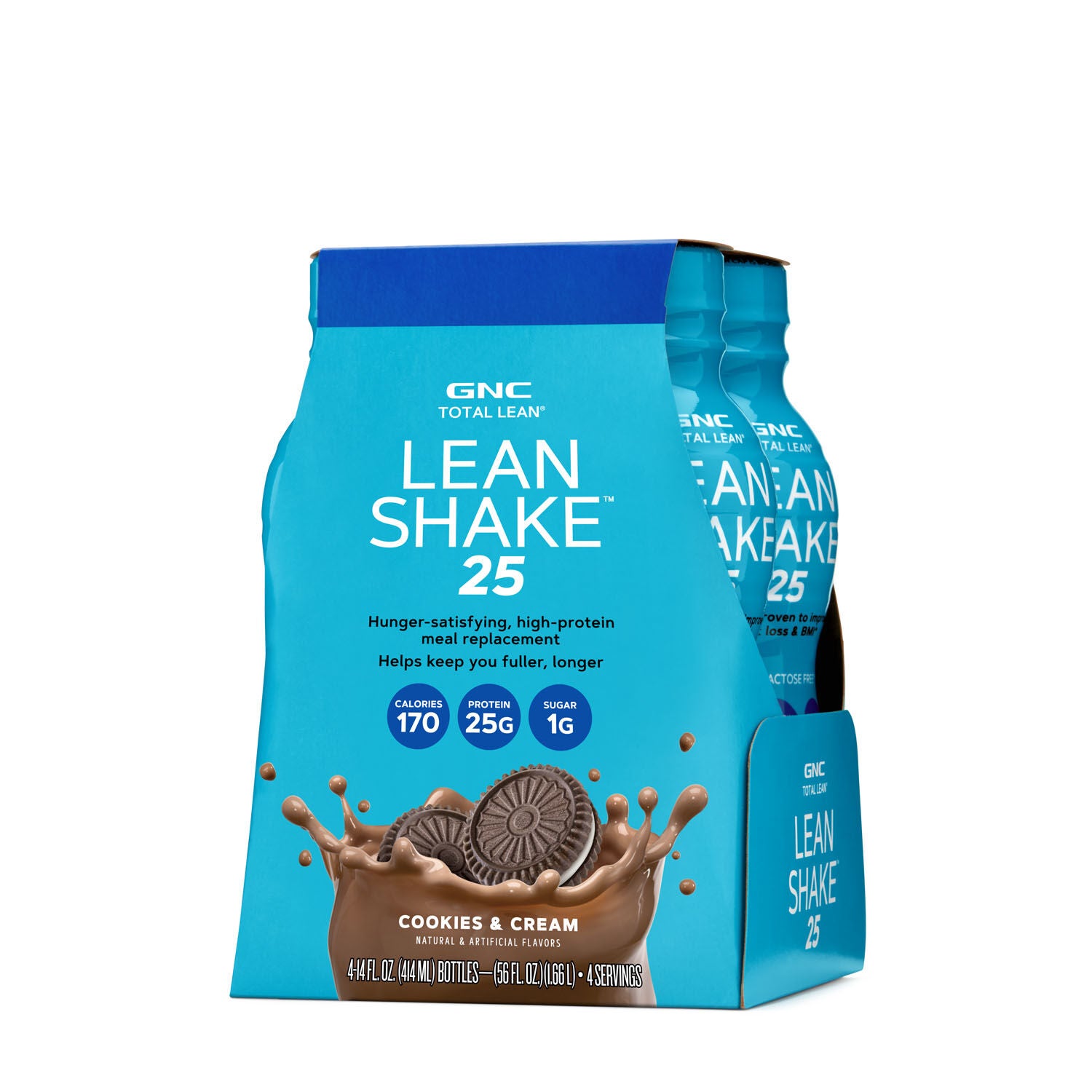
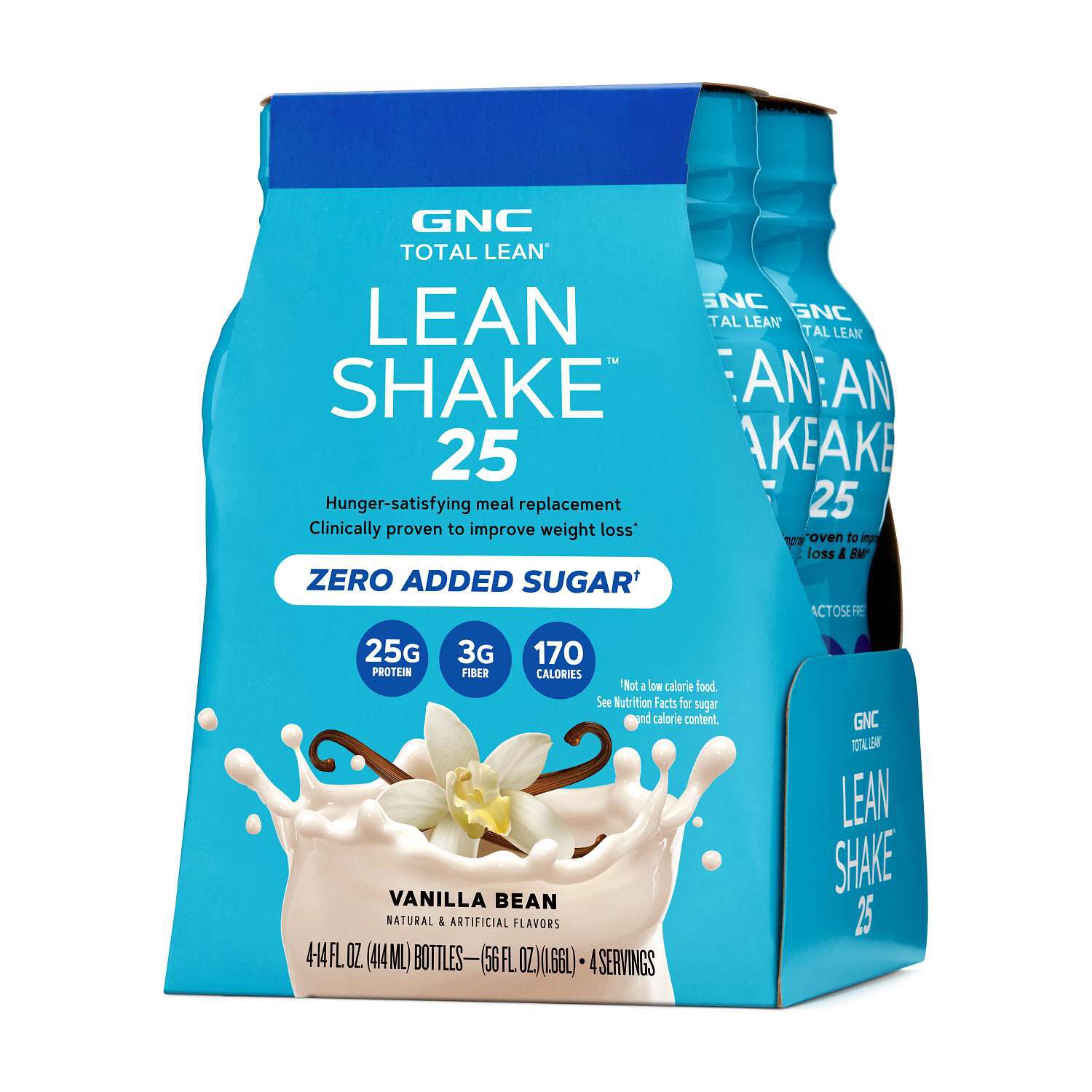
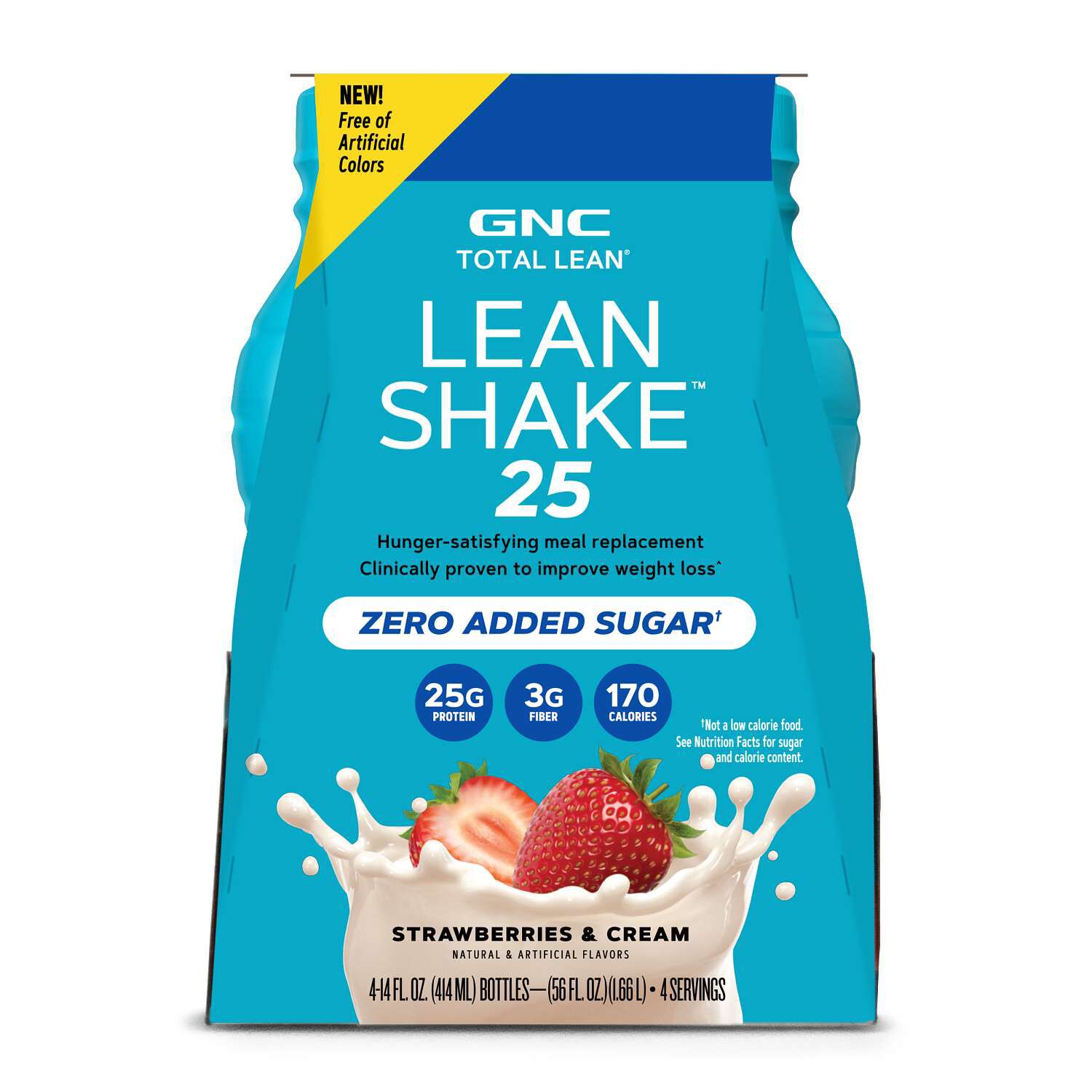
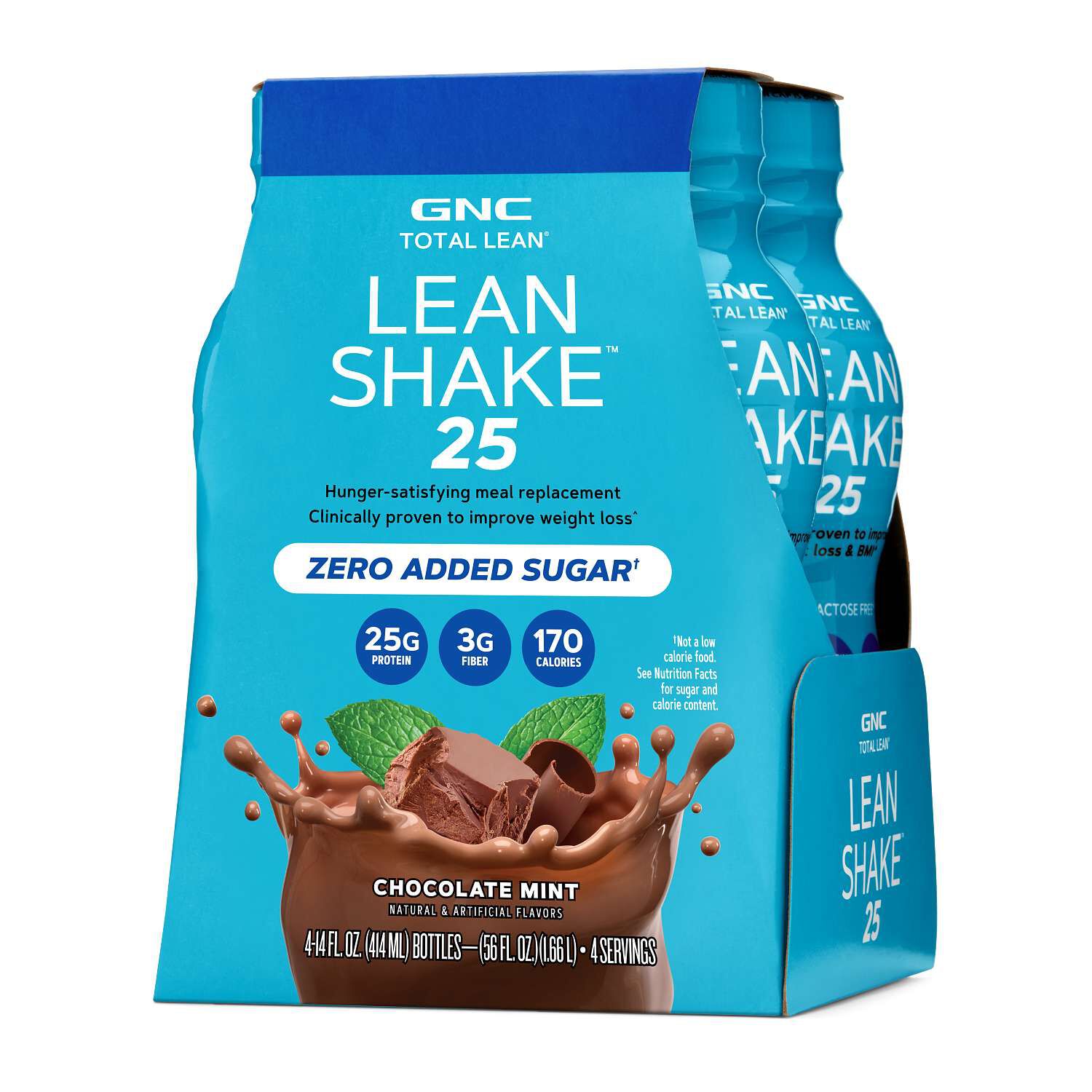

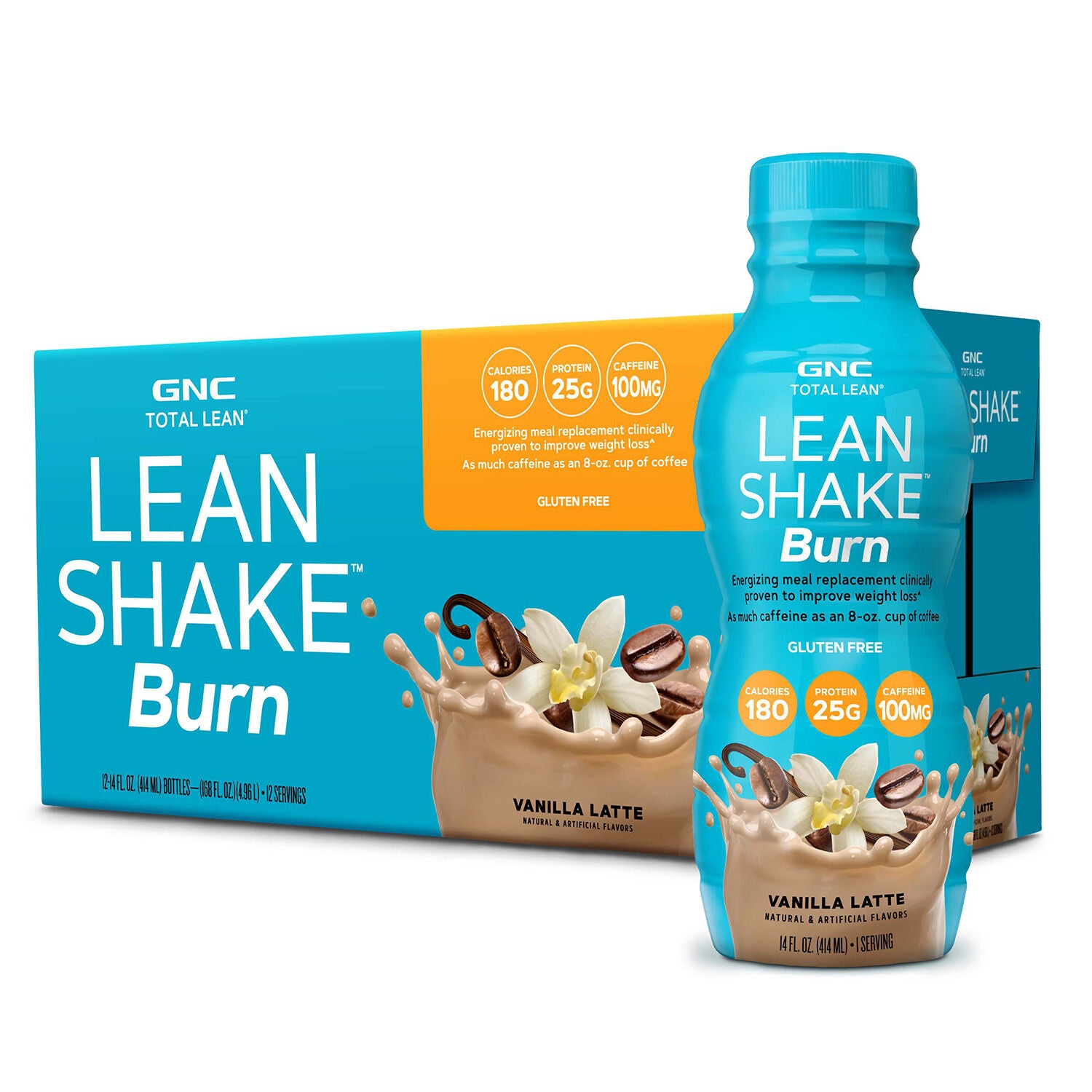


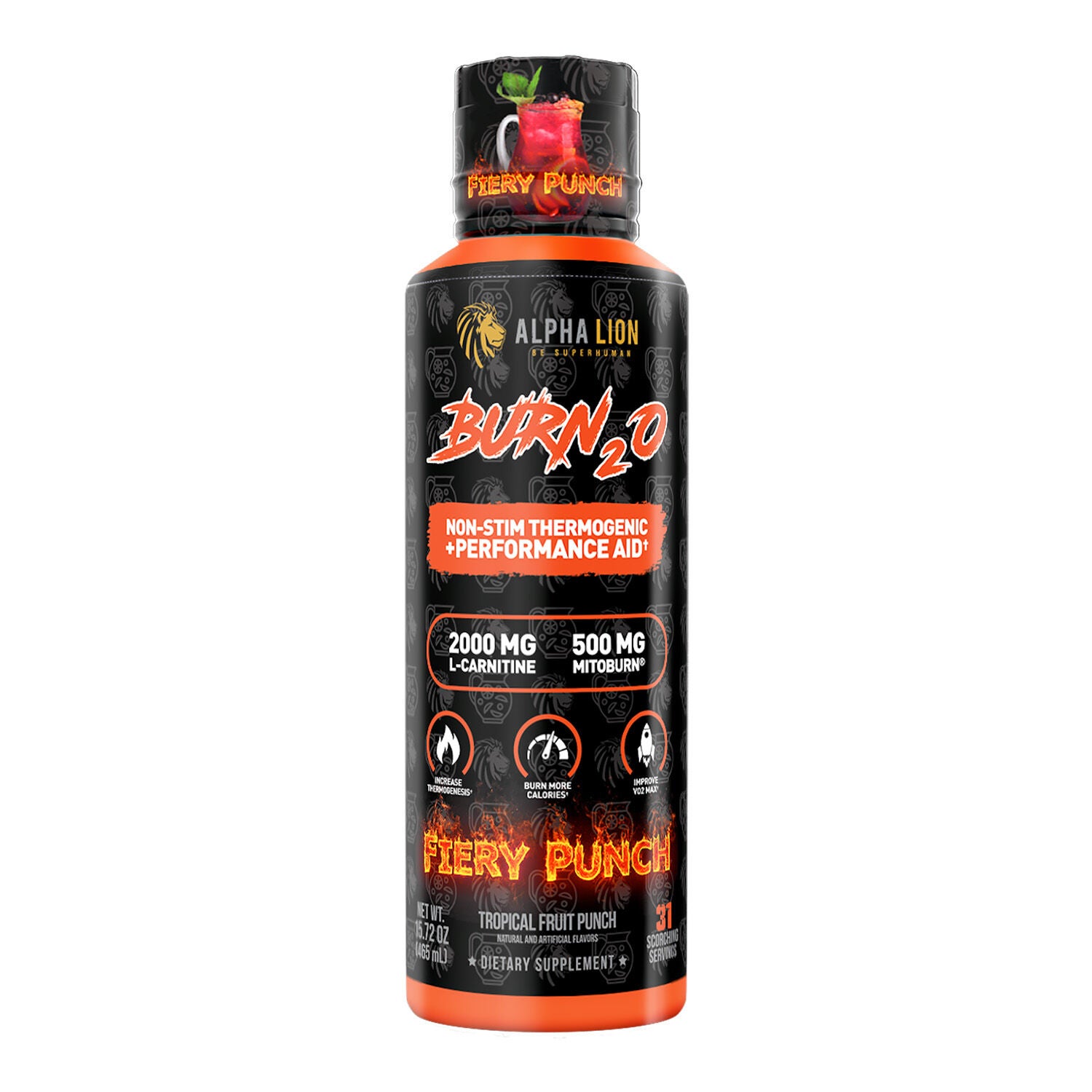
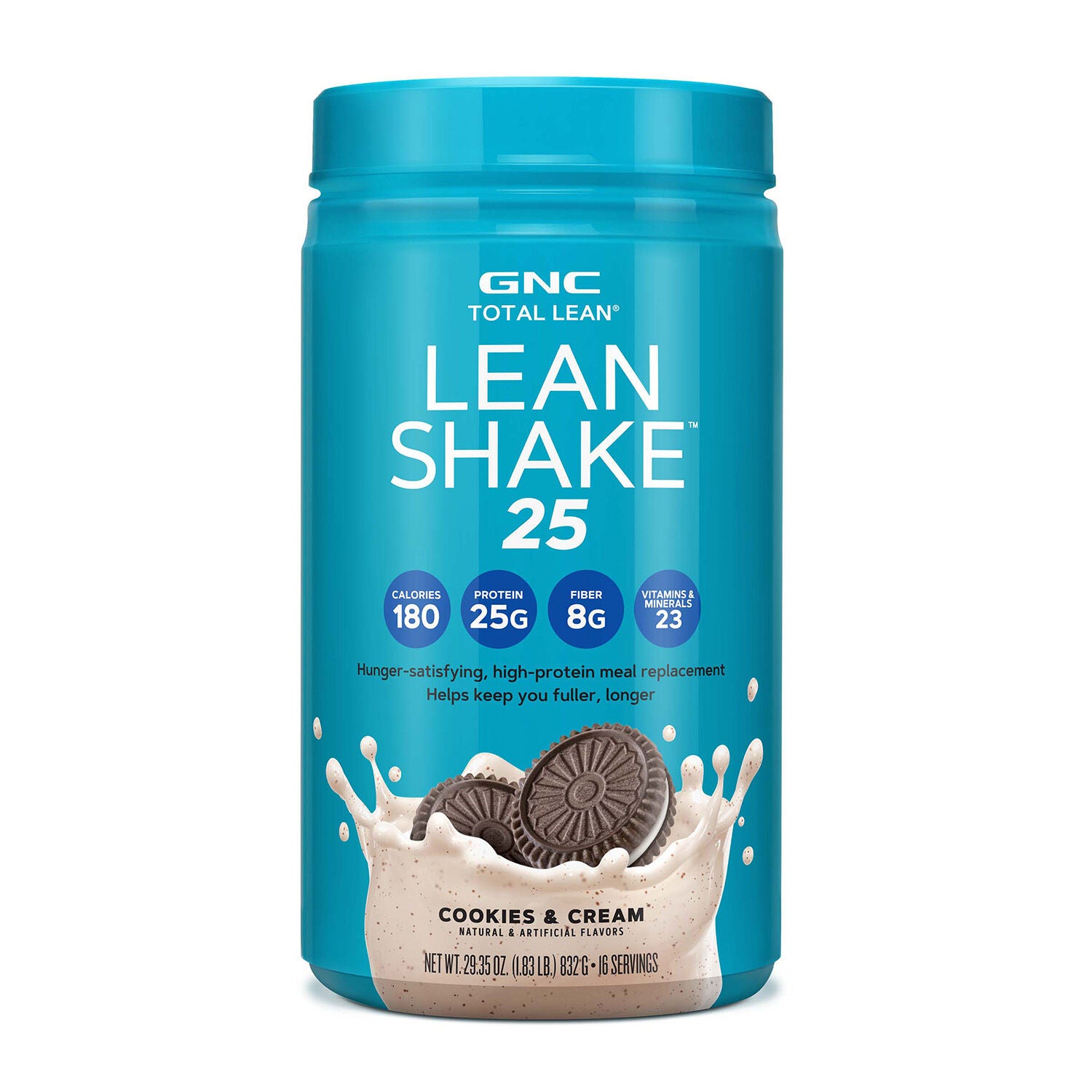
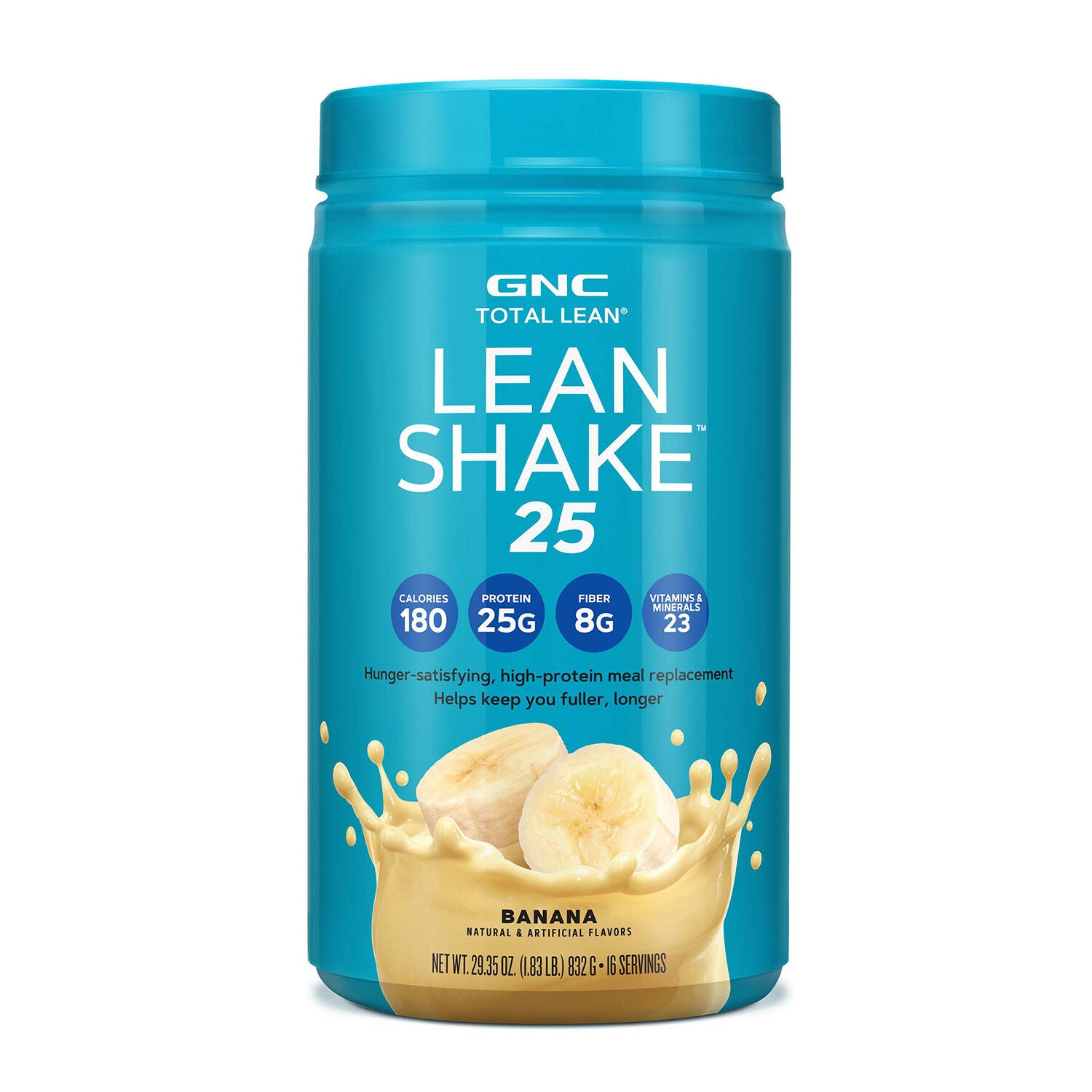
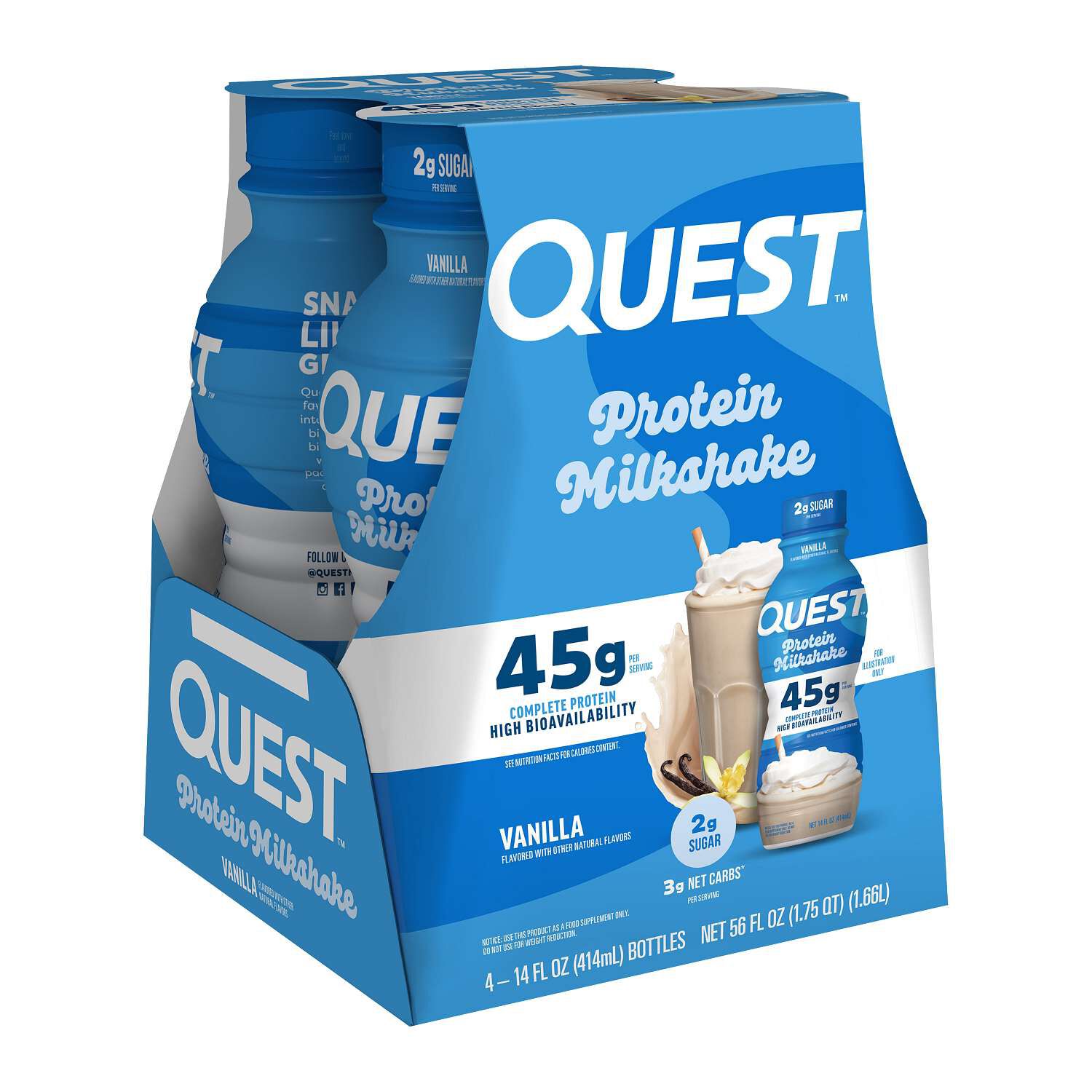
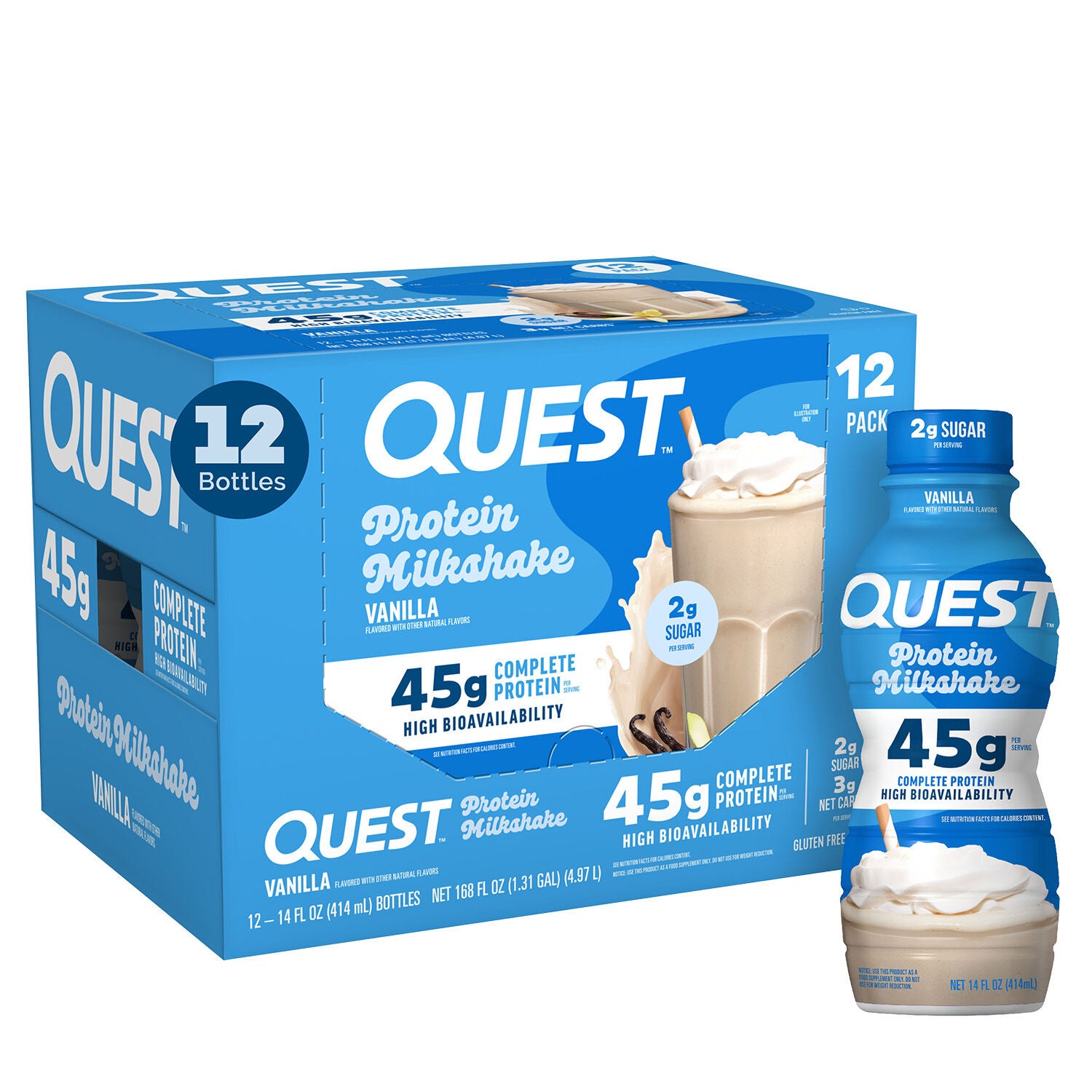
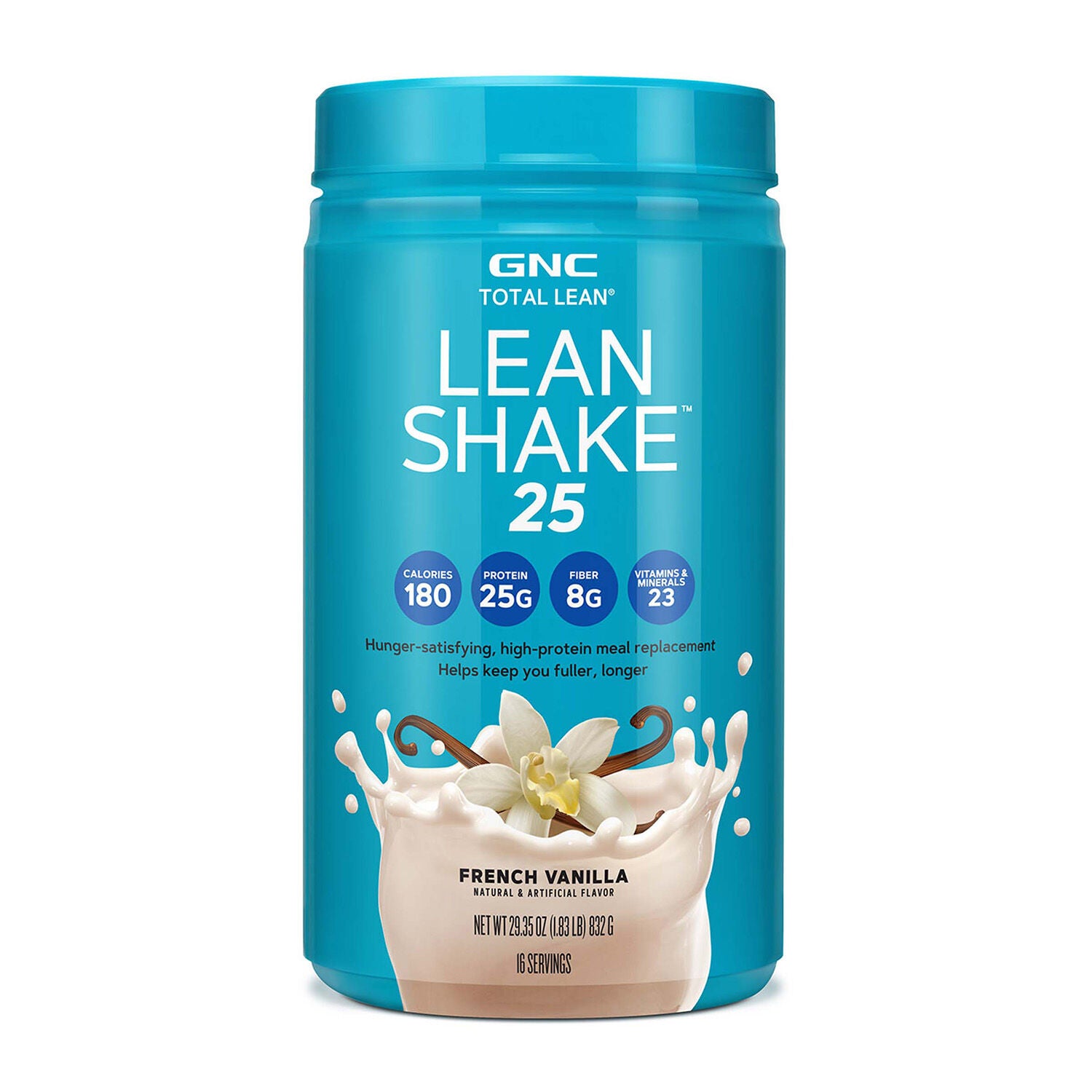
Spring slimming products include dietary supplements and nutrition powders marketed for weight management, with formats such as tablets, capsules, gummies, and drink mixes. For adults planning a spring-focused routine, the differences between these formats often matter as much as the wording on the front of the package. Someone returning to regular neighborhood walks may prefer a straightforward tablet format, while a person packing breakfast before an early commute may be more interested in a powder that fits into an established meal routine. Spring activities can range from gardening and weekend outings to recreational sports, so there is no single schedule or product format that suits every shopper. This category brings together options with different ingredients, serving sizes, preparation requirements, and intended uses. Some formulas contain botanical ingredients, while others feature nutrients or combinations of ingredients identified on the label. Nutrition powders also vary in their protein content, carbohydrate content, flavoring, and suggested preparation. These distinctions provide a more useful basis for comparison than a seasonal name alone. A product described as a slimming supplement is not necessarily designed for the same purpose as a protein powder, and similar-looking packages can contain substantially different formulas. Weight management products are not substitutes for varied meals, and a product name does not establish a particular outcome. Their place in an adult’s routine depends on the labeled use and personal preferences, rather than the assumption that every option works in the same way. For spring plans that include outdoor lunches, longer walks, or days spent away from home, practical details such as portability and preparation can become especially relevant. The most meaningful distinctions remain concrete: what the formula contains, how much is in a serving, how the product is used, and whether its format fits the routine already in place. A familiar flavor or compact package may make one option more appealing, but neither describes the ingredient amounts or the suitability of the formula itself.
Tablets and capsules are familiar formats for shoppers who prefer products without mixing or flavor selection. Tablet dimensions, capsule materials, and the number of pieces in a labeled serving can differ, even among products with similar descriptions. A bottle containing many tablets does not necessarily contain the same number of servings, since the serving directions determine how many tablets belong to one serving. Shoppers interested in botanical ingredients and solid formats may also explore Natural Slimming Tablets while comparing ingredient sources and package directions. The term natural does not, by itself, explain the composition of a formula, its intended use, or its suitability for a particular person. The ingredient list provides those more specific details. Capsule shells may use gelatin or plant-derived materials, and vegetarian preferences involve both the shell and the ingredients inside it. Gummies offer a chewable format, with differences in texture, flavor, serving count, and sugar content. Their candy-like appearance does not change their labeled purpose as supplements. Powders have a different set of practical characteristics: some are flavored, some are unflavored, and preparation directions may specify a particular amount of liquid. A powder mixed with water can have a different texture and nutritional profile from the same powder prepared with milk or another beverage. For someone who packs a shaker beside a lunch container, mixing requirements and the size of the container may influence everyday convenience. For someone who prefers breakfast at home, a scoop-based format may fit more naturally into an existing kitchen routine. Ingredient information also matters for shoppers with dietary preferences or restrictions. Milk, soy, and other declared allergens, along with sweeteners, colors, and flavor ingredients, can distinguish one formula from another. Botanical formulas may list a plant’s name, the part used, and whether the ingredient is an extract. Individual ingredient amounts offer additional context where they are disclosed. None of these details requires a dramatic product description; they are the ordinary label facts that explain what a shopper is comparing and how the formats differ.
Packaging, storage, and handling are also part of the intended use of spring slimming products. Unlike apparel or exercise equipment, supplements are not evaluated by physical fit or fabric durability; their practical characteristics include container design, serving tools, package integrity, and the storage directions printed on the label. Bottles, resealable pouches, and individual packets each have different handling requirements. A screw-top bottle has a different closure from a pouch with a resealable opening, while a powder container may include a scoop measured for that formula. Scoop dimensions are not interchangeable across products, and a serving described by weight provides a different measurement from an ordinary kitchen spoon. Storage directions often specify a cool, dry location, which makes a home cabinet a different setting from a vehicle or a bag left outdoors. This distinction is relevant to spring outings without making the season itself a reason to change a product’s use. Original packaging retains ingredient information, serving directions, and date markings that can be lost when contents are transferred to another container. Tamper-evident packaging and readable labels are additional physical details shoppers may notice when comparing formats. Caffeine information, where applicable, is another useful distinction between formulas, particularly for adults whose usual day already includes coffee or tea. Serving directions, cautions, and intended-user statements belong to the individual product rather than the category as a whole. A seasonal collection name does not replace those details. Spring weight management routines are personal, and products in this category are best understood through their actual ingredients and labeled purpose, not assumptions about appearance or rapid changes. For one shopper, the relevant comparison may be between a chewable format and a tablet; for another, it may be between a flavored powder and an unflavored option. Familiar preparation, clear labeling, and suitable packaging may make a product easier to incorporate into an established routine. The spring connection provides context, while the formula, serving information, and everyday handling describe the product itself.