





Strength Complex Vitamin Packs
(0 Results)
Strength complex vitamin packs offer a convenient way to support your daily wellness routine. Designed for those with active lifestyles, these packs may help you stay on track with your nutritional goals. Explore a range of options that fit seamlessly into your busy day—strength complex vitamin packs could be the boost you’re looking for to complement your balanced diet and fitness journey.
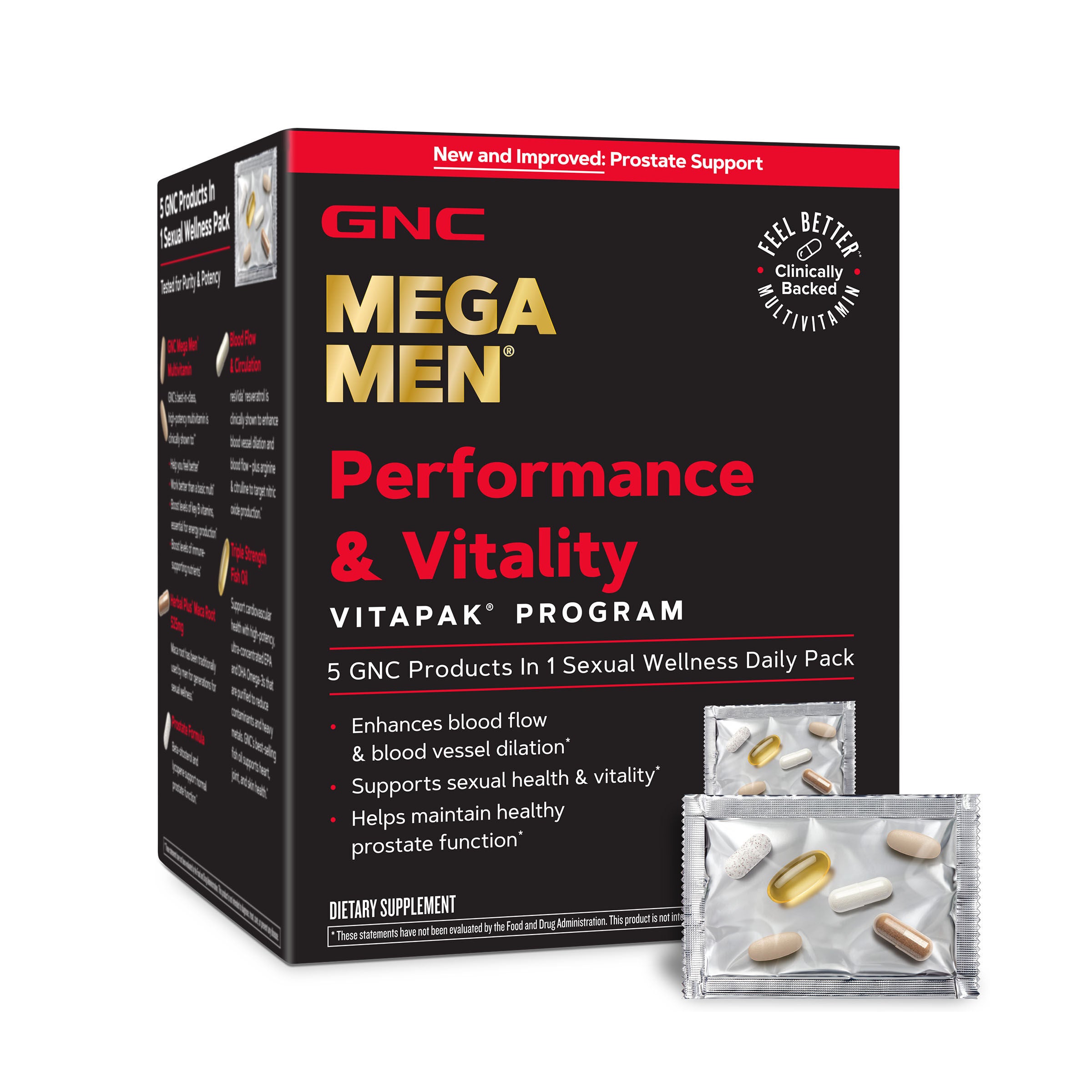
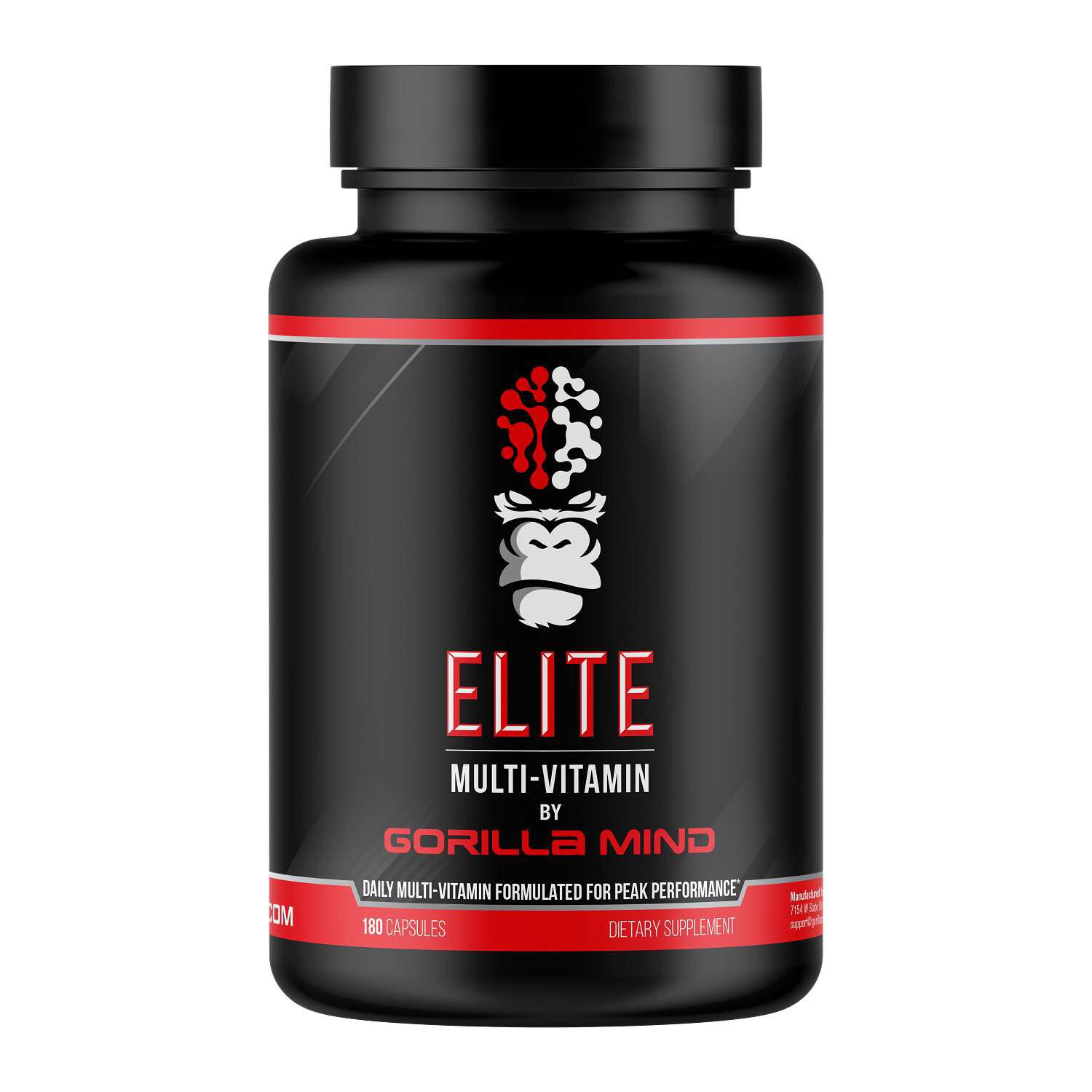



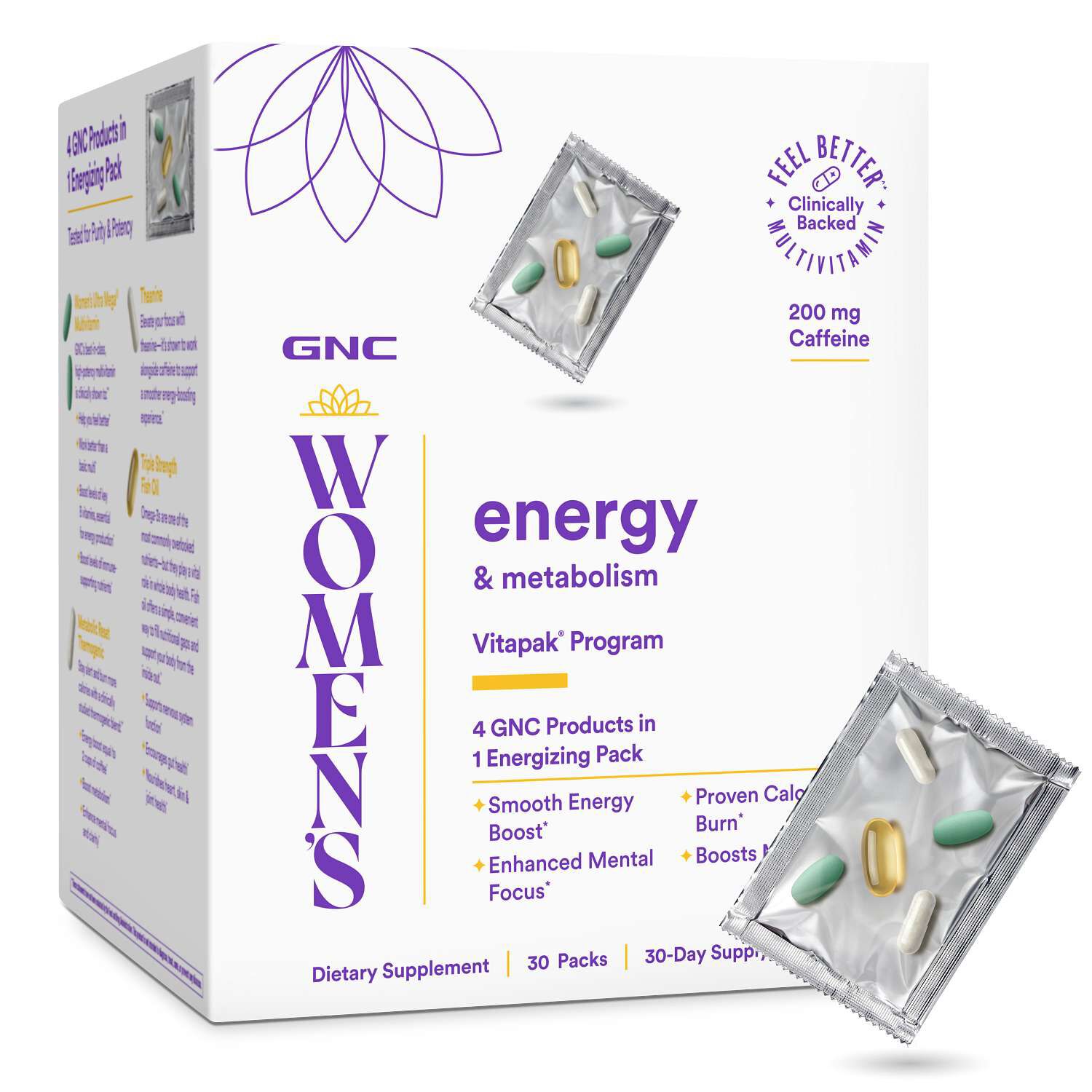


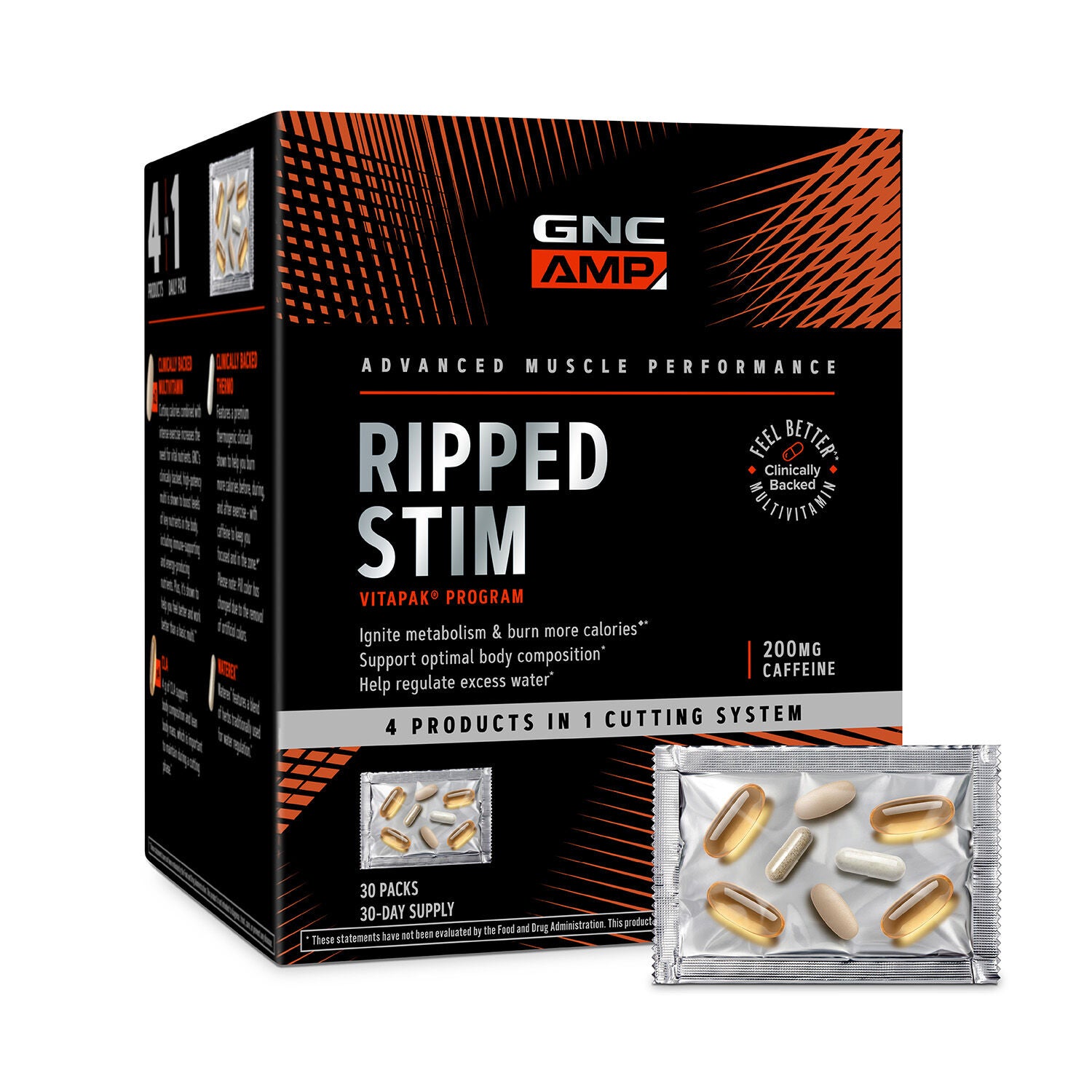

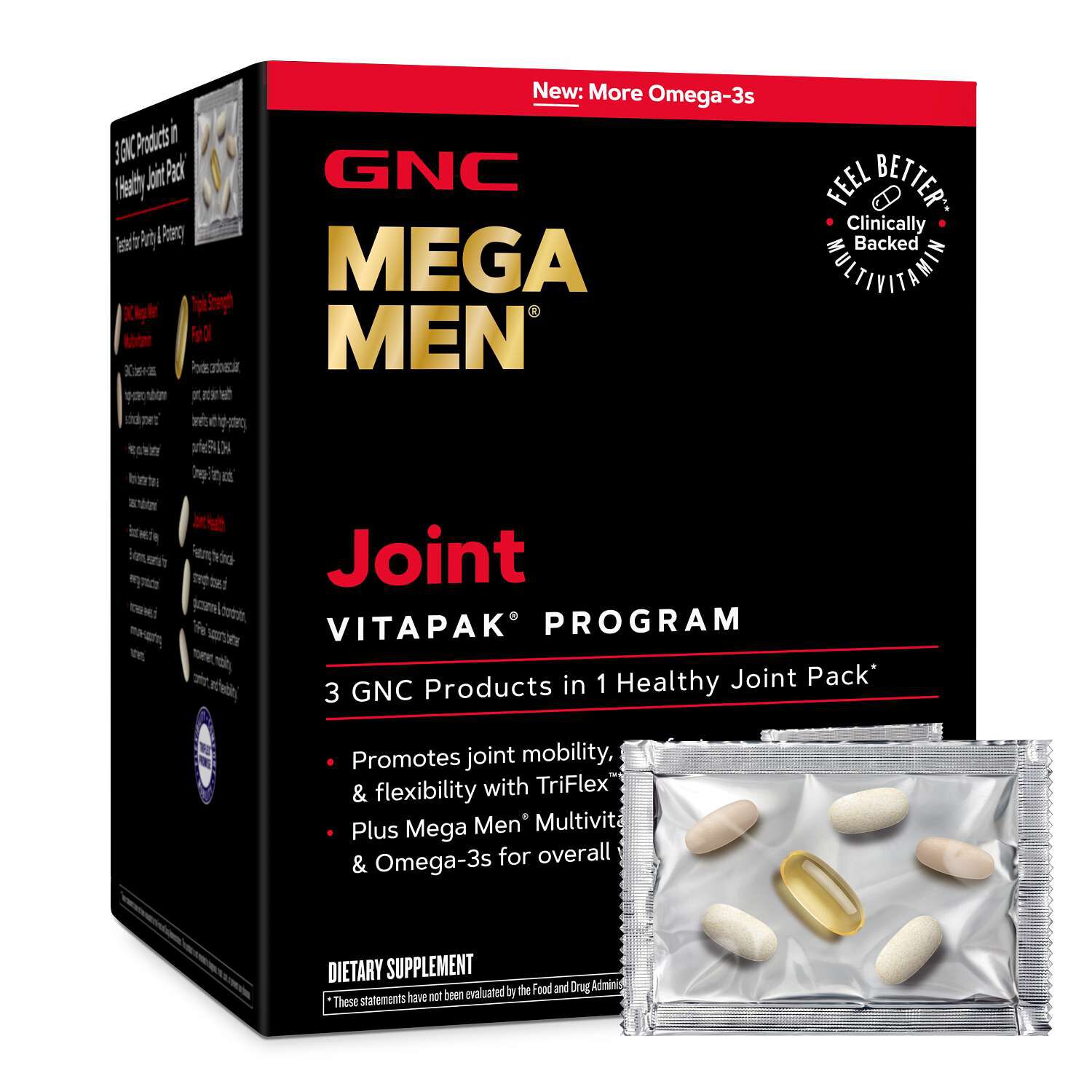

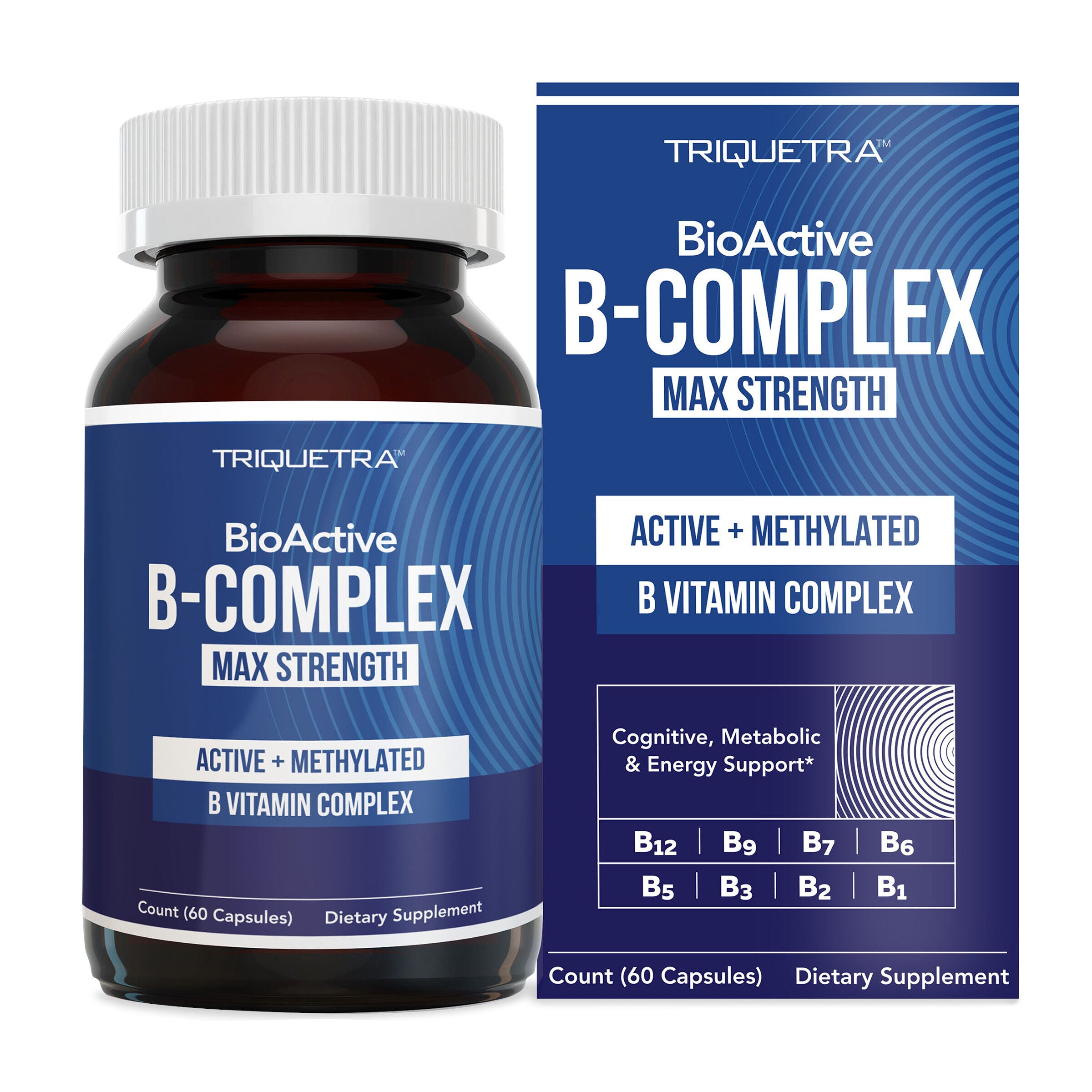
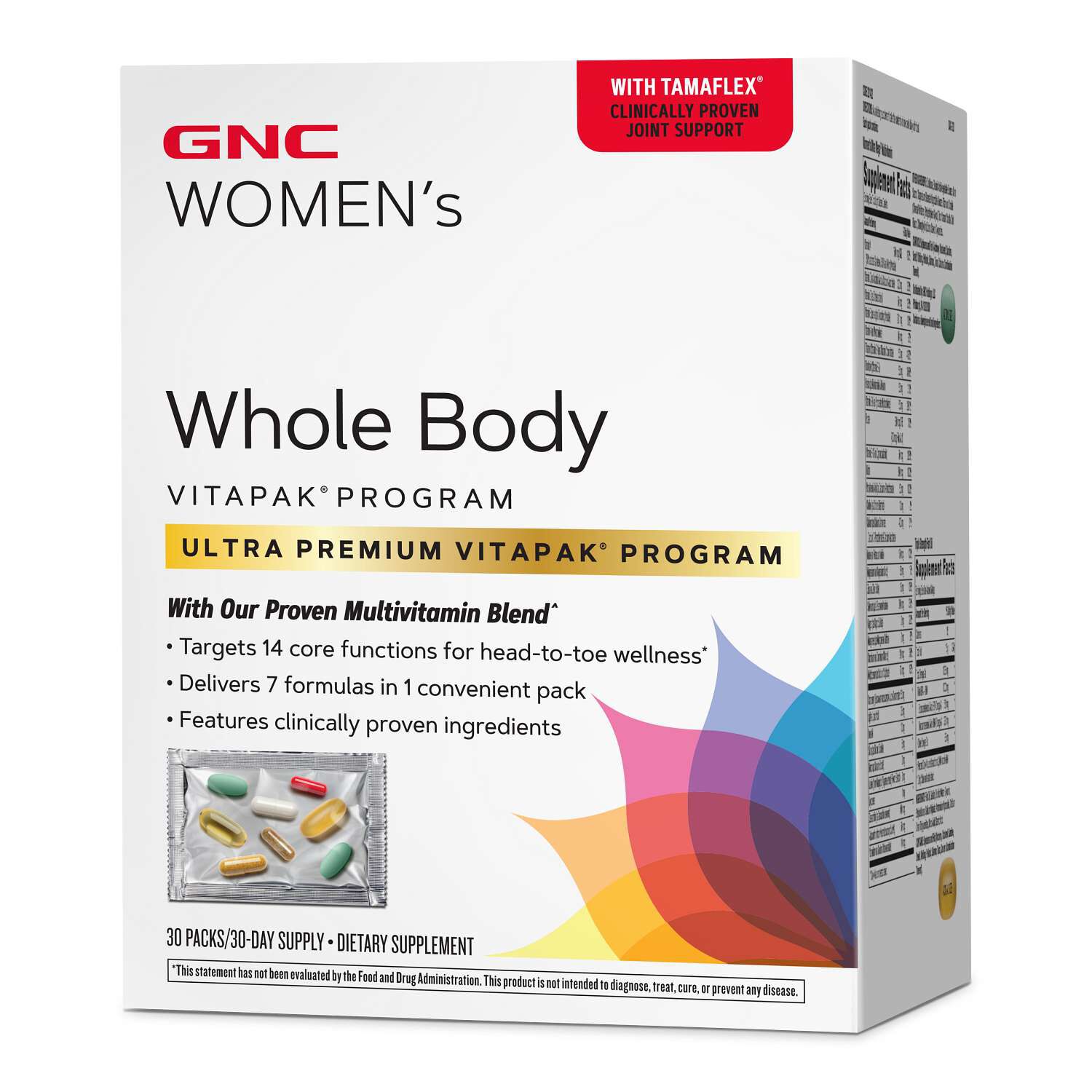

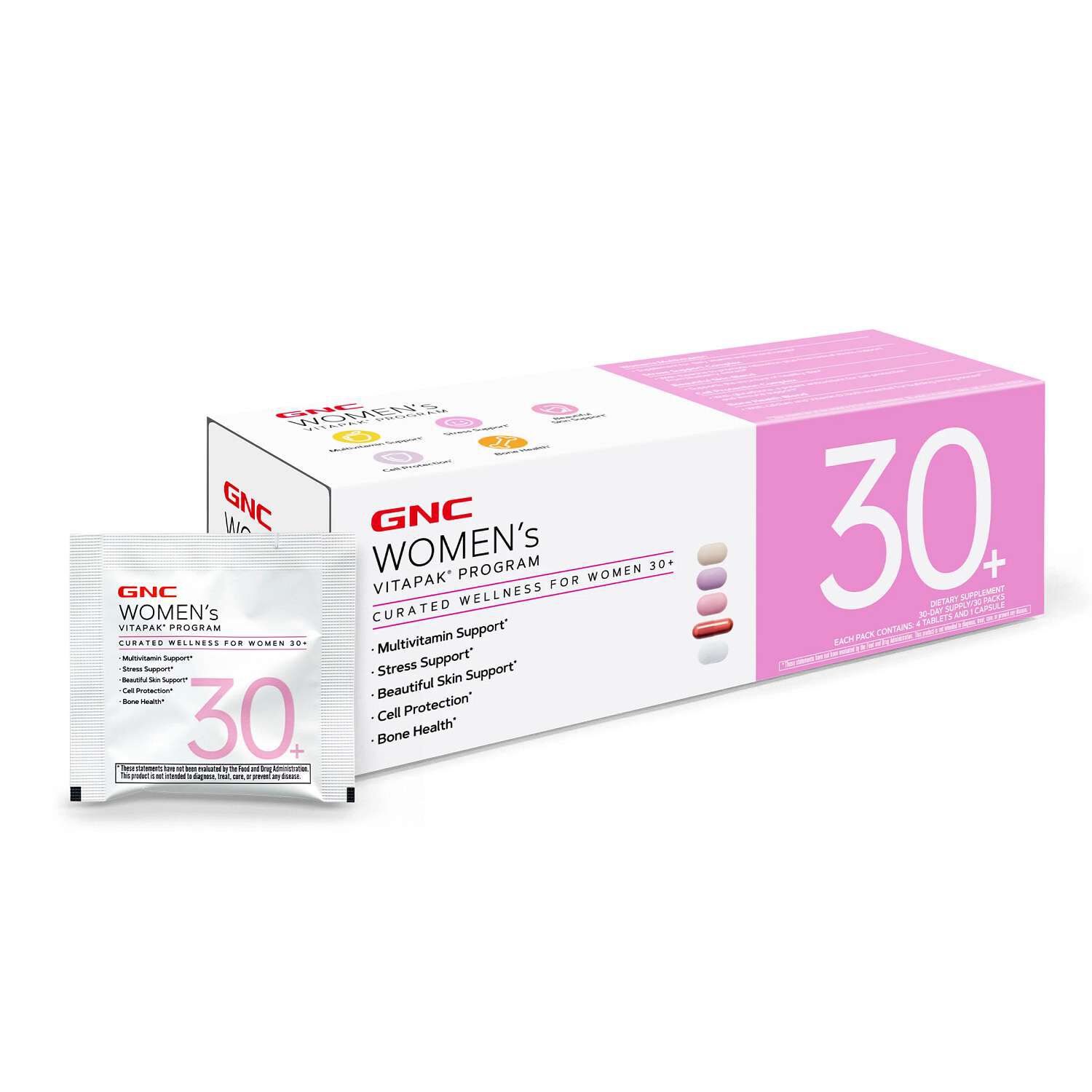
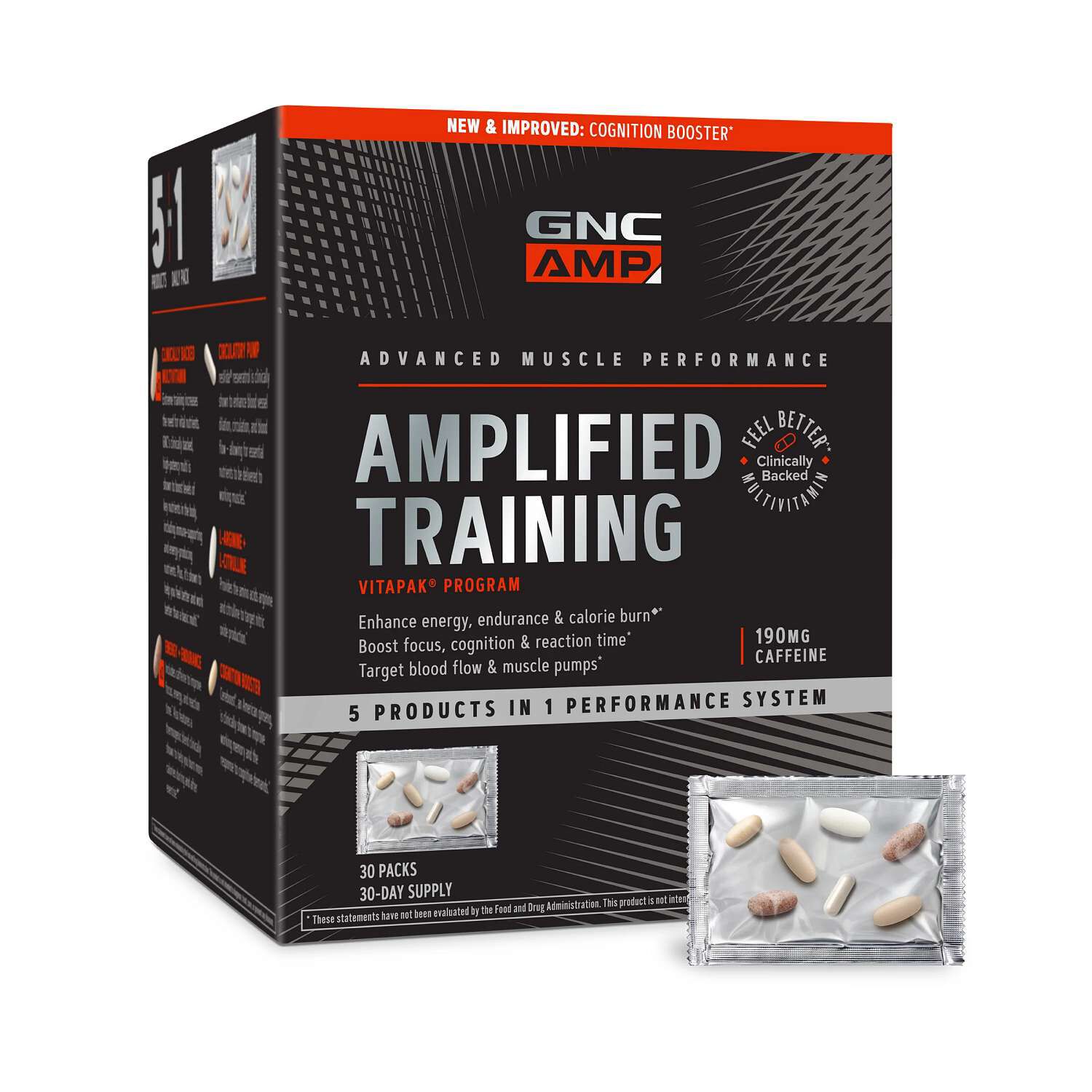
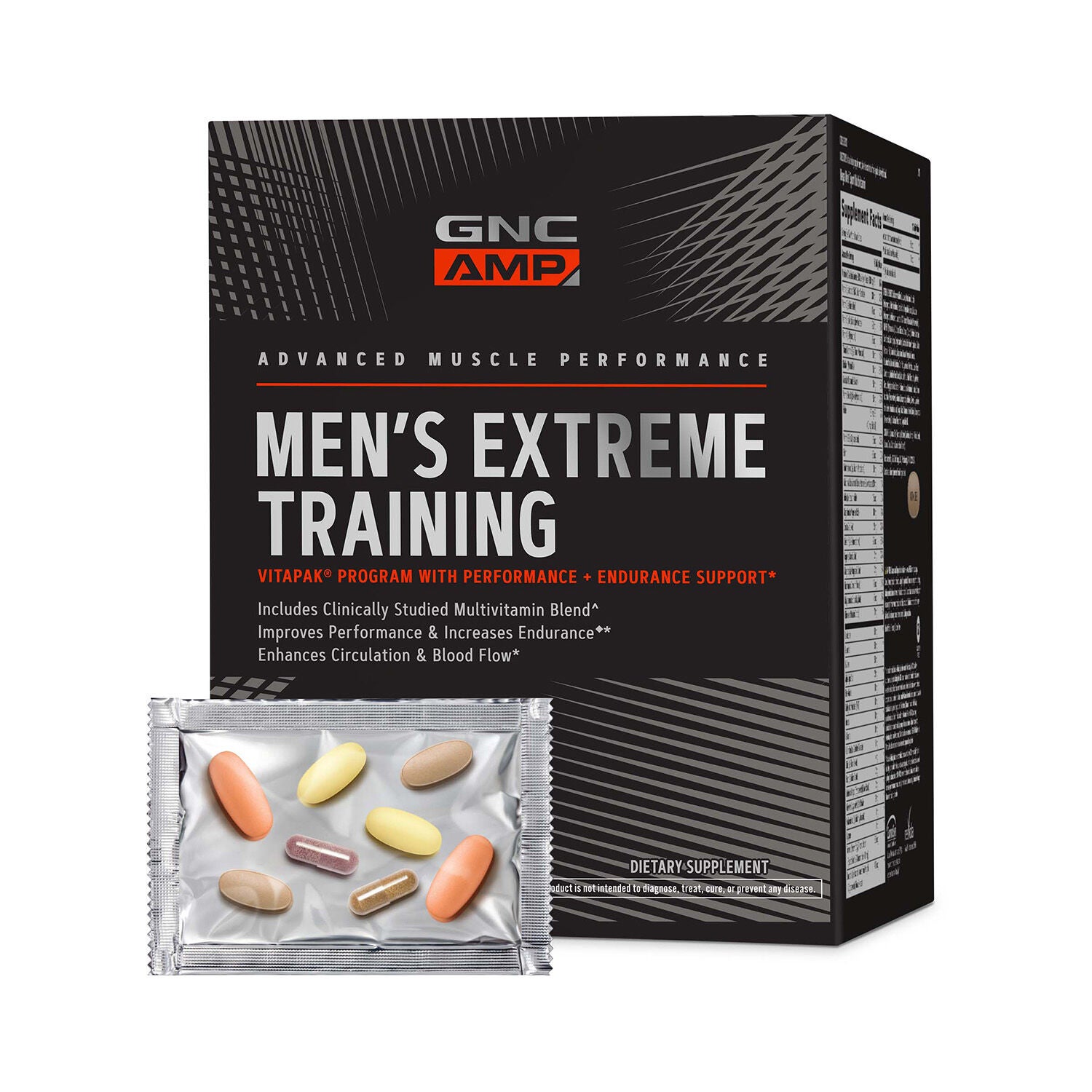
Strength complex vitamin packs are pre-sorted supplement packets that bring several formulas together in a format intended for adults with strength-training and other active routines. Rather than keeping every formula in a separate bottle, this category groups tablets, capsules, or softgels into individual packets, with the contents and suggested use identified on the packaging. A pack may combine a multivitamin and mineral formula with additional supplements selected around fitness-oriented interests. Depending on the formulation, those additions can include B vitamins, amino acids, omega-3 oils, vitamin D, or magnesium. The term “strength complex” describes the positioning of the assortment, not a standardized ingredient list, so two packs with similar names can differ considerably in composition and serving instructions. For someone who lifts before work, follows an evening gym schedule, or balances recreational sports with resistance training, a packet format may make supplement organization more manageable. It brings the focus to one packaged assortment rather than several containers on a kitchen shelf. That convenience is separate from the nutritional details: the number of components in a packet does not, by itself, explain how the formula fits a particular routine. The Supplement Facts panel provides the more useful picture, including the nutrients present, their amounts per serving, and the ingredients used in each component. Some packs emphasize a broad selection of vitamins and minerals, while others place more attention on additional formulas associated with athletic lifestyles. These products belong alongside everyday food choices and training habits, rather than serving as a substitute for meals or a shortcut to lifting progress. Their defining feature is the combination of formulas in a coordinated package. Understanding that distinction makes strength complex vitamin packs easier to compare with standalone multivitamins, individual mineral supplements, and other packet-based assortments without assuming that every fitness-oriented pack serves the same purpose. The most meaningful differences are usually on the label, not in the intensity of the product name.
Ingredient composition, serving format, and dietary preferences help distinguish one type of strength-focused vitamin pack from another. A multivitamin component can contain nutrients such as vitamins A, C, D, and E alongside B vitamins and minerals, but the actual selection and amounts vary by formula. A separate B-complex component is not interchangeable with every multivitamin, and the presence of both makes the individual nutrient amounts especially relevant to a comparison. Likewise, a pack containing amino acids differs from one centered on vitamins, minerals, and an oil-based softgel. Amino acid tablets are also a different format from protein powders and should not be described as the same kind of serving. For omega-3 components, the source of the oil and the amounts listed for its individual constituents offer more detail than the softgel count alone. Capsule shells, softgel ingredients, coatings, and other listed ingredients matter to shoppers with specific food preferences. Gelatin-based components, for example, differ from those made with plant-derived capsule materials; fish-derived ingredients also call for a close look at the allergen statement. A fitness-oriented name does not establish that a pack is vegetarian or suitable for every dietary pattern. Physical format deserves similar attention. One packet can contain several pieces in different sizes, and a compact outer box does not necessarily mean a small serving. Tablet dimensions, capsule count, and the number of suggested servings per day all affect how the assortment fits into an ordinary schedule. Someone accustomed to a single capsule with breakfast may have different format preferences from someone already comfortable with a multi-component packet. For a broader look at this packaging style, Multivitamin Packs For Fitness Enthusiasts provides a related category to explore. Across these assortments, clear ingredient identification and readable serving information offer a stronger basis for comparison than an especially long list of components. Where independent testing or sport-related certification is important, a named certification on the package provides a specific detail to evaluate rather than an assumption based on athletic imagery.
Practical fit also comes down to packaging, storage, and the way a supplement assortment enters daily life. Individually wrapped packets may suit an adult who prefers a tidy breakfast setup, packs a work bag the evening before, or wants fewer separate containers to organize for a trip. The packet can keep its components together, while the outer carton provides context that may not appear in full on each wrapper. Keeping that carton accessible preserves the ingredient list, suggested use, storage directions, and date information for reference. Packet materials and seals vary, so a small wrapper should not automatically be treated as rugged, waterproof, or suitable for loose storage among keys and gym equipment. A dedicated compartment or small organizer may make packets easier to keep together without separating them from their identifying information. Storage requirements come from the product label, including any directions concerning moisture, light, or temperature. A gym bag left in a vehicle is not equivalent to a household storage space, and carrying convenience does not override the stated conditions. Suggested use also differs across formulas: one packet does not always represent the same serving schedule as another, and fitness positioning does not establish that a product belongs immediately before or after exercise. Those distinctions matter for early-morning lifters, lunchtime gym visitors, and adults whose training days change from week to week. A strength complex vitamin pack may appeal to experienced recreational athletes who already know the ingredient profiles they prefer, as well as adults comparing packet formats for the first time. As a gift, a supplement assortment is a more personal choice than a shaker cup or gym towel because ingredients and serving formats depend on the recipient’s preferences. Familiarity with those preferences matters more than choosing the most elaborate assortment. Within this category, a useful comparison brings together formula composition, component count, dietary suitability, packaging, and intended use. That approach keeps attention on the details that distinguish strength complex vitamin packs and on how a particular format might fit an established fitness routine.
Best Sellers
-
 Universal Nutrition
 -
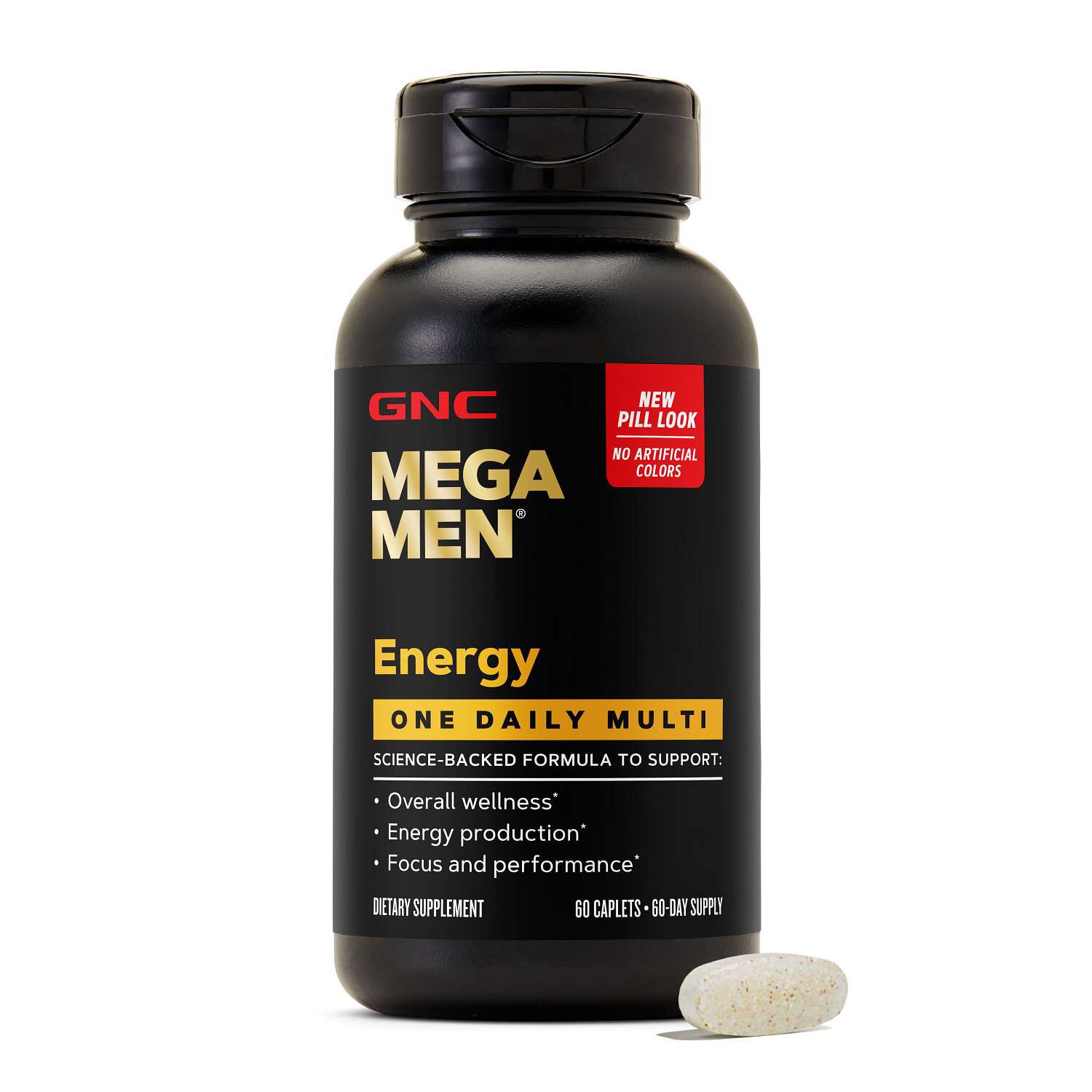 GNC Mega Men
 -
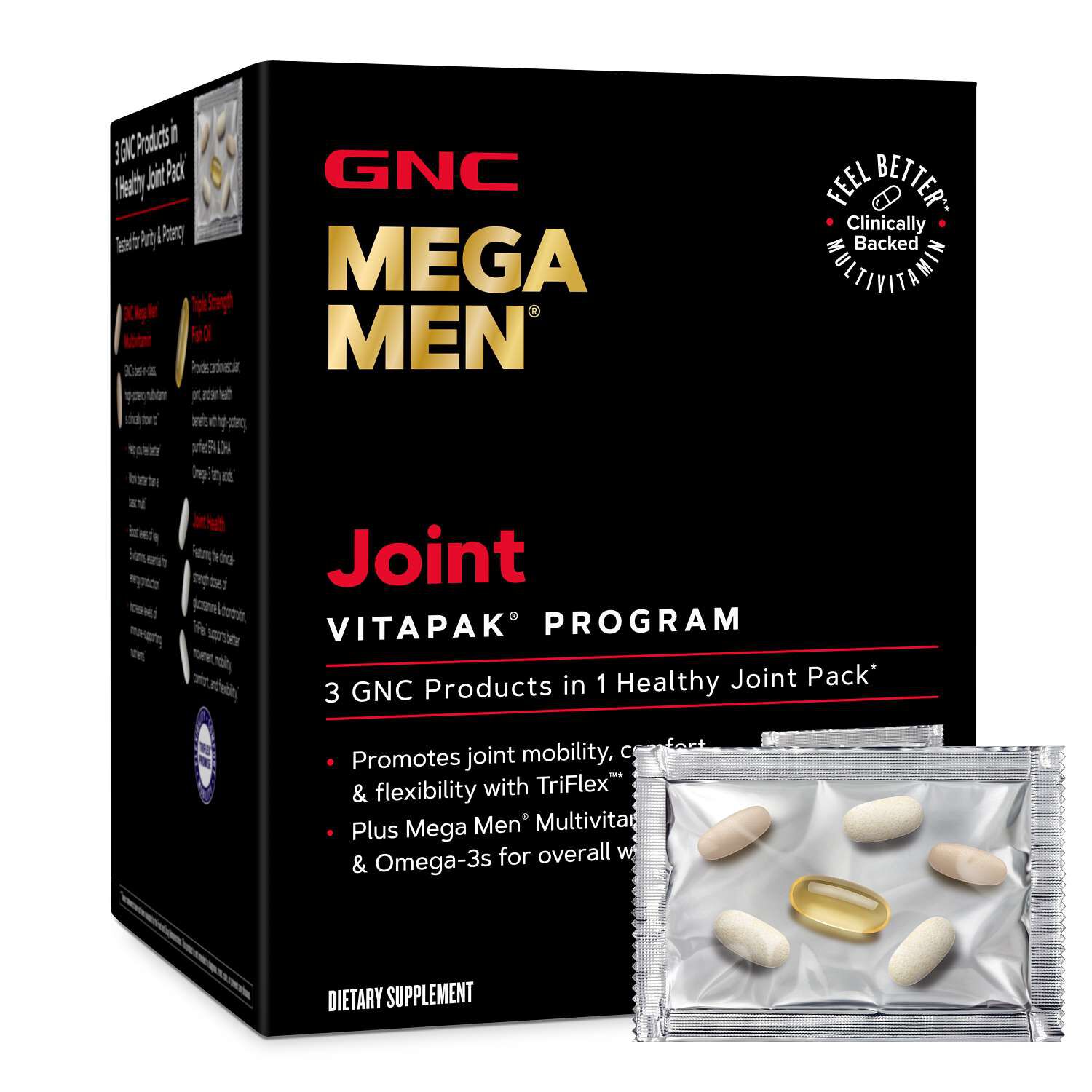
 GNC Mega Men
Related Pages

Top Collections
- Top Rated Collagen | Shop Customer Favorites | GNC
- Cortisol Supplements
- Vitamins For Hair Loss
- NAD+ Supplement Tablets
- Peptide Supplements
- Best Brand of Magnesium Glycinate
- Vitamins That Help Support Weight Gain
- Protein Powders For Muscle Growth Support
- Spirulina Tablets
- Peptide Supplements for Muscle Growth