





Sugar Free Energy Drinks
(0 Results)
Looking to kickstart your day with a burst of energy without all that added sugar? Our selection of sugar-free energy drinks is here to give you that much-needed boost without any guilt. Packed with energizing ingredients like caffeine, B-vitamins, and amino acids, these beverages are perfect for staying alert and focused throughout your busy day. Whether you need a pick-me-up in between meetings or an extra push during your workout, these sugar-free options are a convenient and delicious way to power through any task.

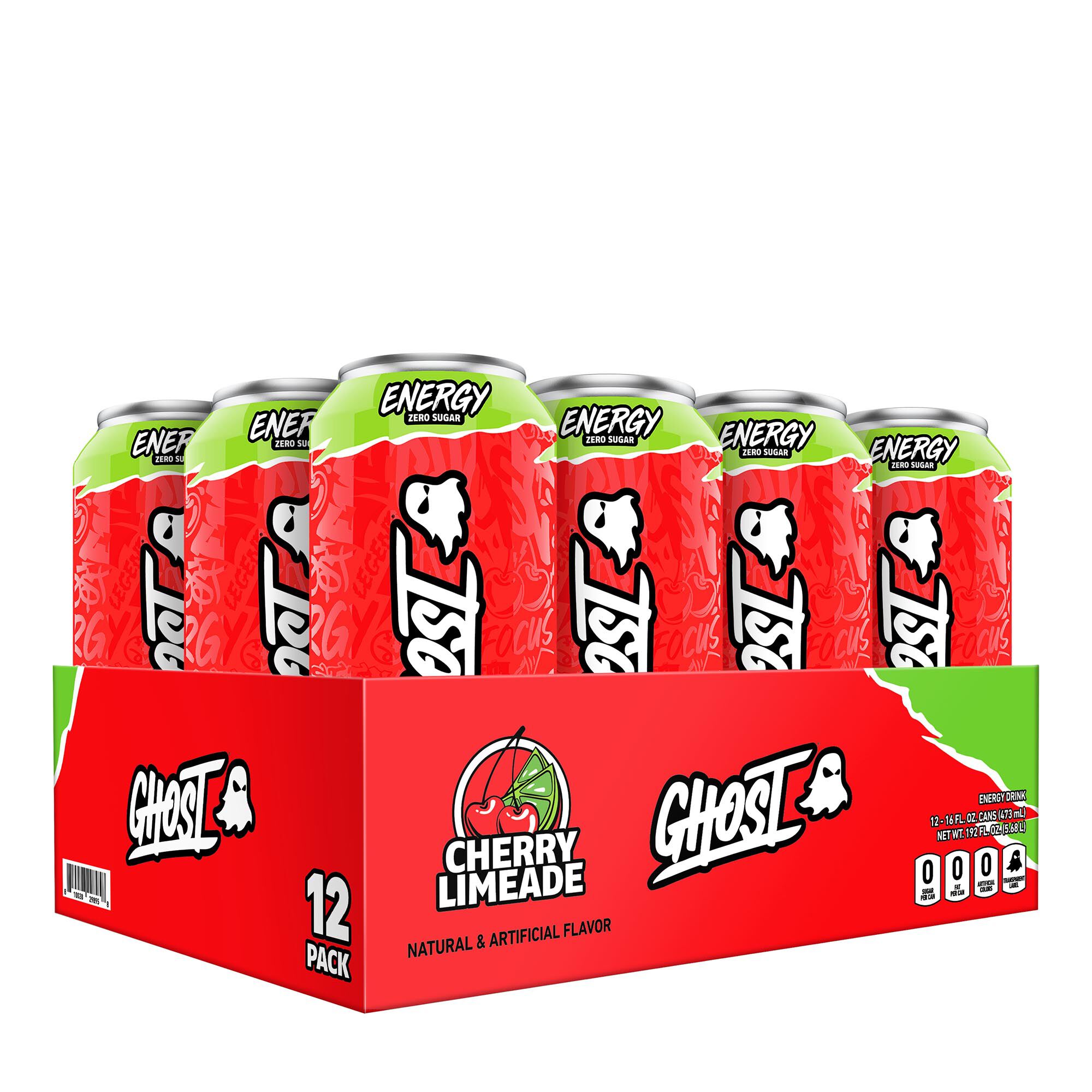
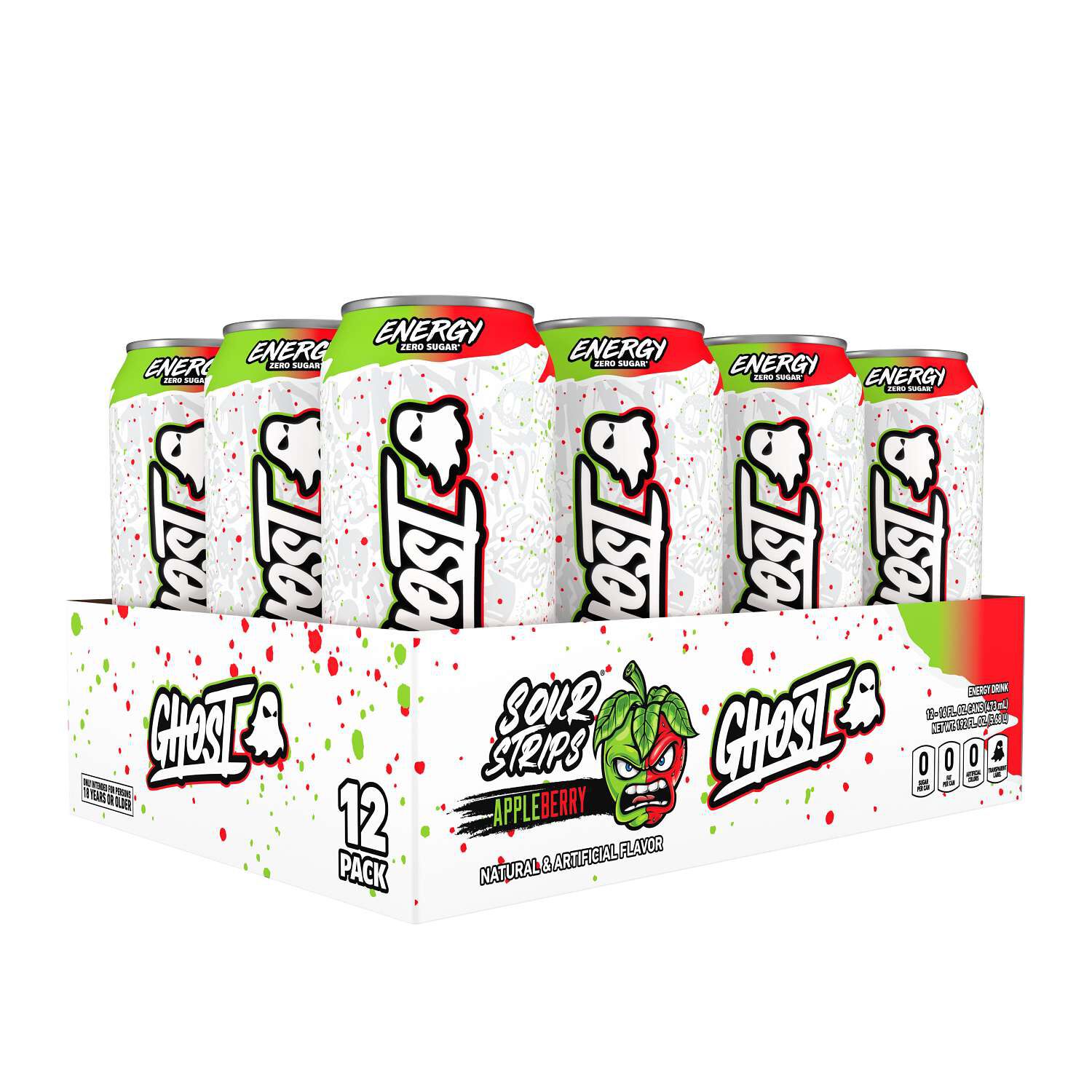

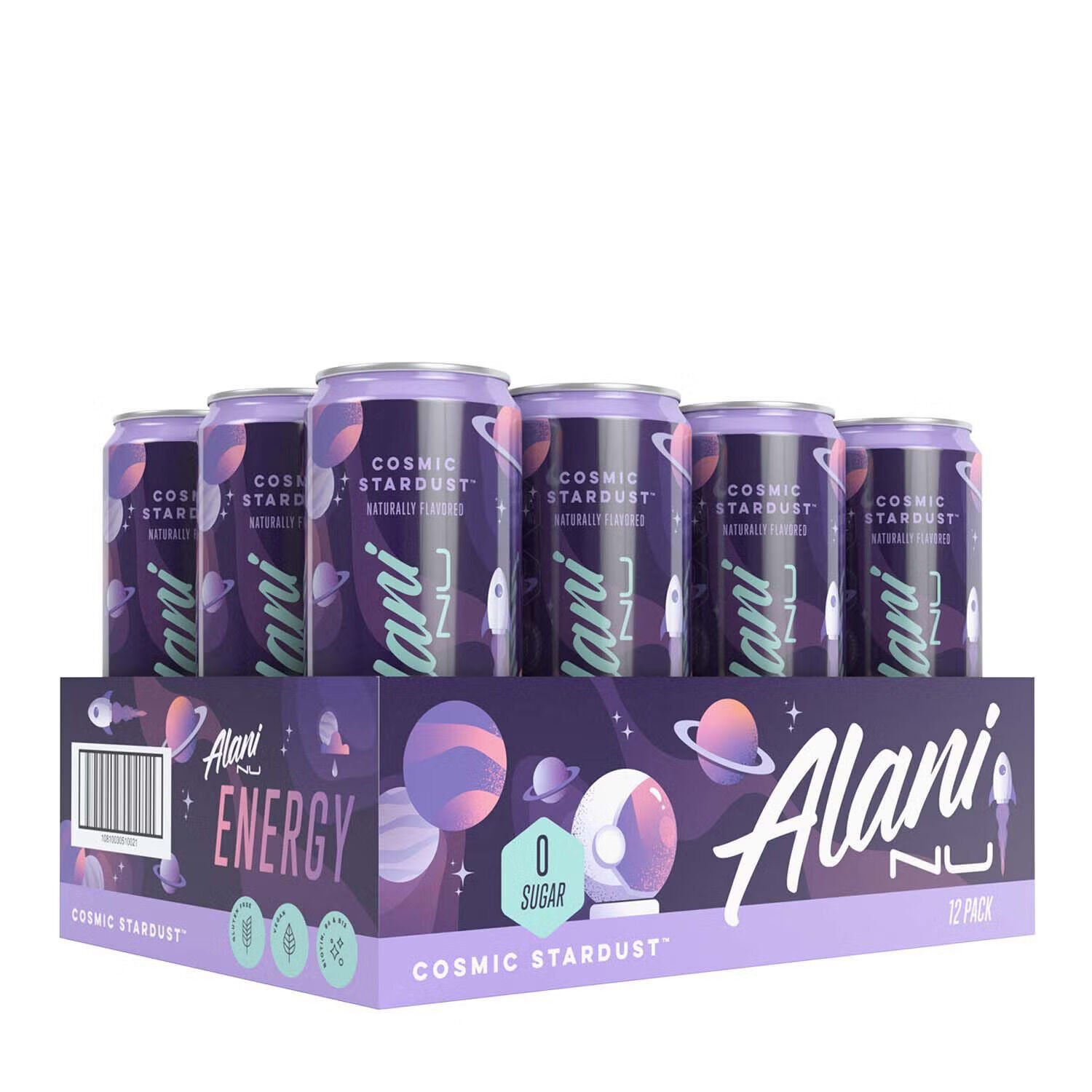

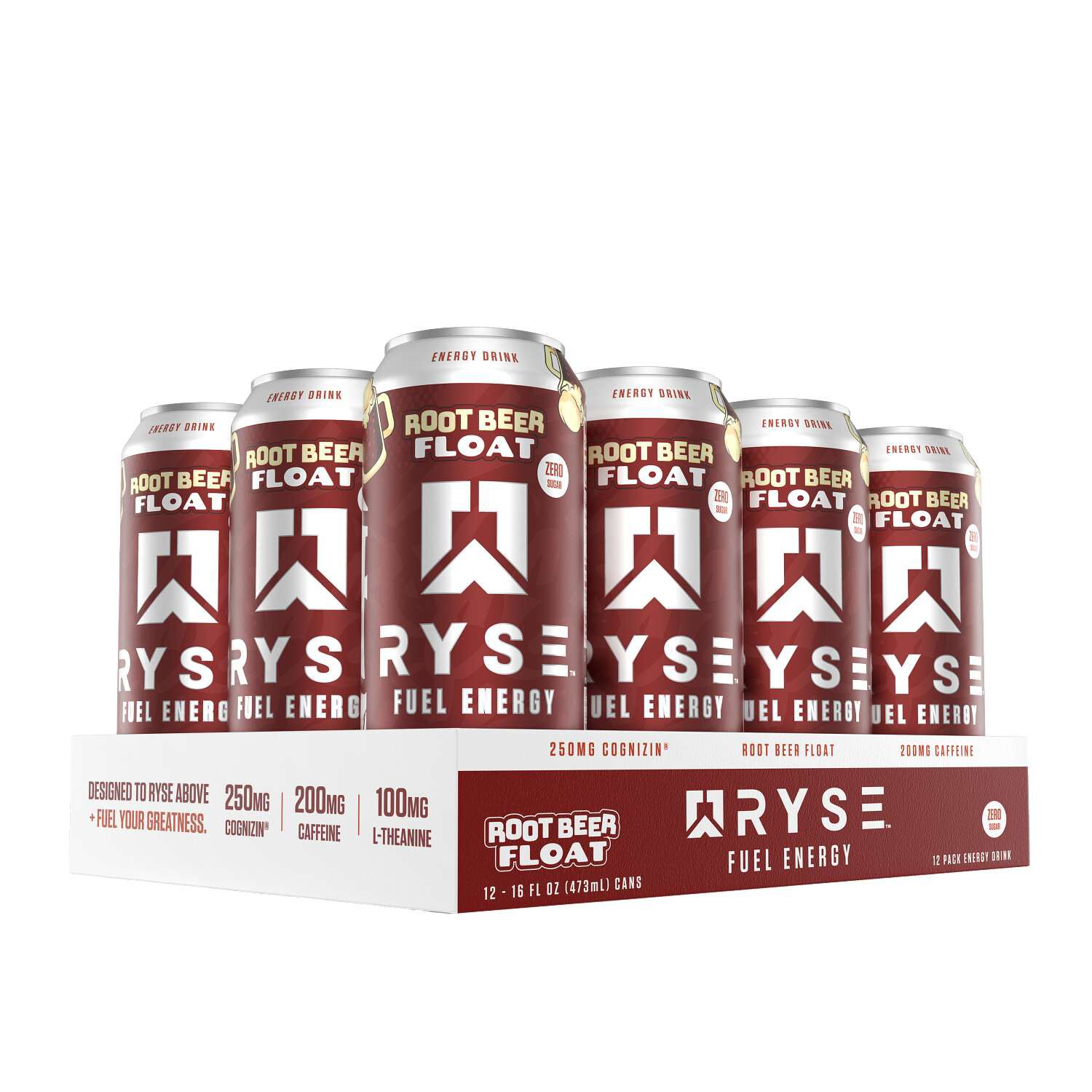


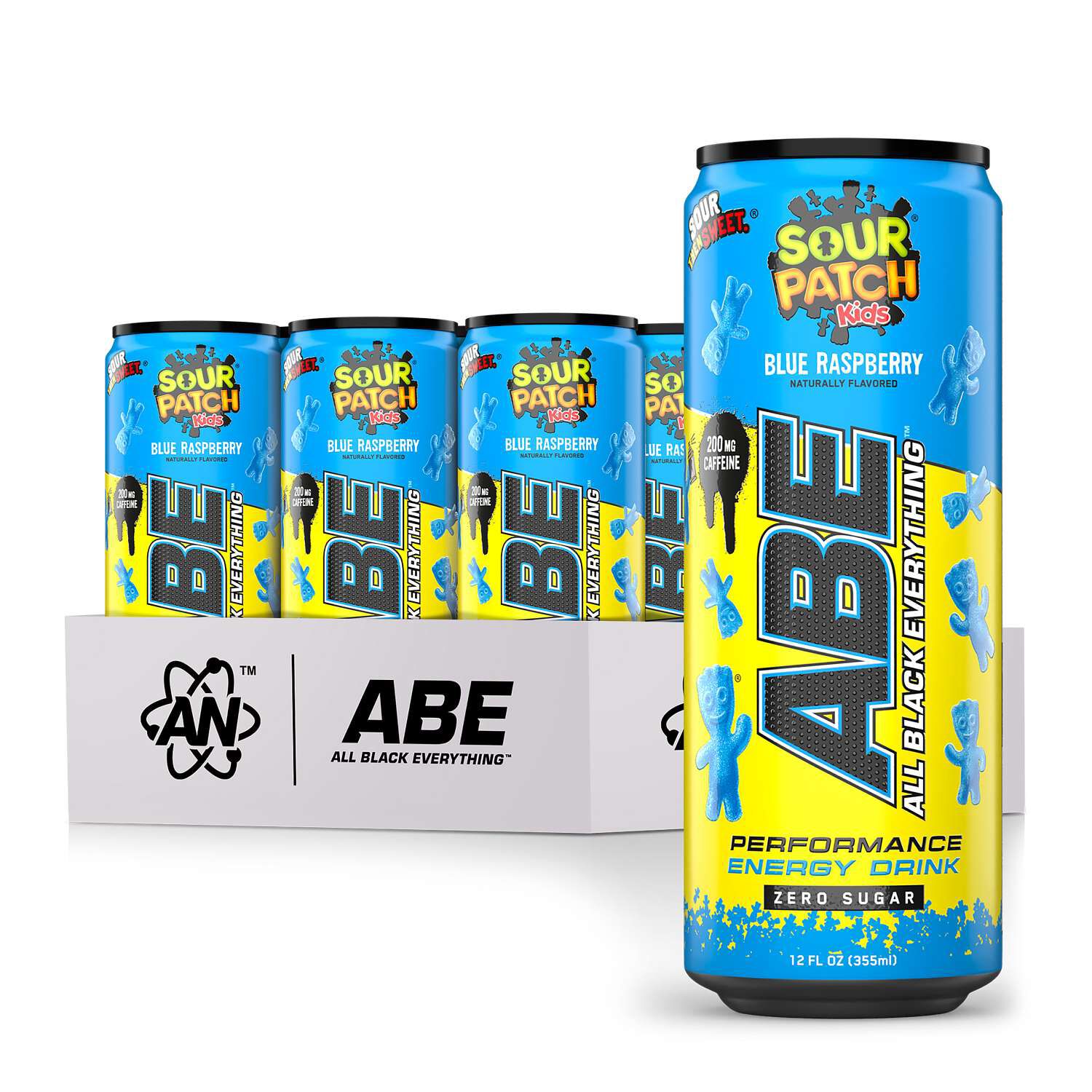

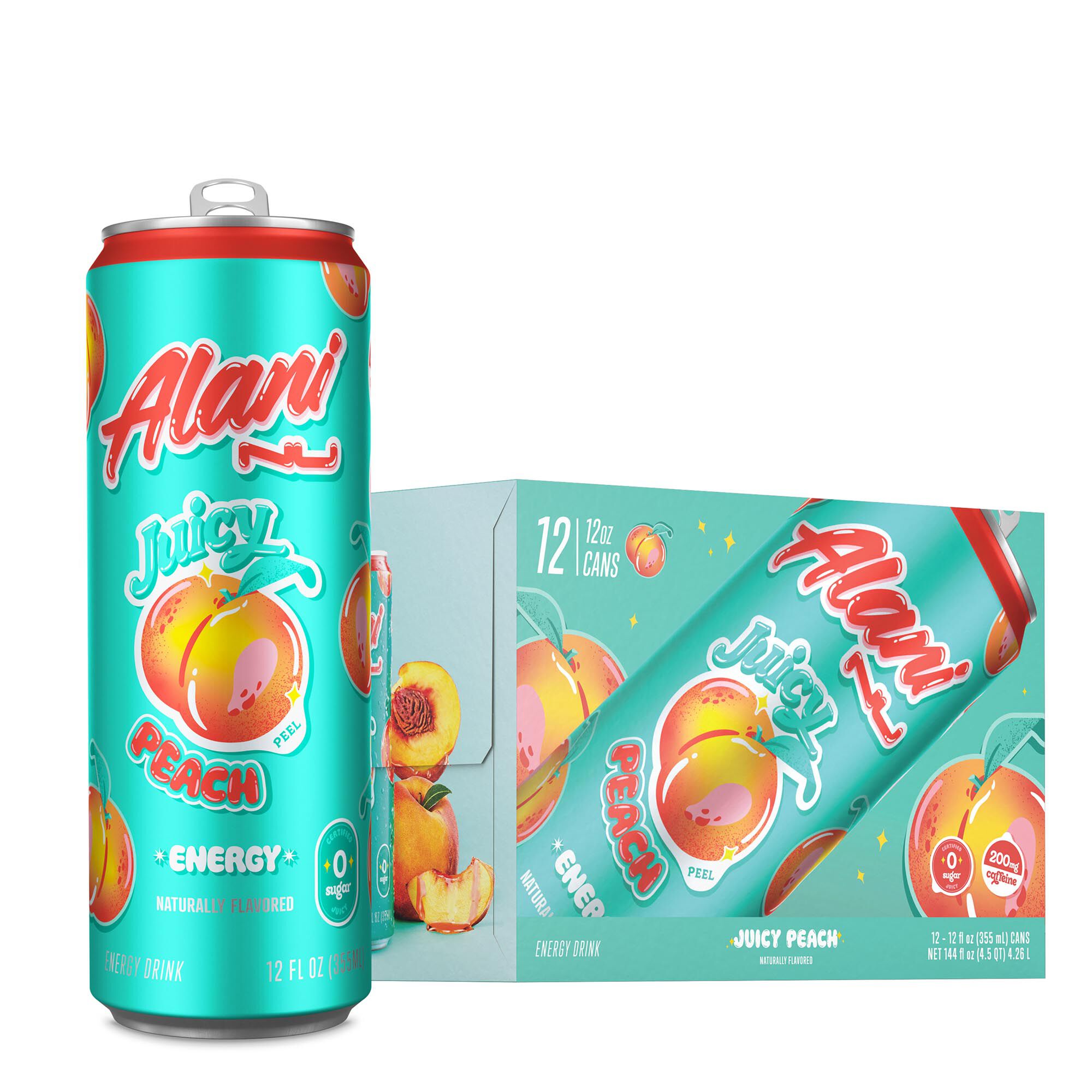

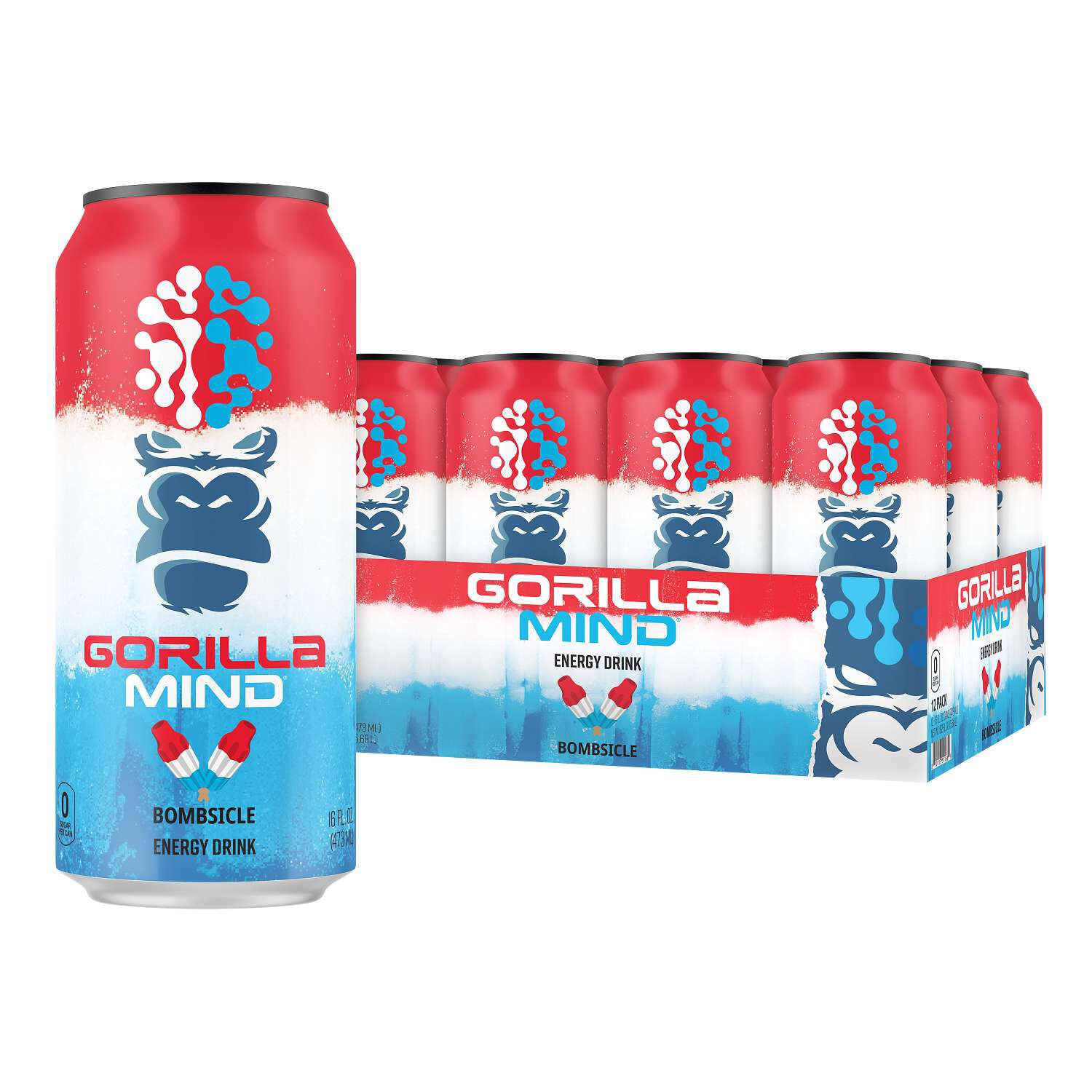
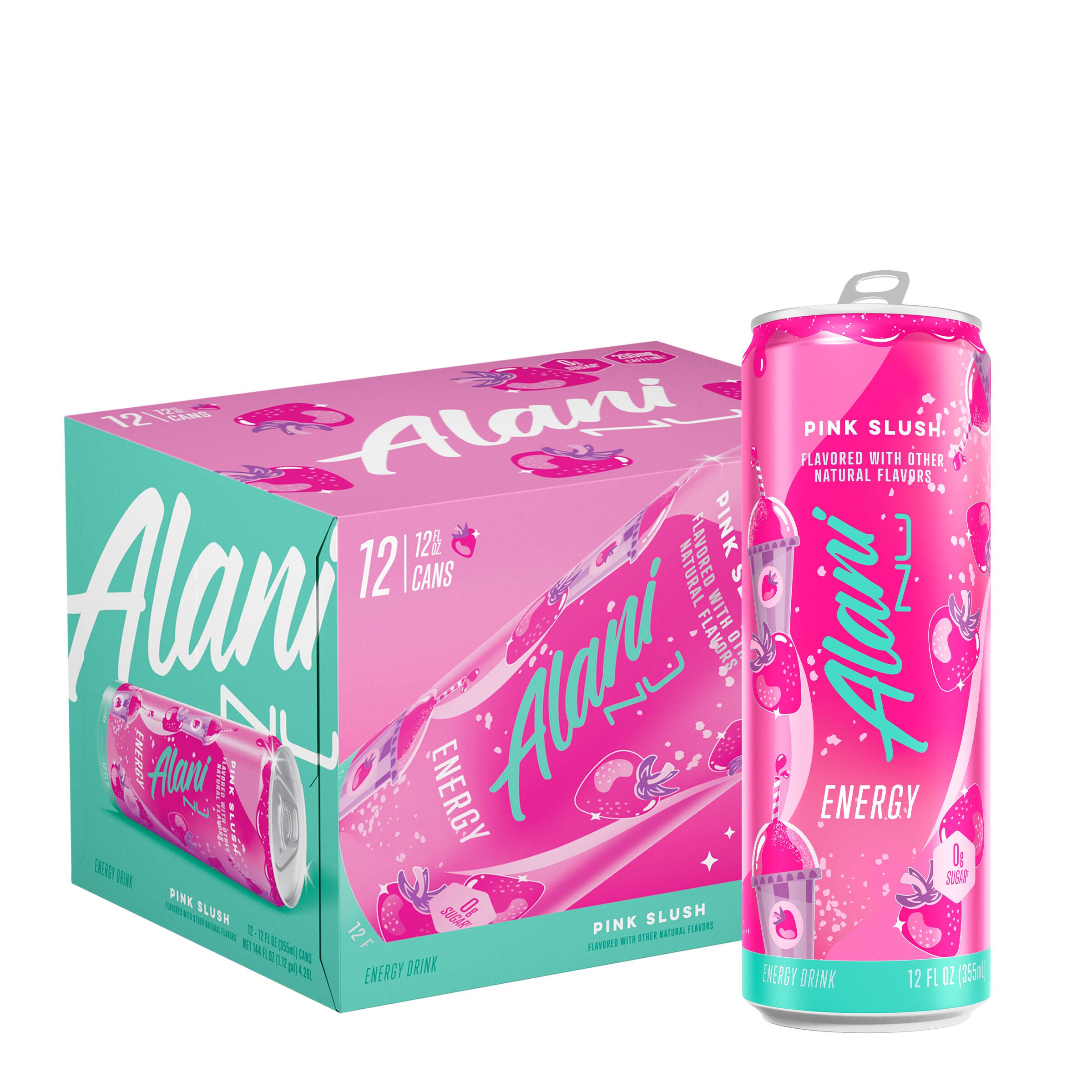
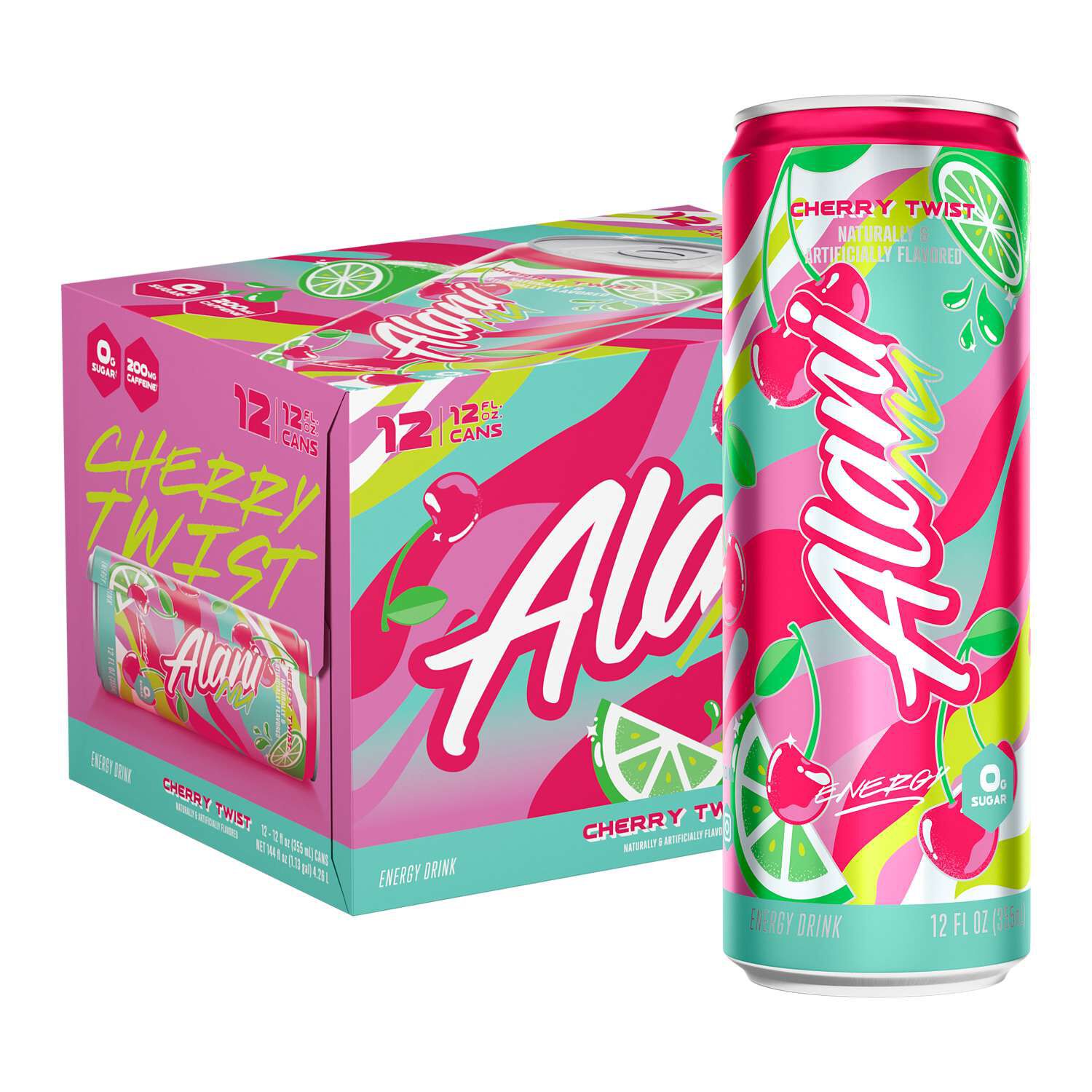
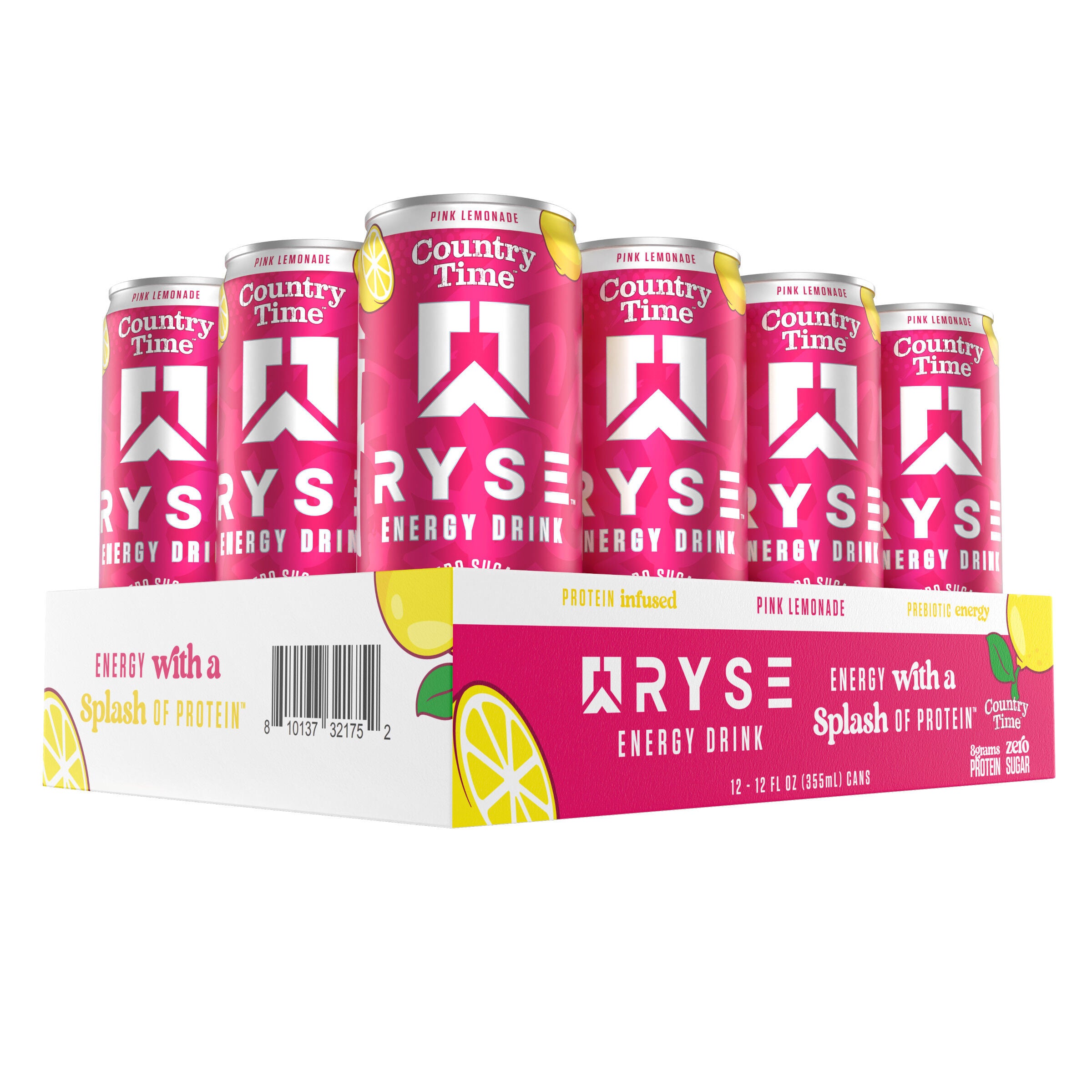

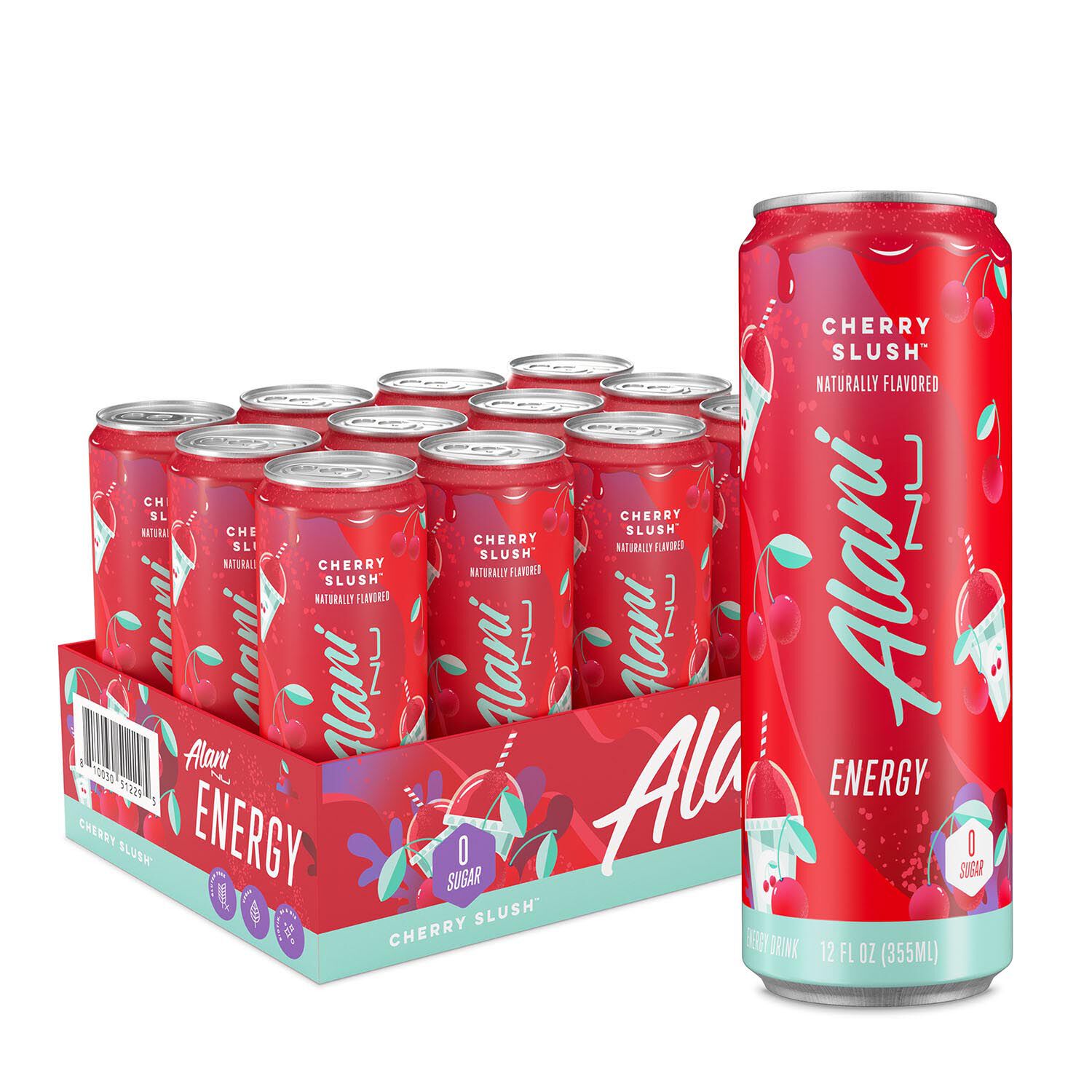

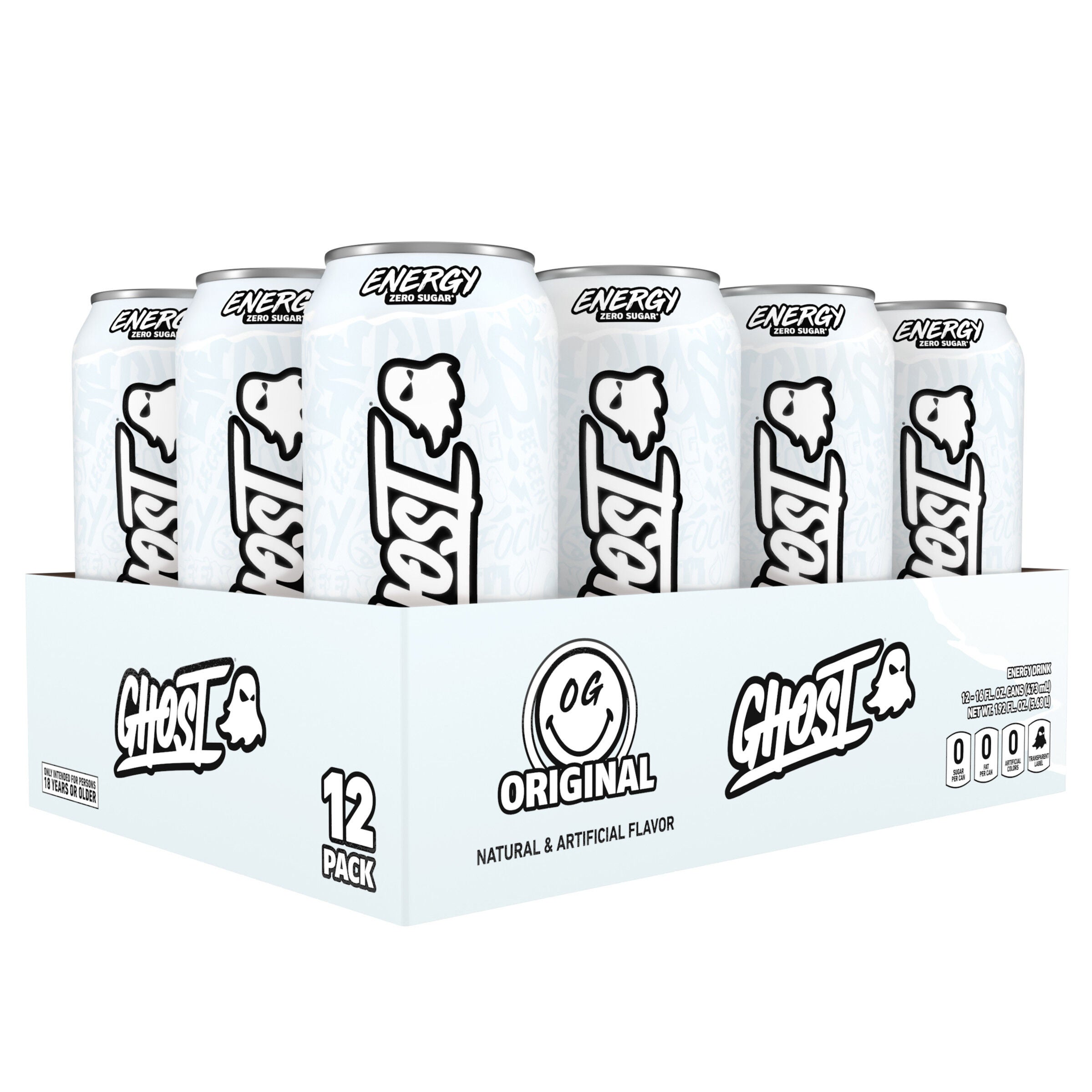
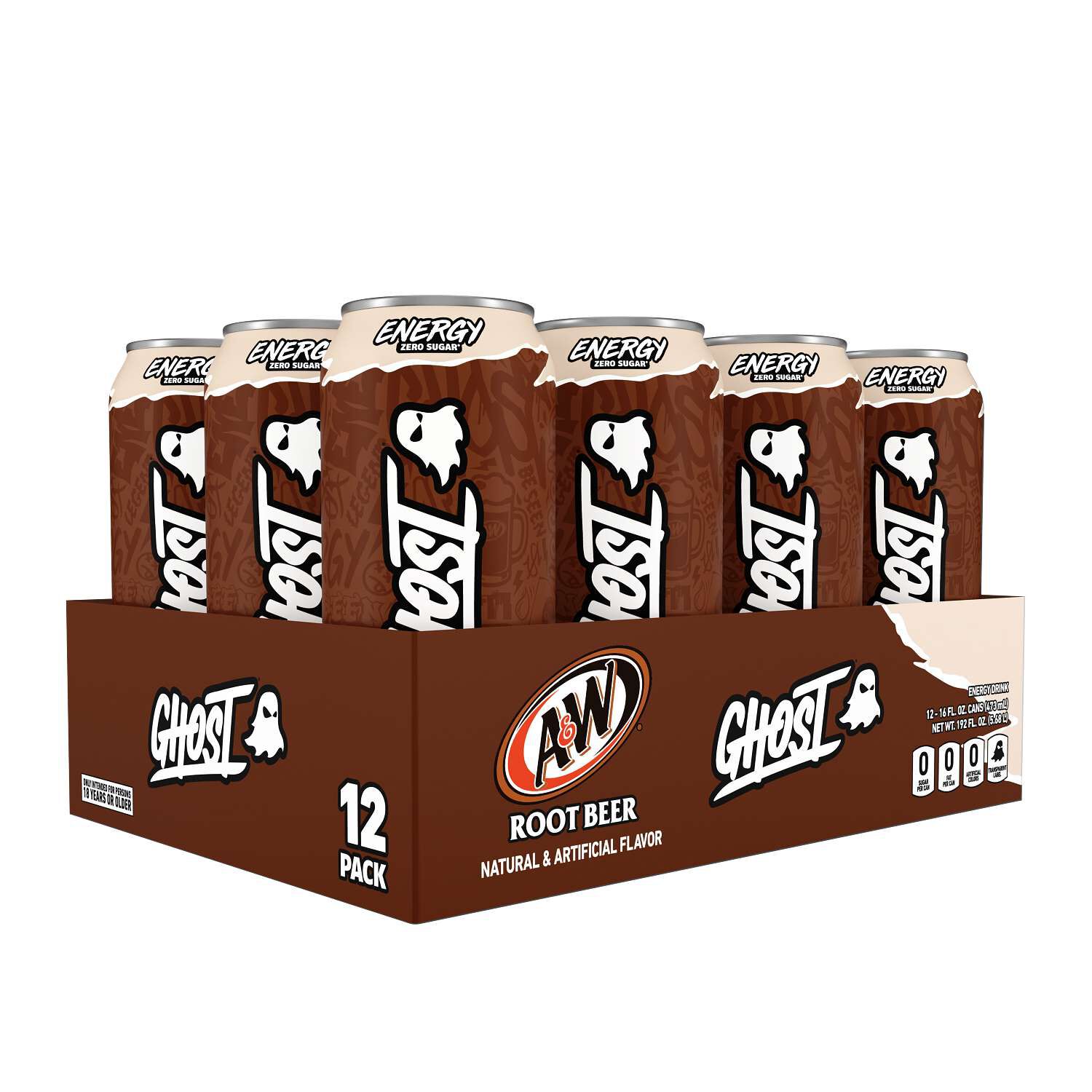
Zero-sugar energy drinks are ready-to-drink beverages that typically combine caffeine, flavorings, and sweeteners without the sugar found in many conventional energy drinks. Some formulas also contain B vitamins, taurine, amino acids, or botanical ingredients, although the ingredient mix varies considerably. For adults who prefer a caffeinated beverage without sugar, the category includes everything from sharply tart citrus blends to mellow berry flavors and familiar fruit-punch profiles. Carbonated varieties have a bubbly texture, while noncarbonated options offer a still-drink alternative. Sweetness can come from ingredients such as sucralose, acesulfame potassium, stevia leaf extract, or combinations of sweeteners. These ingredients have different flavor characteristics, so two drinks with the same fruit description can taste noticeably different. One might lean toward bright, tangy lemon, while another emphasizes a sweeter lemonade-style finish. The distinction between zero sugar and zero calories also matters: a drink without sugar can still contain calories from other ingredients. Its Nutrition Facts panel provides the relevant calorie, carbohydrate, and sugar information for the stated serving. Likewise, “no added sugar” describes a different attribute and does not necessarily mean a beverage contains no sugar. These distinctions make the label more informative than the flavor name or front-of-can design alone. This category is defined by its beverage format and formulation rather than by one uniform recipe, caffeine amount, or taste. A slim can with a crisp citrus profile and a larger can with a candy-inspired fruit blend may share a zero-sugar description while offering very different drinking experiences. For a broader look at beverages organized around sugar content, Zero Sugar Drinks includes a related category beyond energy drinks. Within the energy-drink category, the most useful points of comparison are caffeine per serving, servings per container, sweetener choice, flavor, carbonation, and the other ingredients listed on the package. Together, those details offer a clearer picture of what is inside than broad descriptions such as bold, refreshing, or performance-oriented.
Caffeine content is one of the biggest differences among zero-sugar energy drinks, and can size alone does not reveal how much a beverage contains. A smaller container can have more caffeine than a larger one, depending on the formula. The amount stated per serving also deserves attention alongside the number of servings in the container; those figures are not always interchangeable. Some beverages identify caffeine directly in the ingredient list, while others include sources such as coffee extract, tea extract, or guarana. The presence of a plant-derived source does not by itself establish a lower caffeine amount. For an adult comparing a canned energy drink with a usual coffee order, the stated caffeine amount provides a more meaningful reference than the drink’s color, sweetness, or intensity of flavor. B vitamins are another common feature, but their inclusion does not make every formula equivalent. Different drinks can contain different vitamins and different quantities, and a longer ingredient list is not automatically a better match for a particular preference. Taurine, amino acids, and botanical extracts also appear in some formulas; their names describe ingredients, not an assurance of a particular result. Product descriptions and ingredient panels are useful for distinguishing a straightforward caffeinated beverage from one with a more elaborate blend. An energy drink is also a different product category from a sports drink, even when both come in fruit flavors or use similar packaging. The presence of electrolytes in a formula does not make the categories interchangeable, and a zero-sugar description says nothing about caffeine content on its own. Package directions, intended audience, and caution statements remain important parts of the product information. Beyond formulation, taste often determines whether a beverage fits an everyday routine. Someone who enjoys sparkling water might prefer a lighter fruit profile with pronounced bubbles, while someone accustomed to sweet juice-style beverages might favor a fuller fruit-punch flavor. Tartness, sweetener aftertaste, and carbonation can each shape that preference independently of sugar content. Neither a vivid flavor name nor a subdued package design reliably describes all three.
Packaging and intended use round out the comparison, especially when an energy drink is meant to fit into a commute, a desk drawer, or a bag carried between daily activities. Single-serve cans offer a defined portion and a compact shape, but most pull-tab cans cannot be resealed after opening. A resealable bottle, where that format is used, offers a different way to carry and portion a beverage. Container dimensions matter in practical ways: a tall, narrow can and a shorter, wider one may fit differently in a cup holder, lunch tote, or refrigerator shelf. Larger containers also mean more beverage volume, which is separate from the amount of caffeine in each serving. Packaging material affects handling rather than establishing the quality of the formula inside. Aluminum cans are lightweight, while bottles have their own closure and storage characteristics; neither format replaces the need to follow the package’s storage directions. Unopened beverages belong in conditions appropriate to their labels, and opened containers may have additional refrigeration or use instructions. The printed date and package condition are relevant considerations, particularly for drinks kept in a pantry or carried around before use. Flavor assortments can suit adults who like variety, while a consistent flavor profile may appeal to someone who already knows their preferences. In a shared household, clearly labeled containers also make caffeinated beverages easier to distinguish from ordinary flavored sparkling drinks. For gifting, familiarity with the recipient’s preferred flavor, caffeine amount, and sweetener is more useful than choosing by artwork alone; caffeinated beverages are a preference-specific choice rather than a universal gift. A person who likes tart cherry may not enjoy a dessert-inspired blend, and someone who favors still beverages may have little interest in strong carbonation. These everyday details give the category its range. Zero-sugar energy drinks can be compared as individual beverage formulas, with taste, serving size, packaging, and clearly stated ingredients all contributing to the choice. A well-matched option reflects those concrete preferences rather than an assumption that every drink without sugar offers the same experience.
Best Sellers
-
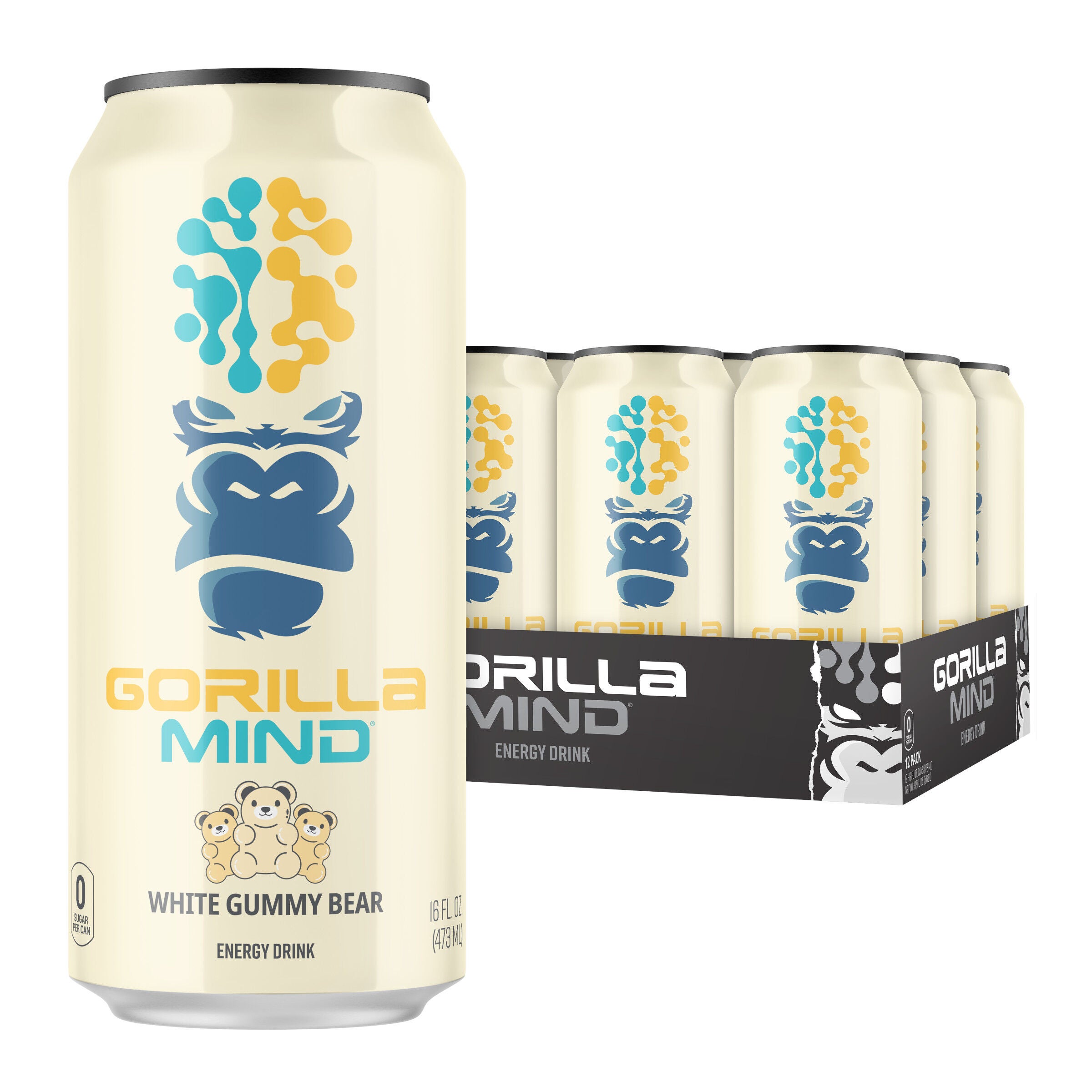 Gorilla Mind
 -
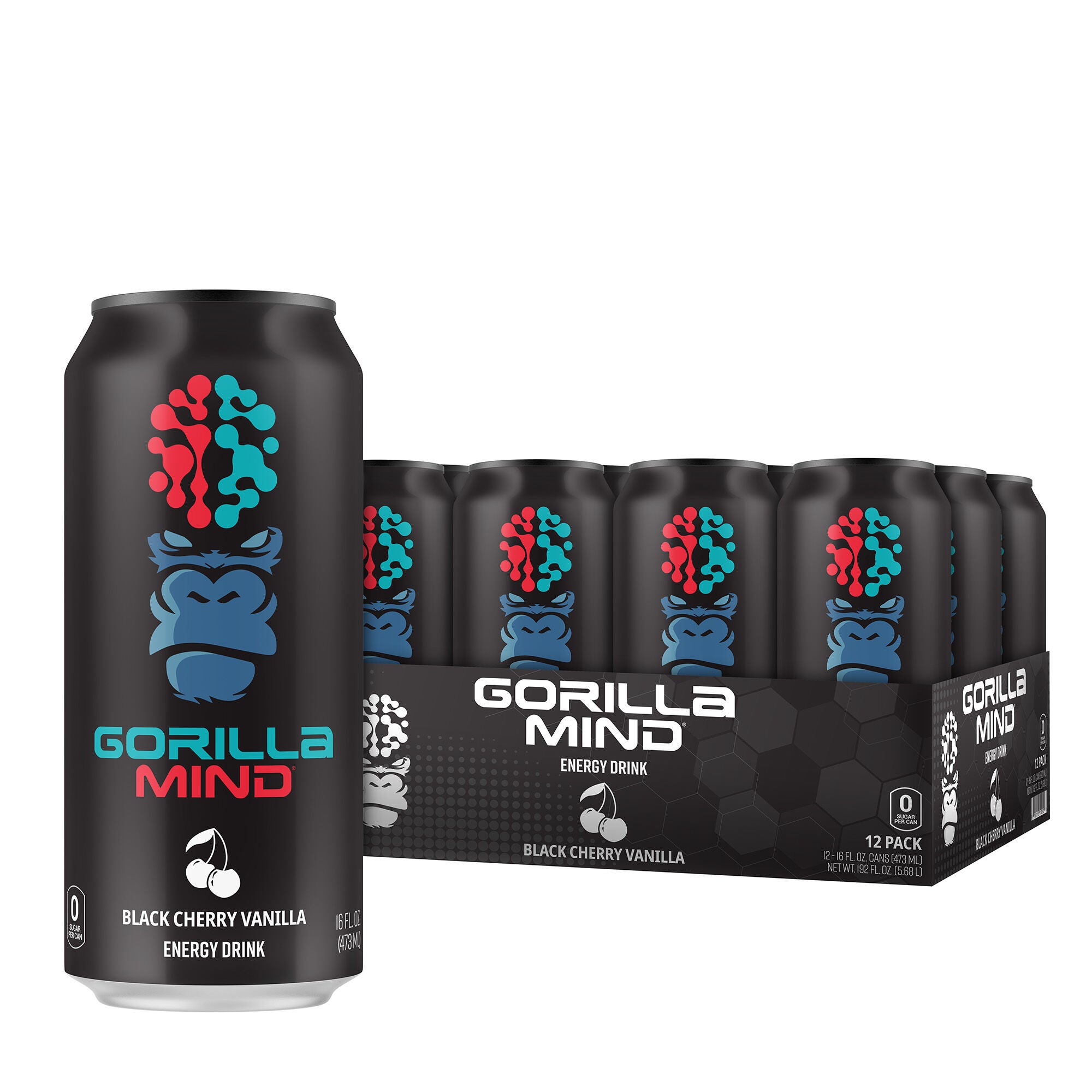
 Gorilla Mind
 -
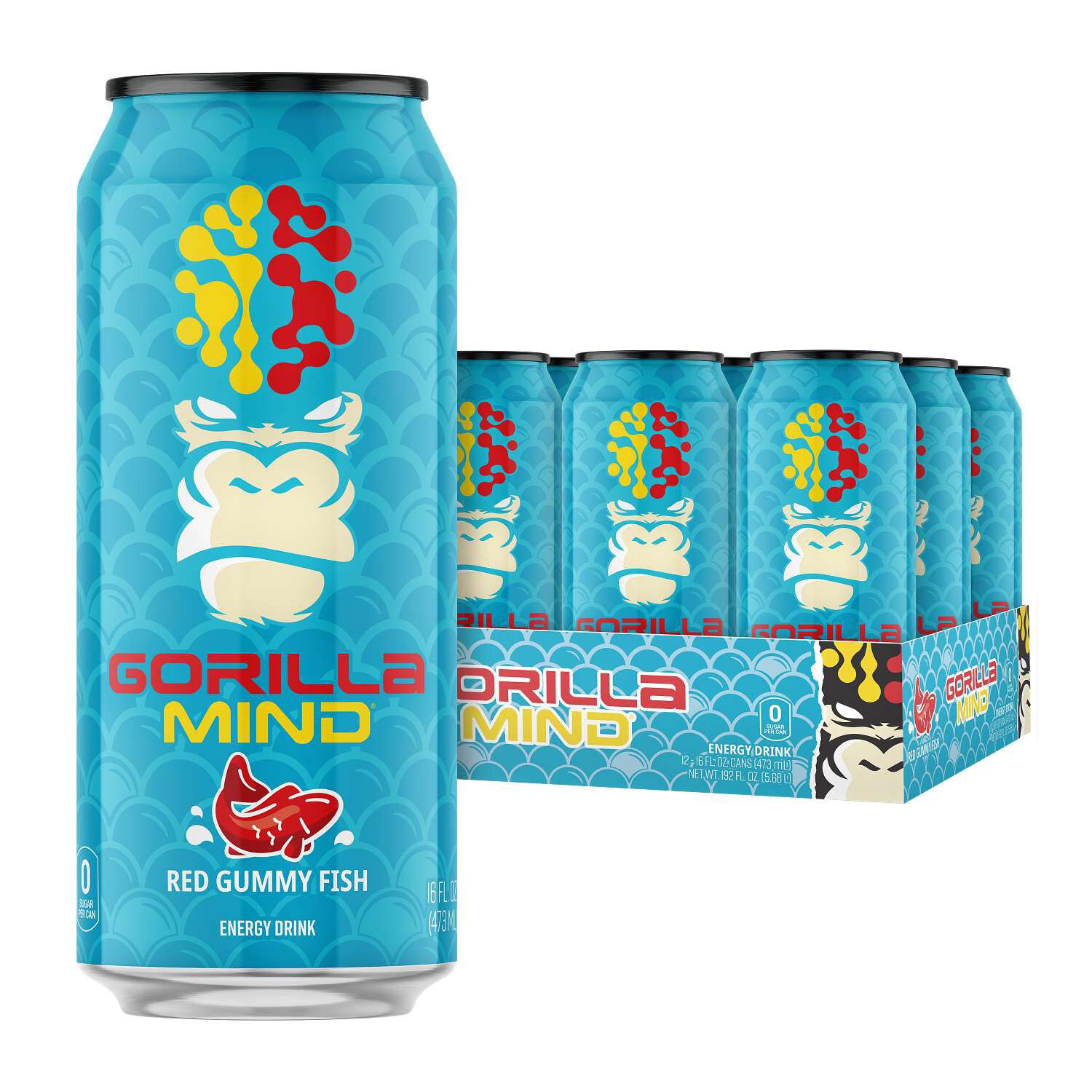
 Gorilla Mind
Related Pages

Top Collections
- Daily Collagen Supplements | Top Brands & Deals | GNC
- Natural Collagen Supplements | Top Brands & Deals | GNC
- Top Rated Collagen | Shop Customer Favorites | GNC
- Cortisol Supplements
- Vitamins For Hair Loss
- Spirulina Tablets
- NAD+ Supplement Tablets
- Peptide Supplements
- Best Brand of Magnesium Glycinate
- Vitamins That Help Support Weight Gain