Summer Antioxidant Superfood Powders
(0 Results)
Summer antioxidant superfood powders could be a vibrant addition to your seasonal routine, offering a convenient way to enjoy nutrient-rich ingredients inspired by nature. These colorful blends may fit seamlessly into smoothies, juices, or recipes, making it easy to savor the flavors of summer while supporting your wellness goals. Explore a variety of summer antioxidant superfood powders that might help you refresh and revitalize your daily nutrition with every scoop.
-

-

-

-

-

-
-
-

-
-

-
-
-
-

-

-

-
-

-
 13$42.99
 -

-
-


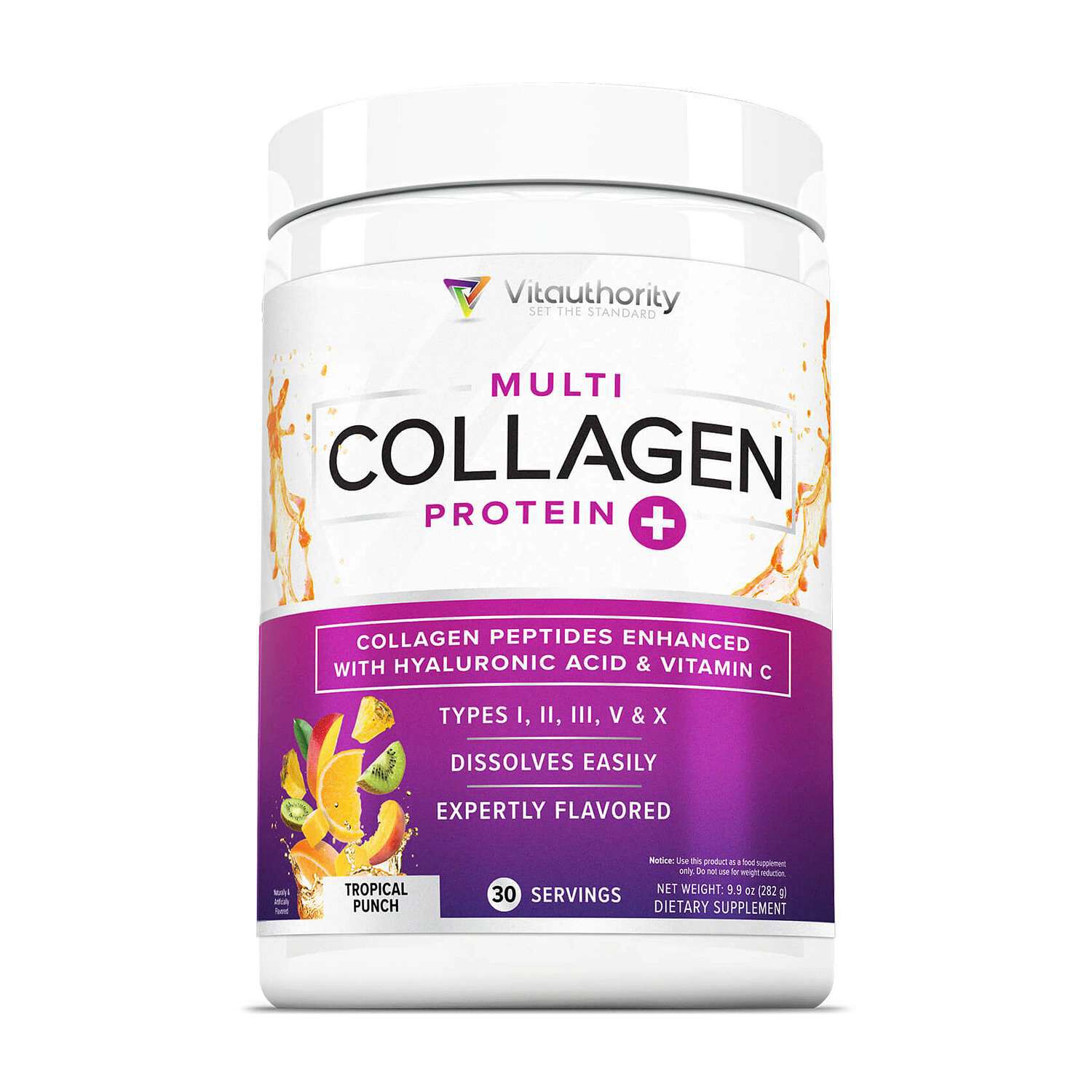
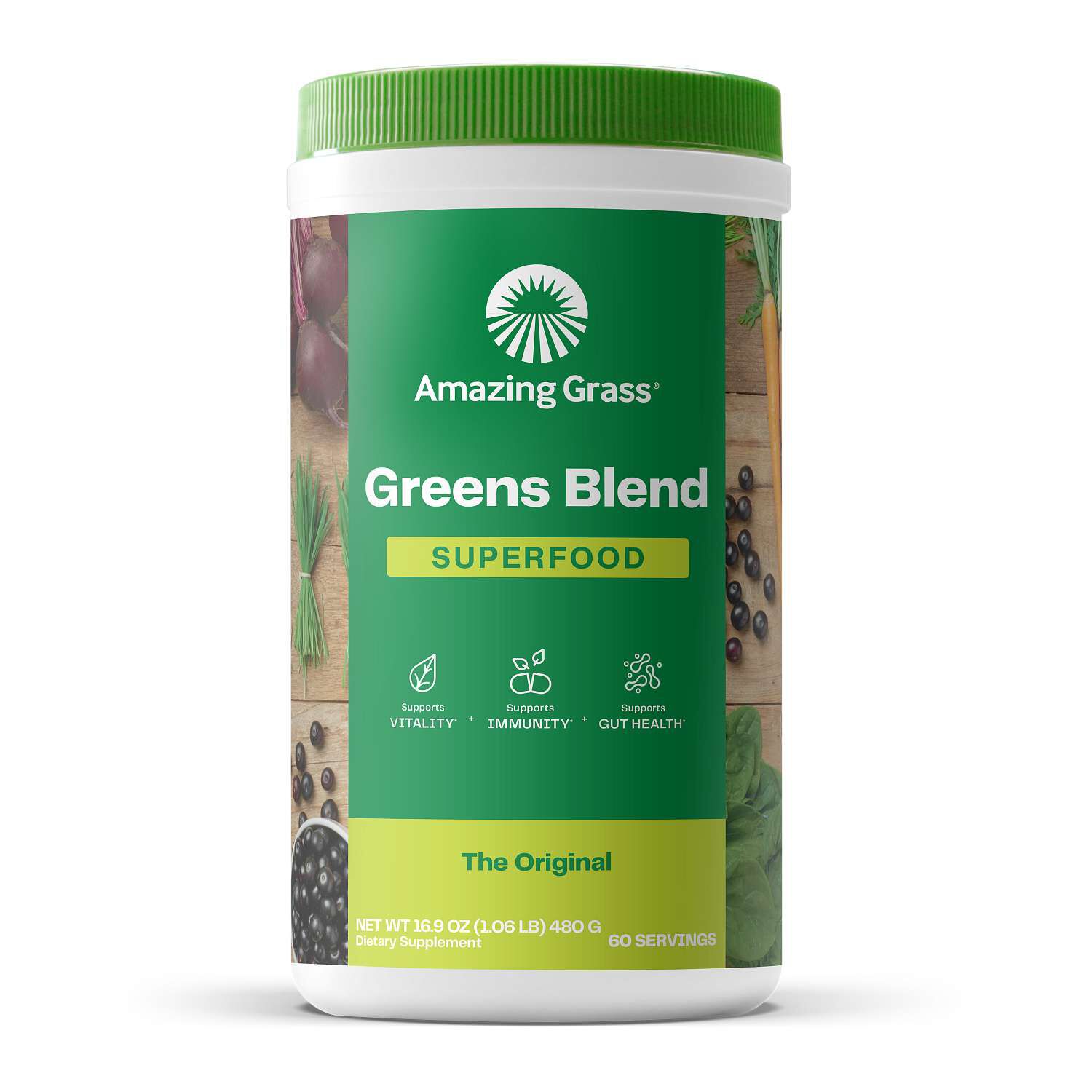
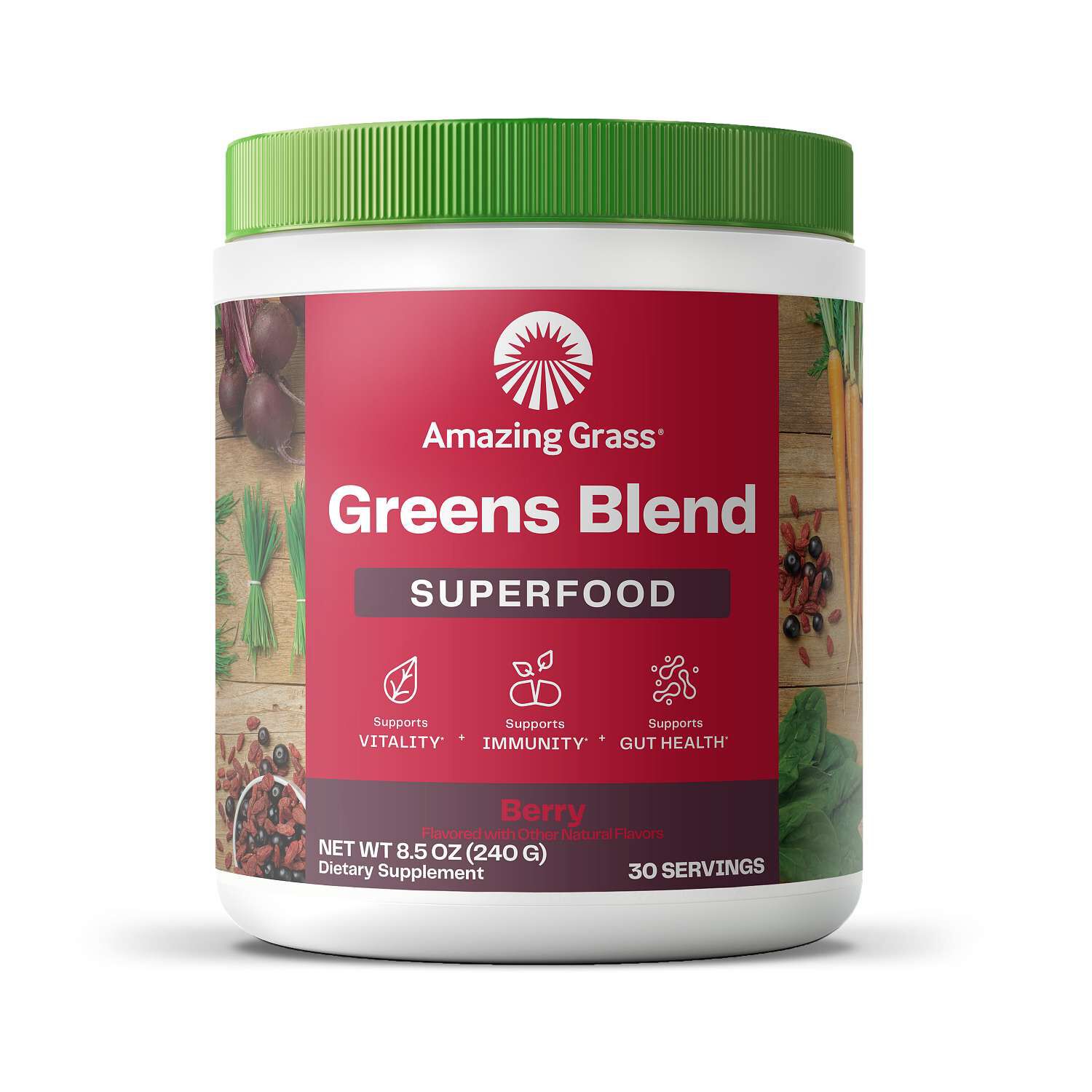
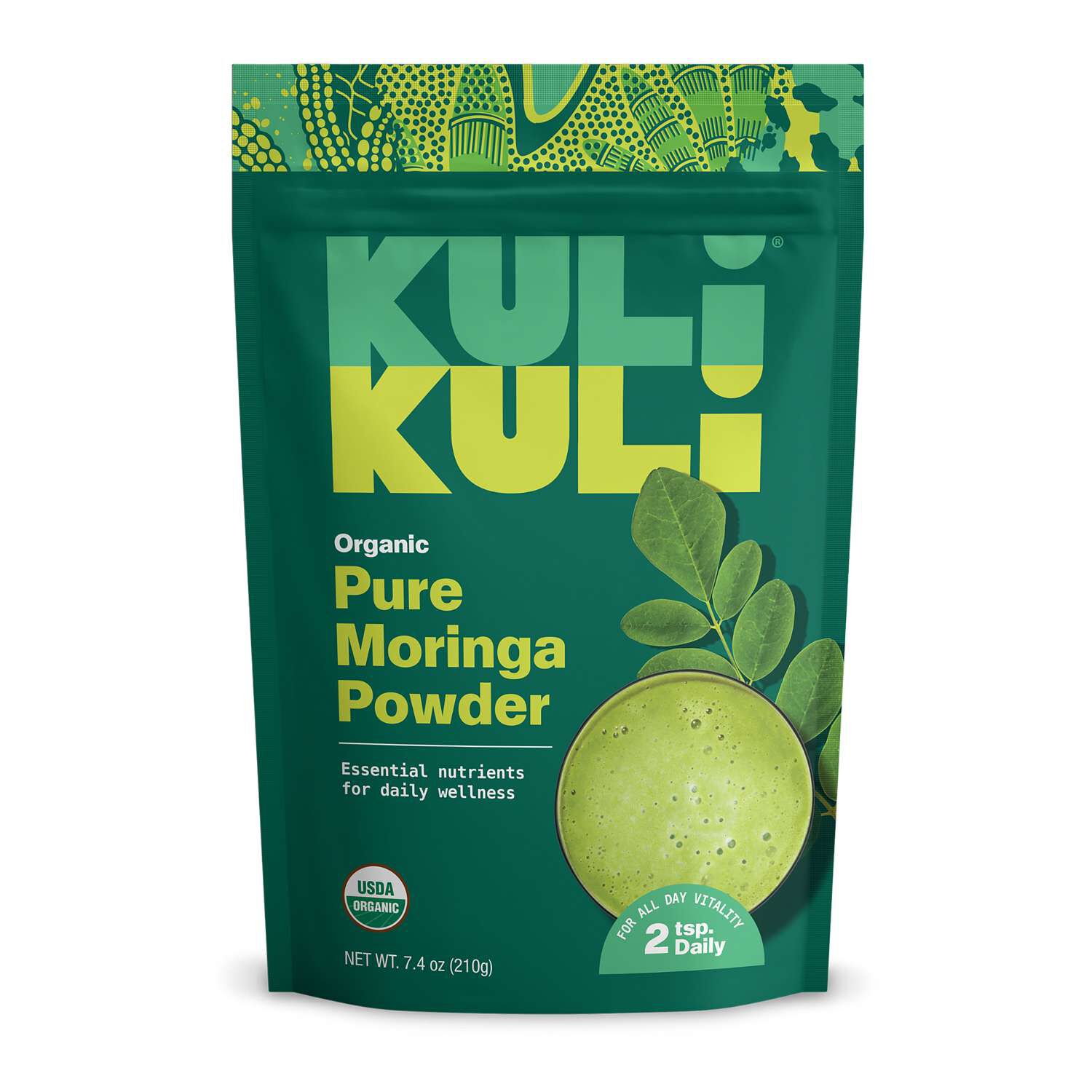
Summer antioxidant superfood powders are powdered blends of fruits, vegetables, algae, and other plant ingredients, sometimes formulated with added vitamins and minerals. The summer theme lends itself to berry flavors, citrus notes, and preparations served over ice or blended with fruit. Acai, goji, elderberry, blueberry, and acerola cherry are familiar ingredients in fruit-focused formulas, while kale, spinach, spirulina, and chlorella appear in many greens blends. Beetroot and turmeric bring another dimension to the ingredient list, with earthy flavor profiles that contrast with sweeter fruit ingredients. Antioxidant is a broad term that includes certain vitamins and plant compounds; it does not describe one ingredient or one recipe. Likewise, superfood is a descriptive category rather than a standardized measure of nutritional content. The details on each label matter more than the category name alone, particularly when comparing ingredient amounts, serving sizes, and declared nutrients. A berry-centered powder might suit a smoothie made with frozen strawberries and plain yogurt, while a greens-forward blend might pair with pineapple, banana, and an oat beverage. These combinations reflect flavor preferences, not a requirement to prepare every powder the same way. Some formulas are intended for water, others for smoothies, and some have directions for several preparations. Powdered ingredients also vary in texture: a formula containing finely milled plant material may leave more sediment than one designed to dissolve readily. Deep purple berries, reddish beetroot, and dark green algae give these blends a distinctive visual character, although the finished drink’s appearance depends on the full formula and what it is mixed with. For summer picnics, breakfast on the patio, or a drink packed alongside lunch, the format offers a way to use measured portions without assembling several separate powdered ingredients. These products belong alongside a varied eating pattern, rather than standing in for meals or a range of fruits and vegetables. Their most useful point of comparison is the combination of ingredients, preparation directions, and flavor that suits the intended routine.
The differences among summer antioxidant superfood powders extend well beyond a berry or greens designation. A short ingredient list might focus on a single fruit or vegetable, while a blended formula might include several plant sources, added nutrients, flavorings, and sweeteners. Neither approach automatically makes a powder the better match; the distinction is whether the formula aligns with the shopper’s preferences and intended use. Someone who already makes a fruit smoothie each morning might prefer a straightforward powder with a subtle flavor, while someone mixing a serving into water might favor a more pronounced berry or citrus profile. Sweetness deserves a close look because fruit ingredients, added sugars, stevia, monk fruit, and other sweeteners create different tasting experiences. An earthy greens blend mixed with plain water is a different proposition from the same blend surrounded by mango and coconut beverage. Ingredient order, the amount in a serving, and the serving directions offer useful context for those comparisons. When several ingredients appear within a proprietary blend, the label might state the blend’s combined weight without listing a separate amount for every component. Any vitamin and mineral amounts shown on the nutrition or supplement panel are more informative than assumptions based on an ingredient’s reputation. Dietary preferences also shape the choice. Labels and certification marks help identify formulas made to particular sourcing or dietary standards, while allergen statements clarify the presence of ingredients such as milk or soy. Some powders contain added caffeine or ingredients that naturally contain caffeine, so a fruit-colored package should not be treated as a description of everything inside. Added fiber, protein, or enzymes may also appear in certain formulas, but those additions are not part of every antioxidant powder. For a household sharing smoothies, the right fit includes everyone’s flavor preferences and any relevant ingredient restrictions. A powder chosen for a banana-and-yogurt breakfast may need a different flavor profile than one intended for tart lemonade, sparkling water, or a lightly sweetened afternoon drink. Preparation instructions remain the reference for suitable liquids, portion sizes, and intended use.
Packaging and storage are practical considerations for powders used in summer settings, whether the destination is a beach rental, a picnic table, or the kitchen counter. Resealable pouches, tubs with fitted lids, and individually portioned packets each suit different routines. A tub works well where there is room for the container and a dry measuring scoop, while packets take up less room in a lunch bag or travel pouch. Serving counts and package dimensions help distinguish a container intended for regular household use from a smaller format suited to occasional preparation. For powder freshness, the storage directions on the package take priority. Moisture, direct sunlight, and prolonged exposure to heat are worth considering when deciding where a container will spend the day; a hot parked car or an open bag beside a pool is not the same environment as a dry cupboard. A securely closed package and a clean, dry scoop help limit contact with moisture between uses. Prepared drinks have separate storage considerations, especially when mixed with yogurt, milk, or other perishable ingredients. A shaker bottle suits many water-based preparations, while a blender is useful when the recipe includes frozen fruit or other substantial ingredients. Some powders may disperse more evenly when first mixed into a small amount of liquid, provided that approach fits the preparation directions. Settling and texture depend on the formula, so the expected drinking experience is another useful detail to consider before choosing a powder for a particular occasion. These blends may appeal to people who enjoy smoothies, prefer measured drink mixes, or want a plant-focused addition to an existing breakfast routine. As a gift, an unopened powder is best matched to the recipient’s known ingredient preferences, with a reusable shaker or smoothie cup making a practical pairing. The related Summer Superfood Detox Powders collection offers another seasonal category to explore, with individual labels providing the details needed to compare formulas. Across these categories, flavor, ingredient transparency, serving format, and everyday practicality give shoppers concrete ways to find a powder suited to their plans.
Best Sellers
-
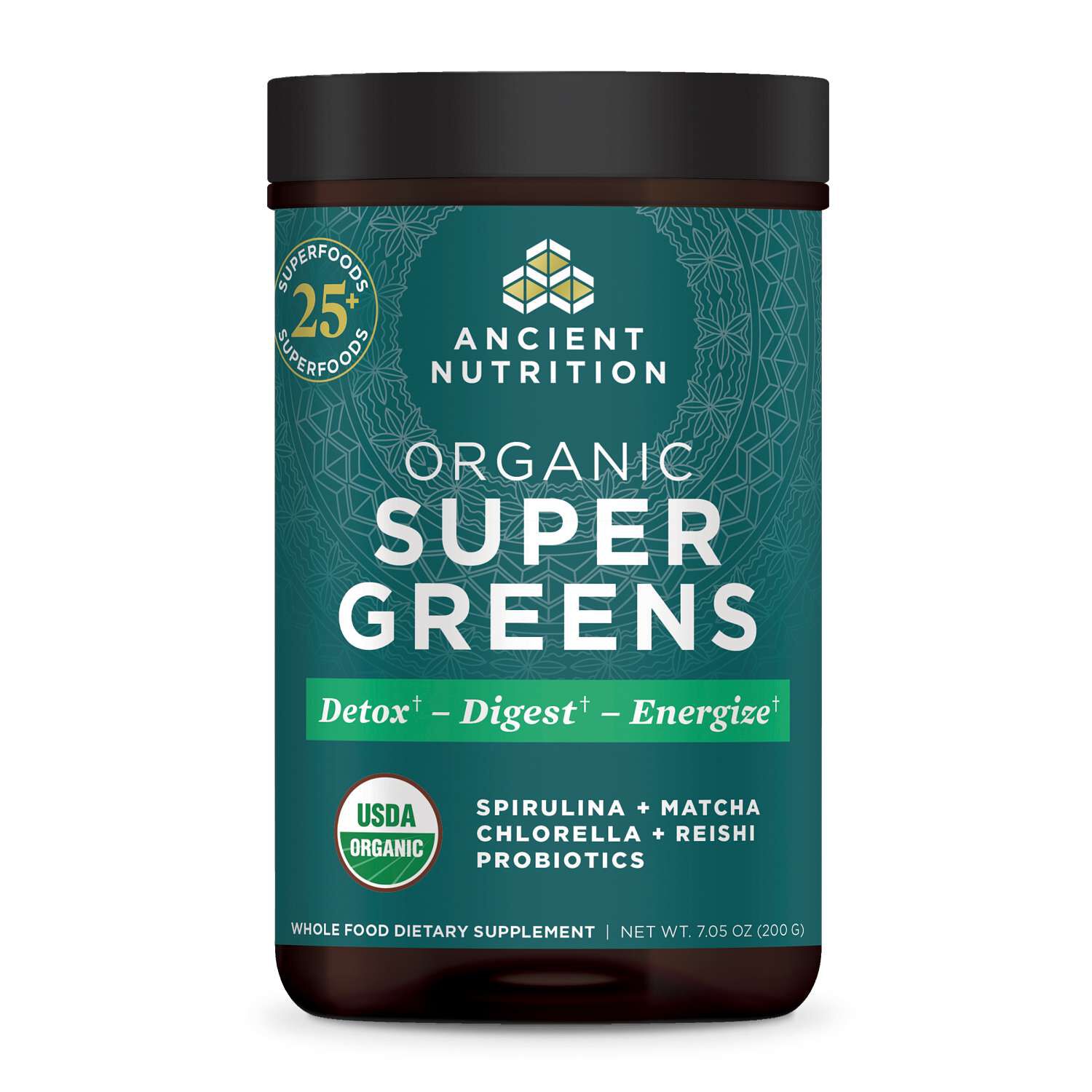 Ancient Nutrition
 -
Amazing Grass