Summer Metabolic Health Supplements
(0 Results)
Summer metabolic health supplements could be a great addition to your seasonal wellness routine. Warmer weather and longer days might inspire you to support your metabolism and overall vitality, whether you're staying active outdoors or focusing on balanced nutrition. Explore a wide range of summer metabolic health supplements that may fit seamlessly into your daily regimen as you pursue your wellness goals.
-
 Purity Products$49.99
 -
-
-

-

-

-
-
-
-
 $79.99
 -
-
-
 $44.99
 -

-
-
 Enclave BioActives$69.99
 -
-
-

-
-

-
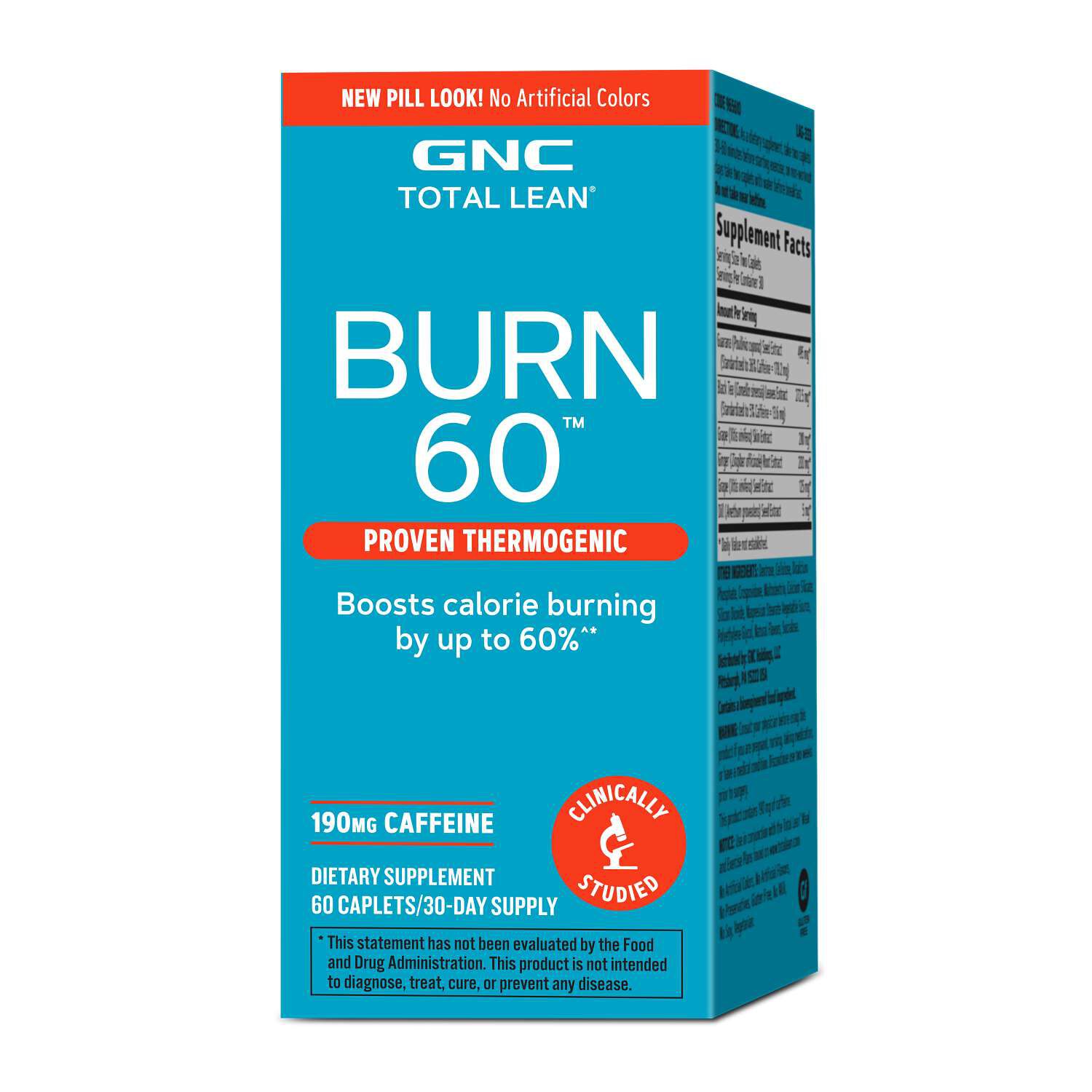


Summer metabolic health supplements bring together vitamins, minerals, and other nutritional ingredients intended for everyday wellness routines. Metabolism refers to the processes through which the body uses nutrients from food for energy and other normal functions; it is broader than a workout goal or a change in clothing size. Within this category, formulas may support normal energy metabolism, with differences in ingredient selection, serving size, and format shaping how each option fits into daily life. Common ingredients associated with metabolic wellness include B vitamins, magnesium, chromium, vitamin D, omega-3 fatty acids, and plant extracts. These ingredients have different nutritional roles, so two formulas with similar descriptions can still differ considerably. A B-complex formula centers on a family of vitamins, while a mineral formula might feature magnesium alone or alongside other nutrients. Other blends combine several ingredient types in one serving. The Supplement Facts panel provides a more useful comparison than the name on the front of the package: it identifies the ingredients, their amounts, and the number of capsules, tablets, gummies, or scoops in a serving. For someone carrying a warm-weather routine into cooler months, that practical detail can matter as much as the format itself. A breakfast at the kitchen counter, a packed lunch at the office, and an overnight bag for a weekend visit each create a different setting for a supplement routine. Summer metabolic health supplements are not limited to beach days or outdoor exercise; the seasonal theme can also reflect an interest in keeping familiar habits as schedules change. Food, movement, sleep, and hydration remain part of that broader picture. Supplements are an addition to a routine, rather than a substitute for meals or a shortcut to a particular result. A useful comparison starts with what a formula contains, what its label describes, and whether its intended use matches the shopper’s preferences.
Ingredient details help distinguish the options within this category without treating every metabolic wellness formula as interchangeable. B vitamins may support the body’s normal use of nutrients for energy, and B-complex labels show which individual vitamins are included and in what amounts. Magnesium may also support normal energy metabolism, with labels identifying forms such as citrate, glycinate, or oxide. The ingredient form and the amount of magnesium listed per serving are separate details worth comparing; a prominent number on the front label does not always tell the whole nutritional story. Chromium may support normal macronutrient metabolism, though its presence alone does not describe the purpose or composition of an entire blend. Vitamin D, omega-3 fatty acids, and alpha-lipoic acid may appear in broader wellness assortments, but they are distinct ingredients rather than substitutes for one another. For omega-3 formulas, source information can distinguish fish-derived ingredients from algae-derived ingredients, while the panel may list individual fatty acids separately. Botanical blends introduce another set of considerations. A formula containing green tea extract, for example, can differ from another in its extract amount, accompanying ingredients, and caffeine content. A plant-based ingredient does not automatically describe the whole formula, and an extract is not the same format as a cup of brewed tea. For shoppers comparing a morning capsule with a flavored powder, the meaningful differences include serving directions, ingredient amounts, sweeteners, and preparation needs—not simply the ingredient highlighted most prominently. Anyone who already uses a multivitamin may also find overlapping nutrients across labels, making the full ingredient list relevant to the comparison. For a broader look at related seasonal supplement categories, Summer Wellness Growth Supplements offers another browsing path. Across these categories, product descriptions are most useful when read alongside the nutritional panel, source details, and labeled purpose, rather than as predictions of an individual experience.
Format, packaging, and storage are the everyday details that determine how comfortably a supplement fits into an established routine. Capsules and tablets have little preparation involved, while powders introduce flavor, texture, a measuring step, and a container for mixing. Gummies offer a chewable format, but the serving count, sweeteners, and other ingredients can differ from those of a capsule with a similar category description. Softgels have their own shell ingredients, which may matter to shoppers with vegetarian preferences or particular ingredient requirements. The other-ingredients section can identify capsule materials, flavorings, colors, and ingredients used to give a powder or chewable its texture. Dietary preferences are best assessed through the full label rather than the main ingredient alone. A botanical formula, for instance, may still use an animal-derived capsule shell. Packaging also deserves attention when comparing intended uses. A bottle that stays in a kitchen cabinet has different handling demands from a container carried between home, work, and a weekend destination. Clear serving information, a secure closure, and legible storage directions are practical features in either setting. Durability here is less about surviving rough handling and more about whether the package suits ordinary transport and keeps its contents protected under the labeled conditions. Storage directions matter through seasonal changes, from lingering warmth in a parked car to damp air near a bathroom shower. Powders, gummies, capsules, and softgels can have different handling requirements, so the package provides the relevant information for each format. A powder’s mixing directions also help clarify whether it suits a quick breakfast or requires more preparation than a shopper wants before leaving home. For adults comparing supplements for their own routines, these concrete details can make a broad category easier to navigate. They also explain why supplements are a personal choice rather than a one-size-fits-all gift: ingredient preferences, serving formats, and existing routines vary. The most relevant comparison is not which label sounds most ambitious, but which formula has a clearly stated purpose, transparent ingredient information, and a format suited to its intended use.