Supplements For Athletes Needing Bone Support
(0 Results)
Supplements for athletes needing bone support could play a key role in helping you stay at the top of your game. Whether you’re training for a big event or pushing through intense workouts, maintaining strong bones may be essential for peak performance and long-term wellness. Explore options designed to fit into an active lifestyle and discover how the right nutritional support might make a difference in your routine.
-
-

-

-

-
-
-

-

-

-
-

-
-

-

-

-
-
 44$44.99
 -

-
-

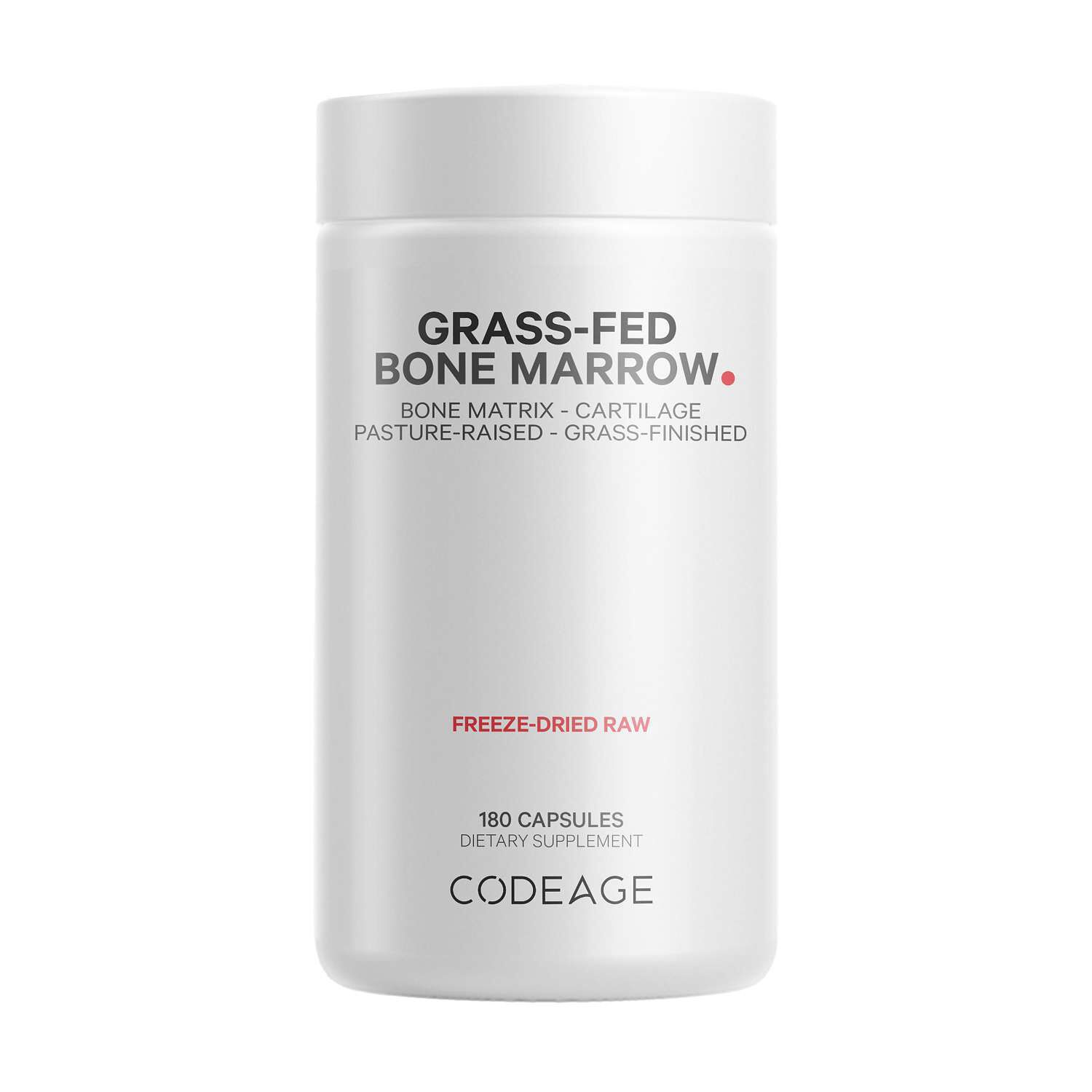


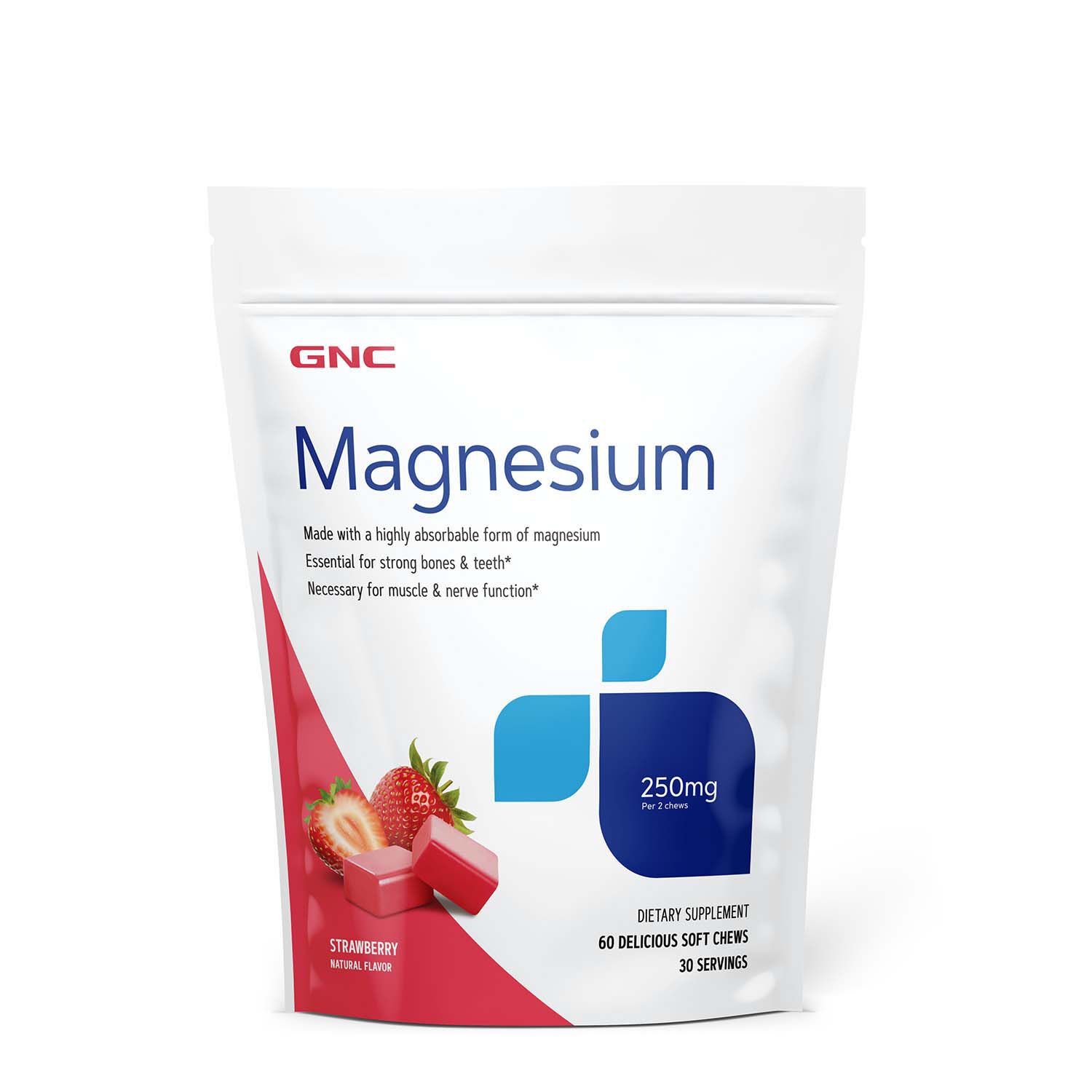
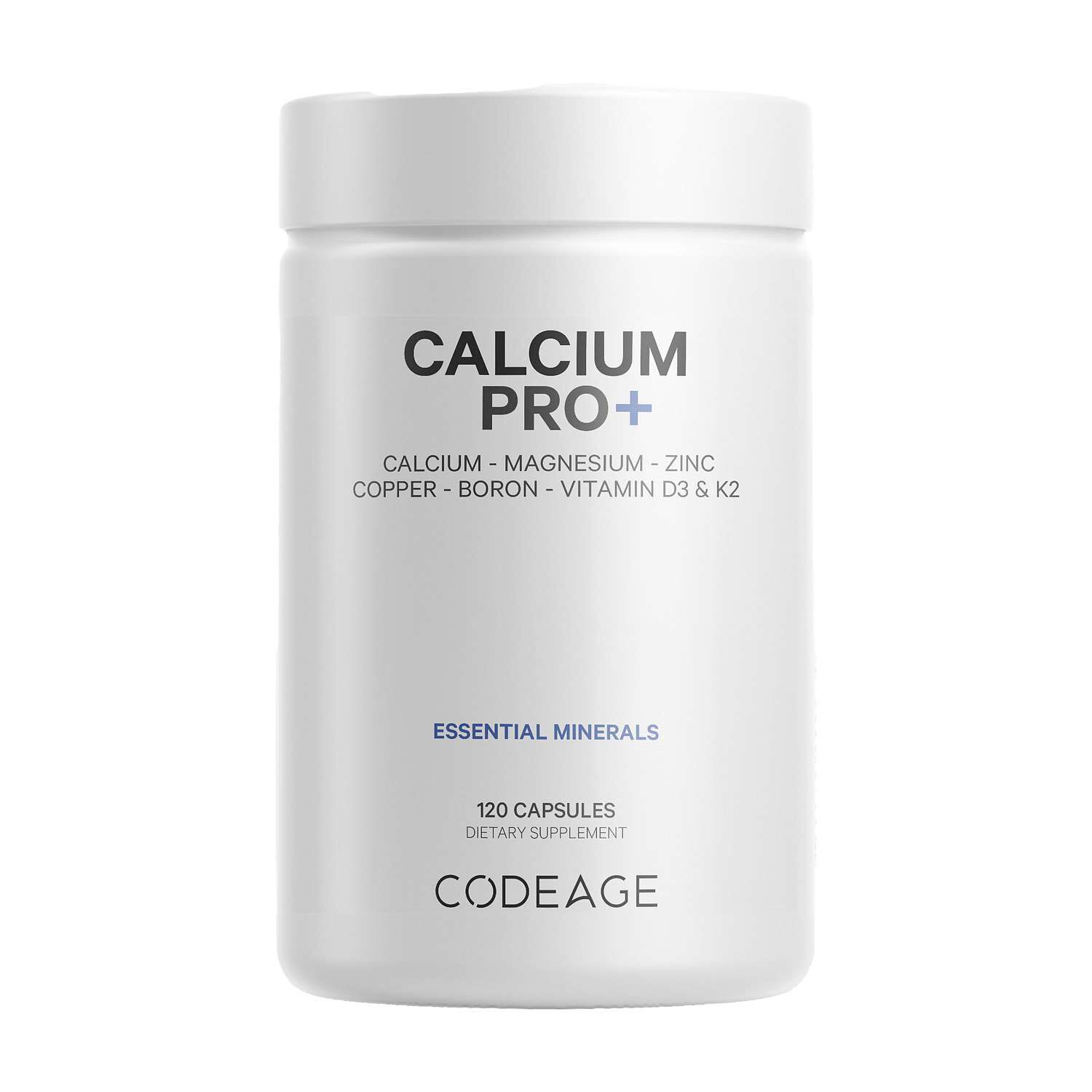
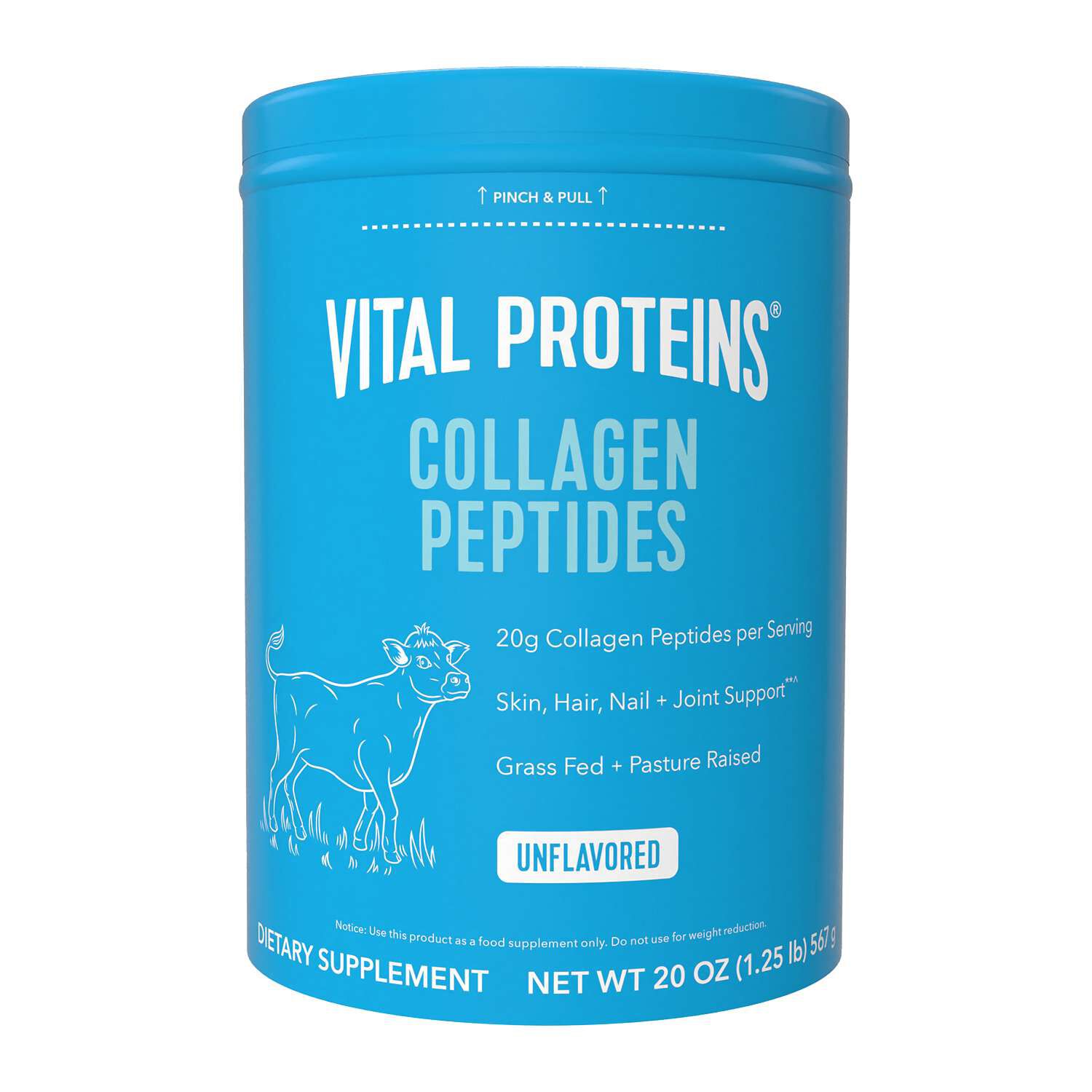
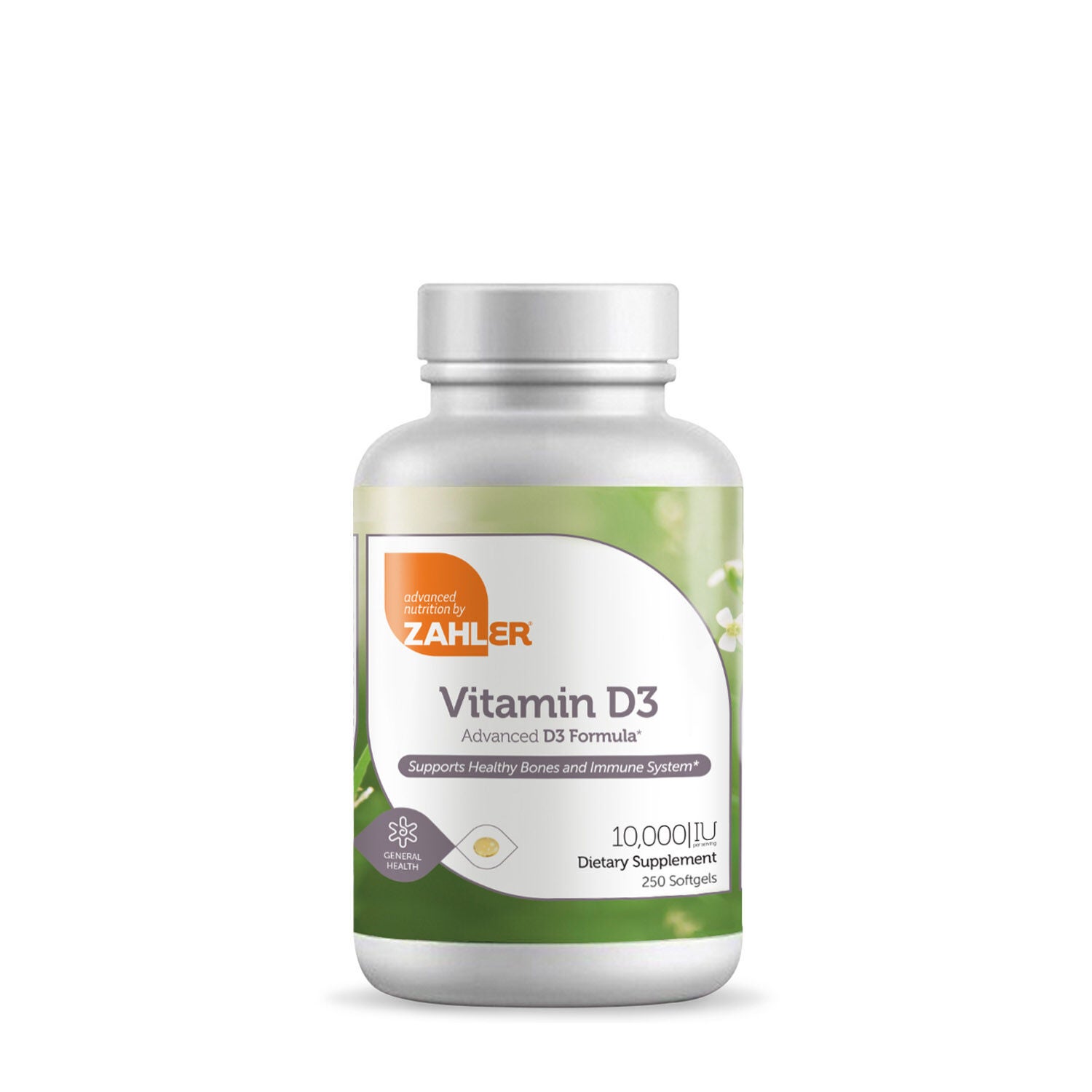
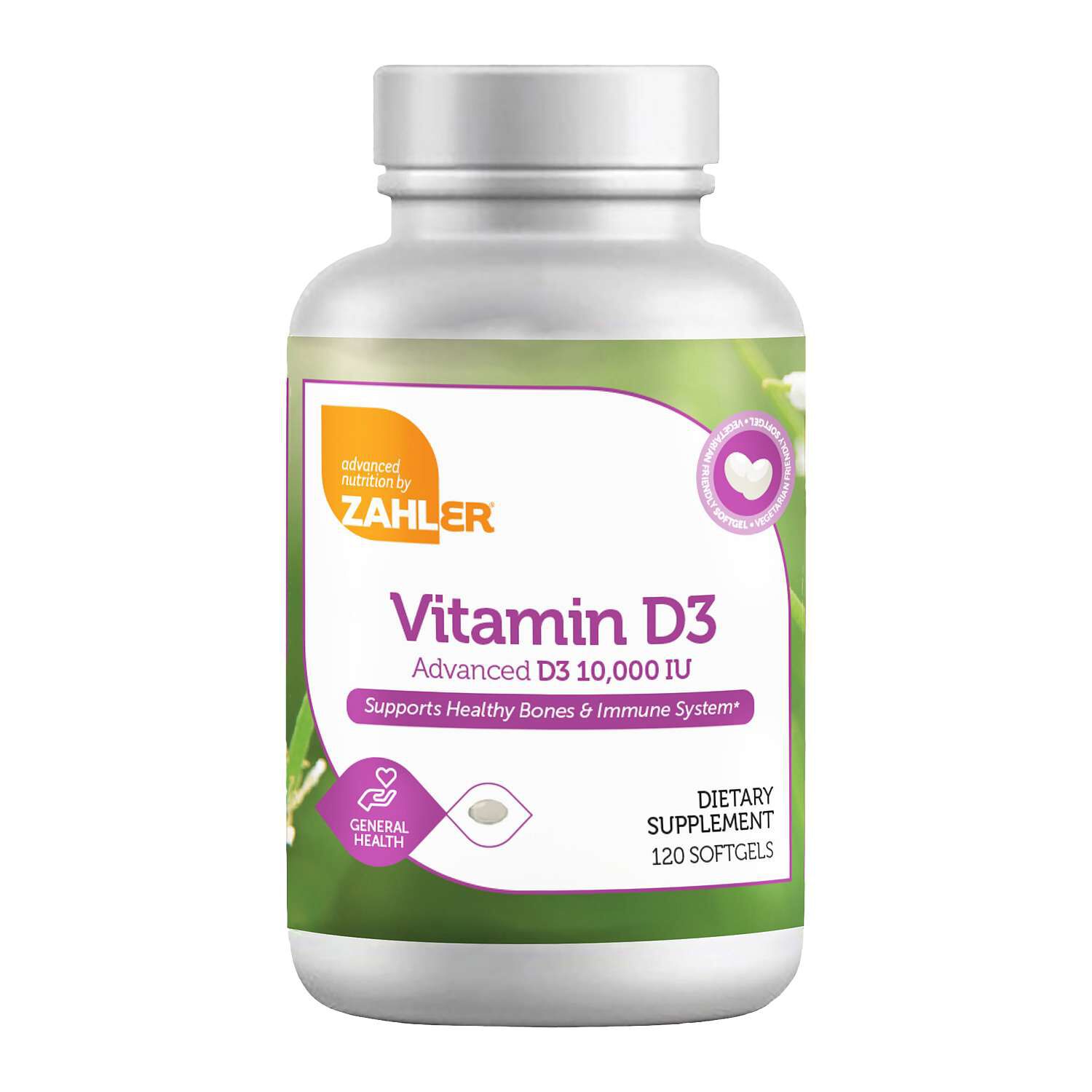
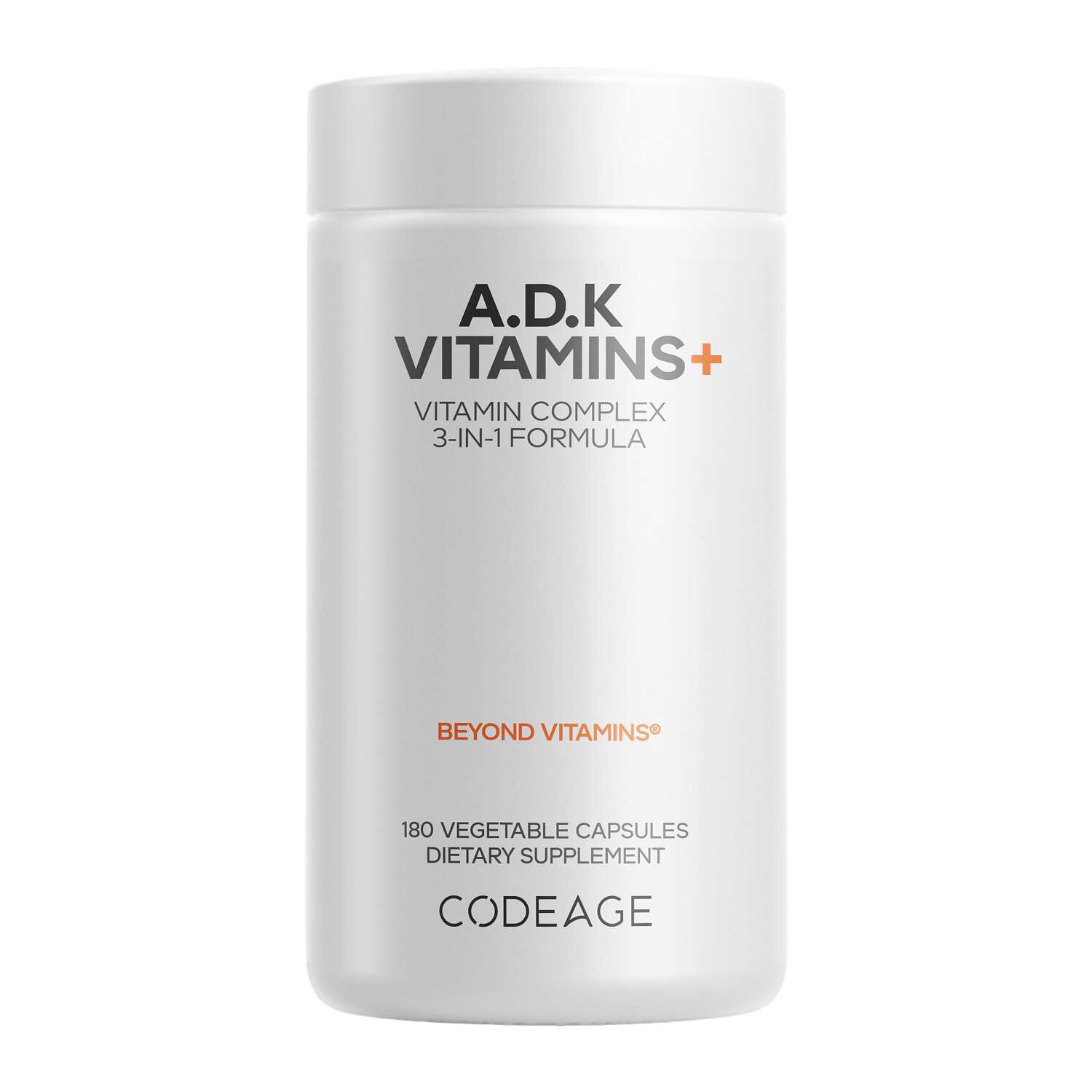
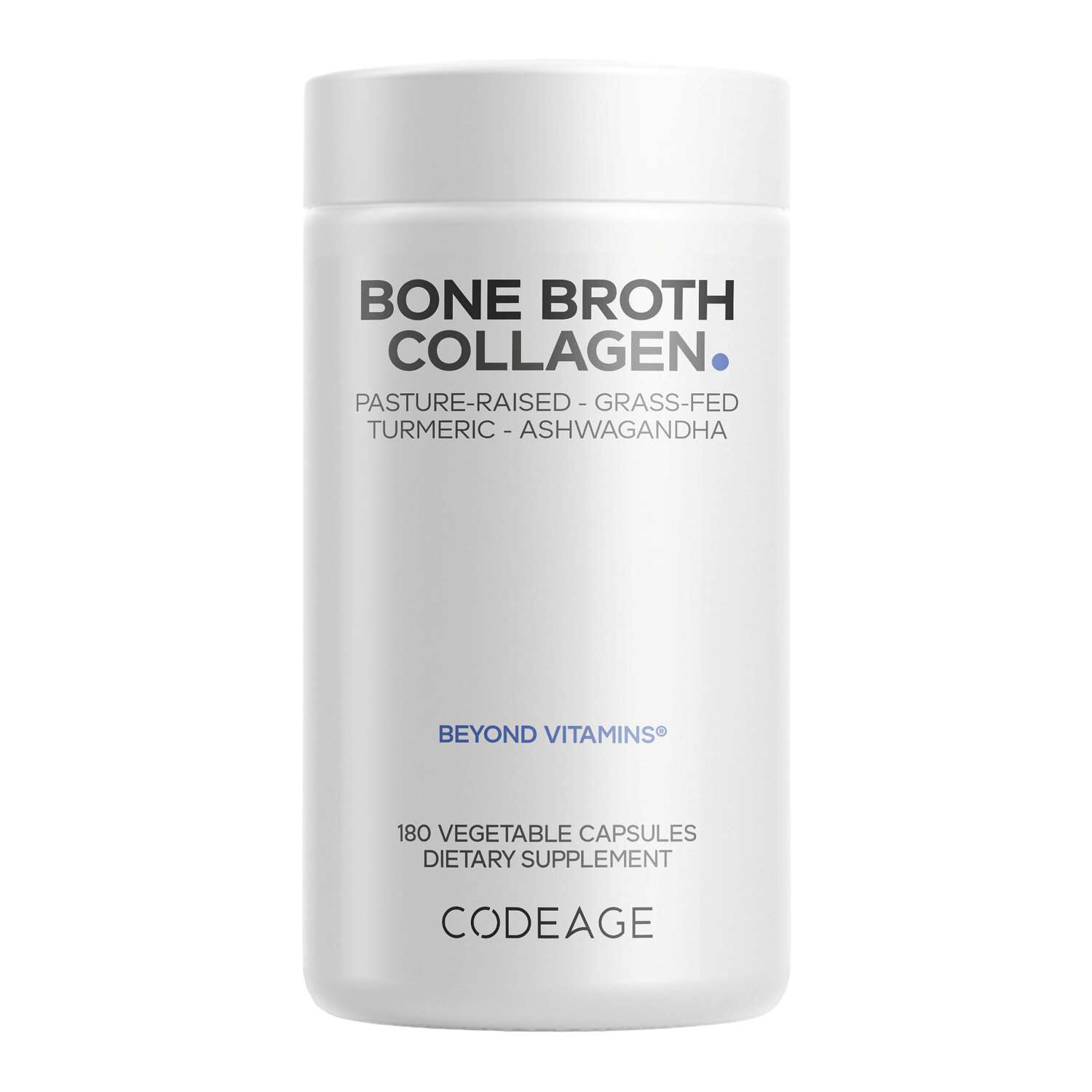
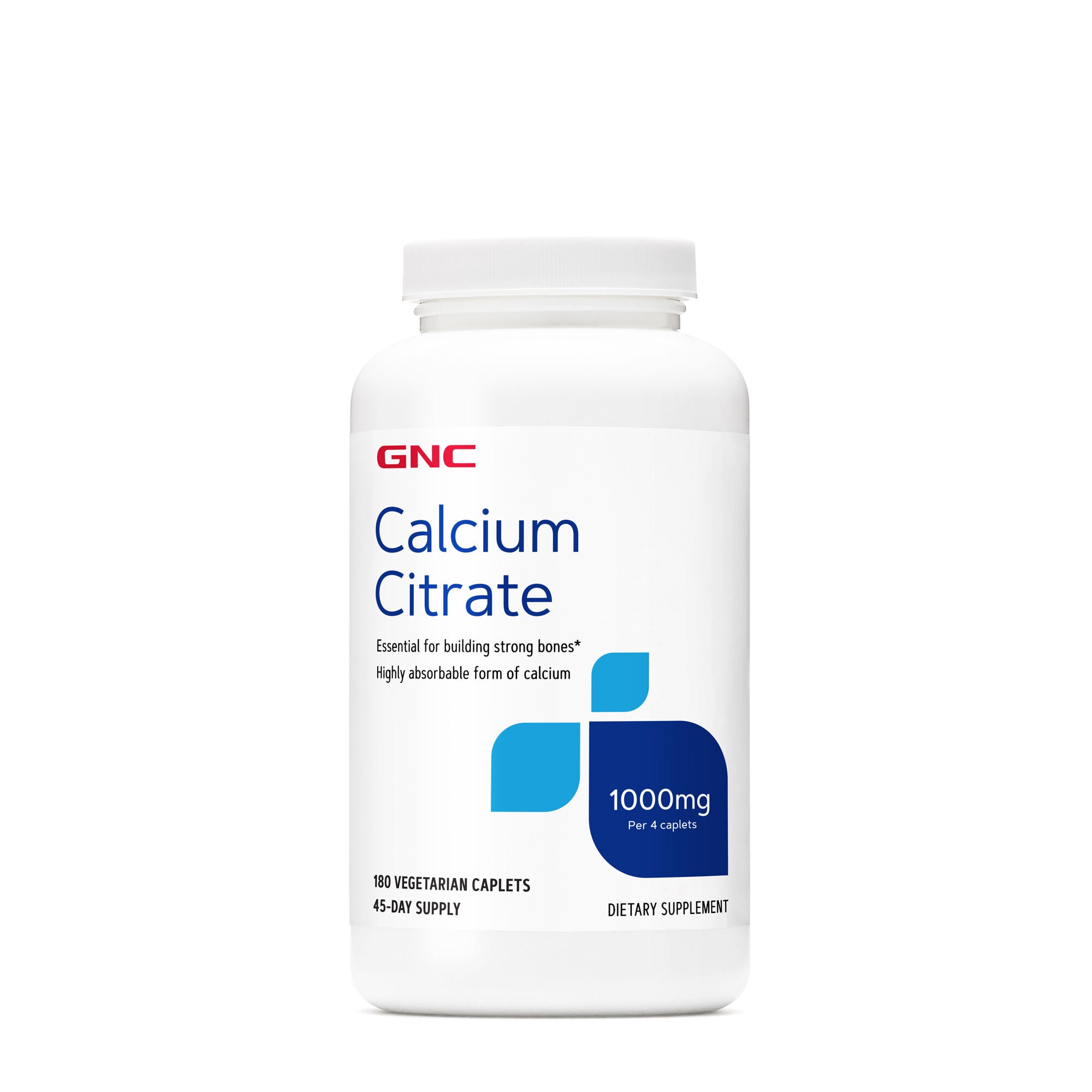
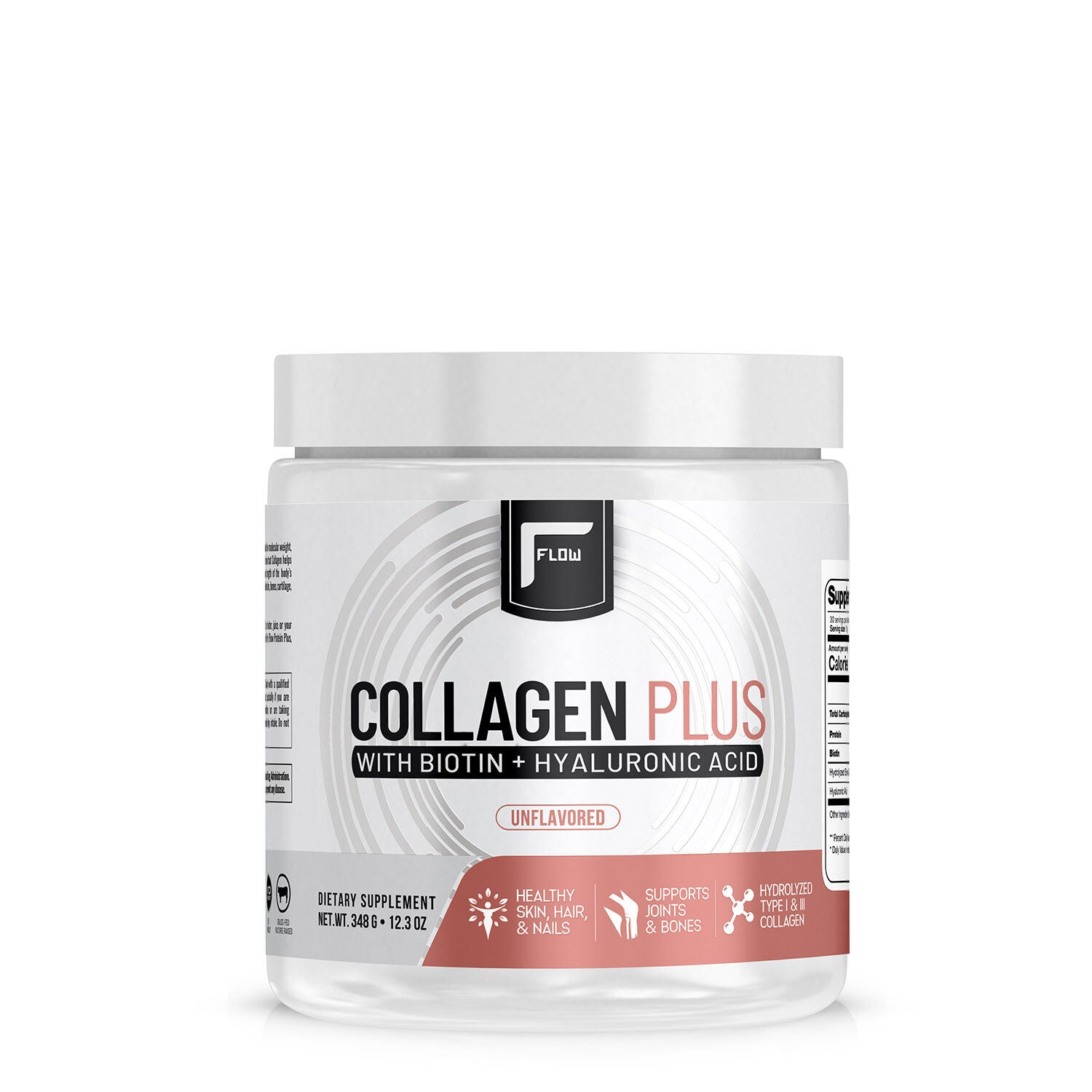
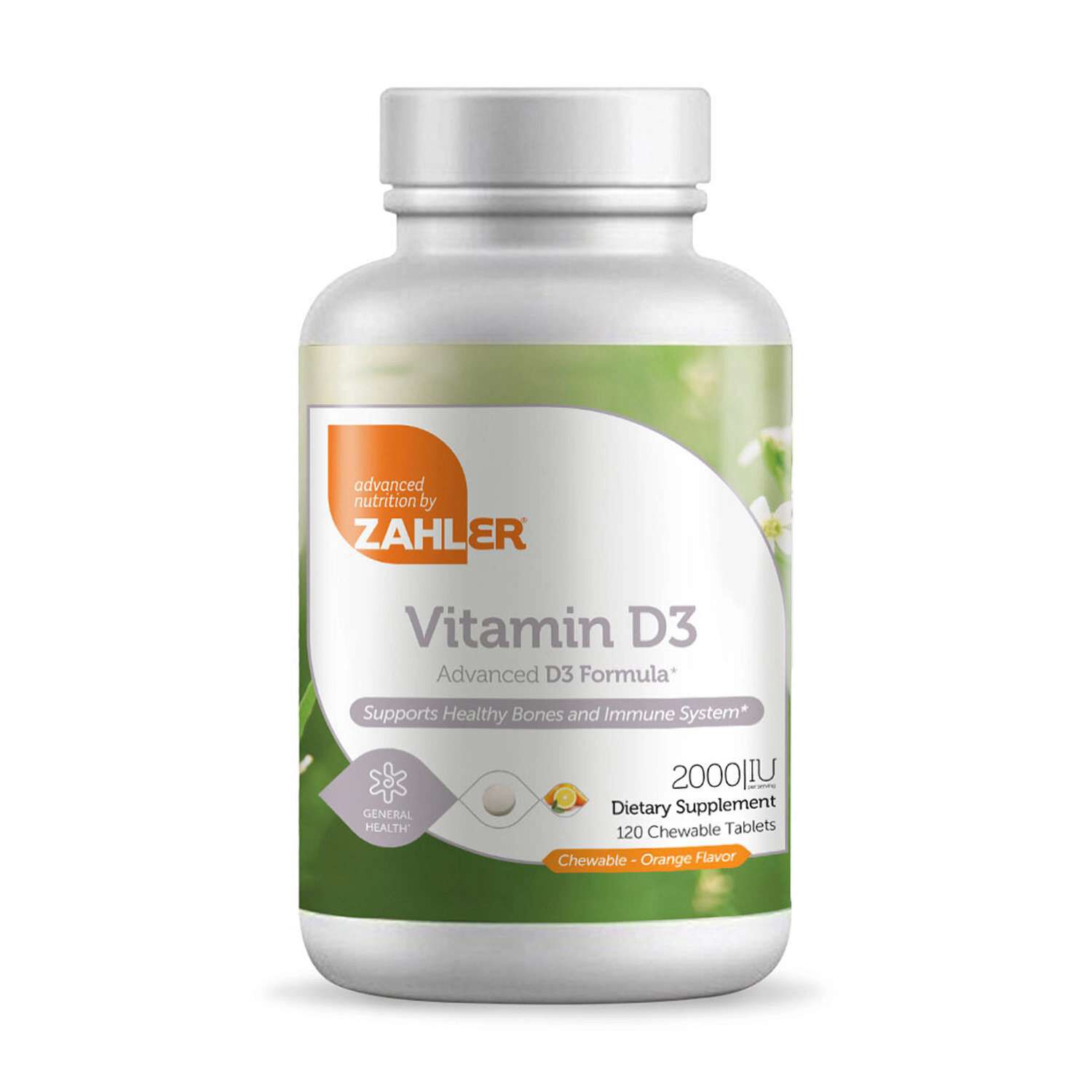
Athletes who place repeated demands on their bodies may look to nutrition products for added bone support alongside a varied eating pattern and a well-planned training routine. Runners, dancers, cyclists, gym members, hikers, court-sport athletes, and people who enjoy high-impact workouts may all browse this category, especially when training schedules become more structured during the cooler months. Indoor athletes may also pay closer attention to vitamin D products when outdoor time is limited, while people following dairy-free, vegetarian, or vegan eating patterns may compare formulas that include calcium or other nutrients commonly associated with bone support. Calcium, vitamin D, and magnesium are familiar ingredients in this space, and many shoppers choose them because they may help support normal bone structure, mineral use, and everyday nutritional intake. Collagen peptides may appeal to athletes looking for a convenient addition to shakes, smoothies, oatmeal, or coffee, with early research suggesting they could support the body’s natural connective framework. These products are not a substitute for meals, rest, hydration, or thoughtful coaching, but they may fit into a broader routine built around consistent movement and balanced nutrition. When comparing options, consider the ingredient list, serving size, form of each nutrient, dietary preferences, and how easily the product fits into an existing schedule. Calcium products may be available in different forms, while vitamin D may appear on its own or alongside calcium and other nutrients. Magnesium formulas may be selected as part of an evening routine or paired with a meal, depending on the label directions and personal preference. Collagen peptides often mix into warm or cold beverages, making them convenient for an early-morning training ritual or a post-workout snack. Read the Supplement Facts panel carefully, follow the suggested use, and account for nutrients already provided by fortified foods, dairy products, leafy greens, beans, nuts, seeds, and other everyday choices. Anyone with a health condition, a special dietary need, a history of bone concerns, or a complex supplement routine may wish to review the formula with a qualified healthcare professional before use.
Choosing supplements for athletes needing bone support often comes down to fit, simplicity, and consistency. A busy runner may prefer a small capsule that can travel in a gym bag, while a strength-training enthusiast may favor a powder that blends into a familiar shake. Someone preparing for a long hiking trip may appreciate a clearly labeled combination formula, and a student-athlete may value a compact option that works around classes, practices, and travel. These products can also make practical gifts for a training partner, new gym member, recreational athlete, or family member who enjoys building a more organized wellness routine. For gift shopping, consider easy-to-use formats, straightforward labels, storage needs, and dietary details such as vegetarian, vegan, allergen-conscious, or unflavored options. Athletes who already use a multivitamin, protein powder, electrolyte product, or Supplements For Muscle Health formula should compare ingredient panels to avoid unnecessary overlap. Timing may be guided by convenience: some people prefer taking a supplement with breakfast, others pair it with lunch or an evening meal, and powders may work best when added to a beverage already included in the daily routine. The most useful choice may be the one that feels natural enough to remember without disrupting meals or training. During the transition from outdoor sessions to more indoor workouts, athletes may also revisit their food habits, footwear, warm-up routine, recovery days, and overall training volume. Supplements may complement those habits, but they cannot replace adequate energy intake or a varied diet. If an athlete has a history of recurring bone injuries, unusual discomfort during activity, a diagnosed condition, or concerns related to training and nutrition, professional guidance may help determine whether a supplement belongs in the routine. With attention to personal needs, label directions, and dietary intake, this collection may offer convenient options for athletes who want to add targeted nutritional support to the rhythm of regular training.