





Supplements For Eye Circulation Support
(0 Results)
Supplements for eye circulation support could be a valuable addition to your daily wellness routine. Focusing on nutrients that may help maintain healthy vision, these supplements are designed for those looking to prioritize overall eye health. Explore a range of options that might fit your lifestyle and discover how supporting eye circulation could contribute to your wellness goals.
-

-

-

-
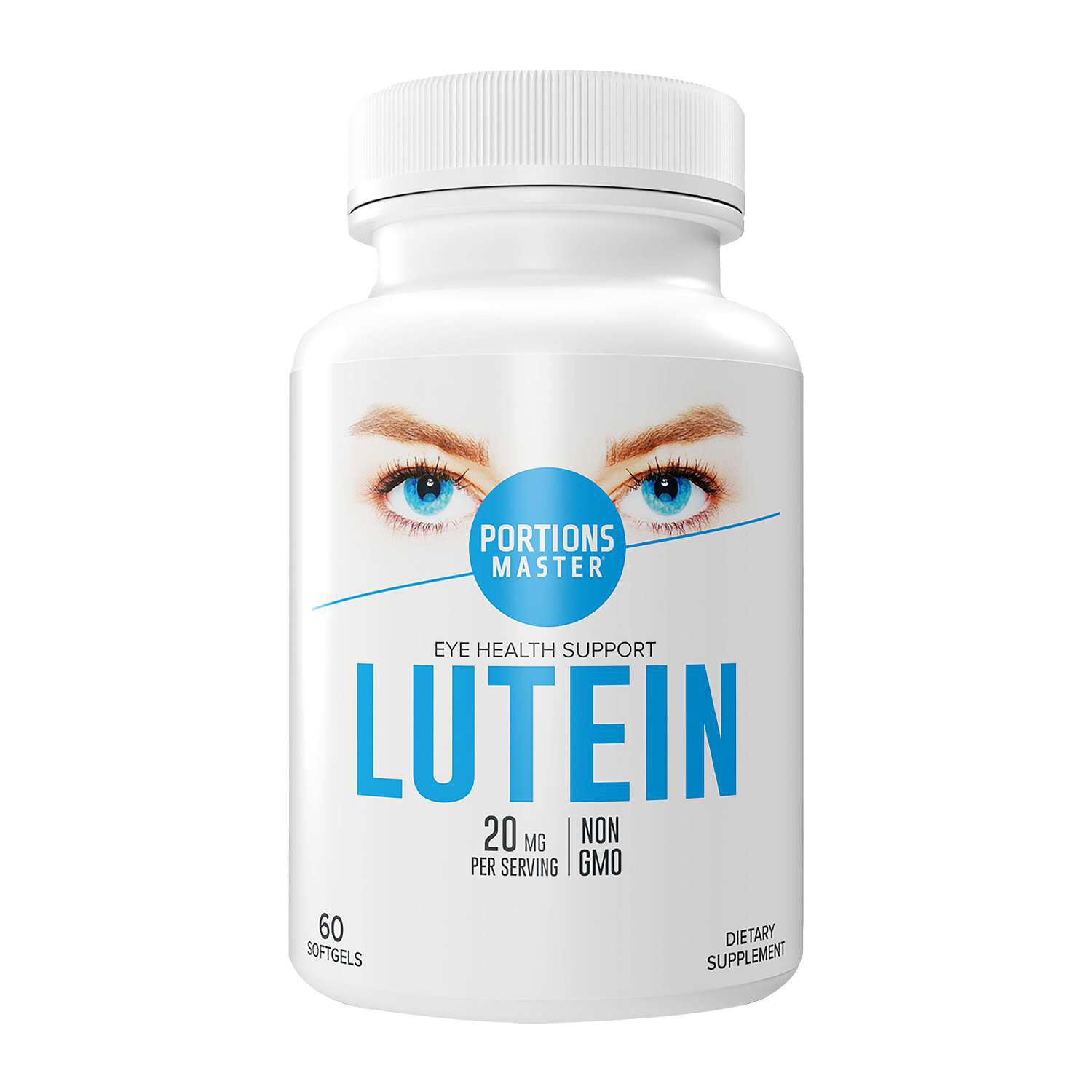 Portions Master$24.99
-

-
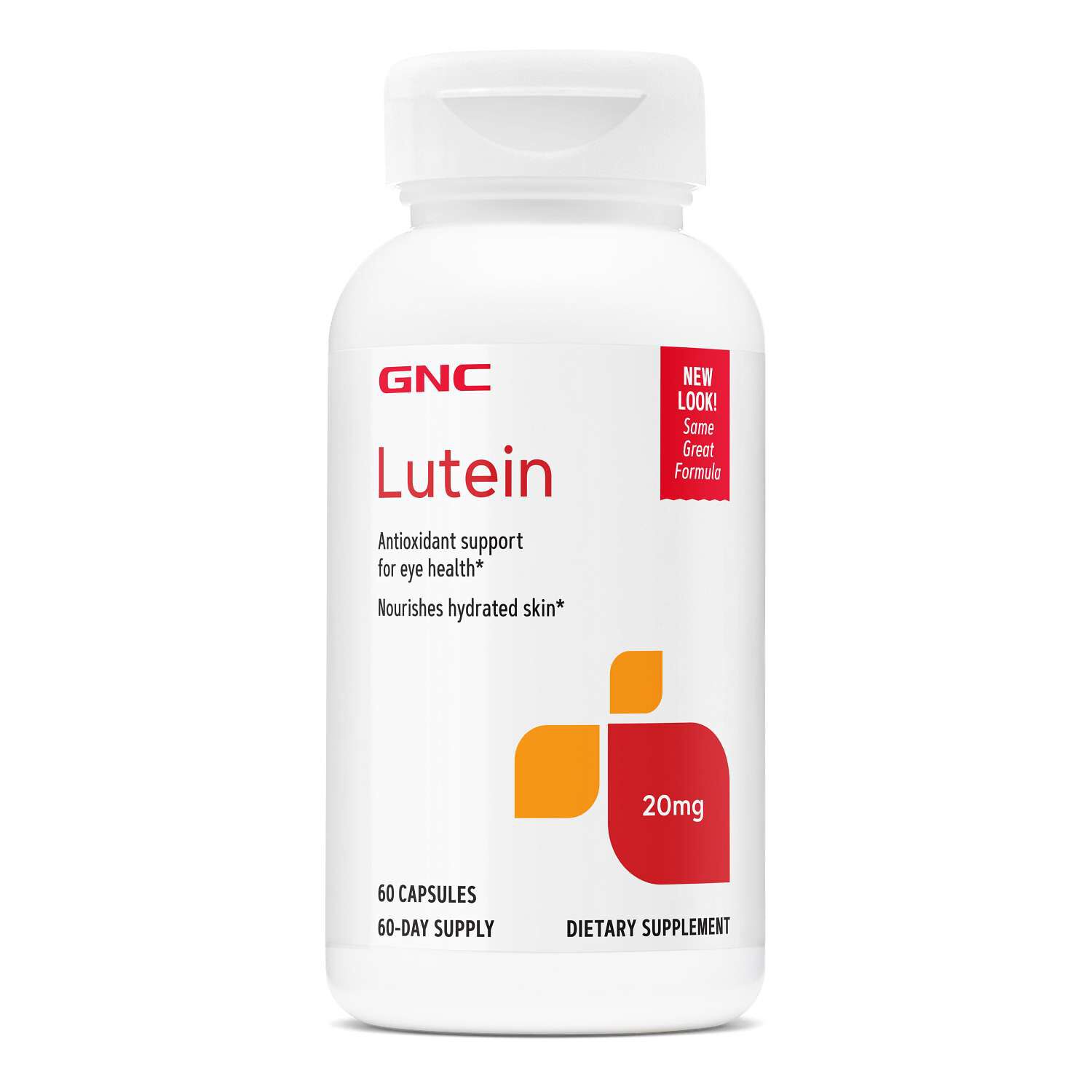
-
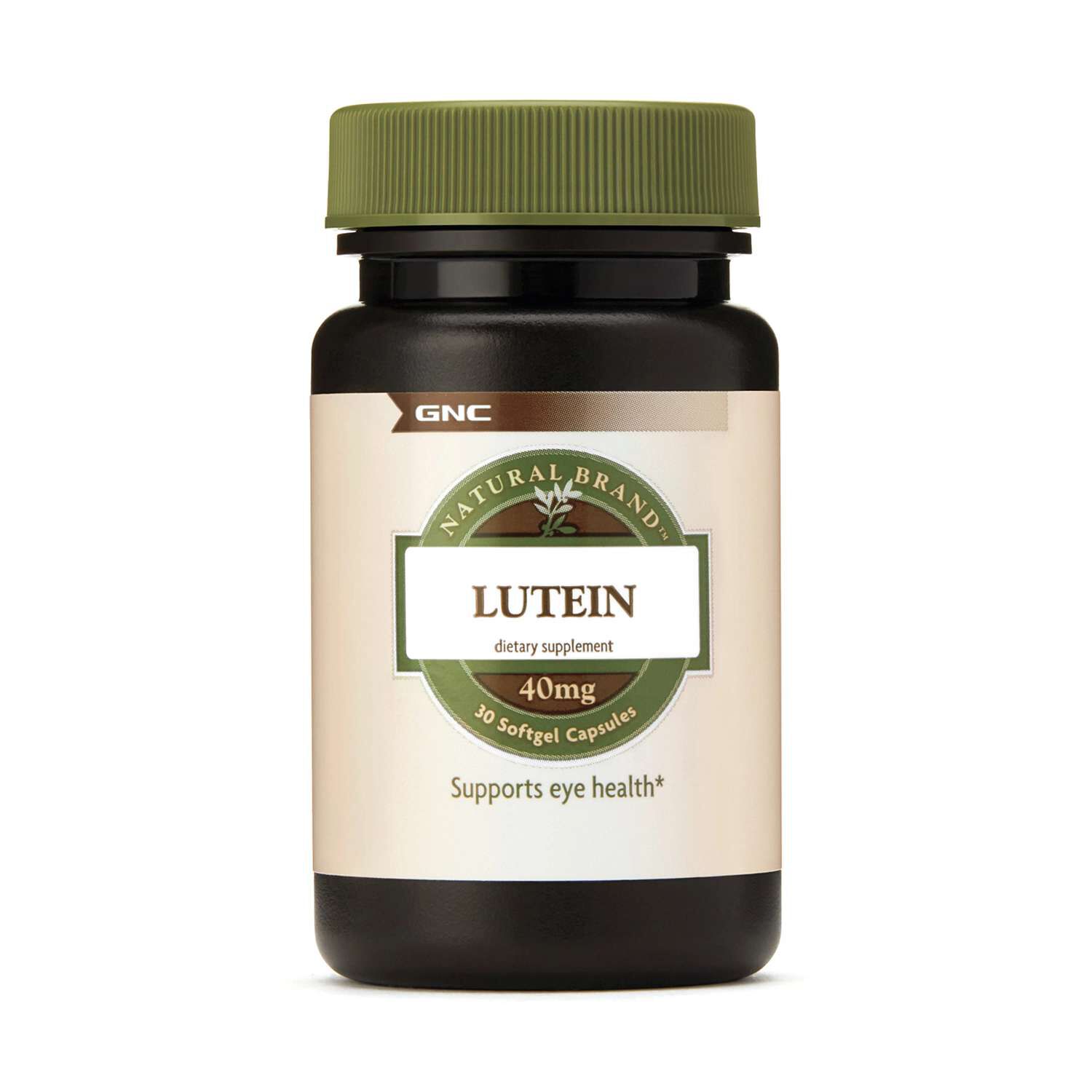
-
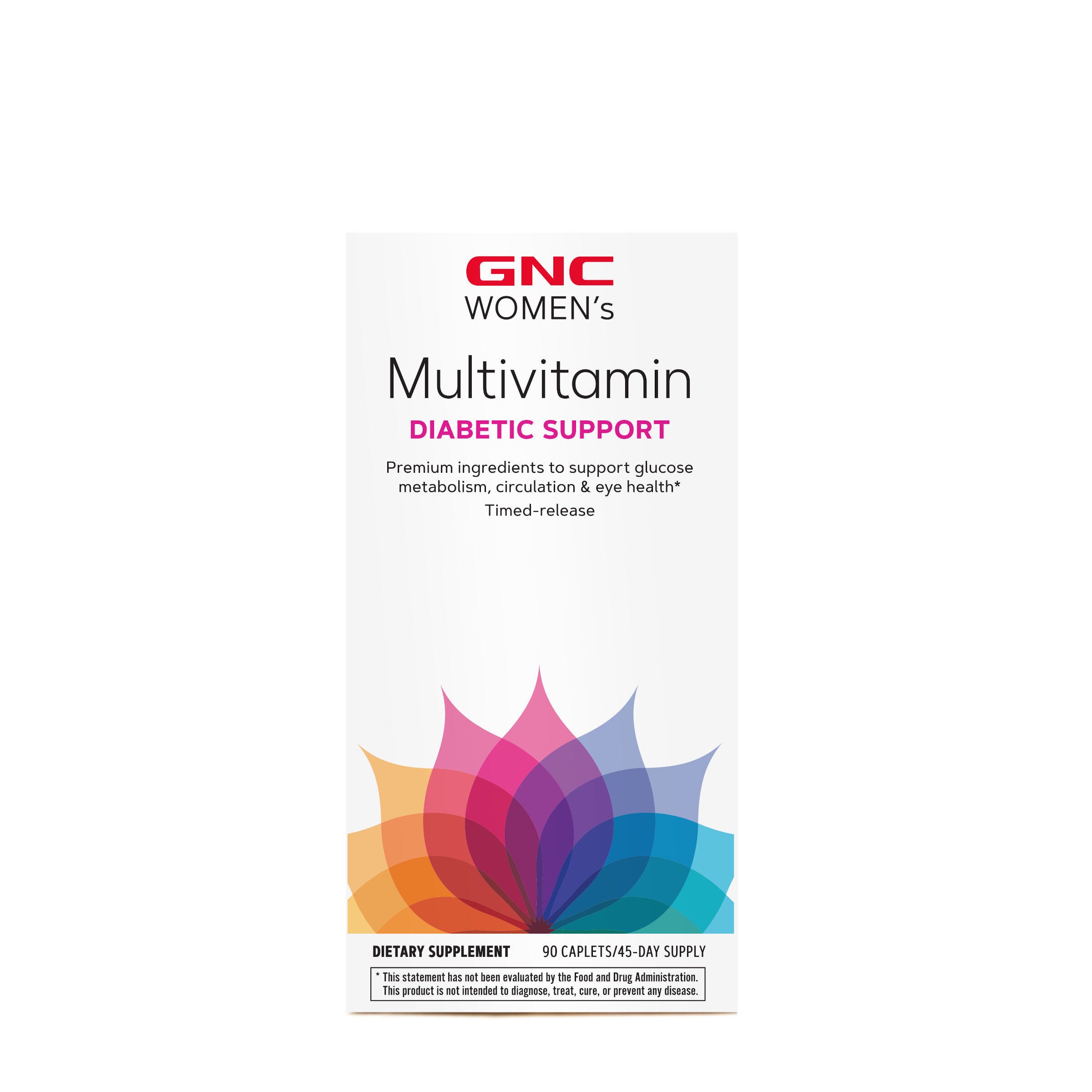
-
 Purity Products$39.99
-

-
-

-
-
-

-
-
 Nature's Fusions$39.99
-
-
 Portions Master$25.99
-
 $23.99
-
 MRI Performance$29.99
-
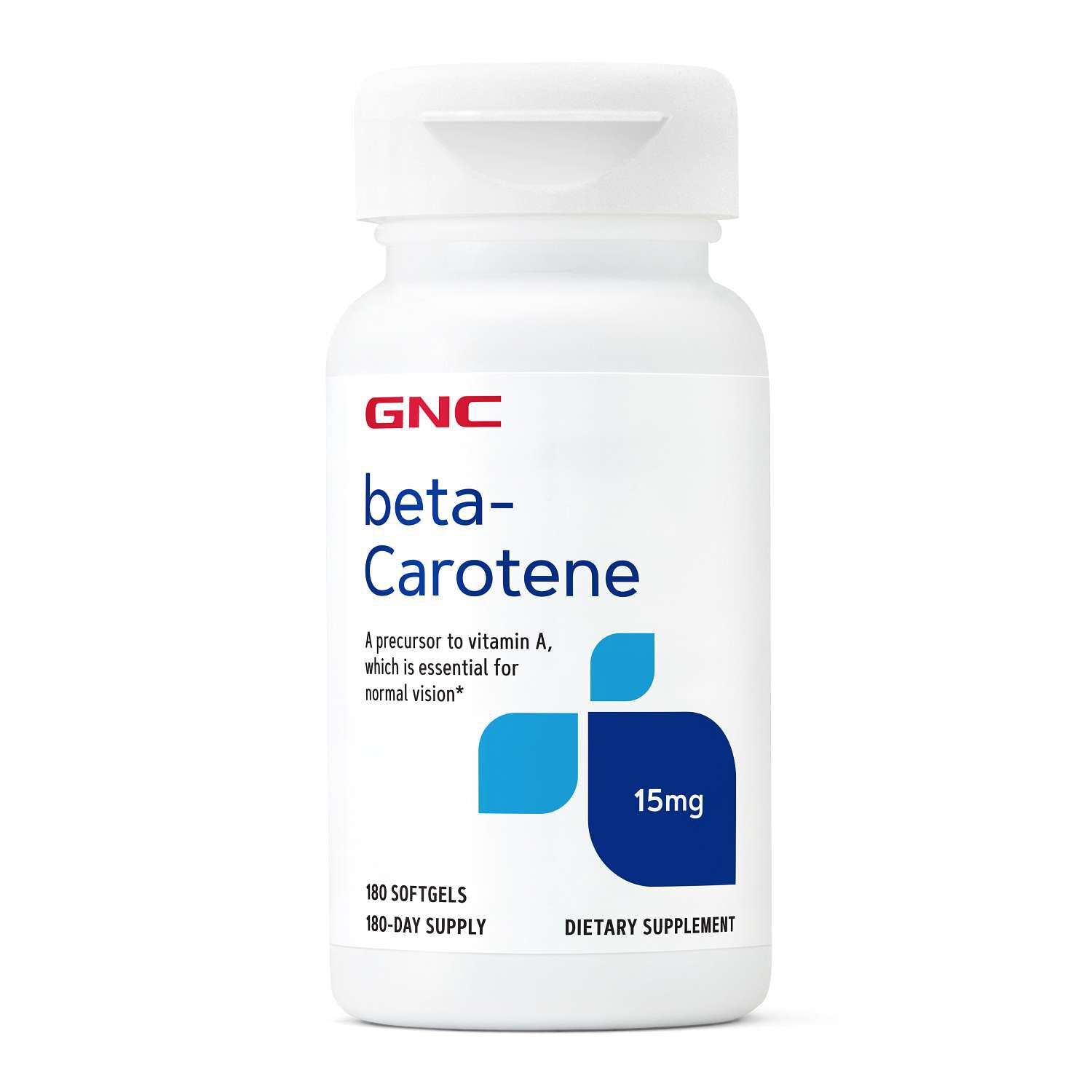

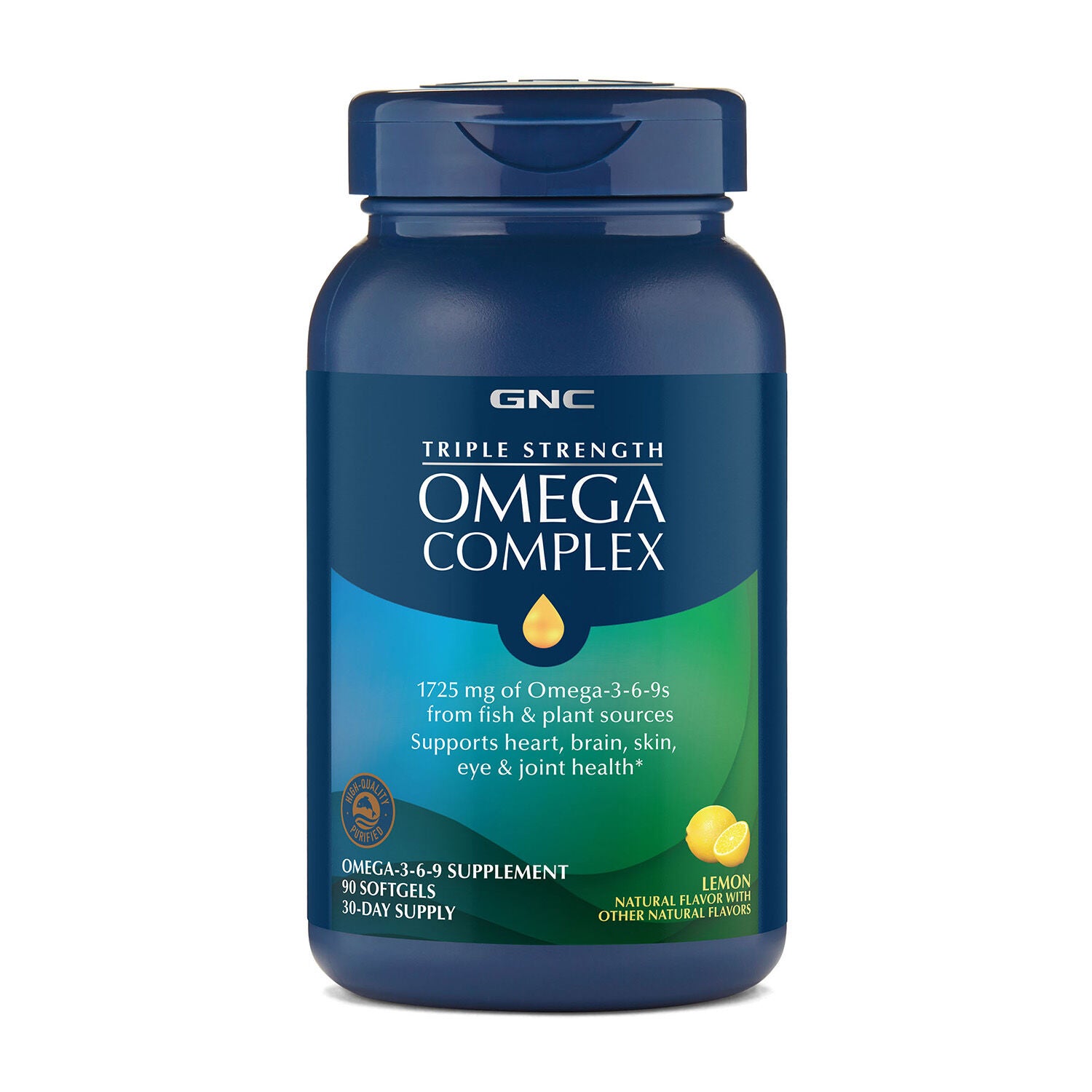
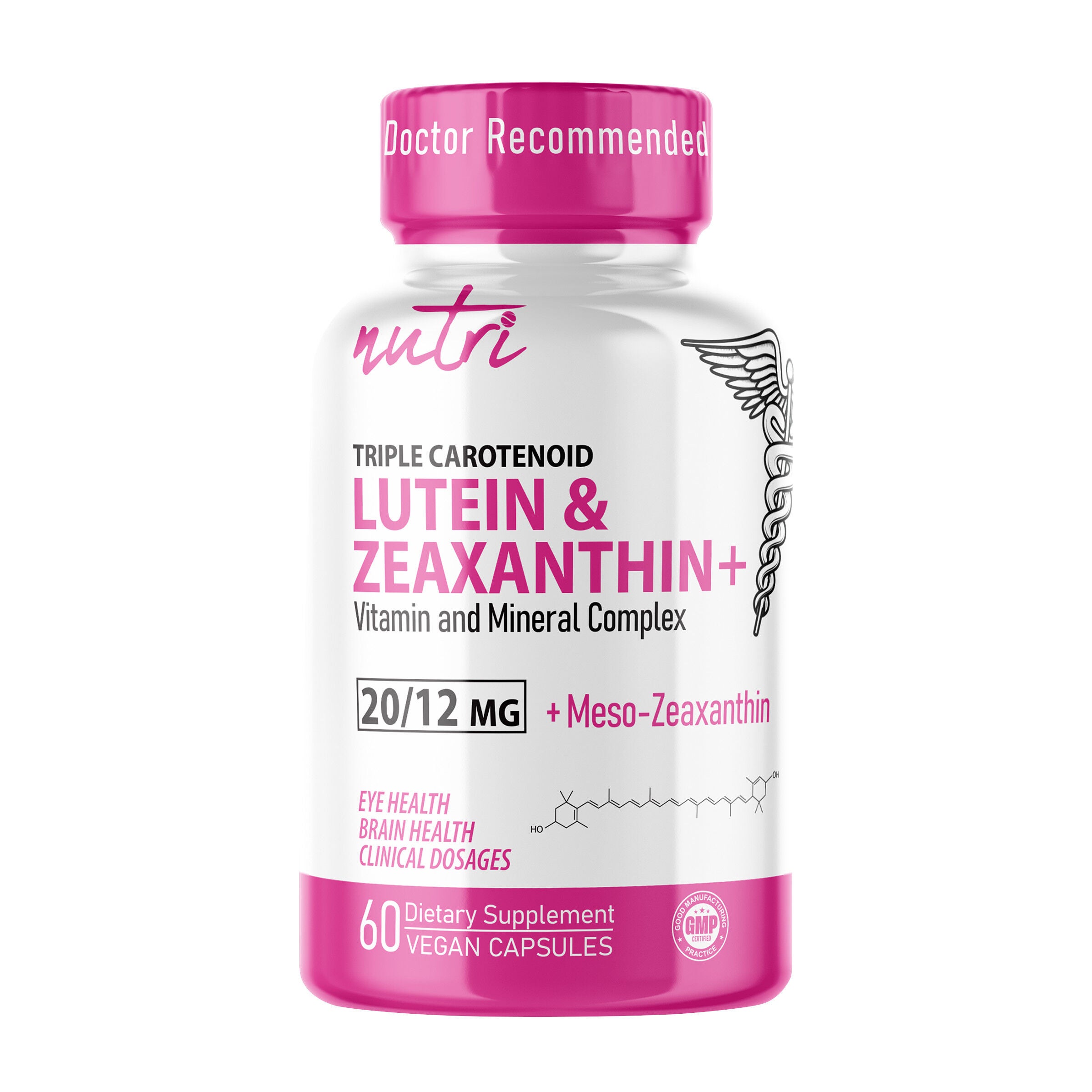
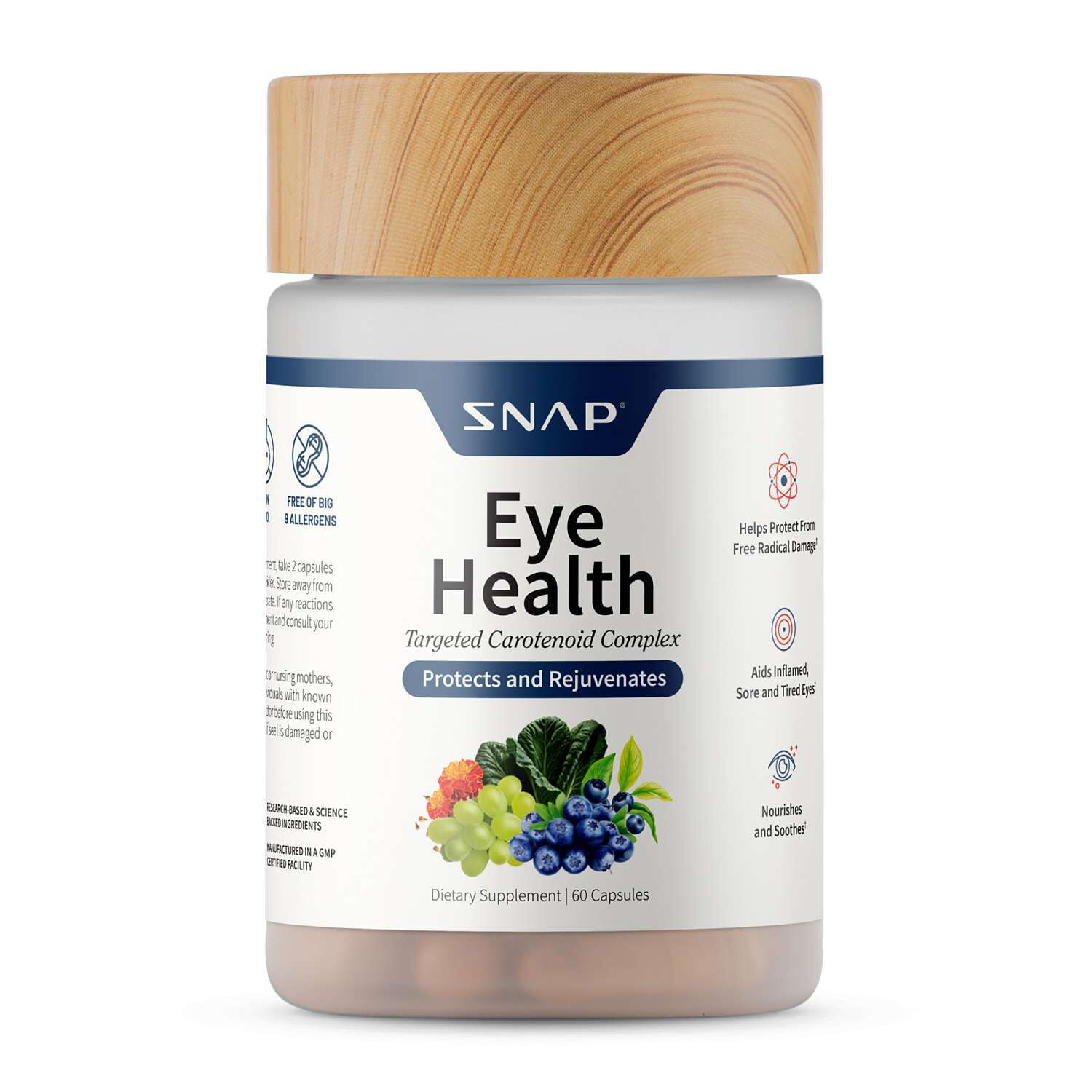
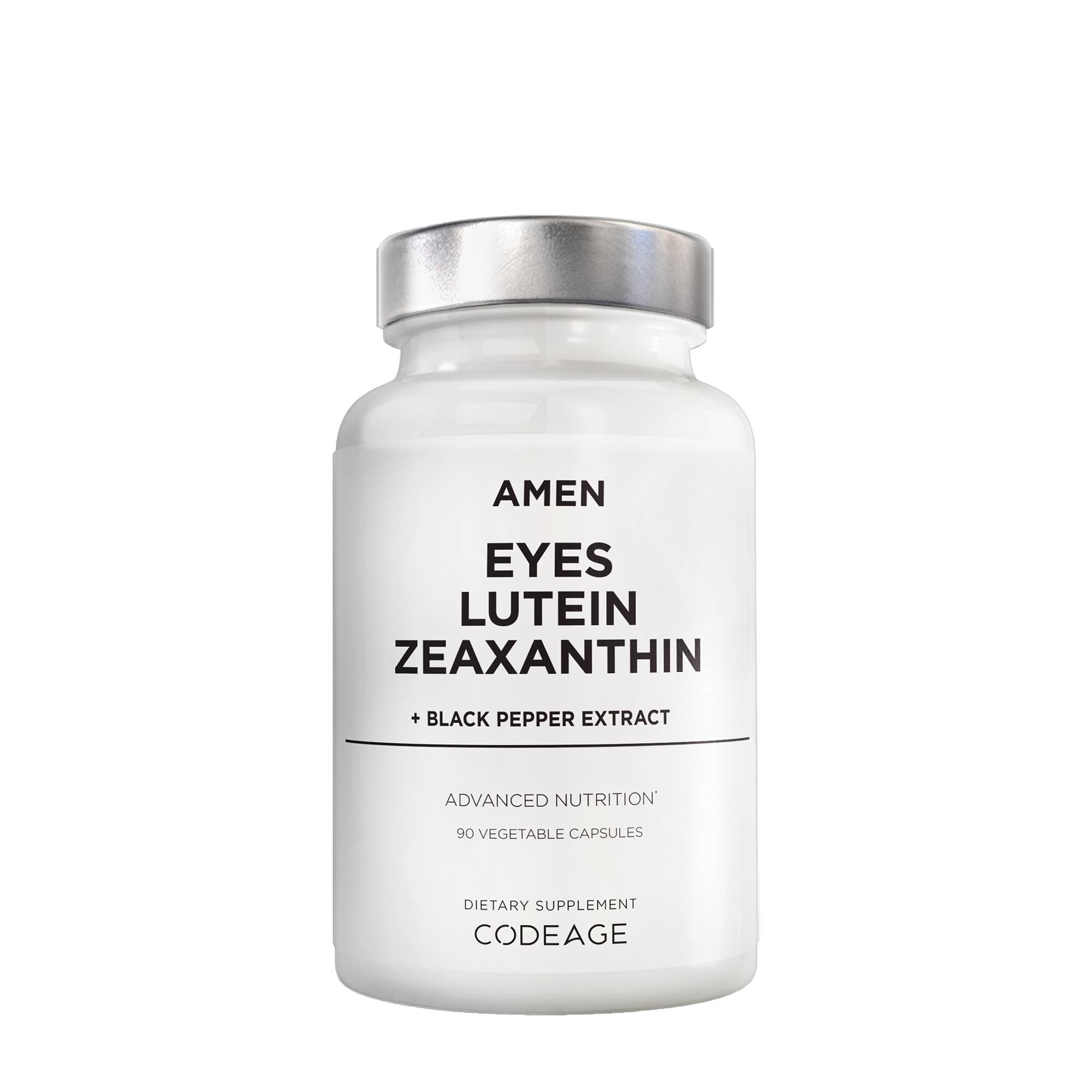
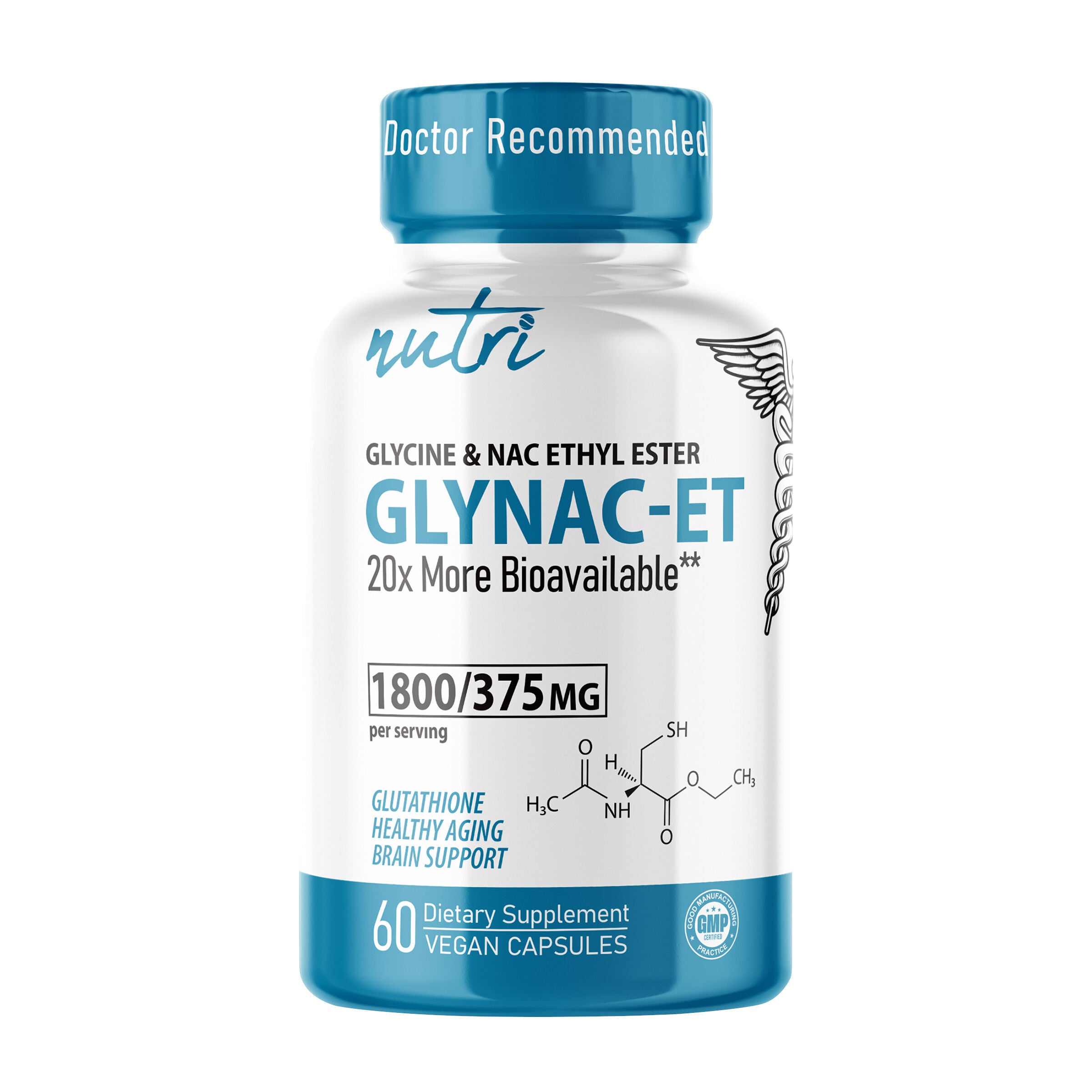
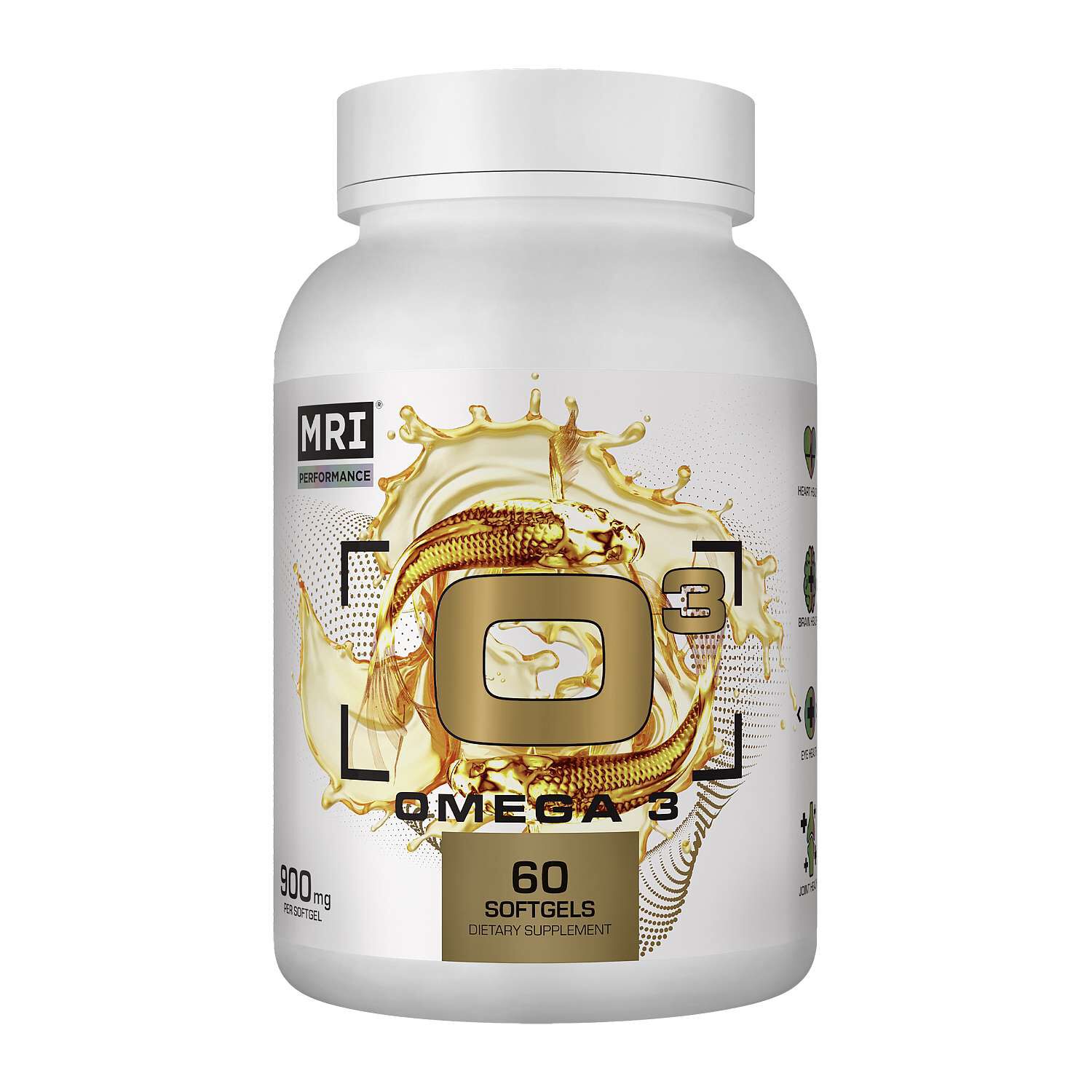
Supplements for eye circulation support sit within the broader category of adult eye nutrition, but the shopping term is not the same as an established circulation benefit. Evidence that over-the-counter supplements specifically support blood flow within the eyes is limited. Many eye-focused formulas are instead designed around nutritional ingredients associated with general eye wellness, so a circulation-focused search may lead to products with different ingredient profiles and intended uses. That distinction matters when comparing a formula centered on carotenoids with one that combines vitamins, minerals, and oils. Lutein and zeaxanthin are carotenoid pigments found in foods such as leafy greens and eggs, and they also occur naturally in the retina. Vitamin C, vitamin E, zinc, and copper are other ingredients commonly listed on eye nutrition labels. Some formulas include omega-3 fatty acids, with sources and amounts varying by product. These ingredients are not interchangeable, and their inclusion does not establish that a formula changes eye circulation. A supplement may contribute particular nutrients to an adult’s dietary routine, but its ingredient list is not proof of a specific effect on vision or blood flow. The broader category of Adult Eye Supplements offers another way to explore eye-focused nutrition without treating every formula as a circulation product. For an adult who spends much of the day reading documents, working at a monitor, or moving between close-up tasks, the appeal of an eye supplement category is understandable. Those everyday activities provide context for shopping, not evidence that a supplement offsets their demands. Ingredient names, amounts, serving information, and the stated audience offer more concrete points of comparison than a broad wellness phrase on the front of a bottle. A formula may fit a personal nutrition routine while still having no established role in changing circulation within the eye.
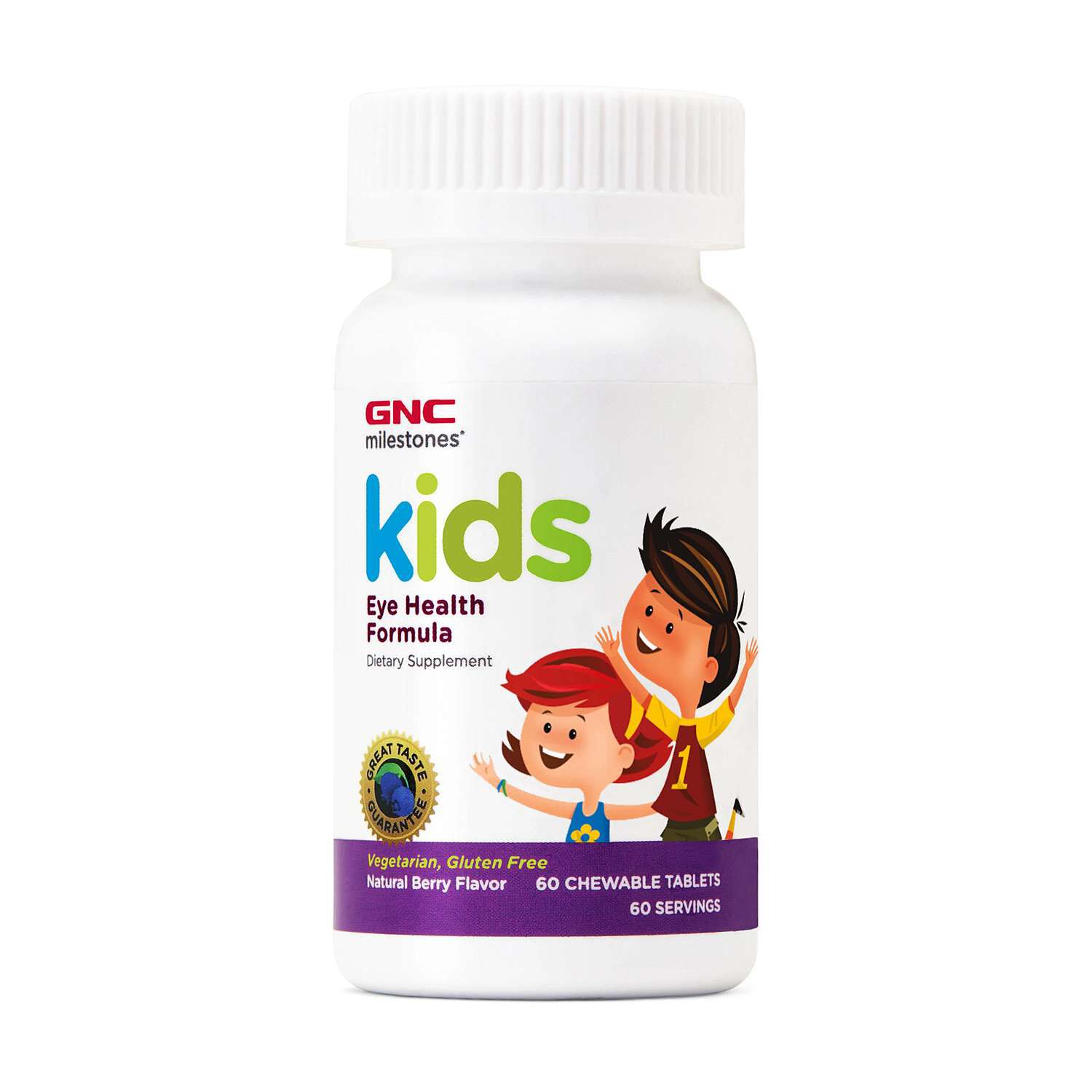
Format adds another practical distinction among eye supplements. Capsules, softgels, tablets, and chewable formats can differ in size, texture, flavor, and the number of pieces that make up one serving. A small-looking bottle does not necessarily represent fewer servings, just as a larger capsule count does not necessarily represent a longer supply. The serving size and servings per container provide that context. Someone who prefers a straightforward capsule may have different priorities from an adult who prefers a chewable format or wants fewer pieces in a daily serving. Capsule shells and other ingredients also matter for dietary preferences. Gelatin, plant-derived capsule materials, fish-derived oils, sweeteners, colors, and flavorings may appear in different formulations. A familiar nutrient name on the front label does not describe everything inside the container. The Supplement Facts panel, other ingredient list, and allergen information provide a fuller picture of the formula’s composition. For vegetarian or vegan preferences, the source of the capsule shell and any oils deserves attention alongside the featured nutrients. A plant-derived shell alone does not describe the origins of every ingredient inside it. Likewise, a flavored chewable can have a different ingredient profile from a capsule containing similar featured nutrients. Amounts also need context: the quantity shown for a serving may refer to more than one tablet or softgel, and different nutrients may be listed in different measurement units. An adult who already uses a multivitamin may notice some of the same vitamins or minerals on an eye supplement label. That overlap is a feature of the ingredient lists, not evidence that the formulas serve identical purposes. Clearly stated amounts and sources make these distinctions easier to understand. A longer ingredient list is not, by itself, evidence of a greater circulation benefit, and a simpler formula is not automatically a closer match for every shopper. The relevant differences are the actual composition, intended audience, serving format, and labeled directions.
Everyday handling and storage are part of choosing a supplement that fits an adult routine. A bottle that stays in a kitchen cabinet has a different practical setting from one carried between home and an office, although the labeled storage directions remain the reference in either case. Container dimensions, closure style, label readability, and serving format can influence how convenient a supplement feels to use. Clear print matters when distinguishing the serving size from the capsule count, while an easy-to-read date helps keep the container’s information accessible over time. Original packaging keeps the ingredient list, directions, lot information, and printed date together rather than separating the contents from their identifying details. The condition of the closure and any protective seal also belongs among the ordinary packaging considerations for ingestible products. Unlike a reusable accessory, a supplement is not chosen for years of physical wear; the relevant considerations are package integrity, the labeled storage conditions, and use within the stated dating. Exposure to moisture and light can matter for some formulations, making the bottle’s own storage wording more useful than assumptions based on another supplement. For someone with a busy morning routine, the difference between one serving format and another may be more practical than decorative packaging or an elaborate ingredient name. An adult-focused formula also has a specific intended audience; it is not automatically a household product for every age group. These details help distinguish products on their actual characteristics rather than on expectations attached to the category name. Eye nutrition and eye circulation are related search interests, but they are not interchangeable descriptions of what a supplement has been shown to do. A clearly labeled formula may offer a convenient way to add selected nutrients to an eating pattern. Its format, composition, and intended use remain the most concrete basis for comparison, without assuming a particular change in circulation or visual performance.
Best Sellers
-
 Rho Nutrition
-
 Rho Nutrition
-
 Doctors' Preferred
Related Pages
Top Collections
- Daily Collagen Supplements | Top Brands & Deals | GNC
- Natural Collagen Supplements | Top Brands & Deals | GNC
- Top Rated Collagen | Shop Customer Favorites | GNC
- Cortisol Supplements
- Vitamins For Hair Loss
- Spirulina Tablets
- NAD+ Supplement Tablets
- Peptide Supplements
- Best Brand of Magnesium Glycinate
- Vitamins That Help Support Weight Gain