

Supplements For People With Limited Outdoor Activity
(0 Results)
Supplements for people with limited outdoor activity could offer support for those who spend most of their time indoors. Whether work, lifestyle, or other factors keep you inside, exploring targeted supplements may help address unique wellness needs that arise from reduced exposure to natural elements. Find options that might complement your daily routine and help you feel your best, no matter where you spend your day.


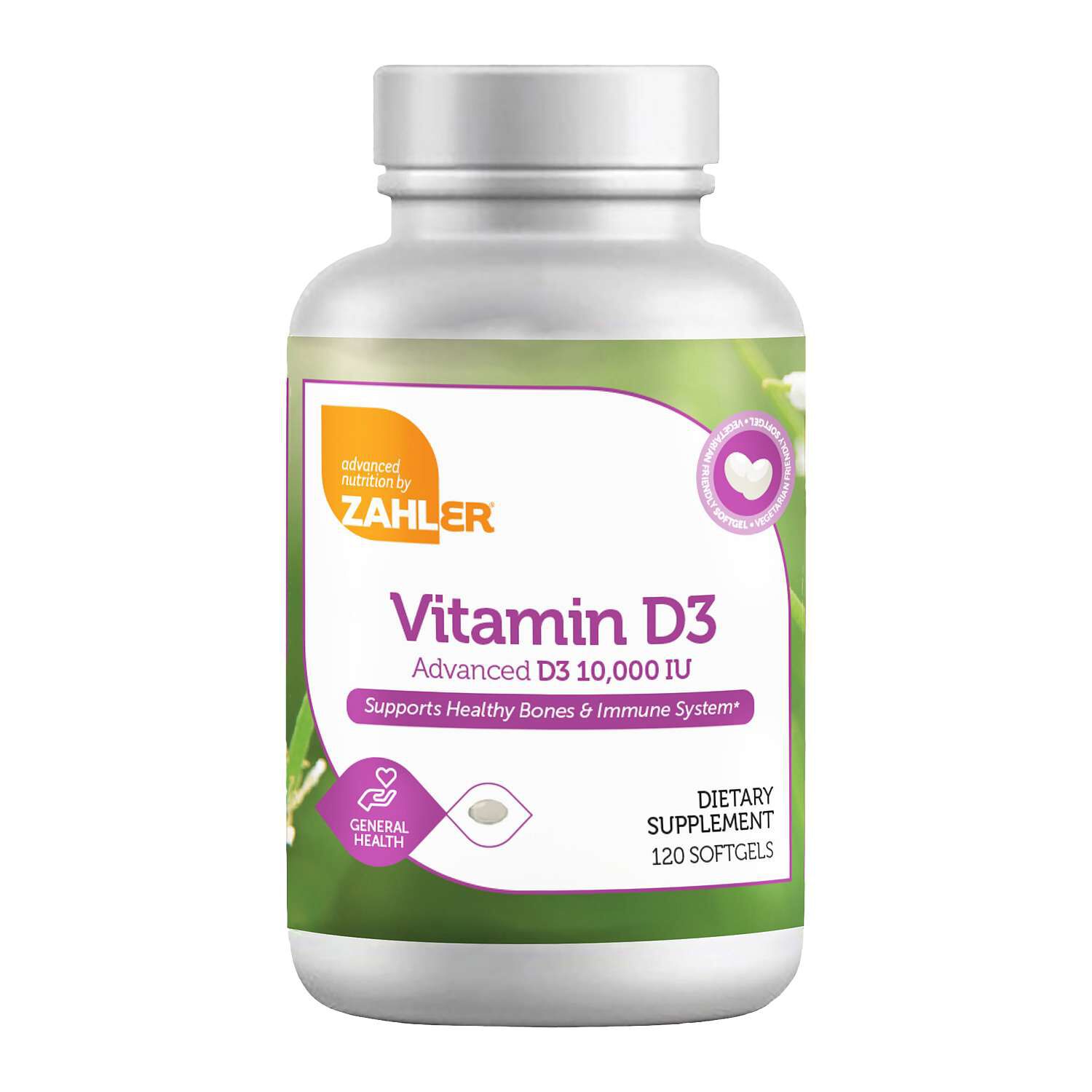


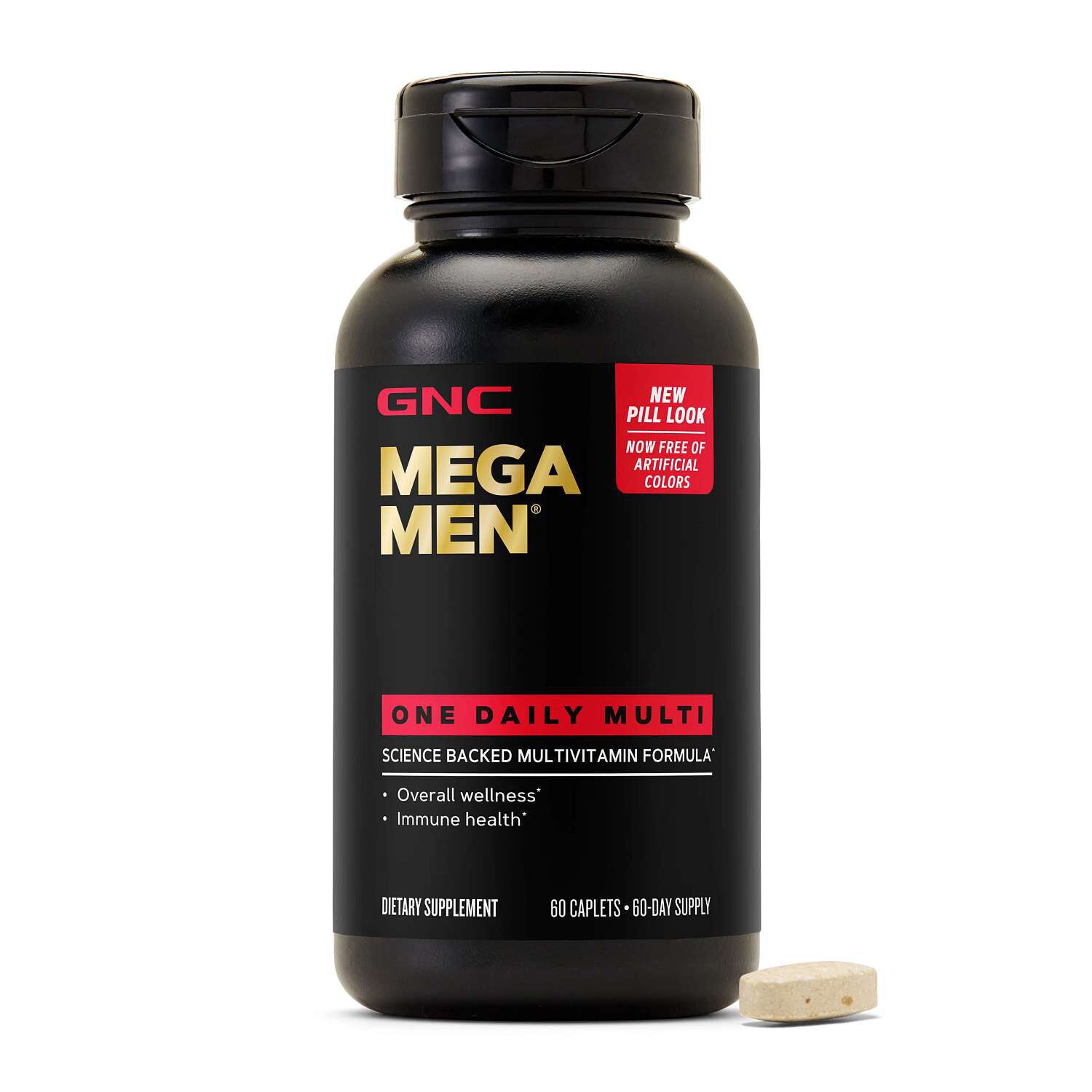

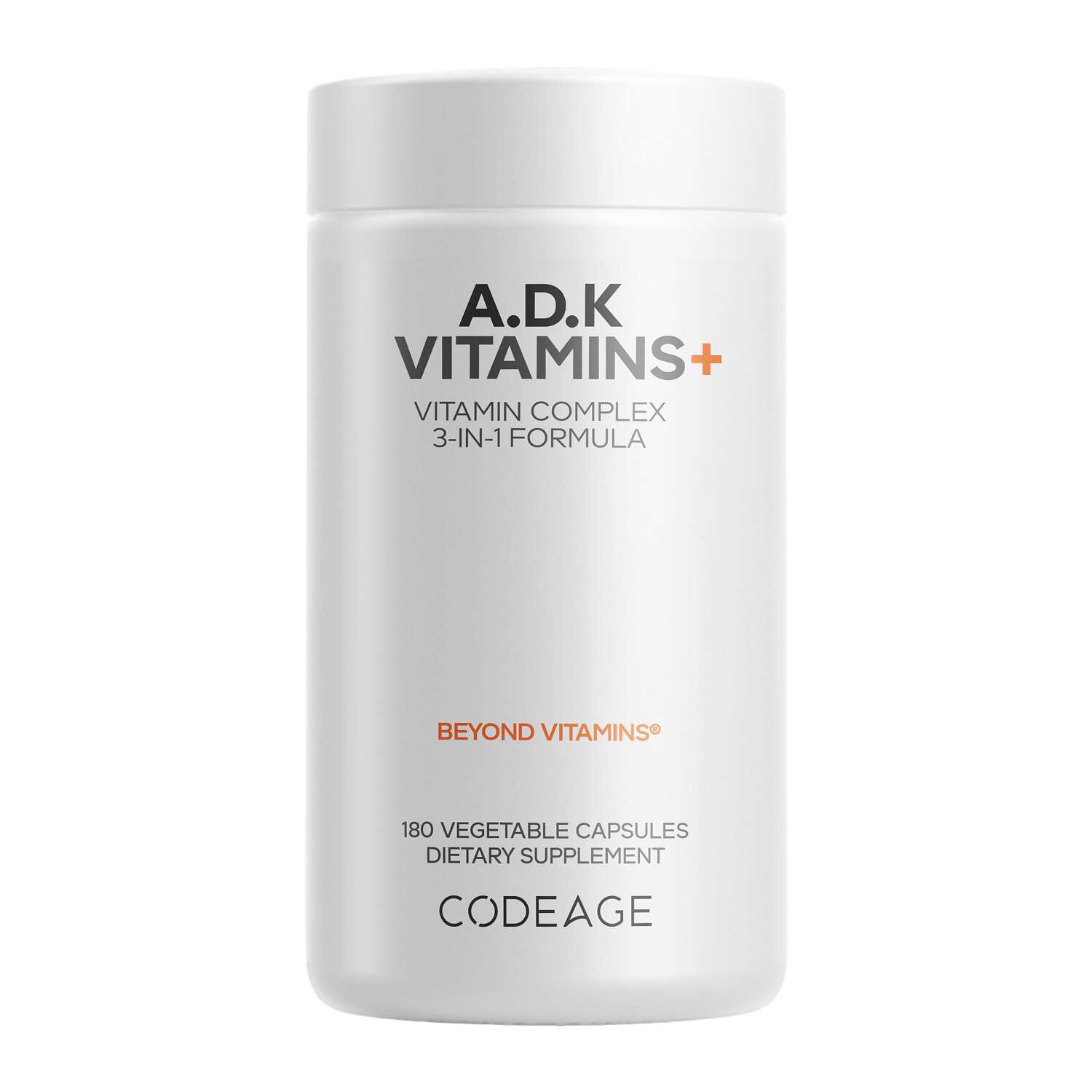


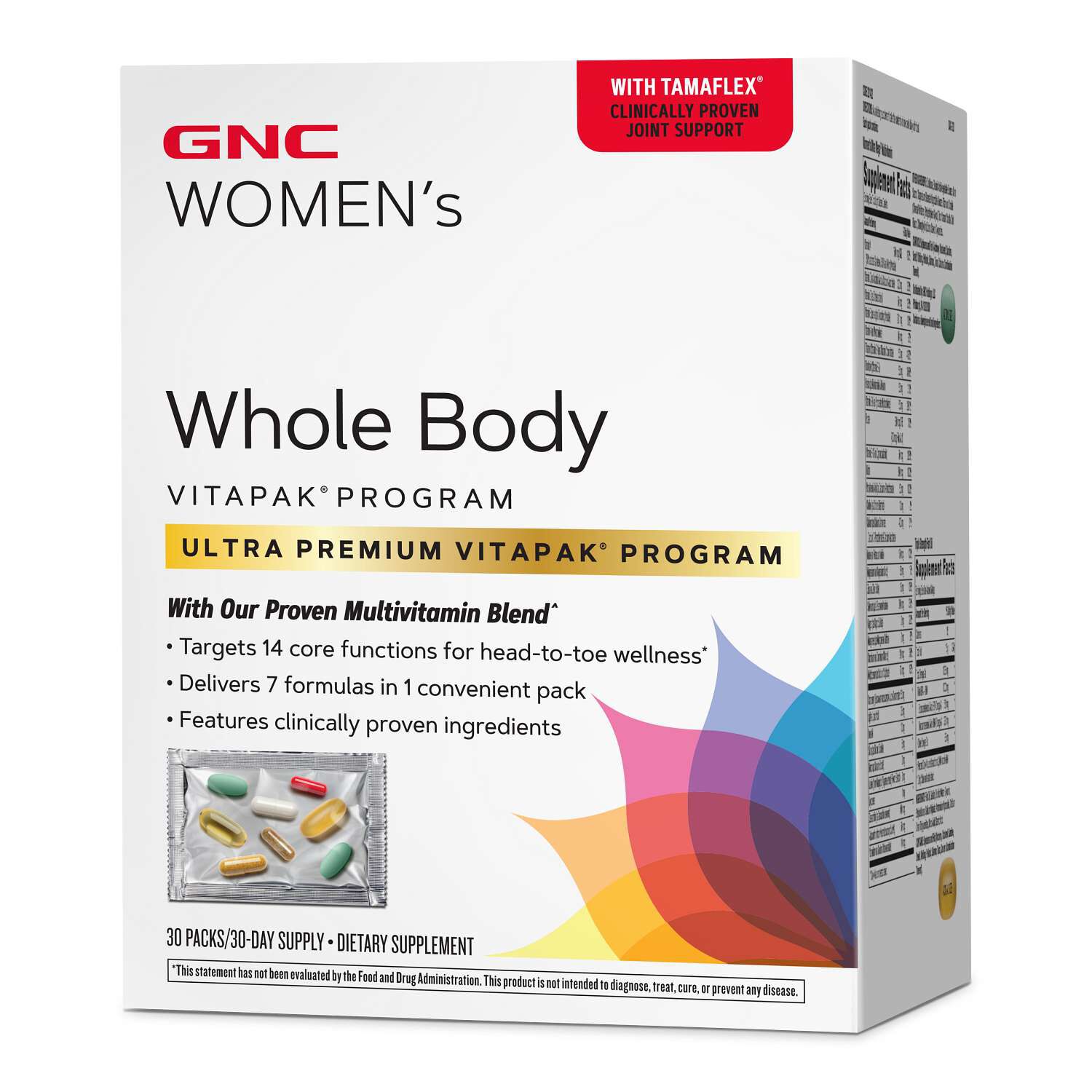


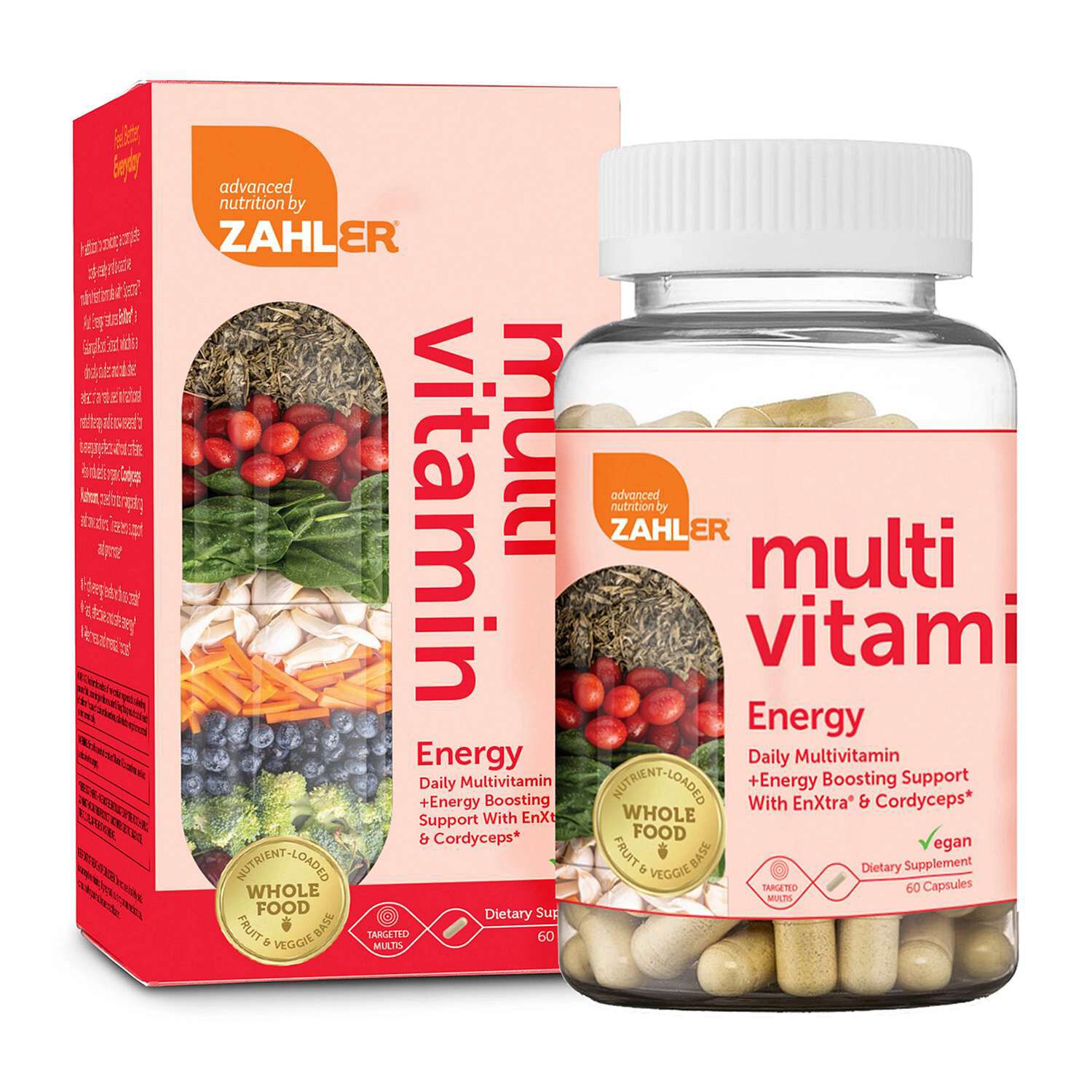
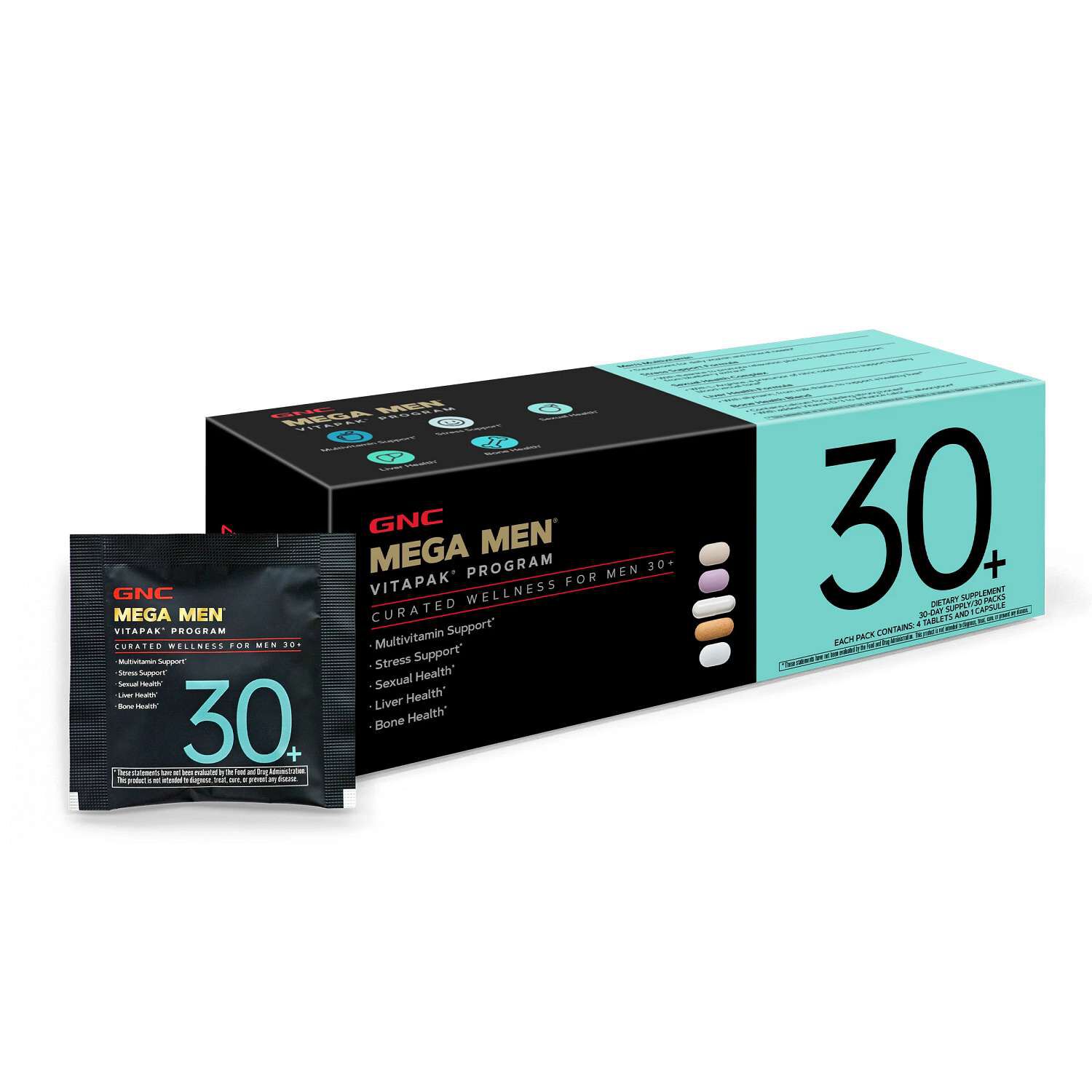


Supplements for people with limited outdoor activity may offer a convenient way to complement meals and everyday routines when much of the day takes place indoors. This collection may be useful for remote workers, students, frequent travelers, home-based hobbyists, caregivers, older adults, or anyone whose schedule leaves little time outside during the cooler months. Vitamin D is often considered when sunlight exposure is limited, and products containing this nutrient may help support bones and normal immune function when used as directed. Magnesium may fit routines that include long stretches of sitting, while omega-3 fatty acids may appeal to shoppers looking to add nutrients commonly found in fish to their daily habits. Vitamin B12 may be a consideration for people whose diets contain little or no animal food, and it may support normal energy metabolism. Calcium may also be selected alongside vitamin D as part of a broader approach to maintaining bone health. These products are not a substitute for varied meals, regular movement, restful sleep, or personalized guidance from a qualified healthcare professional, yet they may serve as a practical addition for people who spend long hours under a roof. Someone working beside a bright window, reading in a favorite armchair, or moving between a home office and the kitchen may appreciate a simple routine that fits naturally alongside breakfast or another familiar meal.
When choosing from supplements for people with limited outdoor activity, start with the label rather than the front of the package. Compare the amount provided per serving, the suggested serving size, the number of servings, and the form of each nutrient. Vitamin D may appear in different forms and amounts, while magnesium products may use different forms that vary in size, serving format, and texture. Omega-3 options may be available as softgels or other formats, with labels that identify the source and the amount of the featured fatty acids. Shoppers following vegetarian or vegan eating patterns may wish to review the source of each ingredient, and anyone avoiding fish, dairy, gluten, or other ingredients may benefit from reading allergen and dietary statements carefully. A short ingredient list can make it easier to understand what fits a personal routine, while a clearly printed label may help with consistent use. Consider the format, too: capsules may suit someone who already keeps a morning organizer, powders may blend into a smoothie or glass of water, and chewable options may work well for people who prefer not to swallow capsules. Always follow the package directions, store products as listed, and check with a healthcare professional before adding a new supplement, especially when taking prescription products or managing an ongoing health concern. A professional may help determine whether a nutrient is appropriate and how it fits with meals, existing routines, and individual needs.
These products may also make thoughtful additions to a care package for a friend who works from home, a student settling into a dorm, or a family member spending more time indoors during cooler weather. A small wellness-themed gift can pair naturally with a water bottle, cozy socks, a journal, or a basket of shelf-stable snacks, creating a considerate gesture without assuming anything about the recipient’s routine. For gift shopping, choose broadly useful formats and avoid selecting products based on a person’s appearance or a specific concern they have not shared. Simple daily-use nutrients such as vitamin D, magnesium, calcium, vitamin B12, and omega-3 fatty acids may be easier to give when the recipient’s food preferences and supplement habits are known. Those who are already active outdoors may prefer browsing Supplements For Outdoor Workouts, while people who spend most of their time inside may find this collection more aligned with their day-to-day setting. A supplement routine may be easiest to maintain when connected to an existing moment, such as taking a serving with breakfast, keeping it near a regularly used mug, or placing it beside a meal-planning area. During the cooler months, when shorter days and indoor schedules can shape the rhythm of everyday life, a thoughtfully chosen product may provide a convenient reminder to pay attention to nutrition, hydration, movement, and rest.