Supplements For Shift Workers
(0 Results)
Navigating irregular hours and maintaining a healthy lifestyle can be challenging for those with non-traditional work schedules. Supplements for shift workers may provide the additional support needed to help manage energy, sleep, and overall wellness. Whether working nights, rotating shifts, or extended hours, incorporating the right supplements into your routine could make a significant difference in how you feel and perform daily. Explore a variety of options designed to address the unique needs of shift workers and discover potential benefits that might help you stay balanced and energized throughout your demanding schedule.
-

-
-

-
-
 Purity Products$39.99
 -
 $34.99
 -
-
 185$24.99
 -

-

-
-

-
-
-

-

-

-

-

-

-
 $34.99

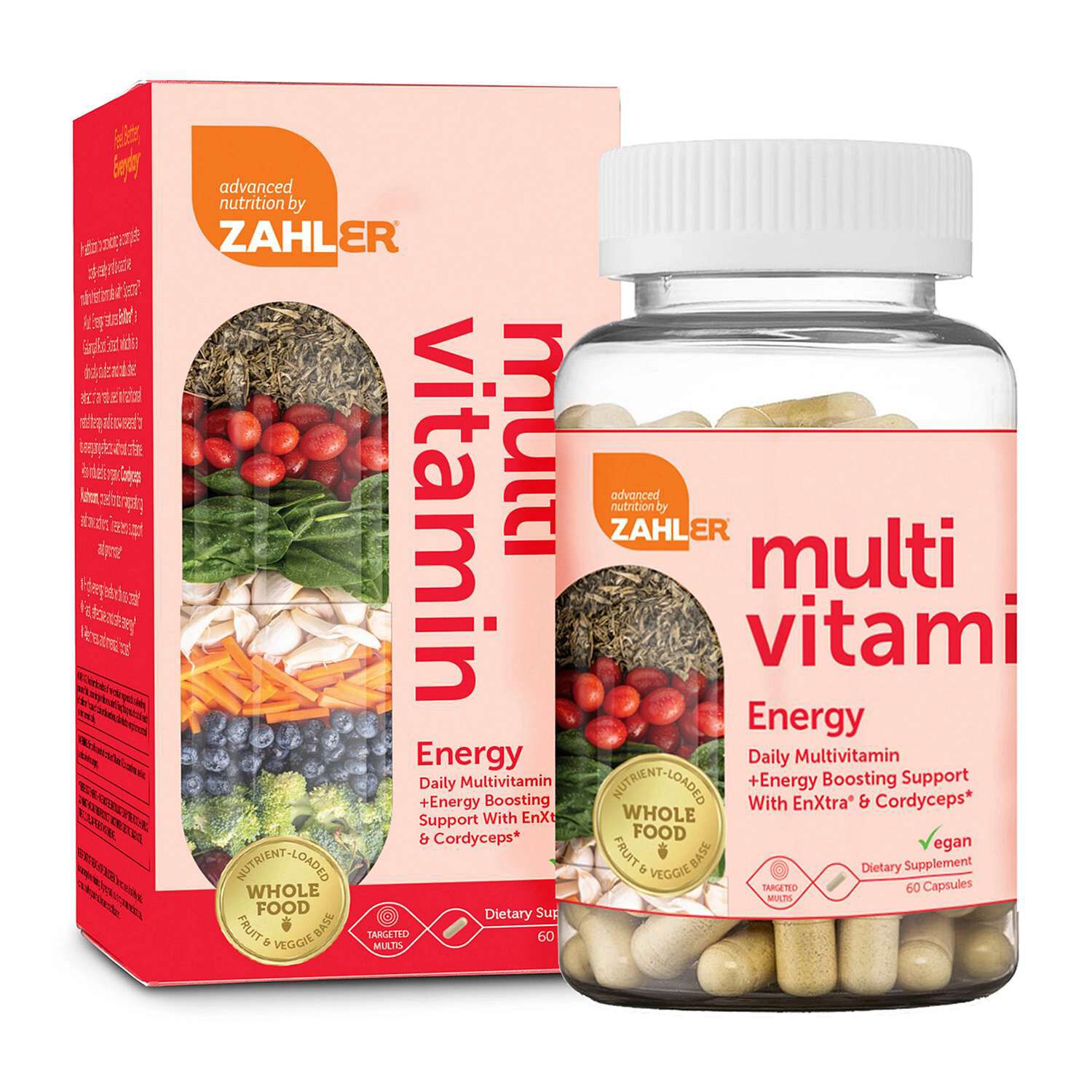
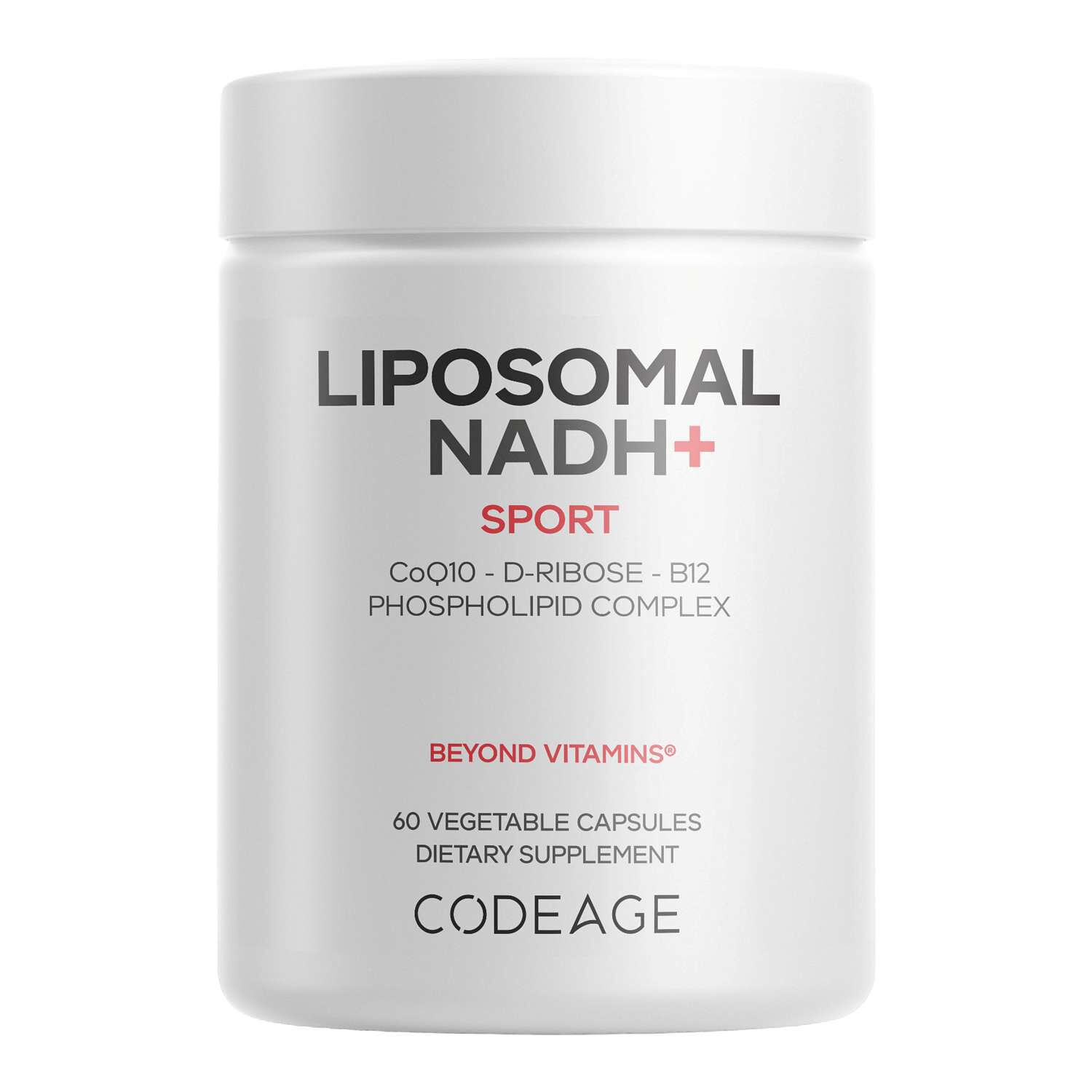
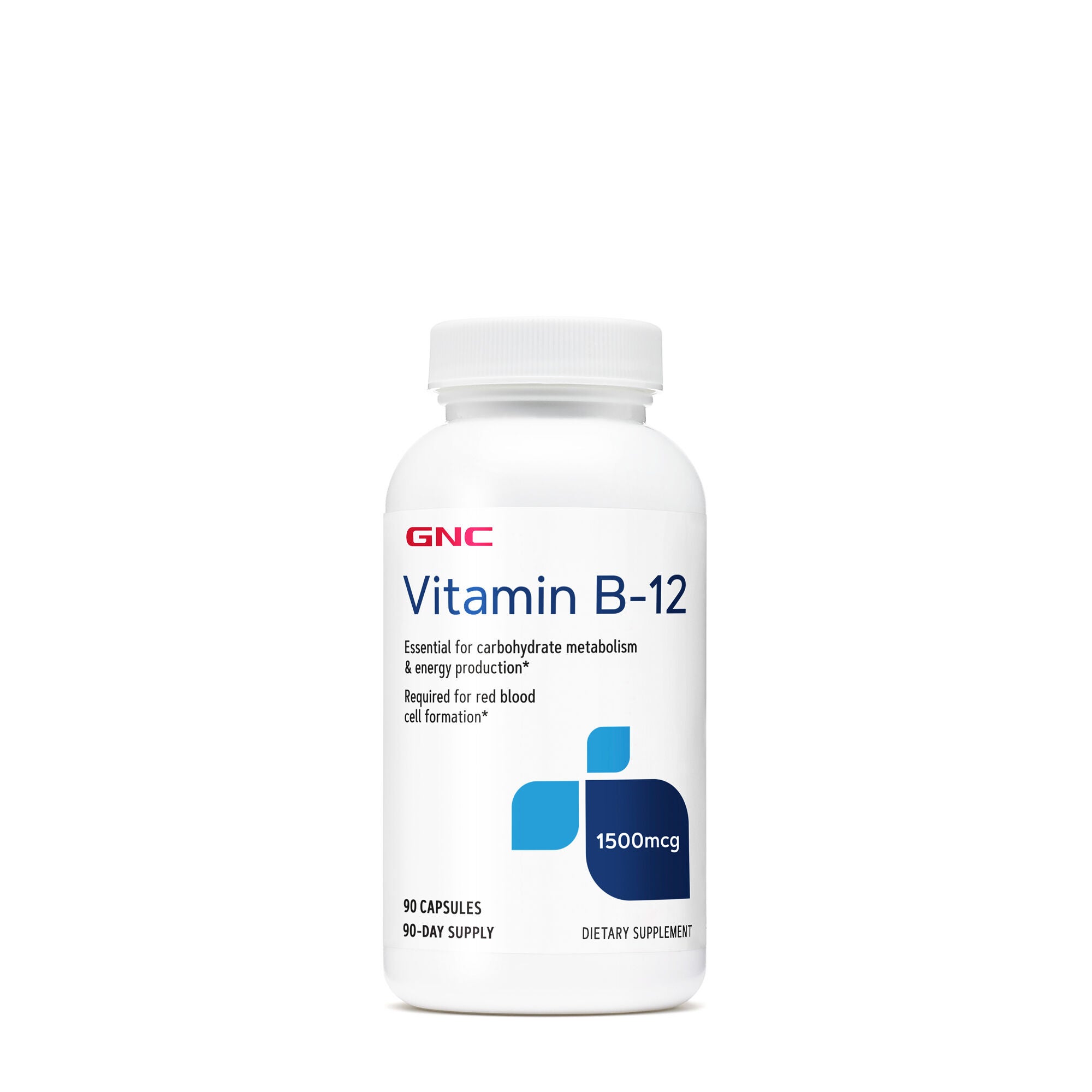
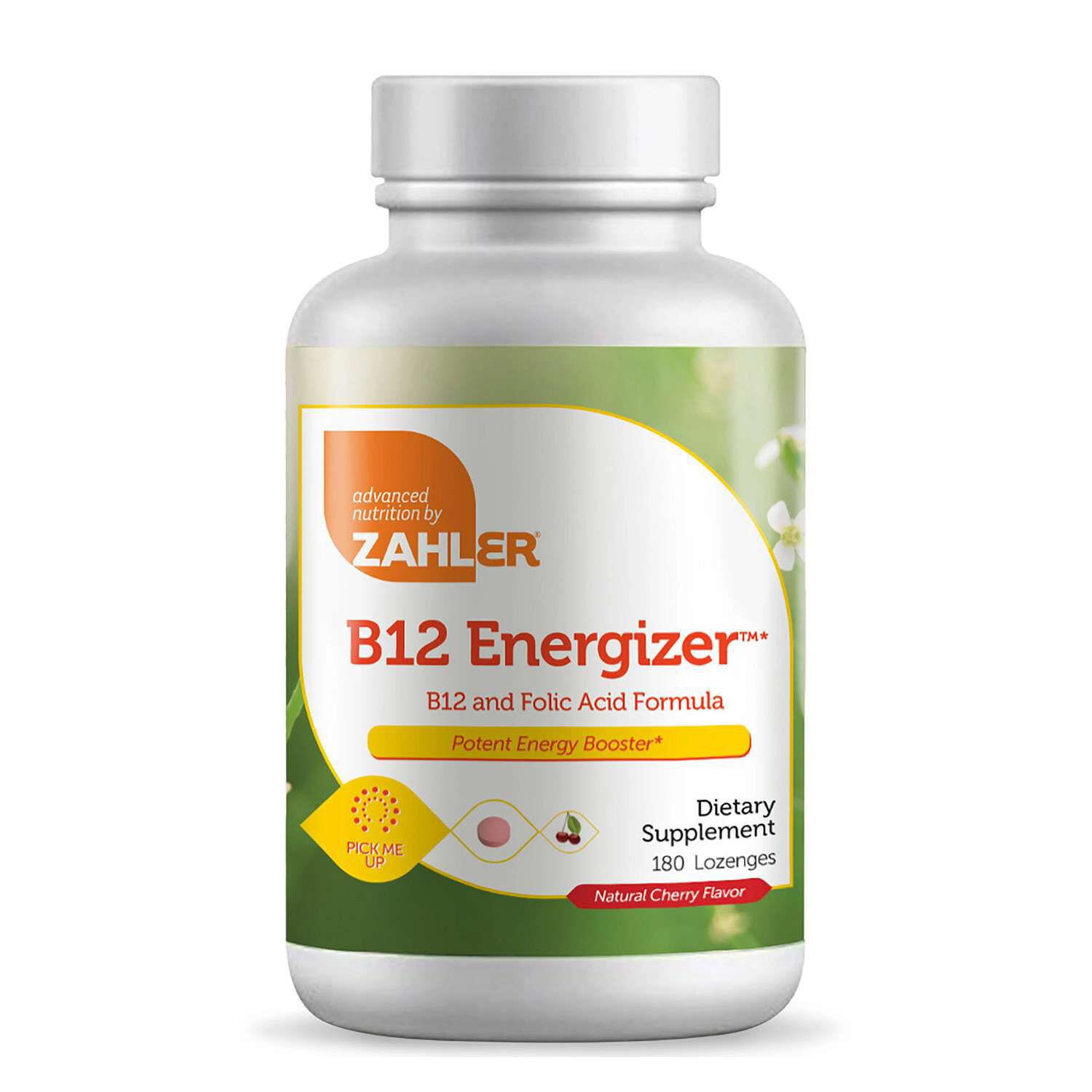
Supplements for shift workers are vitamins, minerals, protein supplements, and other nutritional products intended to fit routines that extend beyond a conventional daytime schedule. Someone arriving at a warehouse before sunrise, finishing an evening restaurant shift, or working overnight at a hospital may have very different meal breaks, commuting hours, and opportunities to rest. The practical appeal of these products often comes down to format and intended use: a capsule that fits into an established meal routine, a powder that mixes into a packed breakfast, or a single-serving packet that travels easily in a lunch bag. Common categories include multivitamins, B-complex vitamins, vitamin D, magnesium, omega-3 supplements, protein powders, and products formulated for alertness or rest routines. Each serves a different purpose; working nights does not, by itself, establish a need for any particular ingredient. Multivitamins combine several nutrients in one formula and may help supplement dietary intake, while individual vitamins and minerals offer a narrower nutritional focus. B vitamins are often featured in formulas intended to support energy metabolism, although they are distinct from stimulants. Vitamin D is another category shoppers may encounter when browsing around schedules with limited daylight, but time spent indoors alone does not determine an individual’s nutritional needs. Omega-3 products offer another way to supplement fatty acid intake, with ingredient sources that can include fish or algae. The useful distinctions are in the details: ingredients, amounts per serving, dietary preferences, and how the format fits the rest of the day. For a worker whose main meal happens at midnight, familiar label language such as “with a meal” may be more relevant than packaging imagery built around breakfast. A rotating schedule also makes simplicity appealing. A small, understandable selection with clearly defined uses can be easier to organize than several overlapping formulas. These categories belong alongside ordinary meals and planned rest, rather than serving as substitutes for either.
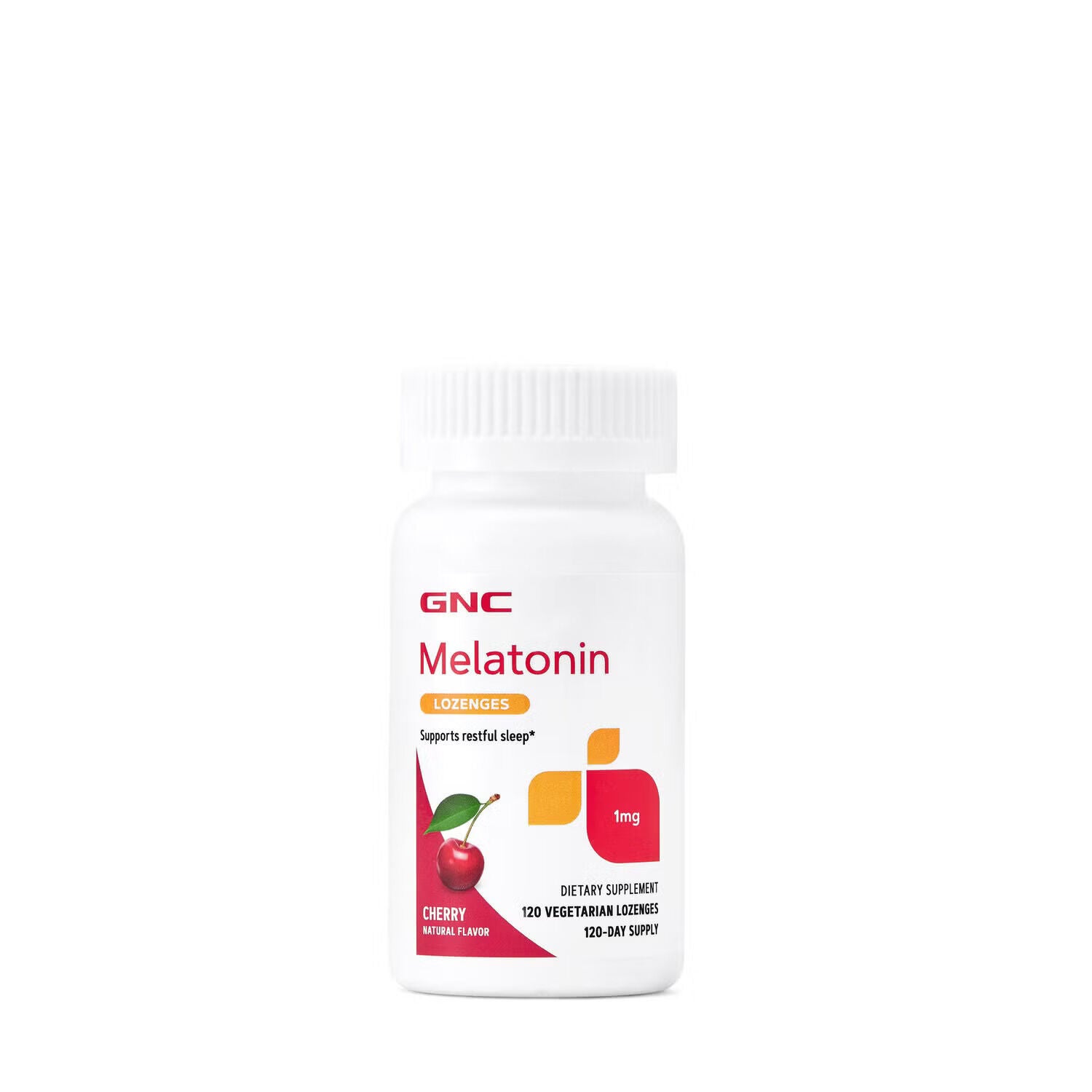
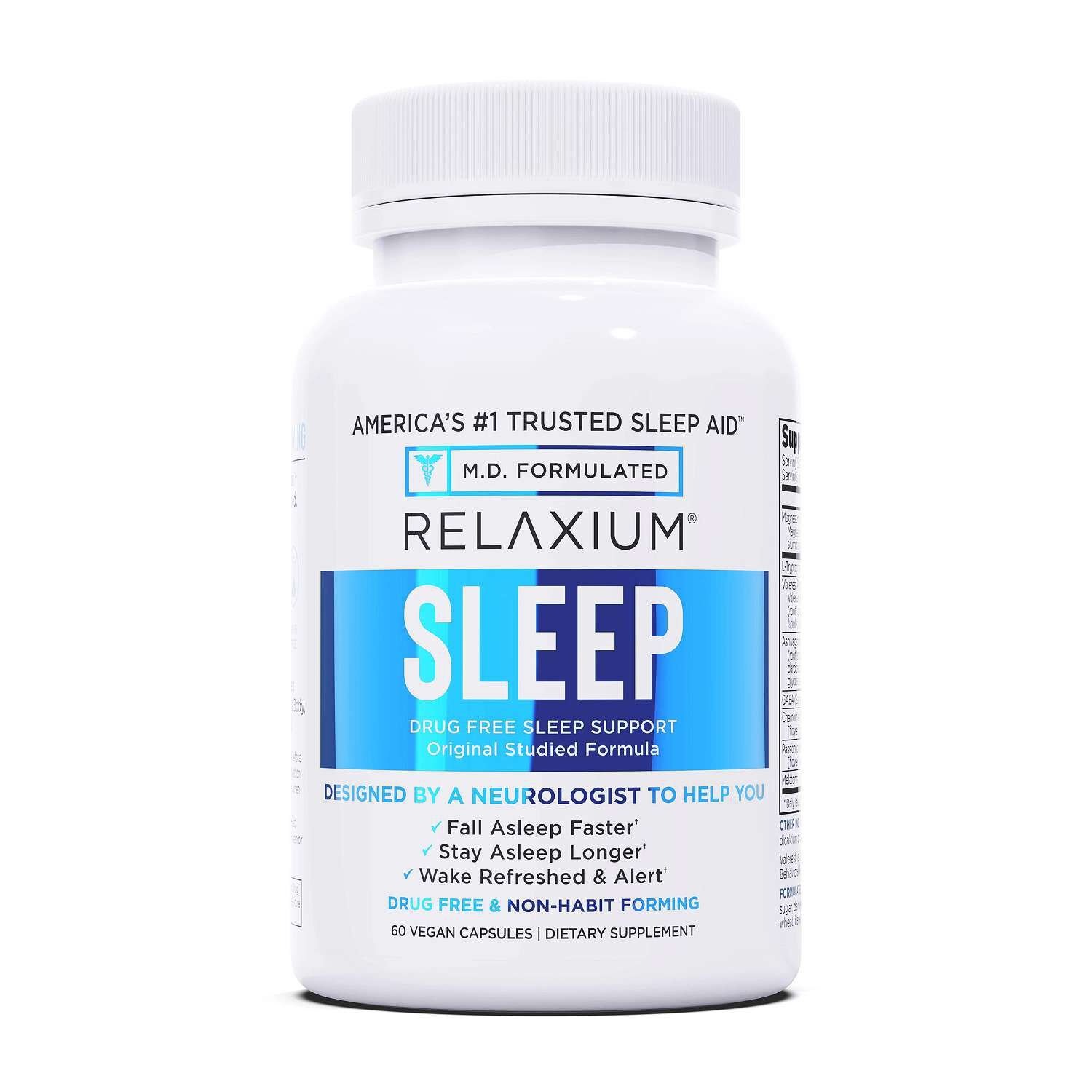
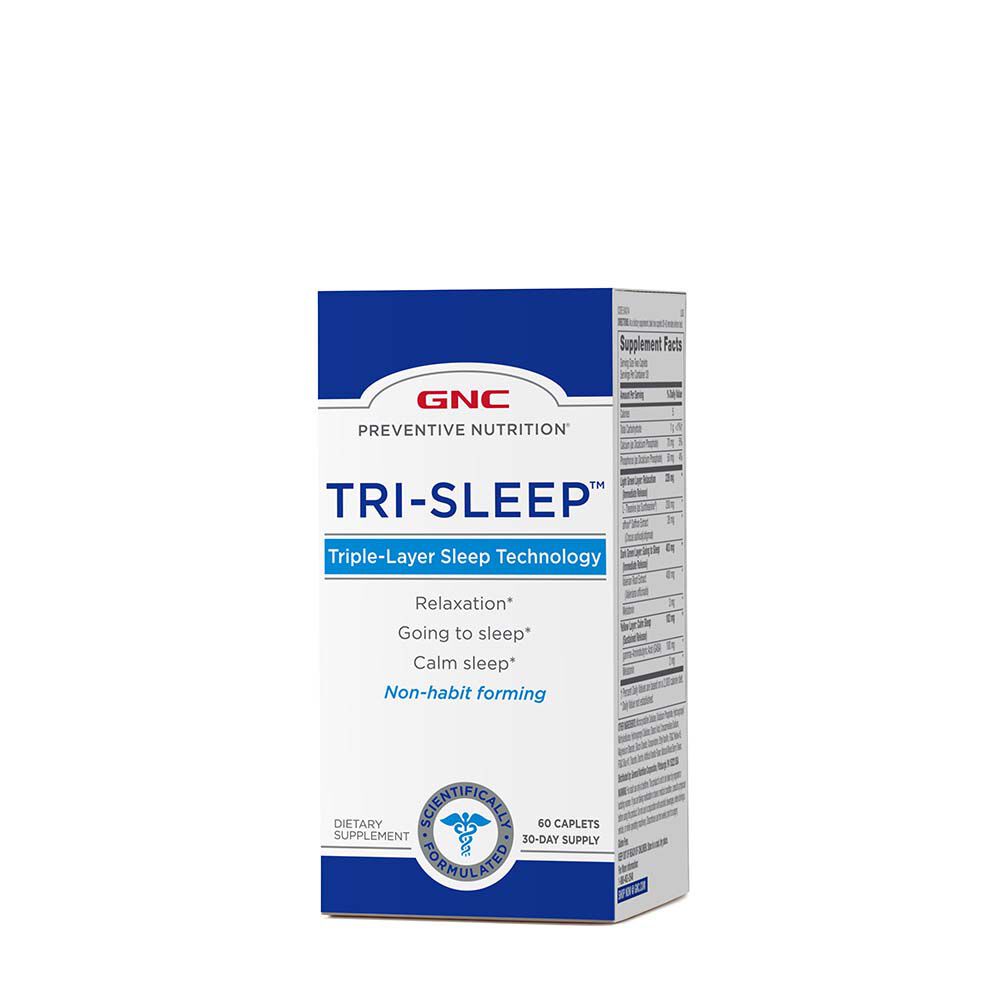
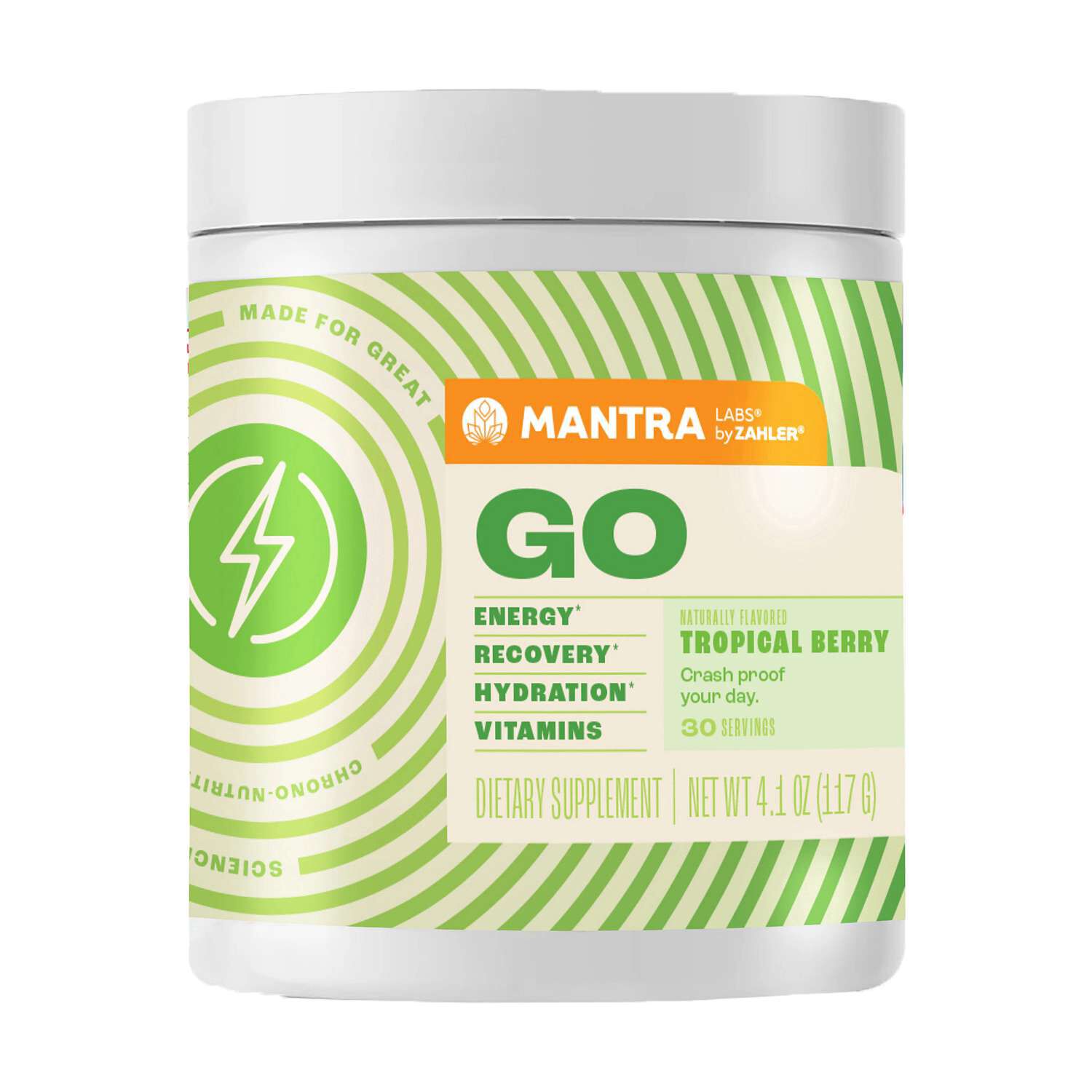
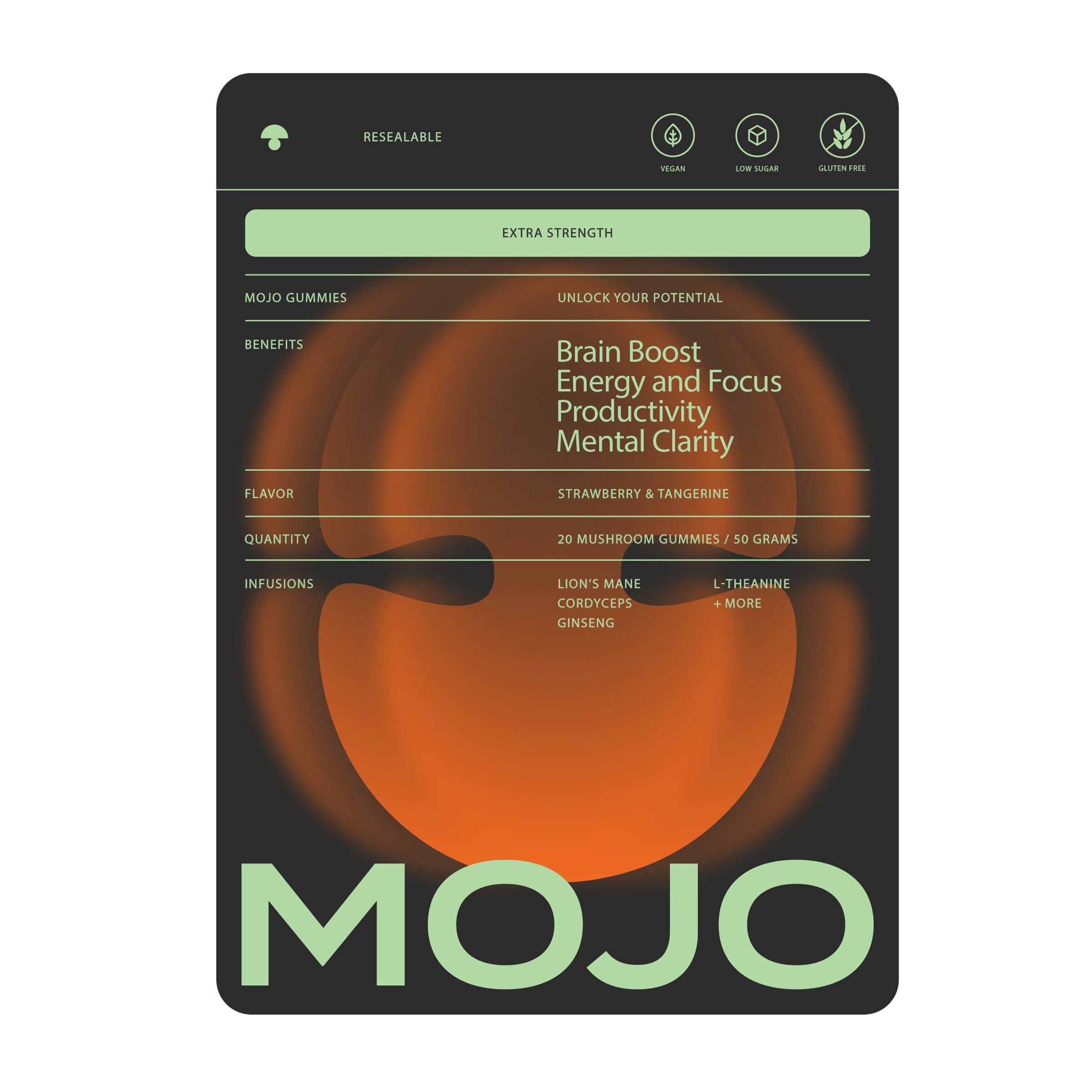
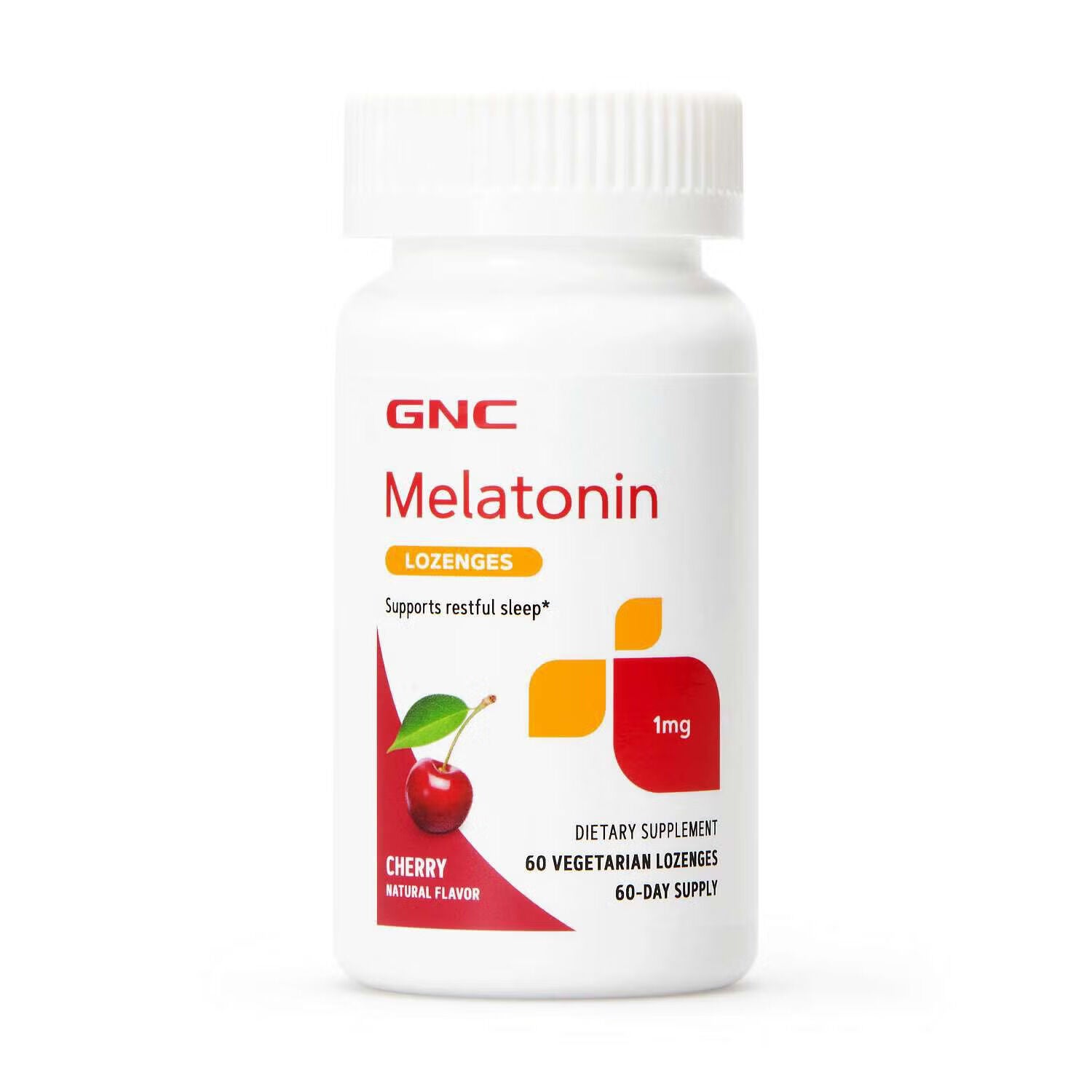
The contrast between being on duty and settling down afterward is especially relevant when comparing supplements for night shift workers. Caffeine-containing products may support alertness, and some formulas pair caffeine with L-theanine. Their labels can differ considerably in caffeine content, serving size, and additional ingredients, making those details more meaningful than a product’s name or flavor. Coffee, tea, and other beverages also belong in that comparison because a supplement is only one possible source of caffeine during a workday. A worker with a long commute after an evening shift has a different routine from someone who walks home at dawn, and an ingredient’s intended use matters more than the hour shown on the clock. Products associated with rest routines often feature melatonin, magnesium, or botanical ingredients. Melatonin commonly appears in sleep-oriented categories, while magnesium is sold in several forms, including citrate and glycinate, with different ingredient compositions and serving amounts. Neither the word “night” on a package nor a familiar ingredient makes a formula suitable for every schedule. Supplements do not replace sleep or establish readiness for driving, operating machinery, or other work requiring sustained attention. Beyond the ingredient list, format has a substantial role in everyday use. Capsules and tablets offer a compact option; gummies bring flavor and texture into the choice; powders require a beverage, a container, and time to mix. A serving may involve more than one tablet or gummy, so package count and serving count are not always the same. Labels also identify sweeteners, flavorings, allergens, and capsule materials, including gelatin or plant-derived alternatives. These distinctions matter to shoppers with dietary preferences as much as they do to anyone who simply dislikes a particular texture. Clear directions and legible packaging can make a product easier to distinguish from others stored at home, particularly when several people share a cabinet or when a work schedule changes from one rotation to the next.
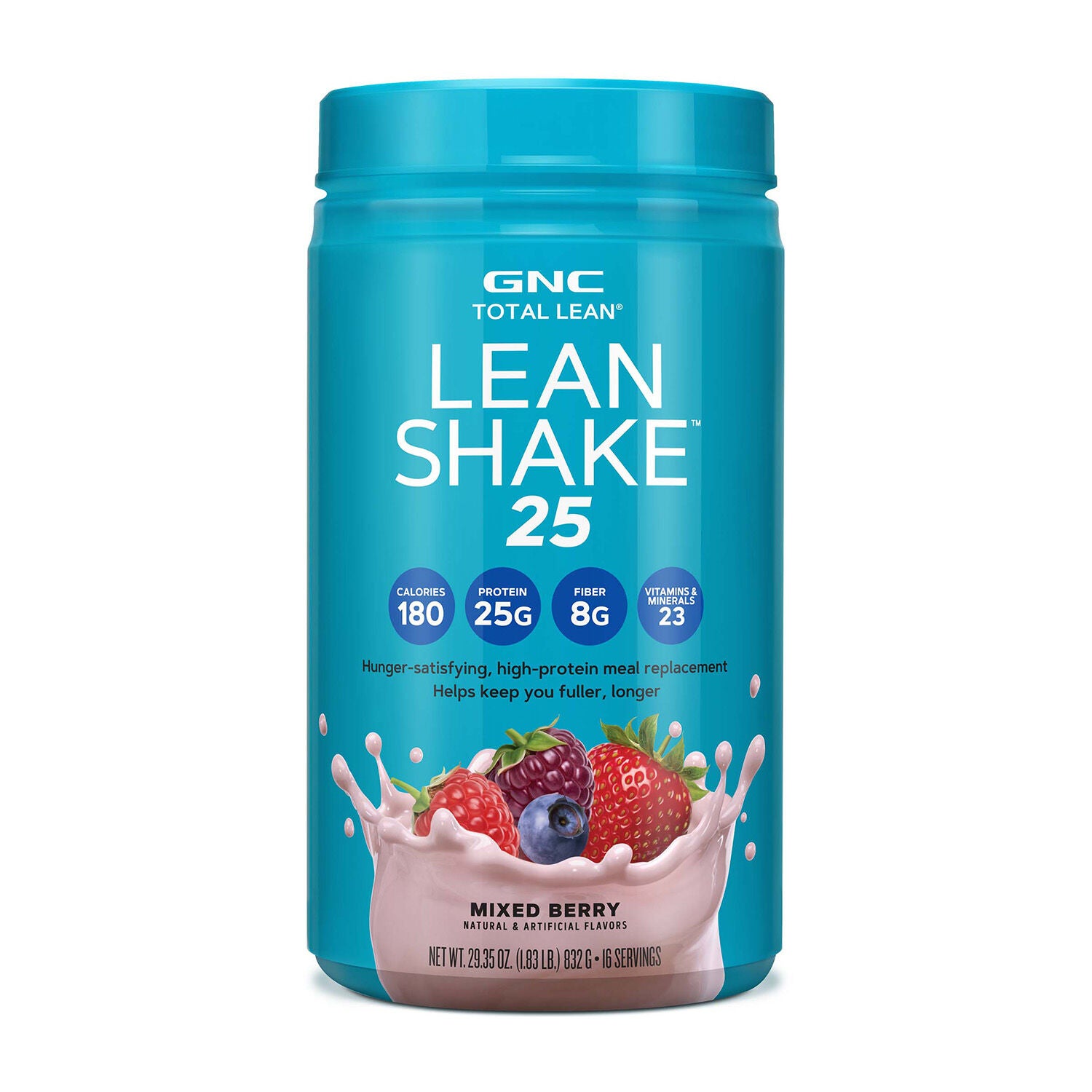
Protein and hydration products bring a more food-oriented dimension to supplements for shift workers, especially when meal breaks are short or access to a kitchen is limited. Protein powders may help supplement daily protein intake and may support muscle recovery after exercise. Common sources include whey, casein, soy, pea, and blends of plant proteins, with differences in texture, flavor, and milk-derived ingredients. A powder mixed with water during a brief break offers a different experience from one blended into yogurt or oats before leaving home. Neither is the same as a varied meal, but the preparation style can determine whether the product fits comfortably into an existing eating routine. For someone carrying breakfast, dinner, and a change of clothes in one bag, serving size and package dimensions have practical importance. Single-serving packets reduce the need to measure powder away from home, while larger containers require a clean, dry scoop and a suitable place for storage. Hydration mixes are another category, with formulas that may include sodium, potassium, carbohydrates, flavorings, or combinations of those ingredients. Their intended uses vary, and a desk-based overnight role is not the same setting as a physically demanding shift in warm conditions. Workers whose schedules also include loading areas, construction sites, or extended time outside may find related browsing context in Supplements for Outdoor Workers. Across these categories, portability involves more than whether a package fits in a pocket. Secure closures, readable labels, and protection from moisture help keep products organized between home and work. Storage instructions matter in a locker room, shared break area, or vehicle, where temperature and humidity can vary. Powders generally need dry storage, and mixed beverages have their own handling directions. Reusable mixing bottles also need regular washing and thorough drying, particularly around lids and seals. During the cooler months, a warm break room and a damp work bag can still create very different storage conditions. The most relevant comparison is therefore both nutritional and practical: what the product contains, what it is intended for, and whether its preparation and storage requirements suit the actual rhythm of the job.