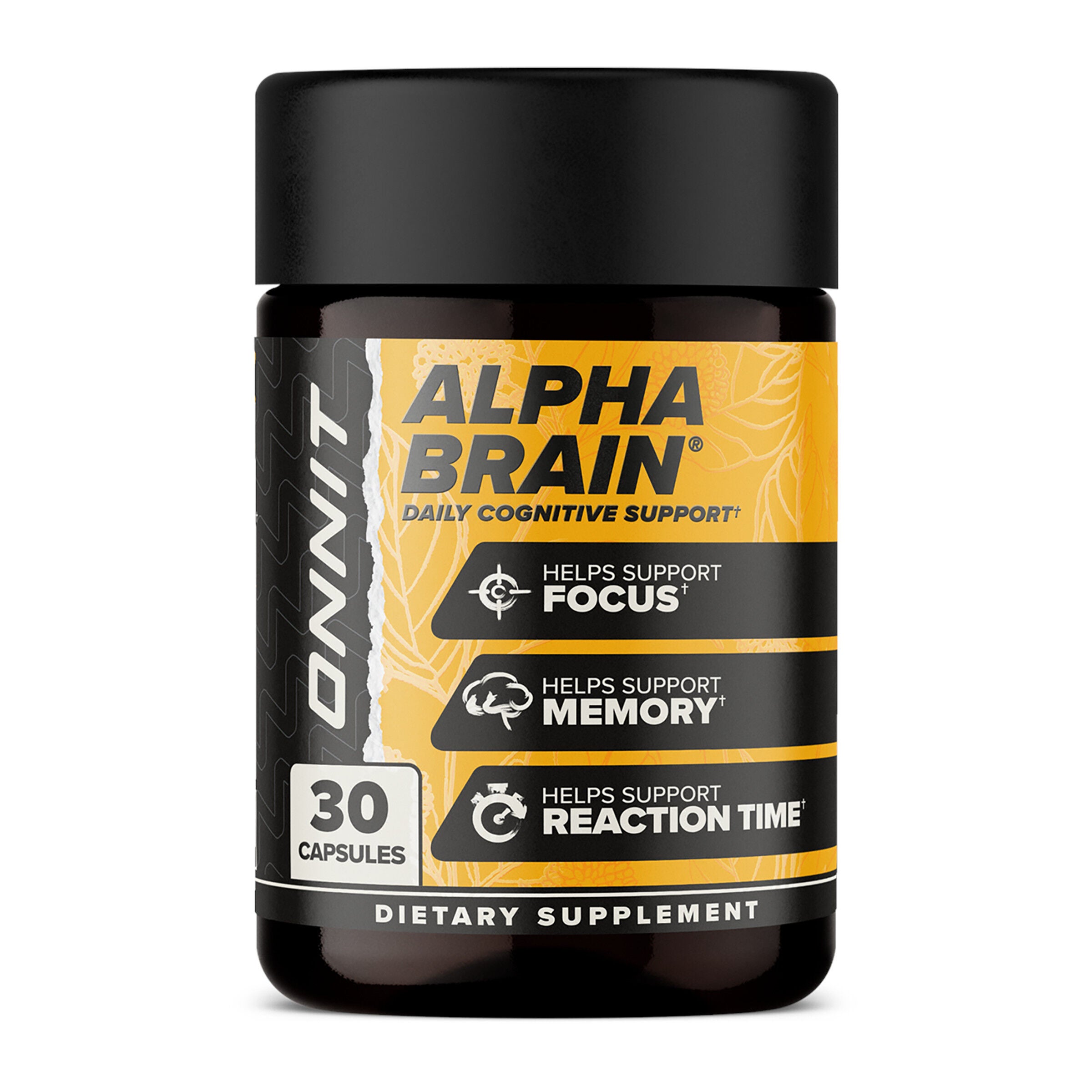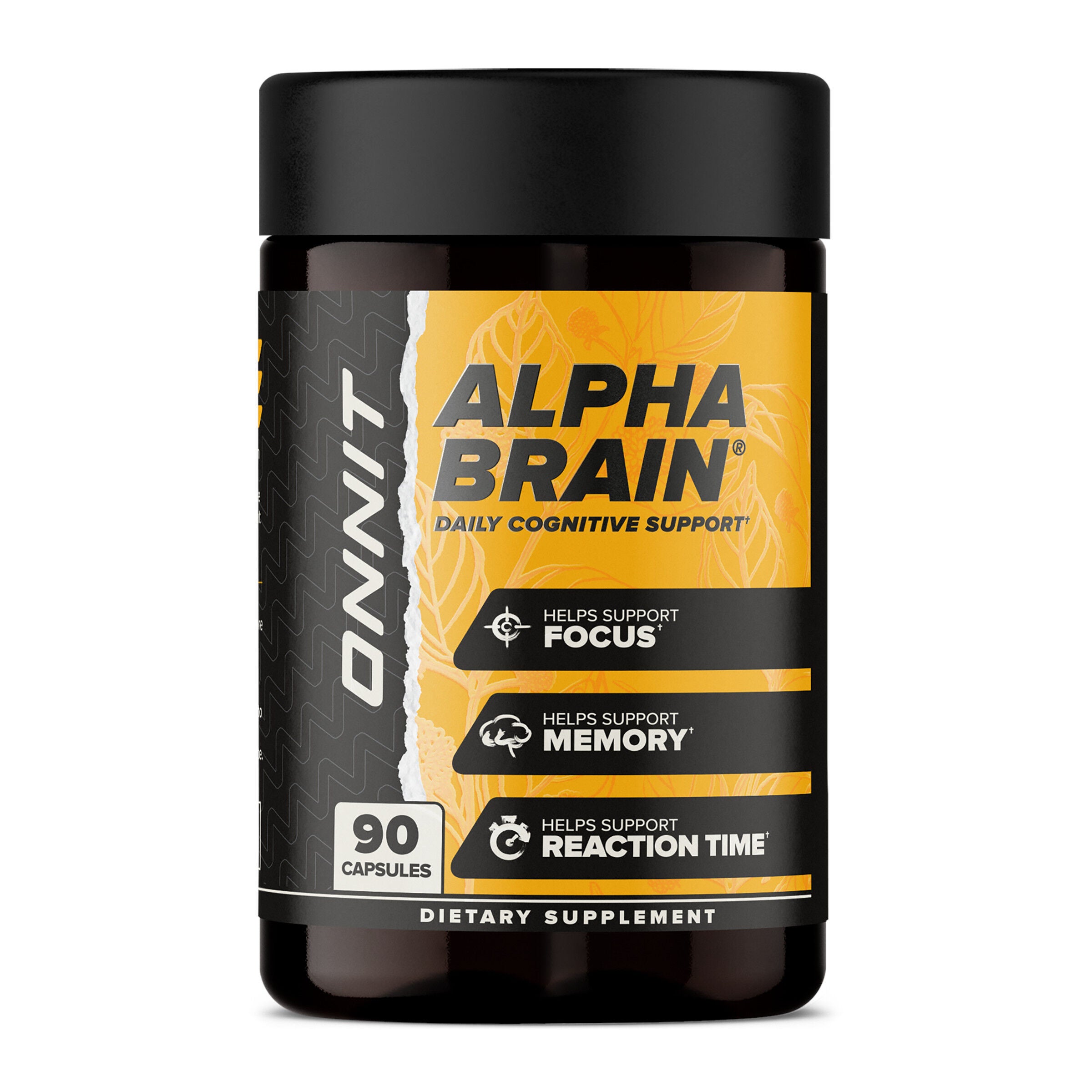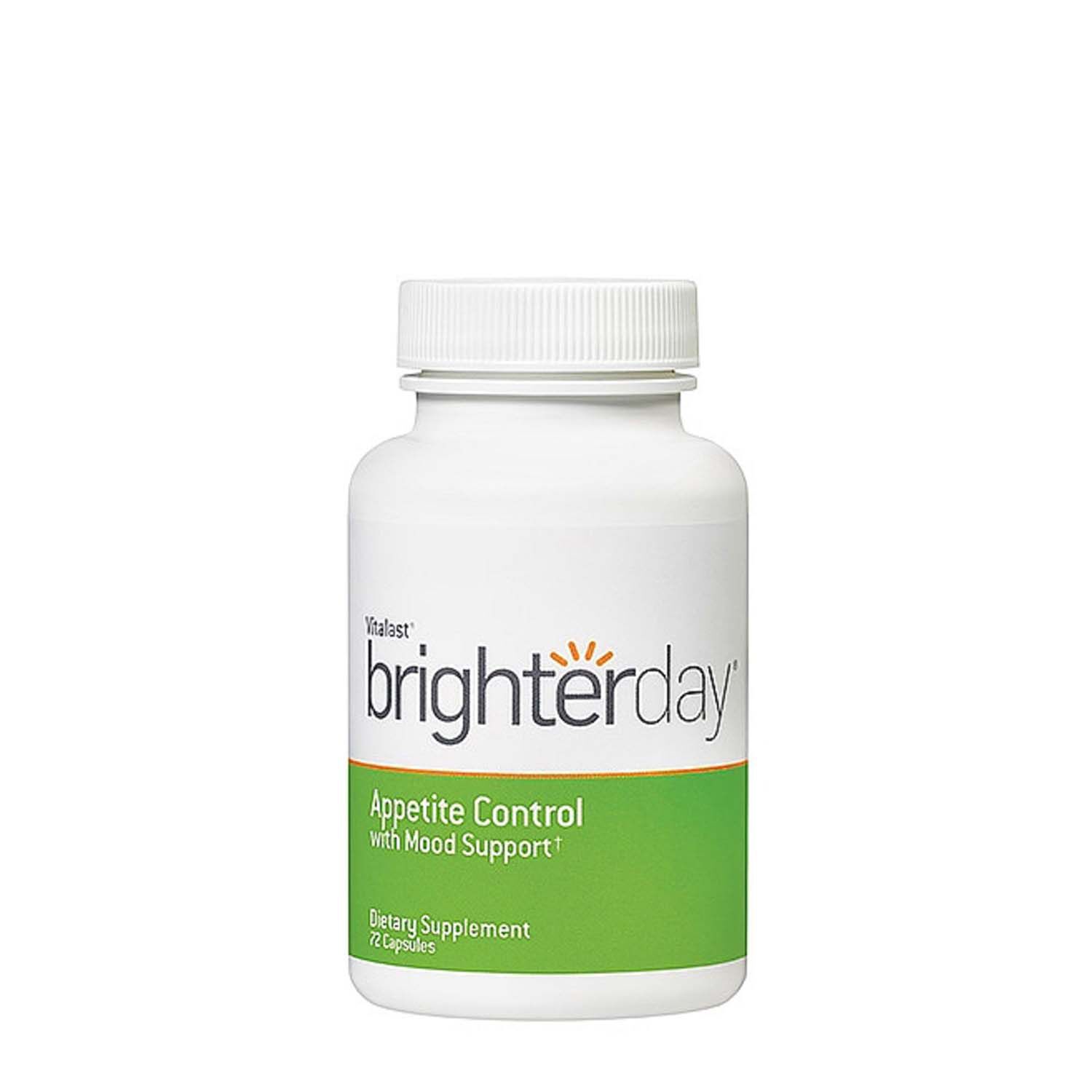


Supplements For Stress And Memory Support
(0 Results)
Supplements for stress and memory support are designed to help you stay focused and feel your best, whether you’re managing a busy schedule or looking to optimize your daily routine. With a range of options that may support mental clarity and promote relaxation, these supplements could be a helpful addition to your wellness journey. Explore formulas that might fit seamlessly into your lifestyle as you seek balance and enhanced cognitive function.
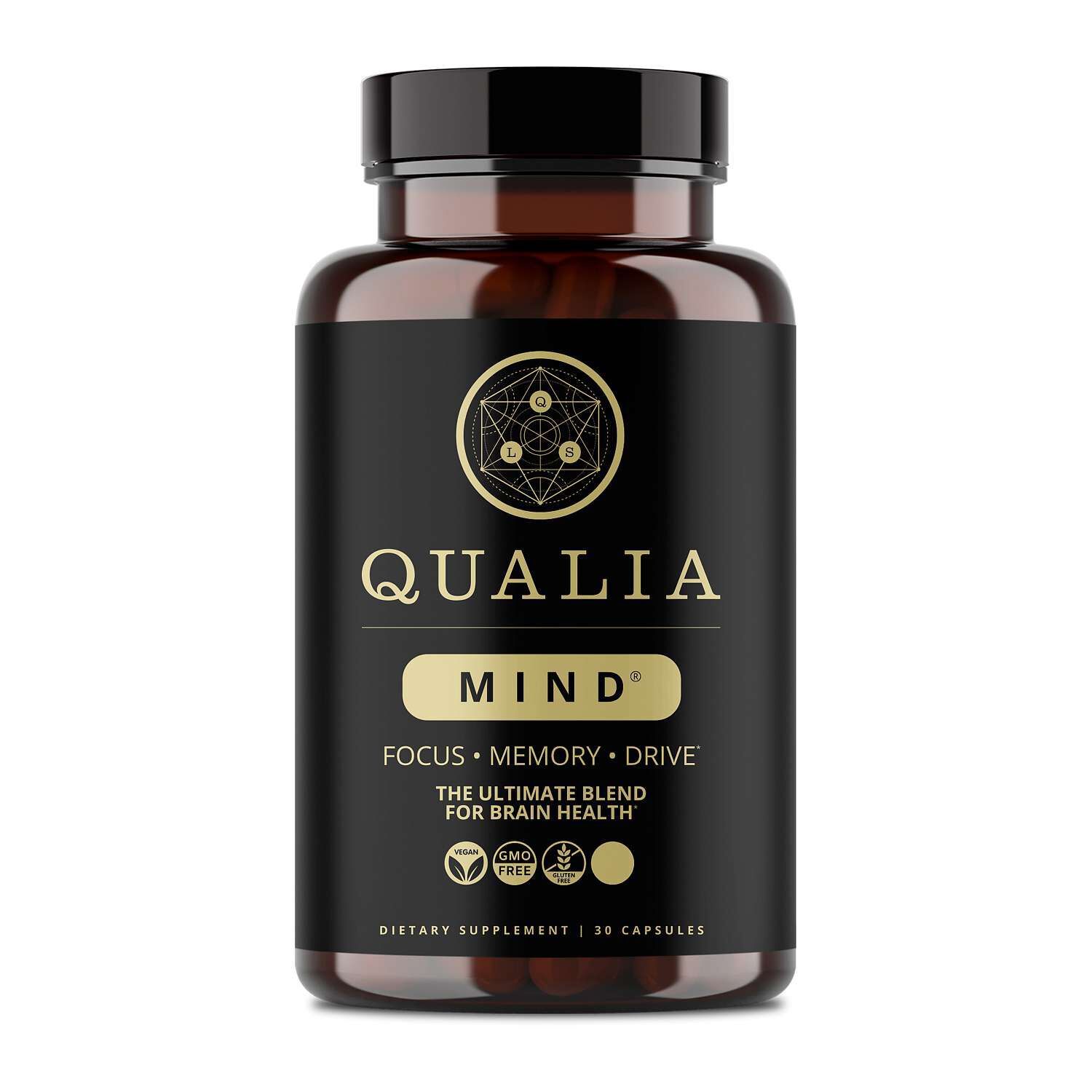
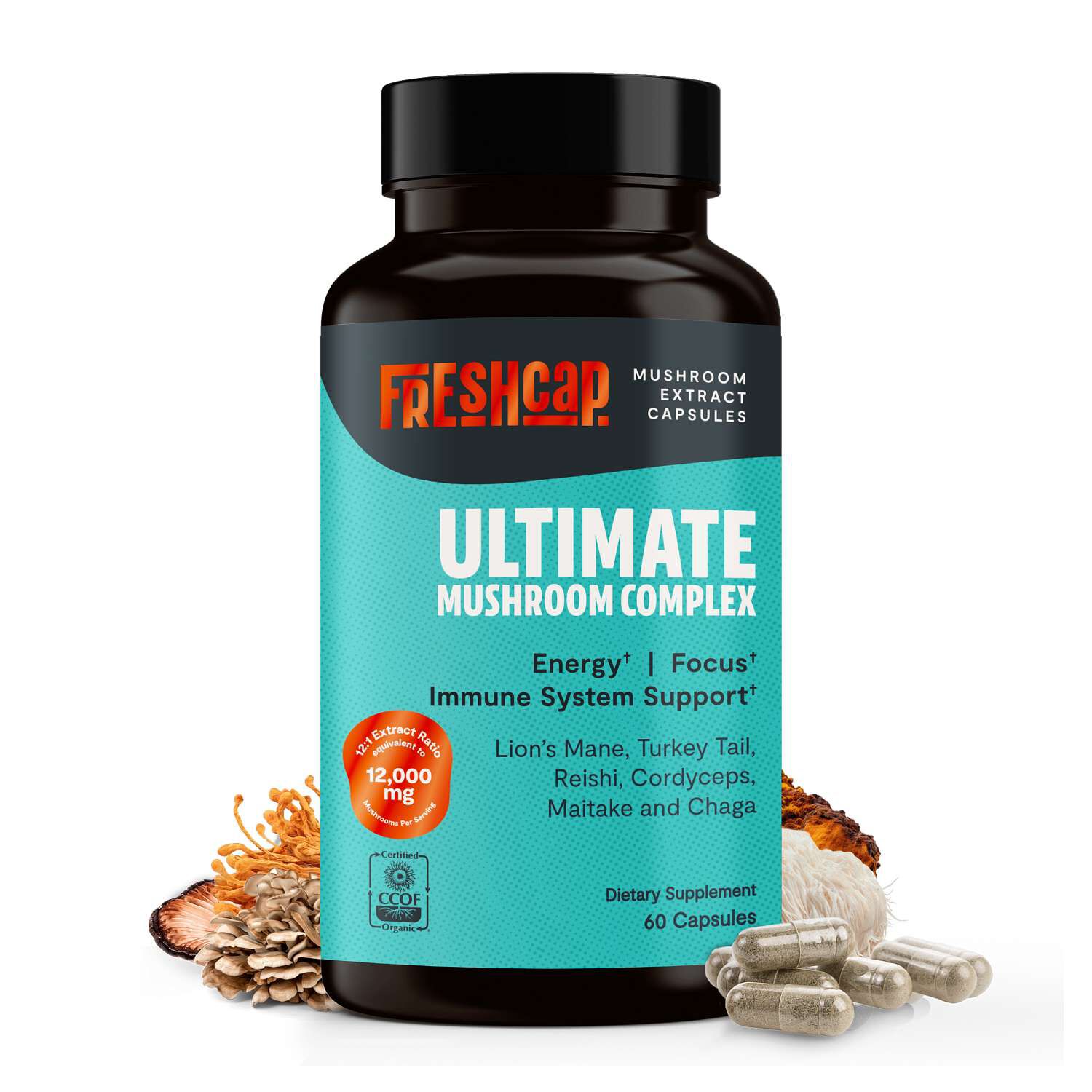


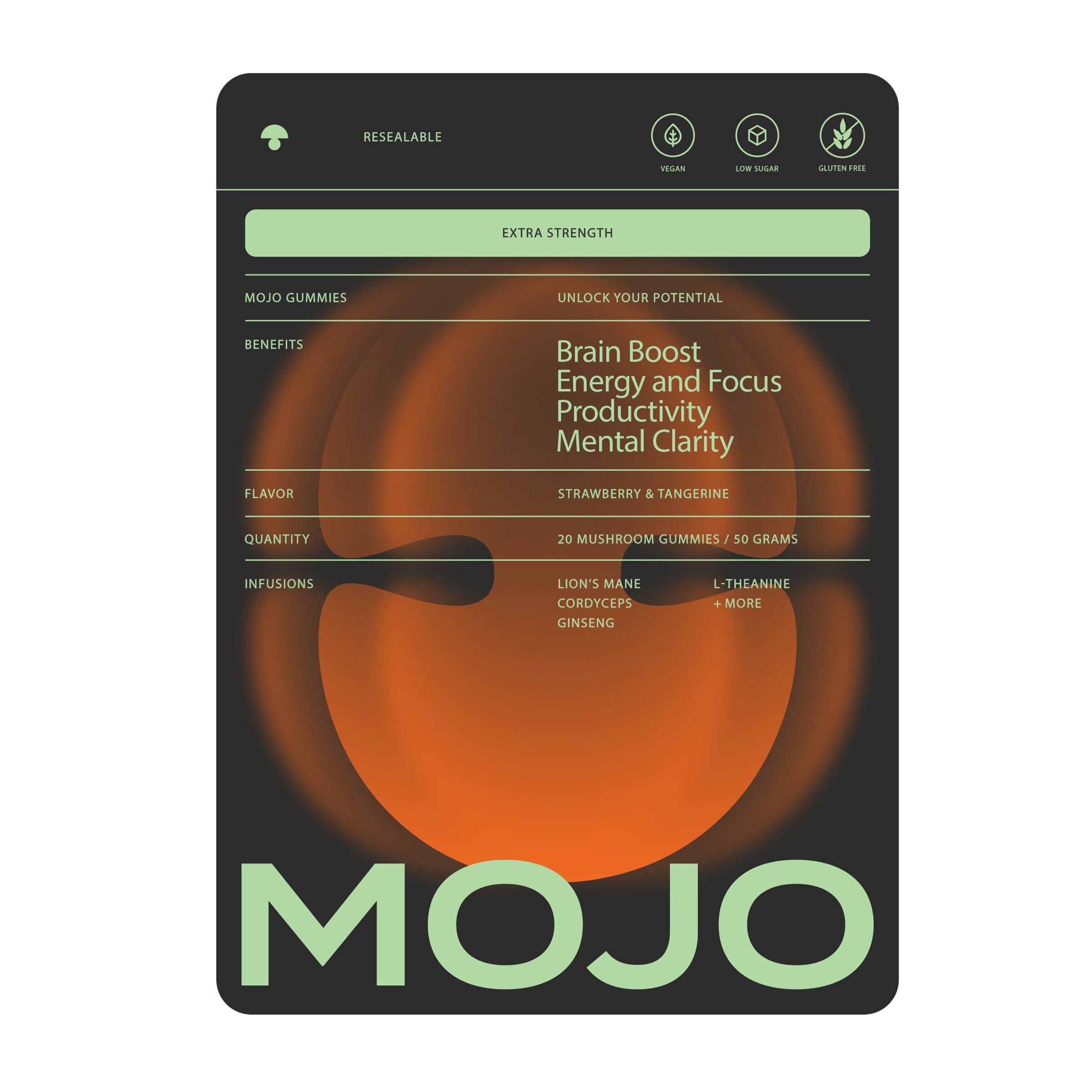
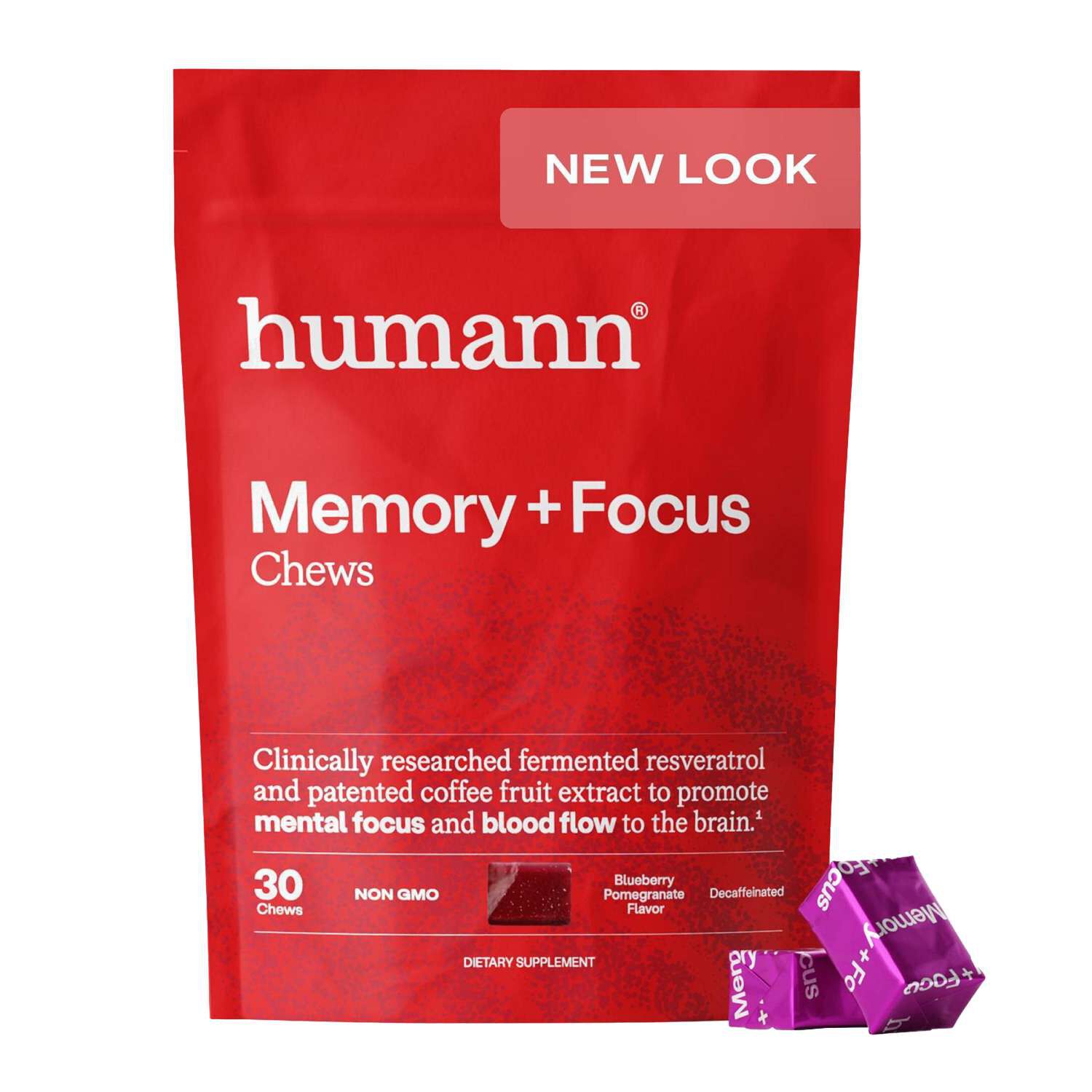

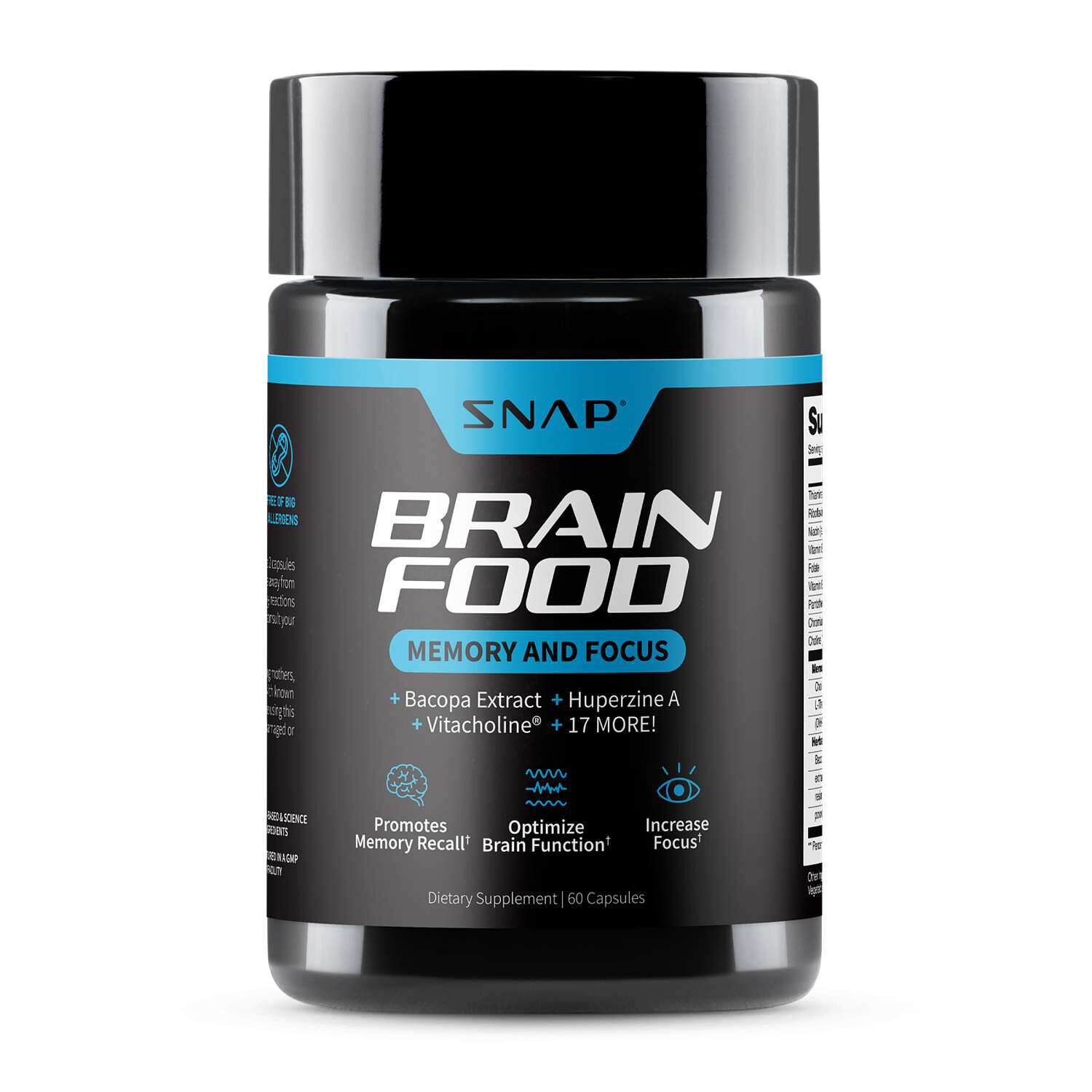

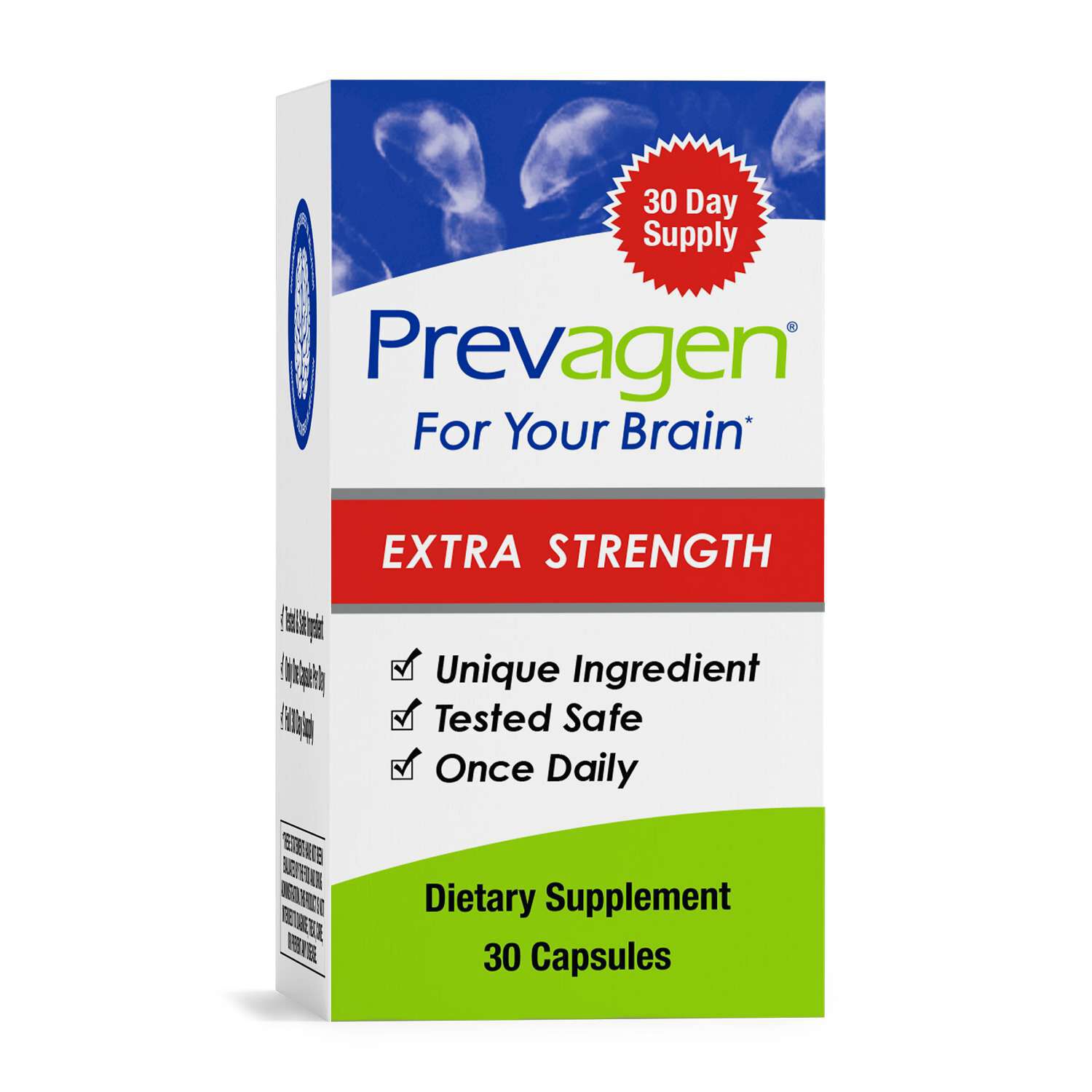


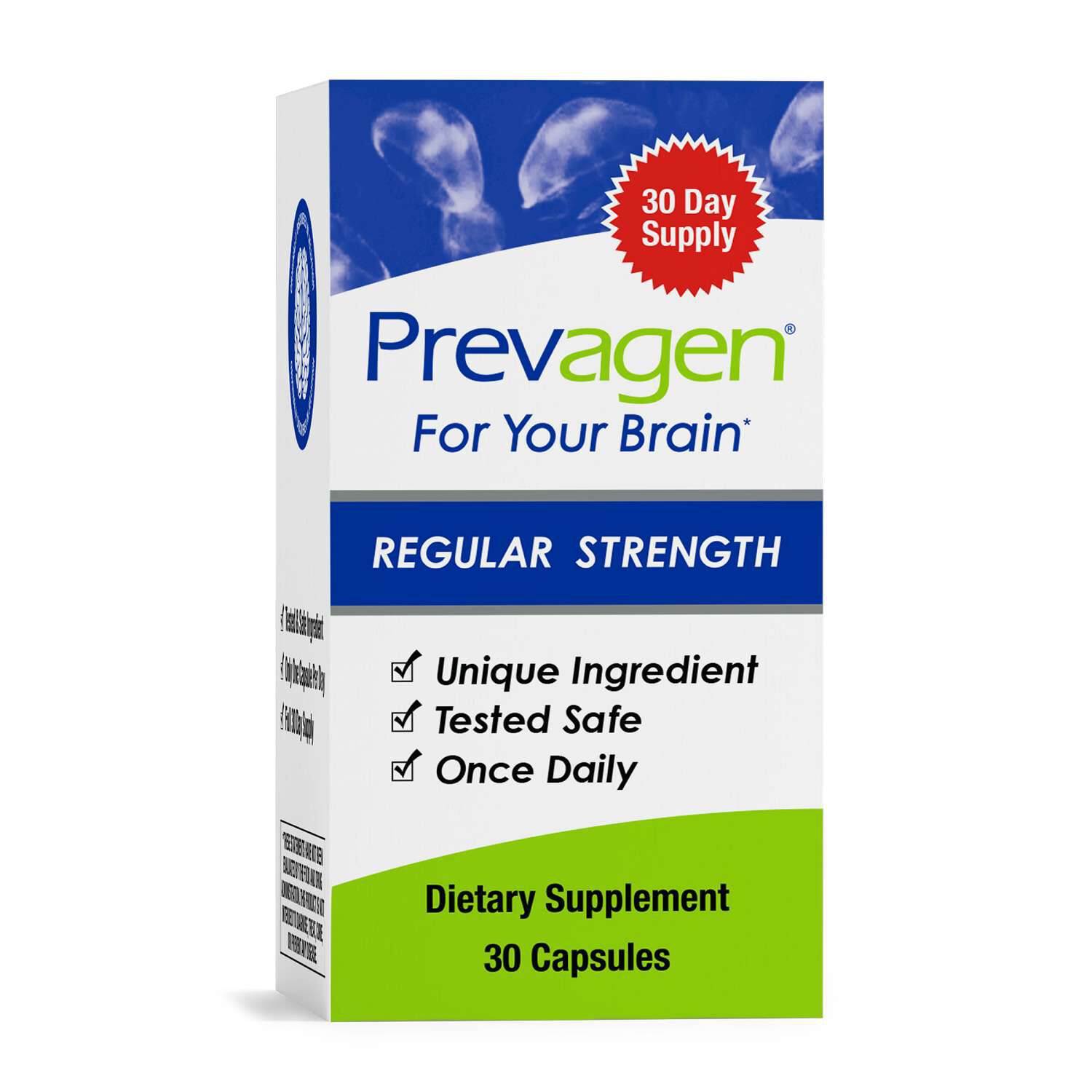
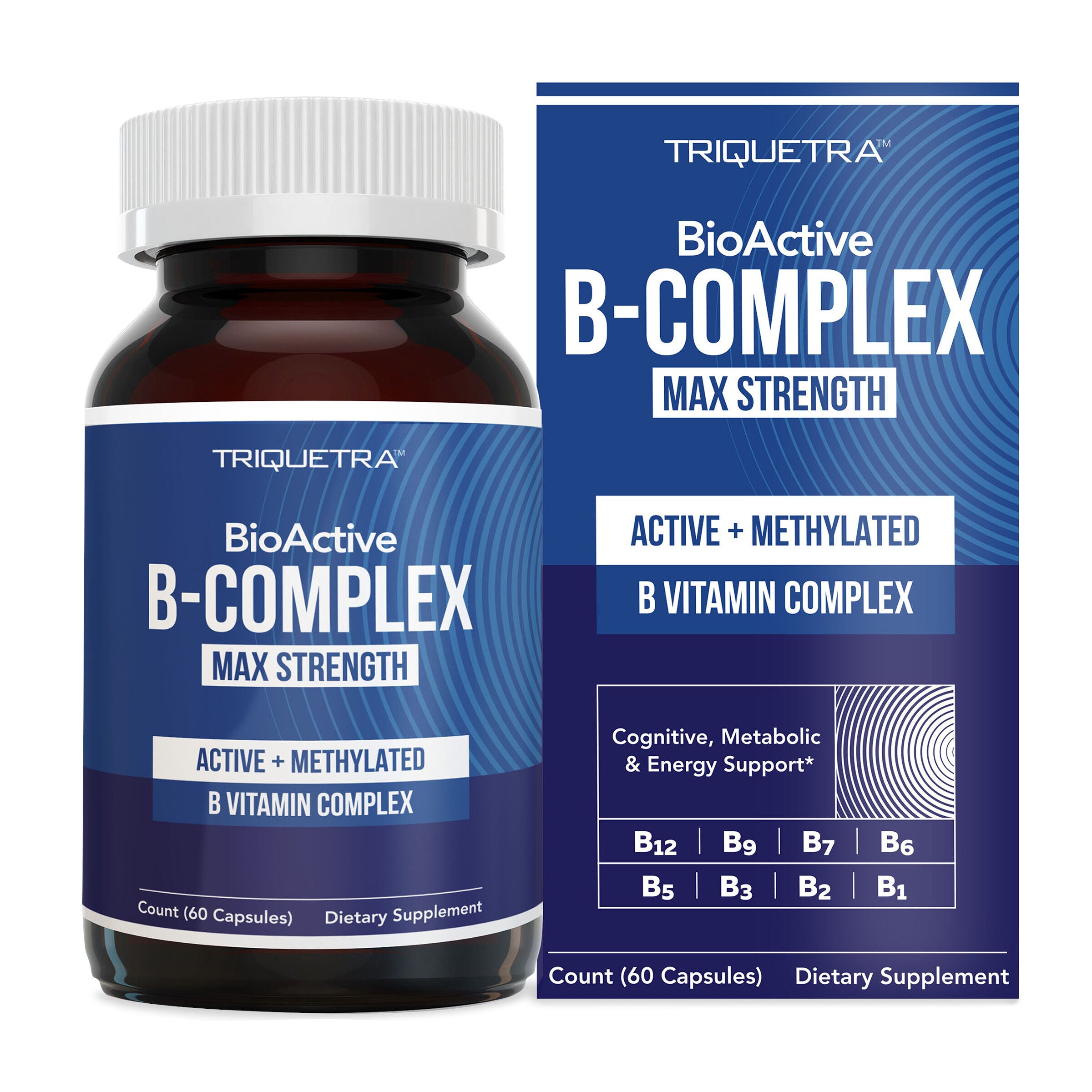
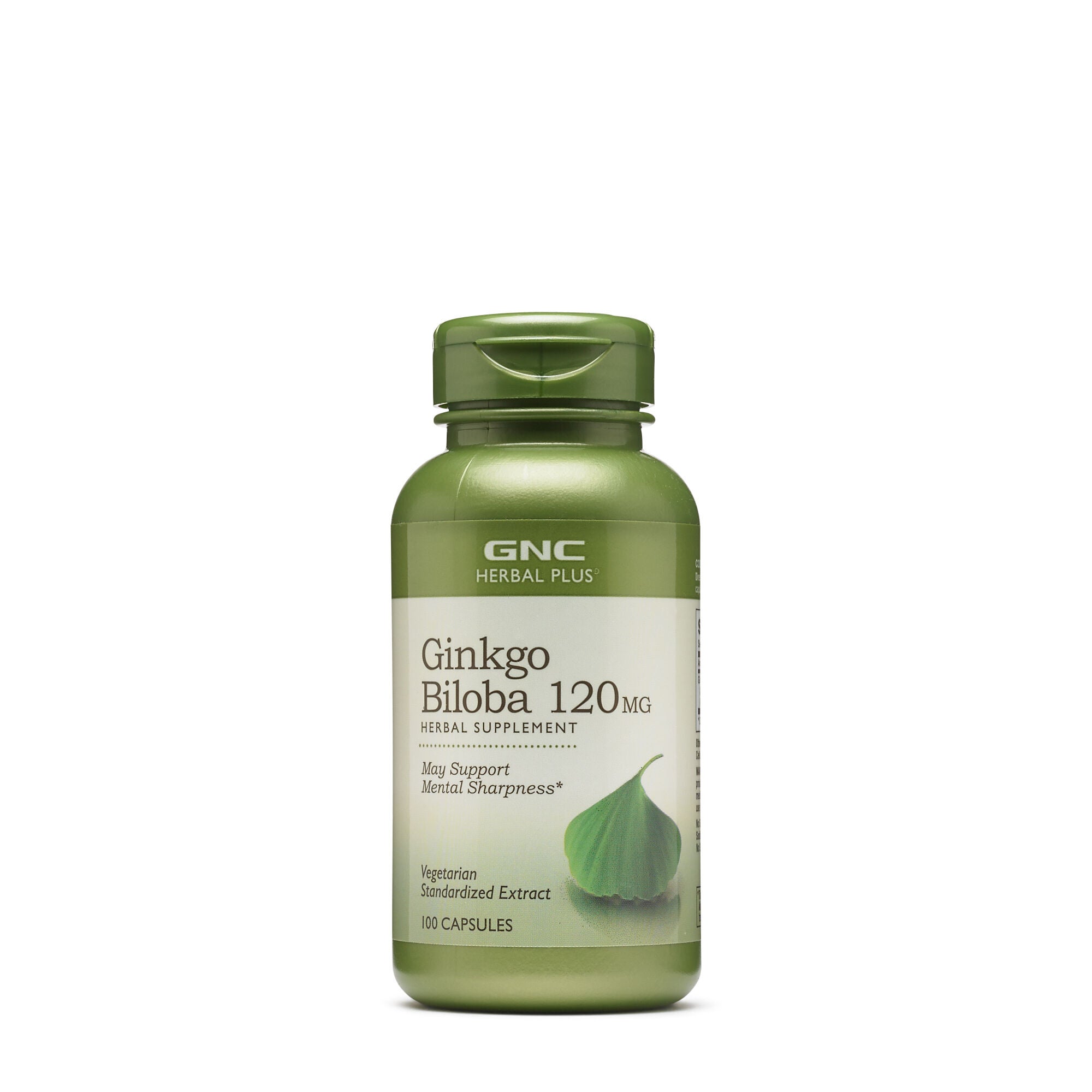



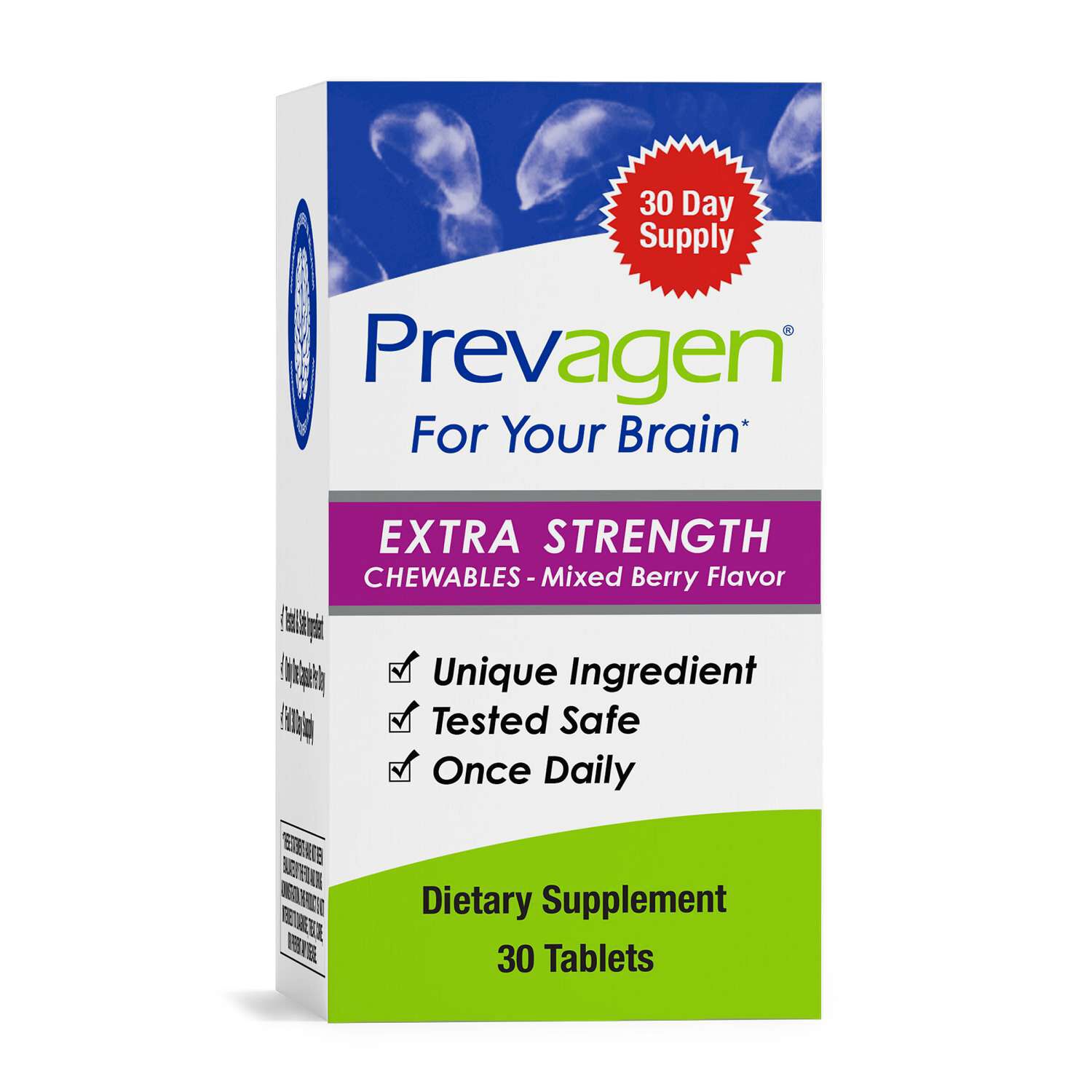

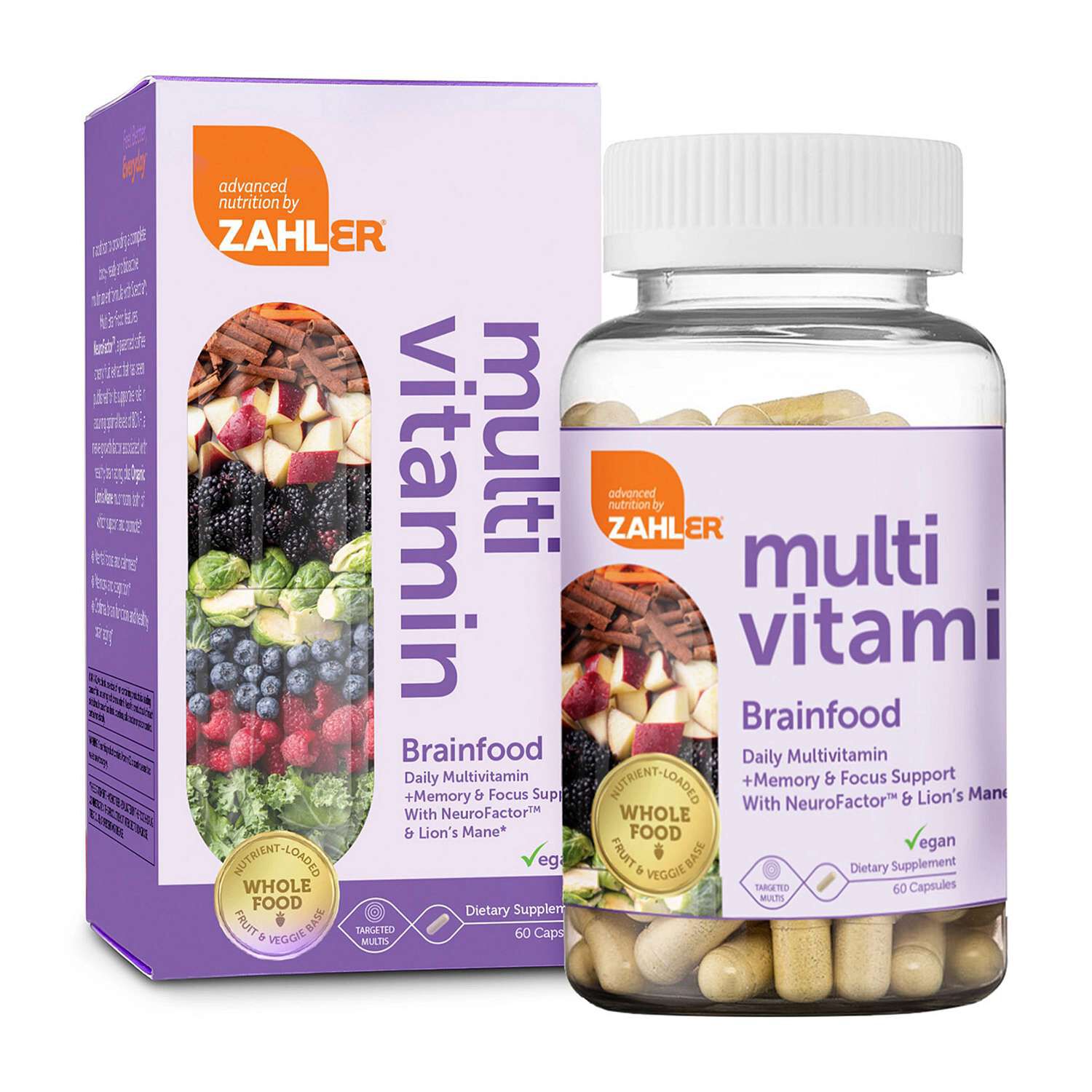
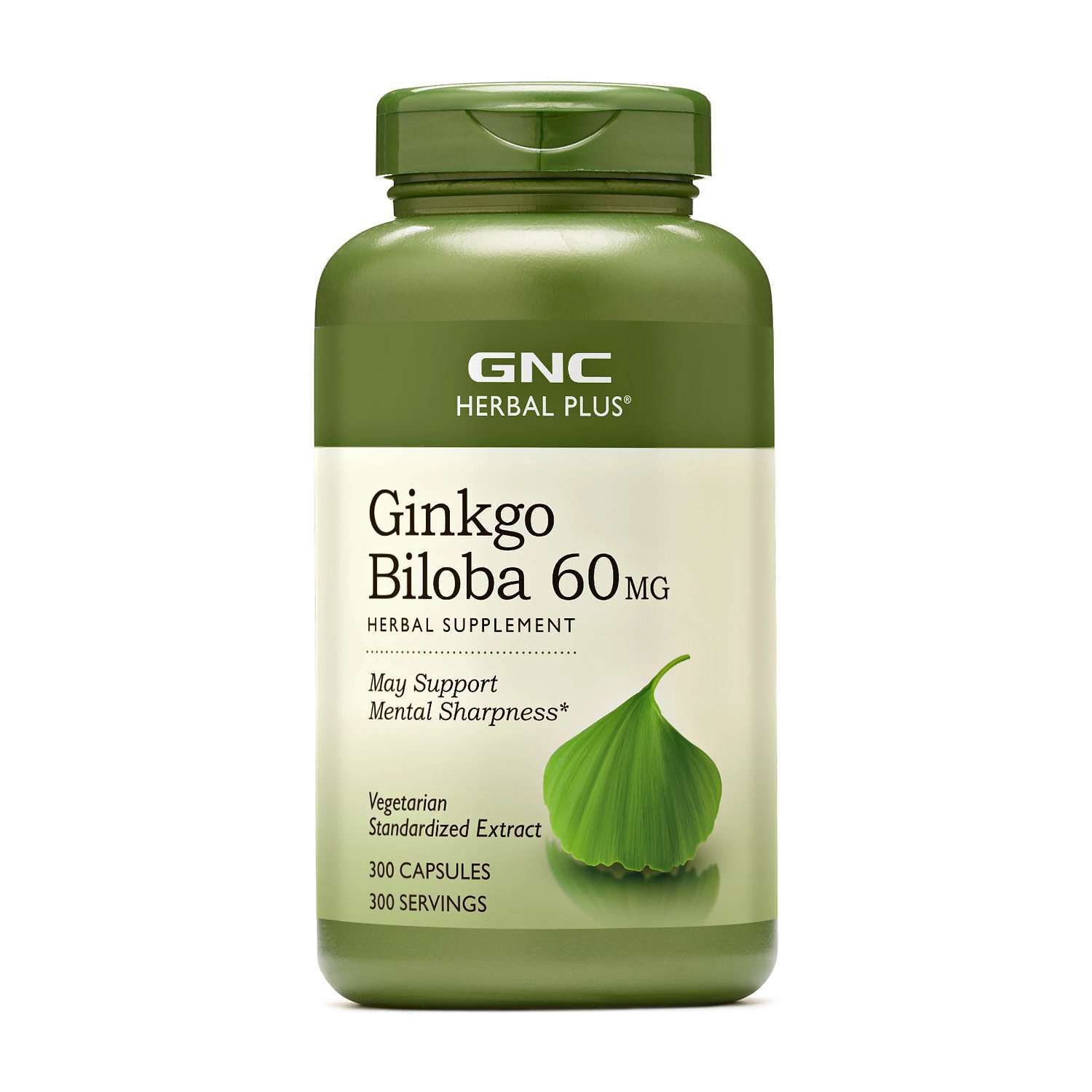
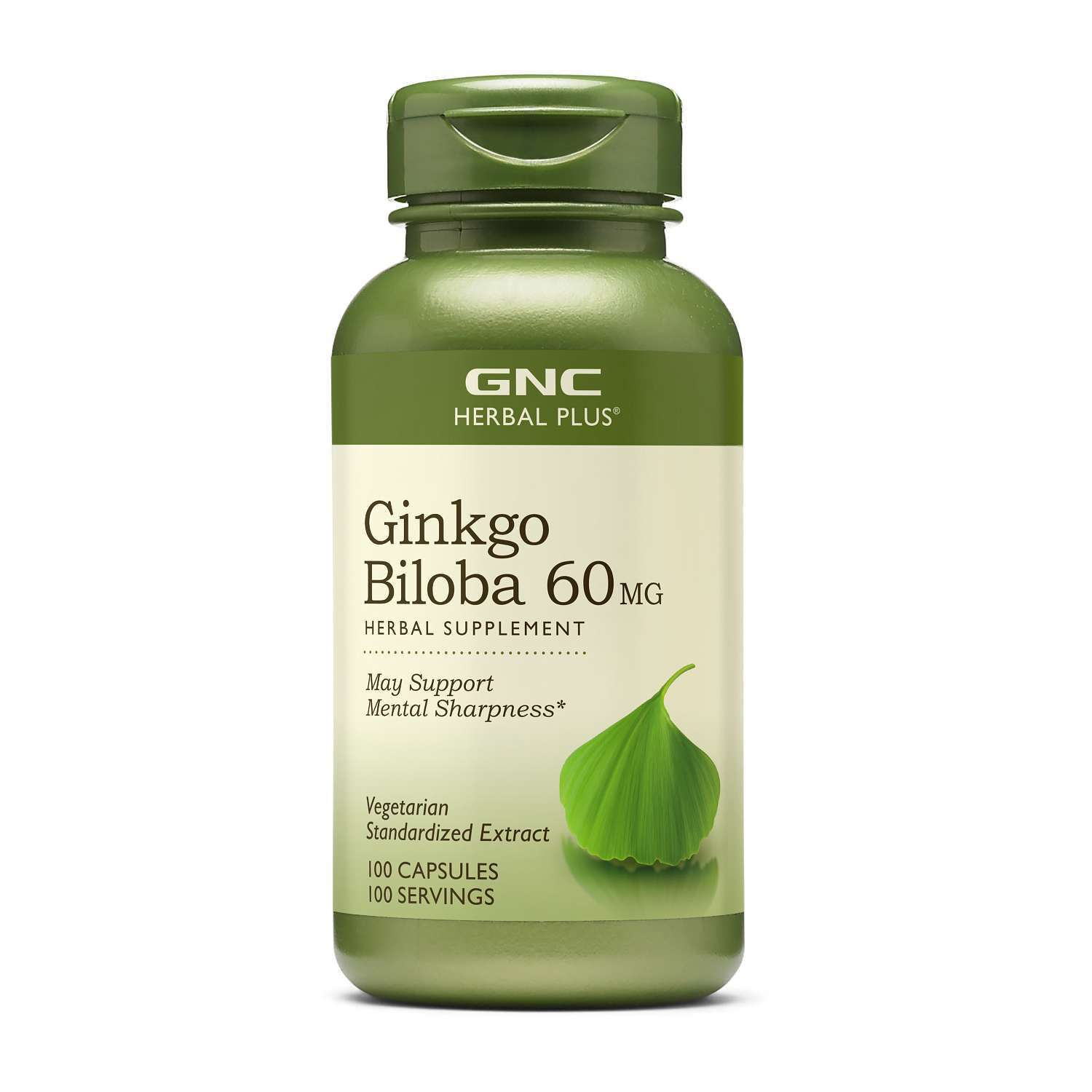
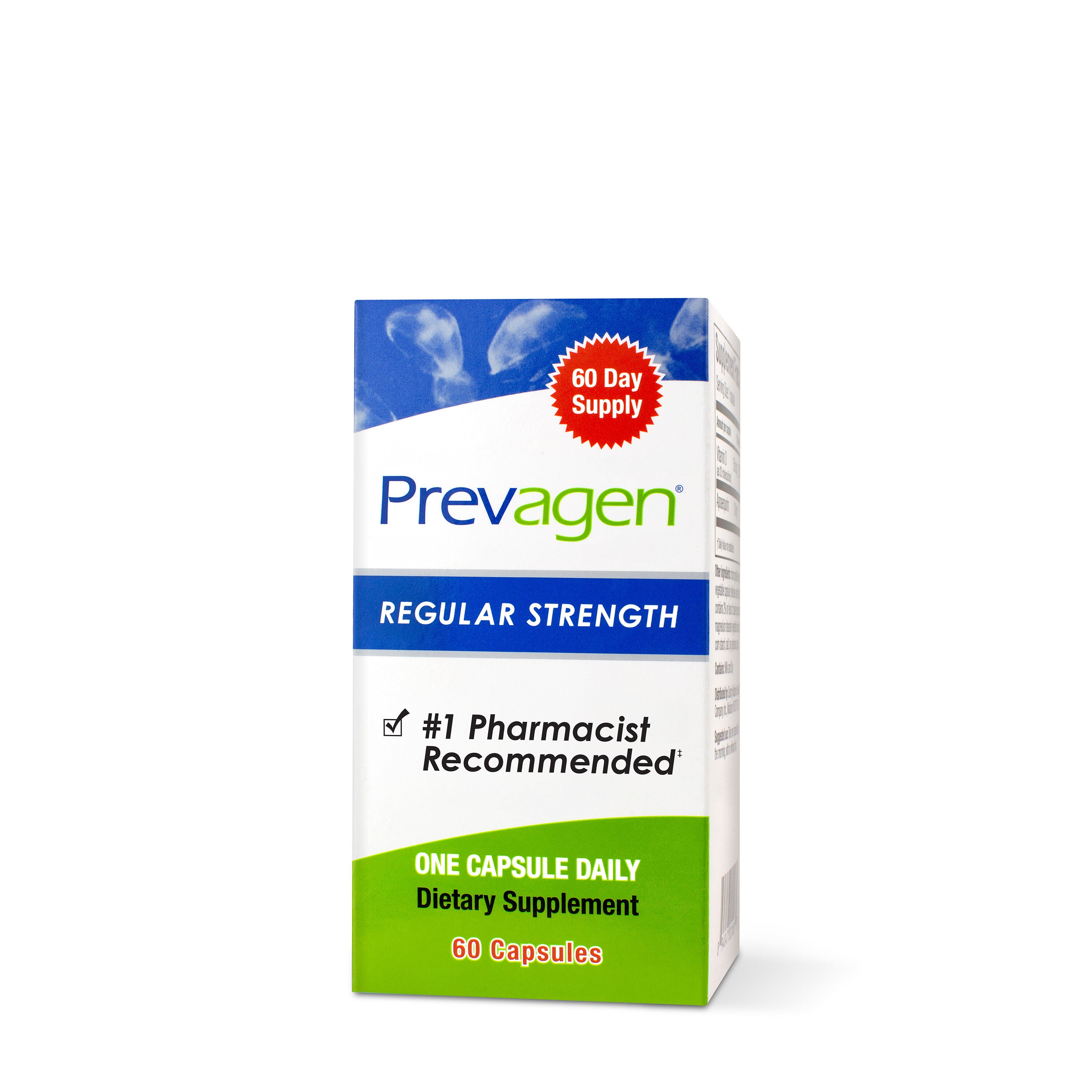
Supplements for stress and memory support may appeal to people looking for a simple addition to a thoughtful daily wellness routine. Busy workdays, demanding study schedules, travel, caregiving, and the steady stream of household responsibilities can make it harder to stay focused and feel composed. A carefully selected supplement may fit alongside nourishing meals, regular movement, restful sleep, time outdoors, and calming habits such as reading or quiet breathing. L-theanine, an amino acid found naturally in tea, may support a calm, attentive state and could be appealing before a concentrated work session or a long afternoon of study. Ashwagandha, a botanical traditionally used in wellness practices, might suit shoppers seeking support during demanding seasons, although individual experiences can vary. Magnesium may support normal muscle and nerve function and could be considered by adults whose diets do not provide enough of this mineral. B vitamins, including B6, B12, and folate, may help support normal energy metabolism and nervous-system function, while nutrients such as vitamin D and zinc may be useful considerations when dietary intake is limited. Since every formula has a different blend, serving size, and ingredient profile, reading the Supplement Facts panel offers a practical starting point. Look for clear ingredient amounts, a format that fits your routine, and directions that feel realistic for everyday use. Capsules may work well for a streamlined morning cabinet, powders may suit shoppers who prefer mixing a serving into water or a smoothie, and gummies may offer a more approachable option for people who dislike swallowing pills. A supplement chosen for someone else can also be a considerate gift for a student preparing for exams, a coworker managing a full calendar, or a loved one building a more intentional evening routine. For related options, shoppers may also browse Supplements For Stress And Nerve Health.
When comparing products, consider whether a single-ingredient formula or a blend feels more appropriate for the intended routine. Single-ingredient choices may make it easier to understand what is being added and may suit shoppers who prefer a straightforward approach. Blended formulas could be convenient for someone who wants several complementary nutrients in one serving, though checking the full panel remains important so overlapping ingredients can be avoided across a daily regimen. Serving size matters as well: two products in the same category may provide very different amounts, and a larger serving is not automatically a better fit. Pay attention to botanical extracts, added sweeteners, allergens, flavoring, and other details that could affect personal preference. Shoppers who already use a multivitamin, electrolyte powder, sleep-focused formula, or other wellness product may want to compare labels before combining items. Anyone who is pregnant, nursing, managing an ongoing health concern, preparing for a procedure, or taking prescription medication should speak with a qualified healthcare professional before using a new supplement. A pharmacist or clinician may also help review ingredient combinations and determine whether testing or a food-first approach makes sense, particularly when concerns about attention, mood, sleep, or energy continue. Supplements are not a replacement for professional care, balanced meals, or consistent rest, and large changes in memory or daily functioning deserve personal medical guidance rather than a trial-and-error shopping approach. A steady routine often makes it easier to notice how a product fits: some people prefer taking a formula with breakfast, while others choose a serving with an afternoon beverage or evening meal according to the label directions and their own schedule.
During the cooler months, routines can shift as daylight changes, travel picks up, and indoor schedules become fuller. A compact bottle in a desk drawer, a travel pouch tucked beside a notebook, or a neatly arranged shelf near the breakfast table can make a chosen routine easier to remember. Students may pair a memory-support formula with a study plan, hydration, and scheduled breaks; professionals may keep one with their workday supplies; and older adults may appreciate a clearly labeled product selected with input from a trusted healthcare professional. Gift shoppers can make the choice feel personal by considering the recipient’s preferred format, dietary preferences, and daily habits rather than selecting solely by a bold front-label claim. Someone who enjoys tea may appreciate an ingredient associated with tea, while a person who prefers minimal routines may favor a single-nutrient option. Those who avoid certain ingredients may need to review allergen statements and other label details carefully. It can also help to keep expectations measured. A supplement may support a broader wellness routine, but it might not create an immediate or dramatic change in concentration or recall. Consistency, adequate rest, nourishing food, movement, and manageable daily rhythms could all contribute to how a person feels and functions. Keeping notes about timing, serving size, and personal impressions may help shoppers discuss their routine clearly with a healthcare professional and decide whether the product remains a suitable part of their approach.