Supplements For Summer Diet Plans
(0 Results)
Supplements for summer diet plans could be the perfect addition to your seasonal wellness routine. As warmer weather inspires new fitness goals and fresh meal ideas, finding the right support may help you stay on track. Whether you’re looking to complement your active lifestyle or seeking ways to enhance your nutritional intake, supplements for summer diet plans might offer convenient options to fit your needs. Explore a variety of choices designed to align with your summertime health journey.
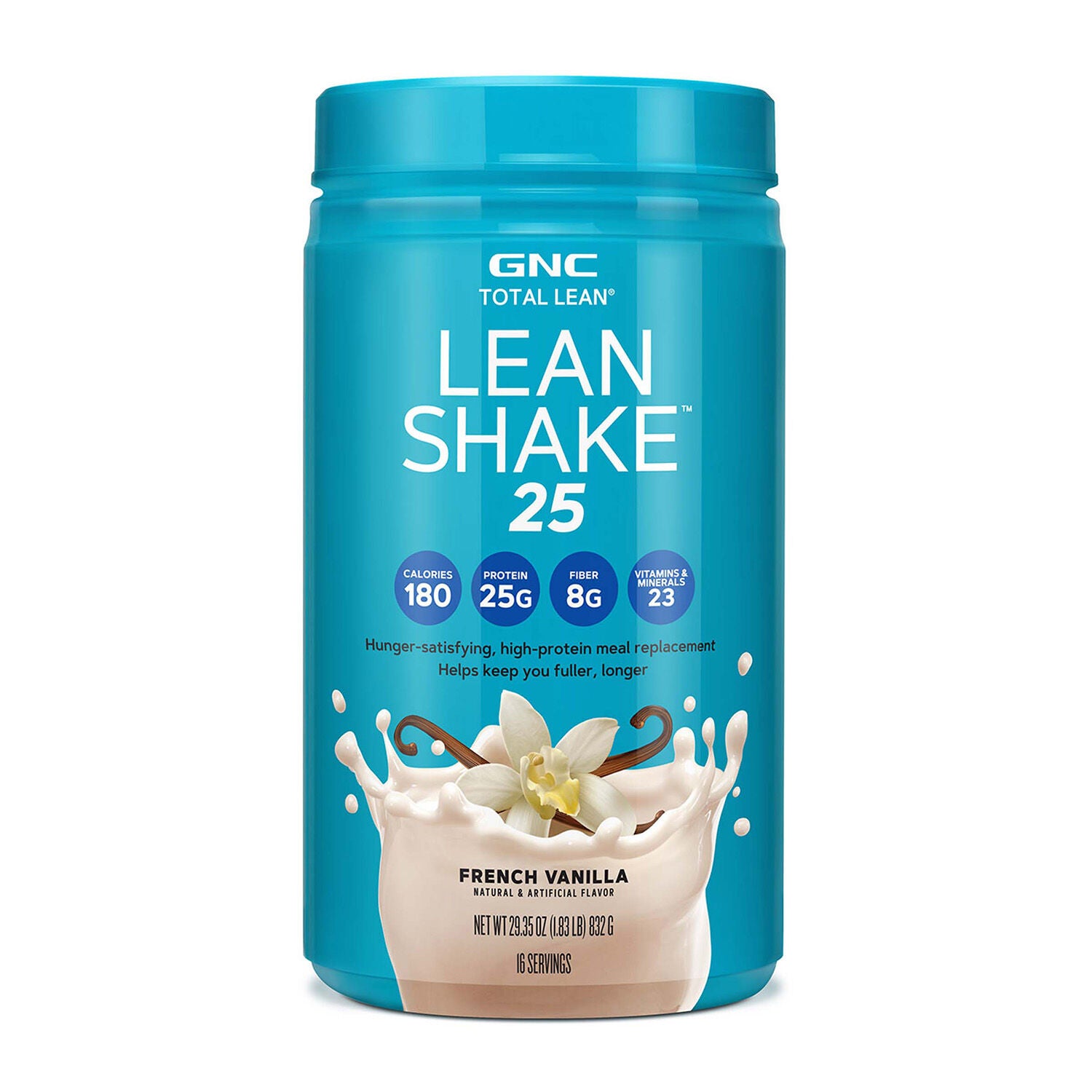
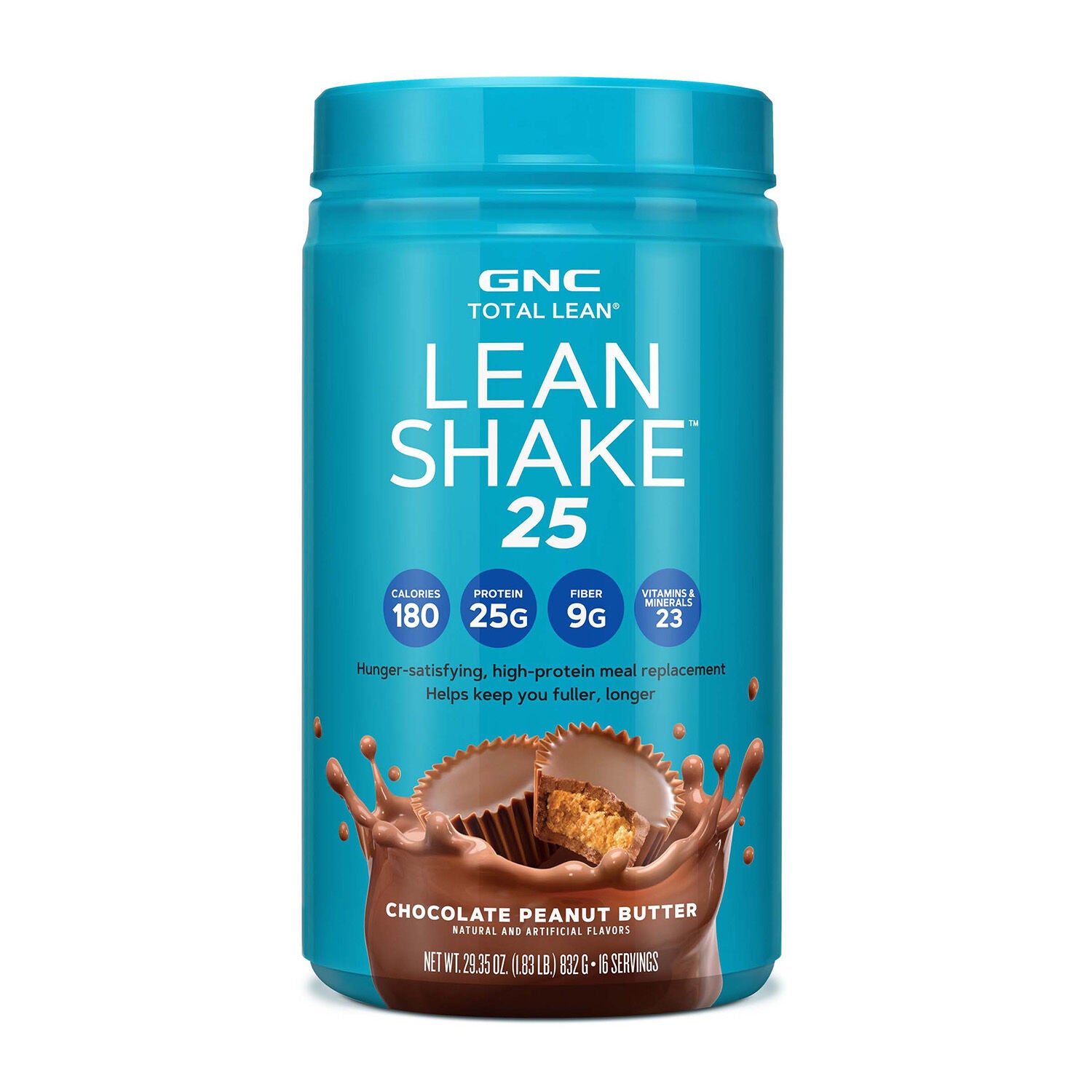

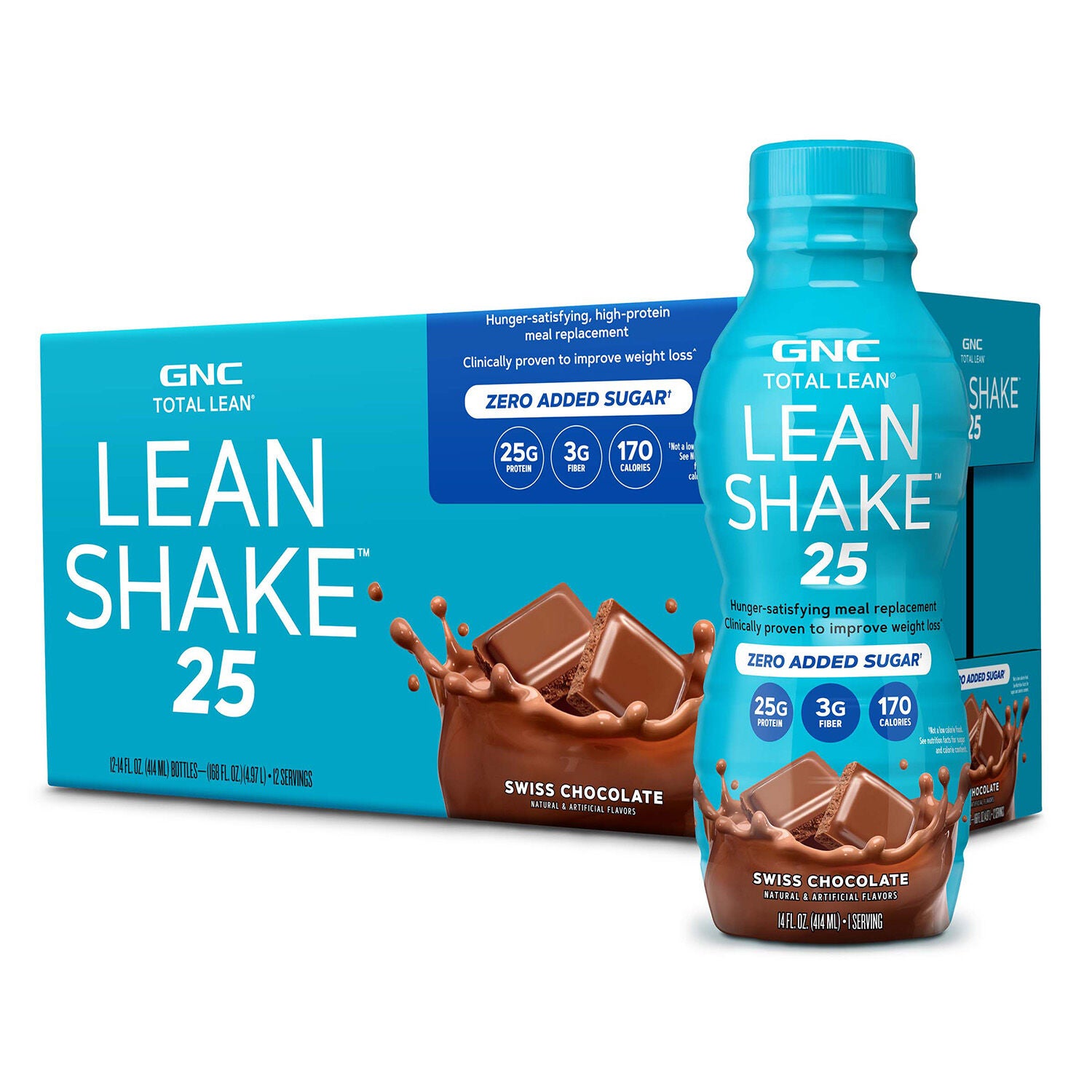
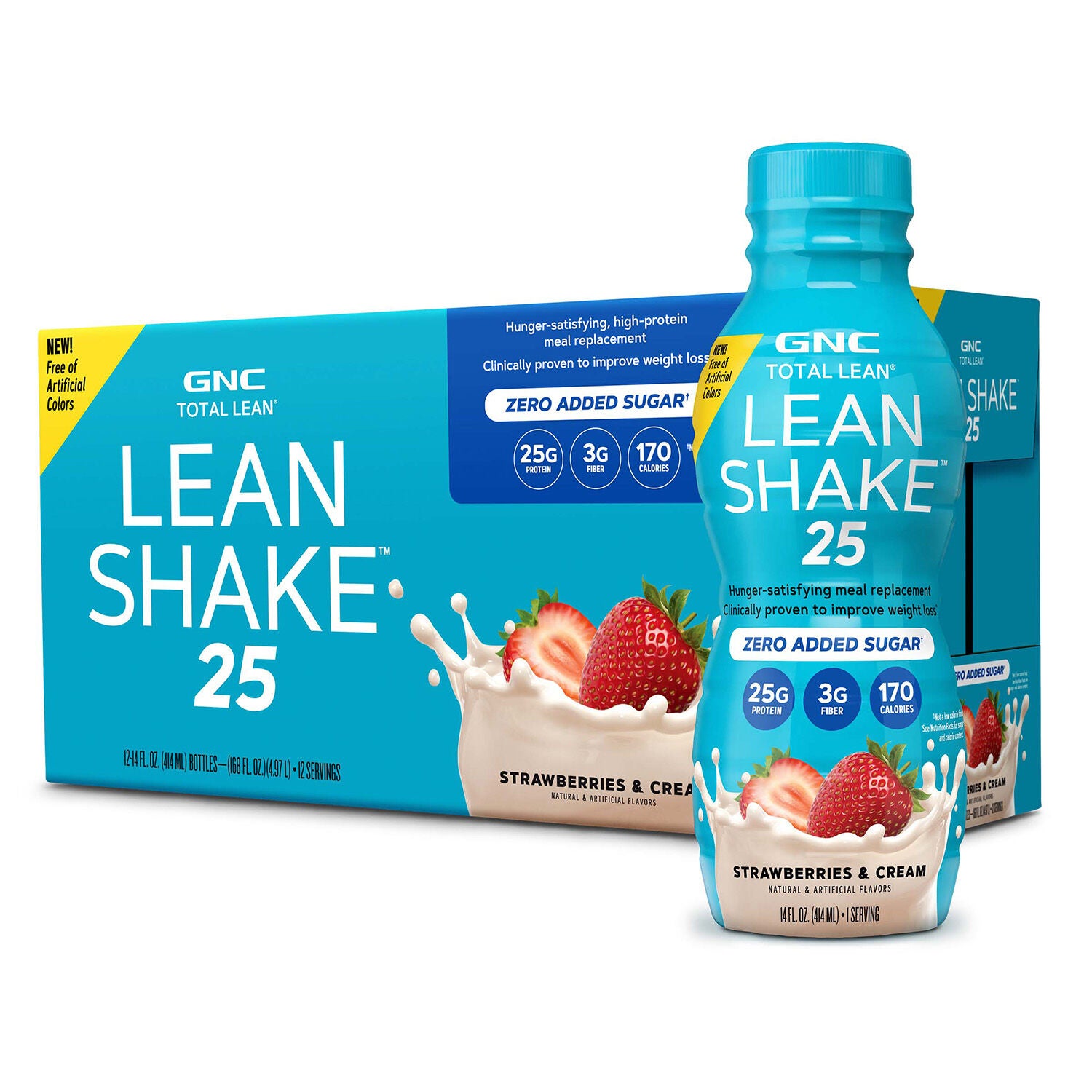
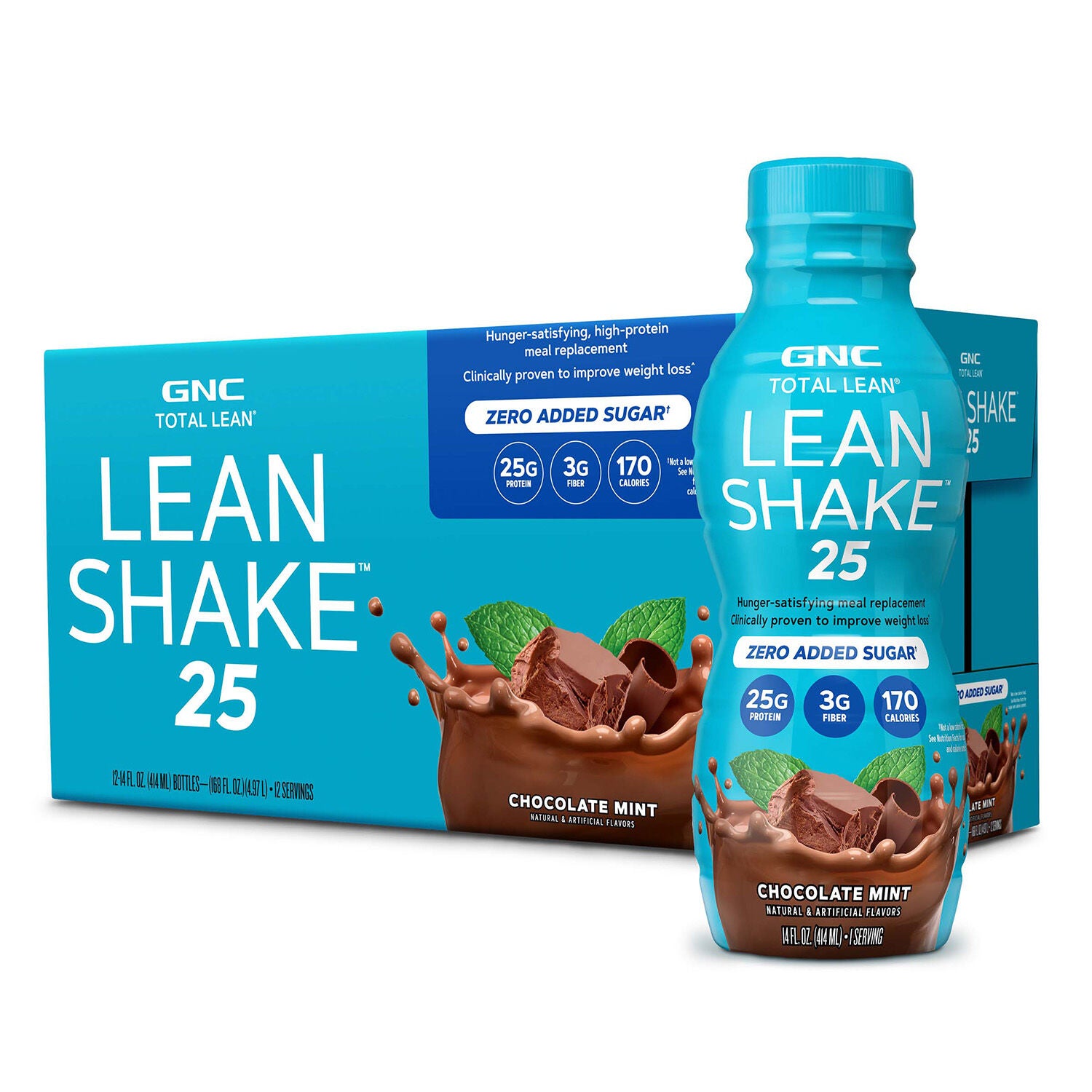
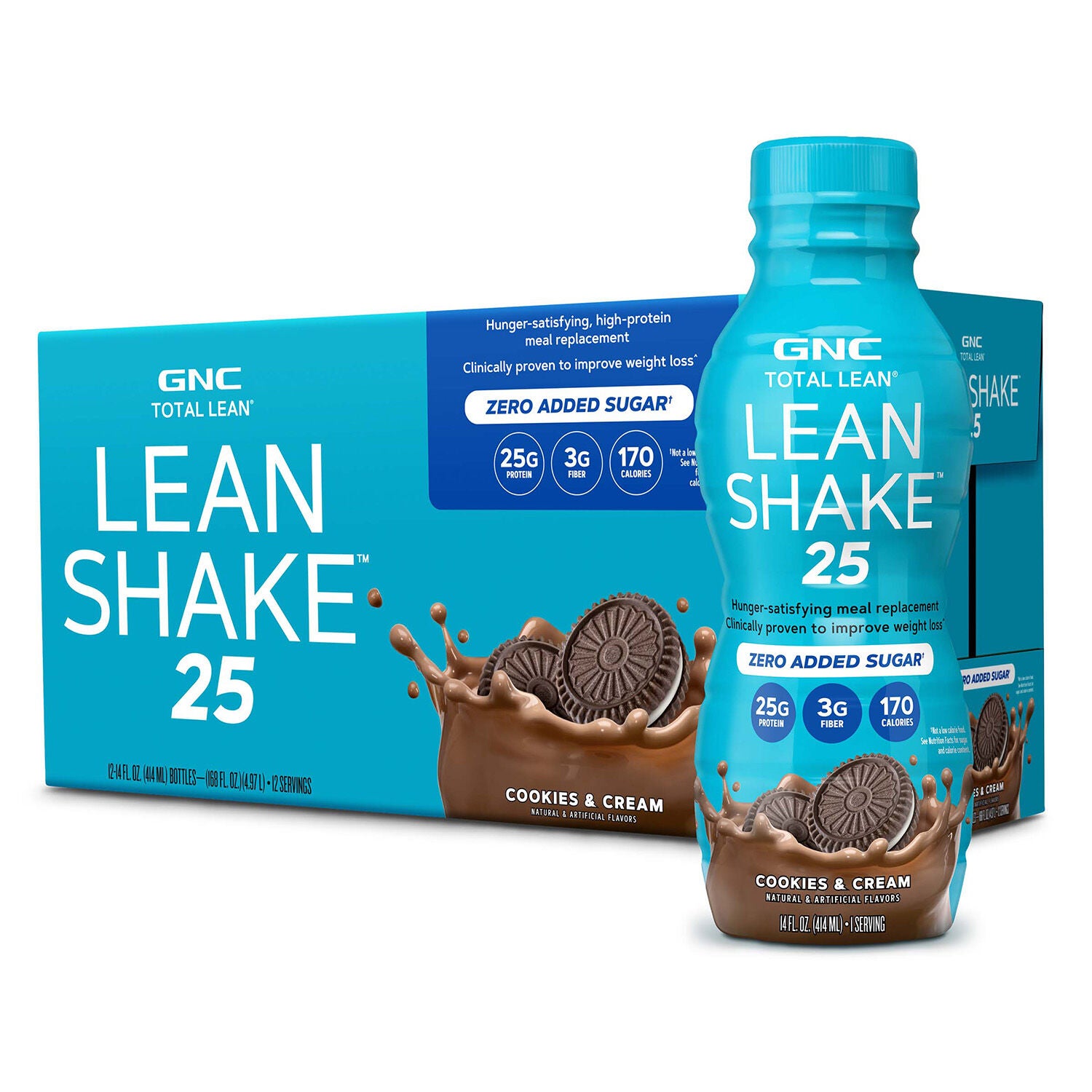
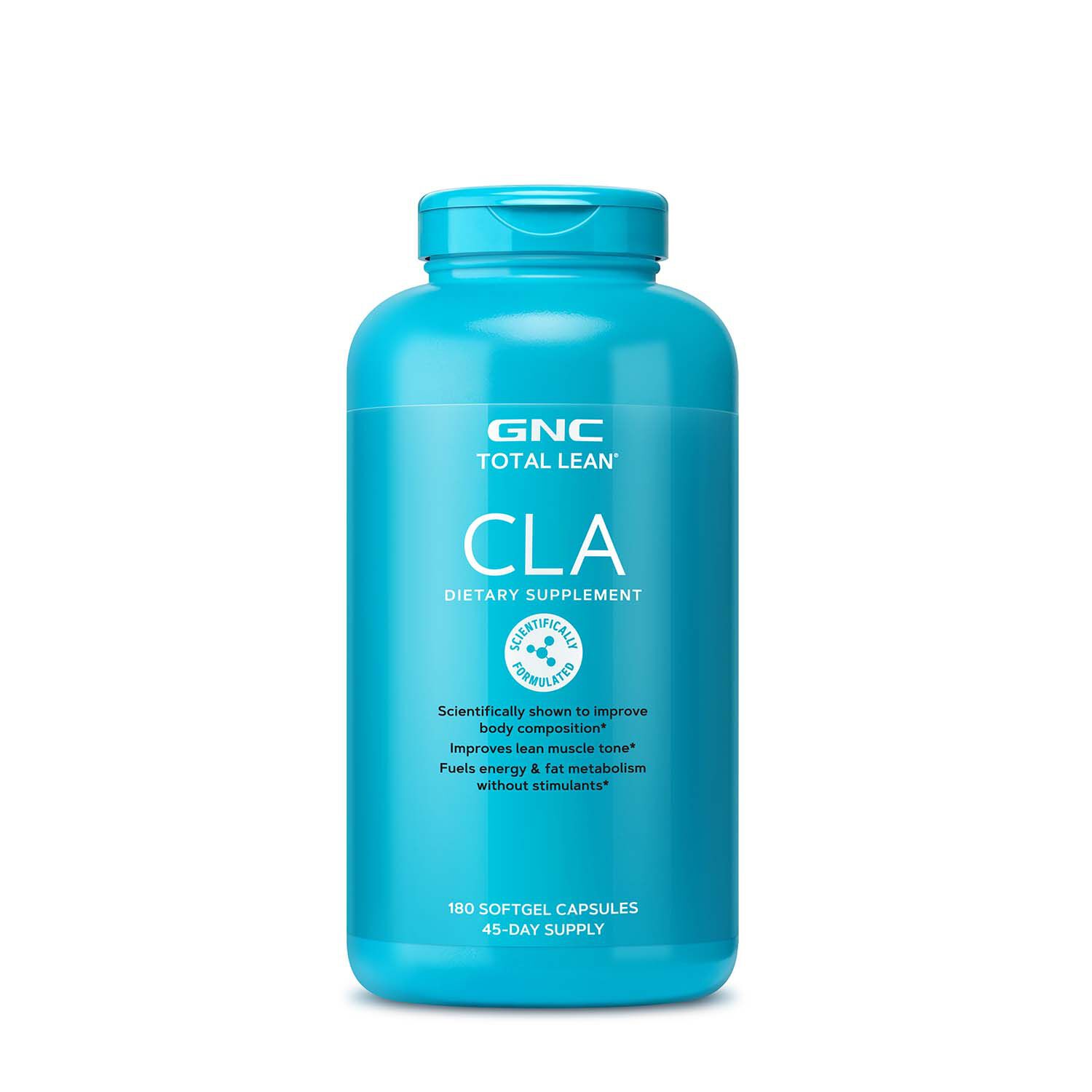


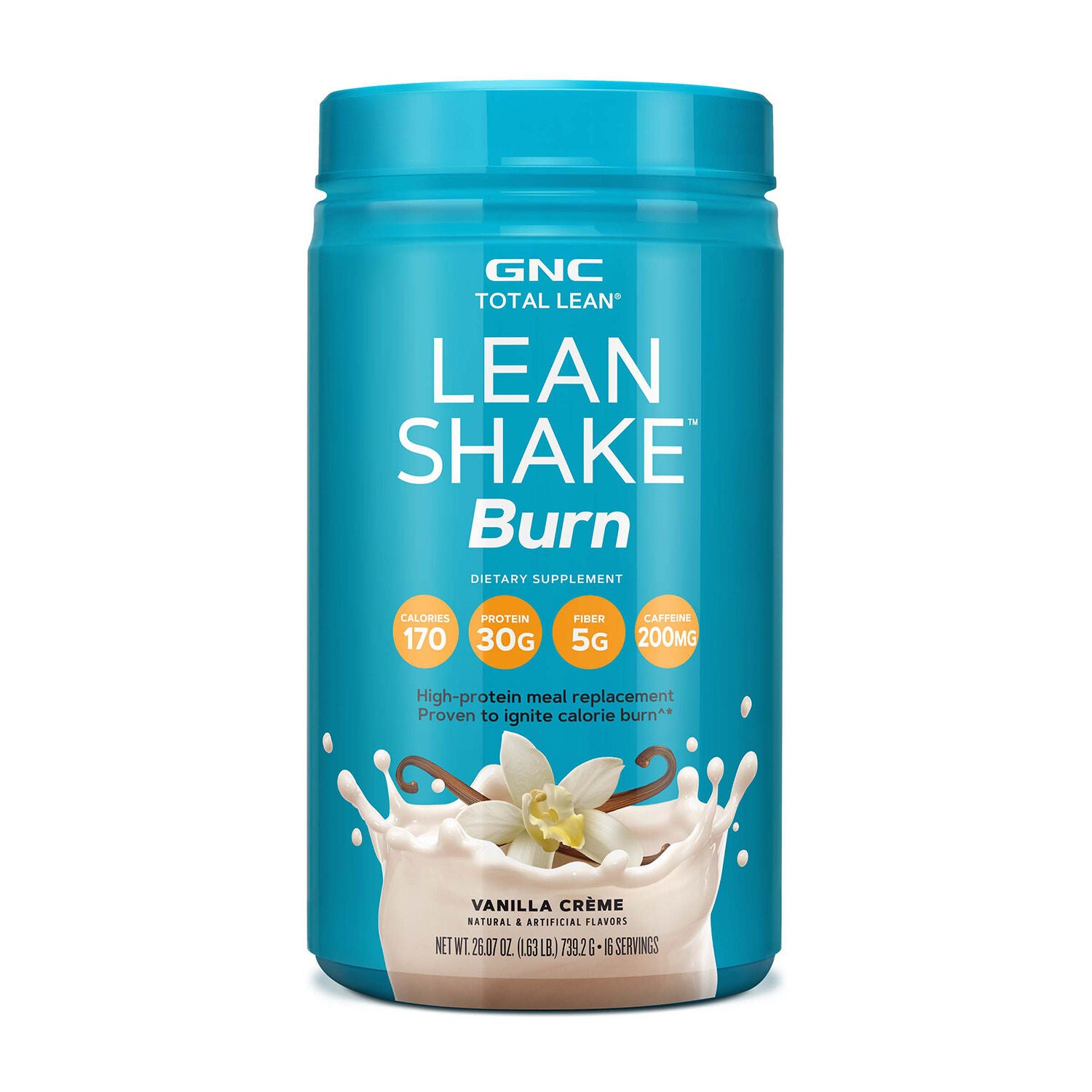
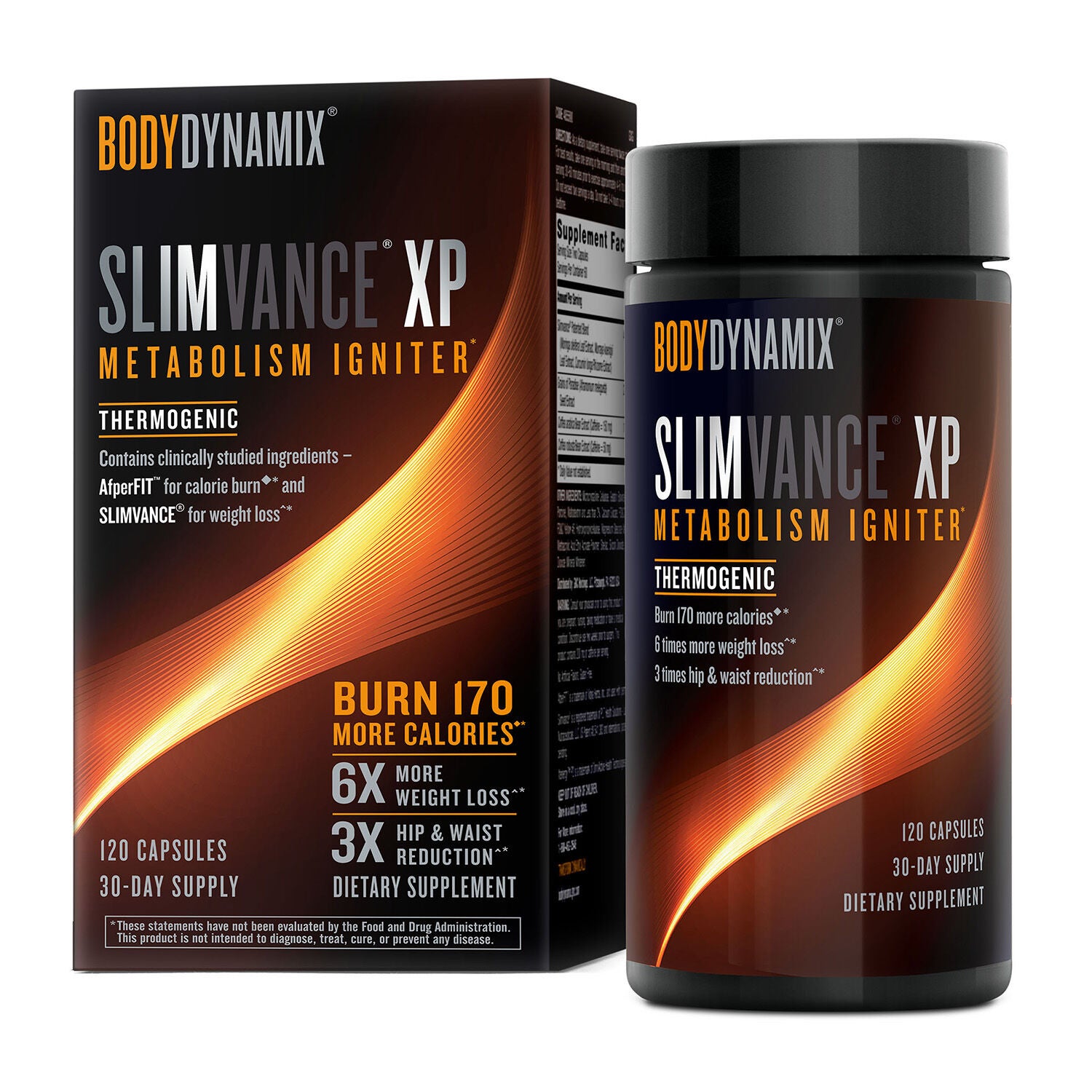


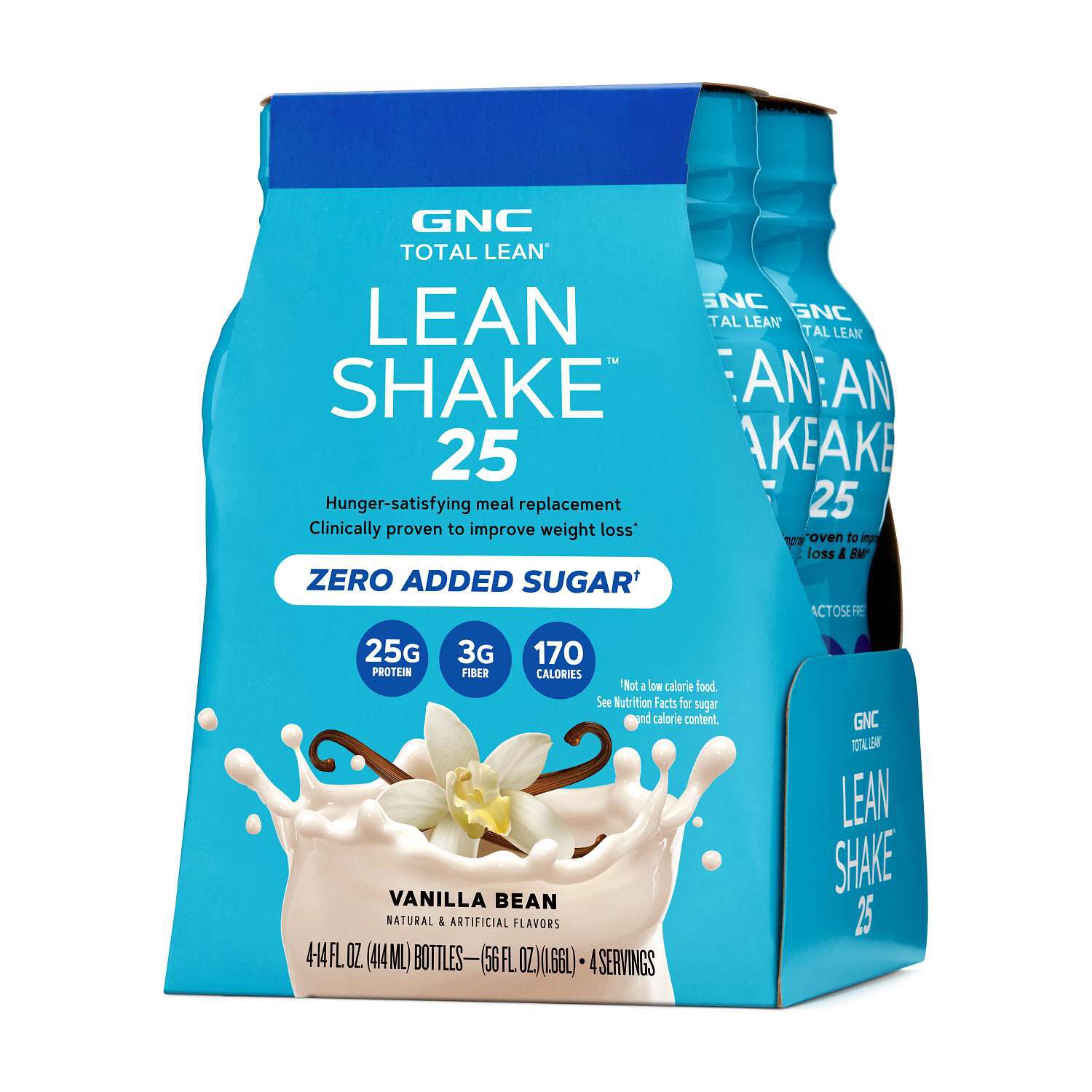
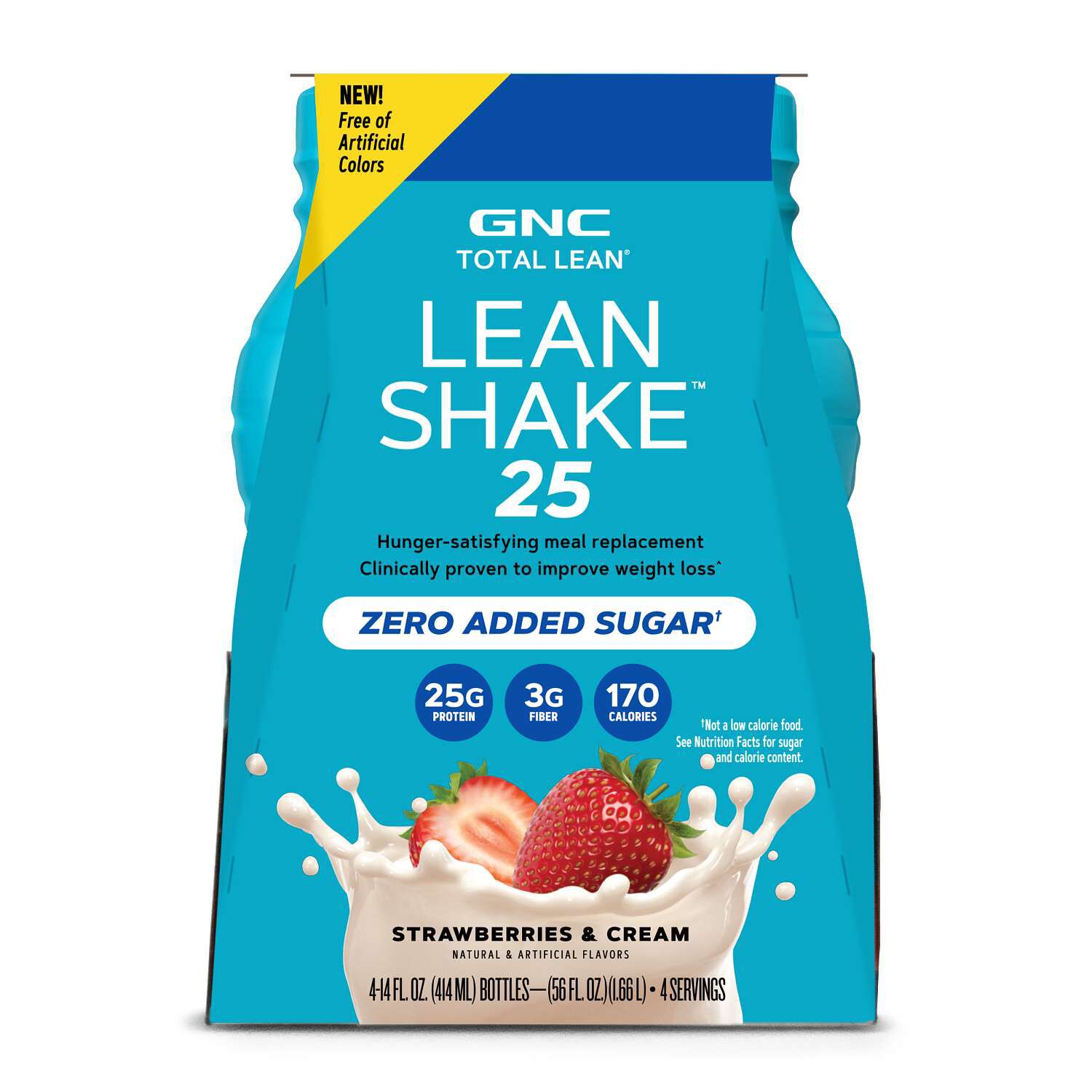
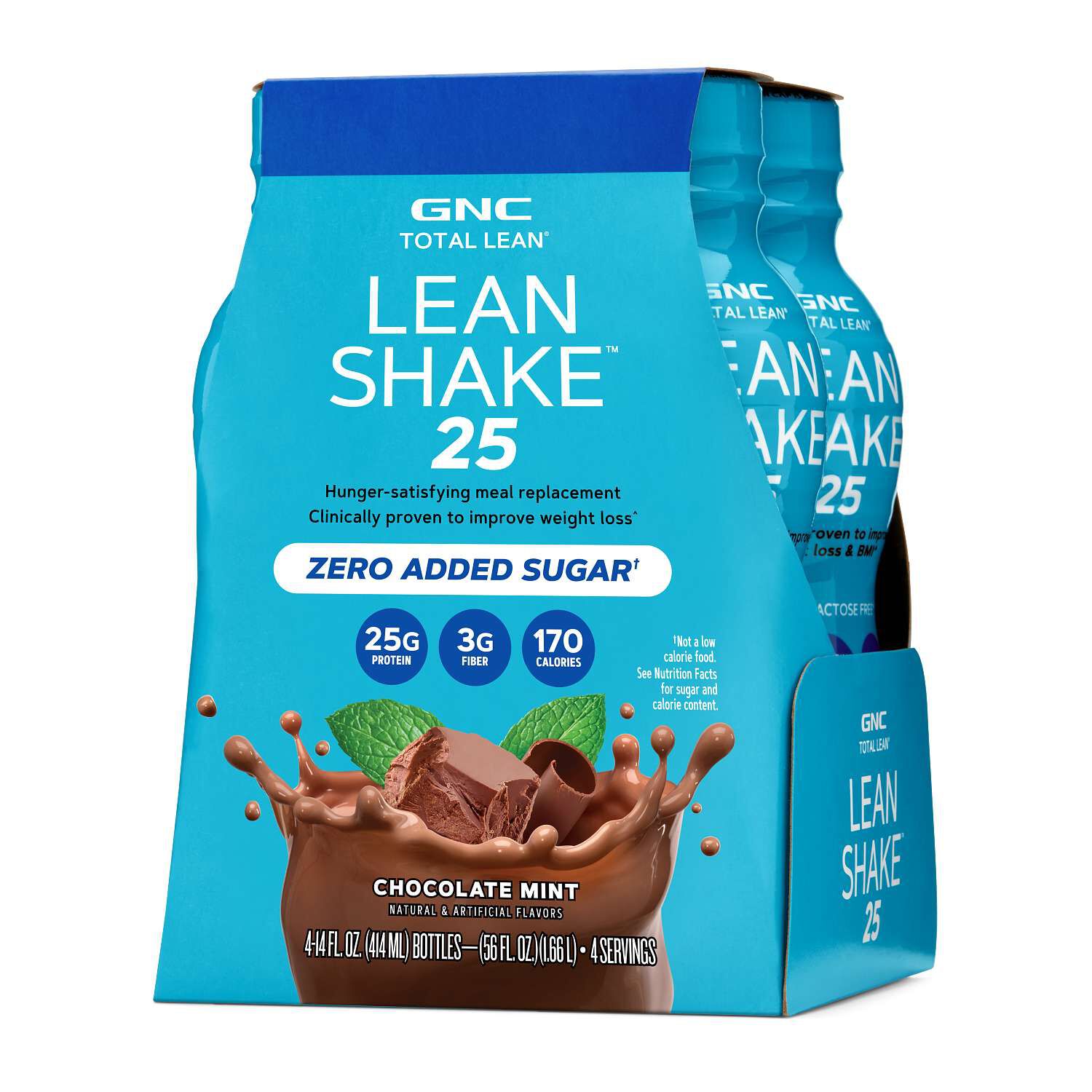
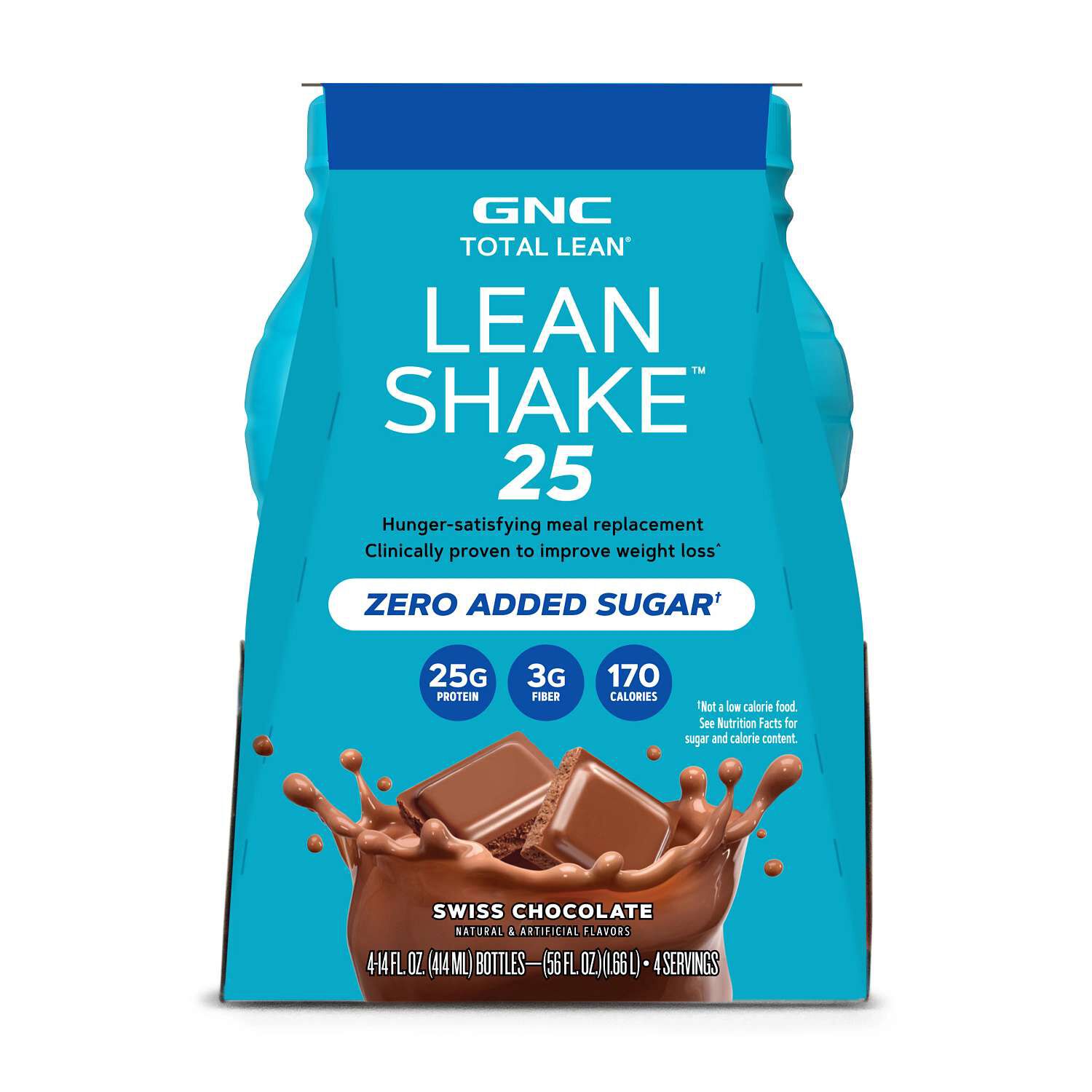

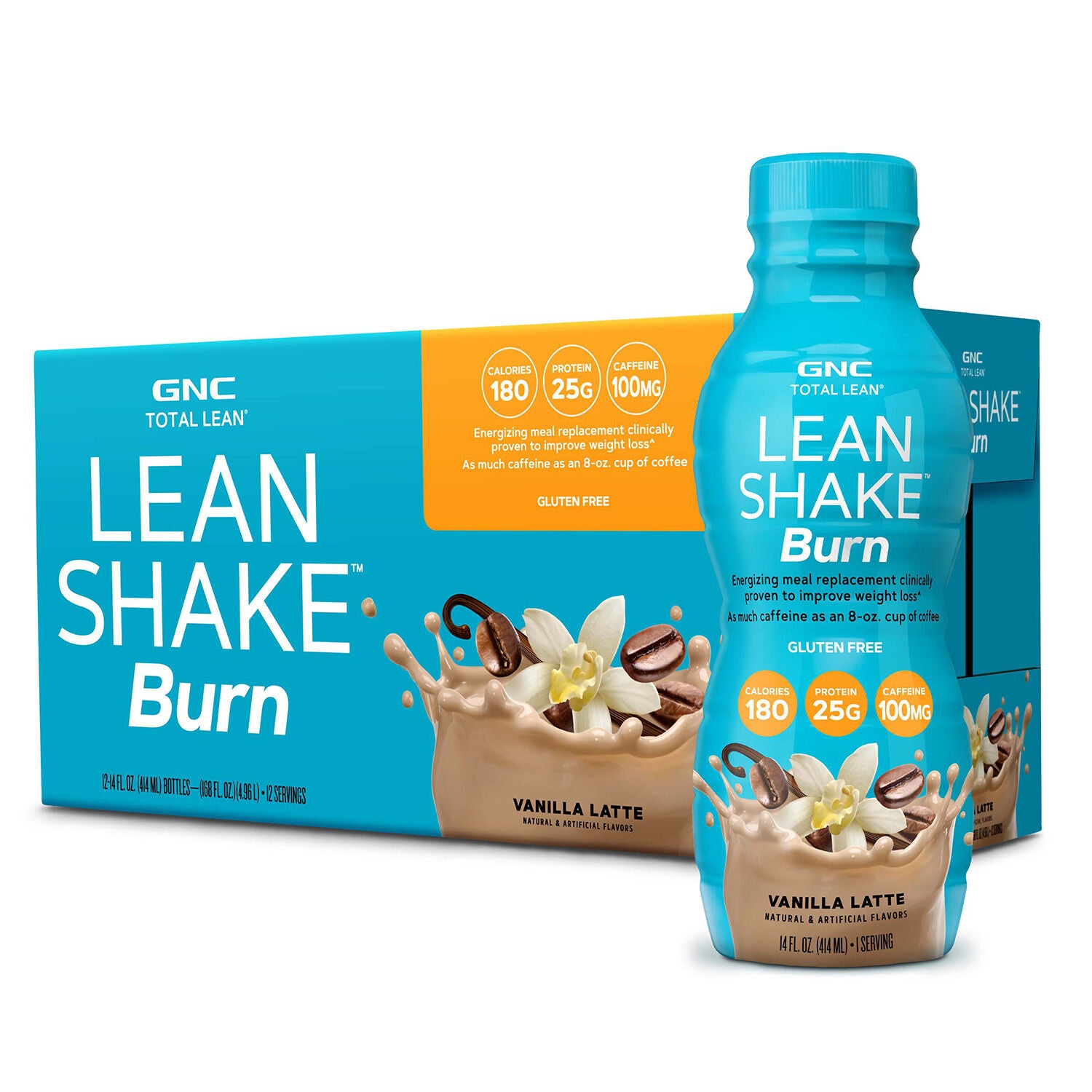
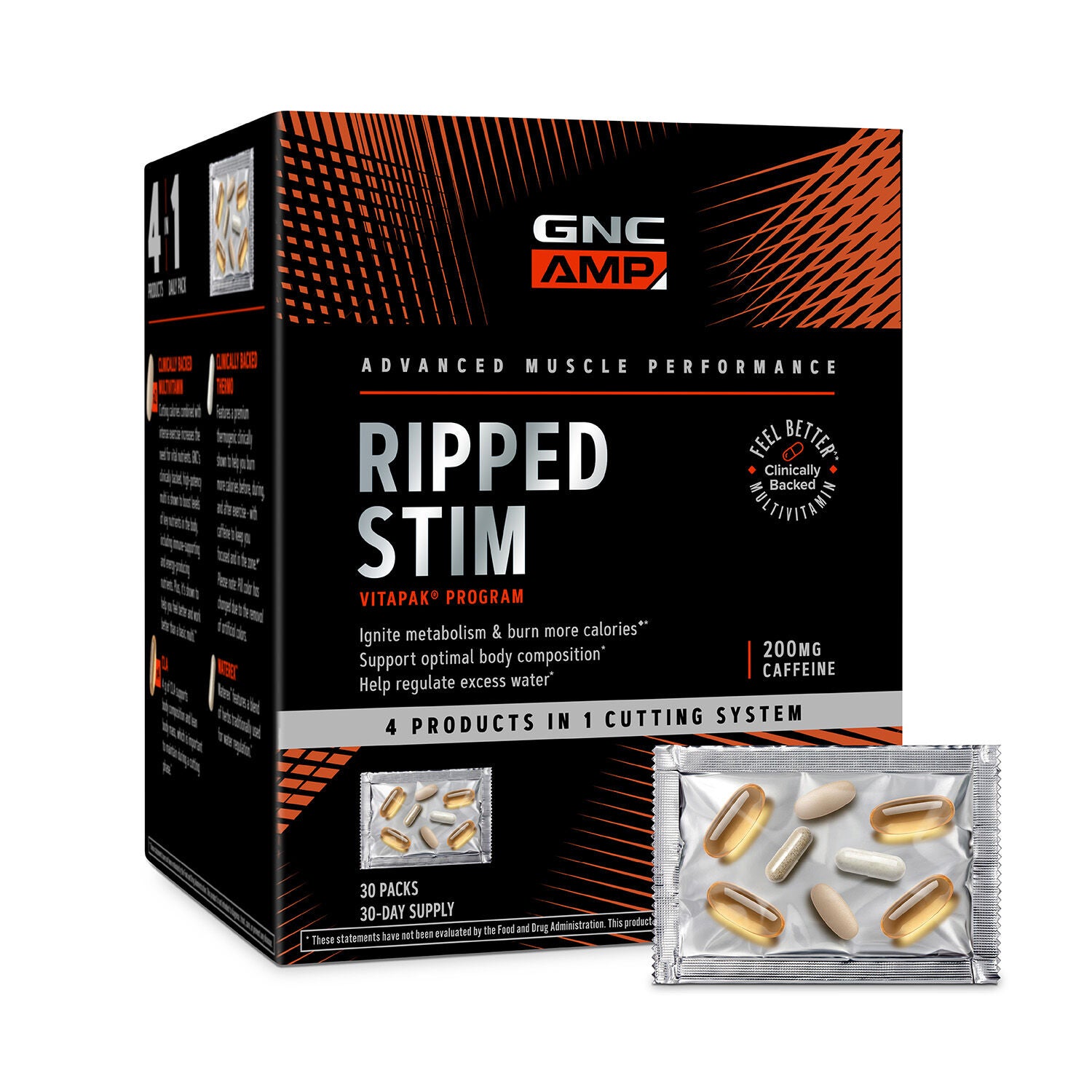
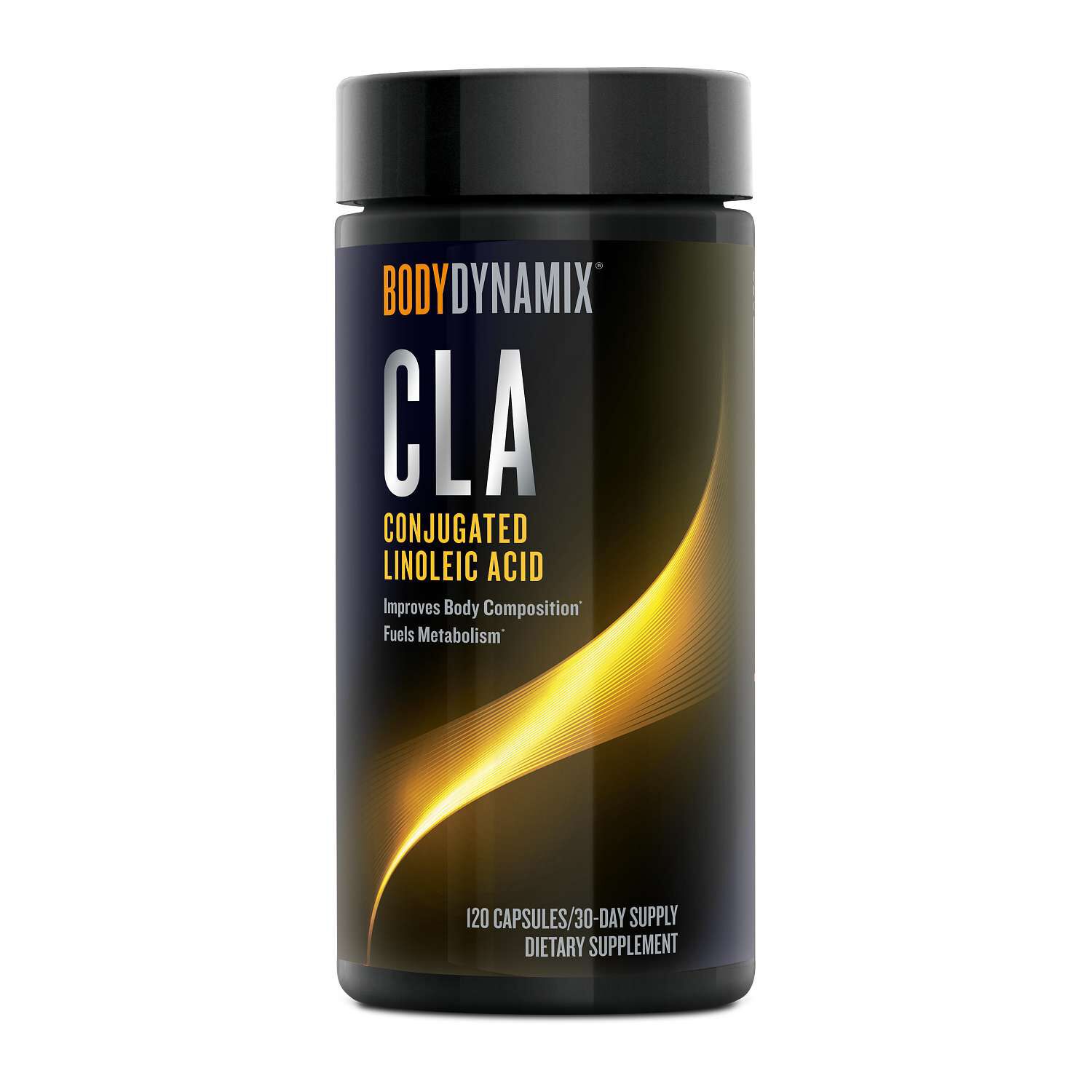


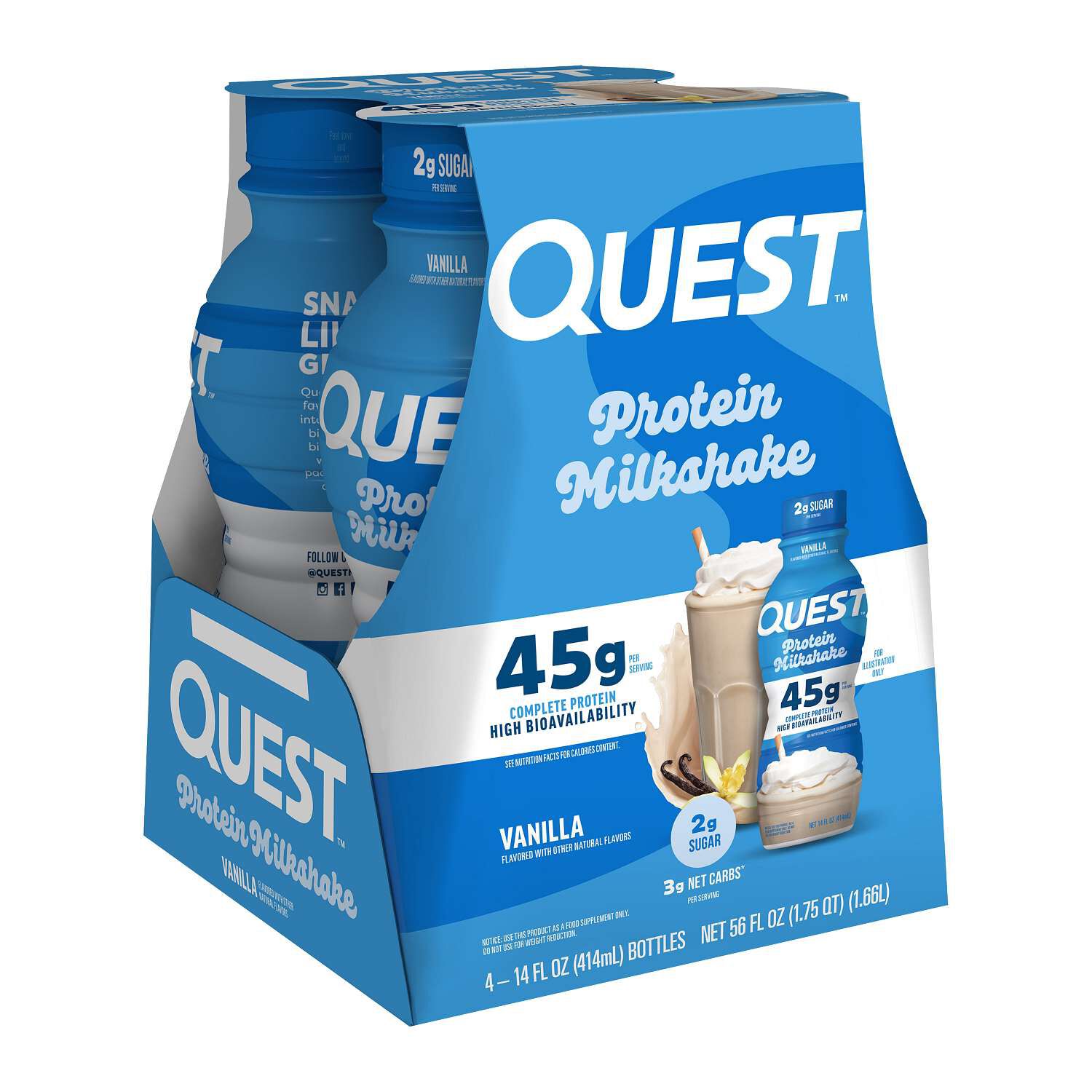
Supplements for summer diet plans may complement eating routines built around seasonal produce, satisfying meals, and days spent outdoors. The category includes protein powders, electrolyte drink mixes, fiber supplements, multivitamins, and individual nutrients in formats suited to different preferences. For someone whose summer schedule includes early walks, packed lunches, or weekends away, the most relevant distinctions often come down to ingredients, serving size, flavor, and preparation. A powder stirred into a breakfast smoothie has a different place in a routine than a capsule taken according to its label or a drink mix measured into a water bottle. Protein powders commonly contain whey, casein, soy, pea, or blends of plant proteins, with differences in texture, taste, and ingredient composition. Whey and casein come from milk, while plant-based formulas offer other ingredient sources for shoppers who avoid dairy. Protein supplements may help round out daily protein intake when meals vary, but they belong alongside food rather than as a substitute for varied eating. A smoothie with berries, oats, and a protein powder illustrates one possible use; an unflavored powder mixed into an appropriate recipe offers another. The nutrition panel makes comparisons more meaningful than the flavor name alone: grams of protein, carbohydrate content, added sugars, and serving size all describe what a portion contains. Some powders have a creamy finish that suits a blender, while others are intended for a lighter drink prepared in a shaker. Mixing directions matter because the amount and type of liquid influence consistency and sweetness. Summer diet plans also differ from person to person. Some center on preparing more meals at home, others on keeping familiar eating habits during travel, and others on coordinating meals with recreational activities. A useful product selection reflects those everyday circumstances without treating summer eating as a single formula or a reason to pursue restrictive habits.
Electrolyte supplements are another category associated with summer diet plans, particularly when outdoor recreation and time in the heat are part of the picture. These formulas can contain sodium, potassium, magnesium, or combinations of minerals, with the amounts listed on the label. Electrolyte drink mixes may complement a hydration routine, although their composition varies considerably. Some contain carbohydrates and added sugars; others use alternative sweeteners. A citrus-flavored powder intended for a large bottle may taste very different when mixed into a small glass, making the stated dilution an important practical detail. Single-serving packets have an obvious packing advantage for a day bag, while a tub allows portions to be measured at home according to its directions. Neither format is inherently the better fit for every summer routine. A person packing for a weekend at a lake may value compact packaging, while someone preparing a bottle before a regular morning outing may prefer a container stored with other pantry supplies. Fiber supplements offer a separate set of considerations, including the source of fiber, the amount per serving, texture, and preparation requirements. Psyllium and other plant-derived fibers appear in powders and capsules, and their directions can differ. These supplements may contribute to daily fiber intake alongside foods such as beans, oats, berries, and vegetables. They are not interchangeable with protein powders or electrolyte mixes simply because several categories come in similar containers. Labels also distinguish a dietary supplement from a conventional food or beverage, an important detail when comparing nutrition information and intended use. The broader collection of Supplements For Summer Health Kick offers a related way to explore seasonal wellness preferences. Across these categories, the practical connection is a format that suits an established routine, whether that means a measured drink mix beside a reusable bottle or a powder stored near breakfast ingredients. Familiar flavors and straightforward preparation may make a selection more convenient, but ingredient details remain more informative than packaging style.
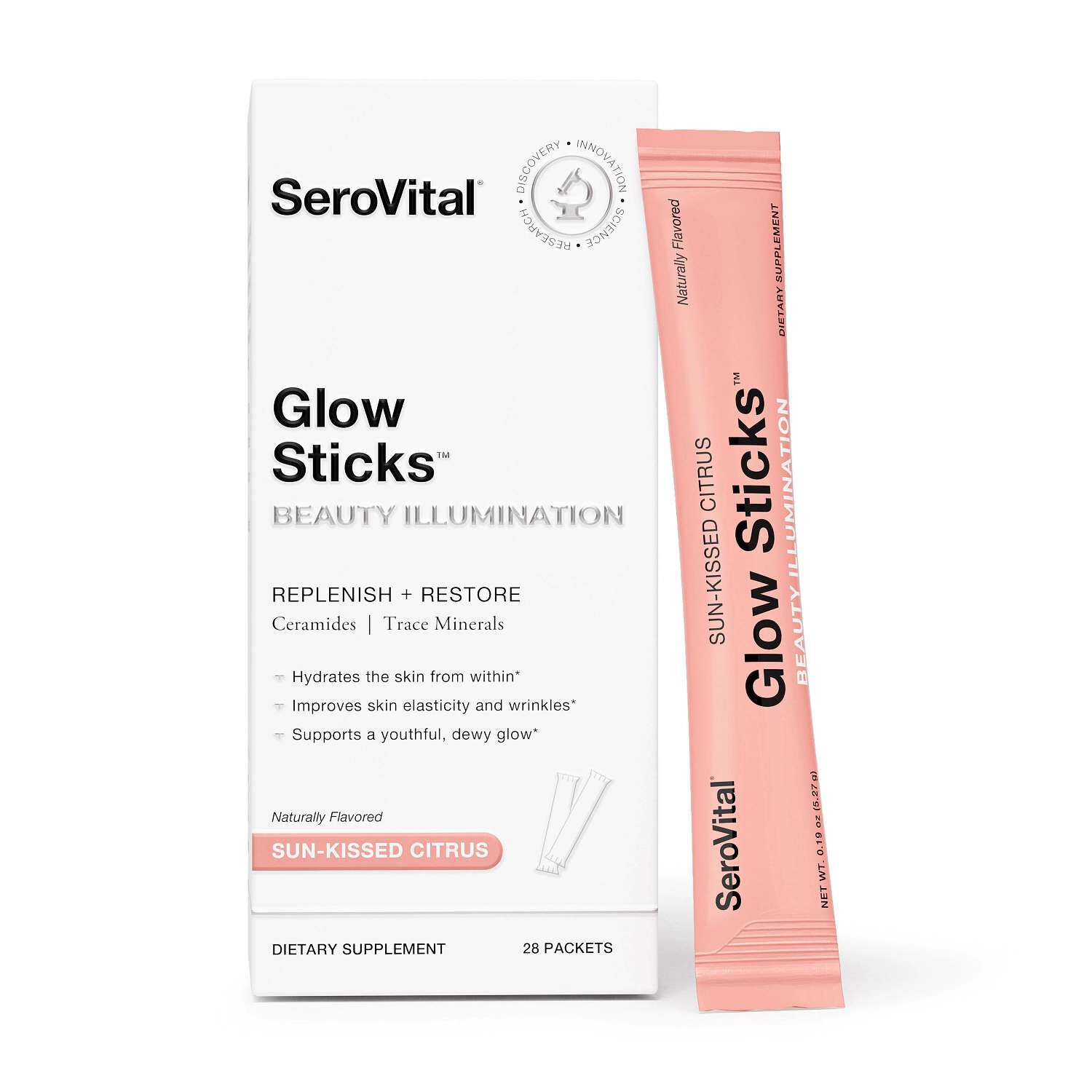
Vitamins, minerals, and omega-3 supplements bring additional variety to this category without making every formula relevant to every shopper. Multivitamins combine several nutrients in one serving, while individual vitamin and mineral supplements focus on a narrower ingredient selection. Vitamin C and vitamin D are common examples, and omega-3 formulas may use fish-derived or algae-derived ingredients. Comparing these categories involves more than counting capsules: the serving size, nutrient amounts, ingredient sources, and other ingredients all contribute to the differences between formulas. A serving may consist of more than one capsule or gummy, so the quantity shown on the front of a container does not necessarily describe the number of servings inside. Gummies introduce their own texture, flavor, and added-sugar considerations, while capsules and softgels offer formats without beverage preparation. Shoppers who prefer plant-based ingredients may also look at capsule materials and the source of the nutrients themselves. Ingredient lists and allergen statements are especially relevant when household food preferences or ingredient exclusions shape purchasing decisions. Packaging and storage deserve similar attention in a summer setting. Resealable containers, securely closing lids, and clearly marked dates are useful details for products that move between a pantry and a travel bag. Storage directions vary, and a parked vehicle or a sunny windowsill may not meet the conditions stated on a label. Powder containers call for the handling described on their packaging, including any instructions about moisture and keeping the lid closed. For a shared kitchen, original packaging keeps serving directions and ingredient information accessible to everyone using the space. For travel, intact labels preserve those same details away from home. The best fit is often less about assembling a large assortment and more about choosing a manageable format with a clear place in daily life. A breakfast powder, an occasional drink mix, and a vitamin supplement each serve different intended uses; combining categories does not make them substitutes for meals, water, or one another. Viewed this way, supplements for summer diet plans are a collection of nutritional options to compare thoughtfully, with attention to food preferences, preparation habits, label directions, and the rhythms of an ordinary summer day.