Support For Active Adults
(0 Results)
Support for active adults starts with choosing the right wellness essentials to help you stay energized and motivated every day. Whether you're hitting the gym, exploring the outdoors, or managing a busy lifestyle, discover a range of options that may complement your routine. Explore solutions designed for those who prioritize movement, recovery, and overall wellbeing—support for active adults could be just what you need to keep reaching your goals.
-

-

-
-
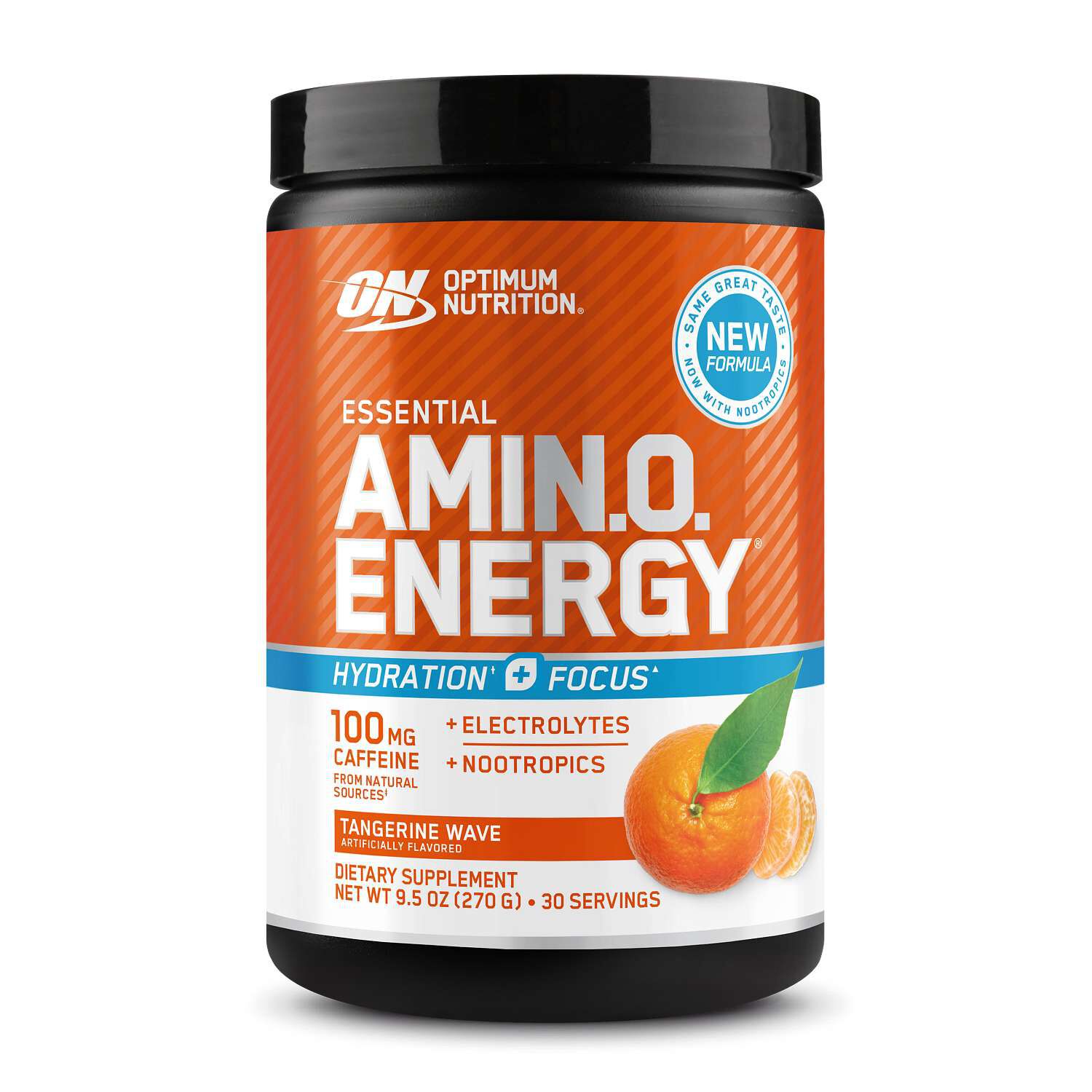
-
 459$24.99
 -
 Optimum Nutrition459$24.99
 -

-

-
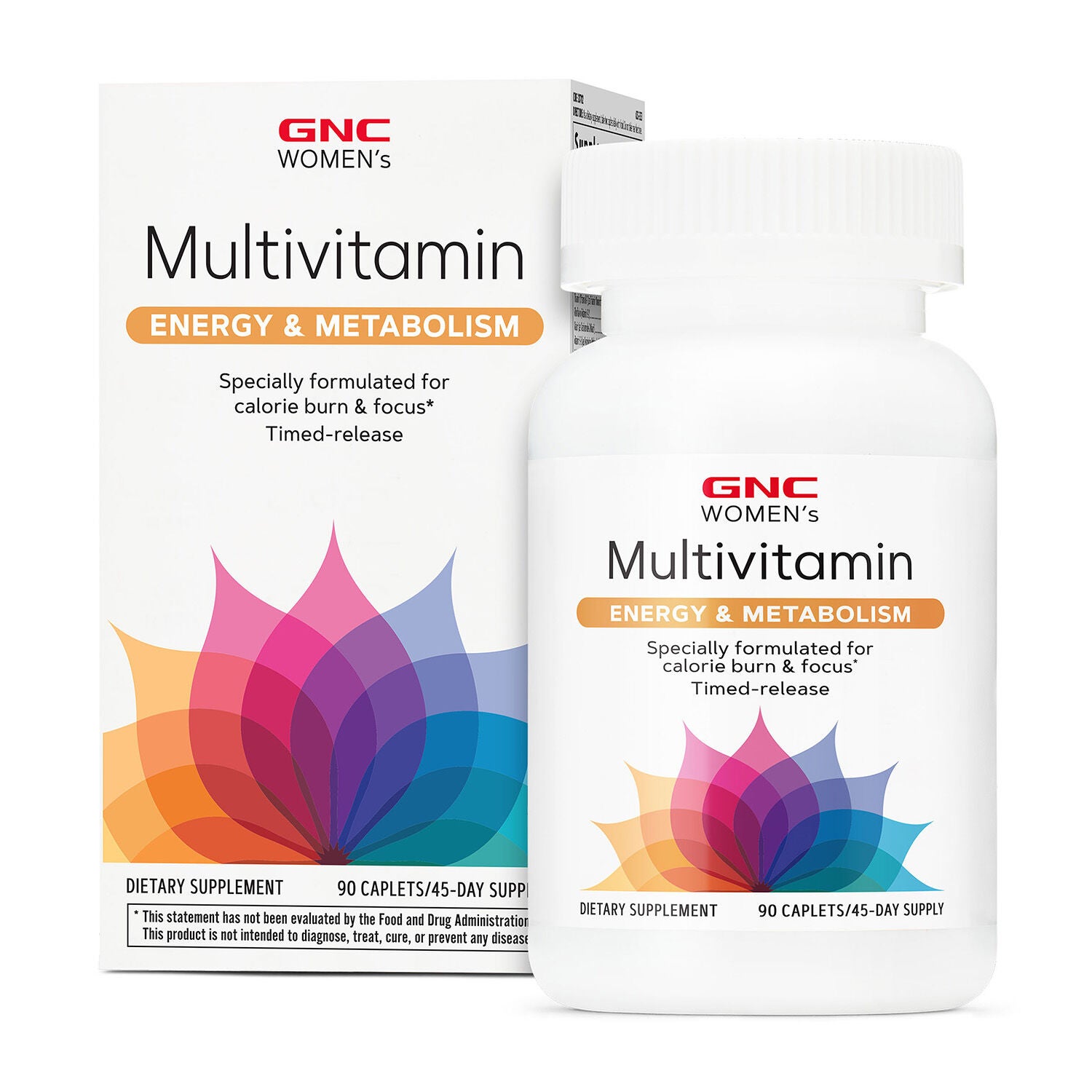
-

-
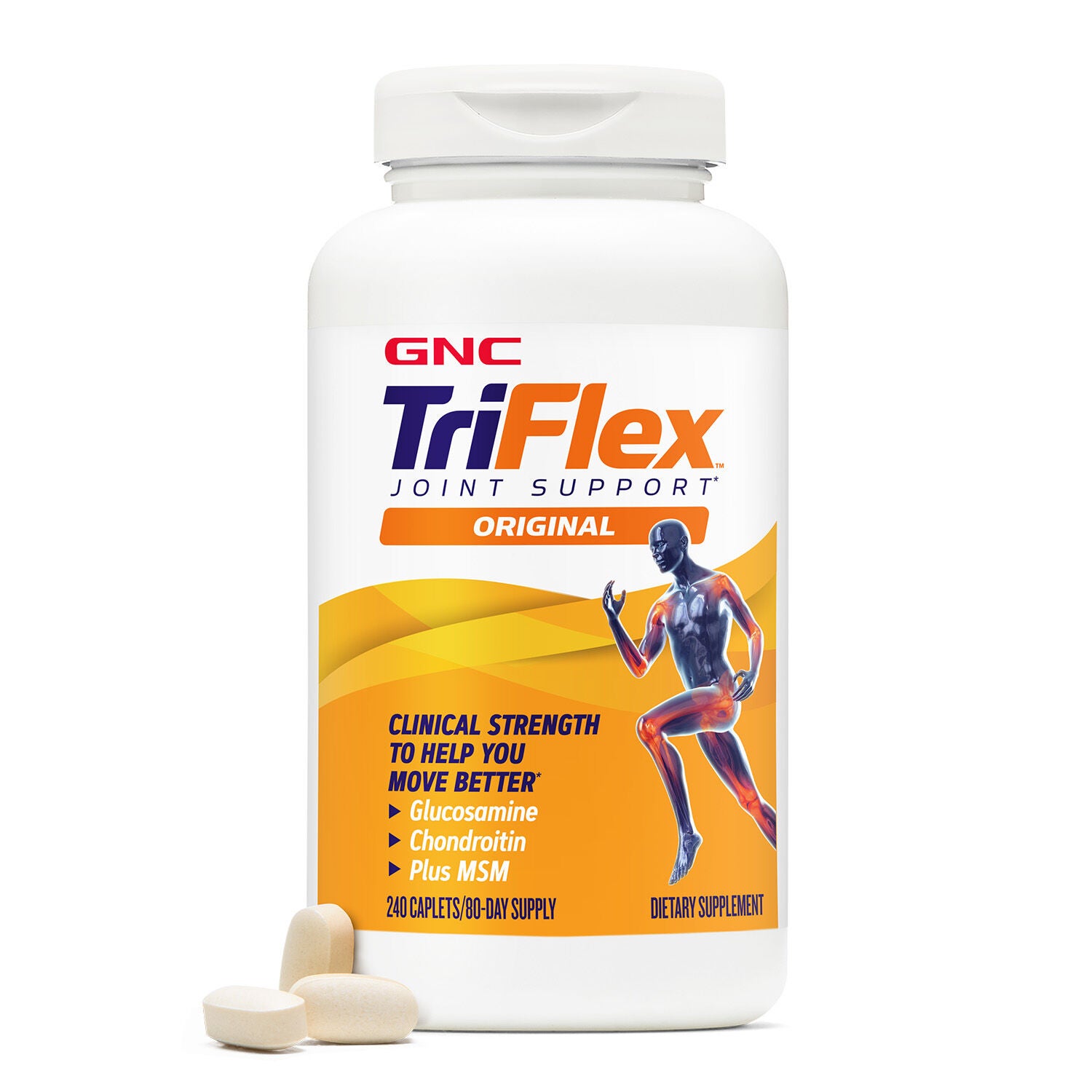
-

-

-

-
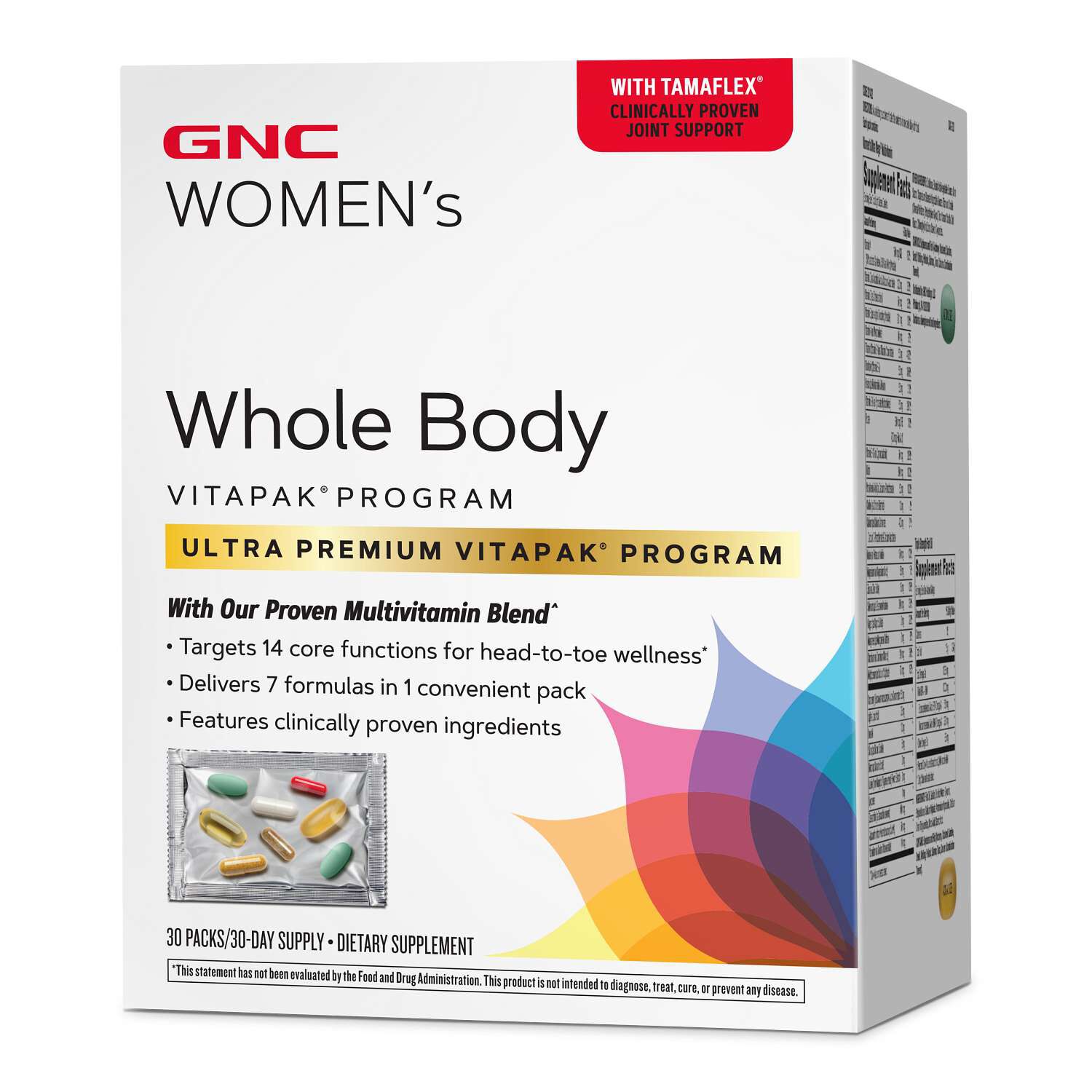
-
-
-

-

-


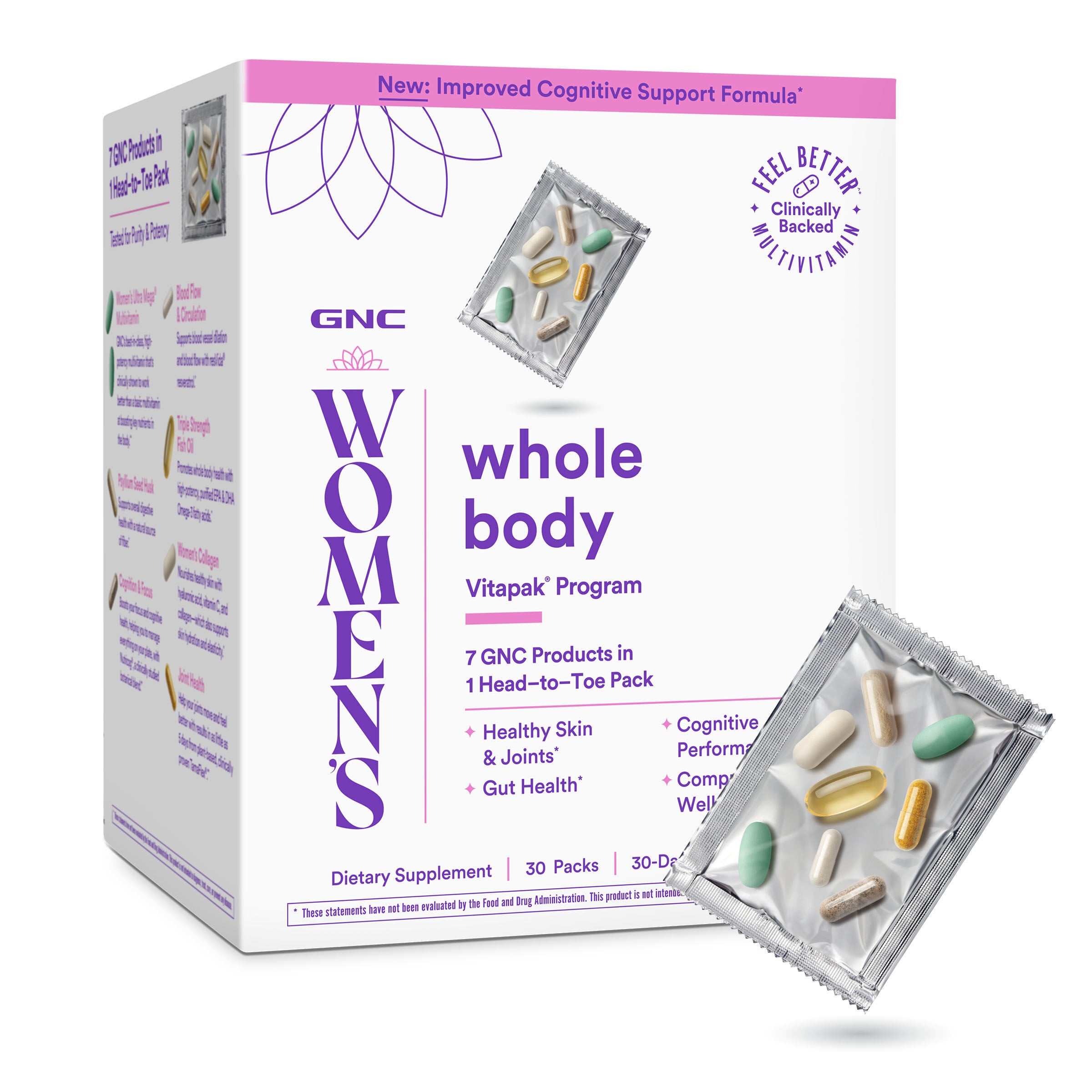
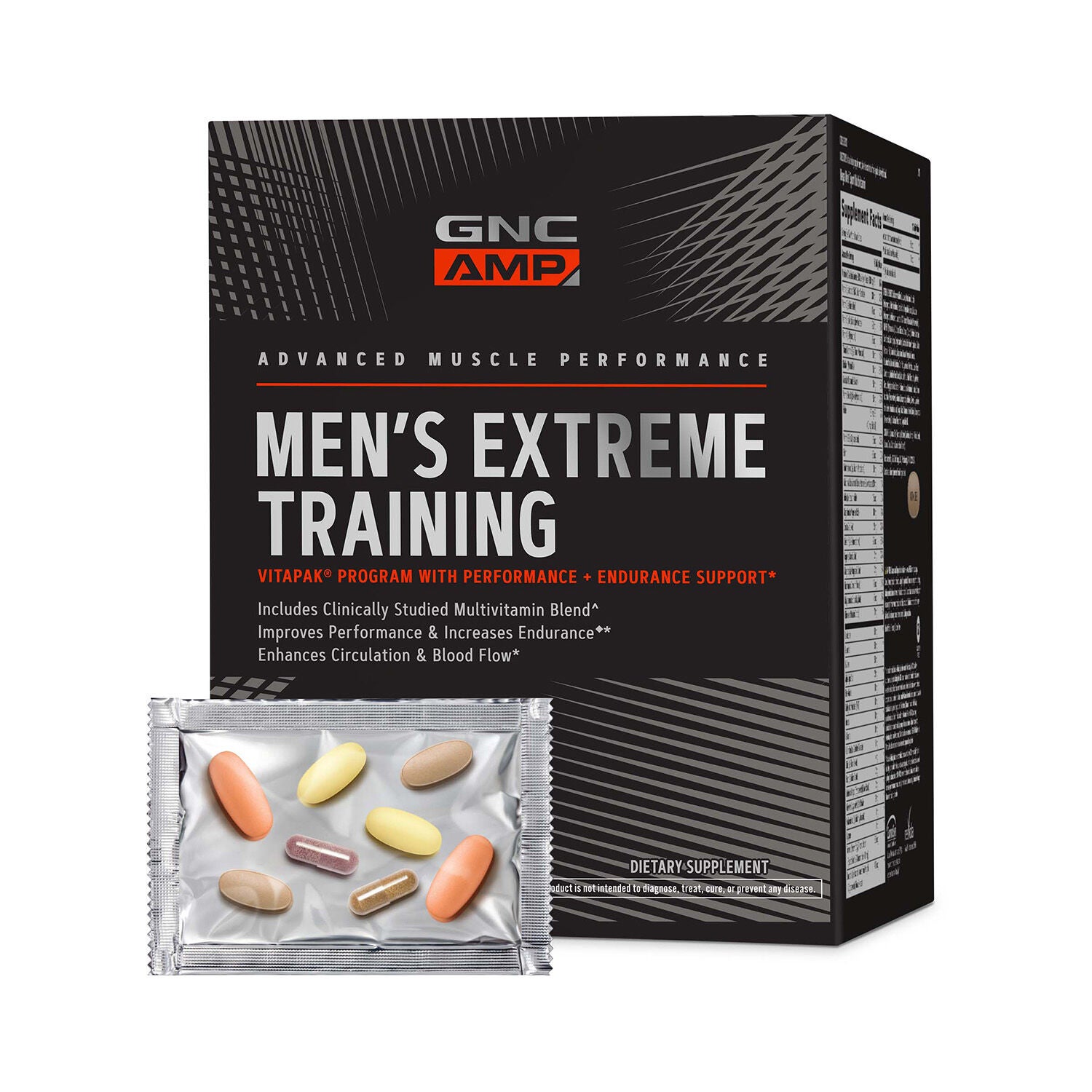
Support for active adults includes nutrition products and everyday accessories selected around movement, meals, and personal preferences. In a shopping setting, that can mean protein powders, ready-to-drink shakes, multivitamins, electrolyte drink mixes, snack bars, and reusable mixing containers. The common thread is intended use: finding formats that may fit the rhythm of a walking routine, regular gym visits, recreational sports, or an afternoon spent working in the yard. Active adulthood covers a wide range of ages and experiences, from someone returning to a favorite activity to an older adult who enjoys swimming and meeting friends for a neighborhood walk. Not every routine calls for the same products, and a demanding training schedule does not look like a casual weekend outing. A powder mixed at home has different practical considerations than a packaged drink carried in a work bag. A bar tucked beside a pair of walking shoes offers a different eating experience than a shake enjoyed with breakfast. Flavor, texture, portion size, and preparation all contribute to how a product fits everyday life. Someone who likes a simple morning routine might prefer a familiar flavor and one mixing container, while a frequent traveler might value individually packaged portions with clear storage directions. Nutrition products are distinct from community recreation programs or exercise classes; their role here is as shopping options for an active lifestyle, rather than instruction in how to exercise. They also sit alongside ordinary meals, personal habits, and the activities an adult already enjoys. That perspective keeps the focus on thoughtful selection rather than treating every walk, workout, or busy day as a reason to add another supplement. Products with straightforward labels and formats suited to their intended setting may be a practical match for people who value both activity and convenience. For shoppers exploring related categories, Options For Active Lifestyle offers another way to browse with everyday routines in mind.
Protein products illustrate how much variety can exist within a single category. Whey, casein, soy, pea, and other plant-based ingredients appear in different formulas, with variations in flavor, consistency, and preparation. The ingredient source matters to shoppers with dietary preferences, while the amount of protein per serving provides a useful point of comparison across formats. Milk-derived ingredients, soy, nuts, and other listed allergens deserve attention on the package, including any statements about shared manufacturing equipment. An unflavored powder has a different place in a kitchen than a dessert-inspired shake, and a smooth drink has a different texture than a chewy bar. Some powders call for shaking with a liquid, while others have preparation suggestions involving a blender or food. Serving size is part of that context: a scoop, bottle, or bar is not necessarily equivalent to another product’s portion. Calories, carbohydrates, added sugars, fats, and sodium also contribute to the nutritional profile shown on the label. Electrolyte mixes have their own differences, including the minerals listed, flavor intensity, sweetening ingredients, and the volume of water specified for preparation. A packet intended for a larger bottle may taste quite different when mixed into a small cup, making those directions particularly relevant to the drinking experience. Multivitamins and other supplements introduce additional format choices, such as tablets, capsules, gummies, and powders. These forms differ in serving count, ingredient combinations, and storage requirements; a familiar format alone does not indicate that two formulas are interchangeable. Multiple products can also contain some of the same nutrients, so the full labels offer more context than a category name on the front of a package. Caffeine content is another meaningful distinction among products marketed for use around activity. For someone browsing across several categories, clear information about ingredients and intended use may make it easier to distinguish a food-style option, a drink mix, and a daily supplement without assuming they serve the same purpose.
Practical details become especially noticeable once a product moves from a shelf into a daily routine. Container size, closure design, and the number of separate pieces can matter as much as color or appearance. A mixing bottle that fits a car cup holder or the side pocket of a gym bag may suit someone who heads from work to an exercise class, while a wider opening may be more convenient for adding powder at a kitchen counter. Capacity markings, lid design, and the shape of a drinking spout are useful features to compare. Materials vary, and packaging descriptions can clarify whether a container is plastic, glass, or stainless steel, along with its intended use. A durable-looking exterior is only one consideration; hinges, seals, removable inserts, and cleaning directions also matter for repeated use. Dishwasher suitability varies by component, and insulated designs may have different care requirements from basic mixing bottles. For nutrition products, storage instructions and package dates are part of the same practical picture. A resealable tub belongs in a different routine than a single-serving packet, and an opened drink may have different handling instructions from an unopened one. Keeping preparation tools clean and following package directions preserves the intended handling process without adding unnecessary complexity. The best fit is often specific to a real setting: a bottle that sits comfortably beside a desk, a flavor someone enjoys without extra ingredients, or a portion that works with the time they have between commitments. Gift shopping calls for similar attention to the recipient’s habits. A reusable container may be a thoughtful option for a walking partner or a relative who regularly attends a fitness class, particularly when its size and care requirements match what they already use. Supplements are more personal, with ingredient preferences and established routines worth respecting. Across these categories, support for active adults is about the relationship between the product and the person: clear information, suitable formats, manageable upkeep, and an intended use that makes sense beyond the package.