

Unflavored Powders For Athletic Women
(0 Results)
Unflavored powders for athletic women offer a versatile way to support your active lifestyle without added flavors or sweeteners. These options blend seamlessly into smoothies, shakes, or recipes, making it easy to customize your nutrition routine. Whether you're looking to enhance your pre- or post-workout regimen, unflavored powders for athletic women may fit effortlessly into your daily routine and help you stay focused on your fitness goals.
-
-

-

-
-
-
-

-
-

-

-

-
-

-

-

-
 205$34.99
 -

-

-

-

-
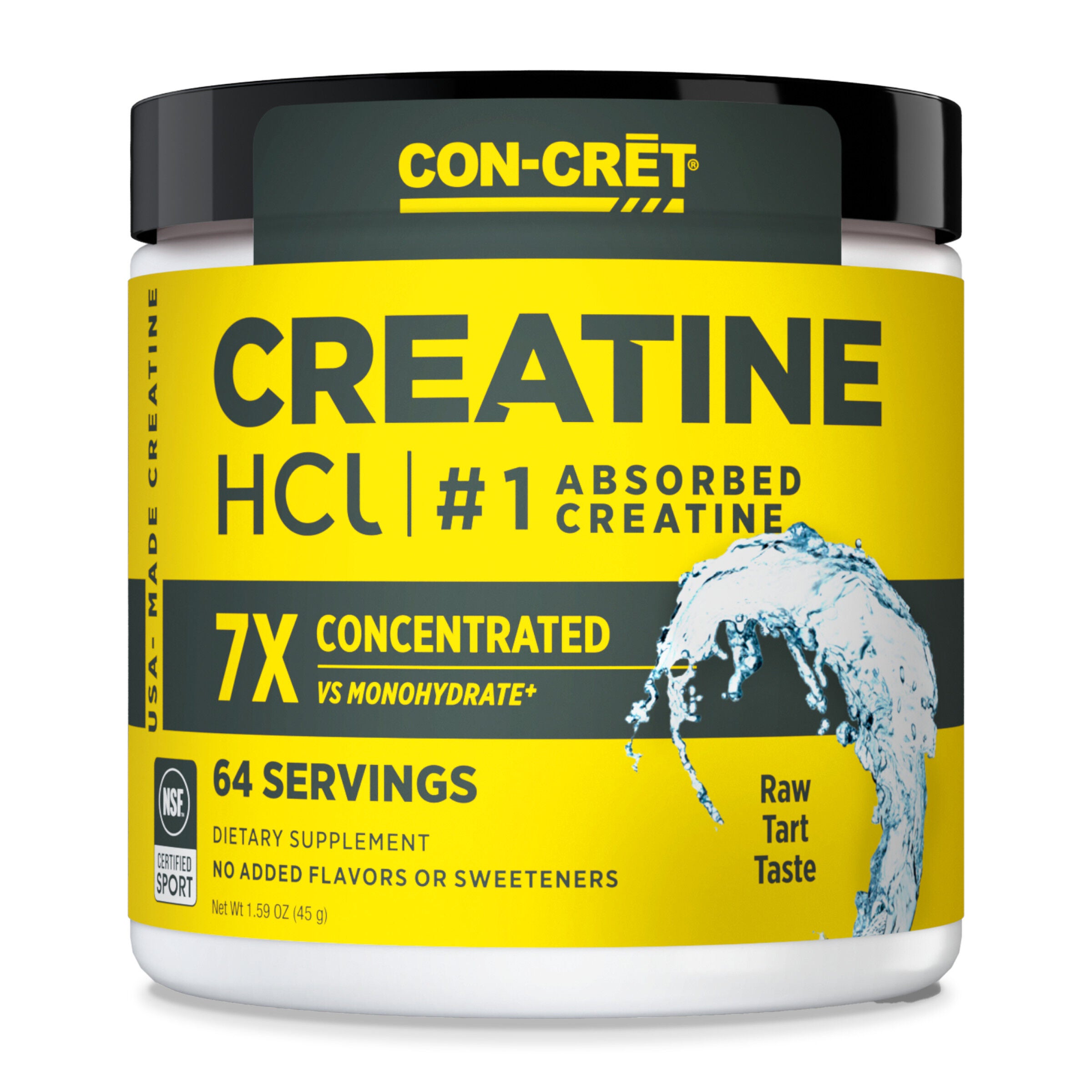
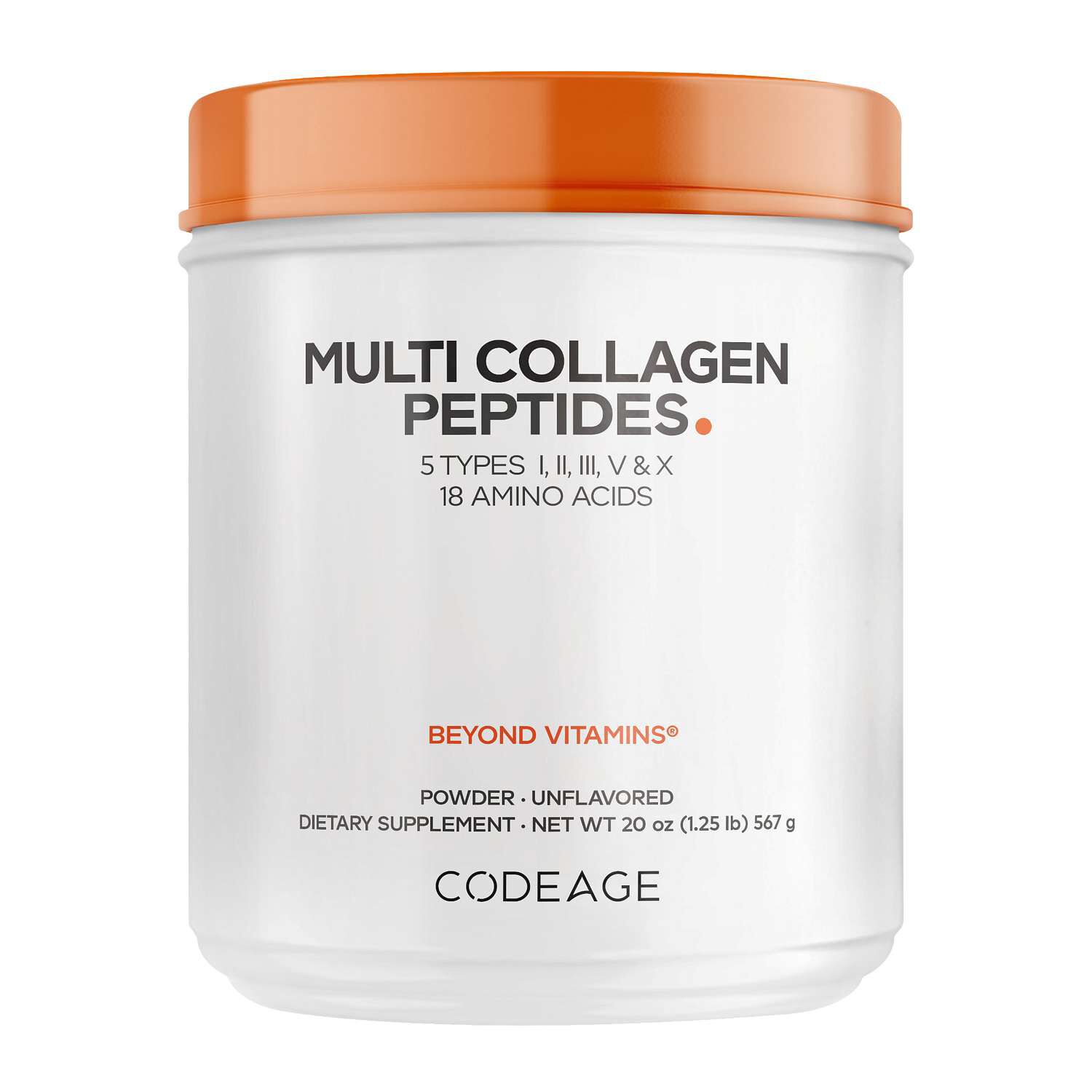
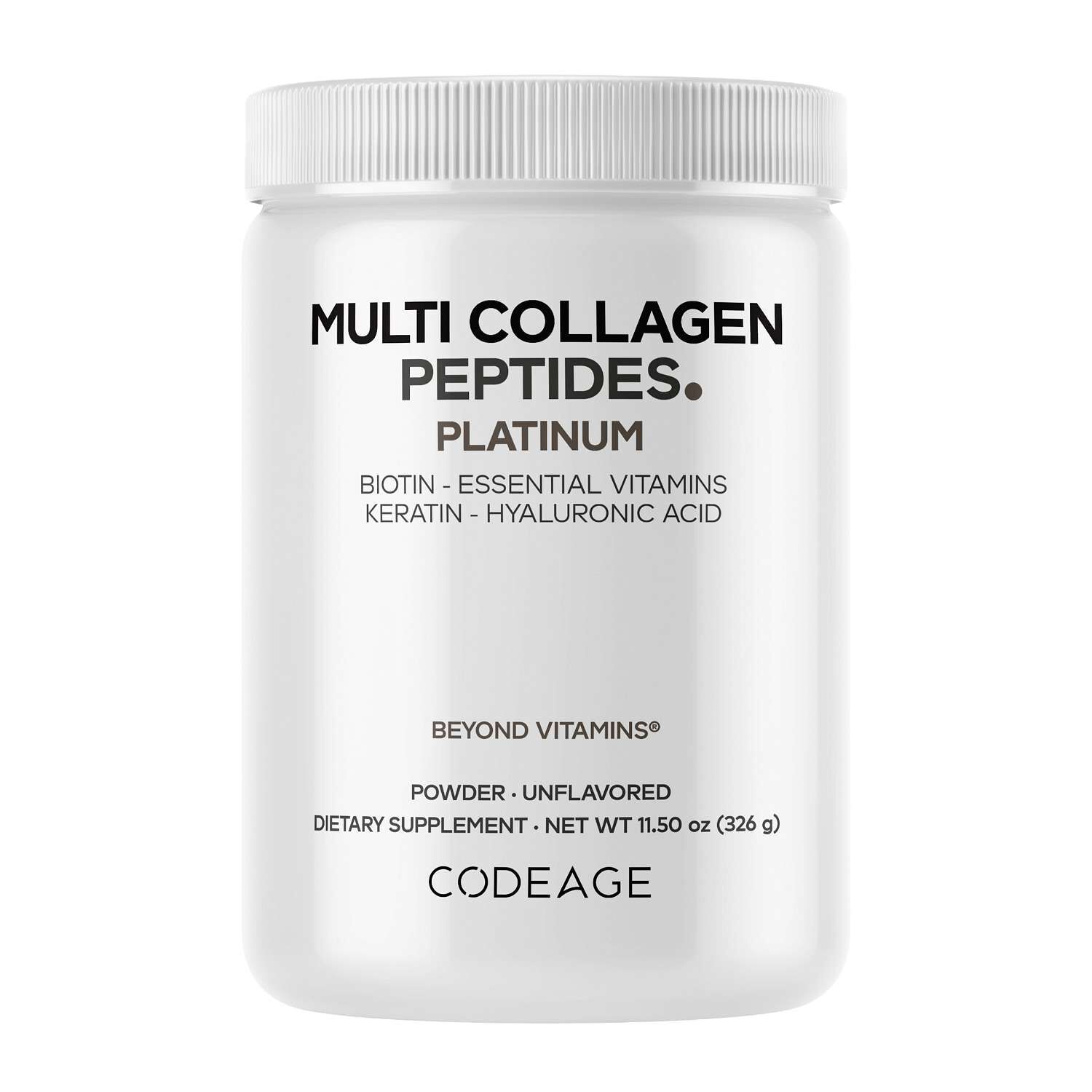

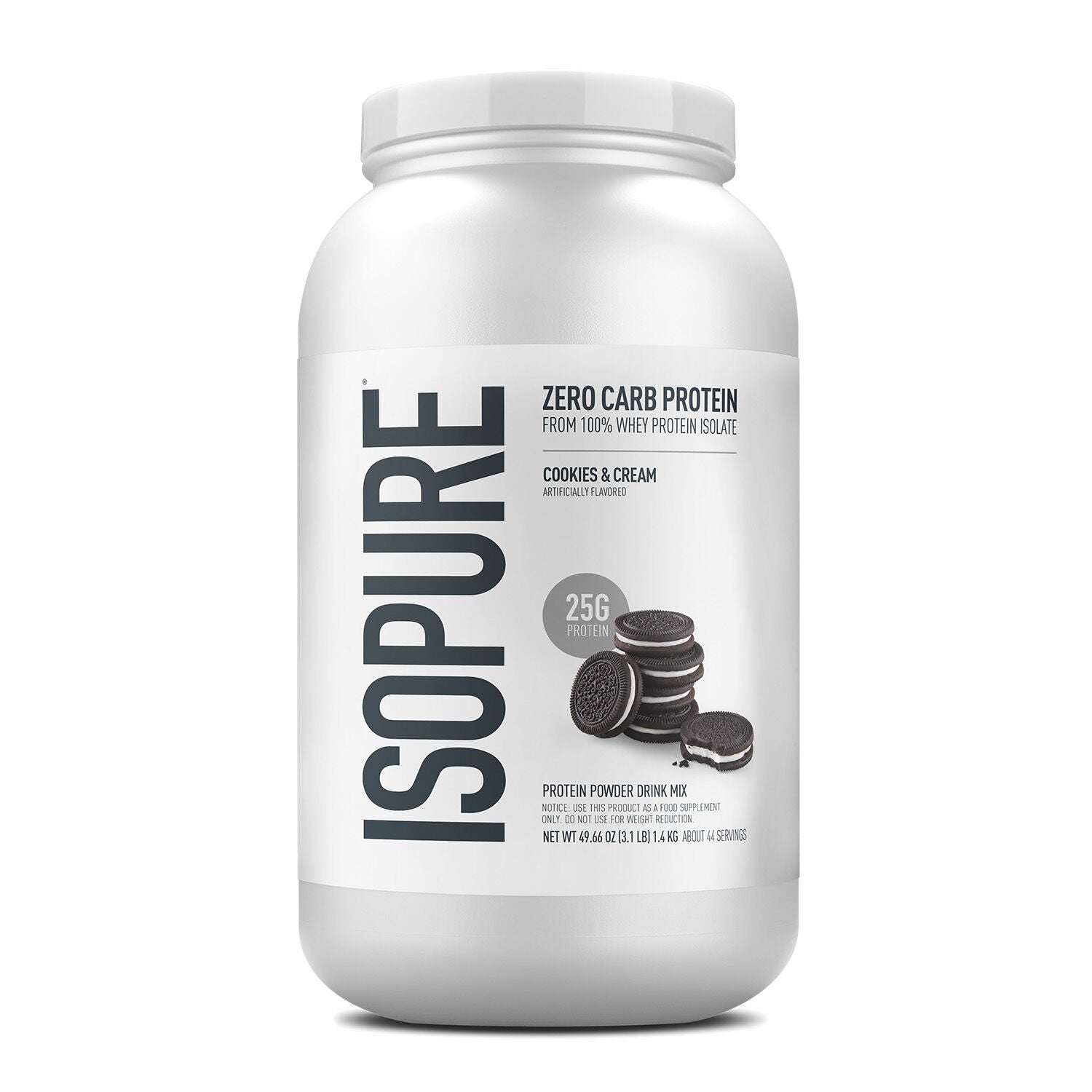
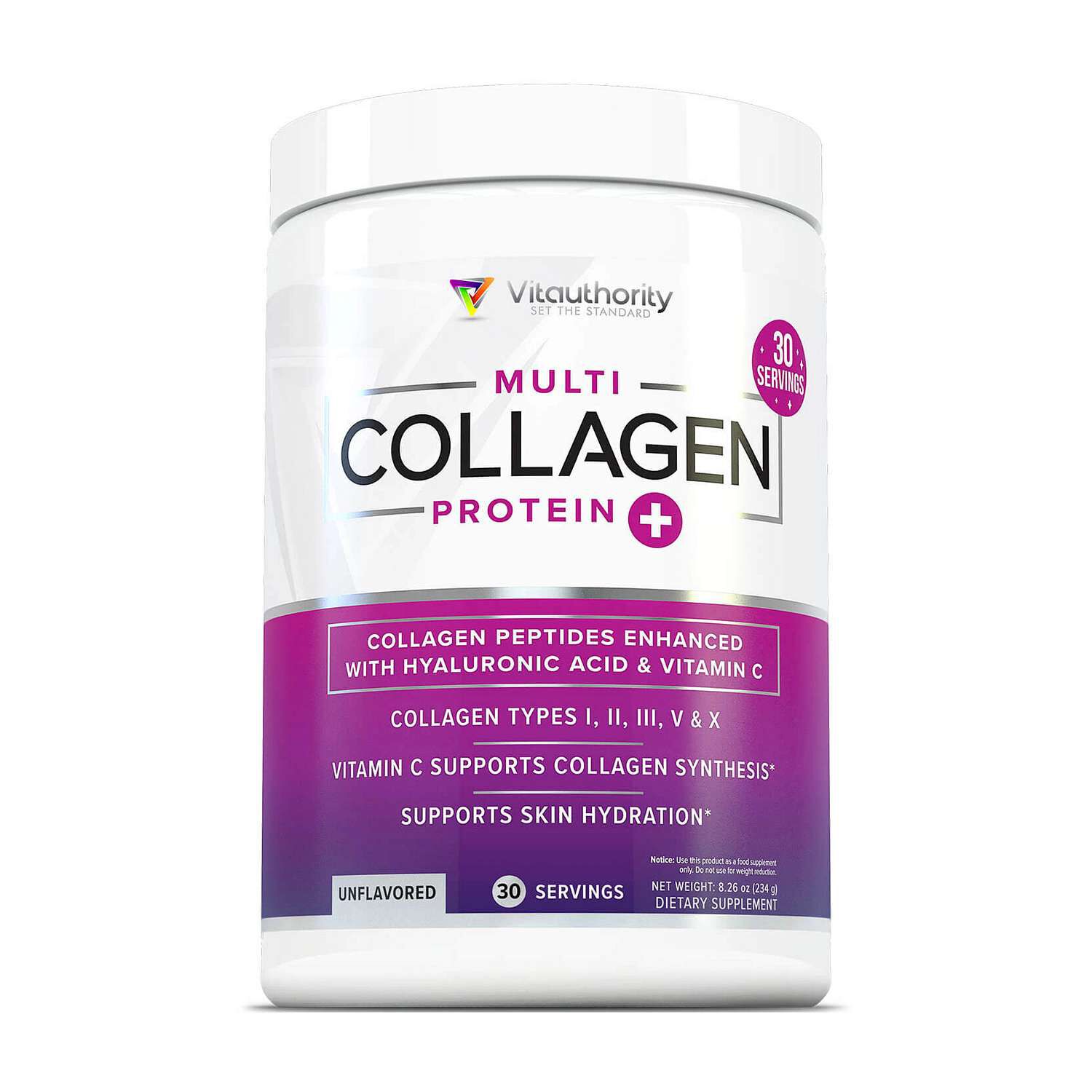
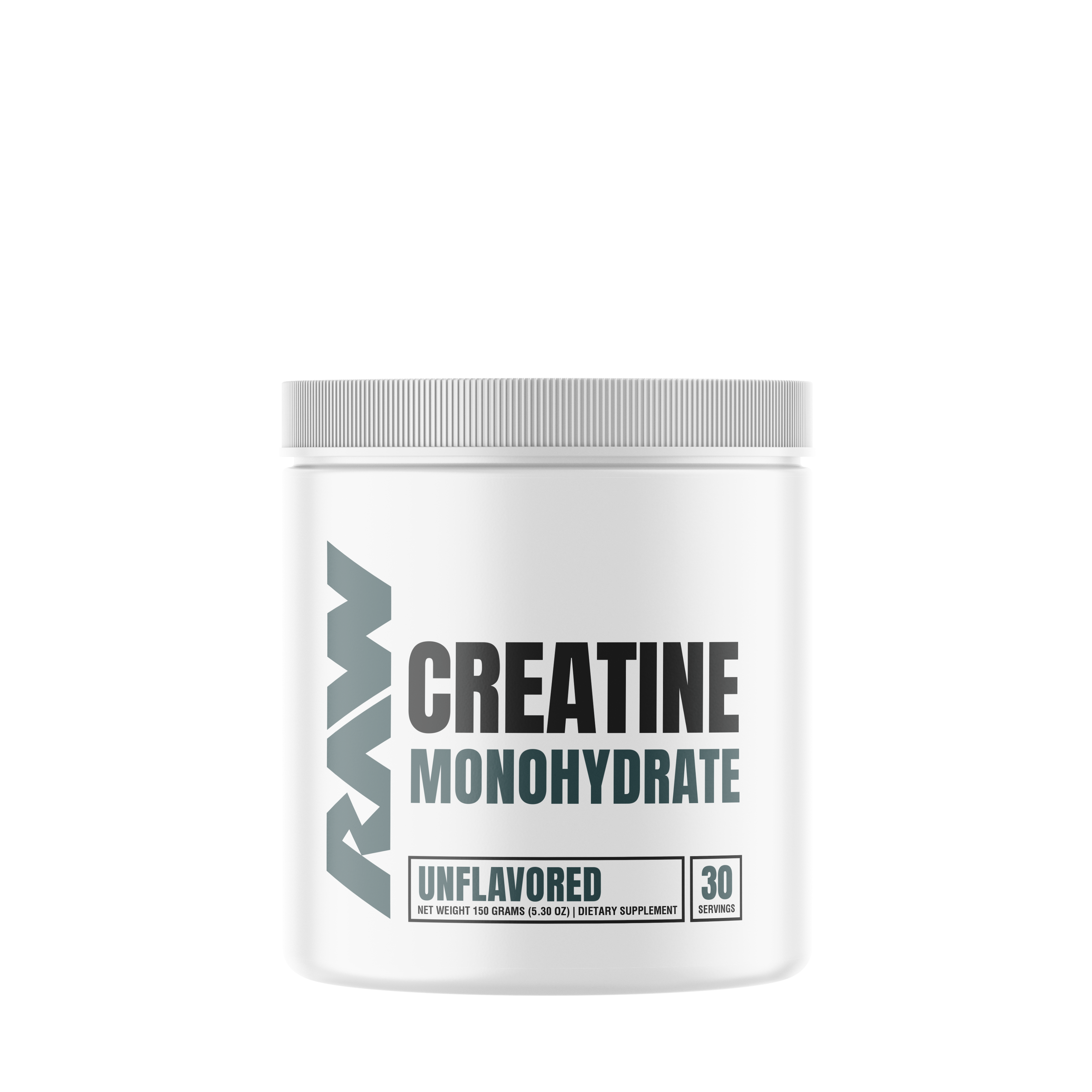
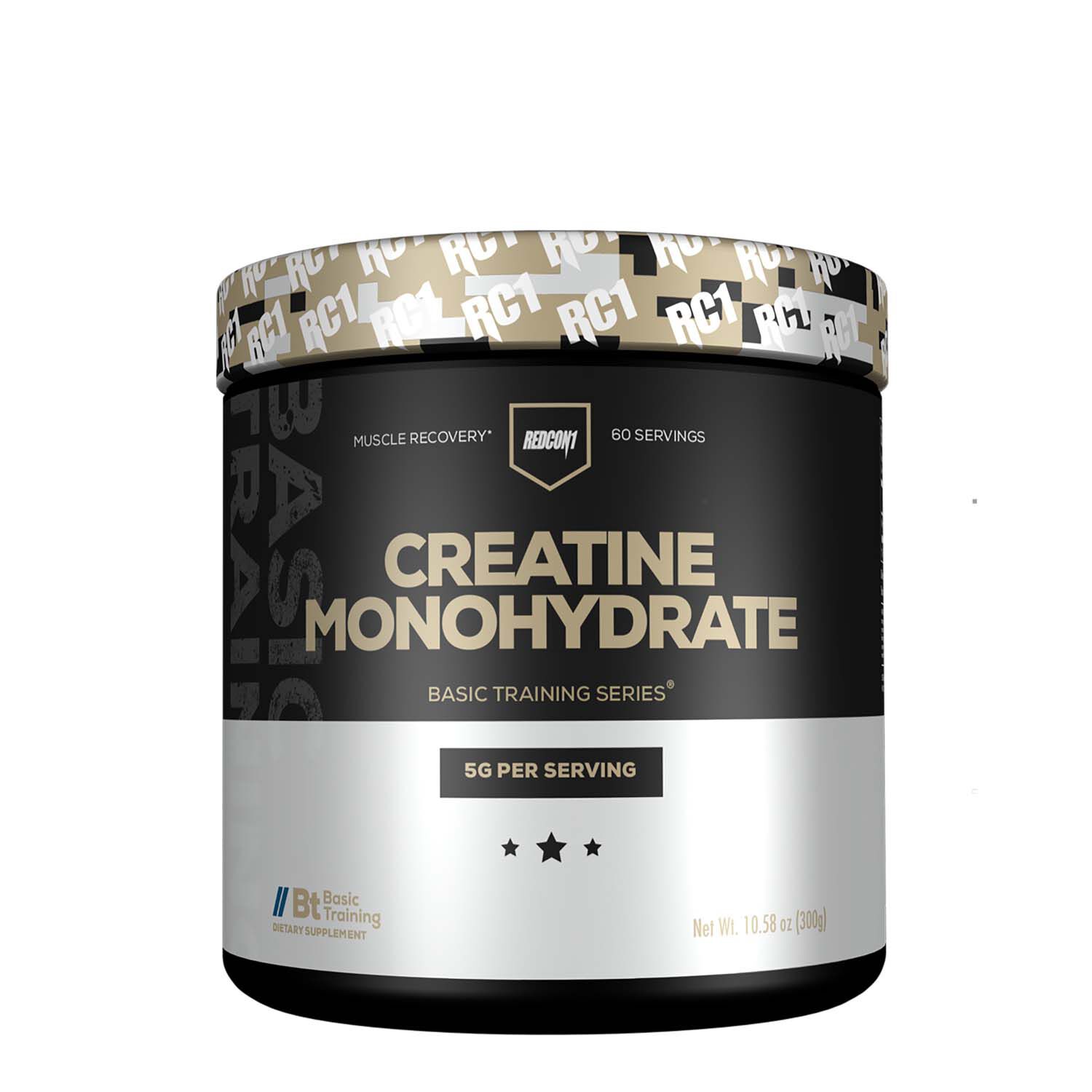
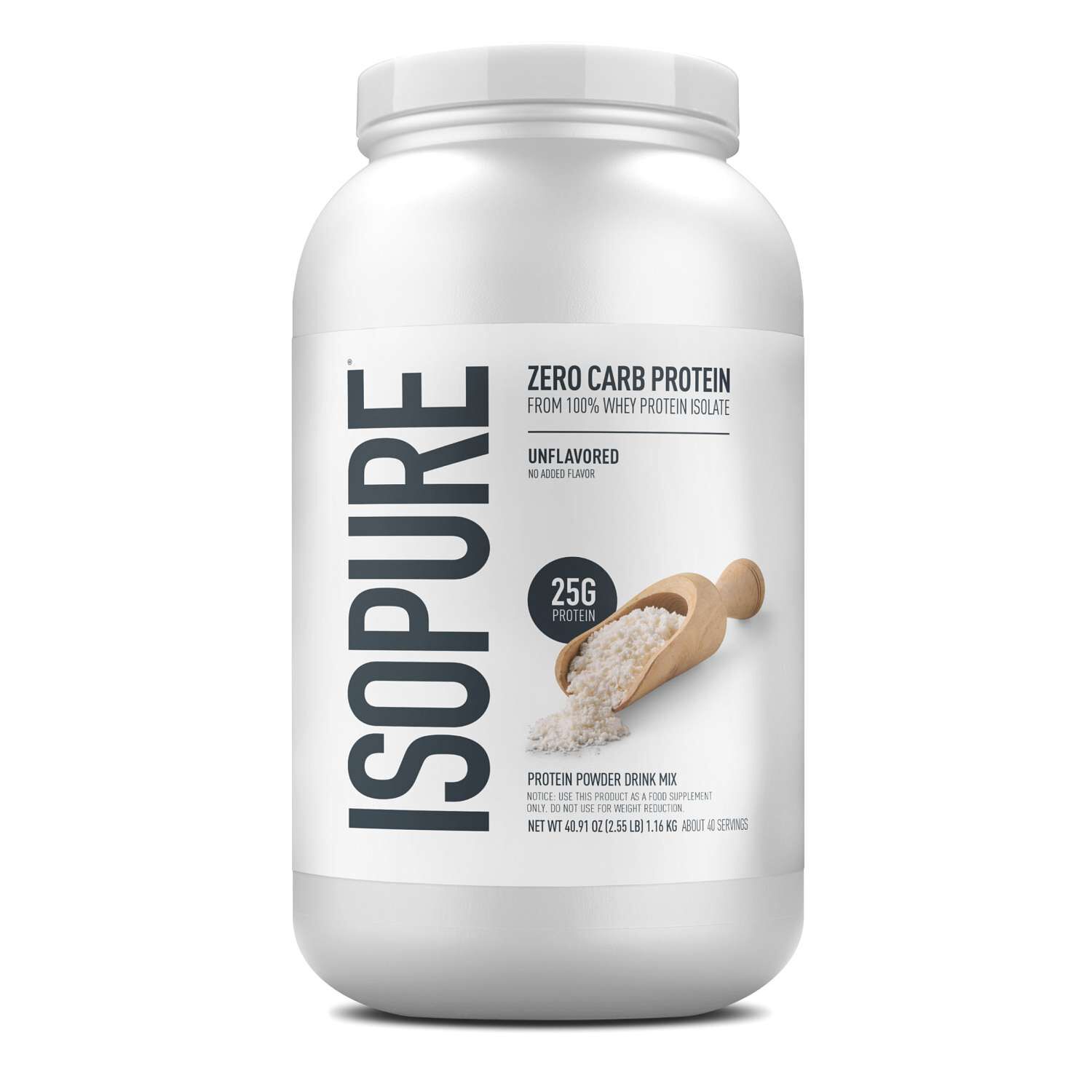
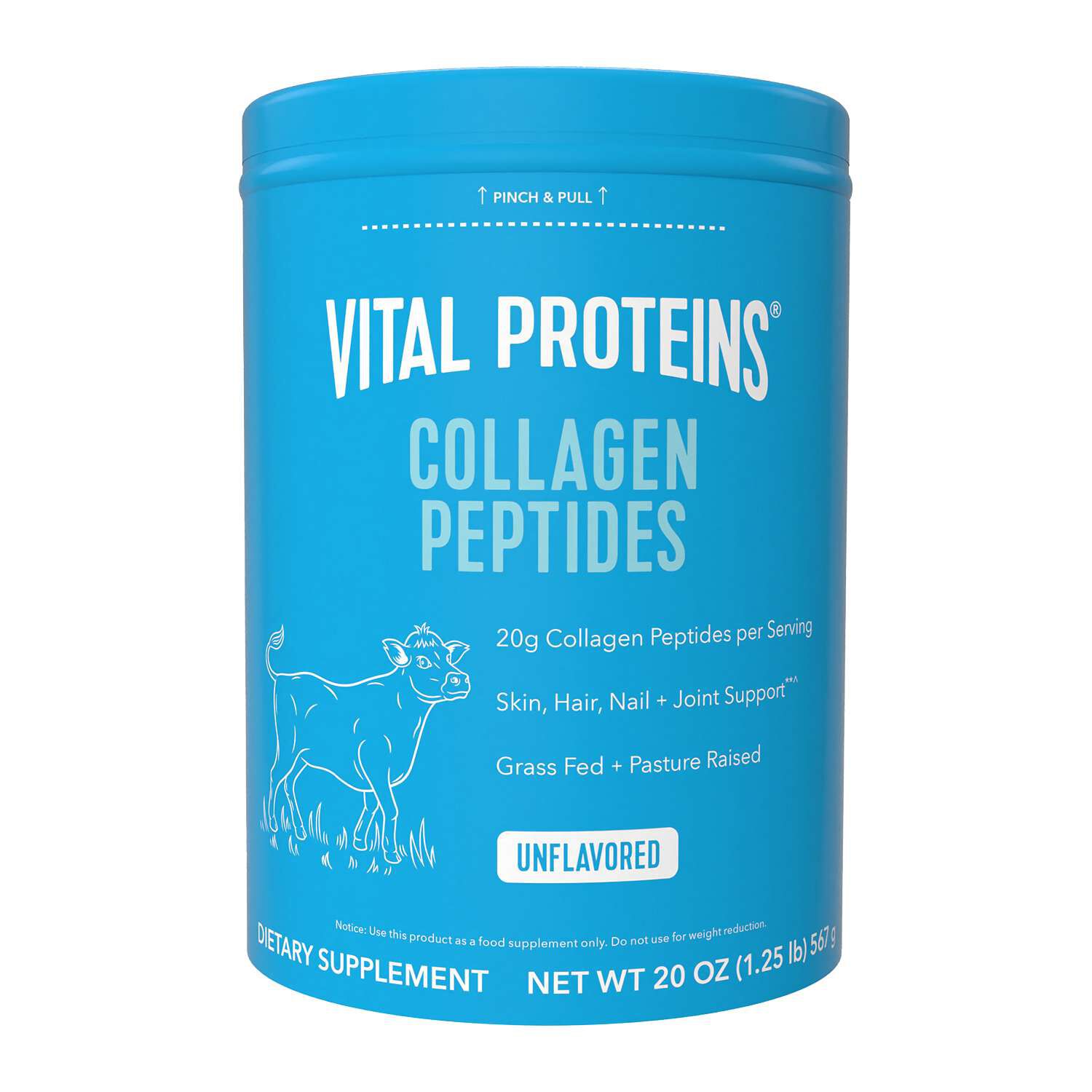
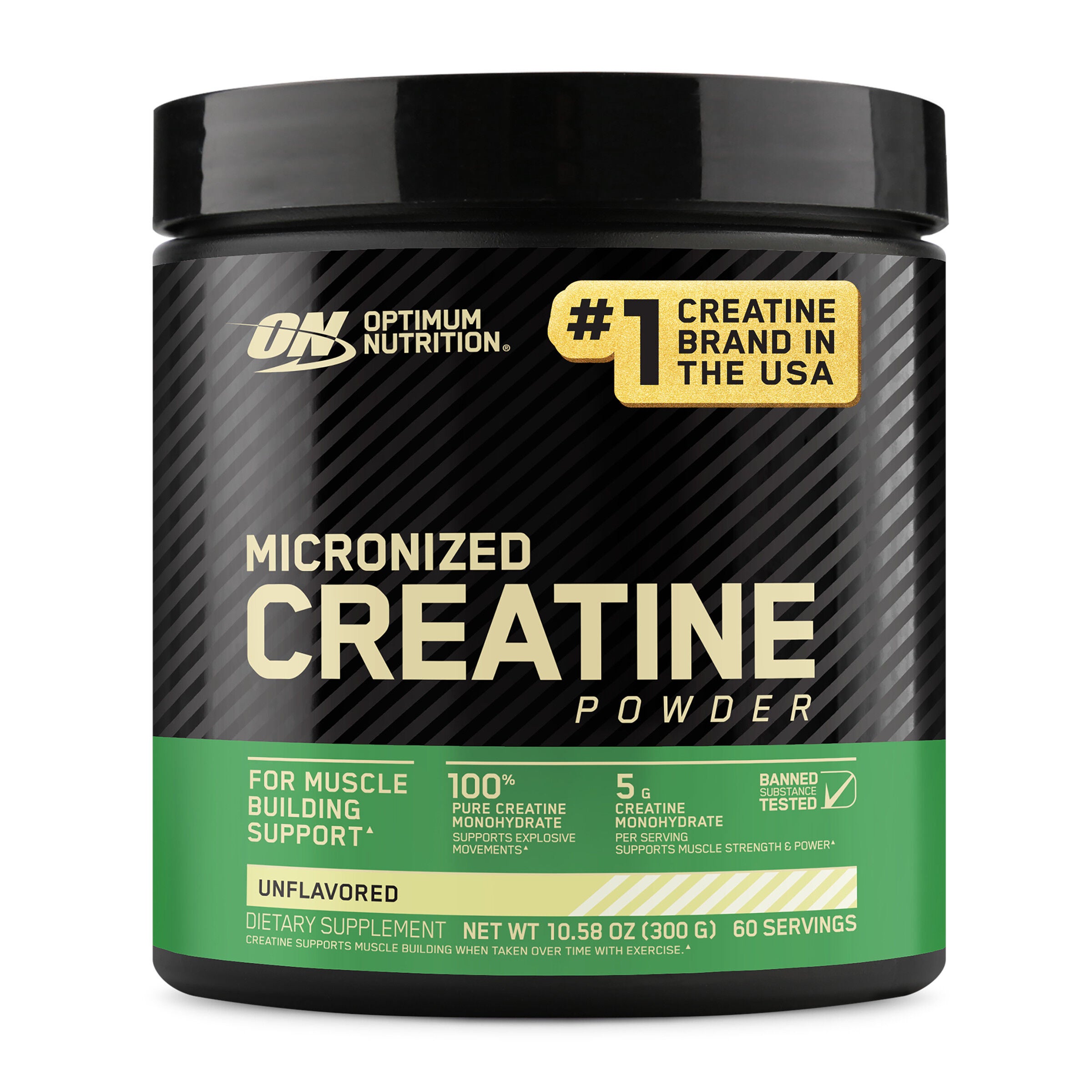
Unflavored powders for athletic women bring together several kinds of powdered nutrition, with options distinguished by their ingredients, serving sizes, and intended use rather than a featured flavor. Protein powders, collagen powders, and creatine powders belong to different categories, even when their packaging and preparation look similar. Protein powders provide dietary protein, while creatine is a separate compound and is not a replacement for a protein source. Collagen is an animal-derived protein with a different amino acid composition from whey, soy, or pea protein. These distinctions matter more than whether a container is marketed toward women: a runner, recreational lifter, cyclist, or weekend hiker may have different preferences for ingredients and preparation. Unflavored describes the absence of an added flavor such as vanilla or chocolate; it does not necessarily mean a powder has no noticeable taste, no sweeteners, or only one ingredient. Dairy-based powders can have a milky character, while plant proteins can carry earthy, grainlike, or legume notes. The ingredient list is the place to check for sweeteners, gums, emulsifiers, and other additions. Whey and casein come from milk, while plant-based protein powders can use sources such as peas, soy, rice, or seeds, either individually or in blends. Milk-derived powders are not suitable for a vegan eating pattern, and an unflavored label does not establish compatibility with a particular food allergy. For athletic women choosing a powder around familiar meals, the practical question is how its source, texture, and serving information fit the foods they already enjoy. A simple ingredient list may appeal to someone who prefers control over sweetness, while a blend may suit someone looking for a particular combination of protein sources. Neither a short ingredient list nor a women-focused label, on its own, describes the full character of a powder. Reading the nutrition or supplement facts alongside the ingredients gives a clearer picture of what each serving contains.
Everyday preparation is another important distinction among unflavored protein powders and other powdered supplements. A powder intended for a shaker bottle may behave differently in thick yogurt, warm oatmeal, or a fruit smoothie, and not every formula is intended for cooking. Package directions establish the appropriate serving and preparation method; texture preferences help narrow the choice further. Someone heading to an early strength session might prefer a powder that could blend into an oat-and-banana smoothie, while someone eating breakfast after a brisk walk might favor one suited to stirring into yogurt. Unflavored does not mean invisible in food: protein can change thickness, mouthfeel, and the balance of familiar flavors. A berry smoothie may soften an earthy note, but plain water leaves the powder’s own character more noticeable. In preparations permitted by the label, combining powder with a small amount of cool liquid before adding it to a larger mixture may help produce a more even consistency. Hot liquids require particular attention because some proteins can clump or change texture with heat. Coffee, soups, and baked foods are therefore possibilities to evaluate against the directions, not interchangeable uses for every powder. During the cooler months, a warm breakfast may be more appealing than a cold shake, making preparation compatibility especially relevant. The kitchen equipment involved also shapes the experience: a blender, shaker with a mixing insert, and spoon each handle powders differently. A serving that works in a large smoothie may be too noticeable in a small cup of yogurt. Scoop size alone is not a reliable comparison between formulas, since the amount of powder and the protein content per serving can differ. Comparing the stated serving weight, protein grams where applicable, and suggested amount of liquid may make the choice more practical. That attention to preparation leaves room for familiar ingredients such as cinnamon, cocoa, fruit, or nut butter without relying on a flavored powder as the starting point.
Choosing among unflavored powders also means looking beyond the front label to the details that matter across an ordinary training week. For protein powders, useful points of comparison include the protein source, grams of protein per serving, carbohydrate and fat content, sodium, and any added sugars. For creatine and other nonprotein powders, the relevant information is the named ingredient, its amount per serving, and the labeled intended use. Different categories should not be treated as substitutes simply because they share an unflavored format. Athletes who participate in organized competition may also value independent sport certification; the certifying organization’s directory provides a way to verify a listed certification rather than relying on general statements about testing. Dietary preferences deserve the same attention. Plant-based, milk-derived, and collagen options have different origins, and terms such as grass-fed or organic describe particular sourcing or production attributes rather than how a powder will taste in breakfast. The broader Women Dietary Powders category offers another way to explore powdered formats by ingredient and intended use. At home, container design and storage instructions are part of the everyday fit. A wide opening, readable serving directions, and a lid that closes securely are worth considering when a powder will share shelf space with oats, coffee, and pantry staples. Keeping the scoop dry and resealing the container after use may help limit moisture exposure; storage conditions and the date printed on the package remain important. For a gym bag or office drawer, any separate container should be clean, dry, suitable for food, and clearly labeled with its contents and serving information. A prepared shake needs different handling from dry powder, especially when it includes milk or other perishable ingredients. Unflavored powders may appeal to women who prefer consistent pantry ingredients while changing their meals around training, work, and family plans. Their appeal is not tied to a single sport or a narrowly defined routine, but to finding a powdered format whose ingredients, preparation, and taste suit the way someone actually eats.
Best Sellers
-
Raw Nutrition
-
 Peach Perfect
 -
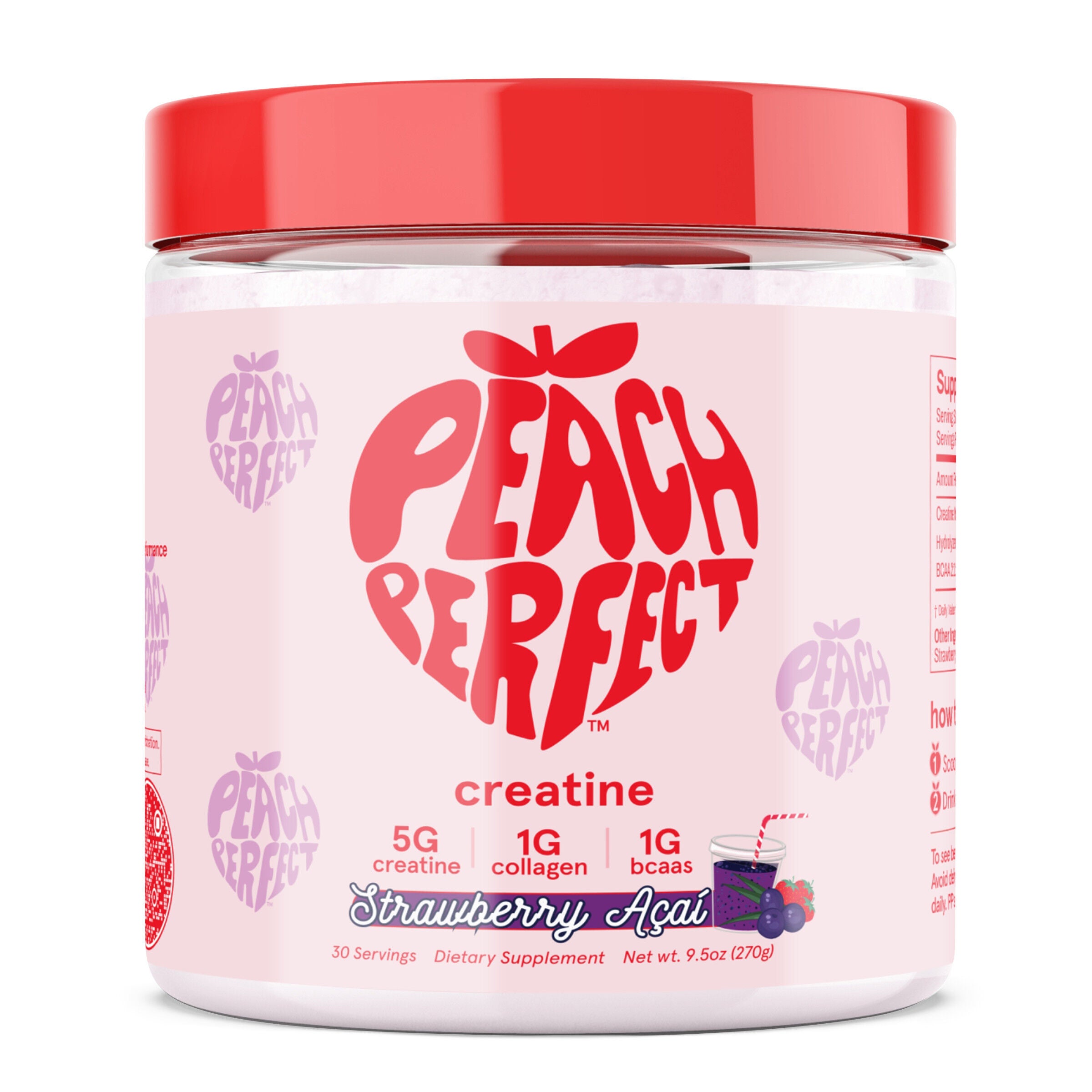 Peach Perfect