Unflavored Protein Powders For Summer Training
(0 Results)
Unflavored protein powders for summer training offer a versatile option for those looking to support their fitness goals without added flavors or sweeteners. Perfect for blending into smoothies, mixing with favorite recipes, or adding to post-workout shakes, these unflavored options may fit seamlessly into any routine. Whether you’re training outdoors or hitting the gym, unflavored protein powders for summer training could provide a customizable way to help meet your daily protein needs while keeping things simple and straightforward.
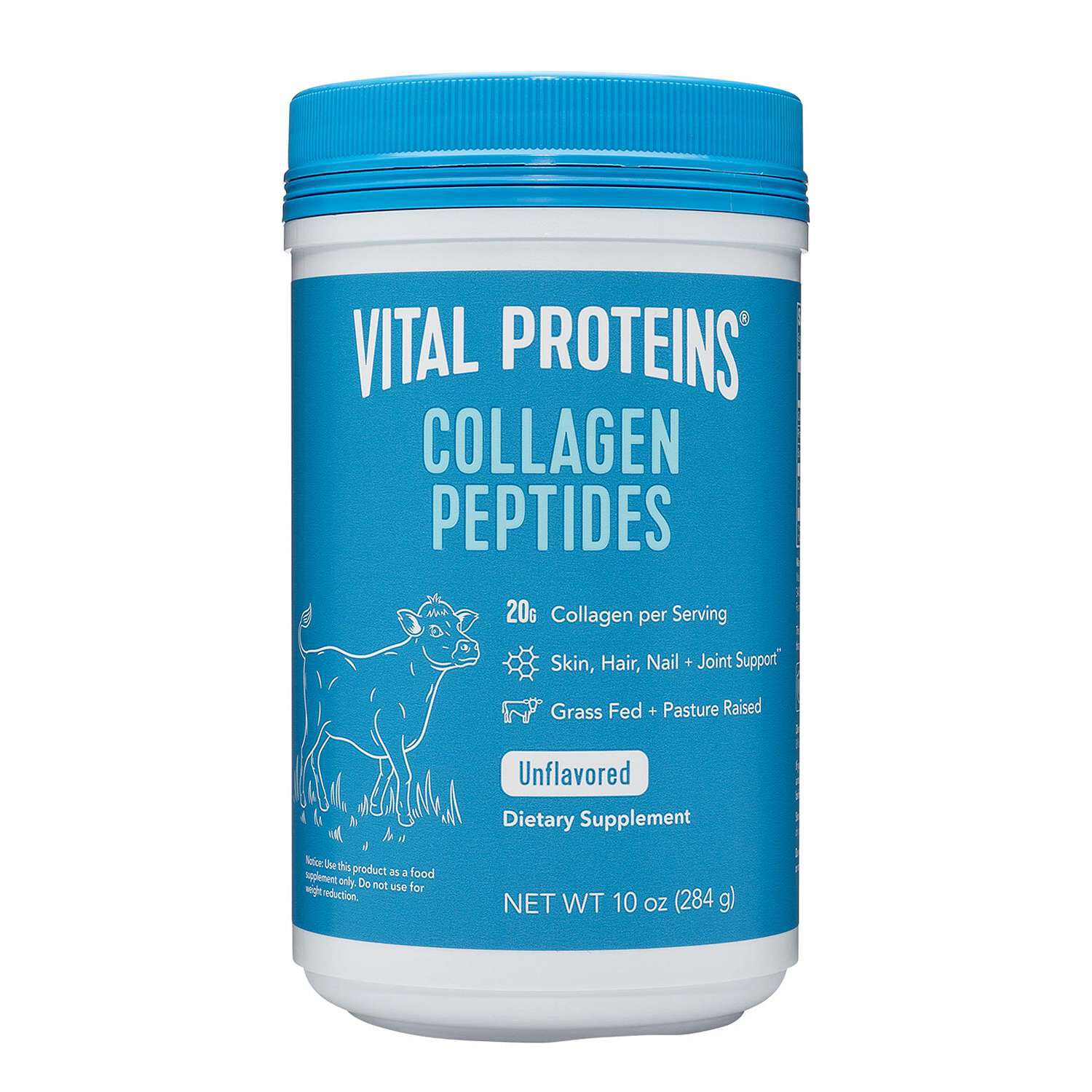
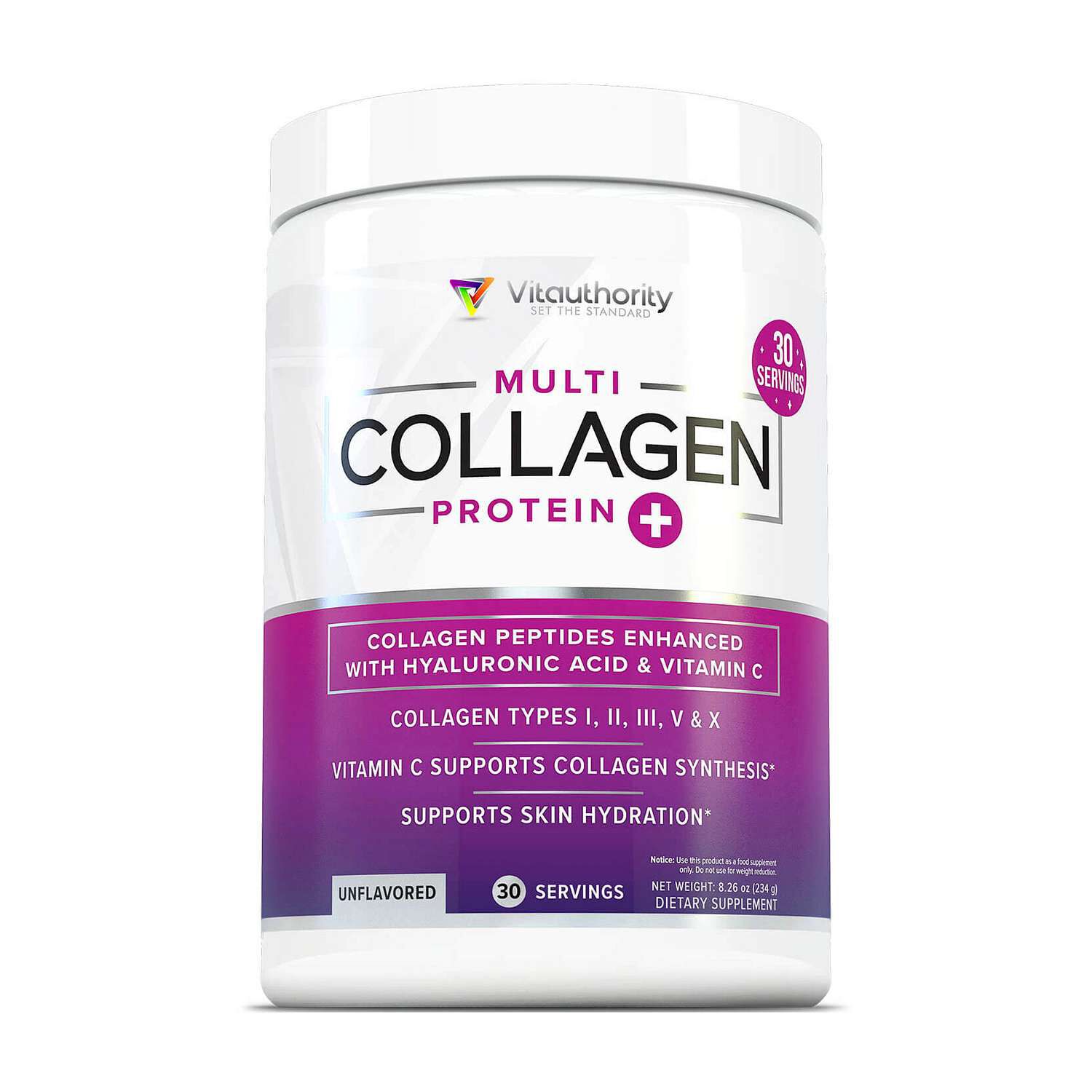
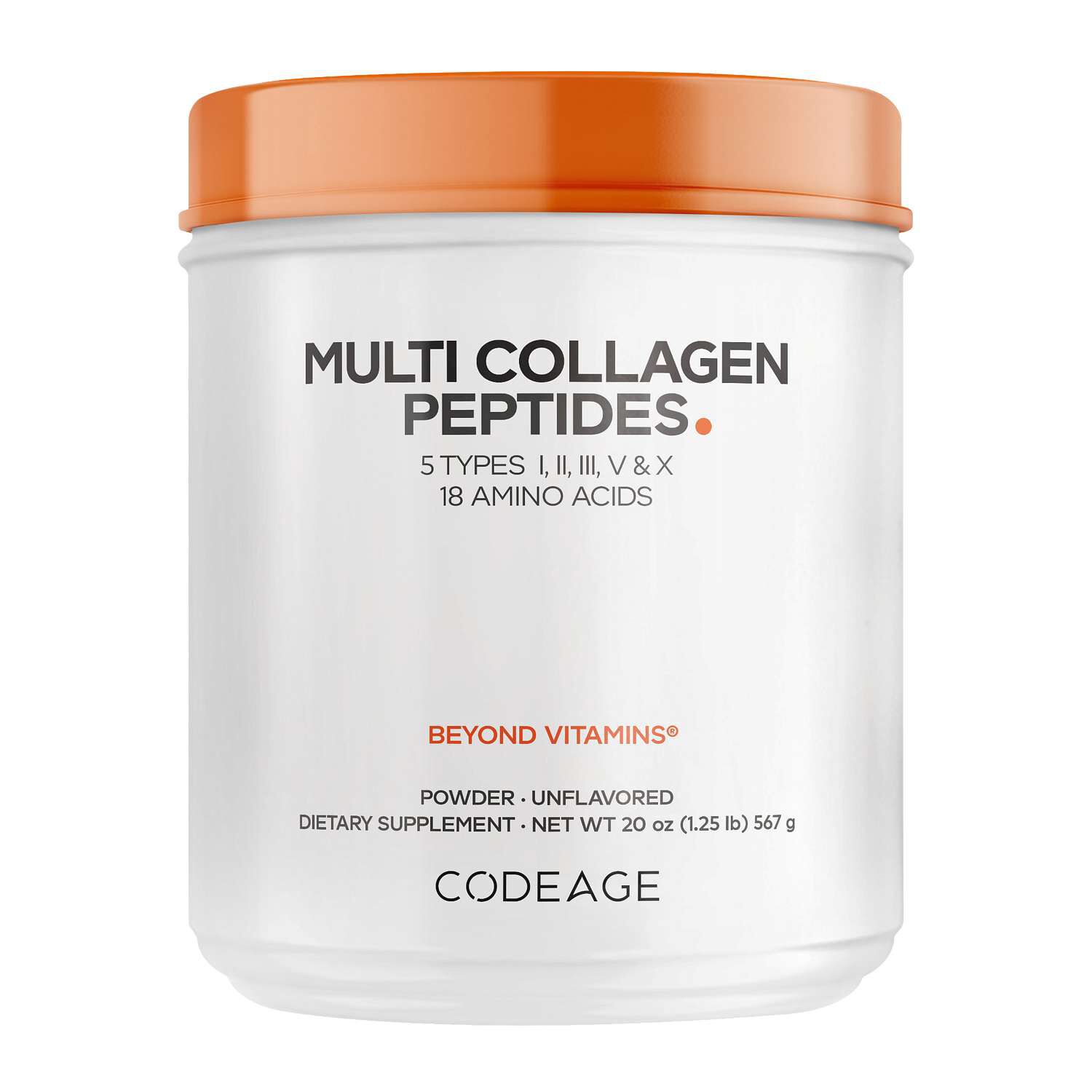

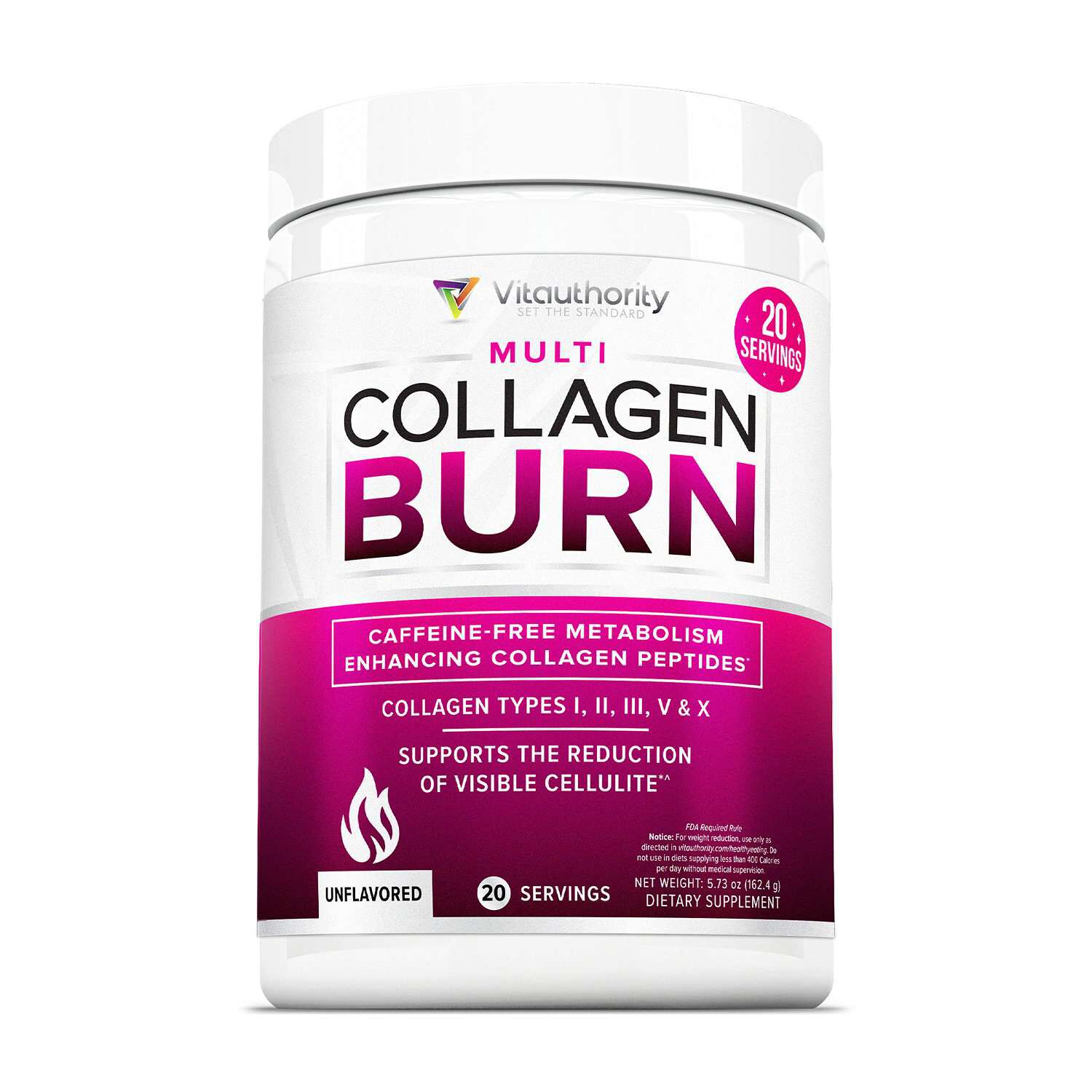
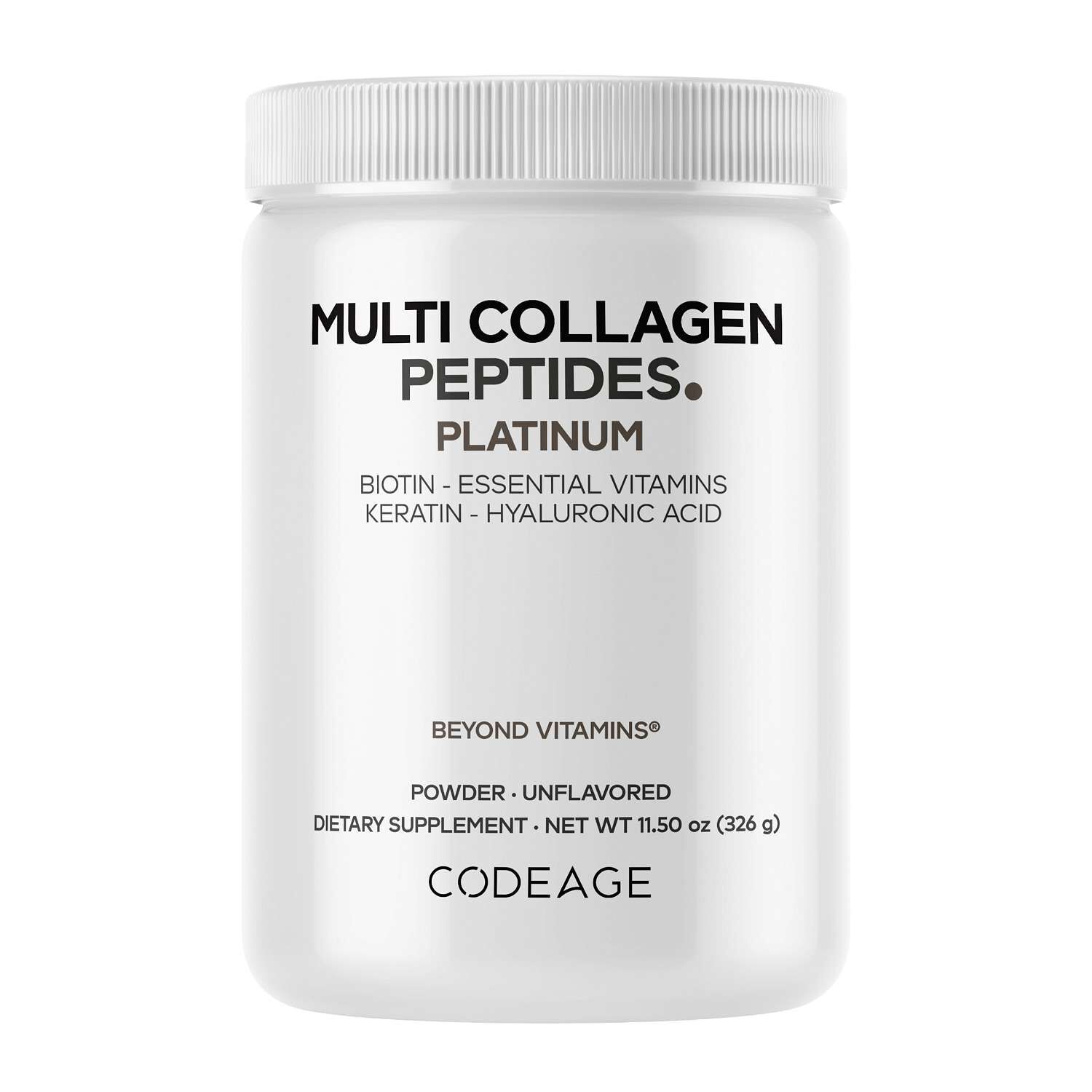
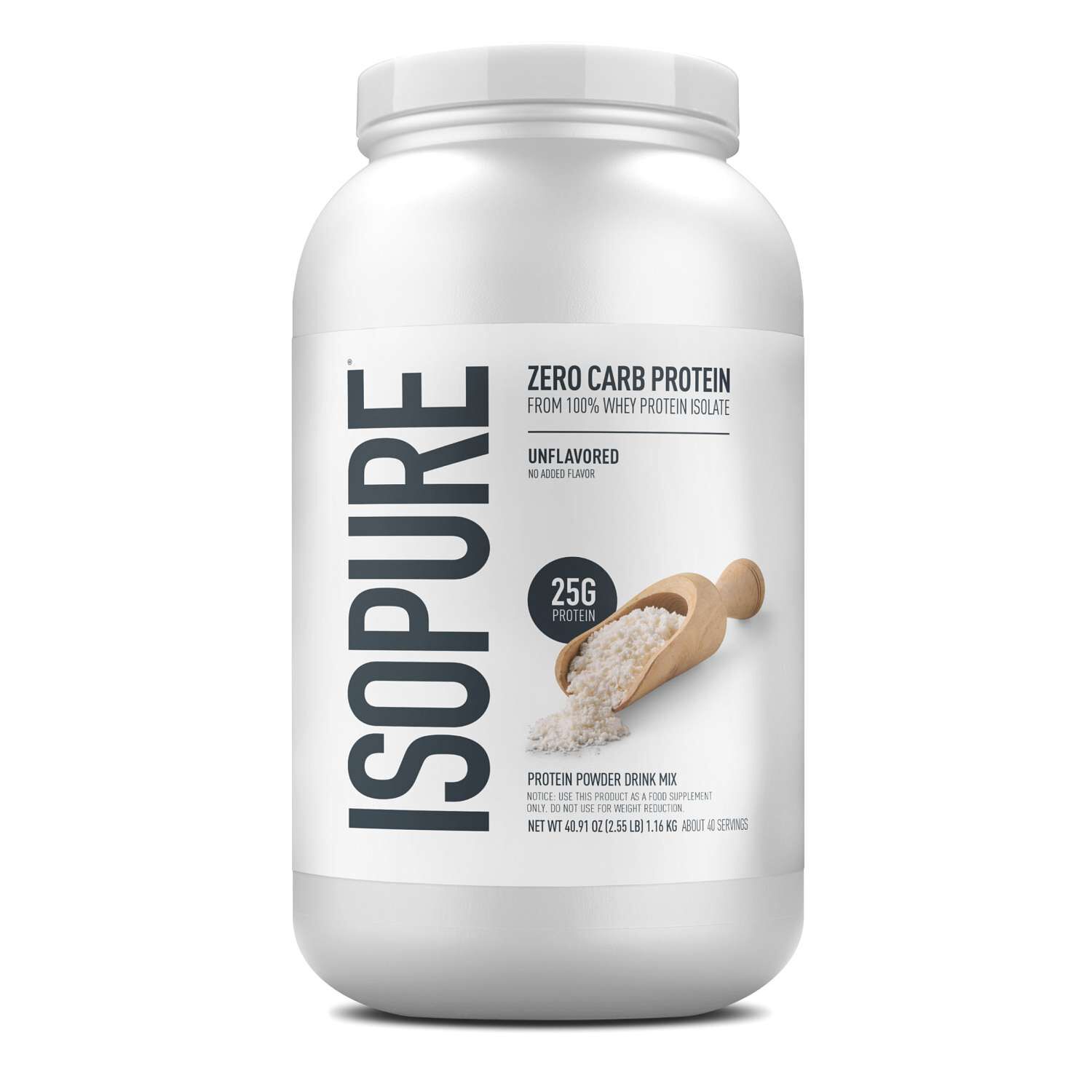
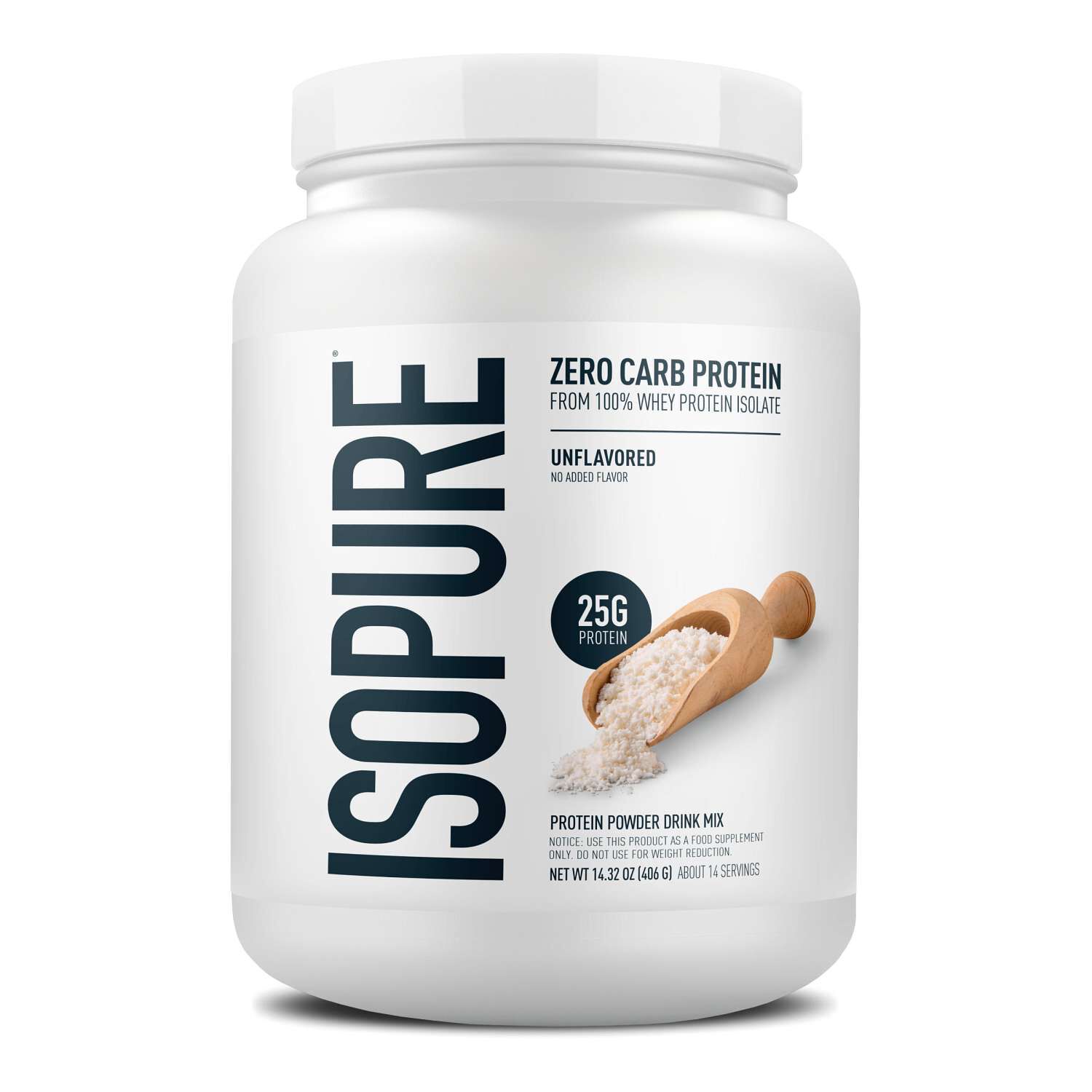
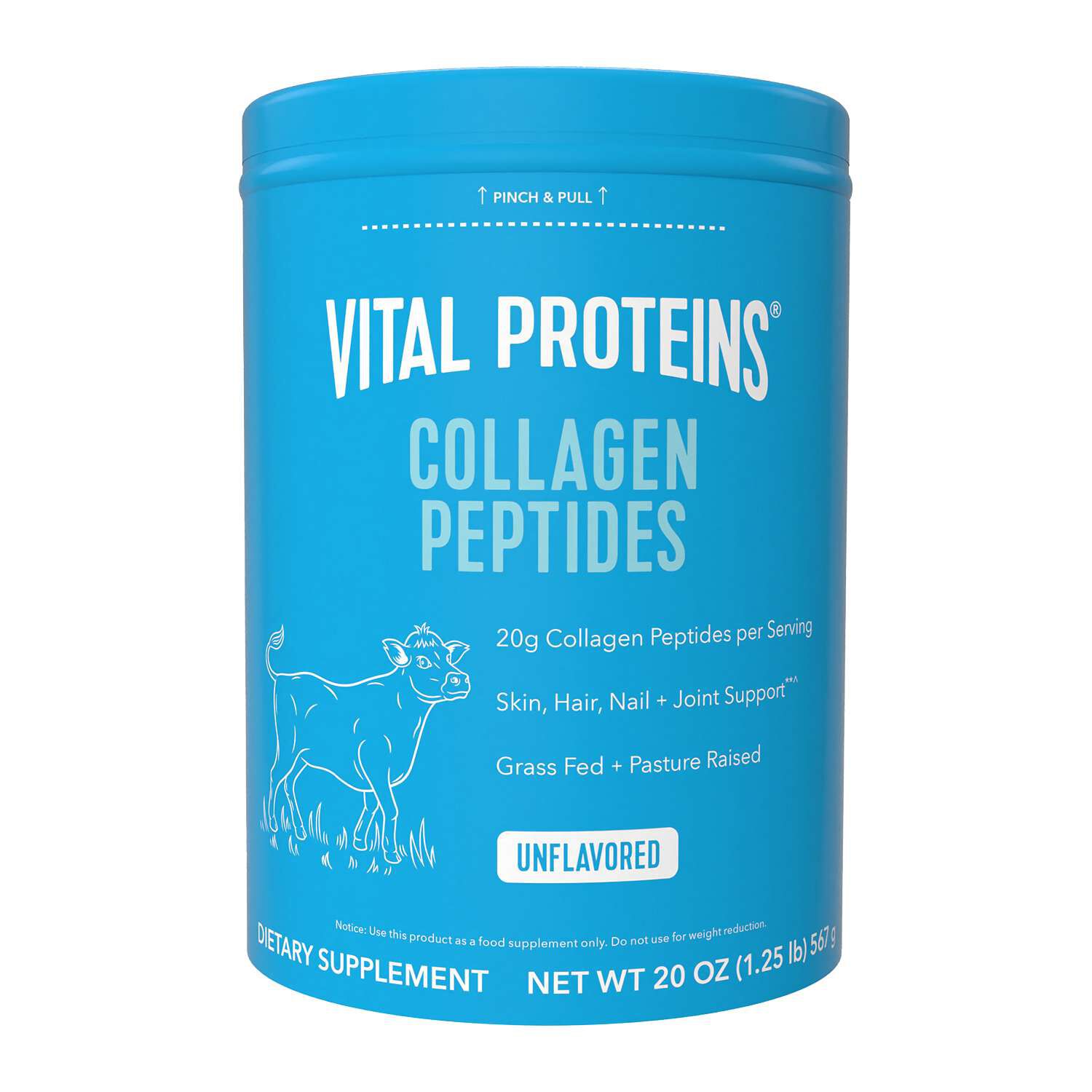


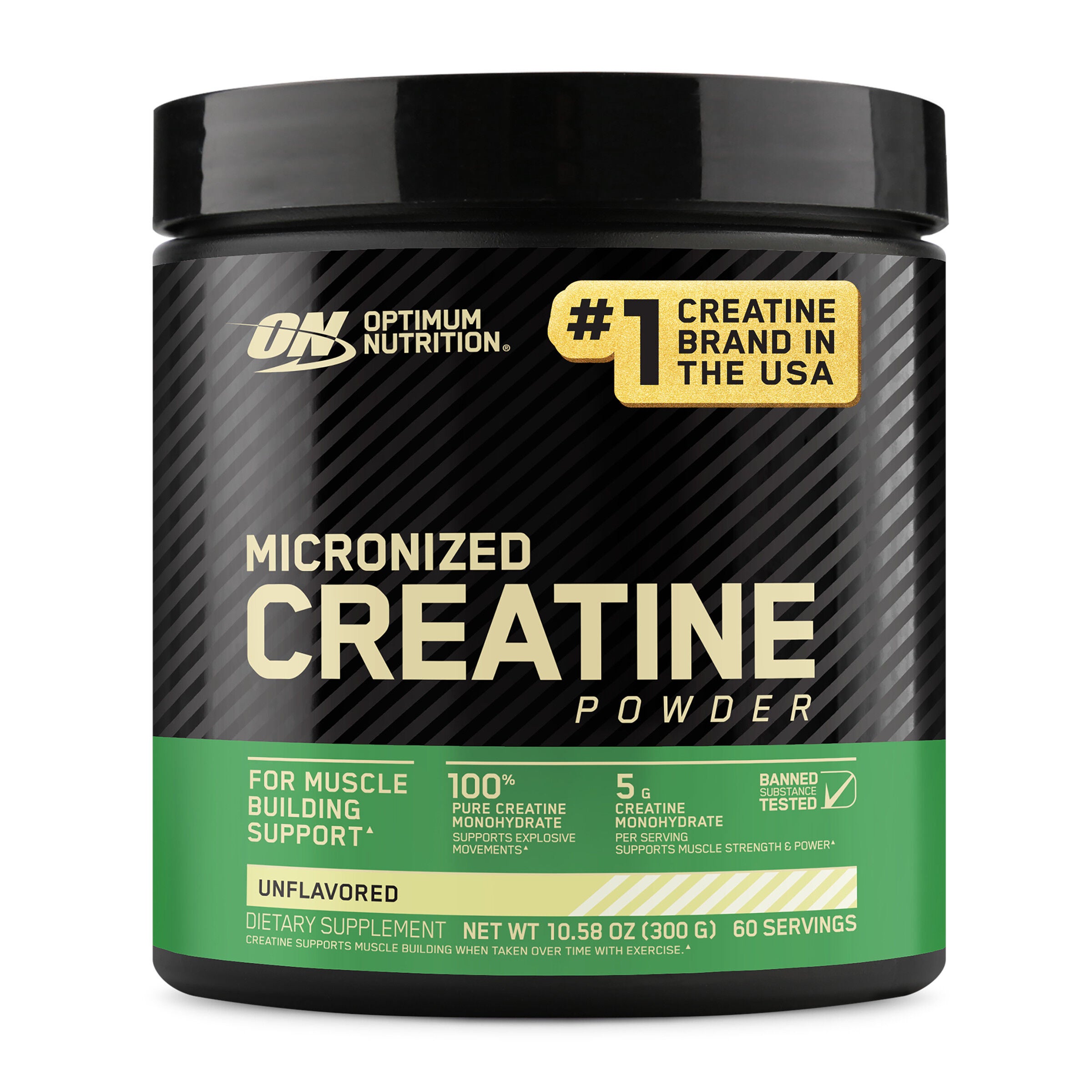



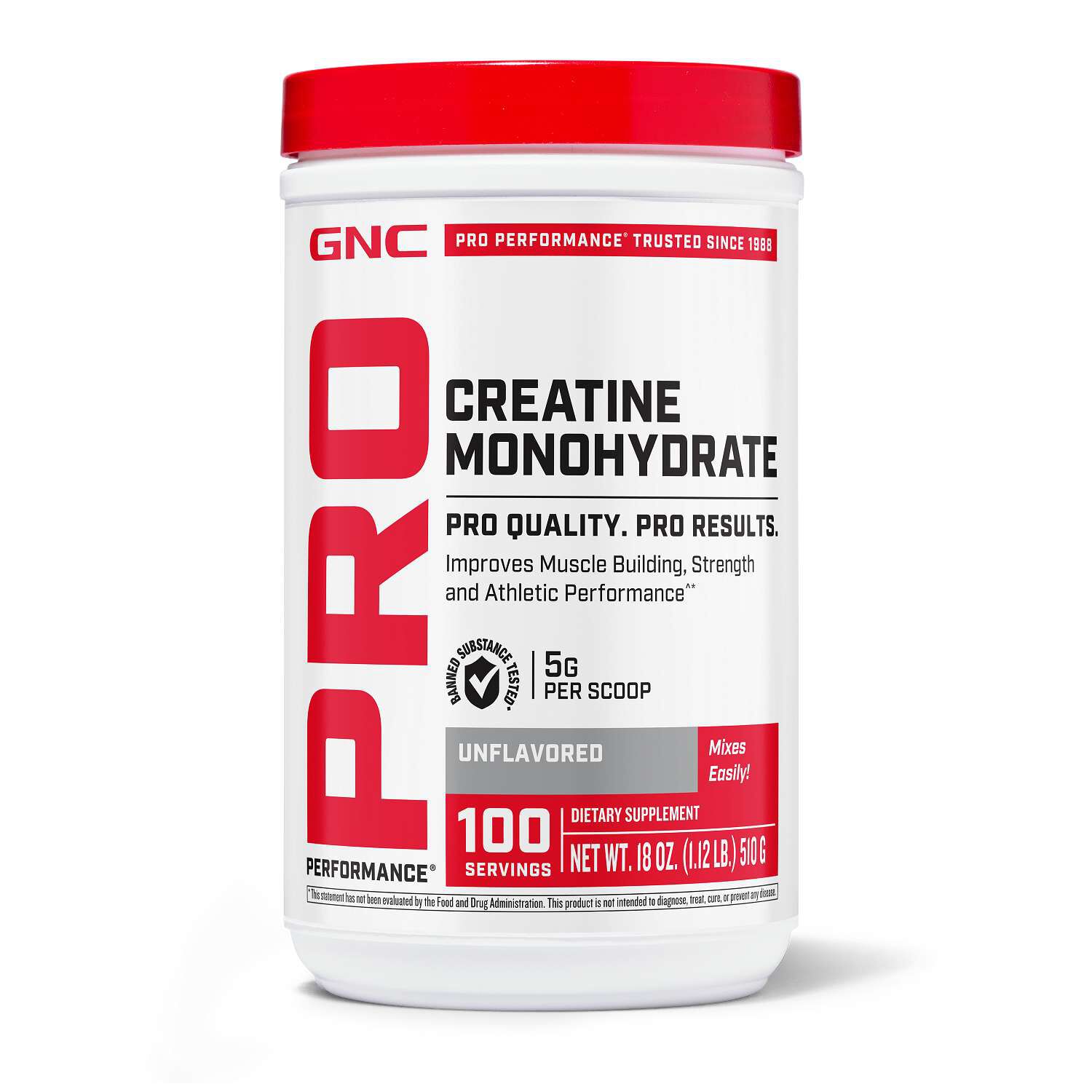

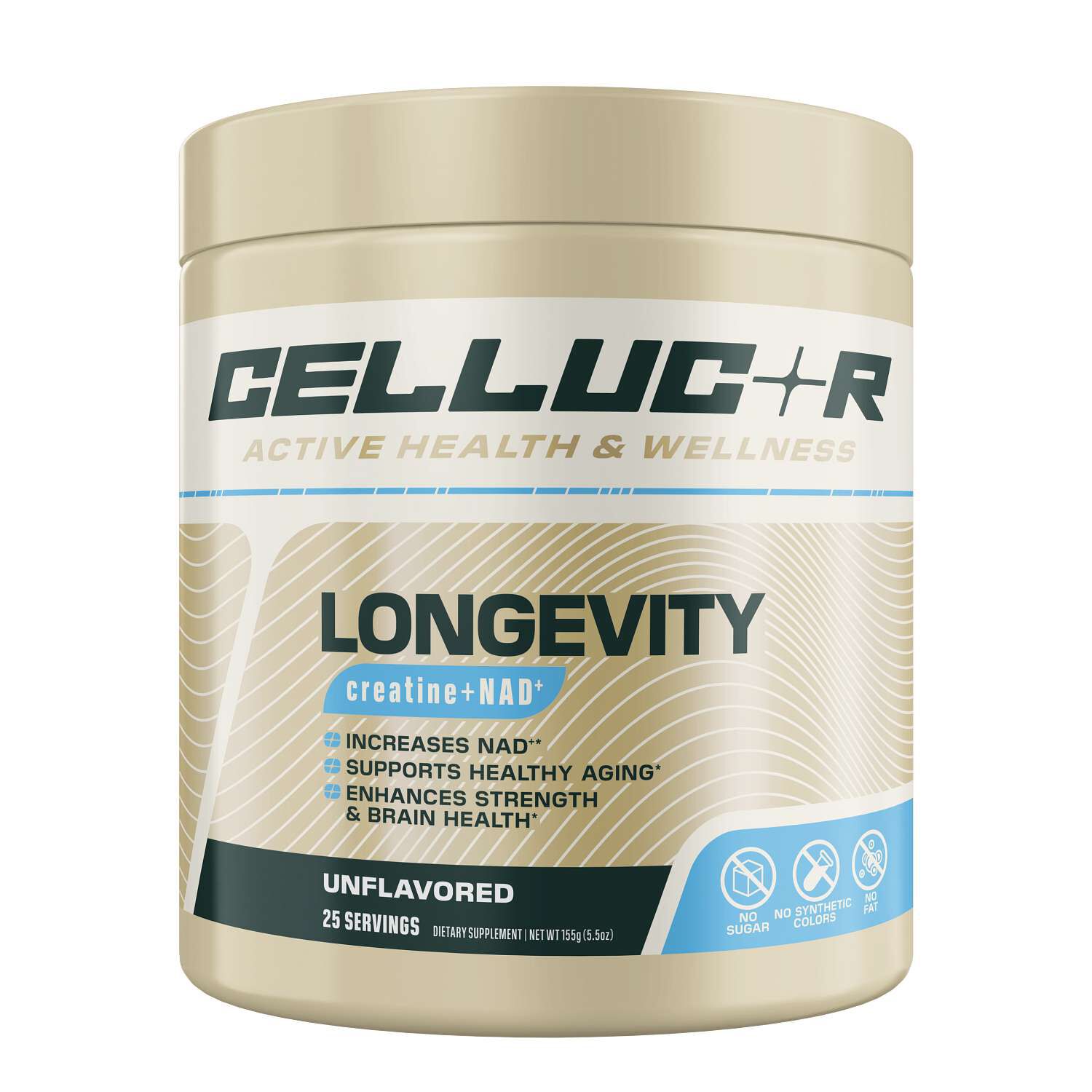


Unflavored protein powders for summer training offer a flexible starting point for shakes, smoothies, and everyday recipes without a preset chocolate, vanilla, or fruit flavor. They suit a range of routines, from early weight-room sessions and recreational cycling to afternoon laps and weekend trail outings. For someone who prefers a less dessert-like drink after exercising in the heat, an unflavored formula may be a useful alternative to a flavored powder. The appeal is as much about control as simplicity: strawberries, cold coffee, plain yogurt, or a spoonful of cocoa can set the direction of the finished drink. Unflavored does not necessarily mean tasteless, though. Whey often has a mild dairy character, while plant-based options can have earthy, nutty, or grain-like notes. Texture also varies with the protein source, processing, and other ingredients, so two powders with similar nutrition panels may feel quite different in a shaker. These distinctions matter when a drink is mixed with water rather than blended with fruit and ice. Unflavored and unsweetened are also separate label descriptions; checking the ingredient list is the clearest way to understand whether a formula contains sweeteners, flavoring ingredients, or additions intended to change its consistency. Protein may support muscle maintenance and recovery alongside regular training and a varied eating pattern, but choosing a powder involves more than comparing protein grams alone. Serving size, protein source, carbohydrate and fat content, and the way a powder fits familiar meals all deserve attention. A runner who enjoys a small breakfast before heading out may have different preferences from a lifter who blends a substantial shake after an evening session. Neither routine calls for an elaborate recipe. The most practical choice is often a format that suits the foods, equipment, and preparation time already built into the day, whether that means a shaker at the gym or a blender on the kitchen counter.
The main differences among unflavored protein powders begin with their ingredients. Whey concentrate and whey isolate are both derived from milk, but isolate generally contains a higher proportion of protein by weight and less lactose and fat than concentrate. The exact amounts depend on the formula, and whey isolate is still a milk-derived ingredient. Casein is another milk protein, often associated with a thicker texture, while egg white protein offers a different animal-derived option. Plant-based powders may use pea, rice, soy, or combinations of sources, each with its own flavor, texture, and amino acid composition. A blend can bring together different protein sources, although its ingredient list and nutrition panel remain more informative than a broad description on the front of the package. For shoppers with food allergies or dietary restrictions, allergen declarations and manufacturing statements are important comparison points. A short ingredient list can be appealing, but length alone does not establish quality or suitability. Some formulas include lecithin to aid mixing, while others contain gums or additional ingredients that may change the consistency of a drink. Protein per serving is best considered alongside the serving weight, since scoop sizes are not uniform across powders. For athletes participating in organized competition, a recognized third-party sports certification may be another consideration; certification details should be checked for the particular formula rather than assumed from the category. Preparation preferences deserve equal attention. A simple water-and-powder shake leaves the base flavor exposed, whereas a smoothie with banana or oats has a different texture and taste. Powders can also behave differently in chilled liquids, with some requiring more shaking or blending than others. Package directions provide a useful starting point for the amount of liquid and the mixing method. Someone carrying a shaker to an outdoor court may value a straightforward formula, while someone making breakfast at home may prefer a powder that works in several recipes.
Summer training brings practical considerations around transport, storage, and the kind of drink that sounds appealing after a session. A chilled peach smoothie, an iced coffee shake, or plain yogurt stirred with protein powder offers a different experience from a large, richly flavored drink. An unflavored base leaves room for those variations without committing every serving to the same flavor profile. In a blender, frozen fruit may create a thicker consistency, while a larger proportion of liquid may make a shake easier to sip. Results depend on the powder and the other ingredients, particularly when acidic fruit, hot coffee, or very cold liquid is involved. For recipes, package guidance is useful because protein powder does not behave exactly like flour, and adding it can change moisture, density, and texture. Everyday care matters, too. Dry powder belongs in a tightly closed container stored according to the label, away from moisture and excessive heat. A dry scoop and a secure lid may help keep humidity from affecting the powder’s texture. A gym bag left in a sunlit car is not a substitute for the storage conditions listed on the package. For outings, carrying a measured portion of dry powder separately from the mixing liquid may make preparation more convenient. Once mixed with perishable ingredients such as milk or yogurt, a shake needs appropriate refrigeration and handling; an insulated bag with cold packs is a practical consideration for travel between home, the gym, and outdoor activities. Shaker bottles also need regular washing, including the lid, seals, and mixing insert where residue can collect. These details are especially relevant to people fitting training around commutes, family outings, or long days away from home. For everyday uses beyond exercise, Unflavored Protein Powders For Summer Wellness offers a related browsing focus. Across both settings, the useful distinctions remain concrete: the source of the protein, the contents of each serving, the flavor of the base, and how naturally the powder fits an established routine.
Best Sellers
-
 Create Wellness