Unisex Supplements
(0 Results)
Unisex supplements offer a versatile approach to daily wellness, designed to support the needs of anyone looking to enhance their routine. With a wide range of options available, these supplements may fit seamlessly into various lifestyles and goals. Explore how unisex supplements could help you take proactive steps toward your overall well-being.


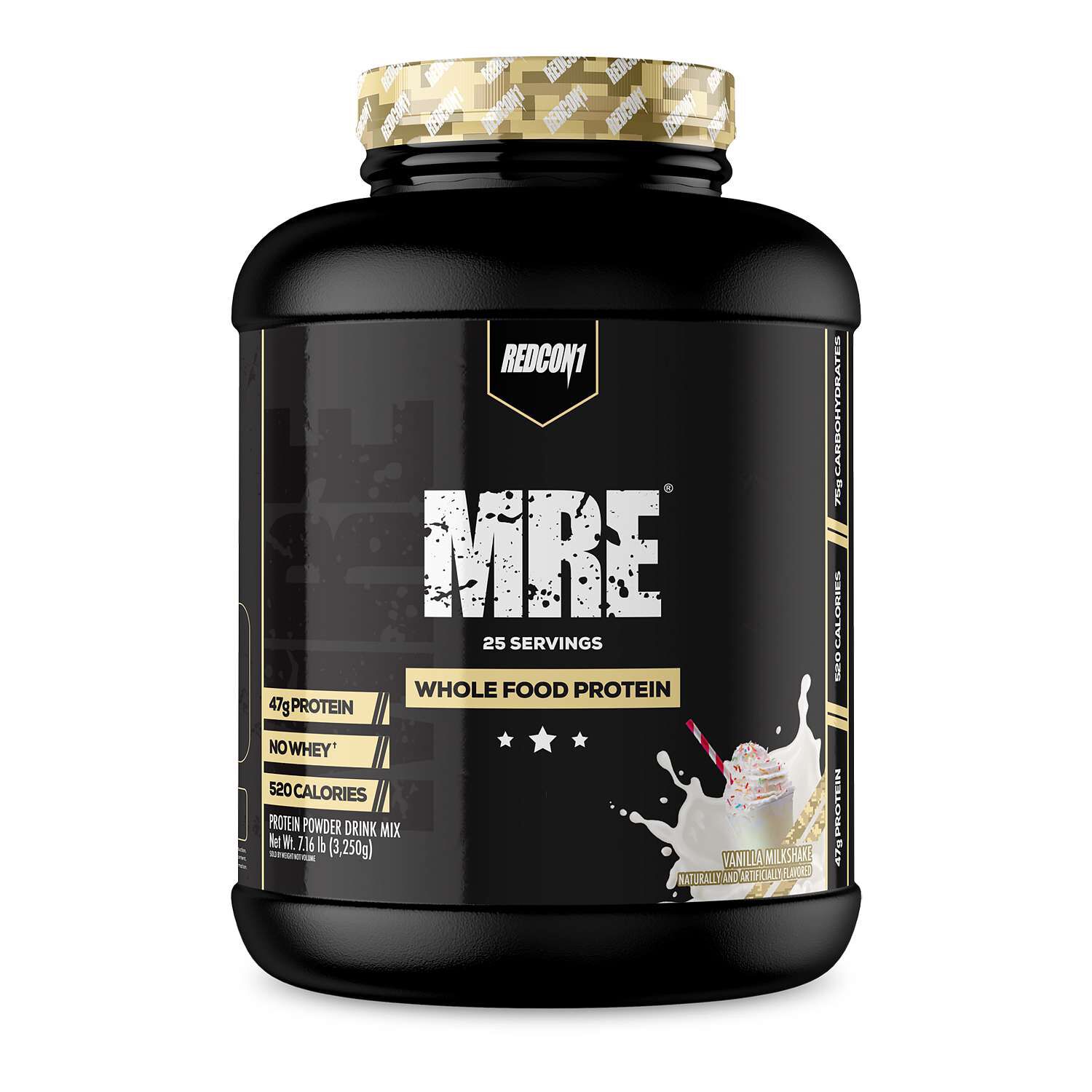


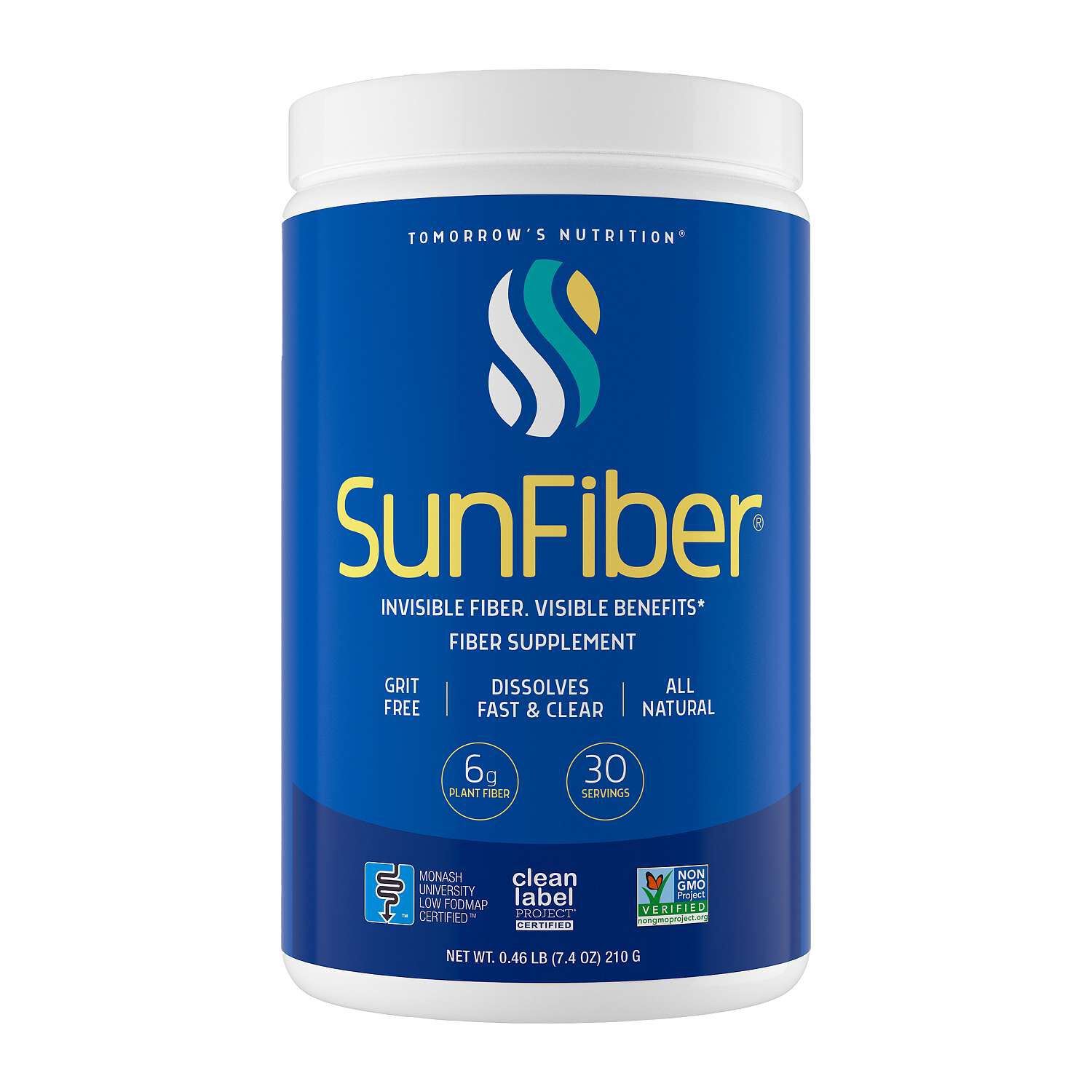

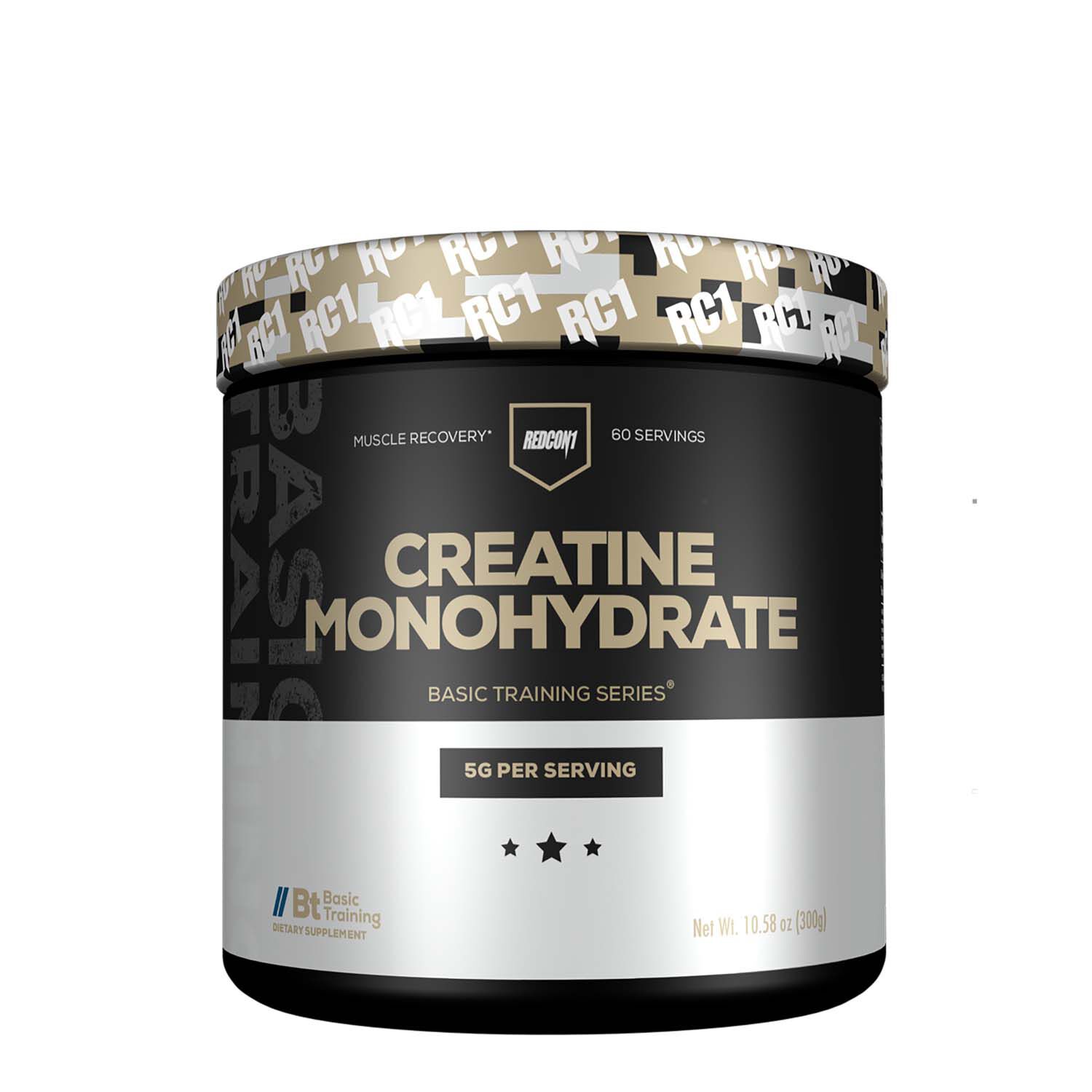

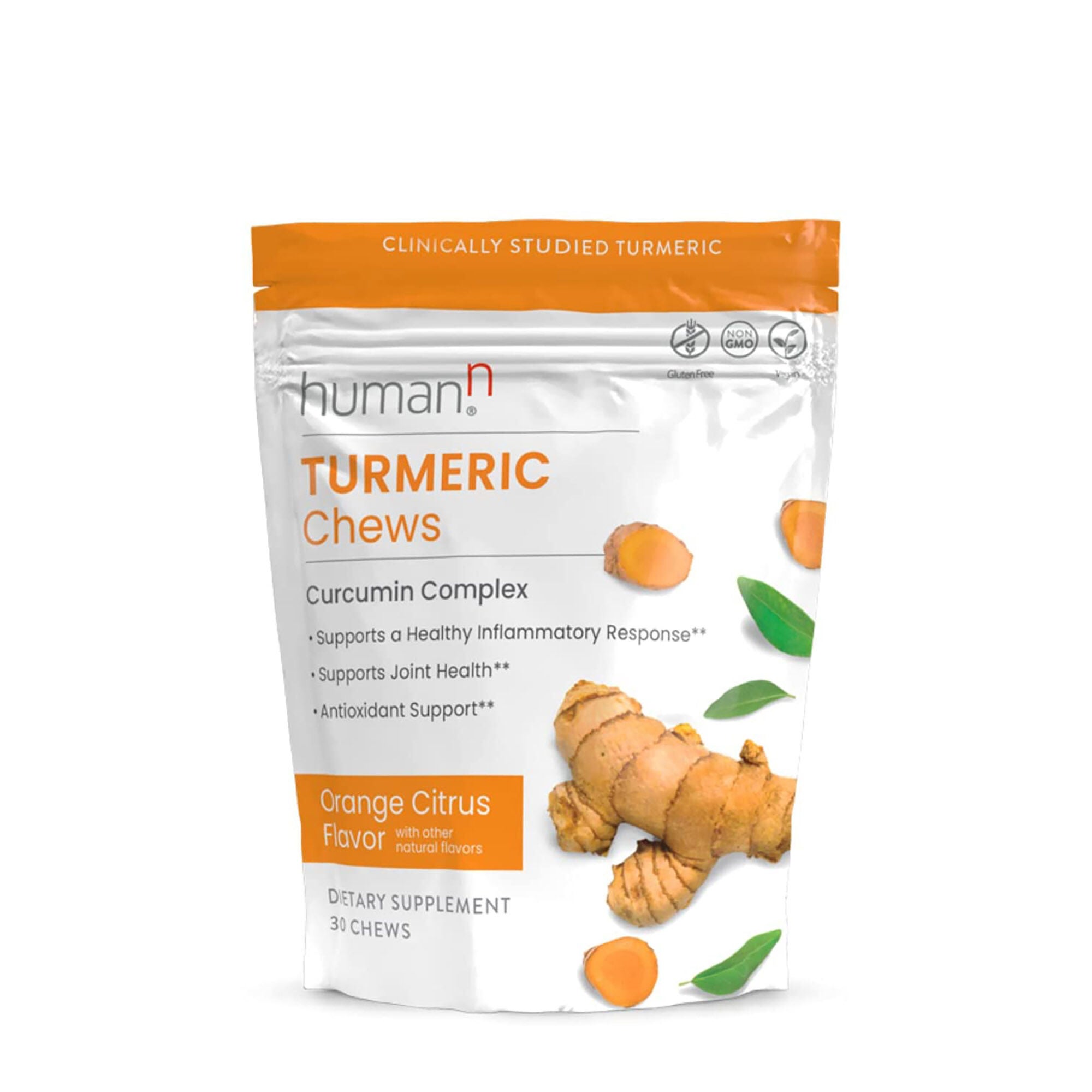
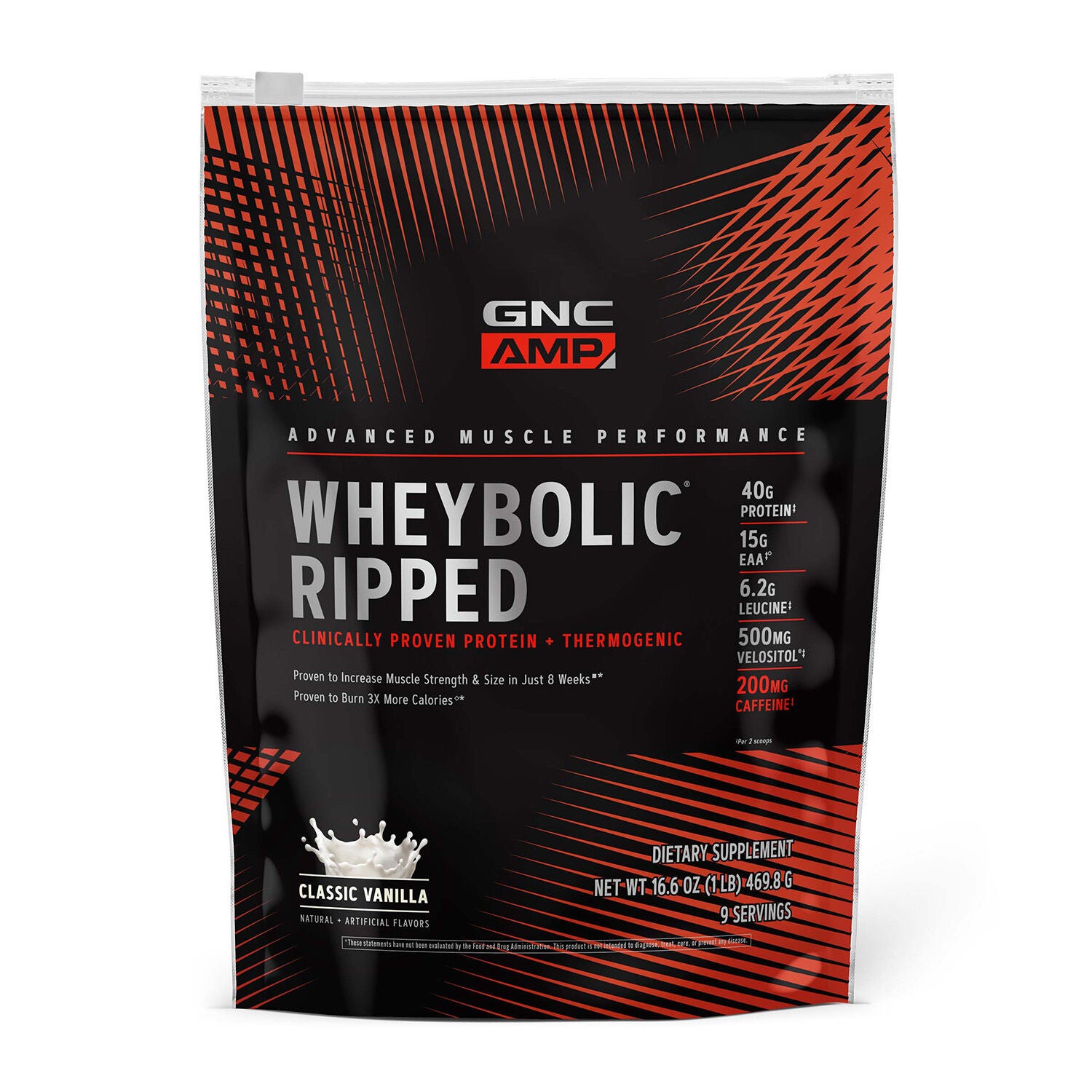


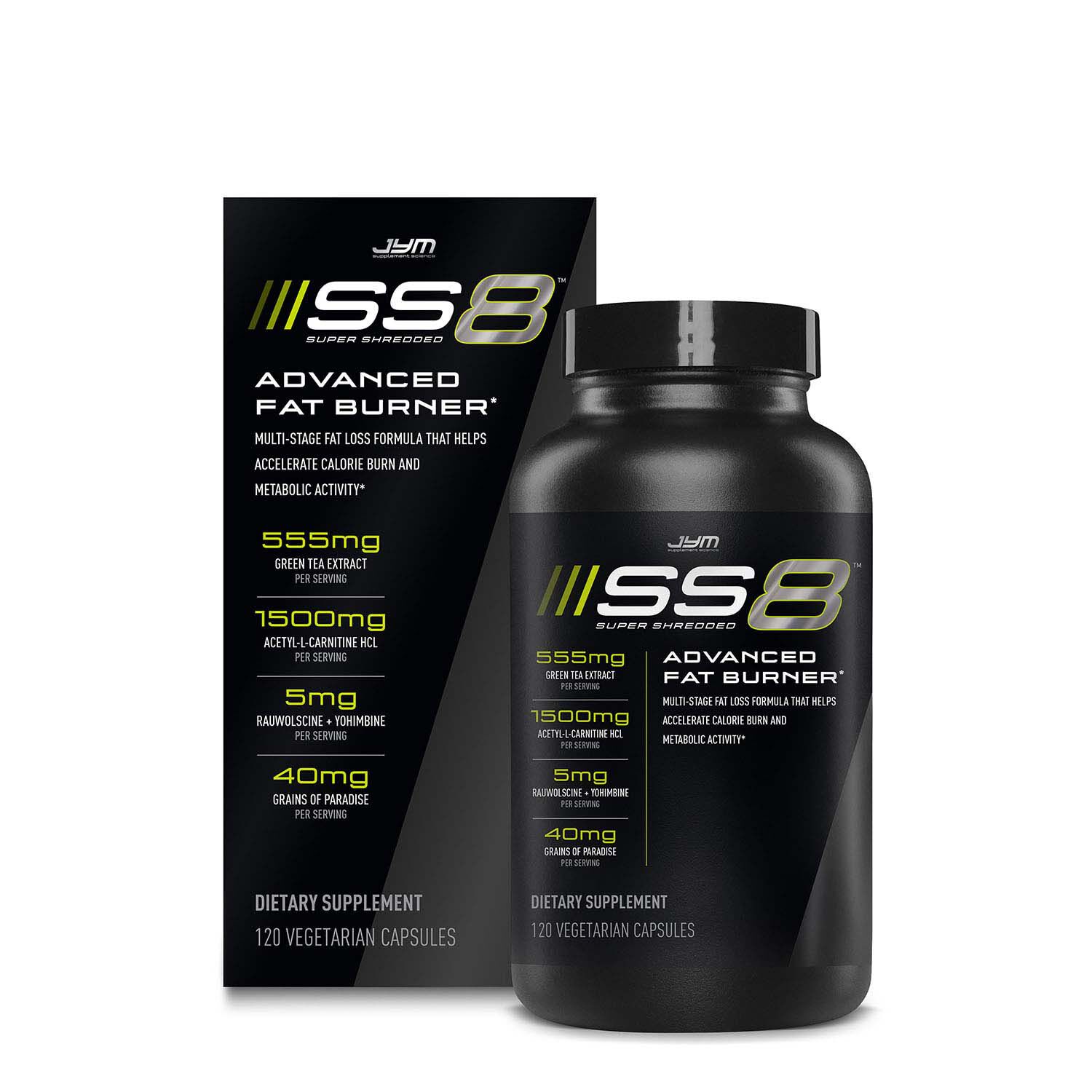
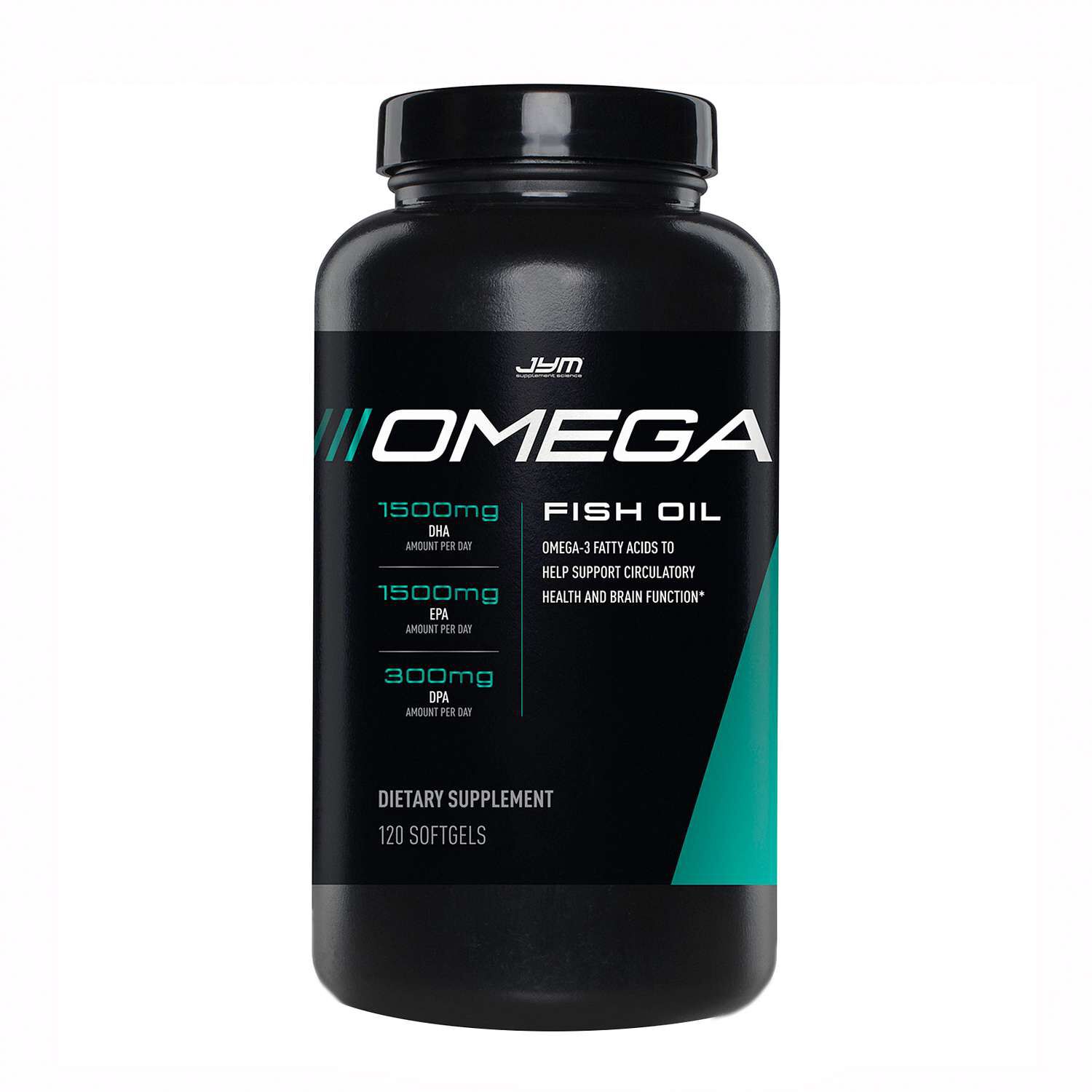
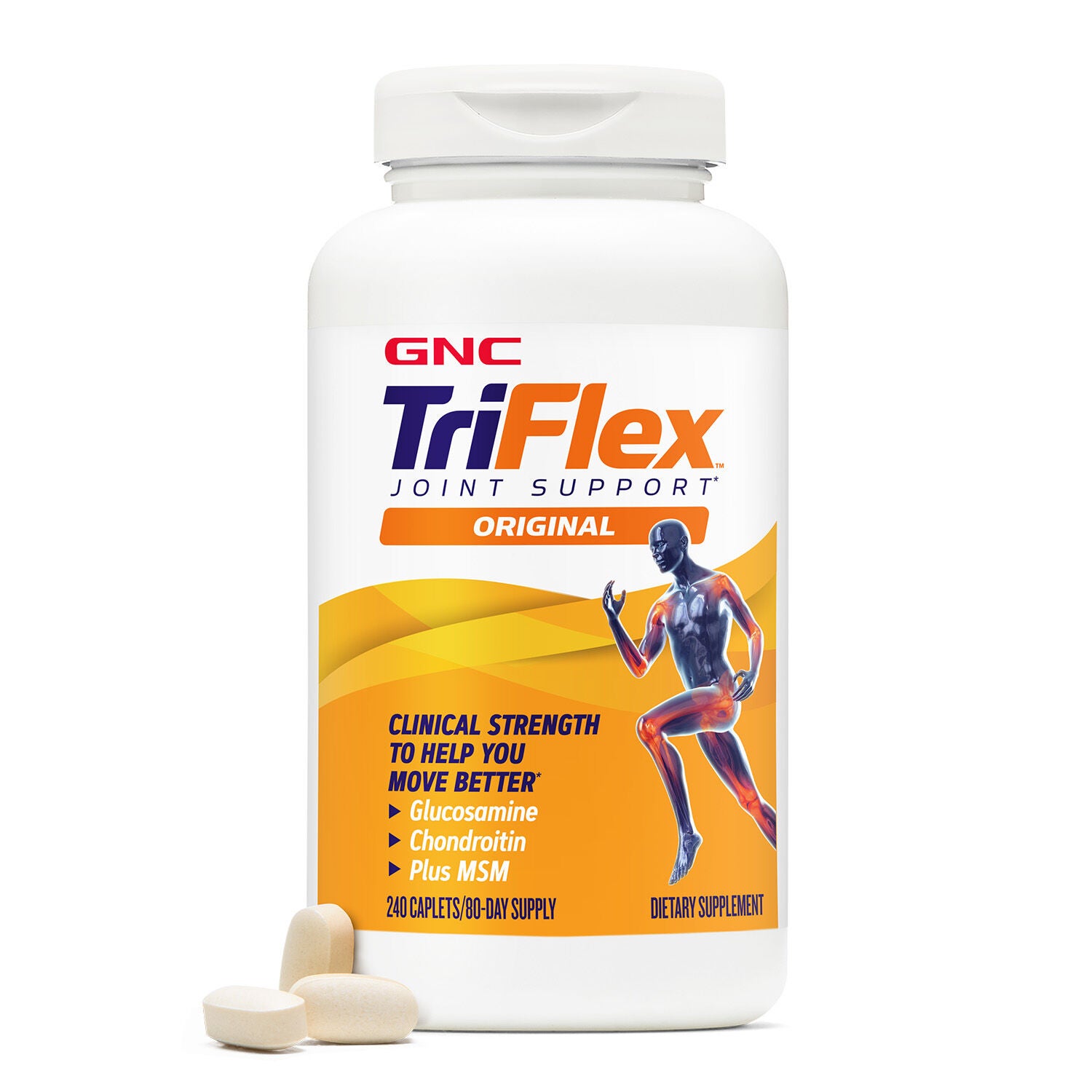
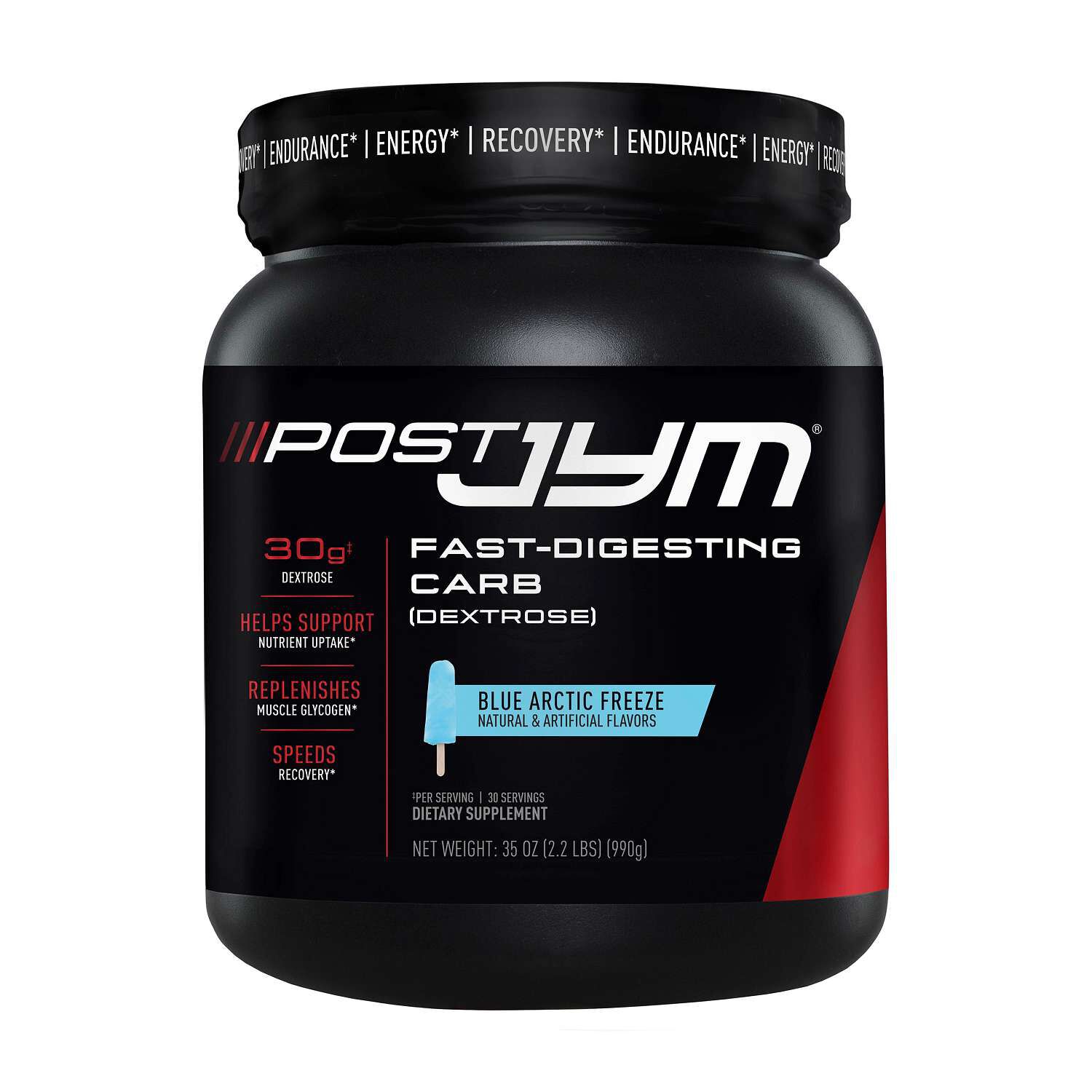

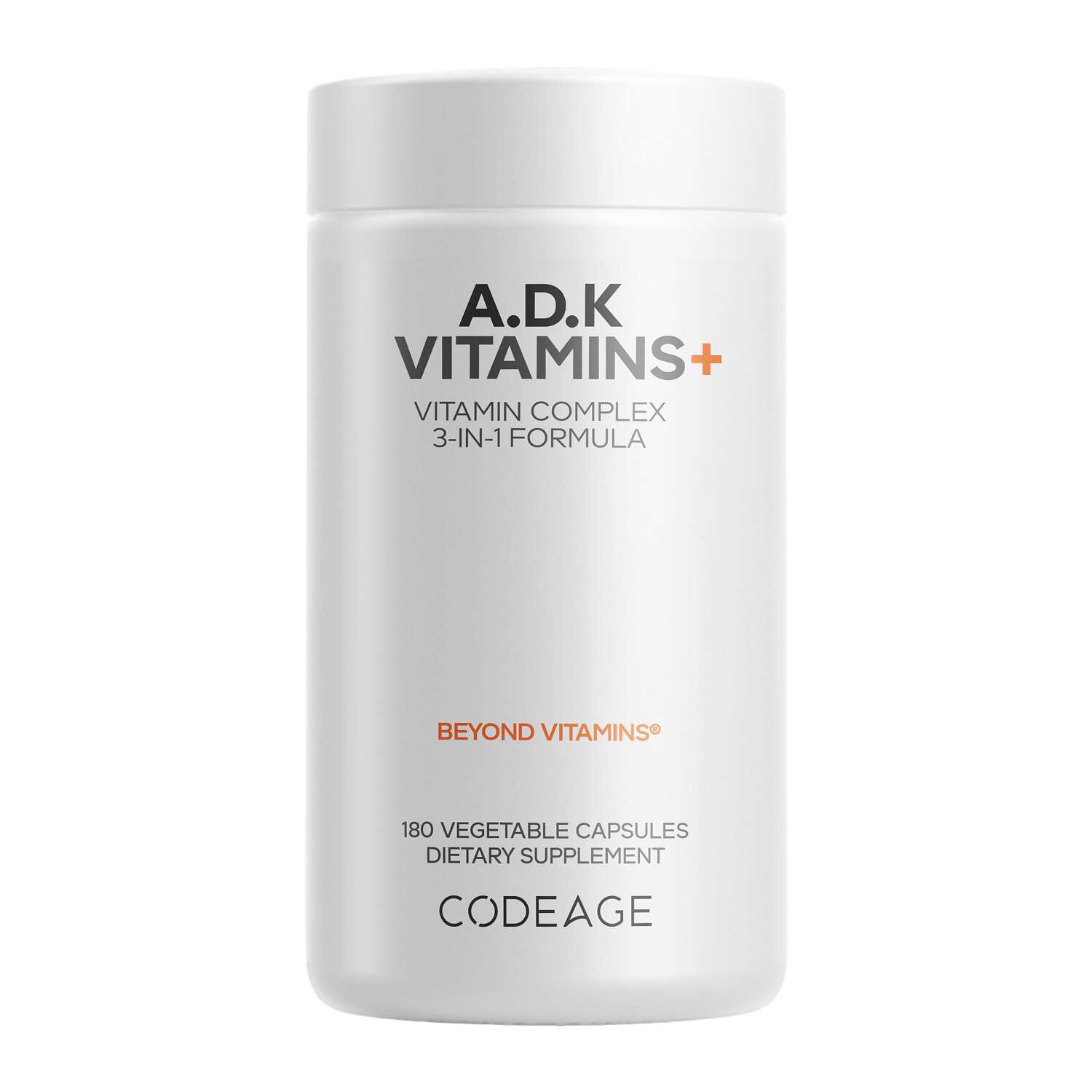


Unisex supplements are nutritional products marketed without a men’s or women’s designation, with options intended for a broad adult audience rather than a gender-specific routine. The category can include multivitamins, individual vitamins and minerals, protein powders, and other nutritional formulas. Unisex multivitamins commonly contain a combination of vitamins such as A, C, D, and E, along with B vitamins and minerals, though the ingredients and amounts vary by formula. The term “unisex” describes the product’s positioning; it does not identify a standardized nutrient profile or mean that every formula suits every adult. Two bottles with similar descriptions can differ in serving size, ingredient sources, nutrient amounts, and suggested use. The Supplement Facts panel provides a more useful comparison than the category name alone, showing what each serving contains and how listed nutrients relate to Daily Values. Some formulas include iron, while others do not, and the amounts of folate, magnesium, zinc, and other nutrients are not determined solely by whether a label says unisex. Compared with products marketed specifically to men or women, unisex options generally emphasize a broader audience, but the actual formula remains the meaningful distinction. Shoppers exploring that difference can also browse Natural Men's Supplements for a category with a more specific audience designation. Neither category label, on its own, establishes how an individual product fits a person’s routine. For someone looking beyond gendered packaging, unisex vitamins and supplements offer a straightforward way to compare nutritional formats, ingredient lists, and everyday preferences. Their appeal may be especially practical in a household where more than one adult prefers the same type of supplement, although a shared preference does not necessarily mean a shared nutritional need. Intended age range and label directions still distinguish adult formulas from products designed for other audiences, making those details an important part of understanding the category.
Format often shapes the shopping experience as much as the nutrient list. Tablets, capsules, softgels, gummies, liquids, and powders each bring different considerations to an everyday routine. A bottle of capsules might fit neatly beside a breakfast mug, while a powder requires a scoop, a suitable beverage, and usually a shaker or spoon. Gummies introduce flavor and texture into the comparison, with ingredient lists that may include sweeteners, colors, gelatin, or pectin. Capsules can use gelatin or plant-derived shell materials, and softgels may contain oils or other ingredients that differ from those in a tablet. These distinctions matter to shoppers who consider animal-derived ingredients, dietary preferences, or particular ingredient exclusions when browsing. A front-label description is only part of that picture; the full ingredient list and any allergen statements provide additional detail. Serving size deserves similar attention. One serving may consist of a single tablet, several gummies, or a measured portion of powder, so equal package counts do not necessarily represent the same number of servings. For powders, the serving weight and preparation directions give a clearer comparison than scoop appearance. Flavor can also influence fit: a vanilla powder brings a different taste to an oat-based smoothie than a fruit-flavored blend mixed with water. An unflavored option may appeal to someone who prefers fewer competing flavors, but it can still have a noticeable taste or texture of its own. Protein powders within a unisex assortment may use dairy-derived or plant-derived sources, with differences in ingredients, texture, and preparation. Some nutritional powders blend with a spoon, while others call for more vigorous mixing according to their directions. For someone carrying a shaker to the office or packing a gym bag, packaging size and the need for measuring tools can be practical distinctions. For someone who prefers a seated breakfast routine, a bottle stored in its designated place may feel more convenient. The most useful comparison connects the labeled serving and preparation requirements with the way the product would actually be used, rather than treating every format as interchangeable.
Unisex supplements may complement an adult’s nutrition routine, but their intended use varies considerably across the category. A multivitamin combines multiple nutrients in one formula, whereas an individual vitamin or mineral centers on a narrower ingredient selection. Protein powders occupy a different role and come with their own serving information, ingredient sources, and mixing directions. Broad terms such as “daily wellness” do not make those products equivalent, and a supplement is not a substitute for varied meals. For shoppers comparing several options, looking at each formula separately can reveal overlapping ingredients that are easy to miss when the packages emphasize different themes. The amount per serving, the number of servings in the container, and any directions about preparation all help clarify what the product involves. Quality-related details are also most useful when they are specific. Clearly identified ingredient forms, readable labeling, and descriptions of any testing or certification provide more substance than vague language about premium ingredients. Any certification applies to the stated criteria, not automatically to every characteristic a shopper might value. Once a supplement becomes part of a household routine, care and storage matter as well. Original packaging keeps the ingredient list, directions, lot information, and date markings together, while a securely closed lid helps limit exposure to moisture. Label-specific storage instructions take priority, including any directions that apply after opening. A countertop beside a steaming kettle, a damp bathroom shelf, or an open pouch in a gym bag presents different storage considerations from a designated cabinet. Powders also involve keeping the scoop clean and dry and resealing the container after use. These are consumable products, so package condition, date markings, and storage requirements are more relevant than the durability considerations associated with reusable fitness equipment. In a shared household, keeping each formula clearly identifiable preserves access to its directions and avoids confusion between similar-looking containers. Whether the preference is a simple capsule format, a flavored gummy, or a powder prepared with breakfast, browsing unisex supplements is ultimately about distinguishing formulas by their actual contents and intended use. A clear label and a format that fits the daily routine provide a grounded starting point for that comparison.